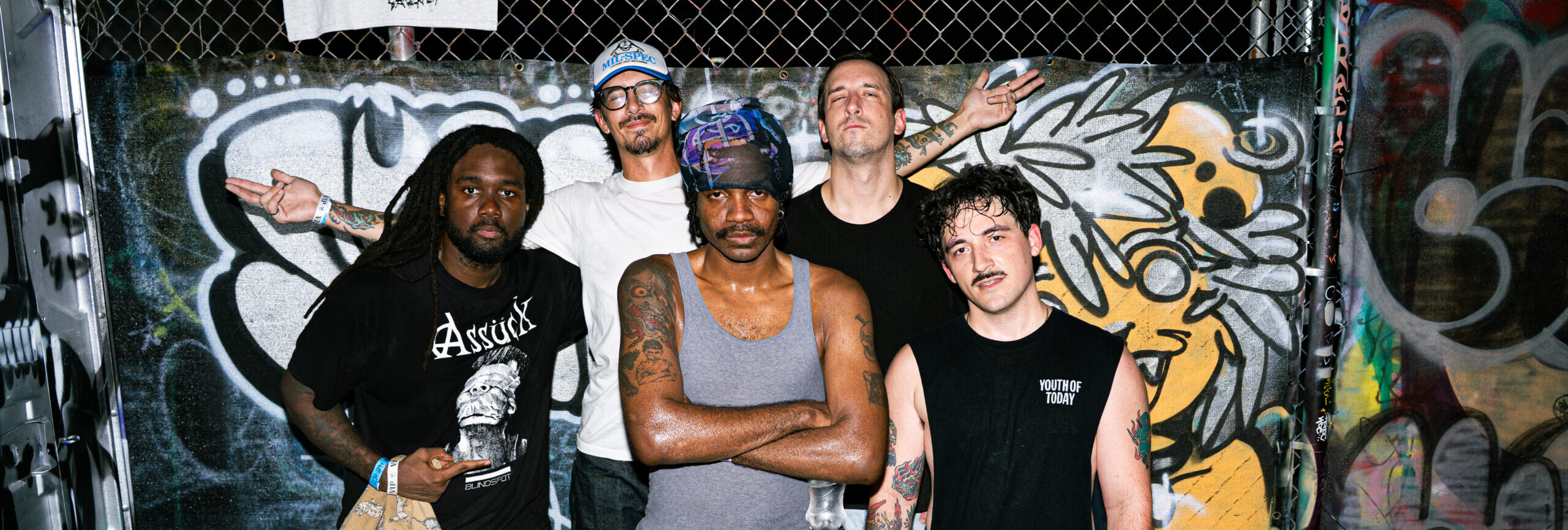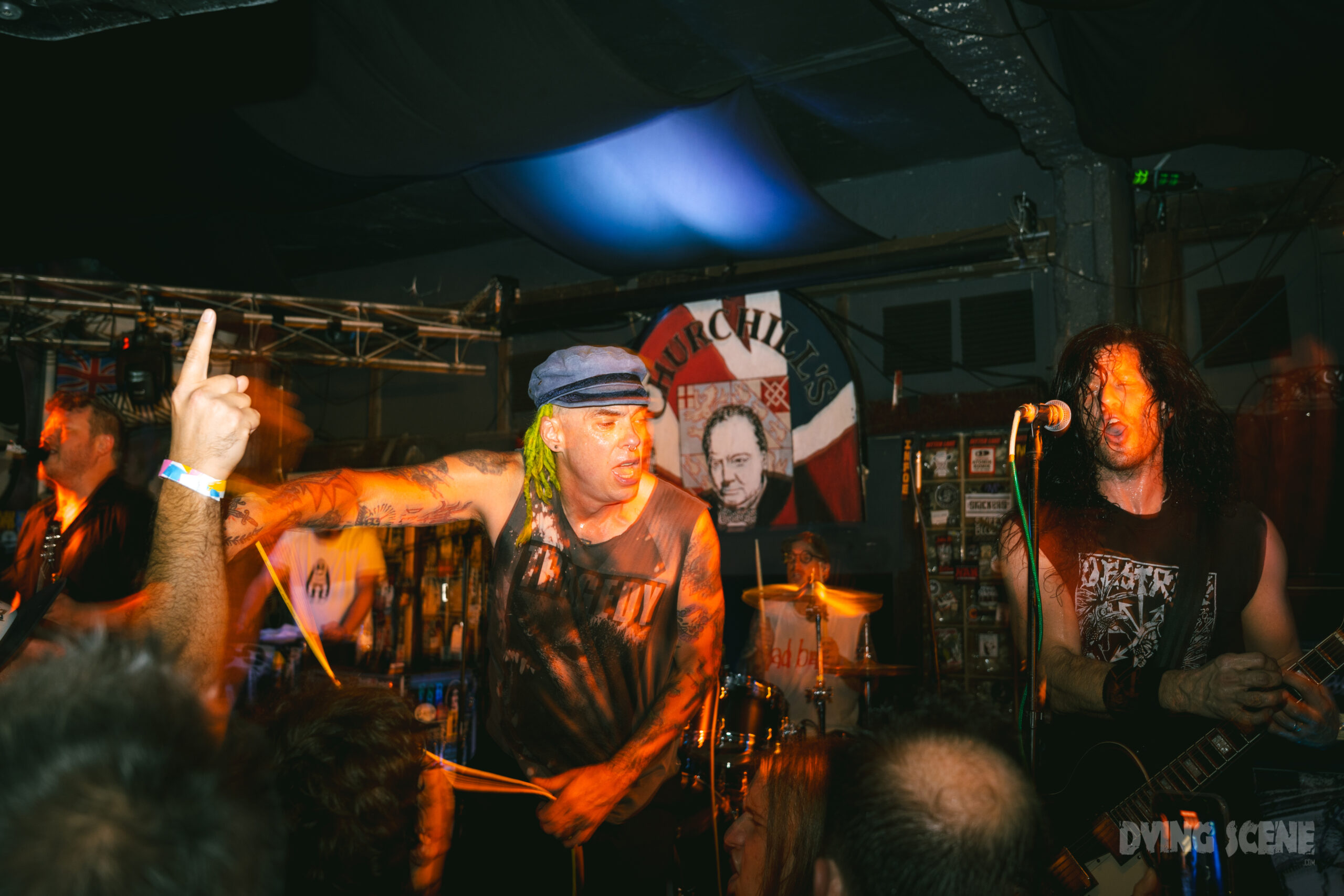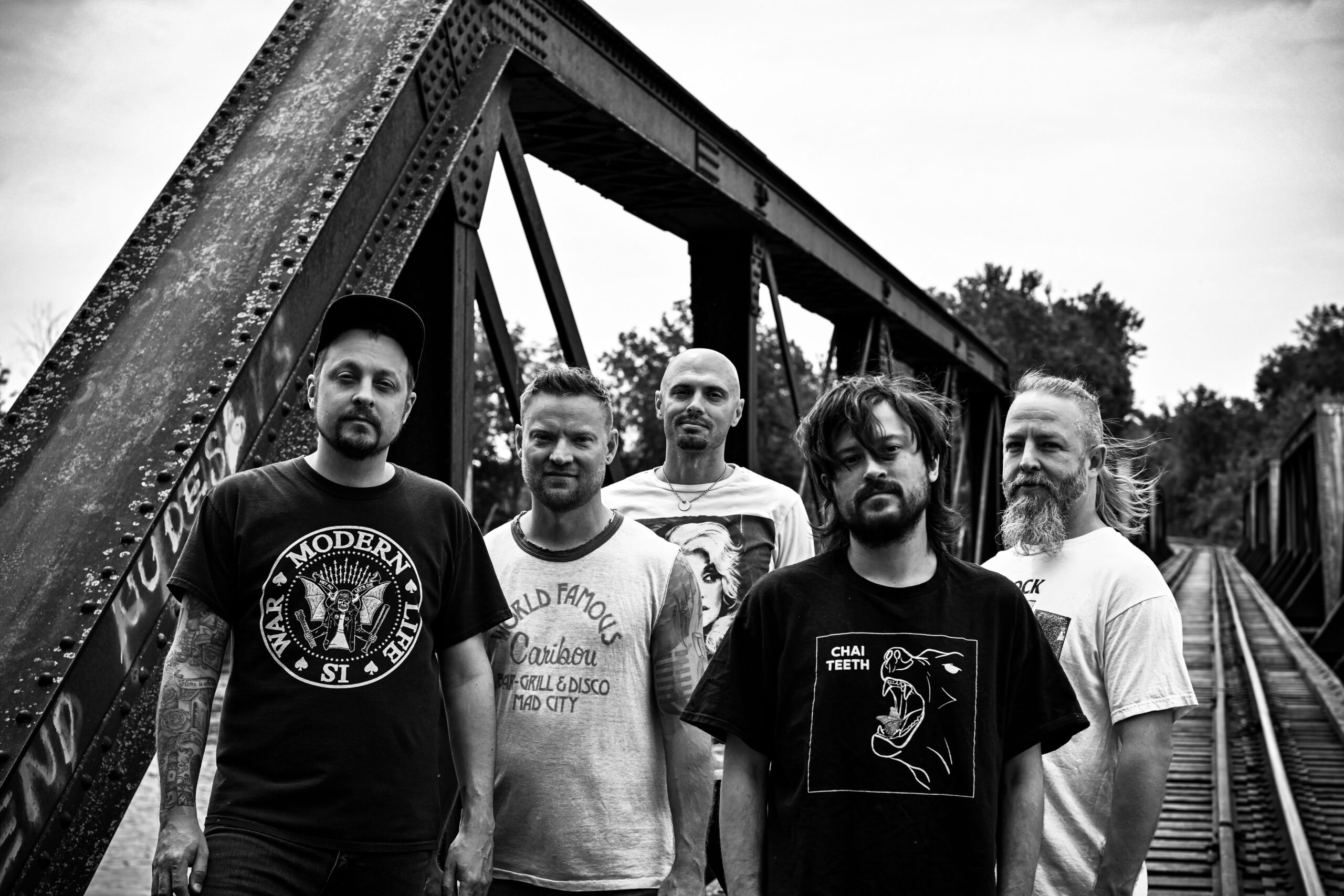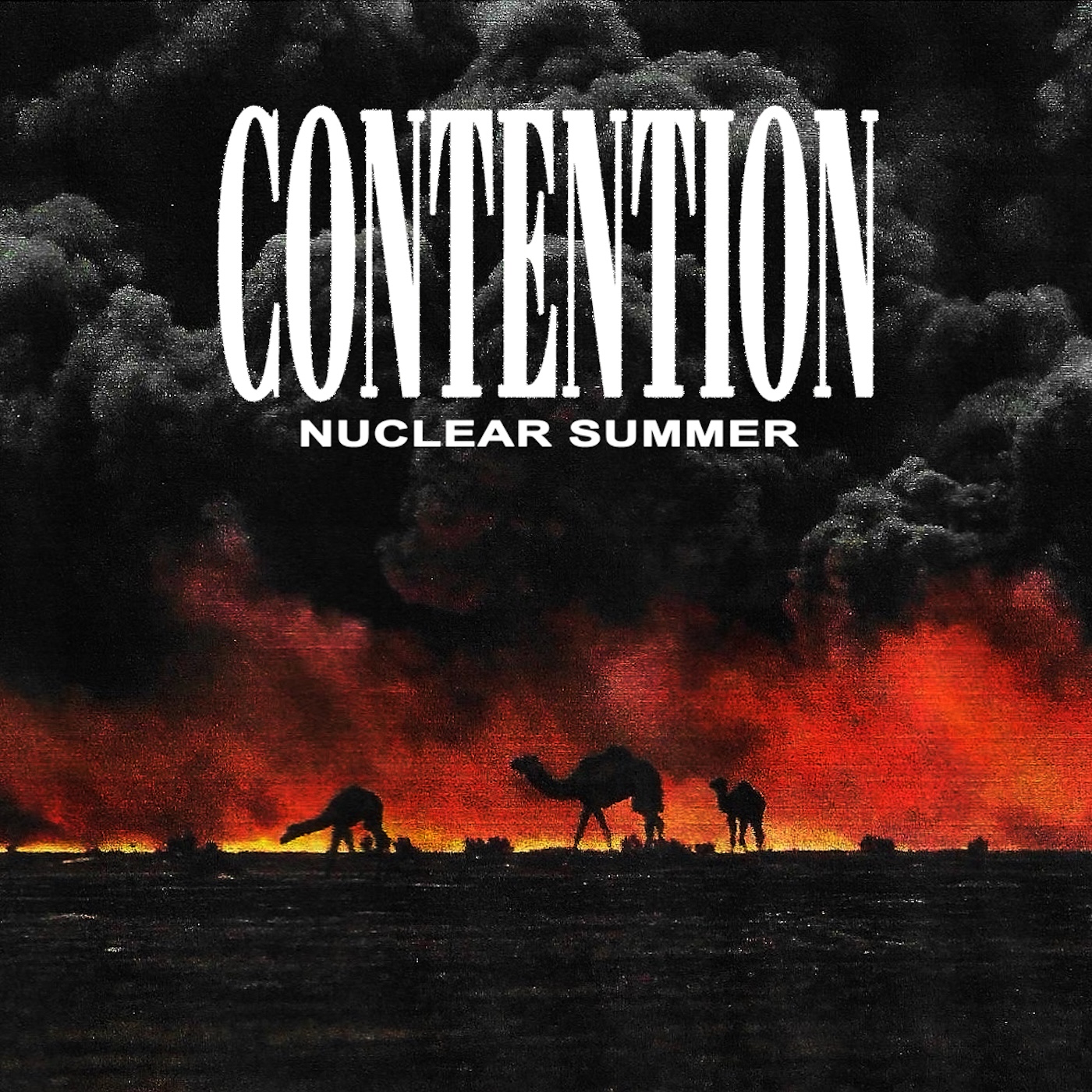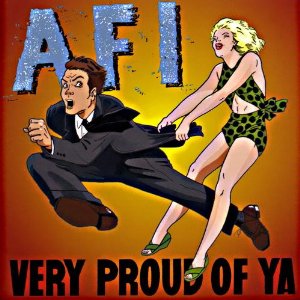
When AFI started playing music, they were a different-sounding band. Primarily a hardcore punk band, it’s evident that the trajectory of the band has been shaped by their evolving sound. However, for a lot of punk rock kids, their first couple of albums hit really hard. As they’ve evolved over the years, their fanbase has fluctuated. For me personally, those first couple of albums hooked me until the first time the band made a drastic change with their sound. Geoff Kresge was an important contributor to the band’s early sound.
During our interview about Answer That And Stay Fashionable, Geoff had offered to talk about the record that followed, Very Proud of Ya. I immediately agreed. The story Geoff told was of a young band on the brink of success. As a kind of part two from that previous interview, we see a band keeping up with a scene that’s taking off while adjusting to their newfound success.
How long was there between the release of Answer That and Stay Fashionable and the recording of Very Proud of Ya?
That came out in July of ’95, and it was around November when we started recording some of the songs that later ended up on the album as a separate session. Basically, we just kind of stayed in writing mode for the duration. The recording began, I want to say it was in February of ’96. It would have probably been late February, early March when we started to do the tracking for the actual album. We did the mastering for Very Proud of Ya on April 1, 1996.
I think we were in the studio, maybe two days of tracking drums. It was maybe a day and a half of bass, a day and a half of guitars, and three days of vocals. We ended up tacking on an extra couple of days to do a couple of other songs in the session. It was pretty quick to have the answer out in July and then be in the studio, making the next album. By today’s standards, I guess it was a pretty quick jump.
Yeah. How long did you guys tour Answer That And Stay Fashionable?
That wasn’t very long. We started off doing a U.S. tour that, I want to say, was at the end of June ’95. We were on the road when Answer That and Stay Fashionable was officially released on July 4th. From there, we stayed on the road through the end of November to mid-December. That was the extent of touring for Answer That and Stay Fashionable. We kind of just stayed in writing mode because we were active, and it was kind of easy to just stay in that groove. We kind of just didn’t pump the brakes for that time.
How long does it take before Nitro Records comes in and starts talking to you guys?
Before Answer That and Stay Fashionable was actually released, we had sent a demo tape to several labels. Nitro was one of the labels that we sent the tape to. I think, a few months prior to recording Answer That, Nitro was kind of maybe a little already interested at that point. I guess we hadn’t really proven ourselves as far as being a touring band or anything like that. So they came into the picture. It would have been October, November of ’95, possibly December. We had just finished the bigger tour that we did that year. I think that maybe somebody put a bug in somebody’s ear to check us out. That’s what kind of sealed it for them.
Was Dexter involved in acquiring the bands and contracts and things like that? Would he go to the shows to check bands out, or was he just the name behind the label?
You know, I don’t remember if he came to see us play before or after we were signed to the label. All of everything that was done at a desk or whenever we were in an office, it was done directly with him. If The Offspring weren’t on the road, he was in the office Monday through Friday. He was reachable; if we needed to contact him for anything, it was fairly easy to get a call back and get whatever we needed taken care of.
Did Wingnut want to put out the next record?
Yes, they did. This recording session that I mentioned was happening in the fall of ’95. The owner of Wingnut Records came to the studio while we were in session and was kind of pressing me, “Are we ready to do a second album with them and all this?” It was a little overwhelming because it wasn’t really something that was intended, to make a second album that quickly. It just kind of happened that way. When Nitro became involved, they were ready for us to go like, now. So it was kind of a surprise, but while I was talking to the owner of Wingnut in the studio, he asked me, “Am I ready to do a second album with them?” My honest answer was that I didn’t know when there was going to be a second album. We were still in the process of writing and recording.
From my perspective, my thought was that we would do a couple of EPs and then maybe another album, say the following summer or whatever. As I said, once Nitro got involved, it really was kind of like getting on a roller coaster because they were ready for us to be in the studio right away and start getting the record out. Wingnut definitely was interested in doing another record with us.
You guys signed with Nitro, and we kind of talked about how you had to re-record some of the songs.
That’s the extra couple of days they got tacked on to the end of the session. Thirty years later, I still don’t see the point in doing it, but it was something that Mr. Holland insisted we do.
The witty song titles are still there, but the jokey lyrics were left behind. Was that how you guys were trying to make Very Proud of Ya different from Answer That?
It was a conscious effort to get away from that kind of stuff with the sort of cartoonish lyrics. It was something that when I was joining the band in ’92, they were already trying to distance themselves from. I thought it was fun. It was a cool element, but it also seemed like it was time to not do that. As far as the lyrics on Answer That and Stay Fashionable, there was a lot more shared lyric writing happening for that record. Whereas with Very Proud of Ya, it was more of a shift to where I personally took more of the reins of just writing and putting the music together, and allowed the lyrics to be written. Not like giving permission, but allowing everyone to just express their own way of making the songs and contributing in whatever way they wanted to contribute.
Answer That and Stay Fashionable was a little more controlled, but Very Proud of Ya is more of a band record. It was composed of older songs that the band had before I joined. Those were kind of like the more modernized versions of those songs. The songs that I’ve contributed to that album, musically or lyrically, are things that I was writing outside of before I had joined the band for the most part. Very Proud of Ya then sort of became more of a band effort where almost all of the songs were brand new, aside from the ones that were rerecorded. It was more of a band experience for everybody contributing their own part and allowing a producer to tell us how we sounded rather than us telling each other how we sounded.
That kind of contributed to that aspect of it. Anyway, to get back to the more mature lyrics, if you will, that was a conscious decision that was something they were trying to do before I joined the band, and it just kind of fell by the wayside. Everyone was a bit older. Those were the songs we had in our setlist, and we didn’t really consider taking time to rewrite them or write more new songs. We just jumped on it and went with what we had. I think that there was probably a sense of them thinking that it was a bit childish because it was written when they were in high school. They had all been going to college at this point. I think that it was probably less important for me that the lyrics became more serious than for whoever had to sing them.
I think that was probably the biggest part of it, not wanting to sing cartoony songs and be sort of taken more seriously. It was quite a serious effort that was being put into Nitro wanting to work with us. It was a big deal. Everybody kind of took it a lot more seriously than the previous record. It kind of went from there.
Was there any pushback from Nitro as to what kind of record you should make, or were they just like, “Go and do your thing”?
I think part of the reason why we did the demos for Very Proud of Ya was because they wanted to hear the songs. Also, we needed to record demo versions of the songs for the producer to make suggestions, or not make suggestions, or what have you. The only thing that I can say we were pressured to do is just to re-record those two songs. That was really the only pressure, aside from the time constraint, because we didn’t really have enough time. We didn’t manage our time as wisely as we would have had we known how involved the production aspect was of making the record.
Were you guys in a different studio, or did you record at the same place?
We were in a different studio, where all of the recordings we had done since regrouping took place. We had done all of that stuff, including the demo session that went to Nitro, as well as a couple of sessions afterward, all at the Art of Ears. We wanted to record Very Proud of Ya there also, but the producer wanted to record it elsewhere. It was weird for us because it was not really what we were used to. It was a little nerve-wracking because it was kind of tight quarters in there, and some of the gear was very pricey, high-end recording equipment. It was a little intimidating to even be in the same room as some of that stuff at that point.
Was there pushback from Nitro to make the same record or to make a different record?
No, no, there was no pushback whatsoever. All of the material that we submitted, they liked. They didn’t have any issues with anything. Literally, the only pushback at all was from us not wanting to rerecord the two songs that they wanted rerecorded. And that was the only issue with Nitro as far as pushback was involved. They were fans and were excited about the new songs and all that.
Are there any songs that didn’t make it onto Answer That and Stay Fashionable but made it onto Very Proud of Ya?
There were three extra songs on the vinyl that are not available on the CD. Having said that, the vinyl bonus tracks were songs we had also recorded versions of for Answer That And Stay Fashionable, but for whatever reason, we just weren’t feeling the performances or whatever. So we left them off of that record. The song “Charles Atlas,” which is track twelve on Very Proud of Ya, was originally going to be on Answer That And Stay Fashionable, but the chorus and the arrangement were different. We decided to try a little harder on that one to make it a better song.
I saw an interview with Adam and Davey where said there are about twelve to fourteen good songs on the album. Do you feel that’s accurate?
I would agree with that.
What were the ones played in the set?
Oh, as far as what was played in the set from Very Proud of Ya, we played all of that stuff. At one point or another, all of the songs on both albums had been on the set list at some point between ’92 and ’97, but I definitely would agree there’s some fat that could have been trimmed from what got released. I think it would have been better as a fifteen to sixteen track release, instead. Like I said, I think there were three songs that got added to the vinyl that are not available. So, twenty-three songs were released.
There are three really good songs that didn’t get finished and were supposed to be on the record. That would have definitely made it a more solid record. I think we would have had the time to record those three songs. My guess is that we would have cut four to six songs.
Is that four to six, including the ones rerecorded from Answer That, or on top of those?
Not including those. I would cut at least four more. It would definitely be a better record. Retrospectively, I think that if we had been able to self-edit a little bit more, we probably would have released a shorter, better album, and the recordings would be a little more complete than what they are. There had been a plan to do more with adding other guitar parts and such, but there just wasn’t enough time.
The producer’s work style was very different from what we were used to or what we expected. This is all pre-Pro Tools too, you know? So, everything was on analog tape. If you had to redo a part, it was kind of a tedious and very time-consuming process to do it the way we were doing it. I think that’s also partially a contributor to why some of the songs didn’t get the treatment that they were intended to have. As I say, a few of the songs on the record have guitar solos.
I think it would have been a better record if we had just not recorded half a dozen of those songs that really didn’t need to be recorded again and focused more on executing the new songs, making them the best they could be in retrospect at the time. I thought that all the songs were good, and some of them not as good as others, but they can’t all be winners, right?
What do you feel are the highlights of this album for you song-wise?
“He Who Laughs Last,” “File 13,” “Advances in Modern Technology,” “This Secret Ninja.”
This Secret Ninja has always been one of my favorites. When I first got into punk, I didn’t have a lot of money, so I was relying on bootlegs. I think I had the Snow Jam one. That’s the song that actually hooked me on you guys.
Oh, that’s cool. Right on. Thank you. That’s one of my favorite songs on the record. I also liked “Fishbowl” and still like that song quite a lot. I guess that’s my list as far as what I think are highlights, or the ones that I have a little more pride in. I suppose you would say, as far as where we were musically at that time, I think that if you were to take a cross-section of what we sounded like at the time, those songs would probably embody that the most.
Nice. So you said there were three songs that you guys didn’t really get to do, that were kind of left over. Did you keep any of that music, or did they use those on another record?
They’ve never been released in any form. I have the master reels from the demo session, but as far as any of it having been released or them rerecording any of it or anything like that? No. The music for those songs I had written, and had I continued in the band, those songs would either have become an EP later or they would have made it onto the third album, if there was going to be a third album. Were I still involved in the band, or whatever, those songs would probably have been on that record. They’ve never been released, and I haven’t even heard them for more than 20 years.
I’ve got them on a cassette somewhere. I’ve got the actual reels from the studio recording, the demo recordings of them, but I don’t exactly have the ability to play them back. I think we actually recorded the drums for them and maybe rough guitar and bass only in the Very Proud of Ya sessions, the actual album session. That’s only a maybe, but as far as anything having made it out of the demo phase of those three songs, that’s where they ended.
Was the Very Proud of Ya Tour bigger than the previous one?
There was definitely more of a wave, as far as being put on other tours. Going into Very Proud of Ya, we had a booking agent. Previously, we had been doing the bookings ourselves. That includes some of the touring for Answer That and Stay Fashionable; it was DIY booking. We had a label that had the resources to keep us on the road, help us get a new van and trailer, and to put us on other tours with other Nitro artists. It was a nice kind of push, you know what I mean? It was cool to do these sort of label-mate tours.
We did a couple of those, but the shows were bigger, the tours were longer, in bigger venues, et cetera. Everything just kind of leveled up. When Very Proud of Ya was basically hitting the streets, we already had some momentum behind us as far as continuing to be gigging and touring. We did a bunch of shows with other bands that were on Nitro, and did a tour with The Offspring. It was pretty cool to have those kinds of opportunities, and those only happened because we signed to Nitro. Those wouldn’t have happened otherwise.
I was going to ask you about the album art, you did the art for this album. How long had you been doing art at that point?
I started doing art when I was really young. I know, it probably sounds ridiculous, but I sold my first painting when I was five years old. I did a watercolor painting of a fish and some guy gave me five bucks for it. I’m sure that’s not an indicator of anything to come, but I have been interested in art my whole life. Since I was a little kid, my dad was very into drawing and painting and making things. I had an uncle that was also super creative. It was kind of already ingrained in me. As far as doing artwork for the band, I started doing artwork for the band as I was joining the band. It was kind of like, “Here’s what I got.” Mark, the guitar player, was also a really talented artist.
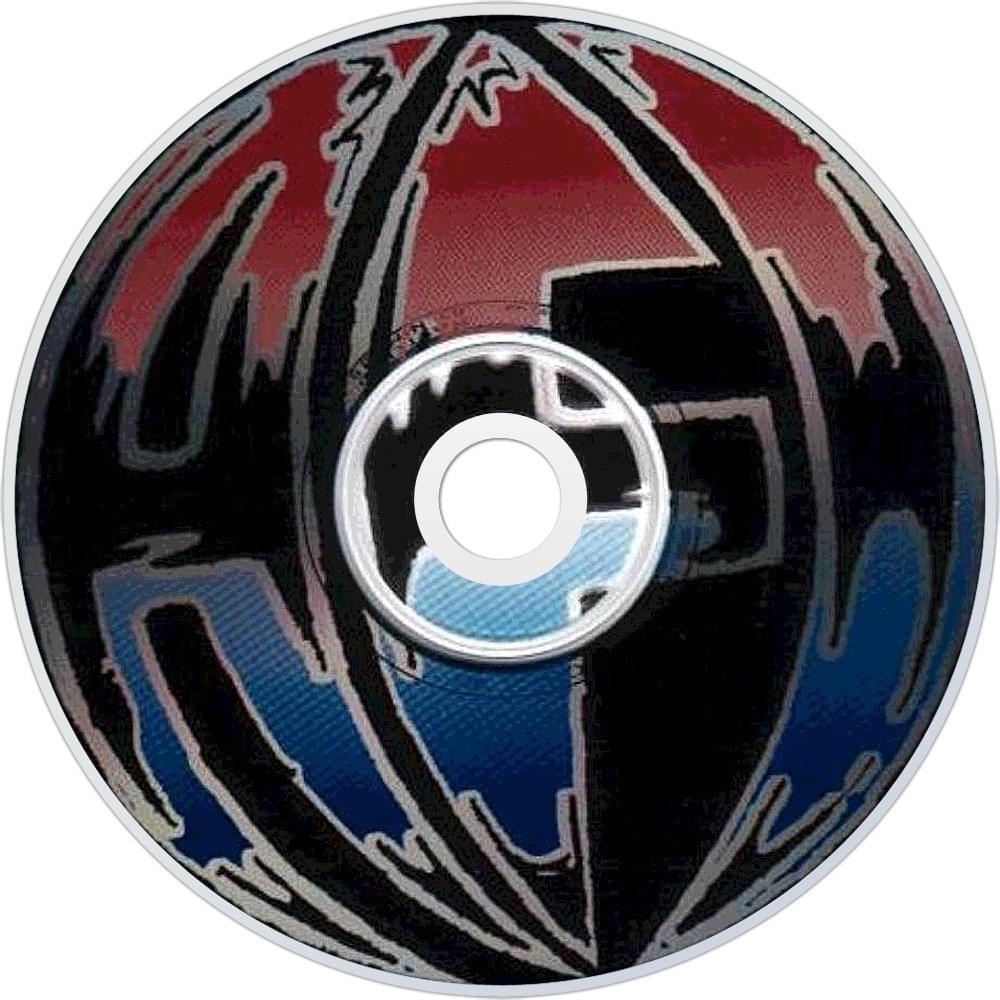
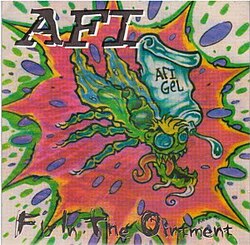
A couple of his things were used for graphics before I joined the band. We did keep his logo that’s on the CD of Very Proud of Ya. We called it the AFI ball logo. That was designed by Mark, but the majority of the other graphics up until I left the band, that was stuff that I did. There were a few pieces that we had other artists do, but most of it was done by me. The merchandising, the concept for the Fly in the Ointment EP, the art direction for Answer That And Stay Fashionable, I did the actual physical paste-up layouts for the three EPs that I put out on my label. From the beginning of me getting in the band, I was doing the graphics stuff.
You stayed with the band through 1997. Did Nitro re-release Answer That and Stay Fashionable while you were still in the band?
My last show with them was, I think, April 5th, 1997. I don’t remember the exact date of the re-release of Answer That And Stay Fashionable. I want to say that it was maybe May or June. I didn’t get actual copies of it from Nitro, aside from an advanced copy of the cassette version. I didn’t get a test pressing or anything from them. It definitely came out in the period when I had given notice that I was leaving the band at the end of the tour.
It came out sometime between that and when their next tour began. I don’t think they had a long period of time to work in a new bass player. It might’ve been a month or something like that. I think it was when they were on that tour. I had gone back to Art of Ears and remixed the record with Andy Ernst before release on Nitro.
It’s mixed differently, and we ended up cutting some parts out or adding other parts in. It is slightly different. It was in the process of being released while I was still in the band. I was still art directing. The artwork had to be redone because the files were lost. I oversaw that and approved all the layouts. The only physical thing that I got from Nitro regarding the actual releases is the advanced copy of the cassette with no artwork.
Oh, weird.
It just has the song titles printed in white on the tape, but there’s no J-card. It’s just a clear shell with clear tape with white print. That summer, I ended up buying a copy of it on vinyl that was reissued. I found it in the record store where I was living and bought it. So that’s the copy of it that I have.
Had you worked on any songs with the band before you quit that were going to be on a third album, or did you?
There were three that I previously mentioned that were left off Very Proud of Ya. There was one for which everything was worked out regarding how the song was written, and we had worked it out musically. We made a live soundcheck demo recording of it. I had lyrics for it and have a recording of the instrumental version. I don’t have a recording of the vocal version. That song definitely would have been on the third album.
Which is more of a shift towards what they ended up doing as the third album, anyway. I don’t know if you would say hardcore, but you could probably tell me musically how it shifted between Very Proud of Ya and the third album more than I could probably tell you. That particular song was more in line with that kind of a shift. I had somewhere between fourteen and eighteen songs already written for a third album. I did actually have a conversation with Mark during my last tour and said, “You know, I’ve got all these songs if you want to use them.”
He said, “No, thanks.” It was much more of a band record. It was kind of trusting that everybody was doing the right thing and what’s the best thing for the band. It’s cool that he declined. There were plenty of songs that were ready to be recorded for a third album. It would have definitely been a different record. It definitely would have been a different record. There’s definitely a pivot.
I was contributing two-thirds plus music that was being brought into the band. Then I was contributing zero percent, and Mark was doing one hundred percent. His writing style was very different from mine. I think that everybody’s tastes had changed from what we had tried to accomplish with Very Proud of Ya. Everybody was wanting something different for the third album, and one of the songs that would have ended up on the third album actually ended up on The Force’s record, the band that Hunter was in before.
“Star Destroyer” was a song for which I had written the music. We were going to do it with AFI, but when I decided to leave the band, I offered it to The Force, and they recorded it. That was another one of the songs that would have made it to the third record.
Did you guys play Star Destroyer in Viva Hate at some point?
Yeah, we actually did “Star Destroyer” in all of our live shows, just to kind of carry that over since Wedge (the Force singer) and I were actually in a band together. It was cool to get to play that together.
So in 1997 you quit AFI. What did you end up doing?
My plan was to be a full-time graphic designer. The second half of the tour, which started off with us opening for The Offspring, was with Sick Of It All. Pete Koller and I became friendly. We got to know each other a little bit on that tour, and he was telling me about how he had gone to school to be a graphic designer. I expressed to him that my plan was not to play music, but to do graphic design. He commissioned me to do three designs for Sick Of It All merchandise. That really jump-started me into doing that full-time, as well as screen printing and printmaking.
I joined Tiger Army in 1999, shortly before the album came out. The record wasn’t even finished being recorded yet, but I was already learning the songs for the first tour. I didn’t go directly to Tiger Army; I was in two bands between AFI and Tiger Army. Those weren’t really serious in terms of touring or anything, just a handful of shows here and there. I did some recording with one of those two bands. That’s when the Tiger Army opportunity happened, and I moved to LA.
Geoff has been putting up a lot of old artwork and flyers from this era. He also does tattoo work. For more info check out his Instagram.
Discover more from Dying Scene
Subscribe to get the latest posts sent to your email.