Michael Bradley was the bass player of The Undertones, one of the most successful bands to come out of Northern Ireland. The quintet formed in 1974 and ended up being one of the bigger punk rock and new wave acts of the time. In 2016, Bradley released Teenage Kicks: My Life as an Undertone. Omnibus […]
Michael Bradley was the bass player of The Undertones, one of the most successful bands to come out of Northern Ireland. The quintet formed in 1974 and ended up being one of the bigger punk rock and new wave acts of the time. In 2016, Bradley released Teenage Kicks: My Life as an Undertone.Omnibus Press has re-released Teenage Kicks as part of their Remastered series.
Bradley starts by discussing his early life, but mostly keeps the story focused on The Undertones themselves. The band formed when its five members decided to play music, drawing inspiration from the Beatles and the Small Faces. Despite forming during the Troubles in Northern Ireland, the band mostly stayed apolitical. When punk broke in England in 1976, they started playing music closer to the Sex Pistols and the Buzzcocks.
The experiences recounted of forming the Undertones feel much more relatable than other books I’ve read about bands. There was a cohesion within the band that sometimes feels left out of other band biographies. Bradley gives the reader a good sense of the scene in Ireland. While punk was exploding in England, it was barely making a dent with Ireland’s mostly Catholic population. I appreciated reading about the little details of life in Ireland regarding brands used and TV shows they watched, but also getting the context of life in Ireland in the middle of the Troubles.
While adolescence and defiance in Derry have been portrayed in shows like Moone Boy and “Derry Girls, it’s great to get firsthand accounts rather than a dramatic retelling. That being said, it’s refreshing to read a book about young punks who were way more into music than trouble. The Undertones started making waves and money playing shows at the local bar, the Casbah. Soon, the band’s popularity started to grow. With that growth came bad record contracts and meeting the bands you worshipped in a short amount of time.
As I’ve read more books about other bands in England, it’s been interesting to compare their experiences with England’s American Bandstand equivalent, Top of the Pops, and how each band has reacted to it. Every band has a unique experience, but it also feels similar to the others. Bradley’s recollection doesn’t seem as bad as others, but he also doesn’t spend as much time going over the show’s ridiculous requirements in comparison to others’ recollections.
Bradley’s writing style does sometimes get dense, but the story of the Undertones is worth the ride. Teenage Kicks is one of the better books I’ve read about youth and playing in a band. It’s an interesting journey through the eyes of a kid going through the scene whose band may not have been as successful as the bigger names, but it’s this perspective that gives us a better idea of the scene as a whole rather than a bigger band’s small corner of it.
Pick up Michael Bradley’s Teenage Kicks: My Life as an Undertone from Omnibus Press or other fine bookstores.
The Eaton and Palisades Fires devastated areas of Los Angeles a year ago. While a slew of charities worked overtime to bring aid to residents who lost their homes, another project emerged on January 7. Charlie Overbey and Grammy Award-winning producer Tedd Hutt have gathered a who’s who of punk rockers from all eras to […]
The Eaton and Palisades Fires devastated areas of Los Angeles a year ago. While a slew of charities worked overtime to bring aid to residents who lost their homes, another project emerged on January 7. Charlie Overbey and Grammy Award-winning producer Tedd Hutt have gathered a who’s who of punk rockers from all eras to record “We Are LA,” a single release with all proceeds benefiting the Sweet Relief Musicians Fund.
The song will be released physically on a 12-inch record along with a digital single, available for purchase through Bandcamp. There is also an auction set up for fans to bid on a guitar and t-shirt (separately) that were signed by each musician on the track, along with a cymbal and drumstick signed by Atom Willard. These proceeds will also go to the Sweet Relief Musicians Fund.
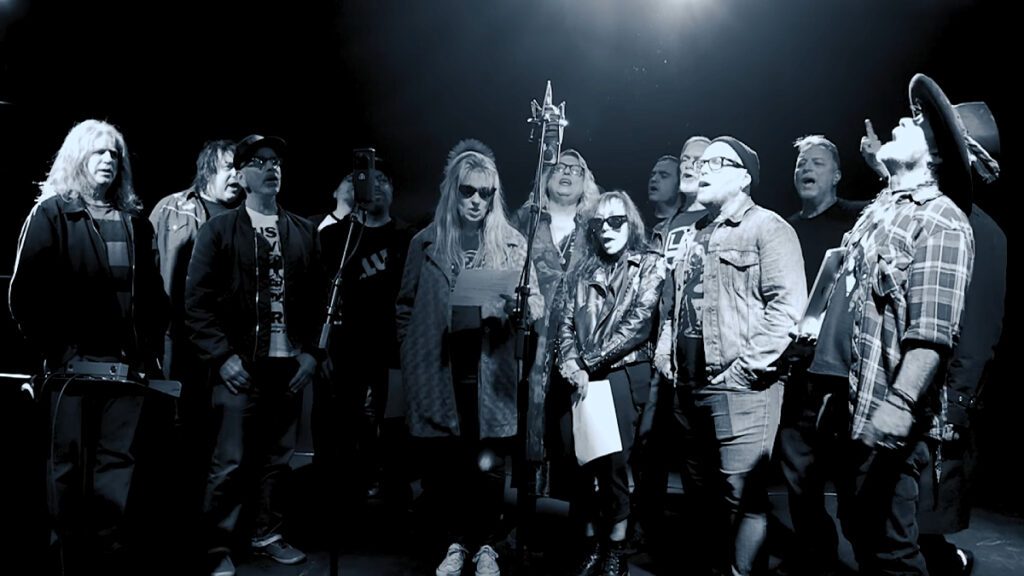
The track was initially laid down by Overbey, Mike Watt (Minutemen), Atom Willard (Alkaline Trio), and Jonny “2 Bags” Wickersham (Social Distortion). However, Overbey was able to recruit more musicians to jump in and help out. Featuring members from bands like TSOL (Ron Emory and Greg Kuehn), the Adolescents (Tony Reflex), the Linda Lindas (Eloise Wong), Sugarcult (Marko DeSantis), the Drowns (Aaron Rev Peters and Jake Margolis), The Go-Gos (Jane Wiedlin), and more round out the lineup.
The Sweet Relief Musicians Fund provides financial assistance to musicians and industry workers at all levels who experience financial hardship in times of need. Some of these grants were given to musicians who were affected by the fire, but some are still feeling the repercussions from the fire. These funds assist with anything from medical expenses to basic necessities like food and rent.
Musician and “We Are LA” organizer Charlie Overbey was kind enough to speak with us about the “We Are LA” single and why it means so much to him at this pivotal time in the city’s history.
Dying Scene (Forrest Gaddis): How did the idea for “We Are LA” come about?
Charlie Overbey: I was watching the fires on TV in disbelief from our off-grid pad out in New Mexico. We moved out here during the pandemic, but I was born in Lynwood and spent all my life in LA, so it hit me pretty hard. Those moments always tended to inspire songs and some philanthropy since 2020.
Who wrote the song and music?
I started writing the song pretty quickly while watching the news and jotted down some rough lyric ideas. Then I played the bare bones of it for my musician daughter, Katie, who was almost 19 at the time. She kind of jumped in and had some great ideas, so we basically co-wrote it.
Why did you choose to raise money for the Sweet Relief Musicians Fund?
I had worked with Sweet Relief earlier in the year on another fire relief fundraiser with my company, Lone Hawk Hats, and my other half, Vanessa’s boutique, Honeywood Vintage. Sweet Relief has an epic, long track record of doing good things for good people. From the moment I met Aric, I knew they were the ones I was going to raise money with to help those struggling from the fires.
Was there a specific moment that made the project necessary?
The minute we realized how gnarly the destruction was going to be, the rapid pace at which the fire was spreading, the call that Marko DeSantis had lost his home, Publicist Kim Grant had lost her home, and Chris Shiflett had lost his home. It went on and on, and I knew there could never be enough help for this. It was time to try to do at least something.
How did you decide who would be involved?
I started thinking about all the people from LA I admired from the punk scene, all the people I was lucky enough to have become friends with, and people I barely knew but knew would step up for the cause, very few refused to jump in.
Were there any unexpected collaborations or contributions that surprised you?
Nothing really surprises me anymore. I knew the caliber of talent we were dealing with. I think it was the folks who didn’t step up that surprised me.
With artists from different eras of punk involved, were there any challenges in bringing everyone together?
The older punks totally support the young punks, and the young punks all respect the OGs, so it was all respect and love on this project.
Where do you feel “We Are LA” fits within Los Angeles’s history of activism?
I hope it fits into the belief that, as Angelenos, we can bring change in the darkest of times. We are resilient and rebellious, from the streets to the offices. Even the city officials are kind of punk in a way, if you can dig that..
Beyond fundraising, what kind of impact do you hope “We Are LA” will have?
I hope it will raise awareness, spread unity, and instill a belief that the rebellious, young and old, still can do what’s right, to see through the bullshit, and to step up and fight for what’s important in this day and age. There is a lot of fighting on the horizon with the regime trying to turn this country into a third-world country, so you have not seen or heard the last of us. WE ARE LA!
While the holidays may be behind us, charity and goodwill don’t have a season. Consider purchasing the digital track or 12-inch record or bidding on the auction items to help people who are still struggling with rebuilding their lives after everything was taken away from them.
After a decade and a half, Bad Cop Bad Cop just keep getting better. With a refreshed lineup and record label, it’s obvious that their connection has only grown stronger. I got to catch up with the girls, minus Linh Le, for a candid conversation about changes, growth, chemistry, and why this chapter has felt […]
After a decade and a half, Bad Cop Bad Cop just keep getting better. With a refreshed lineup and record label, it’s obvious that their connection has only grown stronger. I got to catch up with the girls, minus Linh Le, for a candid conversation about changes, growth, chemistry, and why this chapter has felt like one of their realest yet.
Dying Scene (Spike): I just want to say thank you for all that you guys do, especially for women in punk. I’m a huge fan of everything you guys do. One of that being Bad Cop Bad Cop’s album from this year “Lighten Up”. What was the recording process of this album like?
Stacey Dee: Everything was different this time. Over the last couple years we recorded in ways that were kind of uncomfortable and separated. This time we actually played these songs together and we recorded all the music together. We really spent a lot of time on this record together instead of being apart, which is just a way cooler way to make a record.
Myra Gallarza: Yeah, this time we actually got to play our songs and work on them together before we went into the studio. Where before, we would just go in the studio and we’d be separated. It was like, I would play on something I just heard and then try to make sense of it and stuff, you know. So this is the best record we’ve done in a really long time because we got to do it together.
Stacey: Well I will say this. Fat Mike would always produce if I want him to. I know he just retired, he’s a great friend of mine. I love him, but for the first time I didn’t want his opinions. This time I was like “I can’t give a fuck about what anybody else thinks of is, and wants to tear it apart. This is us.” I fucking really doubled down on, and we all did, on how this was going to sound, and this was fucking us. It wasn’t produced in a way where we had to change who we were. And that’s why this record is really fucking great.
What have you learned throughout the process of this release?
Stacey: This was a big change for us because we lost a lot of our production from years before, and a member. Then we gained Alex (Nicole Windsor), who was just so educated in music, and went to school for it. So there was a lot that she brought to the table in terms of structure and the way the things should go, or the wonderful ways that music works. It’s like, “you could do this, though, too, because it totally goes.” And it’s like “I never knew that”, you know?
Alex Nicole Windsor: Jumping into the band was so fun and exciting because I was a fan before I was friends with them and in the band. It’s a full circle moment for me to be able to jump in. I’ve always loved the harmonies and the songwriting and I’ve felt like being able to jump in and then add little bits here and there with guitar playing and the solos, the leads, and some of the songwriting stuff. Being able to bring my piece to it and that contribution felt like, for me, it felt very complete. It felt like we came together and we became this whole new thing that was, to me, like in “Captain Planet” when the rings all come together, it’s kind of like that. I mean, just the chemistry.
Stacey: Yeah, the way that we got to do this record together instead of apart was what made this record great. straight up. It sounds like us and it’s what our band sounds like. Myra was great on this record. She was like, “Take no fucking prisoners, I want to get through this day!”. And you did.
Myra: I’ll tell you, there was one song I swear to god I did 20 times… because some people couldn’t get their parts right. But that’s alright.
Stacey: Was that me?
Myra: Part of it was you, yes.
Alex: Something that was different too, like they said, in the past all these pieces would be taken and then put together and the record would come together in the end, whereas we kind of fleshed out the song ideas way before we got into the studio. So we knew what we wanted to do. And that allowed us to open up the time we were spending in the studio to have fun and add little bits and pieces of magic here and there, as opposed to like, “oh, let’s just figure out what we’re doing and hope we’re happy with it.” It’s like we know we want to do, now how do we make it fun, how do we have fun, and how do we add to it? How do we capture the magic of the songs? That’s really what it came down to.
You definitely did, we can definitely feel that when we listen to it. I think a huge theme of this record is self-acceptance and self-love. Can you telll me a little bit about your guys’ personal journey towards that?
Myra: This record is defintley about wellness. I mean we’ve always done records that are like, back in the day, breakups and silly things like partying and all that stuff. Then we got a little more political for a bit, we always are, but this record was more about wellness and all the things that the majority of us have been through. All lived experiences for sure. Whatever we write about is always referring to a life experience.
Alex: When it comes to the acceptance and the love and all that stuff, where we’re at in the world, alongside with who we are and where we’re at as people, it was just the right time for us to put a record out that reflected how we feel about everything, how we feel about ourselves, how we feel about the state of things, and how radical it can be to love yourself. Punk has always been kind of synonymous with anger and like masculinity, but we think that there’s something really punk rock about finding joy, finding strength in vulnerability, and being honest with yourself.
Stacey: Honestly, the anger and all that hostility comes from the side that we don’t want anything to do with, you know what I mean? So like being fucking empathetic to the point of saying, look, these are my faults. This is my shit and what made me crazy, wild and weird. I hope you’re okay, too. I want to connect with you. I don’t want you to go throw yourself up and off bridge or a building. Quite honestly I think that is a big part of this. Also, our past directors were unapologetically strong without reason. And I think that this record shows the reason. I think that’s the better thing, right? I don’t always need to be like “fuck you”. I need to be like “this is why I say that.” Well, once in a while, we should be (angry all the time).
Myra: With how things are going, it’s okay to be upset about these things, you know? It really is. We write about about talk about this is what we do because we’re very passionate about the things that we say, and the work that we do.
You’ve already played with some awesome bands already, but what is one that you would love to play with one day?
Stacey: Oh boy. Can we open for Iron Maiden? Never say never. Maybe The Go-Go’s won’t hate me anymore. Amyl and the Sniffers. I want The Distillers to come back. I’m a very big Brody fan and I want to see her come back in a very strong, important way. Who else? Green Day, I would love to open for Green Day. Oh my God. Green Day. That’s every punk fans dream, is so open for Green Day, or Weezer. That would be great.
Myra: Queens of the Stone Age.
Stacey: Yes. And Descendents need to take us on tour. Bad Religion needs to take us on tour. Yeah, Those are a couple fucking bands that need to take us out.
Myra: An ideal ideal show would be all our lady friends and have a ladies festival.
Stacey: Yeah, maybe we do a female festival. We’re gonna do it. More uterus and ovaries just hanging low.
Myra: Kathleen, if you’re reading, Bikini Kill. Please.
Stacey: Come on, Kathleen, come hang out with us, we love you. Remember at Riot Fest 2016 when we all hung out.
Myra: Shannon and the Clams, too.
We need to make that happen.
Absolutely that would be awesome. Now, what are some bands that you’re really into right now and you want more people to know about?
Alex: A lot of people know about this band already, but I’ve been on a Winona Fighter kick. Their newest record is just like unbelievably good.
Stacey: Catbite is great. Our old band member, Jennie, has a band called Reckoner. Go listen to them. The Last Gang. They are a band that’s coming up right now, a four-piece band of dudes from Long Beach that are really good friends of mine. Their music is so good that it makes me want to go sit and write music, really good shit.
Devin Clark Jorgenson was the bassist and singer of Minnesota punk band Color TV, he has passed away in December of 2025 at the age of 41. The band shared the message below via Bandcamp on January 5th, 2026. “It is with great sadness that we share the passing of our singer, bass player, and […]
Devin Clark Jorgenson was the bassist and singer of Minnesota punk band Color TV, he has passed away in December of 2025 at the age of 41.
The band shared the message below via Bandcamp on January 5th, 2026.
“It is with great sadness that we share the passing of our singer, bass player, and BFF, Devin Clark Jorgenson. Words cannot contain the impact he had on our lives or the space he filled with his heart, humor, and music.
We are gathering to honor the life and music of our brother, bandmate, and forever friend on Tuesday, January 13, 2026, at Swan Dive in Portland, Oregon.
Devin gave so much of himself to the world through his relentless creativity and love for this community. He leaves behind a son, Sonny, a smart, funny, and all-around delightful kid doing his best to navigate the unimaginable loss of his dad. If you knew Devin, you know he thought the world of his son. And if you know Sonny, you know he is an easy person to love.
A memorial fundraiser has been created to support Sonny’s future and help build a safety net for the years ahead. Sonny has so many possibilities in front of him, and together we can help ensure he has the support he needs along the way.
Every contribution, no matter the size, helps carry Devin’s legacy forward through his son.
Please share, turn his songs up loud, and keep Devin’s spirit alive.
Devin with Color TV has shared a stage with the likes of Sick Thoughts, Zero Boys, and many other great punk bands/musicians. Their high energy, fast-paced, garage rock sound is certainly worth checking out.
Their self-titled album, released October 23, 2018 on Deranged Records, is a great listen. Check it out below.
If you’re even somewhat familiar with Denver, Colorado, you know about Colfax Avenue. Hell, even if you aren’t familiar with The Mile High City, you’ve probably at least heard about the “longest, wickedest street in America”, a title bestowed upon it by Playboy Magazine in the 70’s due to it’s notorious reputation.
This major East/West corridor is a study in dichotomy. The stretch that runs through downtown Denver is home to The US Mint, luxury condo buildings, glass covered, corporate high-rises and the gold domed State Capitol. To the East in Aurora, the thoroughfare is derelict and has become a hub for the underprivileged communities that have been priced out of the City. Covered with “No Tell” motels, seedy check cashing establishments, dilapidated Dollar Stores, East ‘Fax isn’t going to be featured in any Front Range Visitor Guides.
In between those two points? Just about everything/everybody you could imagine. Tattoo shops, four-star hotels, businessmen, school kids, historic churches, pissed soaked alleys, prostitutes, weed shops, Michelin-recognized restaurants, meth heads, yoga girls, music venues of every size, antique shops and of course, plenty of bars both upscale and divey.
It’s a street that gives “wrong side of the tracks” vibes even though it’s very much on the “right side”. It’s no surprise that the local punk community has gravitated here for decades. It’s a tentpole and without it, the scene in Denver would be nothing like it is today.
In 2025, The City of Denver started the Bus Rapid Transit Project. An initiative that seeks to improve a long stretch of Colfax Ave by adding bike lanes and newer, more passenger friendly bus stops. While well intended, this project has not been easy on the local businesses with the constant construction, detours, lack of parking and restricted access to the sidewalks. Many have already shuttered, others have found creative ways of overcoming the difficulties and many more have tightened their purse strings in an attempt to “wait it out”.
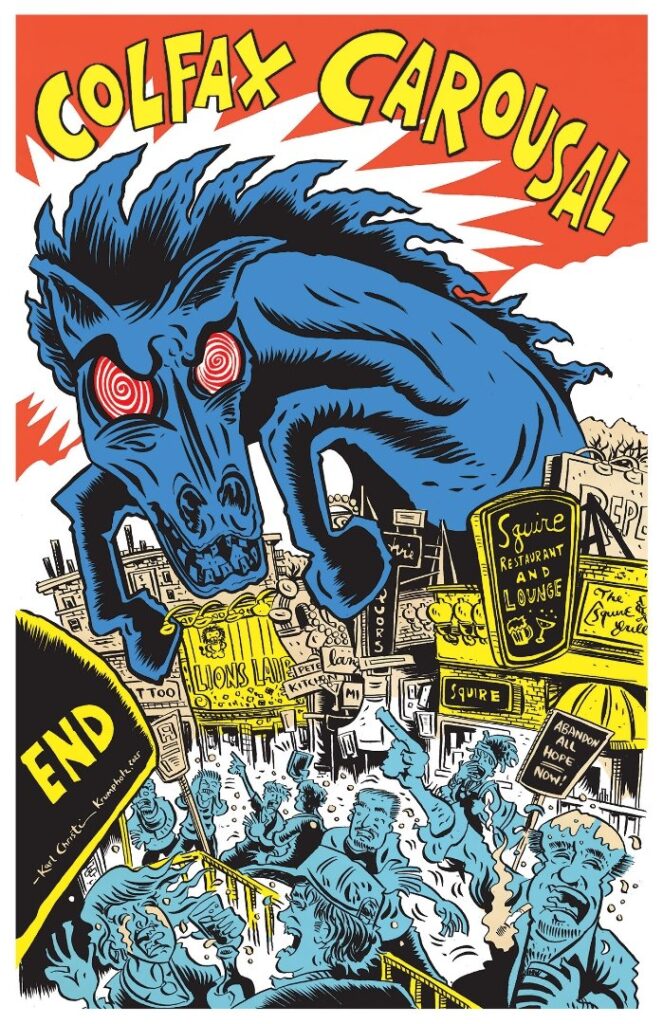
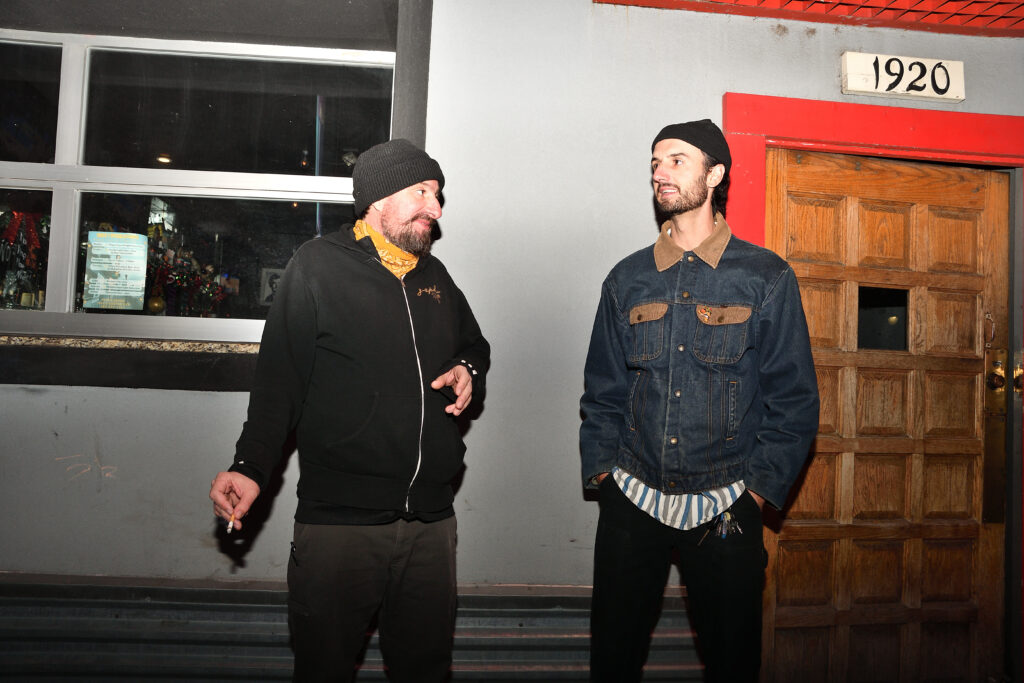
The local punk community of course took notice of the issues being caused by this “Colfax Clusterfuck” and the harm it was doing to some of their beloved businesses. So, a group of bands, venues and organizers worked together to stage the inaugural Colfax Carousal (not carousel), a mini-Fest, which took place at several different locations on the stretch of Colfax that is currently under the heaviest construction, with 100% of proceeds1 going to the venues and bands (who have also been effected by lack of shows being hosted at these locations). The Festival, which took place this past November, was comprised of all local punk acts including: Jon Snodgrass, Brass Tags, State Drugs, GLUEMAN, JSR, Black Dots, No Good Reason, RUGBURN, The Etiquettes, Tiny Humans, Trauma Czars, Lawsuit Models, Cleaner and more.
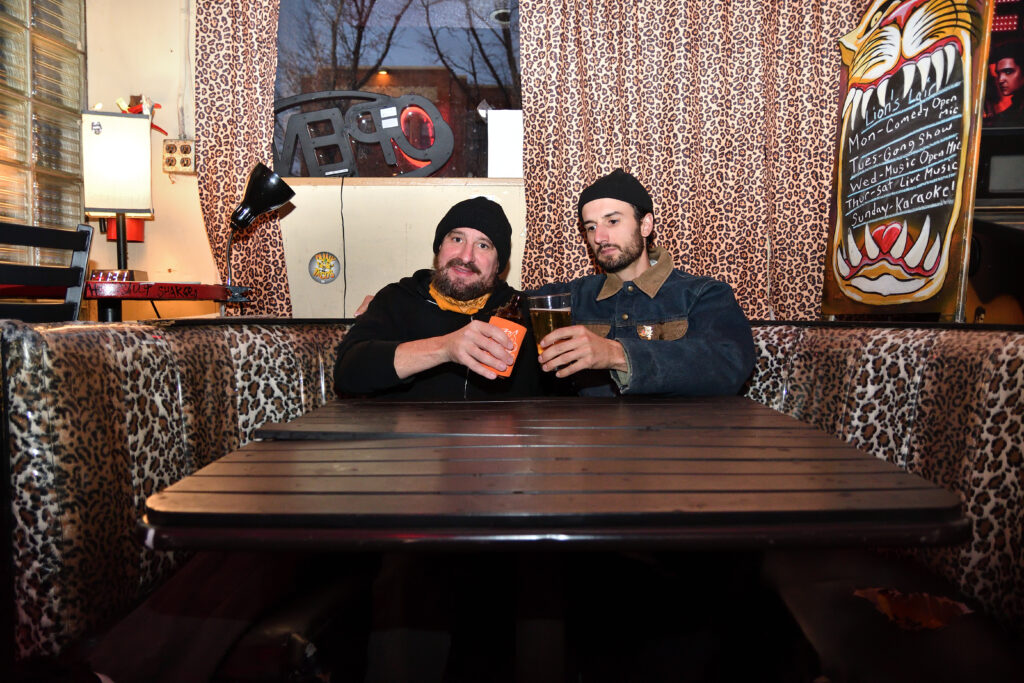
When we heard about this community of punks pulling together for a good cause, we couldn’t ignore it and had to learn more. So, we decided to send veteran DS Editor, Anarchopunk to meet up with Ryan Heller and Tom Dodd, the co-founders of this new festival. And since Colfax and the businesses effected by the construction are a huge part of this story, where better to chat with the guys than some Greg Louganis level dives along the longest, wickedest street in America?
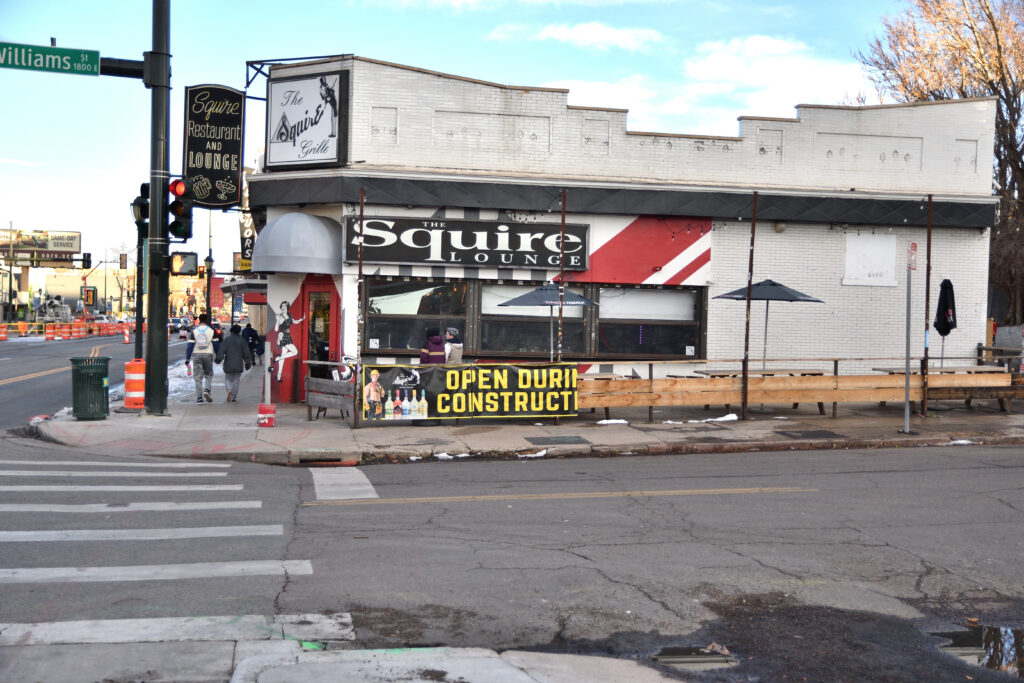
First Stop: The Squire Lounge. This low profile watering hole situated on the corner of N. Williams and Colfax regularly hosts punk shows on their pint sized stage. The drinks are cheap, the service is fast and the atmosphere is uber-local with Broncos, Avs and Nuggets gear adorning the walls (probably some Rockies stuff, too. But we don’t talk about them here).
Dying Scene: Thanks for meeting with me, comrades! Tell us about the Festival. How it came about and why it’s needed?
Tom: Ryan and I play in a band together (Tuff Bluff) and we would practice all the time, and obviously play shows together. And there would be nights where we would be playing a show, and some of our friends would be playing a show at a different venue. And I always just thought, it’d be so cool if Denver had, something where all of our friends could play together one night. There’s not really a local punk festival. There’s small festivals that come through, you know, but nothing really local anymore and I’ve just been saying it over the years. And I want to say around this time last year, maybe beginning of this year, Ryan was like, “Dude, let’s just do it.”
Ryan: I think it was when they announced UMS (Underground Music Showcase) this year and it was all the same, man. Like, everyone, all my dudes, were bitching about it, so you know what? We said “Now’s the time. We were talking about this for years. Let’s just go!”
Tom: Yeah, every year when UMS announced their platform to register, I’d sign up. Every single year it’s, “submit answers to all the questions”, and then you don’t even get a response back. They always have the same bands locally or a variation of band members that played in the past years. And we were just like, “Okay, let’s do something ourselves”. And then when we had already started planning it, UMS announced that 2026 was going to be their final year. So we were just like, “Oh, shit! Now a local Fest is definitely needed.” And we, as a band play Squire and Lions Lair all the time. Our old bands used to play Streets of London (now Tight End) all of these great venues on Colfax and with all the construction that is happening, we’re like, “This is where we need to have it”. It was a win-win. We can get all these cool Colfax venues onboard.
Ryan: I was drinking with my buddy Terry at the Satellite Bar after Tom and I had originally discussed this idea, and the table we were sitting at had a little topper from the BID promoting local shops and asking for help supporting businesses during the construction, right? And Terry is just kind of like, a “you-should-do-this” kind of guy. So he’s like, “Hey, get in touch with these people”. So I just emailed them, letting them know that we wanted to throw a festival and they got back to us like, really, really quickly, and said “Yes, someone needs to do this! We’ll support you!”
Tom: The BID’s purpose is to help the businesses in their jurisdiction, which starts around Grant and runs to Josephine. So, like this whole stretch (of Colfax). They throw events and help raise funds to assist businesses with grants and filing paperwork with the city. Doing what they can to help. So when we reached out and had our first meeting, they were like, “We’ve never done anything like this. We’re not into the punk scene, but what can we do to help out?”
Ryan: We were like, “We know how to book the shows, but not the marketing and all the other big picture stuff”. Denon Moore and the rest of the folks at the BID did a fantastic job, getting media attention and just raising awareness.
Tom: I mean for me specifically, it’s tough promoting yourself, even if it’s like something that’s for a good cause. When Denon sent the emails out announcing the Fest, we both read them and we’re like, “This is awesome!” because we agree with everything that’s being said, but we couldn’t write that about ourselves.
Ryan: It would feel too self serving, you know? “Two young punks set out to save Colfax!”
DS: Yea, It validates you. If you hear somebody else providing the same kind of feedback, it gasses you up a little bit. That makes you feel better about your cause, and it does maybe allow you then to talk about it a little bit more freely, because now you can say, “Hey, I didn’t say it. They did!” So, in working with them, did you get any insight into the construction issues? Like the Bus Rapid Transit (BRT) part of the project? I’ve lived in a lot of cities, and I’ve seen a lot of construction projects, and this one for some reason, just seems like it’s not going well. Did you get any insight into that? Why it’s so problematic and why it’s having such an effect on businesses?
Ryan: I don’t think they know much more about it than the general public knows.
Tom: The Business Improvement District supports the project. So, I’m not speaking on their behalf, but I think part of the problem is how The City is going about it, it’s really crushing the local businesses. But the whole idea of the Improvement District is to help, so I really do think it’s going to be better in the long run. I want to say one of us asked why they decided to tear up Colfax all at once. Why didn’t they just do stretch by stretch? In my personal opinion, that was a dumb decision. And as Ryan said, this has been going on for over a year and now, there’s plans for even more construction. I just heard, that the project got expanded, because now they’re adding a beautification project or something? So, this could potentially continue until the end of 2027.
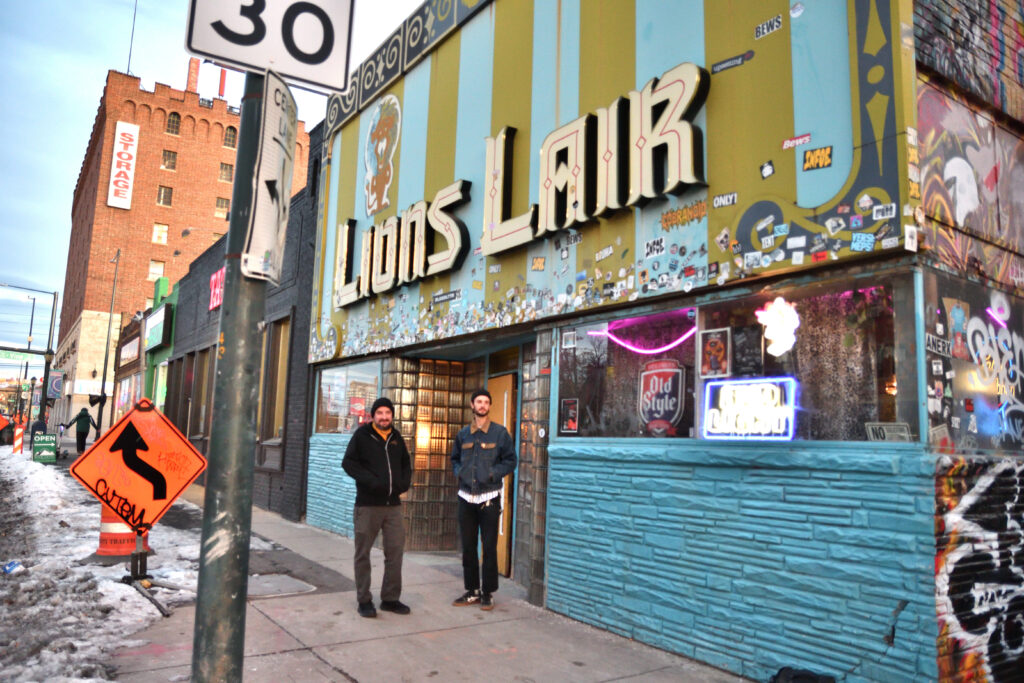
Our second stop took us to the legendary Lion’s Lair. Probably one of the most recognizable building facades on Colfax. The lion character, the color scheme, the font, everything about it screams 1960’s chic (pro tip: if you ever visit, bring a sticker to slap on the sign). Many, many punk bands have played here over the years. And this distinguished dive bar frequently plays host to DJ sets from the immortal Jello Biafra.
(*While we were getting set up to record the second leg of our interview, a group of younger folks were sitting at the bar, chatting with the bartender. We overheard them saying that they had come down to Colfax for the first time a week or so ago just for the Fest and they enjoyed it so much that they were back to hang out. They were very excited about the Fest and remarked on how they were so stoked to finally have a reason to check the area out. I’m pretty sure they were paid actors.)
DS: Is this project a sign of gentrification? Can Colfax be gentrified?
Ryan: I feel like it’s always going to be what it is. Like on East Colfax, over by Black and Bluhm (recording studio), they tore down the dollar store, now they’re building giant condos, and it’s like, will people want to live there once they realize where they actually live? I’m not sure, you know. I think Colfax is always gonna have its grittiness, like The City can’t lose that, but I understand your question, yea.
Tom: Over the past few years, The City has done everything they can to move homeless people, and they’re just moving them from place to place, rather than providing real support. I feel like a street like Colfax that has so much history and like, Ryan said, grittiness to it, and they view that as a bad thing. I think in theory, you know, public transit is great for everyone. But you’re seeing developers building all these “affordable housing”, luxury apartment buildings that are literally pricing people that have lived here for so long and people that are moving here out of the area. I think even if it hasn’t been obvious, The City isn’t going to come out and say that, right? But I think deep down, that’s why they do it. The Developers and the City.
Ryan: I don’t know if it’s happening on Colfax. I know there were some laws for new high rise apartment buildings, like they had to have x amount of affordable units, whatever the fuck that means. But I think that only applies to the big ones, So, now Developers are putting up these smaller four/five story buildings everywhere so they can get as much money as they can for the amount of space that they take.
Tom: Yeah. And I always think when they say “affordable”, like, what is the actual affordable rate and who is actually deciding that?
DS: So, this past Colfax Carousal was the inaugural year. What’s the future hold? I know the construction project that we’ve been talking about is at least two or three years out from being completed. Is that as far out as you’ve planned for so far? Do you have any plans beyond that?
Ryan: I think we got lucky that it worked out so well in November this year, because that was just a date that worked for all the bands. So, I think next year we’re going to push it to September. Keep it in the Fall, but earlier and maybe add one or two more venues. I’ve seen things grow rapidly and lose their flavor or just, you know, go to shit. So, we were thinking, if we had eighteen bands this past year, next year we’ll have twenty four or whatever but, I think slow, incremental growth is our goal.
Tom: When we started this whole thing it was more, and maybe this is the wrong way to word it, but it was more of a selfish thing. Like we just want to see all of our friend’s bands play in the same night at different venues. I don’t think we had any idea that people would be interested and would come out. So, we were only going to book two venues at first, because we were nervous. We didn’t want to have all these bands booked and then it be a bust and no one shows up. Because outside of seeing all the bands and having a good night for the venues, we also wanted to be able to pay bands more than they would get for just playing a regular bar show, on like a random Friday night. So with all that, we were like, “Yeah, shit. I don’t even know if people will show up.” Then, the traction just sort of got there. And like, we just heard out there at the bar*, people were like, “Oh yeah, with UMS ending, we wanted something like that, and we heard about the Carousal” and I think it was just so much better than what I thought it would be. Now, next year, we feel like we sort of have to keep it going because of that gap, because of what Denver doesn’t have. Plus, it was fun as hell.
DS: Also if you do it a little bit earlier in the fall that opens up some more possibilities, because now you can maybe do a patio show or something when the weather is nicer.
Ryan: Yea, this year we had two patio acts at Illegal Pete’s, where everyone came to get their wristbands and registration stuff. So, we could expand that into a full four or five bands playing on the patio. They could be a quieter, all ages, family friendly thing.
Tom: That was one piece of feedback we got from a few people. The whole idea of this was to help all the bars specifically because we play in a band and we play at bars, you know? So, we really only focused on booking bars. And then someone was like, “It’d be cool if you had an all ages venue”, and we did but only for an hour of music. So, next year, we’d like to book a spot where kids and families can go or even if we get like, a coffee shop next year.
DS: Talk to me a little about the scene here in Denver. It seems very tight-knit and collaborative which was reflected in the amount of support this Fest got. Is that just how folks in Denver roll or is that more specific to the punk scene here?
Ryan: There are asshole bands here that you just know, you’ll play one show with and be like, “Those guys were dicks. We’ll never work with them again”. I’ve been playing music in Colorado over twenty years so, I kind of had all these people in my phone which again, like, “you suck, you suck, you’re good”. I know who’s reliable and who will bring people in ,so when it came time to start booking, I was like “Let’s start with these people”. Start with the stalwarts, the good people. Then once good people are attached, it gets easier. I think just making it an inclusive thing, working with people that want to help and, share equipment. Everything was backlined by people and everyone was like “Oh, you can use my amp. You can use my drums.” Our friends in The Frickashinas, they didn’t even play this year but they donated a PA for us to use at Tight End. The whole community aspect of it was just so cool.
Tom: I moved out here from Philly, knowing one person. I volunteered at Seventh Circle Music Collective and immediately met everyone I know now through a domino effect. Here we are, not knowing anyone and they were just like, “Come under my arm. I got you.” And for someone who, like I said, didn’t have a car, only knew one person here, didn’t have any reason really, to move out to Denver that meant a lot. You know, it was cool where they were just sort of like, “Don’t worry, we’ll introduce you to people.” I met so many of my friends through the Denver Scene. It’s very community oriented. It really is. And I don’t think I even really thought of it until you see how many people got behind the Festival and how excited the bands got when we pitched it to them. When it was over, I sent an email to everyone, thanking them so much for playing and asking where I could send payment to. People were just like, “Dude, just give it to the businesses. We want these places to stay around.” They wanted to play just to help, you know? It was really cool to see the plan work, too. Illegal Pete’s (our Ticket HQ) said that they had the busiest Saturday night of the year. The Squire said the same. Lions Lair said they had an all time sales record that night. Tight End didn’t give us numbers, but they were so grateful and asked if we wanted to host a quarterly punk show there. I think another big reason that we’re so close-knit is that it’s so isolated in Denver. It’s not like the East Coast, where you can travel two hours to five major cities.
Ryan: It’s an island!
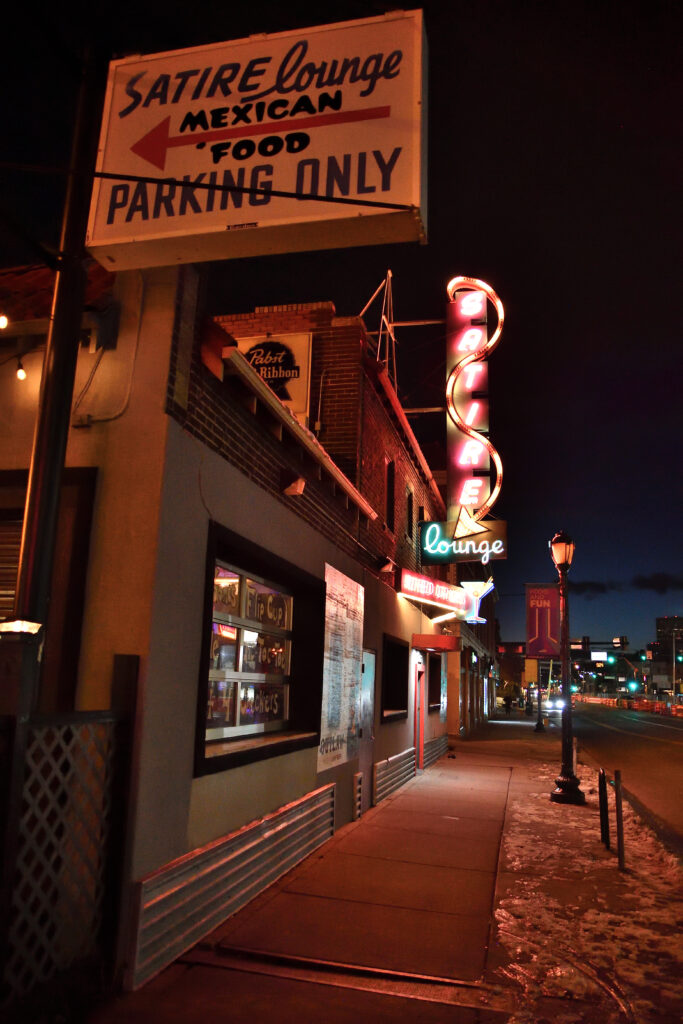
Last stop was Pete’s Satire Lounge. Pete Contos is the undisputed King of Colfax. He opened the lounge in 1962 and has now expanded his little empire to include multiple restaurants and bars in town (Pete’s Kitchen is open 24 hours on weekends and is a must visit after a show).
DS: We talked about the lack of local festivals earlier. We get a lot of traffic through Denver with touring bands because everything kind of funnels through Colorado. We get pretty good festivals like Punk in Drublic. But the few local festivals that we’ve had, haven’t stuck around very long. They might pop up every once in a while. But there’s no long-lasting local festivals. Why is that you think?
Tom: I don’t know. What I would assume is that a lot of the festivals that are going on now are more for money and not actually for the music scene itself. And I think that’s different from us, where we actually are just doing it for the music and for the businesses. We didn’t take a dollar for putting this on. I’m not sure. You know, you got like Punk in the Park and other ones that are coming around. And you get a couple local bands on it, which is cool.
Ryan: But the locals play at three in the afternoon. When Less Than Jake plays at nine. Well, cool. That helps…sort of.
Tom: Yeah. And Denver has such a cool local music scene and especially now that UMS is not a thing, maybe people don’t want to go out to see local music. I think that was a part of why I wanted to do the Fest, too. Because I have a bunch of friends that are into different types of punk music but they would only go see touring bands and I’m like “Yo! There are so many good local bands that sound way better than the ones you guys like” not that the touring bands aren’t good obviously.
Ryan: Yea, bands with the same style or in the same genre. Like “You would love this band and they play locally for ten dollars and you can see them five times a year!”
Tom: Festivals can also be draining. You know, you’re out all day, all night. So, we decided to make it just like a long extended show. Rather than three bands, we’ll do six bands but you have to pick and choose. But, it’ll essentially be like you start at 7pm and then it’s over at 12:30am. So, it’s still a long day but it’s not like the first band starts at noon and then the last band is on at 1:30am you know?
Ryan: Yea, like for RKR MTN Ripper, my buds in Flight Kamikaze played at like 4pm but there was another band I really wanted to see at 11pm. And I was like, “Cool, I’m just killing time for five, six hours.” We wanted to make this Festival in our own image, like these are things we can fix. “If you don’t like this band, go across the street, you’re gonna like that band”. Tom: And our idea of being local to the Front Range. You can have a headliner, you can have a massive crowd, you can have amazing bands just with people from the area. You don’t need a massive touring band to have a successful festival, you know?
DS: Do you think you’ll ever bring touring bands into the fold if it happens to jive with the calendar?
Ryan: I think that’s years out, but hopefully not.
Tom: Yeah, I don’t think so. Because we had eighteen bands and there are hundreds of bands that we have now that are interested. There’s bands that we asked initially that just weren’t available this year. Next year, we’ll do everything we can to get a whole new slate of bands.
Ryan: Church Fire, Spells, Team Non-Existent. All wanted to play this year but couldn’t. And as stupid as it sounds, I think we have a brand now. Most people that bought tickets this year will be coming back because they know what to expect now.
Tom: Also, as much as people are about the community, like Ryan said we have a proof of concept now. We sold out the first year. So, now when we ask bands if they want to contribute, there’s not a hesitation of like, “I don’t want to play at night if there’s only going to be a few people there.” Now, people are pumped about it.
Ryan: We did it our way and we’re gonna keep doing it our way.
DS: We’ve talked a lot about Colfax, a lot about punk. But we haven’t talked about the connection between the two. Why do you think Colfax and the punk scene are synonymous?
Ryan: Well, because, like, the Lion’s Lair for example, that’s the place that gives bands their first fucking shot to play a show in public. Some other places don’t exist anymore, but that one still does. So, it’s a proving ground, for lack of a better word. The first twenty-one and over show I saw was The Dwarves at Lions Lair, before they even had the stage in the corner. The stage didn’t used to be over there. It was just like this side of the bar. So, Blag Dahlia is like on the bar running up and down. Some dude just got naked and they just threw him out on the street! It was cold too! It was probably like November because I had just turned twenty-one in September. I learned so much. You don’t know how to behave in a bar when you’re that young. So, the bartender was like, “What do you want?” And I’m like, “I don’t know, surprise me.” It was like the stupidest thing you could say, especially in a place like Lion’s Lair.
DS: Did you get the trough drink?
Ryan: I don’t even know. Yeah, hopefully they just took the bar rag, squeezed it out. That was literally twenty-three years ago. That place has history and the fact that we helped them have their best sales night ever fucking means a lot.
Tom: I feel like Colfax just has history, you know? And it’s like you said, it’s a melting pot of all parts of Denver. And I feel like that’s what the punk community is too. It’s just all different types of people and that’s like Colfax as a street in general. Like what Ryan was saying earlier, other venues throughout the city, from my experience in the old band I was with, it was hard to play certain venues. You had to know someone and I feel like with most of the venues here on Colfax, they’re just willing to give anyone a shot and willing to give them a platform. Lion’s Lair specifically has had insane bands like The Dwarves and other historic acts dating back to the 50’s and for a local band, it might be their very first show. Imagine if Lion’s Lair was in like Broomfield or something. You know? It’s just like it’s in the perfect spot. I feel like Colfax is the type of street it is because of these businesses that are on it and that brings a wide variety of different types of people to the block.
DS: OK! Last real question: What’s your favorite Colfax story? Everybody has a Colfax story. You probably have some good ones.
Tom: I got a good one. I guess It’s not that crazy. But my old band was supposed to play at Lion’s Lair. And right when we were about to go on (there was like a four band bill) the power went out. But only on the stretch of Colfax that Lion’s Lair was on and only on the southern side. So everything, like Illegal Pete’s and everything across the street was totally on. Everything on Lion’s Lair’s side was black. So, everyone went outside. It was cold out, too. We all went outside and, like I was saying earlier, we would play any show, you know? So, I was like “Let’s go get an acoustic guitar. and we’ll play outside.” By the time we got back, everyone was gone.
Ryan: My story isn’t really mine. I’m sure I could think of that one, but the first one that comes to mind is from my friend Terry. He saw a large black man in a bathrobe that wasn’t tied up. It was just flapping in the breeze and he had a machete. Like right where the laundromat used to be. Just running down the street, dick and balls flailing with a machete, chasing someone for some reason. And it was like, yeah, this is where we live.
DS: Nobody wanted to stop and ask what he was up to, huh?
Ryan: Yeah, well you know, you’d get your head chopped up if you talk to this guy. So, that’s my transitive property story.
DS: Alright, last item of business. I have a Denver themed “This or That”. I’m gonna ask you a question and you choose from the two options. We’re gonna start off easy. Here we go! Better freeway: I-70 or I-25?
Ryan: I-25.
Tom: I-70.
DS: The 70? You’re a fucking madman. I should have prefaced this segment with the fact that there are correct and incorrect answers and the results will be added to your permanent records. And you’re now down one point, Tom. Brian, you’re up one. Next: Denver International Airport. Is it run by aliens or lizard people?
Tom: Lizard people.
Ryan: Agree.
DS: That’s the correct answer. It is definitely lizard people.
DS: Which do you prefer: Texas transplants or California transplants?
Ryan: Can I say neither?
DS: You cannot.
Ryan: I’ll say Texas transplants.
Tom: I’d say California.
DS: The correct answer is California transplants. So, we’re tied 2-2. Next question: Denver Omelets or Denver Nuggets?
Tom: As a vegan? Denver Nuggets.
Ryan: Denver Omelets aren’t good. I agree, Nuggets.
DS: Okay, we’re still tied. 3-3. Next: EastFax or WestFax?
Both: EastFax!
DS: Yea, figured that one would be unanimous. Okay, and this one’s probably going to be a tie, too: Big Blue Bear or Blucifer?
DS: God damn you guys! You left it in a tie. All right, well, I guess we’ll leave it that way. You’re both winners in my book, anyway. Thanks so much for your time and for the efforts you put into helping our community. We’re looking forward to the coming years!
Keep an ear out for more info regarding Colfax Carousal 2026 and we hope to see you there!
TSOL returned to the Observatory in Santa Ana this weekend, their second of three shows in a string of performances billed as possibly their last after a forty-six-year career. It was a night filled to the brim with great opening bands of all different types of punk rock, playing between the main stage and the […]
TSOL returned to the Observatory in Santa Ana this weekend, their second of three shows in a string of performances billed as possibly their last after a forty-six-year career. It was a night filled to the brim with great opening bands of all different types of punk rock, playing between the main stage and the venue’s smaller Constellation Room.
Opening the night was Cheeseball, a five-piece punk rock outfit from Long Beach, CA. Cheeseball played very riff-heavy punk in the vein of the Adolescents, with very humorous lyrics. With the charm turned up very high, lead singer Matt Hatcher took command of the crowd quickly and didn’t let go for the duration of the set. Between songs about hot dogs, Buzzballs, strip clubs, and Medieval Times, they were able to fit in a great cover of the Misfits’ “Where Eagles Dare.” If you are debating going to a show and you see their name on the bill, take a chance on them, and you will not be disappointed.
Skate punkers (in the literal sense of the word), Loose Trucks, kicked off things on the stage in the main room. I was late to their set and only really caught the back half of it, but I enjoyed what I saw. This five-piece from Anaheim, CA has clearly done their homework on all things Orange County punk rock, picking sounds from the region’s legendary and/or enduring acts and melding them into their own thing. Loose Trucks is the real deal and was a fantastic addition to the night’s lineup.
Despite the venue’s active two stages, each of the bands’ sets did not start until the band on the other stage had finished. While these stacked shows are great in theory, it’s difficult to see all the bands and still get a decent spot for the main event. This was the case with the Noise Agents, Knuckleheads, and the Zeros. I would have loved to have seen their sets, but the crowd for each set in the Constellation Room seemed to balloon in size as time went on; such is the nature of the beast. While the Observatory itself is a decent-sized venue able to handle simultaneous (but separate) shows in each of its rooms, its hallways were not built for this type of traffic.
The most interesting band of the night was by far Roundeye. They are an experimental punk rock band from China led by U.S. expat Chanchy Englund. I don’t know how to describe Roundeye, and I mean that in the best way. It’s a five-piece: two guitars, bass, drums, and saxophone. The saxophone player sort of moves around the stage as much as the rest of the band. It’s almost like Bill Pullman’s character in David Lynch’s Lost Highway. Musically, they are all over the place; some songs sounded like aggressive Replacements songs, some sounded like the Voodoo Glowskulls, and some sounded like hardcore punk songs. They closed their set strongly with a cover of Devo’s “Freedom of Choice” that was really good. I don’t know if any of that made sense, but it was really fucking cool.
The Codefendants were next. I haven’t spent too much time with their album, but they seem to swing their fists and land somewhere between punk, ska, rap, and everything in between. Not in the Sublime way, but closer to how The Transplants do. However, you can’t really put them in the same boat as the Tim Armstrong-led group. All the bands played their fucking asses off that night, but Codefendants did it with a lot of heart. I do feel they are good at what they do, even if they were a weird fit for this show. However, a good portion of the attendees seemed to be there specifically for them.
TSOL took the stage at 9:15. While there were a lot of elder punks, a good number of kids and younger punks were there too: a testament to the band, which has collected multitudes of fans of all ages over their career. Opening with the moody “Beneath the Shadows,” from the album of the same name, the song was a primer before the crowd exploded into chaos at the first chords of “Sounds of Laughter.” The set followed this pattern throughout the night, hitting at least one song from each of the band’s albums. While I am long “pit” retired at this point, there was a reason why I had decided to take my chances on the floor. During the lead-up to the show, singer Jack Grisham announced that these may be the last shows TSOL plays, joining the ranks of bands like X, NOFX, and Cock Sparrer, who have decided to retire, whatever that looks like.
The last couple of years of the band had been hard on some of its members. For this round of shows, D.I. guitarist Trevor Lucca filled in for Mike Roche on bass. Lucca has been one of the interchangeable parts when members have been unable to perform. Roche hasn’t toured with the band since 2022 due to a Parkinson’s diagnosis that has seen him come up on stage here and there to play “Code Blue.” Ron Emory was sidelined in 2023 when he was plagued with some health issues of his own. Yet, Grisham carried on, as the band did when original drummer Todd Barnes passed away in 1999. To Jack’s credit, though, he has never treated this time like it was the Jack Grisham band.
TSOL is no stranger to breakups. Initially disbanded in 1983, the band reformed in 1999. After a shooting at one of their shows in 2002 got them into some legal trouble, the band almost called it quits in 2006. Early in the set, Jack acknowledged his declaration that this may be the band’s last round of shows, but also said there are a good number of people who wouldn’t have shown up if he hadn’t said that. It’s a few days later, and I’m still not sure if it will stick this time.
I mean that in the way that the band still sounds as solid as they always have, and no one seems burnt out. Jack still has his charm, his intensity, and still stalks the stage. Everyone in the crowd knows when he’s going to strike; we’ve all heard the songs a million times. Their staples never get old. You’re always just as excited to sing with Jack as you were the first time. Ron plays them with the same intensity. The young-blooded rhythm section supports them, not just along for the ride.
If this truly is the end of the road for TSOL, the band went out doing what they love: playing for a roomful of sweaty fans losing their shit while they push and slam and scream lyrics at the top of their lungs. Something they’ve done thousands of times over the past forty-six years. It didn’t have to be a big ordeal or size for it to be a fitting celebration from the best band to come out of Orange County.
It’s been a crazy year, and things have gotten away from me a little bit, so apologies for the late review, but this one was too epic not to write it up. Blood Incantation teamed up with the Empty Bottle to put on one of most unique metal shows I have seen personally. For those of you […]
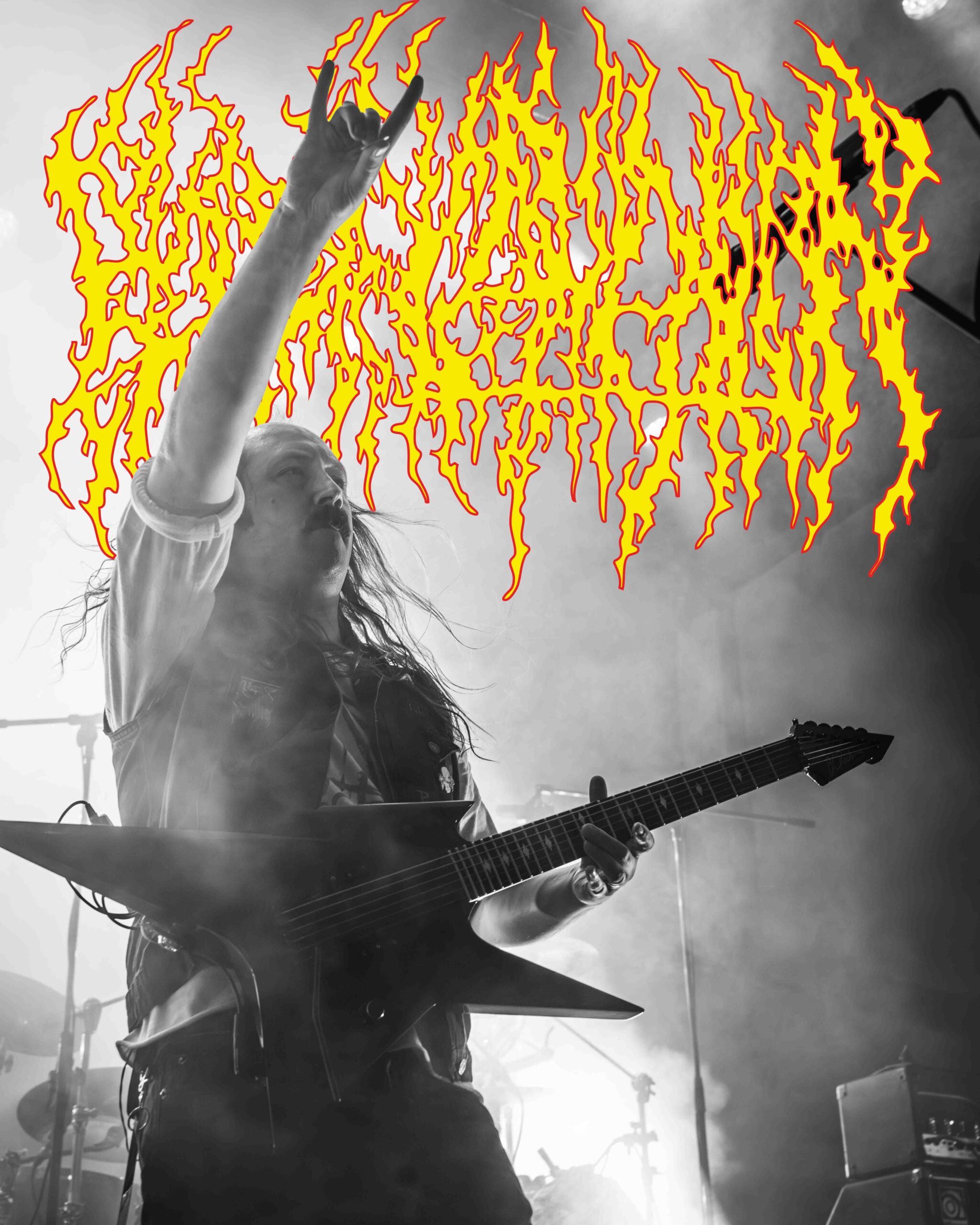
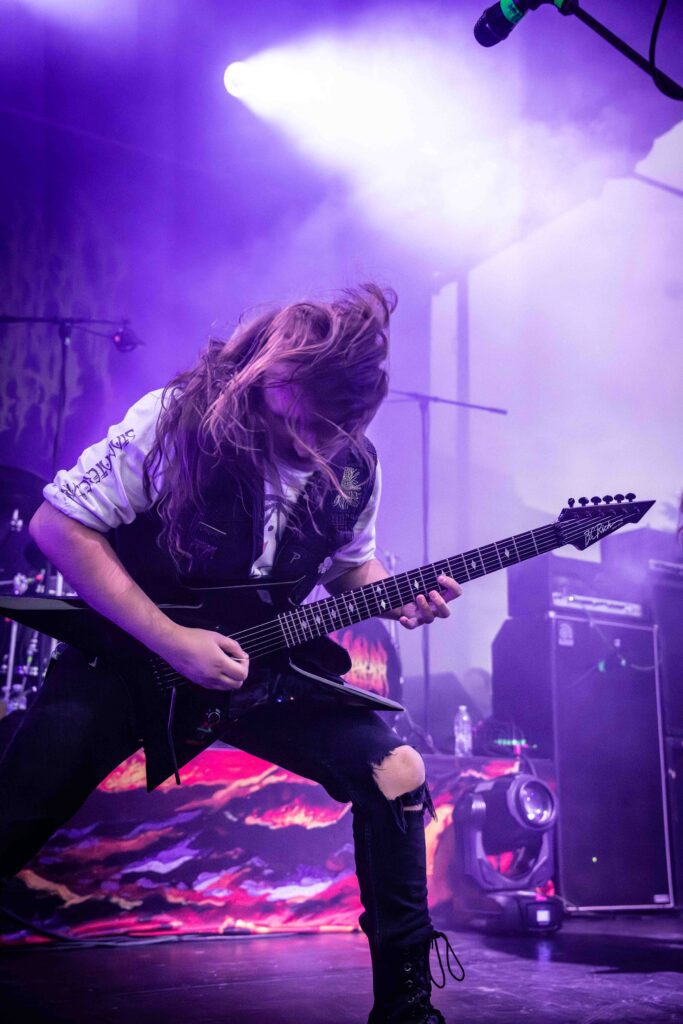
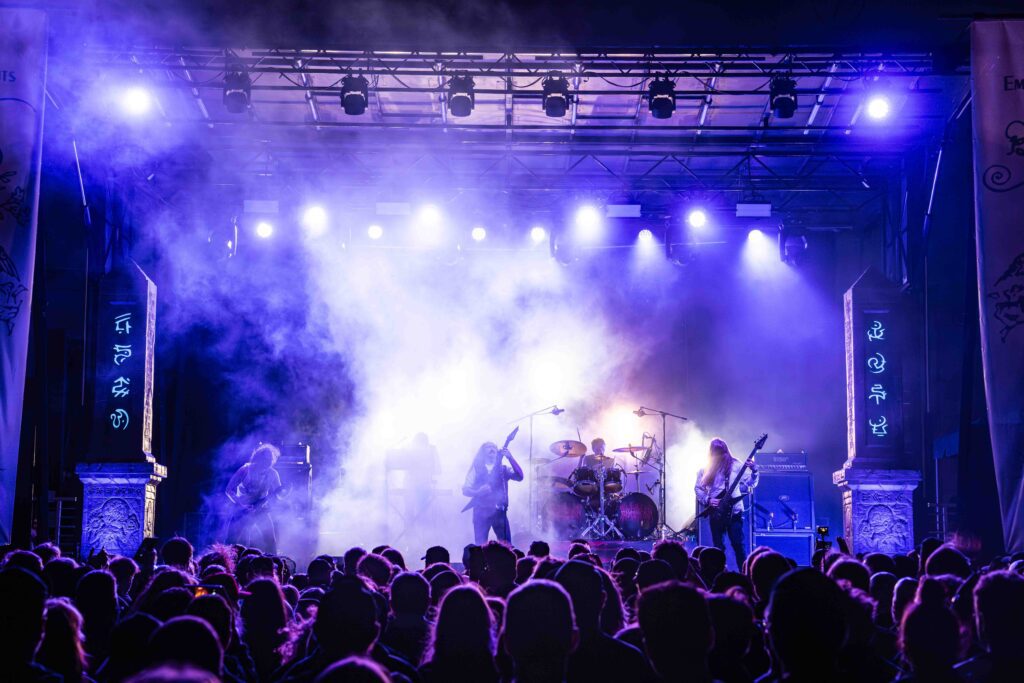
It’s been a crazy year, and things have gotten away from me a little bit, so apologies for the late review, but this one was too epic not to write it up. Blood Incantation teamed up with the Empty Bottle to put on one of most unique metal shows I have seen personally. For those of you not from Chicago, Empty Bottle is an iconic bar/venue located in the Ukrainian Village neighborhood on the near west side, and they run a concert series – Beyond The Gate – bringing outdoor shows to the Bohemian National Cemetery. The setting for this one could not have been better.
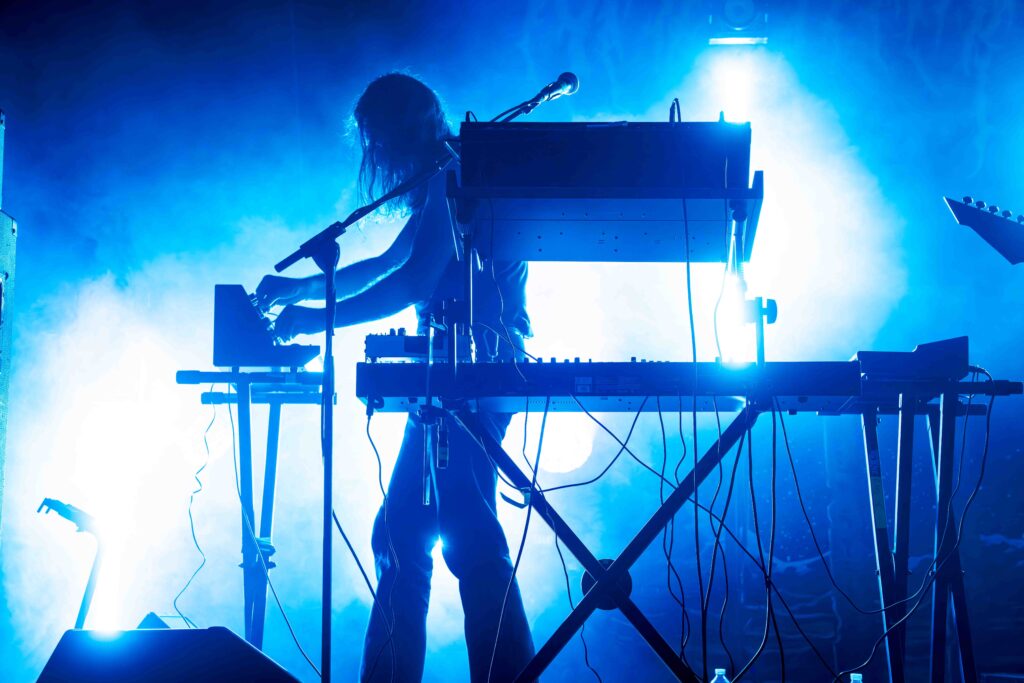
Blood Incantation is progressive death metal band out of Denver, Colorado, and they’re nothing like death metal I remember locking myself in my bedroom listening to in the late O’s . Since 2016, they have been pushing the limits of their sound, putting out massive 13-minute-long ballads that rocket you through time and space. Their new album, Absolute Elsewhere, is split into two 20-minute tracks, which for a photographer who’s usually only allowed to shoot the first three songs is a dream. The albums two songs, The Stargate and The Message, weave together heavy fantasy and sci-fi overtones that question the existence of extraterrestrial intelligent life juxtaposed to the purpose of life on earth.
As the sun was setting over the mausoleum Blood Incantation kicked it off with The Stargate [Tablet I]. As Tablet I transitioned out of its classic death metal intro, it opens up into a psychedelic interlude that sounds like it was written by Steve Vai, evoking the image of a Buck Rogers-esq explorer looking out on the vast expanse of outer space.
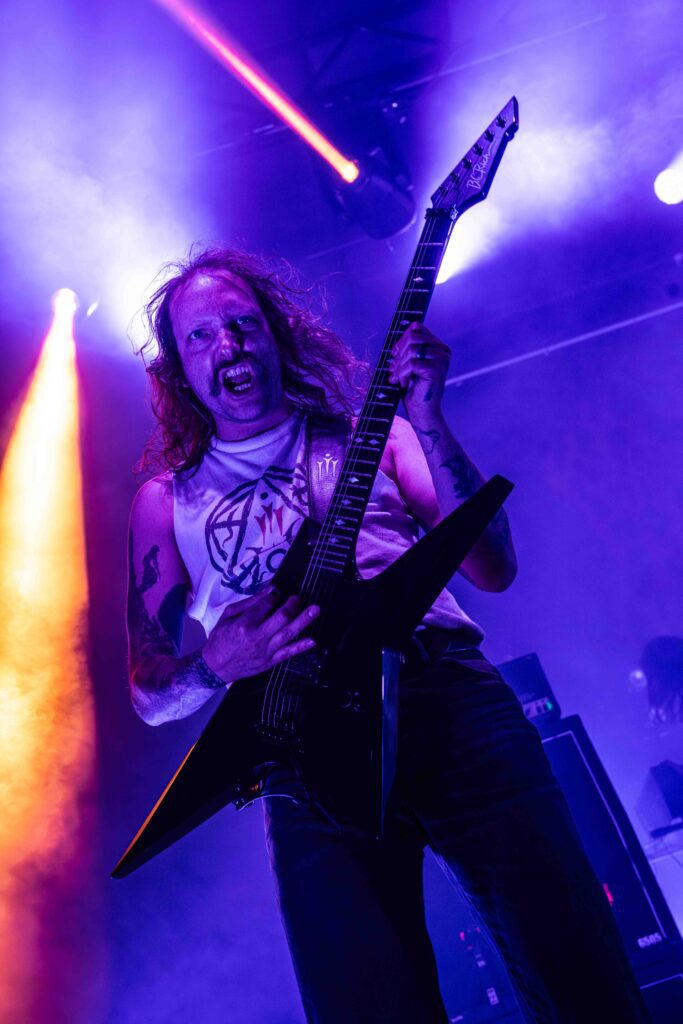
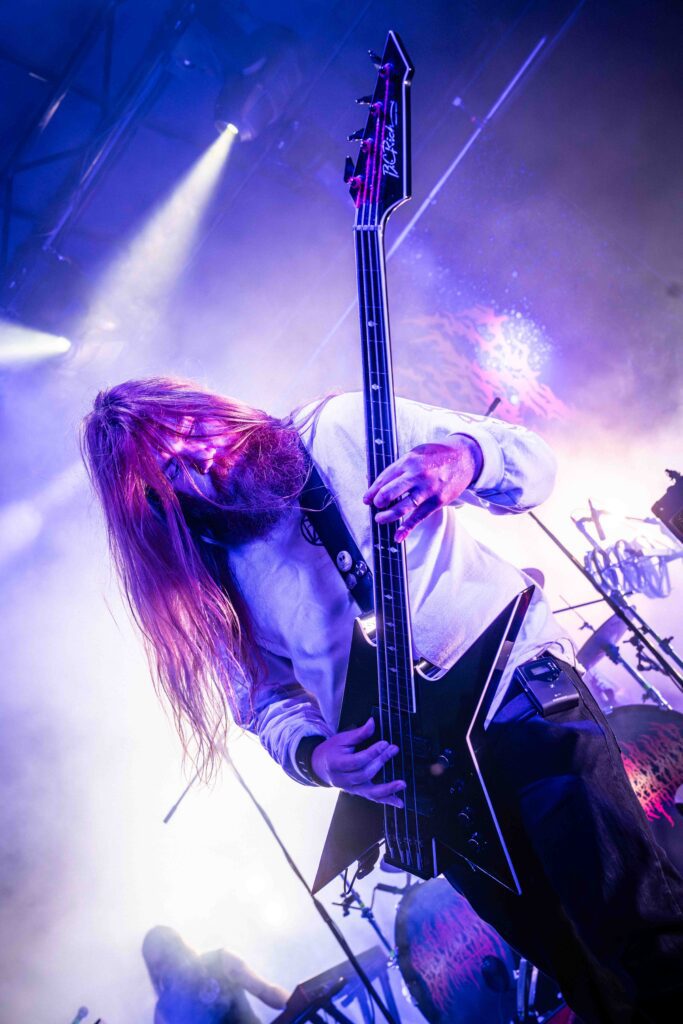
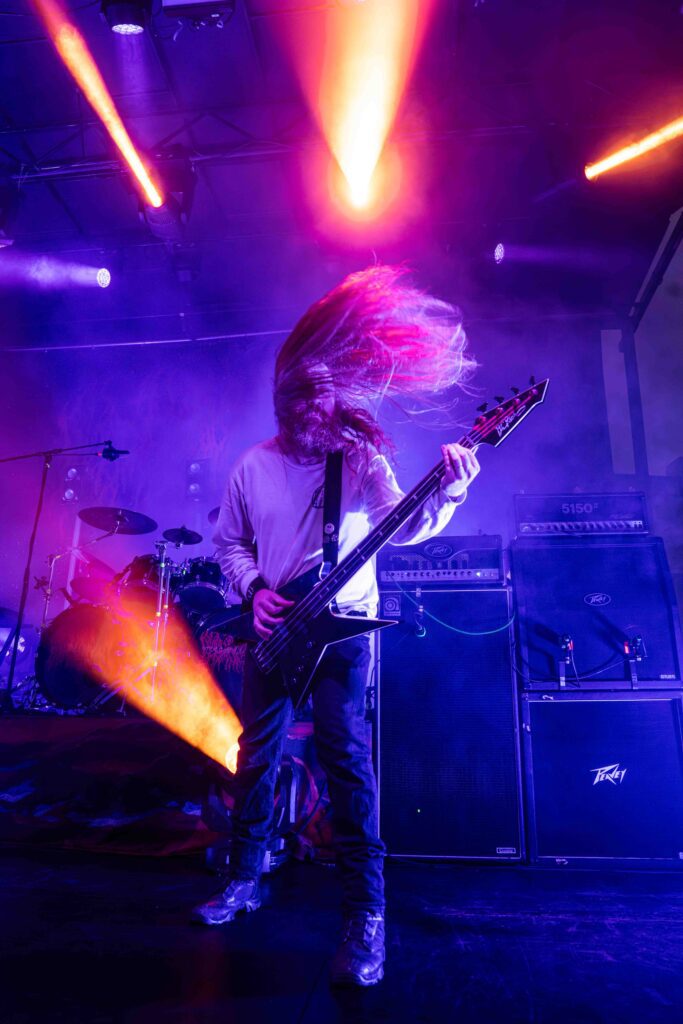
They worked through Absolute Elsewhere front to back and what really stole the show were frontman and guitarist, Paul Riedl, and Morris Kolontyrsky’s constant headbanging windmill guitar solos. The second half of the album “The Message” opens into a bridge that could have been straight out of Pink Floyd’s Animals and provides epic tension releasing contrast to the heavy death metal segments and still manages to build to a final crescendo that leads into a crushing final act before releasing into the void.
Absolute Elsewhere is a meticulously crafted and orchestrated album and the musical experimentation they leaned into culminated in one of my favorite albums of 2024 and favorite shows of 2025. I will sign up every time they’re in town to get my face melted off by insane guitar riffs, planetarium style lasers, and non-stop windmilling.
Welcome to Four Records! Each episode we feature one guest as they go over four records at four different times in their life. This week is a little different. Forrest and Karina are joined by Dying Scene Editor Jason Stone as we review our top four records of the year. That’s twelve records for the […]
Welcome to Four Records! Each episode we feature one guest as they go over four records at four different times in their life. This week is a little different. Forrest and Karina are joined by Dying Scene Editor Jason Stone as we review our top four records of the year. That’s twelve records for the price of one free podcast! Stick around to hear the top four records of the year from other Dying Scene contributors and past guests.
Jason’s Top Four Records of the Year:
Tim Hause – Pre-Existing Conditions
Ways Away – I’m Not You / Smoking Popes – Lovely Stuff
Dave Hause …and the Mermaid
Weakened Friends – Feels Like Hell
Forrest’s Top Four of the Year:
Slaughterhouse – Sick and Tired
Chudson – The Future of Unemployment
Sleep Pod Two – Rehearse Your Future
Home Front – Watch It Die
Karina’s Top Four of the Year:
DJO- The Crux
Pool Kids – Easier Said Than Done
Hayley Williams – Ego Death at the Bachelorette Party
Everyone has their own stories and experiences when it comes to punk rock. While it’s the music that brought many of us together, the way people discover it can be deeply personal. Whether it be through a friend, older sibling, or some divine intervention, when you hear the right chords, it sets something off in […]
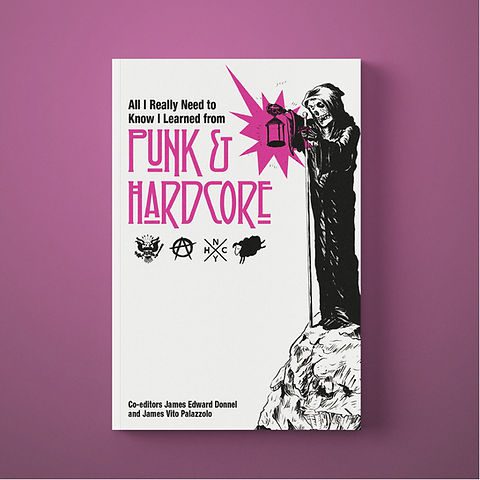
Everyone has their own stories and experiences when it comes to punk rock. While it’s the music that brought many of us together, the way people discover it can be deeply personal. Whether it be through a friend, older sibling, or some divine intervention, when you hear the right chords, it sets something off in your brain. This is part of what makes All I Really Need to Know I Learned from Punk & Hardcore a great collection of essays.
Edited by James Donnel and James Palazzolo, this first edition collects essays about different punk rock and hardcore bands and what they meant to each author. In the introduction, Palazzolo explains that the idea comes from a book he read by Robert Fulghum, All I Really Need to Know I Learned in Kindergarten, but he felt it was more accurate to track his progress into adulthood through punk rock. After some prodding and encouragement from a friend, this project was born.
The writers cover a wide range of bands throughout punk and hardcore, from staples like the Ramones and the Misfits to early hardcore pioneers like Minor Threat and Gorilla Biscuits. The book also includes bands that are on the fringe of punk rock, like the Talking Heads, The Replacements, and The Butthole Surfers. Each one of these essays is presented differently in tone, structure, and perspective. The format and how it affected the author’s life vary from piece to piece.
The essays are written by people from all walks of life. For some, this is the first piece they’ve had professionally published. Contributors include a vegan chef (Damon Brasch), a filmmaker (Vinay Chowdry), a college professor (Zack Furness), and other writers or musicians who have an affinity for punk and hardcore. Each essay is full of love for the genre and shares personal memories or feelings about its chosen subject.
With an endless list of bands, everyone’s reason for latching onto a band, song, or album makes for some great writing. Damon Brasch’s take on 7Seconds is about how their music helped him undo years of the toxic masculinity that had been ingrained in him. Jeremy Broyles tells of his hesitancy to go see Coheed and Cambria due to his hearing loss and possibly being deaf by the time the band comes through town. Other authors wax poetic about their favorite albums and how they came to be. Most of these feel like a conversation you’d have with someone you’ve just met for the first time at a punk rock show.
The last chapter contains short reflections written by the contributing authors about PMA and DIY, two cornerstones of punk rock and hardcore. Similar to the essays, each author gets about 250 words to discuss what each means to them and their journey into punk rock. The section shows how punk rock still lives in these individuals and has affected their lives in a positive way.
James Palazzolo and James Donnel have put together something truly special. The idea may not break the mold, but the content certainly does. This volume covering punk and hardcore, is the first in what will be a series covering other genres like Metal, Ska, Jazz, Country, Blues, and more. It seems that if there’s a genre, Palazzolo and Donnel want to hear your story. This is a well put together collection and deserves to be on your bookshelf. Pick up All I Really Need to Know I Learned from Punk & Hardcore at Screams Internally Publications.
What can you say about the Butthole Surfers that hasn’t been expressed on a bathroom stall of a dive bar? If you’re James Burns, who runs the Butthole Surfers Anal Obsession archive for the band, the answer is Let’s Go to Hell: Scattered Memories of the Butthole Surfers. He has archived nearly every piece of […]
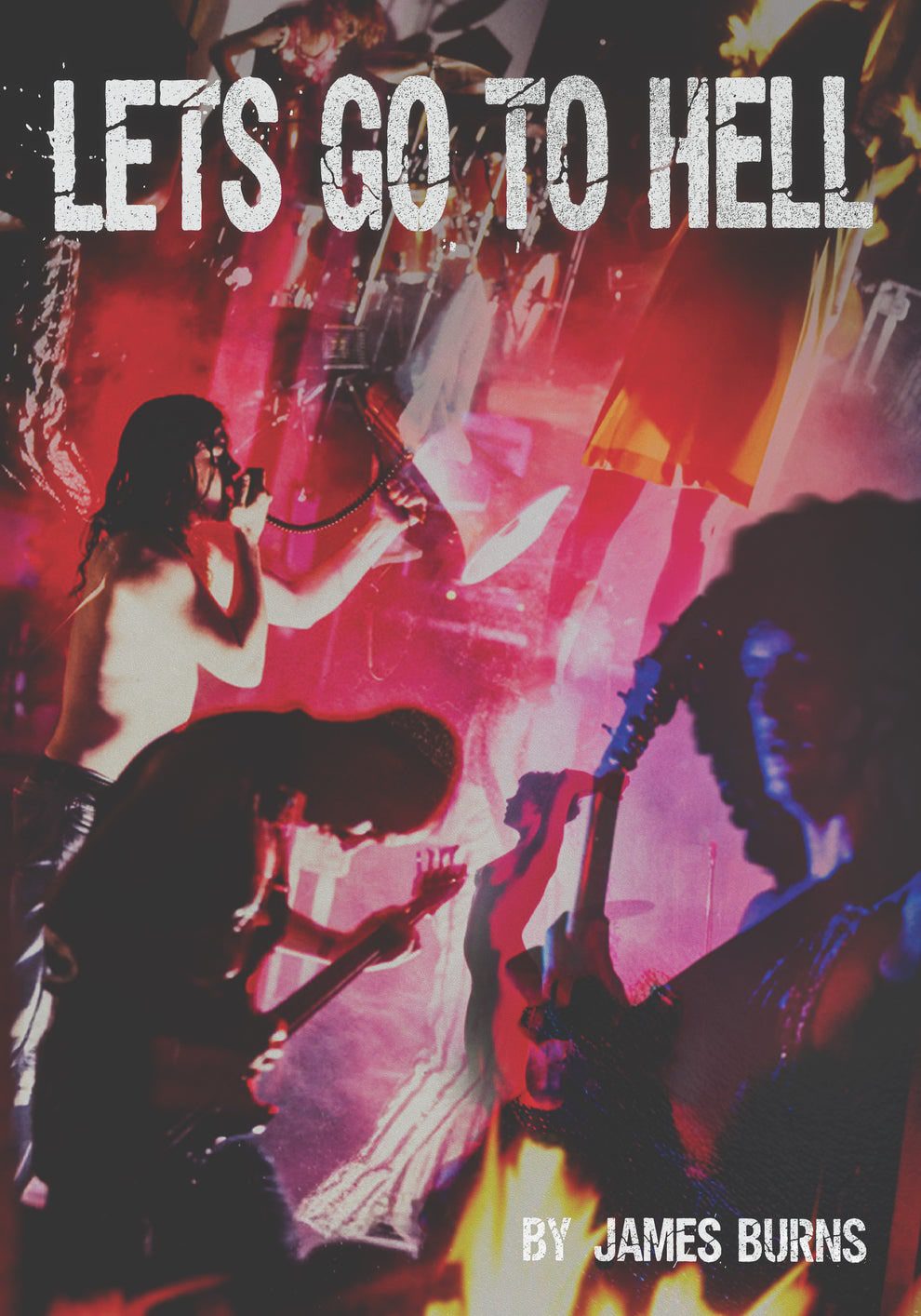
What can you say about the Butthole Surfers that hasn’t been expressed on a bathroom stall of a dive bar? If you’re James Burns, who runs the Butthole Surfers Anal Obsession archive for the band, the answer is Let’s Go to Hell: Scattered Memories of the Butthole Surfers. He has archived nearly every piece of information for the Butthole Surfers since the mid-1990s and initially released Let’s Go to Hell… in 2015. For the book’s tenth anniversary, Diwulf Publishing has released an expanded and updated version of Burns’s tome about one of Texas’s most infamous bands.
James Burns begins by providing a brief history of punk rock. He provides a primer of what our two heroes, Paul Leary and Gibby Haynes were into when they formed the band. We learn about their meeting at Trinity College in the early 1980s. Well into their twenties, it wasn’t lost on the Buttholes that they might be too old to start a punk rock band, but that didn’t stop them.
Descriptions of the Butthole Surfers’ shows range from debaucherous to legendary and sometimes both. Things like throwing handfuls of photocopies of cockroaches and vandalizing some of the equipment were tame compared to what the show eventually evolved into. This is a far cry from the band that would eventually have a number one radio hit about ten years later and two founding members who would go on to be revered for other endeavours.
Creating an art show closer to what Devo did in principle, but also nothing like them at all in execution, the Buttholes’ shows were always wild. It was due to this that they caught the eyes of bands like the Big Boys in Austin. They accumulated fans from outside Texas when the big hitters of other scenes would come through Texas, making them a hot commodity. Bands like TSOL, The Minutemen, and the Dead Kennedys would all demand to play shows with them. In Jello Biafra’s case, he would even release one of their albums through Alternative Tentacles.
Burns acknowledges that some of the stories told from the band’s memory aren’t as accurate as they believe, confirming that Butthole reality and objective reality are often at odds with each other. There’s almost a running gag of people quitting the band when they can’t handle the Butthole lifestyle. Most of them were bass players as Gibby, Paul, and drummer King Coffey have remained the core members of the group since 1983. Burns was able to get interviews with the members who had quit, whether on good terms or not, to share stories of their time in the band.
The pacing of Let’s Go To Hell moves fast only to be interrupted by the occasional song lyric and quote from people present during the band’s formation from past interviews. Don’t let the books near 300 pages and oversize dimensions scare you. This book has plenty of pictures.
Partway through the book Burns admits he was not the first one to try and write a book about the Butthole Surfers. His efforts took about twenty-five years and the results are phenomenal. Burns gets the story of the band straight from the Buttholes’ mouths and it’s a damn good one.
As far as oral histories of bands go, this is one of the better ones. Burns’s ability to get interviews with nearly anyone who has ever called themselves a member of the Butthole Surfers or an adjacent supporter makes this an even more complete document of the band than the first go round. Let’s Go to Hell is essential reading for anyone fascinated by bands that blur the line between performance art and self-destruction.