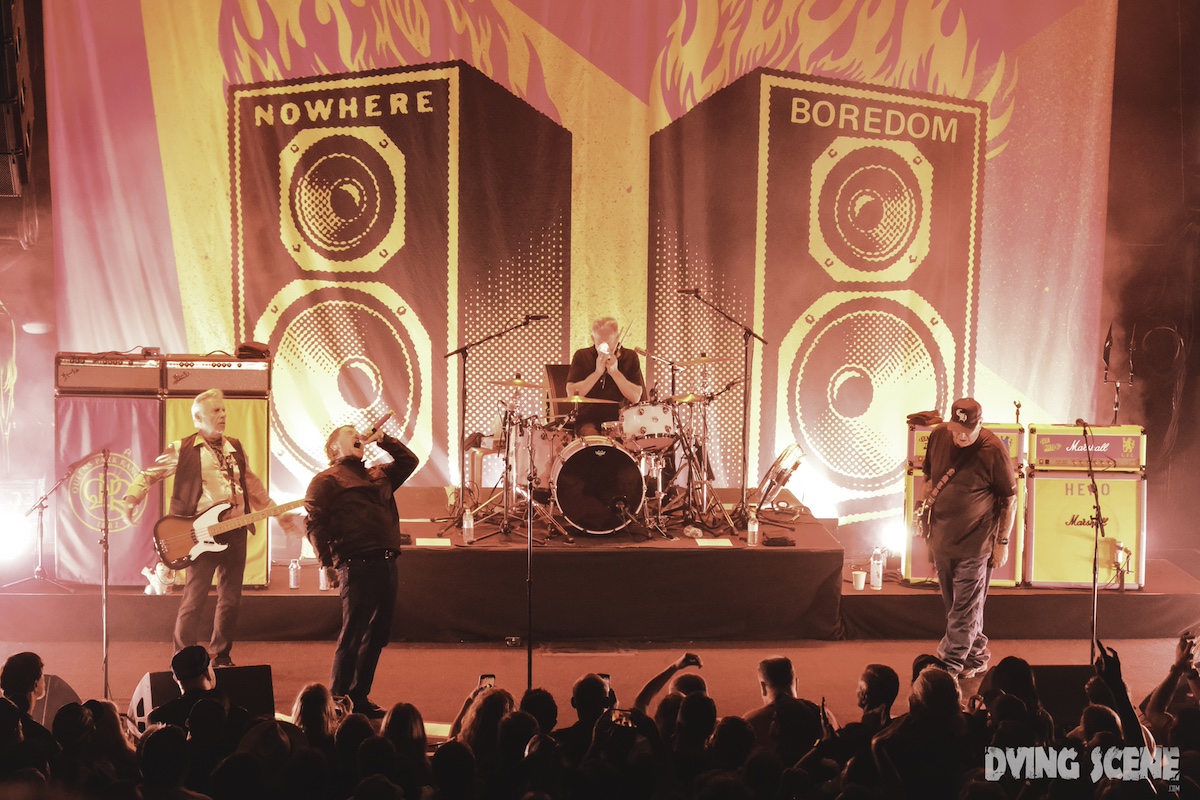
The Sex Pistols (Steve Jones, Paul Cook, and Glen Matlock) featuring Frank Carter brought their “Anarchy in the U.K./ 50 Years of Punk” tour to a sold-out show at Washington, DC’s 9:30 Club on Tuesday, 29 September 2026. For support, they brought Essex, U.K.’s Bad Nerves as the opener. My husband (…And We All Die) is a huge Sex Pistols fan and some of their songs, particularly “Pretty Vacant” and “Bodies,” are regulars around the house. So, it was fun for both of us to experience seeing these three old-timers celebrating songs they wrote half a century ago.
The crowd began lining up for the show sometime before 1:00 pm that afternoon, with other old-timers and eager fans putting in the sweat equity to ensure spots against the barrier, especially because the show was sold out. Who could blame them? Who could believe they’d have a chance to see this band play a venue of this size. I’m grateful my husband showed early enough to secure us a spot in front of Mr. Jones, aka Jonesy.
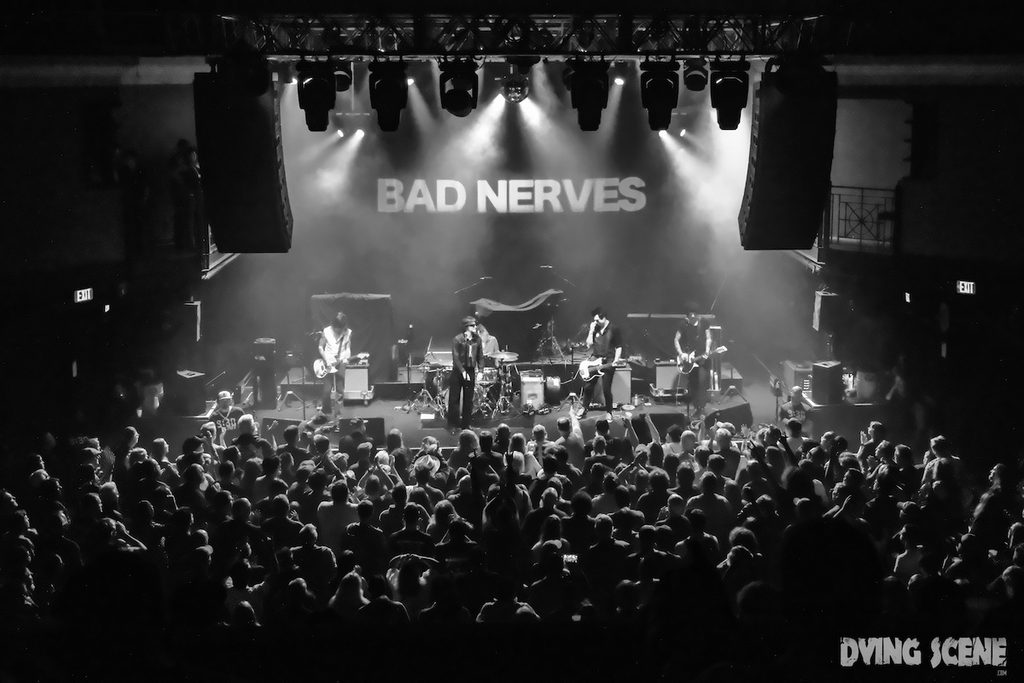
Bad Nerves hit the stage at 8:30 and plowed through 10 of their high-octane punk rock power pop songs in just 30 minutes. Their music is a perfect blend of the Ramones and the Strokes and doesn’t disappoint if you dig short, catchy punk songs about mental health, society, and modern life. Highlights were seeing their fans sing along, matching the energy of the band. For me, I really enjoyed hearing them play their new single, “NETWORK,” as well as older songs like “Don’t Stop” and “Radio Punk.” They’re nice guys and they appreciate the opportunity to open for the Sex Pistols and play to an older crowd. If you’re unfamiliar with this band, be sure to check them out.
- Bad Nerves setlist:
- “Baby Drummer”
- “Plastic Rebel”
- “NETWORK”
- “USA”
- “Loner”
- “Radio Punk”
- “Antidote”
- “You’ve Got The Nerve”
- “Can’t Be Mine Dreaming”
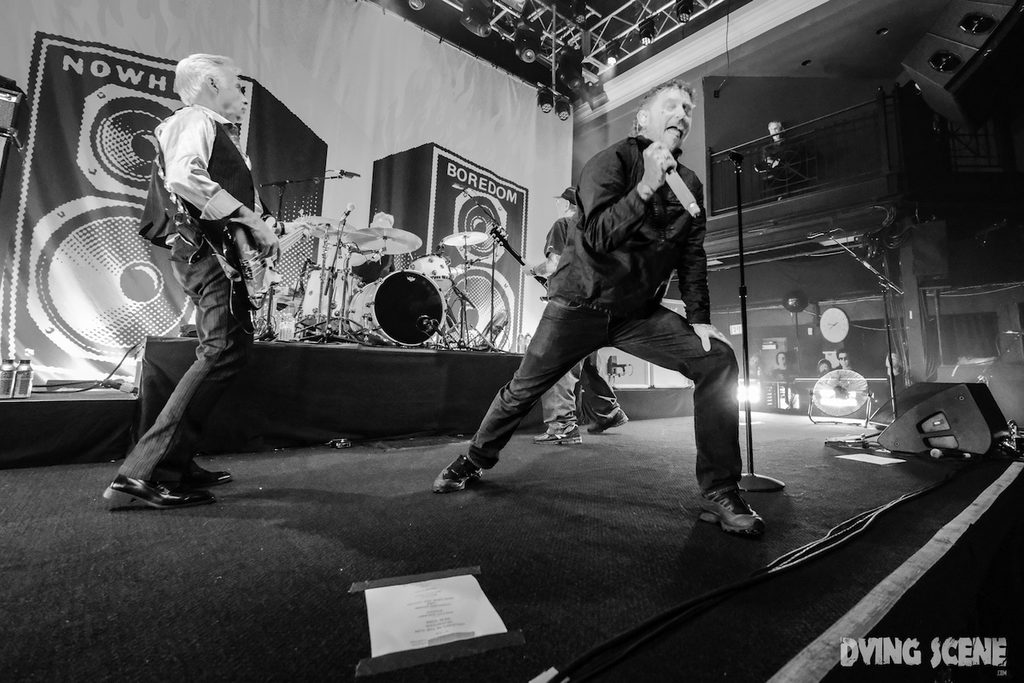
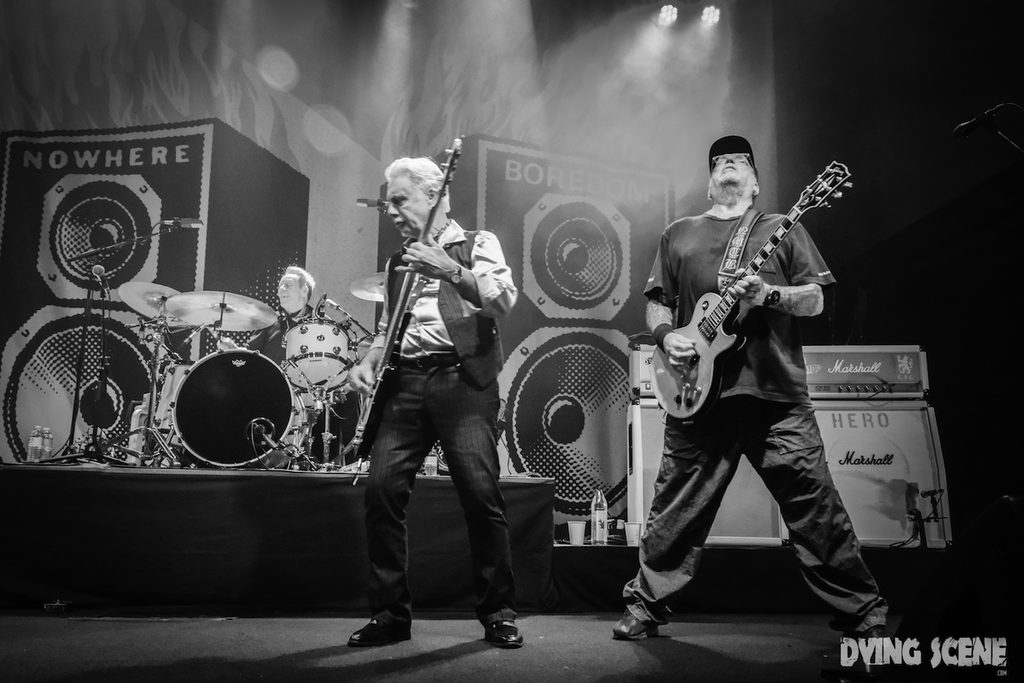
The Sex Pistols walked out on stage at 9:30 and delivered an unforgettable set of classic originals and covers you would expect them to play. They opened with “Holidays in the Sun,” which set the tone for the rest of the show. The crowd went nuts, exploding into a mosh pit bonanza and rushing the barrier, to no one’s surprise. Up next was “Seventeen” and it was something special to see these men approaching their 70’s wax punk poetic about their teenage experience from so many decades ago.
Throughout their set, Frank Carter alternated between the stage and floor, inciting crowd participation in the night’s punk rock performance. At times, the crowd was running a circle pit around him as Carter sang, and at others they were standing, as if fueling his energy with their own raging angst. At one point, Carter sought to ensure that the women in the crowd had their own chance to dance by mandating a female-only circle pit. This was something quite incredible to experience. Unfortunately, I’m short and couldn’t get upstairs in time to photograph this circle pit, but there are plenty of photos and videos of it online. As a woman, it’s often difficult to appreciate punk and hardcore dancing, so it was refreshing to see several generations of women getting a chance to take over the dance floor.
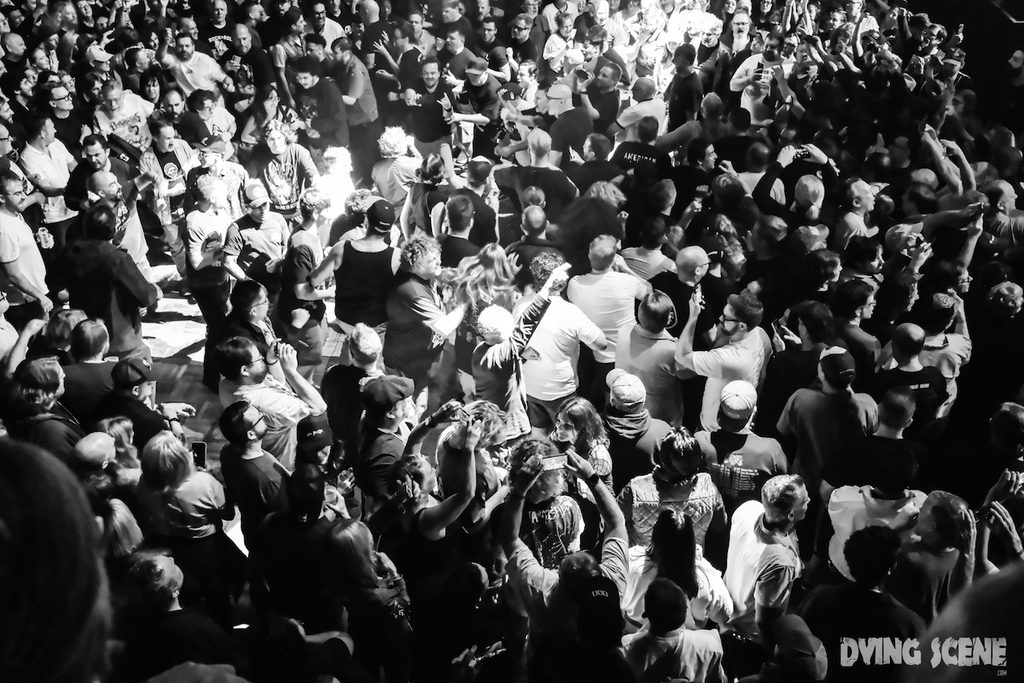
The Sex Pistols played all the songs from their only real album, Never Mind The Bollocks, Here’s The Sex Pistols, except Submission but they made up for this omission with covers of Paul Revere and the Raiders’ “I’m Not Your Stepping Stone” (also covered by the Monkees and Washington, DC’s own Minor Threat), The Stooges’ “No Fun,” and “My Way,” from Paul Anka (also covered by the Sex Pistols’ Sid Vicious). For me, the songs that really moved me were “God Save The Queen,” because I was on the balcony and saw the crowd go wild and sing along as if they were singers for the band. That’s not to say that the crowd didn’t participate in other songs, it really just speaks to the power of seeing so many people coming together for something as fun and memorable and historic as seeing The Sex Pistols play the 9:30 Club.
What more can I say? It was a great night with great bands. Several generations of fans showed up on a school night to celebrate songs that for some were the soundtrack of their youth and for others are songs referenced in history books. After seeing them live, I have a greater appreciation for their songs and for what their songs mean to people. If you chose not to show up because their original singer, Mr. John Lydon (aka Johnny Rotten) wasn’t on board, then you missed out. I can’t and won’t argue that their the same or better than they would have been with Lydon, but they were fantastic. At moments during their show, you could see Jones, Cook, and Matlock vibing off one another and enjoying the opportunity to share songs that made their careers and inspired so many others to play punk rock. At times, Matlock stared at the crowd in amazement as if he was wondering why they hadn’t done this sooner. I have the same thoughts as well.
- Sex Pistols setlist:
- “Holidays in the Sun” (Sex Pistols song)
- “Seventeen” (Sex Pistols song)
- “New York” (Sex Pistols song)
- “Pretty Vacant” (Sex Pistols song)
- “Bodies” (Sex Pistols song)
- “I’m Not Your Stepping Stone” (Paul Revere and the Raiders cover)
- “Liar” (Sex Pistols song)
- “God Save the Queen” (Sex Pistols song)
- “No Fun” (The Stooges cover) (Included band intros and “Low Rider” snippet)
- “No Feelings” (Sex Pistols song)
- “Problems” (Sex Pistols song)
- “E.M.I.” (Sex Pistols song)
- “My Way” (Paul Anka cover)
- “Anarchy in the U.K.” (Sex Pistols song)