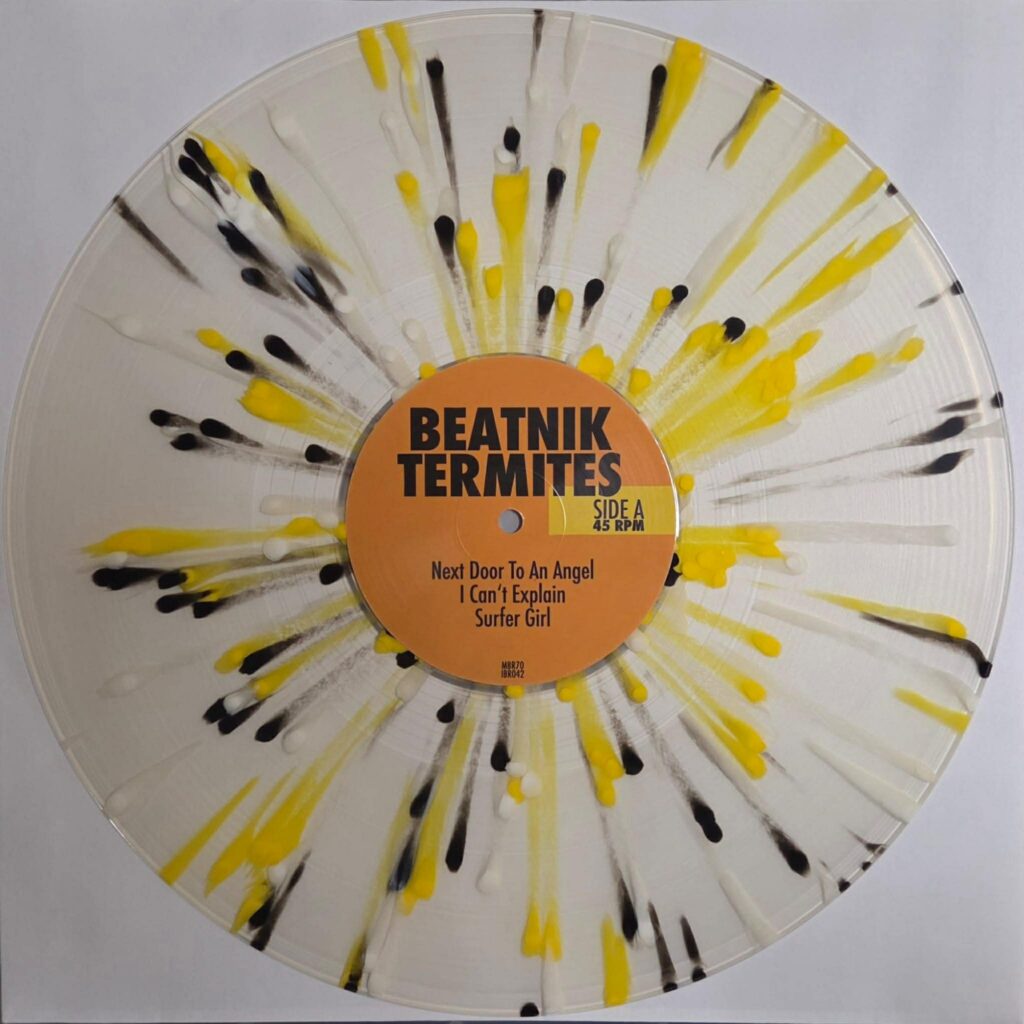
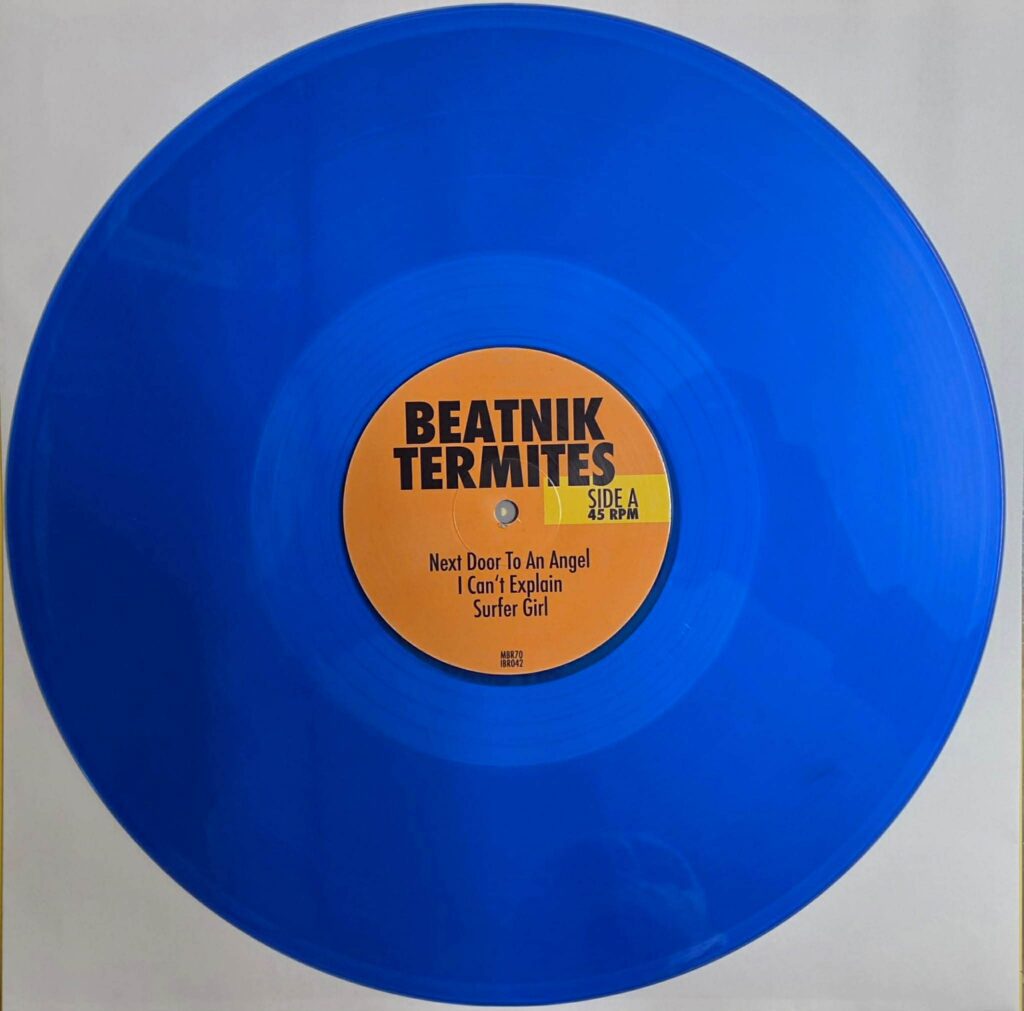
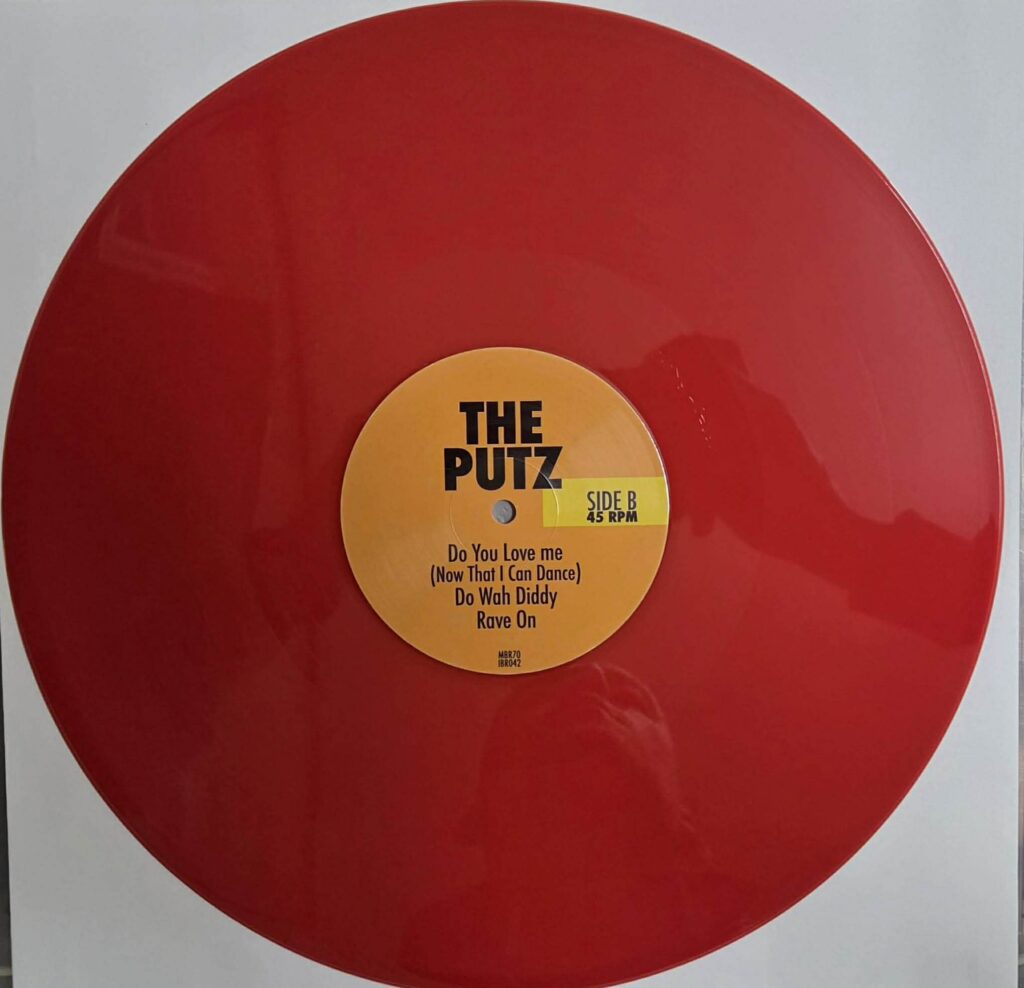
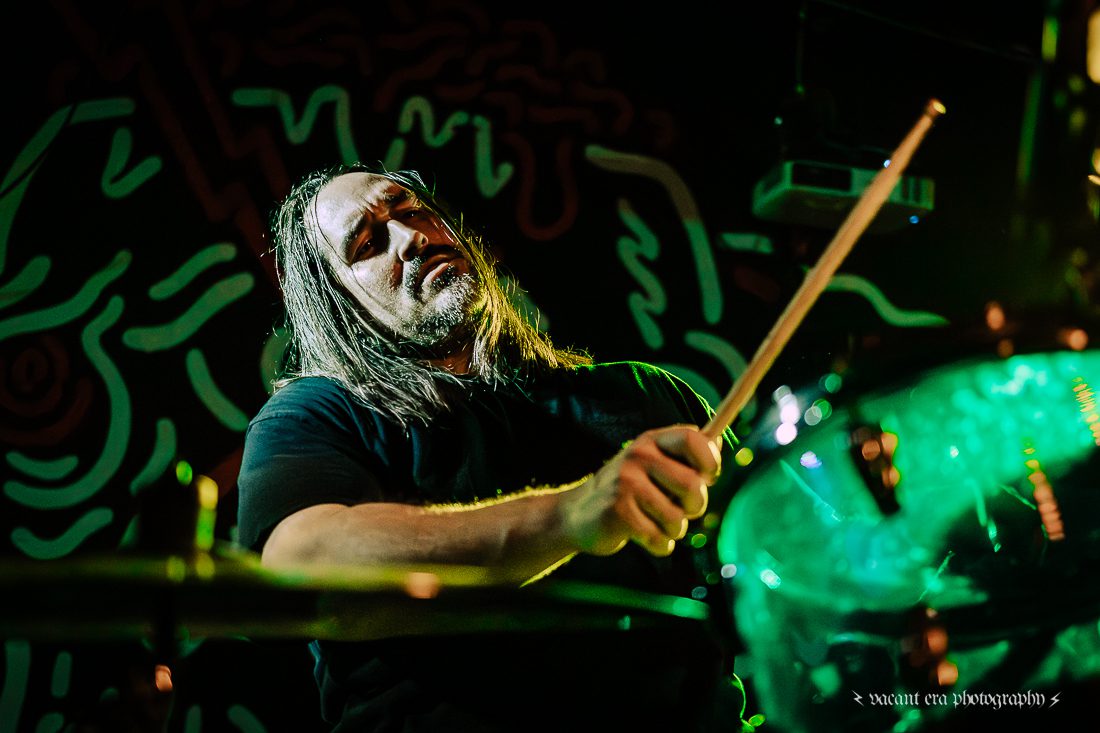
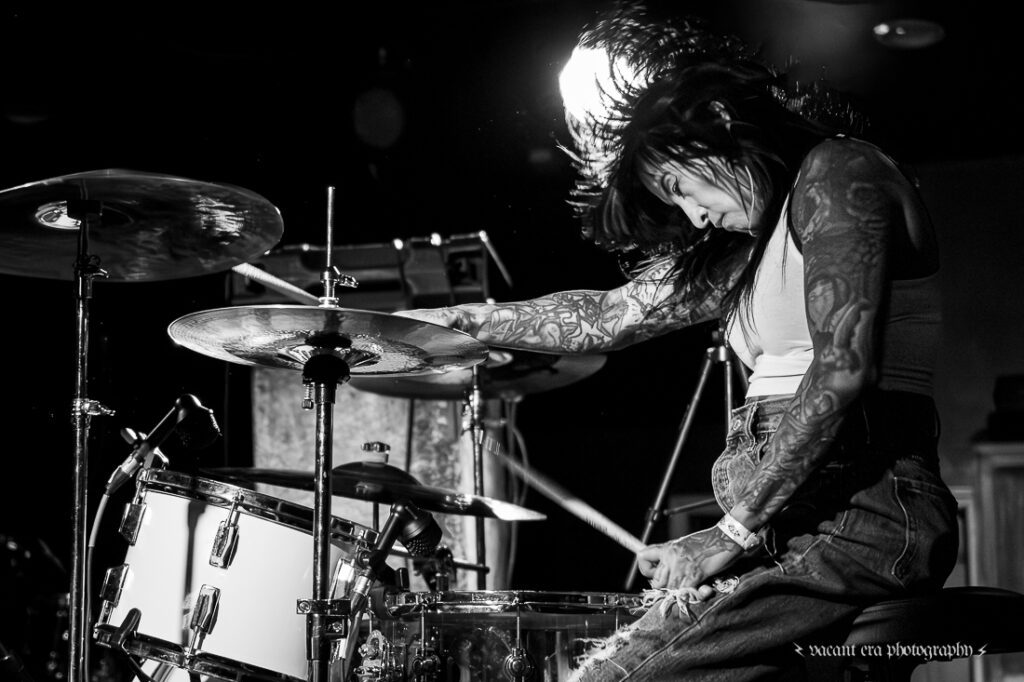
Two old school pop-punk powerhouses in the Beatnik Termites and The Putz are joining forces for a 6-song split 12″ coming soon on Mom’s Basement Records. The split will feature each band covering 3 oldies songs, and you’ll be able to grab it on three different vinyl color variants. Get an exclusive sneak peak of […]
Two old school pop-punk powerhouses in the Beatnik Termites and The Putz are joining forces for a 6-song split 12″ coming soon on Mom’s Basement Records. The split will feature each band covering 3 oldies songs, and you’ll be able to grab it on three different vinyl color variants.
Get an exclusive sneak peak of what’s to come down below and stay tuned to the Mom’s Basement Records Facebook page to know when it goes up for purchase on their webstore.
Welcome to Four Records! Each episode, we feature one guest as they go over four records at four different times in their life. This week Forrest is joined by Dying Scene Editor Jason Stone as they speak with Jennie Cotterill of Reckoner. She also makes custom cake creations. For more info on Reckoner shows and […]
Welcome to Four Records! Each episode, we feature one guest as they go over four records at four different times in their life. This week Forrest is joined by Dying Scene Editor Jason Stone as they speak with Jennie Cotterill of Reckoner. She also makes custom cake creations. For more info on Reckoner shows and Jennie Bakes, check out the links below:
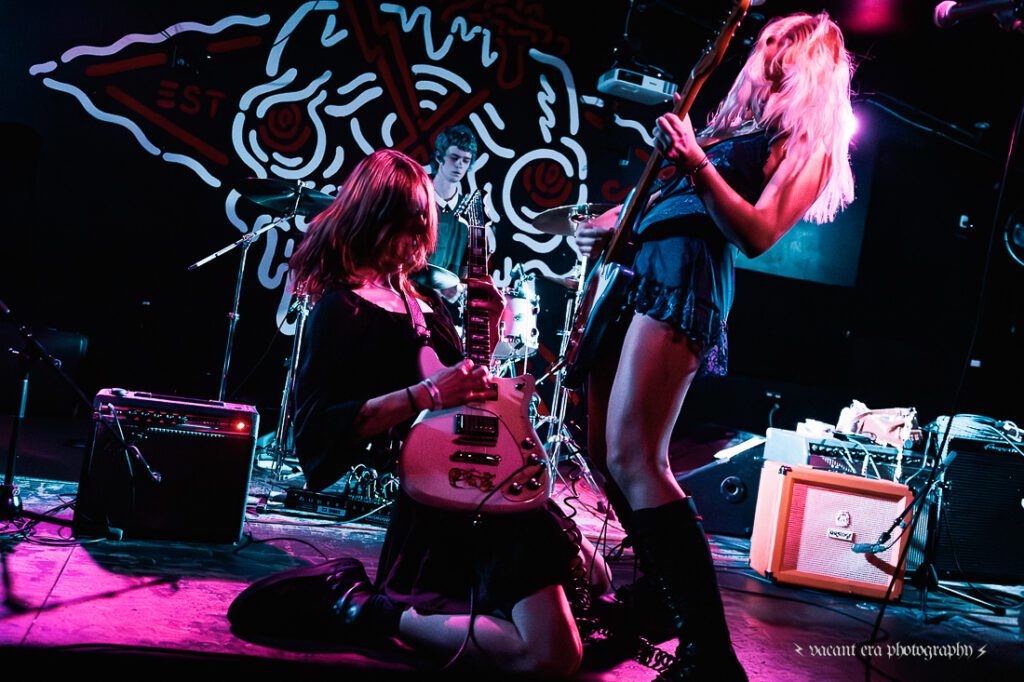
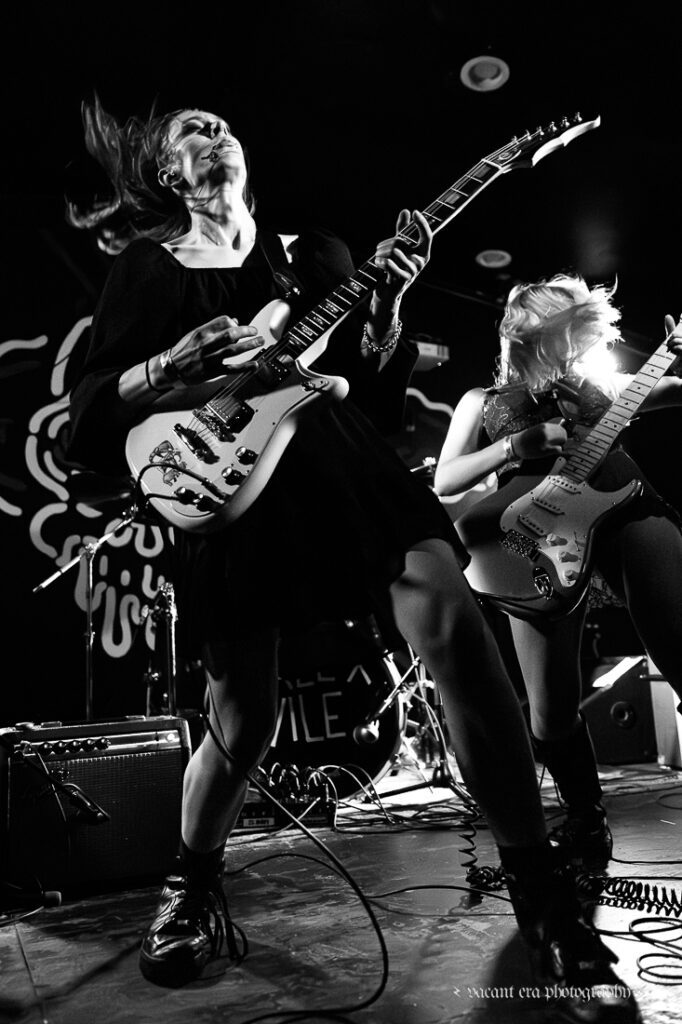
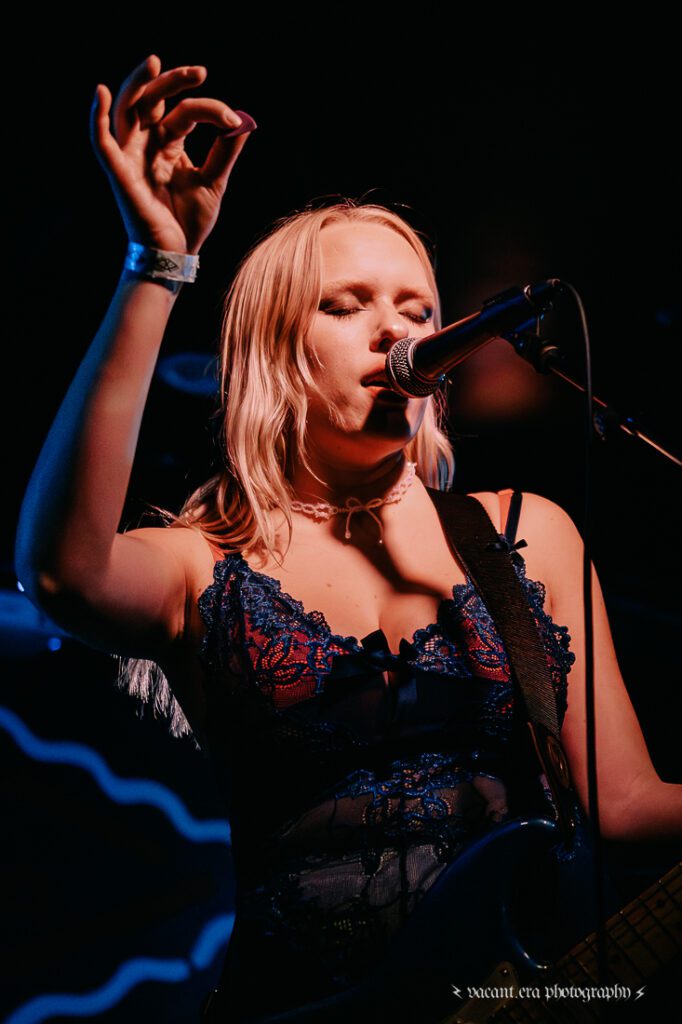
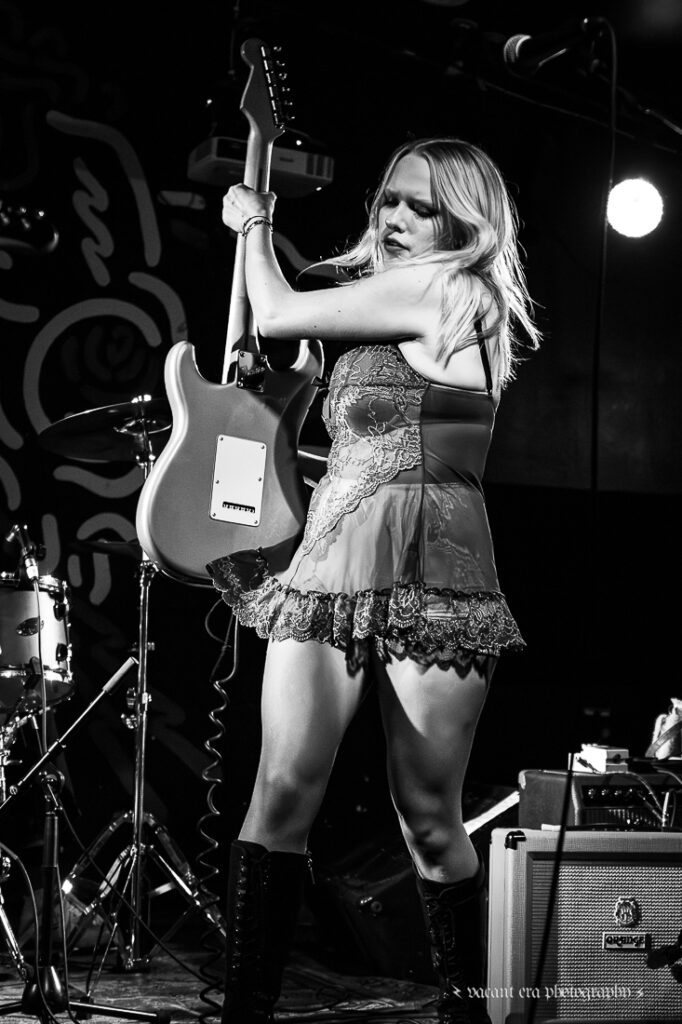
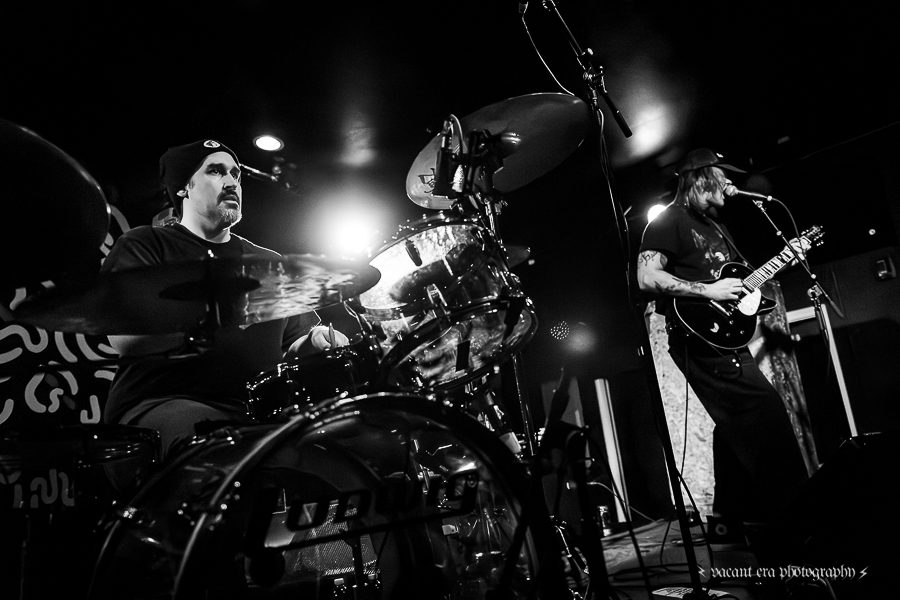
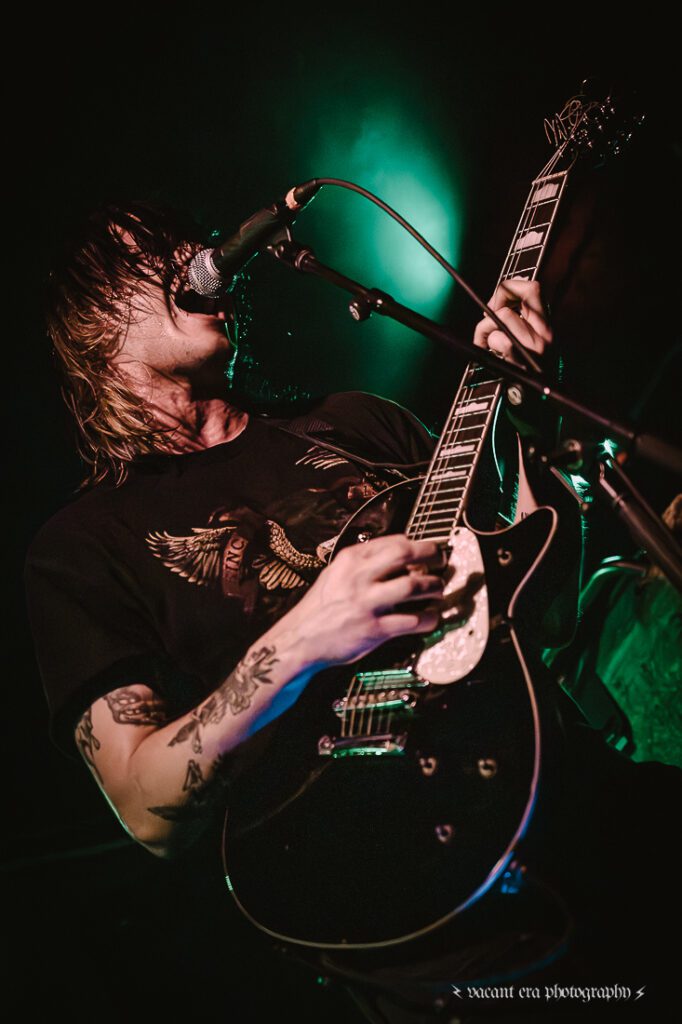
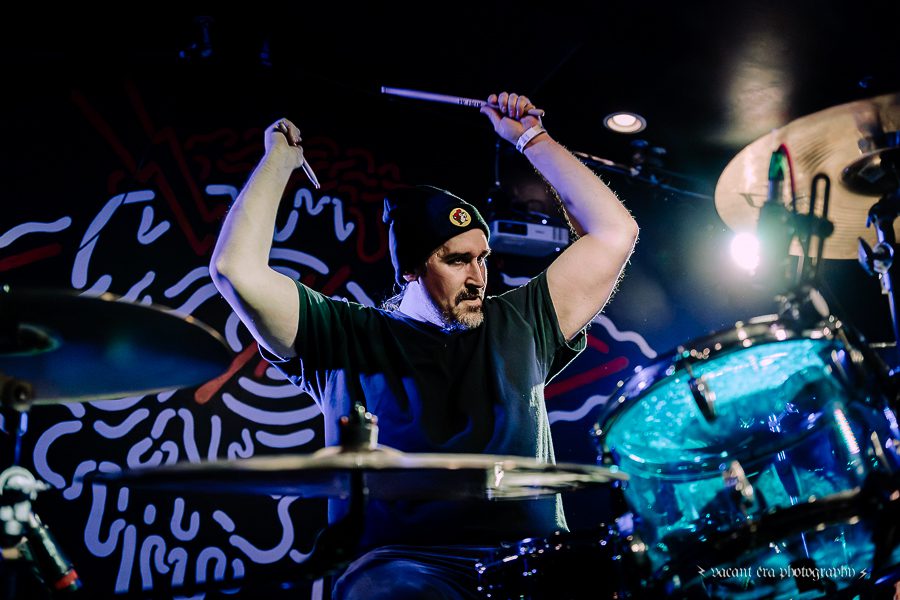
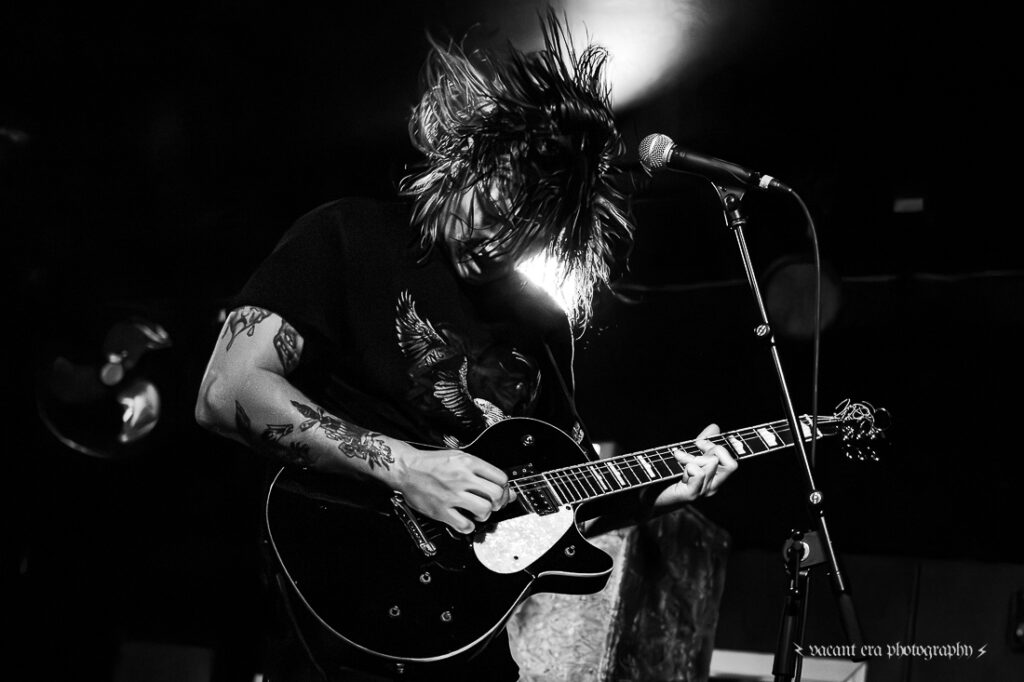
Garage-punk duo Teen Mortgage just finished another leg of their tour to promote their newest album, Devil Ultrasonic Dream. This time we caught up with them at one of the coolest Milwaukee-area venues, X-Ray Arcade, along with supporting bands Alex Vile and Bev Rage & The Drinks. Check it out! Voted Chicago’s Best Punk Band […]
Garage-punk duo Teen Mortgage just finished another leg of their tour to promote their newest album, Devil Ultrasonic Dream. This time we caught up with them at one of the coolest Milwaukee-area venues, X-Ray Arcade, along with supporting bands Alex Vile and Bev Rage & The Drinks. Check it out!
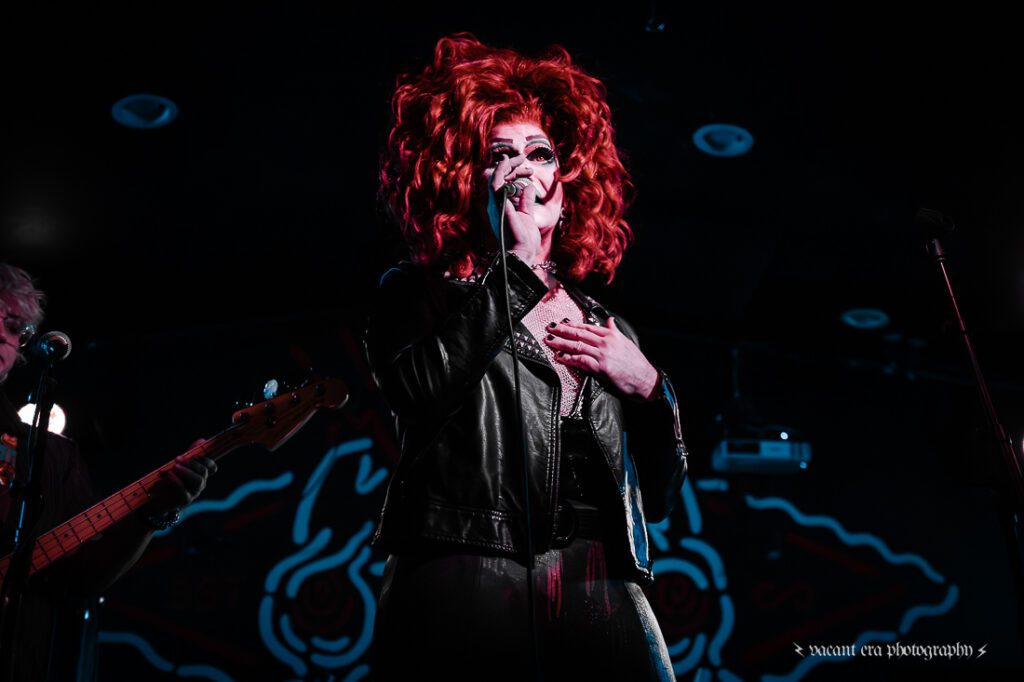
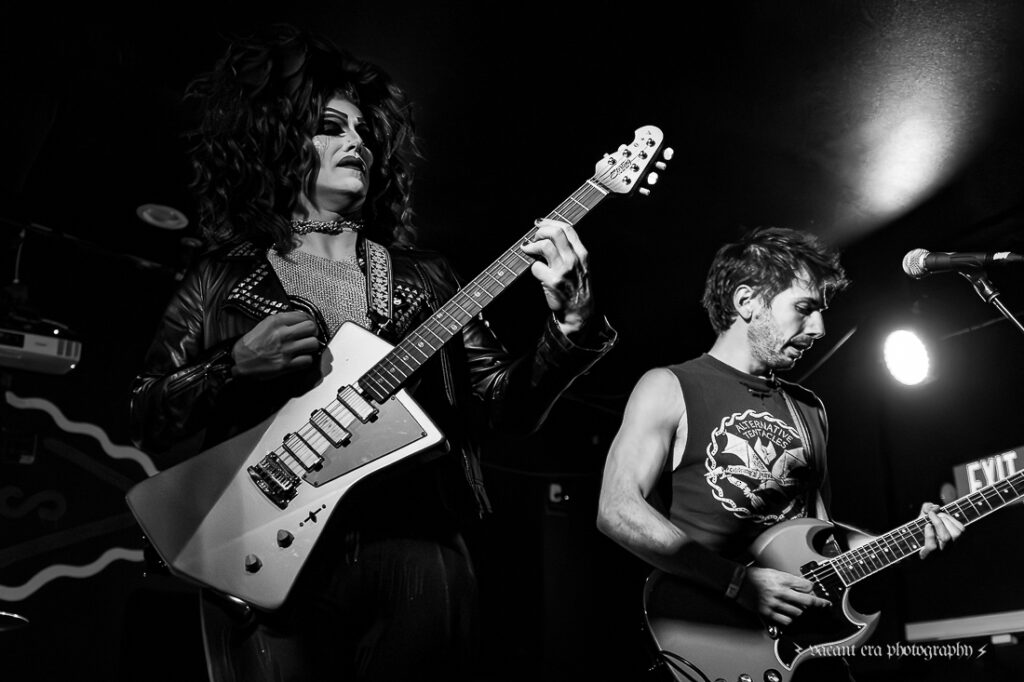
Voted Chicago’s Best Punk Band in 2024, Bev Rage & The Drinks opened the night with their loud, fast, and unique stage presence. Drag queen Beverly Rage towers over the crowd in high heels and tall hair, delivering a fun theatrical and unapologetically queer performance.
Tacoma, Washington’s Alex Vile began as a solo project by guitarist and vocalist Alexandra Vilenius and has since transformed into a solid 4-piece indie grunge band. Staying true to their Seattle-area roots, Alex Vile has all the vibes of an early 90’s alt rock band.
Teen Mortgage is still as fast and rowdy as ever as this leg of the tour comes to a close, echoing the common message of existential dread that we’ve all been feeling: damn ya’ll, shit’s fucked.
“Have you seen A Bug’s Life?” Asks guitarist/vocalist James Guile between ripping through songs of their politically charged album Devil Ultrasonic Dream. The 1998 animated film has deeper themes of anti-capitalism and class struggle, akin to many of the band’s songs.
The band just dropped a new single “Below the Christmas Tree” that is anything but your typical holiday track.
On the new song, James Guile shared, “We wanted to give people a new Christmas song to throw in their rotation because the usual Christmas hits get tedious to listen to. The song is a satire of people’s tendency to ignore the world and embrace consumerism during Christmas and the way they would continue the tradition in the face of a nuclear holocaust. But the flip side of that is that Christmas is a call for peace.”
The band is also partnering with Super Skate Posse and the Boys and Girls Club of Baltimore to provide 50 pre-selected, area youths with new skateboards, helmets, and Converse sneakers, along with a skate demo and music performance in Baltimore.
The event will take place at the Skatepark of Baltimore on Saturday, November 22nd and will include demos from professional skaters Brian Anderson, Darren Harper, Spencer Brown, and Tony Massey, as well as a full performance from the band.
Since 1990, Scott Radinsky has been considered a legend. From having an 11 year career in Major League Baseball, and 21 years owning a skate park and museum, Scott has built a lifestyle rooted in passion, community, and authenticity. That energy still fuels Pulley today, decades deep. Especially with their latest release “Split Personality”, a […]
Since 1990, Scott Radinsky has been considered a legend. From having an 11 year career in Major League Baseball, and 21 years owning a skate park and museum, Scott has built a lifestyle rooted in passion, community, and authenticity. That energy still fuels Pulley today, decades deep. Especially with their latest release “Split Personality”, a duo record with Fire Sale. I caught up with Scott before Pulley’s show in Riverside, CA, to talk about it.
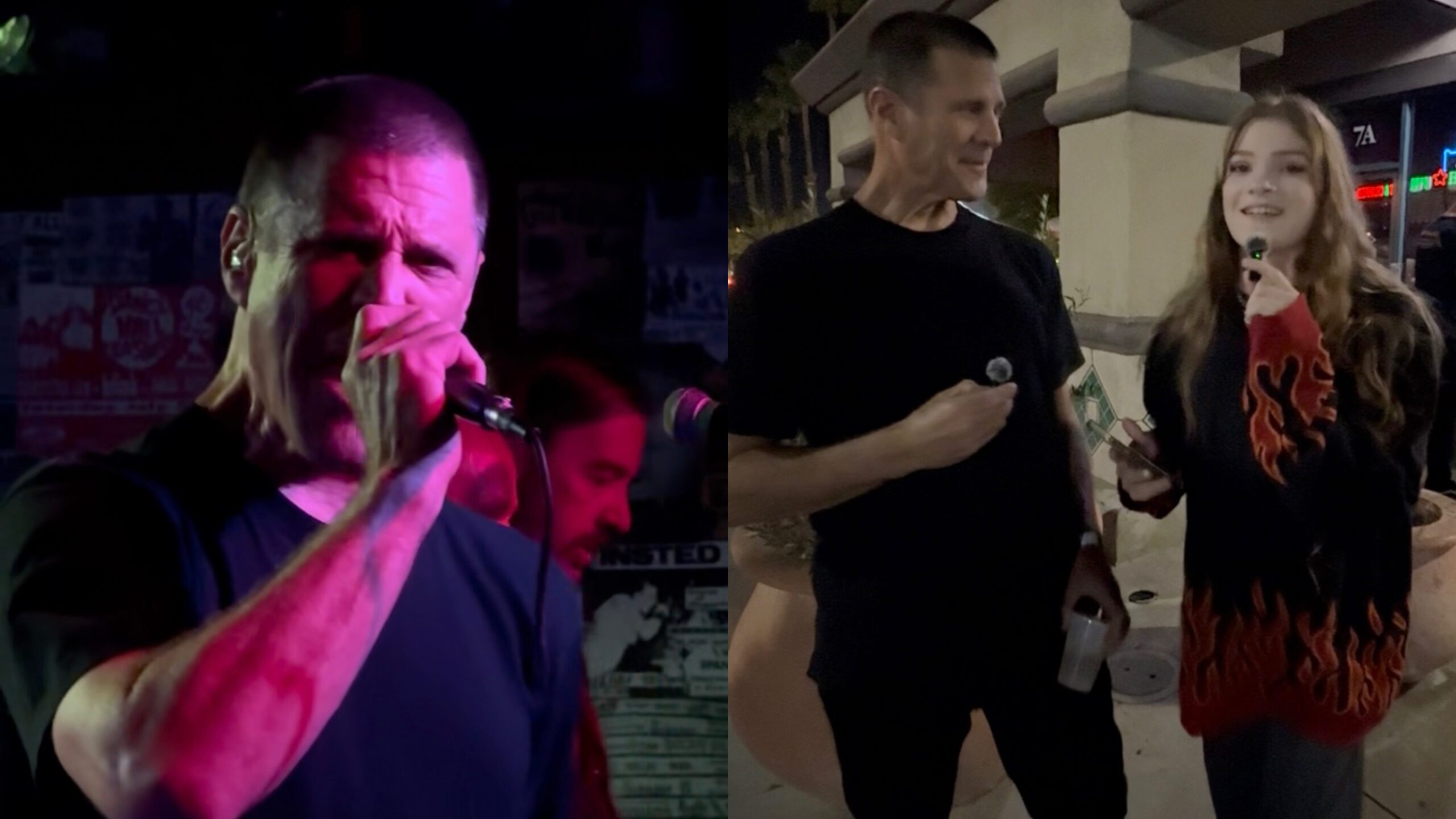
Dying Scene (Spike): I’m here with Scott Radinsky of the iconic band Pulley at their show in Riverside! I have a couple quick questions, my first one is “What does Pulley mean to you?”
Scott Radinsky: Well, it’s the band I’ve been in for over 30 years! It’s definitely the most meaningful, I’ve been in it for over half my life. The people in the band as well, I have a great deal of respect for. I consider them friends. It’s kind of like a really good relationship, you know, that’s lasted a long time. So when that can happen it’s pretty special.
Yeah! You’ve been doing this, obviously, since 1994, and you’ve had lots of difficult challenges throughout your career, so how do you navigate through those and keep that spark alive?
Challenges are a part of life so that’s really not an excuse. I mean it’s easy to always point the finger and make excuses, but challenges have to be overcome. As far as being in a band, as I mentioned earlier, it’s kind of like a relationship. We pick each other up when we need to. Everybody’s had their down-time at some point over the course of this period of what we’ve gone through, but when you enjoy doing something, challenges are easy. They’re easy to overcome, so I think that’s why the spark continues.
Awesome. After decades in the scene, has your songwriting process changed at all?
I guess. I mean we’ve matured as songwriters, lyrically it’s got a little more maturity to it compared to when we were, what, 19? Musically, we’ve gotten better as players and have a better understanding of how to write songs and play music. I think we’ve stuck to the originality of what we started out with. I think the style is kind of similar. Hopefully it’s just evolved and become a little better.
Oh yeah, I think so! You recently released a split record with Fire Sale, who’s idea was that?
Chris, the guitar player from Fire Sale, reached out to us and asked if we had any interest in doing a split EP, and of course we said yeah! Then it just kind of went from there.
Awesome, I love it. Now, this new chapter with Negative Progression, how is it different from working with Epitaph all these years?
I mean Epitaph, in my opinion, is the best record label ever. No offense to Negative Progression. Especially in the time period when we were a part of it, it was just full steam ahead, you know. They kickstarted our opportunity in being a band, put us out there, and gave us the chance to write music. They did a great job at advertising the songs, but just being on the label is huge, as far as credibility goes. The relationship with Seth from Negative Progression is awesome as well, he’s a solo guy by himself, strictly for the passion of putting out music, and it’s awesome. It’s been a great relationship so far.
What’s something you’ve learned through the process of this release? Anything new?
Yeah! I mean, working with new people. The whole process like a new label, a new producer, engineer, whatever you call it… new songs, but the recording process, it’s all the same. That really hasn’t changed. But we go into it with a little bit of knowledge now, so we can streamline things and not waste as much time as we used to.
If you could make a split record with any artist from a different genre, or sub-genre of punk, who would it be?
That would be pretty cool. What’s a band that you currently really like and want more people to know about?
I’ve liked Propagandhi for a long time and I currently still like them. I wish a lot – actually you know what – I wish more people didn’t know about them… keep them under wraps.
Edit: I know I should be honoring his request and keeping them under wraps, but as a fan myself, this answer was too good. So sorry, Scott.
I don’t know. I think people that are into music, especially in today’s accessibility, you’re going to find anything you want, you know. There are no secrets anymore, and there are no bands that I wish more people know about because they already do.
Perfect response. I have one last question for you. What’s your absolute favorite thing about being in a band?
Well in about 2 hours, you’re going to see what my favorite thing about being in a band is! I mean, writing music and playing live is why most people get in a band, and thank God we still get to do it.
It was great to chat with Scott before he hit the stage. You can check out a video of it on Instagram or TikTok!
The punk rock and underground and DIY music worlds are littered with the remains of once-iconic venues. Venues that achieve legendary status because of the scenes that they created and fostered and nurtured. Venues that became iconic to the punk and underground and DIY worlds in the same way that Radio City Music Hall or […]
The punk rock and underground and DIY music worlds are littered with the remains of once-iconic venues. Venues that achieve legendary status because of the scenes that they created and fostered and nurtured. Venues that became iconic to the punk and underground and DIY worlds in the same way that Radio City Music Hall or Madison Square Garden or The Fillmore or the Ryman Auditorium became iconic in different places and times. Venues that grew organically in out-of-the-way, pre-gentrified areas, before the creep of the Live Nations and Ticketmasters and venture capital-backed land developers could figure out a way to strangle every last conceivable dollar from an area before turning it into a high-end clothing store or hotel or upscale casual chain restaurant.
Between the Convention Hall and the Upstage and the Paramount and The Stone Pony – which has somehow managed to hold fast on the ever-changing Boardwalk for more than fifty years, Asbury Park, New Jersey, has been no stranger to those sorts of venues over the years. Asbury-at-large sort of exemplifies that idea itself; a sort of out-of-the-way spot, perpetually down on its collective luck yet somehow persevering in greater-than0the0sum-of-it-parts fashion thanks to a group of dedicated folks who were either too stubborn or too foolish to leave. And perhaps no place better exemplifies what Asbury Park was and what Asbury Park is becoming better than the iconic Asbury Lanes.
For the uninitiated, the Asbury Lanes was – and I suppose still is – exactly what it sounds like. It was a 1960s-era bowling alley that made it trough the decades with surprisingly few updates. In the early 2000s, it also started to double as a music venue catering to local and national touring punk rock bands for about a dozen years. The Revival Tour stopped there and Dave Hause and The Loved Ones and Hot Water Music and The Menzingers and The Flatliners and the Gimme Gimmes and Agnostic Front and Sick Of It All and of course the Souls and Lagwagon and Tim Barry are but a small fraction of the names that passed through. Many of them passed through more than once, largely due to the people who ran the place and went to the shows making it feel like whom. What the nearby Stone Pony was to the traditional rock-and-roll world of the generation before ours, the Lanes became to the punk rock kids. Here…see for yourself…
One of the more regular faces at the Lanes for the bulk of its history was that of Mike McLaughlin. If you went to the Lanes between 2005 and 2015 and you don’t recognize McLaughlin’s face, that’s probably due to the fact that it was behind a camera. Over the course of a decade, McLaughlin became the venue’s unofficial house photographer, shooting upwards of 270 separate bands, many of them more than once. For McLaughlin, it all started as a seemingly run-of-the-mill assignment. “I got a call from the Newark Star-Ledger, which is the biggest daily paper in New Jersey, that there was going to be a car show with some bands at this old bowling alley in Asbury. And I knew Asbury well, I lived next door in Ocean Grove for many years,” he explains. “I knew the bowling alley. I had photographed that strip of old buildings at night, but I didn’t know anything was going on there.” McLaughlin figured it would be a routine outing; snap a couple of pictures of a few vintage hot rods, maybe grab a picture of a band or two, and head back home. Fate, it seems, had other ideas. “I go inside and Sasquatch And The Sick-A-Billys are playing. I walked in and the old Lanes looked like a 1960s bowling alley, but from like out of the Jetsons. So it was this like retro look, but also this futuristic look. And then there’s this rockabilly band with some people dressed up like they were at a sock hop and it was just like, “what the fuck is going on? This is the most amazing thing in the world!”
Little by little, McLaughlin ingrained himself as a fixture at the Lanes. Due to the nature of the venue and the scene – and due to McLaughlin’s own history as a photojournalist – his pictures began to focus less on the traditional elements of a concert photo and more of a documentarian vibe. With the venue’s minimal stage and rudimentary lighting and nary a traditional photo pit barricade in site, there was little to separate artist from crowd, both physically and aesthetically. This lends itself to the utilitarian idea that what inspired so many people to drift to the punk rock world in the first place was the idea that it’s our scene; a scene made up by us and for us and with little pretense or faade or gimmick. In fact, a flip through a decade’s worth of pictures reveals many of the same faces both in the crowd and, at times, on the stage in performances of their own.
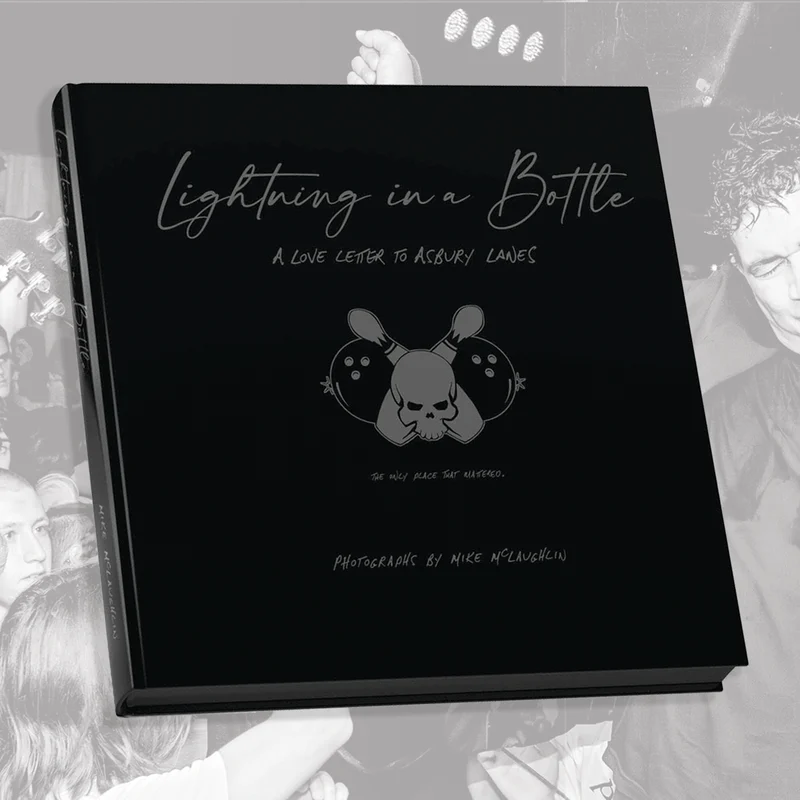
The Lanes closed in 2015. It got a massive update and facelift as part of a multi-billion dollar real estate investment in the Asbury Park Boardwalk revitalization, and it has reopened under the same name and same basic idea (part bowling alley, part concert venue) but it’s not the same Lanes. Thankfully, not only was McLaughlin there to cover the bulk of the venue’s iconic heyday, his work is now slated to appear in hardcover, physical format. Entitled Lightning In A Bottle: A Love Letter to Asbury Lanes, McLaughlin has put together a massive collection of shots capturing the history of the Lanes and its people. The 400-page tome is due out next month via Mt Crushmore Records, and it presents less as a traditional photo book and more as an artifact; a venue yearbook, if you will. That is, as you’d imagine, entirely by design.
“I’m a stubborn son of a bitch when I get an idea in my head,” laughs McLaughlin. “It was something that I had from early on was I wanted it to be kind of everybody’s book. When I was arguing that this isn’t a photo book, part of that argument was this isn’t Mike McLaughlin’s photography book, like it wasn’t about me, I wanted to do this for everyone who ever experienced it. And so I wanted them to be a part of it. So having everyone handwrite their memories was hugely important to me. Looking through the photos, I see faces that I haven’t seen or been in touch with since before it closed. And I still would be looking, you know, like looking through a yearbook, like, “oh, man, I love that guy!”
McLaughlin spends much of his time overseas nowadays; he recently finished his Masters and is teaching photography in Florence, Italy. But he’ll be back in Asbury for the official launch of Lightning In A Bottle next month, at a book signing/print sale at the Parlor Gallery on Cookman Avenue. With any luck, it’ll feel like a high school reunion of sorts, with folks who attended any of the hundreds of shows that took place at the Lanes laughing and reminiscing and storytelling. Whether you went to the old Lanes or not (like yours truly), Lightning In A Bottle is a tremendous and worthy addition to anyone’s library. Authentic and non-Disneyfied venues like the old Lanes are increasingly few and far between and works like Lightning In A Bottle are important time capsules of what truly make them – and the collective scene as a whole – not only special but truly necessary. The book is available for pre-order as we speak. Get yours, and check out our fun chat with Mike McLaughlin below. Kindred spirits for sure, we talk all about his photography journey and his history at The Lanes and what’s becoming of Asbury and much more!
*Editor’s Note: The following conversation has been edited and condensed for conent and clarity. Yes, really.*
Dying Scene (Jay Stone): When (mutual friend) Jared (Hart) told me about this book, my first thought was “oh, hell yeah, that’s really cool.” I’m from the greater Boston area. I am not a Jersey guy, but I’ve known Jerry and some of his crew for probably twelve or thirteen years now, something like that, through The Scandals and from him coming up here all the time. And then (my wife and I) started going down to Jersey a couple times a year. Between Asbury and Garwood, where Crossroads is. And it’s sort of become like a second home since we started going down, which was maybe in like 2016. So that means we just missed the old Lanes. And so it was fun to look through this book, because it captures so many people I know and shows I know of, and is such a great look at a unique place.
(Michael McLaughlin): Thanks. That was the hope!
So what I guess is a good place to start, and you do talk about it a little bit in the book, but I like the story of your sort of introduction to the Lanes and how you sort of stumbled upon it and then like fell in love with it, as seemingly everybody who went there did.
Well, for me, I mean, I had been shooting music for a long time; since the mid-90s. Both for myself having just friends in bands, and I was a photojournalist for a bunch of different newspapers and magazines. I would always get gigs to go shoot shows at PNC Arts Center, Madison Square Garden or whatever, and then local club stuff, too. But at that point, I stumbled upon (The Asbury Lanes) in 2005. It had been going since 2004…not really on and off, but like, it wasn’t a regular thing in 2004, like where, you know, every Friday, Saturday or whatever, they had shows. That kind of started in 2005. And I got a call from the Newark Star-Ledger, which is the biggest daily paper in New Jersey, that there was going to be a car show with some bands at this old bowling alley in Asbury. And I knew Asbury well, I lived next door in Ocean Grove for many years. So I knew the bowling alley. I had photographed it at night, like that strip of the old buildings, you know, but I didn’t know anything was going on there. So in my mind, I had shot so many car shows for newspapers…like, they would do a little feature because this town was having a car show. Now, I’m an A to B guy as far as cars go. Like, I need a car to get me from A to B. You know, when I was a teenager, I wanted a ‘70 Chevelle SS, you know? Beyond that, like, I don’t know shit about cars (*both laugh*)
So car shows were just like, “alright, find a cool photo.” And yeah, I rolled up and there’s all these like, you know, chopped up hot rods out, out on the sidewalk and on the street. And I go inside and Sasquatch And The Sick-A-Billys are playing. I don’t know if you know Sasquatch, but I think I said it in the book, they’re like rockabilly or punkabilly or, you know, punk rockabilly or depending on your point of view. But I walked in and the old Lanes looked like a 1960s bowling alley, but from like out of the Jetsons. So it was this like retro look, but also this futuristic look. And then there’s this rockabilly band with some people dressed up like they were at a sock hop and it was just like, “what the fuck is going on? (*both laugh*) This is the most amazing thing in the world,” you know? I met a bunch of the people and that very first day while I was there shooting it for the assignment, I was thinking, “you know, I’ve been to dozens of bowling alleys in my life. I’ve done God knows how many car shows, I’d shot God knows how many music venues at that point. And none of it was this, you know? Literally that first day something inside of me was like, “I’m home,” you know? Yeah. You know, it was like, I found my tribe. That’s kind of how it always felt.
Right. I feel like a lot of the folks from Jersey are sort of kindred spirits with the people from the Boston area. Like it feels like I knew immediately from meeting Jared or the Souls or Dave Hause (editor’s note: yes, I know Dave is from Philly, but he’s also all over this book) like those are our people. Like you’re from five or six hours away or whatever, but like, we’re all talking the same language, walking the same footsteps.
Yeah! So I got to tell you a quick, funny story. So I’m living in Florence, Italy, right now. So I’d been doing photography professionally for years. I always wanted to teach, but didn’t have a master’s degree, so I’d just dismiss it. Like “oh, I’m 56 years old. I’m not going back to school.” So two years ago I decided, “well, fuck it.” I gave up my business, moved here and I just finished my master’s degree. And now I’m a professor. I’m a professor of photography here.
That’s awesome! Congratulations!
Thank you. Thank you. But this relates to the Boston/New Jersey thing, because you’re absolutely right. Boston and New Jersey are definitely kindred. But I was here and I was doing a photo workshop someplace and the place was like a photo studio, you know? And a person who worked at the studio come walking through and I looked at him and it was just, there was nothing particular, but the way that, with the way they were dressed, the, you know, the hair, I literally looked at him and I went, “those look like my people.” The next day, the guy comes walking in and he has a shirt on IT X HC.
Oh, funny!
And I literally was like, “what the fuck?” I start talking to him, and on the back of his shirt is like a big circle that says “Italia hardcore.” And I’m like, “dude, if you remember where you got that shirt from, let me know. I’d love to get one.” He comes back after lunch with a shirt for me. He made the shirt. He does Venezia Hardcore in Venice.
Oh, wow!!
You can always spot your tribe.
Yeah, absolutely. Absolutely. That’s amazing. So are you going to stick in Italy for what? Are you based there now essentially?
Well, right now, yes. Everyone keeps asking me like, “oh, so you’re staying for good?” I’m at a point in my life where I don’t need or want a five-year plan. I’ve got one-year plans. You know, it’s like I’m staying for a year. Towards the end of that, I’ll decide if I stay for another. Towards the end of that, I’ll decide if I stay for another. (*both laugh*) You know, I’m enjoying the hell out of the experience. I feel like school was a great experience here and I love Florence, but I would have been an idiot to pass up the opportunity to teach here and have that experience…
Oh, yeah, absolutely.
…and to like just come home straight when I was done with school. So it’s like, yeah, I figured I’ll give it a shot and see how it goes.
Were you doing the photojournalism thing and then shooting like rock shows, punk shows or whatever? Or did you start shooting shows and then like expand from there? Shooting punk rock shows doesn’t pay shit, so clearly.
No, no, no. Yeah, no. I started photography in a really weird way. I started off basically doing documentary photography my senior year in college, but I didn’t take any classes in photography in school. I accidentally stumbled into it, which is, which is a wild story. I don’t know that it fits this whole narrative. But I did have a friend of mine in college who was in a punk band based in Harrisburg PA. I went to school in Baltimore, I used to go up with him on the weekends and I’d shoot his band in Harrisburg and then Lancaster, um, they would do, they would do some shows. So I was doing a bit of that. I mean, it’s funny cause The Bouncing Souls, who are (now) good friends of mine, they were one of the first bands I ever shot. I snuck in. I wasn’t actually a photographer really at that point, but I faked a press pass so I could get into the Descendents show in 1996 at The Stone Pony.
Oh, funny!
You know, it was before cell phones or the internet. So I rolled up and they’re like, “Oh, sorry, you’re not on the list.” And I was like, Oh, “hold on, let me go find a pay phone and I’ll call them and see what went wrong.” And they’re like, “go ahead. Don’t worry about it, just go ahead.” (*both laugh*) I totally bullshitted my way. I didn’t know them at the time, but I took some shots of the opening bands just to check my flash and whatever. And the opening band turned out to be The Bouncing Souls.
That’s awesome. Did you like fall in love with that sort of like documenting the scene? Is that sort of the motivation?
Yeah. I got into photography late in life because when I fell into it, I was around 25 or 26, you know ? I wasn’t one of those people that they’re like, “yeah, my grandfather got my first camera when I was six,” right?
Right. Right.
I had been doing art, you know, painting, sculpture, graphic design stuff since I was a kid, but literally from about three or four years old, music was my passion. You know, I tried playing, I tried, you know, I played guitar when I was younger and drums, and I sucked. I was never good. But music was always my number one passion in my life. And then I picked up a camera and the two of them have been riding side by side ever since.
So this is exactly my story.
Yeah?
Yeah, that is exactly my story.
So shooting music was a no-brainer for me, you know? I don’t know how you got started shooting, but I was shooting for newspapers a lot, and I was bored out of my mind, kind of with my own photos. Because they were, they were very much like the vertical shot of a singer, you know? Or like a vertical shot of a guitar player but this hand is cut off. They always wanted to ship vertical for whatever reason. And I had hit a point where I literally felt like I was in a rut with that stuff, you know, specifically music. And I needed to find a way like I’ve every couple of years, two or three years, I would try to break my own habits. You know, like I would force myself for six months only shoot with a 20 millimeter lens, you know?
Yeah!
I mean, even if I was shooting a football game, like, how do you do that? Just to get out of the habit of zooming all the time or whatever. And so I needed to shake that up. And that was, ironically, when I found the Lanes after that first day for the newspaper, that same month, the Bouncing Souls were playing. Now I had not seen them since 1996 when I shot them, because I moved to Arizona for most of the 90s after college. So here I am back to Bouncing Souls are playing. And that was the first show. The first show that I shot them is in the book. That was, I went in there consciously, like, “I’m going to try to do something different, you know, to shoot it differently.” And the way it came out was that from then on, I’ve shot music the same way I shoot documentary photography, because to me it is. I’m not looking for one photo of the singer, one photo of the guitarist. I’m trying to tell the story of this show.
Right!
You know, so that means the crowd, the crowd interaction with the bands, the bands interaction with each other, the after party, the whatever, you know? If I can get backstage, awesome. But it’s about telling this whole story. And it’s a big part of why I did the book the way I did, because I had a couple of professors that were kind of advising me when I was designing it, and they were like, “no, a photo book should be like this.” I’m like, “but this is not a photo book!”
(*both laugh*) Right! Right! No, it’s definitely not. Like, I mean, it is a book with a lot of photography in it, but it’s not, it’s not a photo book. It’s a story book. There’s a narrative.
Thank you. I spent almost two years designing the book, putting it together. My goal was to make it a photo book, a punk zine, a yearbook – a high school yearbook, and a family album. That’s why there’s so many photos of each band instead of one photo of the band, because for me, it’s a story of that show.
Yeah. And I think that like the way that we have sort of run concert photography with Dying Scene, most of the people that have shot for us regularly over the years sort of have a similar view, right? Like they sort of, you’re not just trying to get the best picture of the guitar player doing a kick or whatever. And like, whatever, that’s cool. But there is something different about, I think, shooting punk rock shows than there is about shooting arena rock shows or shooting singer-songwriter shows. Like it’s a different thing.
100%
Punk shows, hardcore shows, barricade-free shows – which the Lanes were – the audience and the stage are all one thing. It’s not jus the band on the stage and lights flashing, it’s like being in the middle of the ocean shooting pictures of everything around you.
Yeah. Well, it’s funny because I’ve shot the big arena shows and I’ve shot the others and I’ve gotten some good stuff. It depends on the show, but, I mean, essentially you and every other photographer are marched in and you’re all standing in a group with the exact same angle and, and the lighting. I mean, as shitty as lighting is at hardcore shows and stuff,that’s where you get to be creative, because the lighting guy is doing the lighting at a stadium show, so you’re all essentially getting the same shot. It’s three songs and you’re out. At the singer-songwriter shows – and this isn’t a knock, because I love listening to it, but from a photographic perspective, you’ve got someone standing at a guitar singing. It’s like, “okay, there’s one shot. There’s one shot. Let’s do a wide shot. I’m done. What the fuck else can I do with it?” Whereas punk show, dear God, like I could have filled every one of those pages in the book with a hundred photos from the show.
Oh, sure. Yeah.
The hardest part of me was like, which crowd surfing and stage diving shots do I edit out? (*both laugh*)
Yeah. Right. Right. It’s funny, speaking of Jared – and part of me wishes I was in Jersey tonight, because he’s doing the thing at Crossroads – but we usually go down to see him there at least once a year when he plays with Ben Nichols. I think we’ve been six or seven years now, and I tend to stand in the same spot, because I’m 6’1”, so when there’s no barricade, I don’t want to stand right in the middle, because I try not to be an asshole. So I get my spot at stage left, then it fills in. And there are definitely times when I look through pictures and think “I have the same picture of Ben making the same face in the same spot like…seven years in a row.” (*both laugh). And I love it and will continue to do it, but it doesn’t always tell the same story that, like, a Hot Water Music or a Bouncing Souls show does there.
Oh no, you’re totally right!
How quickly did you ingrain yourself into the scene at the Lanes? What was that process? Were you just like, “Hey, I’m here and I’m not leaving. I’m your new photographer guy”?
No, no, no. So, it’s funny. I get a kick out of this, ‘cause most people would know me, if I say this, they’re all like, “what?” I’m very introverted and very shy, and really a social idiot. Like if I have, if I have a camera, I’m good. You know?
1000% I’ve always said, it’s my security blanket.
Yeah. Like, when I have the camera, like that’s my room and that’s my stage. If I don’t have the camera, I’m the guy holding up the back wall, you know? The other thing when I first came into Lanes, there was a bunch of people that would take pictures there, and a few of them I knew, and they were already friends with the people who started the Lanes. And I was a new guy. And the last thing I wanted to do was step on toes, you know? You know how sometimes photographers can be territorial…
…oh sure!
I didn’t want that. I certainly would never go in like gangbusters, you know? And it’s funny cause this is a, you know, ‘old man shouting at clouds’ moment, ‘cause I see a lot of the younger people today do this shit, but like, I would never walk into a venue without asking, like, “is there a house photographer?” And, if so, I would introduce myself and ‘Hey, let me know kind of the etiquette or where I should be and make sure that I’m not in your way.’ Like I always would do that. Because I shot at God knows how many venues. I was never like “I’m press, fuck you.” Like I was always like, “Hey, this is your house, you know? I’m a guest here.” That sort of thing. Um, and so it took a while. I mean, I still shot (at the Lanes), but I shot kind of timidly, I guess. I mean, I don’t know how obvious it is…you’re a photographer, so it might be obvious to you, but if you actually go through the whole book, you can see the evolution of my style…and also skill (*both laugh*) You can also see that. You can also see probably the evolution of how comfortable I was.
Yeah. That sounds right.
Cause early on, I didn’t want to be in anyone’s way and I didn’t want to make assumptions and I didn’t, and I certainly didn’t want to step on the toes of the other photographers that I knew who were there first, you know? It just kind of grew over time. And then, you know, some people stopped hanging out there, you know, whatever. It just kind of grew. And I mean, it depends on who you talk to. I’ve always said that I was the unofficial house photographer.
Yeah. Yeah. Right.
I mean, there was nothing official about the Lanes anyway (*both laugh*). So, you know, but some people say I was the house photographer. I was like “I don’t know, there were lots of other photographers, I was just the one that, you know, could get away with a lot, you know? Also because I knew most of the bands, you know? Like, if it was a Souls show or, I mean, a lot of like the Jersey hardcore bands, you know, I would, I’d be on the side of the stage and I would see a shot in my head, like, “oh, that’d be really cool from that side.” But the crowd is packed. So I would just like, I would just give a look and (*nods*) and I’d run across the stage, you know? Or I’d climb in under the drum kit because I want to get a cool angle. Fortunately I had that kind of relationships and reputation where I could just give the drummer like a look. I have a lot of shots like that where I would literally during a show kind of climb under the drum kit and shoot up through the cymbals sort of.
Oh, that’s funny. Yeah. I’ve never even thought of that.
Yeah. Like I would just see the shot in my head, you know, like as it was happening. I’ve always said that I try to, if it’s a band I’ve never seen before, I would not take a picture for the first two, three songs or so, because I needed to learn. I needed to learn their rhythm, and I don’t mean musically. I mean, how they moved, how they interacted with the crowd, you know? And get used to that. But because of that, like watching that, I would start to see shots in my head, like, “oh, this, he’s going to move over here.”
Yeah. Right. Right.
You know? I mean this wasn’t at the Lanes, but there was one time the Souls were doing Stoked For Summer at the Stone Pony.
I’ve shot that a couple times.
Yeah. So we might have run into each other. I haven’t shot in the last few years because I haven’t been around, but yeah,
I haven’t shot it since before COVID, but yeah.
Okay, yeah. I shot it every year before that, so then we definitely ran into each other. But there was one year I was standing on the stage and I’m shooting crowd surfers and I’m watching as someone comes and all these hands come up to him. I’m like, “oh, that’d be a sick fucking shot.” So I pre-focused the lens for a certain distance. I wrapped the strap around my hand and I ran from the back of the stage and launched out into the crowd. And I was in my fifties, my early fifties.
Jesus…
Yeah! I launched out into the crowd with the camera and I shot the whole way down, all these hands coming up into the lens.
That’s…wow. (*both laugh*) I would not have the confidence to do that. Good grief.
That was the last time. Cause I literally like, they carried me back and the bouncers brought me down. And I think I like bumped my back on the barricade and I was just like, “yeah, I’m too, I’m too fucking old for this. (*both laugh*). Good shot though!
How many shows do you figure you shot at the Lanes? Are you anal like me and keep track of every show that you shoot?
I mean, I have the photos from every show! That’s my memory. As my memory goes, I’m just like “oh, when was that?” and just look up the photos. Some of them I shot multiple times, so I haven’t gone through for an exact number, but I think it was around 270 bands.
Wow!
And it’s funny cause doing the book was the first time I was realizing how many I missed. Because I had a full-time job and I was shooting in New York City, so a lot of times I just couldn’t get home in time. Or, you know, I missed the openers and the openers then blew up. The amount of shows that I missed was insane, but I think I shot around 270 bands.
Wow. That’s amazing.
Yeah. When I started editing for the book, it was roughly around a hundred thousand photos that I had to cull down.
Wow…Yeah. I see why it took a couple of years.
Yeah! (*both laugh*)
As somebody who was there for the duration, essentially, of the Lanes being “The Lanes,” how early and/or late in the process did you realize, like, this is going to go away? Like, this is, like, because of Asbury and changing the way that Asbury itself was changing – and is still changing – like, at what point were you like, oh, this isn’t going to last forever?
Um, I don’t know that I accepted it until very close to the end. But probably around 2013-ish – so like a couple years before (the end) – the talk of eminent domain was becoming more real. I could be wrong on the year when it was taken over, but so from 2004 to let’s call it 2013 – the Lanes was owned by the original family who owned it from back in the 1960s. And it was around then that it got bought by a local real estate guy, who my understanding of it was he bought it…so I don’t know how it works in Boston, but in New Jersey, there’s a limited number of liquor licenses.
Yes. Exactly.
And they cost an absolute fortune. And it’s like, (just because) you build a bar, doesn’t mean shit, you can’t have a liquor license, because only so many exist. So he had gotten another place in town, bought the land so they could transfer the liquor license. But when he took it over, it was like, “oh, okay, I’m gonna update this. And I’m gonna do this.” And it was the first time ever that there were bouncers there. Like, juiced up steroid bouncers, like, you know, with necks like this. Then somebody starts moshing and they go grab the kid. And it was like, like, we were the security before. A bunch of kids grew up in mosh pits, we’re the security. And that just meant looking and laughing and jumping in.
Yeah, right, right. And picking each other up when you fell down.
Right. Yeah, yeah. Taking care of each other. And that’s when they built a new stage, which drove me crazy, because it was like, I had dialed in shooting at the Lanes you know, now you change all my sightlines and all the angles. (*both laugh*) That was, I think, when I realized when he took it over, and it was like new ownership, and a lot of things got changed, that I realized, like, yeah, this is, we’re getting near the end. Even at that point, like, it was still fantastic because of the people, but it wasn’t what it was. And then it got flipped again, or new management again…I never knew the inner workings. I never really wanted to, you know, know how the sausage was made.
Yeah, right.
There was a lot of changes over that time. And I’ve never been the guy…I mean, I hope that I was never perceived as that guy. But I’ve never been the guy that walks in and was like, “don’t you know who I am?” Yeah. But after, you know, almost 10 years of being the house photographer, being the regular, you know, because I’ve always called it my living room, I would walk in, and somebody would stop me at the door and ask for my ID and ask for a cover charge. And I’d literally be like “uh, I’m not, I’m not sure what to do here without going, don’t you know who I am?” (*both laugh*)
Yeah, right.
I’m gonna look like an asshole! Like, “no, no, I’m the house photographer. I’m here to shoot the show.” So yeah, it was weird. There’s just, you know, new people working there, new people running it. There were definitely some changes.
Have you been to the new Lanes? Are you one of the people – which I totally understand – that like, that won’t go on principle?
Um, it’s partly on principle. It’s partly because I think it would probably break my heart. You know, I’m not opposed to whatever it is. I mean, I’ve been to many, many clubs over the years that are what it is now. My biggest gripe was they just should have changed the fucking name. You know? It’s not the Asbury Lanes. But they’ve used that and they’ve glommed on to the history when they had nothing to do with the history. They wiped out the history and then use it to market themselves.
Like I said, I’ve been to the new Lanes, but I never went to a show at the old one. As I went in (to the new Lanes) I stood there trying to put myself in the old place. Trying to envision where the stage was and what the vibe was. And the new one definitely seems…I don’t know if gentrified is the right word…
Disneyfied.
Yeah, yeah, for sure!
That’s what I say.
Yeah, it’s like…”I feel like I should be sticking to the floor here. I feel like there should be a hole in the roof there. I feel like the lighting shouldn’t be this awesome at a bowling alley venue, you know?
Yeah, it’s like going around saying you’ve been to CBGB when you hit the one in Newark Airport. (*both laugh*) But by the same token, and you know, I have my personal thoughts on a new Lanes. I’m not a gatekeeper. So like plenty of my friends have been there. I don’t care. I don’t judge. I don’t even know who’s running it. So like, I don’t have anything against them. I have something against the idea of the gentrification of the place. But I don’t know, good on them that they’re still doing music, you know?
The crew of people that you were friendly with, and essentially became like family from the Lanes…are they all people that have kept in touch, like outside the Lanes?
A lot of them. A lot of them I do still keep in touch with. Fortunately, in the process of the book, I got back in touch with a lot. Because that was one of the fun things. I’m a stubborn son of a bitch when I get an idea in my head. And it was something that I had from early on was I wanted it to be kind of everybody’s book. You know, because when I was arguing that this isn’t a photo book, part of that argument was this isn’t Mike McLaughlin‘s photography book, like it wasn’t about me, I wanted to do this for everyone who ever experienced it. And so I wanted them to be a part of it. So having everyone handwrite their memories was hugely important to me. And I would have some people that would like, type something up, and I’d email them back and I’d be like, “No, fucking write it by hand, take a picture of it and send it back.” You know, I want it to be that. That was a big part of it. And it was great getting back in touch with a lot of people. I mean, looking through the photos, I see faces that I haven’t seen or been in touch with since before it closed. And I still would be looking, you know, like looking through a yearbook, like, “oh, man, I love that guy!” Like, you know? So yeah, I mean, I’m hoping a lot of people come to the opening, the gallery opening for it. So because I would love to see so many people that I haven’t, but a lot of us have kept in touch.
I always tell people, I’m not a photographer. I’m somebody who takes pictures because I don’t like I never quite understood the machinations behind photography. People have tried to teach me f-stops. And what like I don’t like my brain doesn’t compute. It doesn’t work that way. And you might as well be teaching me Greek. But so I’m somebody who takes pictures at shows; There are many people who do it much better than I do. And a bunch of years ago, I saw somebody at a show at a little shithole dive bar that I love in Boston. And I told him I might start dialing back on shooting because I’m getting old and whatever. And he looked at me like I had just kicked his dog. Like, “what do you mean you’re going to not do this anymore? Like who’s going to take who’s going to document this stuff? Who’s going to like who’s going to show like proof that we’re doing this like that there is a scene here?” And like, that is exactly what this book is like. (The Lanes) was such an important place and time and like moment in the scene. There aren’t very many places like that around the country, certainly now. It’s such an important, I think, thing to document and chronicle. And I’m so glad that as somebody who didn’t go to this to the Lanes, but who knows a lot of the people who did, like, I’m so glad that this book exists.
Thank you. Thank you so much. That means the world. And it’s funny, because this is going to be me being curmudgeonly, but when I was doing the book, a bunch of people, you know, were like, “well, yeah, this is okay for all the people that know the place, but like, what are you going to do for a wider audience?” And I was like, “I don’t give a fuck about a wider audience!” (*both laugh*) Like, if someone loves music, like you. You had never been there and you’re from Boston, like Oh my God, thank you. I’m so grateful. But I’m not doing this to make money. I’m not doing this to get famous. I’m doing this so that there is that chronicle for the people who live there, you know? If somebody else loves it, that’s awesome.
Yeah. I mean, like, CBGBs, The Lanes had this sort of hallowed ground status. And so few of those places still exist with the level of importance that I think the Lanes had. I mean, the Stone Pony is pretty awesome too. But the Lanes was such a microcosm of both the scene and of Asbury on a larger scale. So I’m glad that somebody was there to capture it and like, show us all. It’s really cool. You did a great job.
Thank you. Thank you. That really means a lot. I do appreciate that.
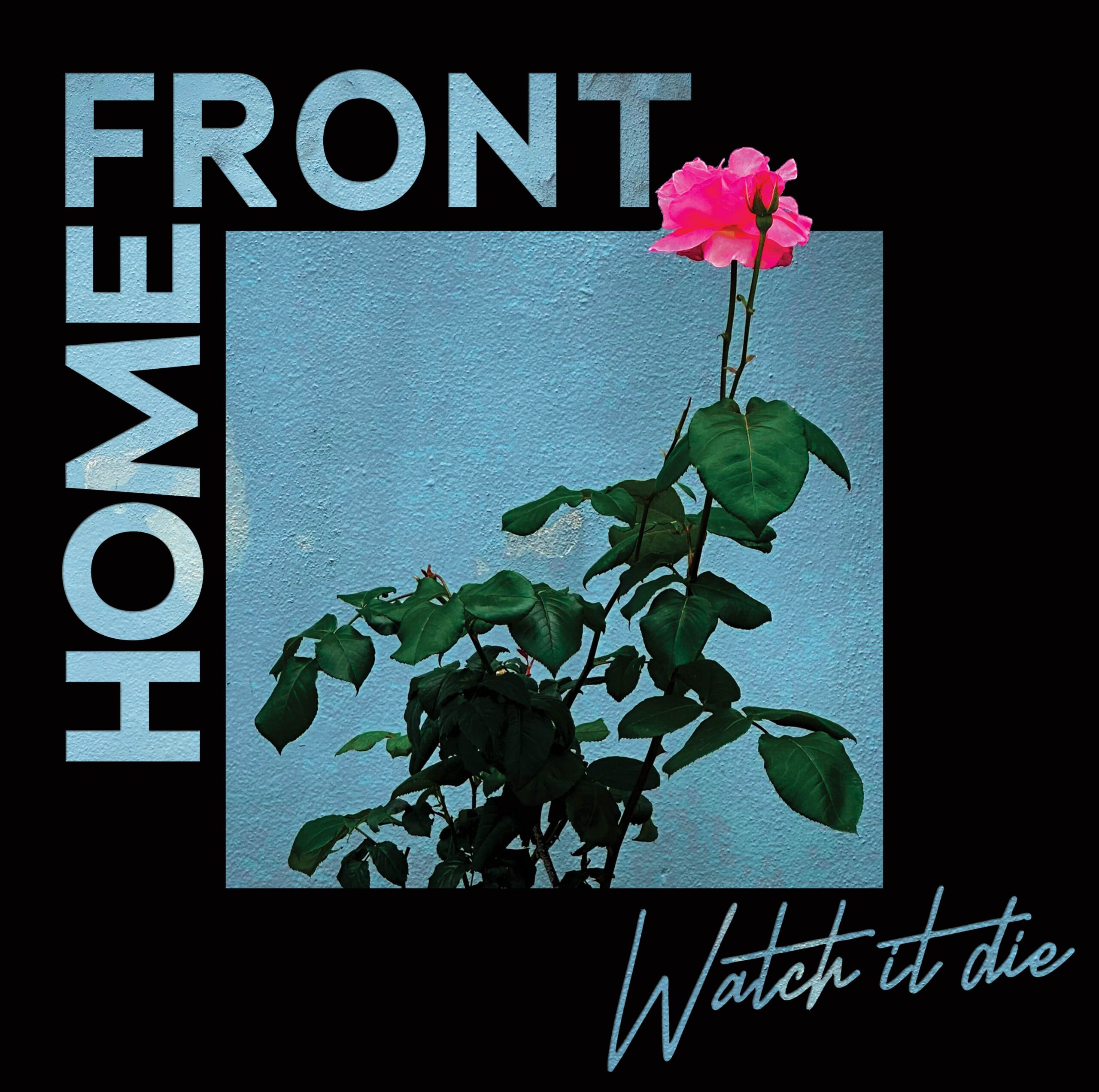
Graeme MacKinnon of street punk band Wednesday Night Heroes and Clint Frazier of dance punk band Shout Out Out Out Out have combined their talents to form Home Front, a band you could easily mistake for a 1980s band if you didn’t know your music history. Today, they release their second full-length album, Watch It […]
Graeme MacKinnon of street punk band Wednesday Night Heroes and Clint Frazier of dance punk band Shout Out Out Out Out have combined their talents to form Home Front, a band you could easily mistake for a 1980s band if you didn’t know your music history. Today, they release their second full-length album, Watch It Die, which continues to develop their mash-up of post punk, Oi!, and street punk from their previous records.
Singer Graeme MacKinnon’s vocals work for either type of song, which the band emulates immaculately. It would be easy for Home Front to be a street punk or Oi! band, but the addition of Clint Frazier’s synths and keys elevates these songs to a different place. Mashing these genres together creates an opportunity to evolve them both beyond their initial sound and, in some cases, eras.
“Watch It Die” opens with its title track. Behind its sustained synth opening is a sound clip from the film “To Sleep With Anger.” This is a fantastic opening song that not only sets the base sound for the record but also introduces the themes it will explore, with anger and disillusionment at the forefront. “Light Sleeper” questions both of these emotions, but ultimately is about carrying that torch of being good-natured when it’s so easy to just give up.
This album scratches a lot of musical and lyrical itches for me. Songs like “Between The Waves,” “Kiss the Sky,” and “Dancing with Anxiety” feel as if you put them in a mix of songs from the mid-1980s, you wouldn’t be able to tell this was released forty years later. The same could be said for songs like “For The Children (Fuck All),” and “Young Offender” that work as angsty Oi! songs.
On the surface, Home Front sounds like Blitz and New Order had a baby, but as you peel away the layers, you’ll find Easter eggs from punk and new wave’s past. Whether it’s a Cure-like guitar riff at the end of the chorus for “Between the Waves” or a buzzing Ramones rhythm guitar in “Young Offender,” Home Front’s sound is a love letter to the bands that shaped these genres.
As I get older, songs about contemplating death and mortality are much more on my mind than a love song. “Eulogy” is a great addition to of songs to add to that list. Lyrics like, “I’m not afraid to die, it’s the living part that’s hard,” aren’t foreign concepts. Songwriters of the New Wave and Punk Era in the 1980s pretty much nailed that feeling of being a kid well. This album hits on what it’s like to have these lingering feelings as an adult who has been through the wringer.
I think nostalgia is an issue when there’s an over-saturation of repetition of what’s being remembered. Home Front could be written off as playing relics of the past dripping with nostalgia if it didn’t move the genres forward. That being said, one thing is for damn sure: there’s a ton of heart behind these songs. Watch It Die leans way more into the dancey side of things in comparison to their previous album, Games of Power, and that’s okay. It helps make the album’s reflective, but ready-to-fight tone even more accessible. Watch It Die is a solid album from a band I hope to see much more from in the future.
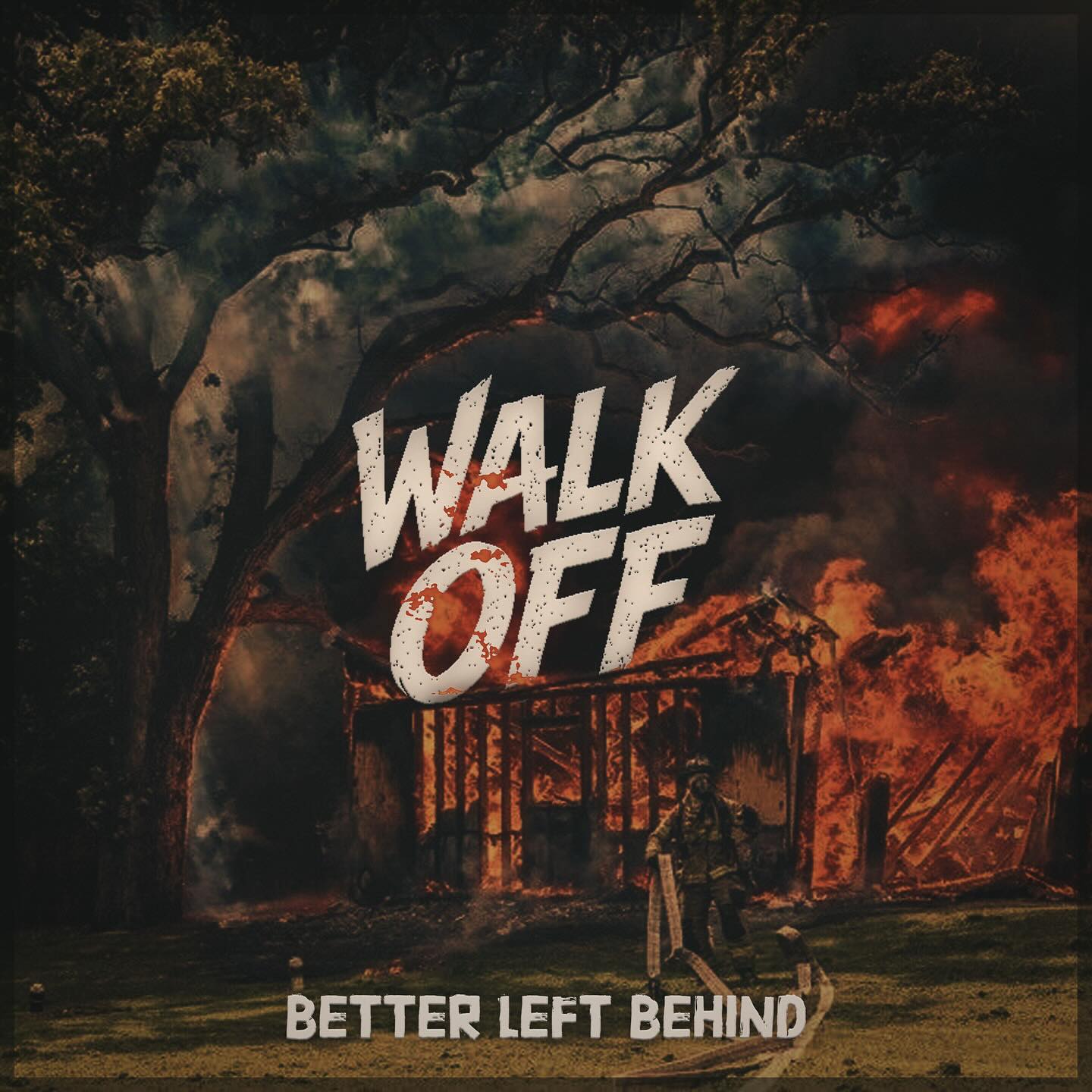
GUYS! Walk Off is a killer up and coming melodic punk band from Madison, WI that has definitely found their way onto my daily playlist. They’ve brought back the absolute high energy, fun and feel good melodic/pop-punk sound with the real lyrics of post hardcore in many of the songs featured on their new debut […]
GUYS! Walk Off is a killer up and coming melodic punk band from Madison, WI that has definitely found their way onto my daily playlist. They’ve brought back the absolute high energy, fun and feel good melodic/pop-punk sound with the real lyrics of post hardcore in many of the songs featured on their new debut EP, Better Left Behind. The upbeat, melodic sound of the instrumentals paired with the State Champs/Atreyu/A Day To Remember vibes that these guys give off in tandem with their pop punk sound is incredible. Their collaboration of styles amongst a single song almost reminds me of what Sleep Token has done in some of their songs, yet they’ve kept the sound closer to the punk sound. All-in-all, it’s incredibly impressive and has given me a new band to watch VERY closely in the scene, and one I hope starts to rise quickly with their unique talent!!
The first song I’ll touch on is going to be the single they released on Sept 12th, 2025, “Honey Tongued”. Their first single was accompanied by a music video that they also dropped the night prior on September 11th. The video brings in a fresh studio session video of the band of dads just shredding and killing their debut song. You can tell these guys have a lot of inspiration with the way they give it their all in the lyrics and their performance throughout the video. Some of my favorite lyrics that stand out and really just grip my attention to keep me coming back to listen are of course the chorus,”With your honeyed tongue laced with arsenic // Lifetimes of broken promises // You won’t fool me again // Wasted my time, caught in a trance // Seduced by the world’s best hypnotist // I broke loose from your grip (You won’t fool me again!)”. Easily something I know I can relate to in a previous relationship or two, and I can only imagine the number of others who can also relate. I also love the bridge, for its lyrics and for the fact it sounds like ADTR and State Champs had a baby and created this love child of a song and I can’t get enough of it, honestly. “Honey Tongued” will definitely be staying on my daily listens for the foreseeable future.
Next up, we’ll jump into the intro song for the album, “Walk Off”. I love that they used their band name as the intro to their debut album, yet the title track is a different song. That isn’t something you often see, at least not something I personally see very often, feel free to correct me in the comments if it IS common and I’m just ignorant to the fact. This intro gives a classic punk feel to start off the album and leaves you thinking you’re in for a generic punk band that is going to just yell or scream at you about nonsense. Even if that were to be the case, I think they’d still kill it, but realistically, I was pleasantly surprised to find that these guys can blend styles that no one I’ve heard has thought to blend yet. The in-your-face lyrics of their short and sweet intro are a great snippet of what to expect the theme of the rest of the EP to be. With lyrics like “I see your face // Confused, dismayed // Anticipate”, one can only wonder what kind of truths this band is going to be singing about that the masses it reaches will be able to relate to.
Moving into the title track, “Better Left Behind”, all I have to say is woah. The powerhouse lyrics behind this track should be closely listened to. I don’t know very many people in our crowd who would be ignorant enough to think (or try to deny) that they haven’t experienced this after the end of a relationship, especially one that wasn’t anticipated to end. The intro to this gives a small reprive to the classic punk sound and slides you into an almost State Champs-like sound. It transitions into that classic punk guitar riffs and drum beats to follow it seamlessly as you get edgy lyrics like, “The ghost of regret is haunting me // She calls and I answer willingly”, regret is such a powerful yet HARD emotion to navigate. Especially in a relationship sense, seeing as the older I get the more it seems almost everyone has had a similar story to tell. The first verse vibes give me very much early, early A Day To Remember vibes and then they have this beautiful transition into the chorus which throws is back into that melodic punk we know and love from State Champs, the lyrics also hitting hard with, “You had your chance to make your peace with me // Tonight I’m breaking free // Cuz I’ve been trapped for way too long // Weighed down, but I’m holding on”. The relatability of being in a one-sided relationship makes me gravitate towards this track. This track has a sister, acoustic track where I’ll touch on the remaining thoughts of this track, but know this one is easily resting at number one for me, thanks to its sister acoustic version to follow all the punky chaos that is the rest of the EP.
“Better Left Behind” is followed by “Honey Tongued” on the album so we will jump right into the track following, “Buried”. This is a high energy song that also brings that feel of State Champs and ADTR having a love child and producing this banger of a track. The song starts with an almost call and answer or maybe just an accentuated echo. The lyrics reflect the theme of rocky relationships and, again, this one is VERY relatable and adding in the catchy and high energy instrumentals, this is easily a song anyone would have a hard time not nodding their head to and just vibing along to. Their Pre-Chorus’s lyrics are harsh, and very in your face, which I LOVE, “It’s too late // You can’t turn back the hands of the clock // The prize bell tolled // TKO // I left you to rot”. OOF, the slap to the face that is “I left you to rot” is just disgustingly good. The instrumental falls very quickly into chaos as the bridge screams a quick “Shed your skin!” and then breaks down into a heavy instrumental that brings in a VERY early ADTR sound that many might not remember of the group. These guys have got a clever and creative writing style, and honestly I can’t get enough. The fact they’re able to mash these styles, and so seamlessly, is baffling.
Next up is the song “Bottled Up”, and this one’s title alone had me a tad excited to see what the lyrics had in store. I know more than a few people, myself included, can relate to the song title alone and diving into the inner workings of the songs lyrics, they did not disappoint. Coming in with the classic punk intro of the muffled recording and then have the last two words amplified to “normal” volume for the song was a brilliant touch. I haven’t heard an intro like that, personally, in nearly a decade. The instrumentals keep up a high energy feel as the lyrics just bleed emotion. “You project // And then expect everyone to forgive and forget // I don’t accept // There’s too much debt // You’re insecure and I’m done with regret”, that second half of the first verse sets up for the pre-chorus (as it should, right?) which gives that more classic punk “answer” almost to the same style the song takes on at the start and then the chorus comes in, repeating the intro with a more melodic punk feel behind it and ripping the listener apart with, “We go round and round // Pound for pound (I paid you my flesh, I gave you my best) // Light it up // Burn it down // There’s nothing left here for us”. The brief spoken pieces in this song almost remind me of an Atreyu type sound that’s just casually thrown into the mix, yet (again) seamlessly fits into the song. “Bottled Up” is easily one of my favorite tracks on the EP, although it doesn’t take my number one spot, it’s definitely in my top 3.
“Malpractice” wraps up this EP’s songs, not including the acoustic trailing the “calmer-styled” track, and even though the instrumentals don’t make it seem as in-your-face as the previous tracks to start and carry the EP, it still has it’s own… surprises in there that will definitely make the listener raise their brows. I’m not one to ruin a good surprise, so I’ll go ahead and keep that to myself, but your only clue lies in the first line of this paragraph. The lyrics, on the other hand, are just as you’d expect. With a track title like “Malpractice”, one can only assume medical references? Yes? Absolutely, and their cleverness didn’t fail on deliverance, either. Getting hit right out the gate with, “I thought I needed the pressure to keep from bleeding // But your tourniquet made my wounds burst // You took advantage ripping off my bandages // You only make things worse”, is brutal, yet fitting, honestly. I can’t deny the love of the medical references (being an avid Grey’s Anatomy lover), but I also admire that they don’t always stick to an expected “flow”. Where you’d expect the lyrics to match, they don’t. Yet, the lyrics chosen still have the same impact, if not more because it forces the listener to hear the different word than they expected. It’s pretty genius, if you ask me.
These talented dads not only prove they can give us this seamless style changes, but they’ve proved they can expertly flip their songs from originals to acoustics! “Better Left Behind” has an acoustic version tacked onto the end of this album, and guys… I. Am. Obsessed. It’s easily been on repeat for the last few days, and especially as I’ve been writing this. The second half of the chorus hits just as hard as the second, hitting us with, “And every breath I take // Expels you from my mind //No need to suffocate // Some days are better off behind”. It’s hard for one who is so deep in love to have this realization and to accept it. As I keep saying, the relatability of this song is unreal and will probably remain my #1 favorite of their discography, that is, until they knock off my socks with another acoustic!
These dads are giving their kids such a killer example in showing that dreams can still be followed, even if you have other little humans to take care of (cause how else would we be able to create that next generation of bands/artists?!). Better Left Behind EP was available on all streaming platforms as of October 17th, 2025 and I HIGHLY recommend going to give this a listen. This EP threw me back to the original Road to Warped Tour days here in Alaska from a decade ago and I can’t wait to see what else they bring to the industry!
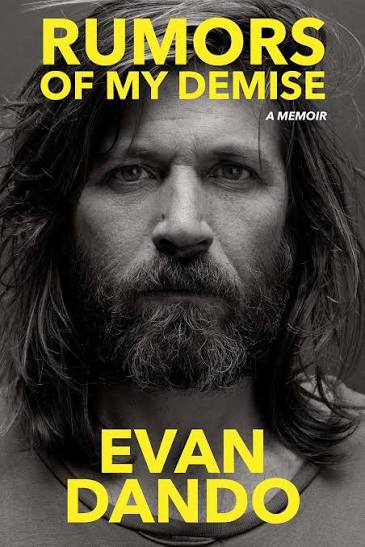
When indie music broke into the mainstream in the 1990s, very few frontmen could balance the slacker saint archetype Evan Dando could. To understand him you have to understand the story of the band that defined him: The Lemonheads. Who better to tell the story than the man himself? With the help of author Jim […]
When indie music broke into the mainstream in the 1990s, very few frontmen could balance the slacker saint archetype Evan Dando could. To understand him you have to understand the story of the band that defined him: The Lemonheads. Who better to tell the story than the man himself? With the help of author Jim Ruland, Dando recounts how he stumbled his way to success in a few hundred pages with his book, The Rumors of My Demise.
Dando has a way of failing upwards. The Lemonheads formed because he was held back a grade, which resulted in him meeting his bandmates. While there was a divorce between his relaxed parents, he seemingly had a normal childhood, with the exception of an obsession with Charles Manson and bouts of sleepwalking and night terrors that left him mostly unscathed. He attributes some of his drug use to numbing and preventing these episodes.
As you make your way through the book, you get a portrait of a musician who wanted everything but the status of a rock star; yet Dando still used it to his advantage. Throw a rock and you could hit a lead singer of a rock band in the early to mid-1990s who had this same sentiment. Each of them dealt with it in different ways.
It’s not a book about ’90s rock if it doesn’t mention Kurt Cobain in some way, but Dando’s crossover with the Nirvana frontman is very significant to both of their stories. He mentions the press always covering him, but I must have just missed that because I remember very little of MTV’s coverage of Dando. By his account, it was mostly waiting for his eventual overdose as he was known for talking casually about his drug use, assuming he was the next in line to die after Kurt.
Some moments could be considered name-droppy if they weren’t relevant to the story, but is that the fault of Dando or the direction his career took, and the overlap from other industries? These moments feel authentic, though. When all is said, it feels like he’s a guy who will talk to just about anyone. Still, the names get bigger as he crosses paths with Johnny Depp, River Phoenix, and other celebrities of the time.
The many iterations of the band make it clear that the Lemonheads are a music collective with Dando as its constant member. He goes over the songs on each of the albums and shares stories behind who he wrote them with. Despite the band’s ever-growing status, they were always somewhat punk rock adjacent. Dando recounts stories of touring with bands like Gang Green, the Angry Samoans, and Fugazi, as well as sharing the bill with the Pixies on numerous occasions.
He has a very zen way of reflecting on his life. Dando does a great job of balancing what was going on in his head and the world around him. These tie together well. The book is well-paced. Stories from his childhood are sprinkled throughout the book and sometimes feel a bit hazy, but they give context. The audiobook is read by Evan Dando; his voice miraculously still somewhat remains after everything he’s done to himself. A life of low to zero consequences and learning the wrong lessons seems to be the biggest enabler for Dando.
It’s no secret that this book was ghostwritten with Jim Ruland, who consistently puts out great work on interesting subjects. Evan Dando’s life is no exception. Structuring time jumps between his adult life and childhood can sometimes be a gamble if it’s not handled well. The Rumors of My Demise handles this immaculately. It is a great addition to other books written about musicians who caught fire in the early to mid-1990s. The Rumors of My Demise waivers between brilliance and burnout, but like its subject, it sticks the landing.
The Rumors of My Demise by Evan Dando is available at Simon and Schuster now.
Italian punks Proton Packs have been teasing their 5th album for quite a while now, and the time has almost come! In the coming weeks they’ll be releasing 3 singles from the new full-length, starting with “Corrupted File”, exclusively premiering right here, right now on Dying Scene. Check that shit out below! The theme anticipates […]
Italian punks Proton Packs have been teasing their 5th album for quite a while now, and the time has almost come! In the coming weeks they’ll be releasing 3 singles from the new full-length, starting with “Corrupted File”, exclusively premiering right here, right now on Dying Scene. Check that shit out below!
The theme anticipates the mood of the album, which will delve into the realm of dreams, prophecies, hallucinations and nightmares. Stay tuned for more info on the new Proton Packs record coming soon via Mom’s Basement Records and Striped Music… in the meantime enjoy this Vision From The Void!
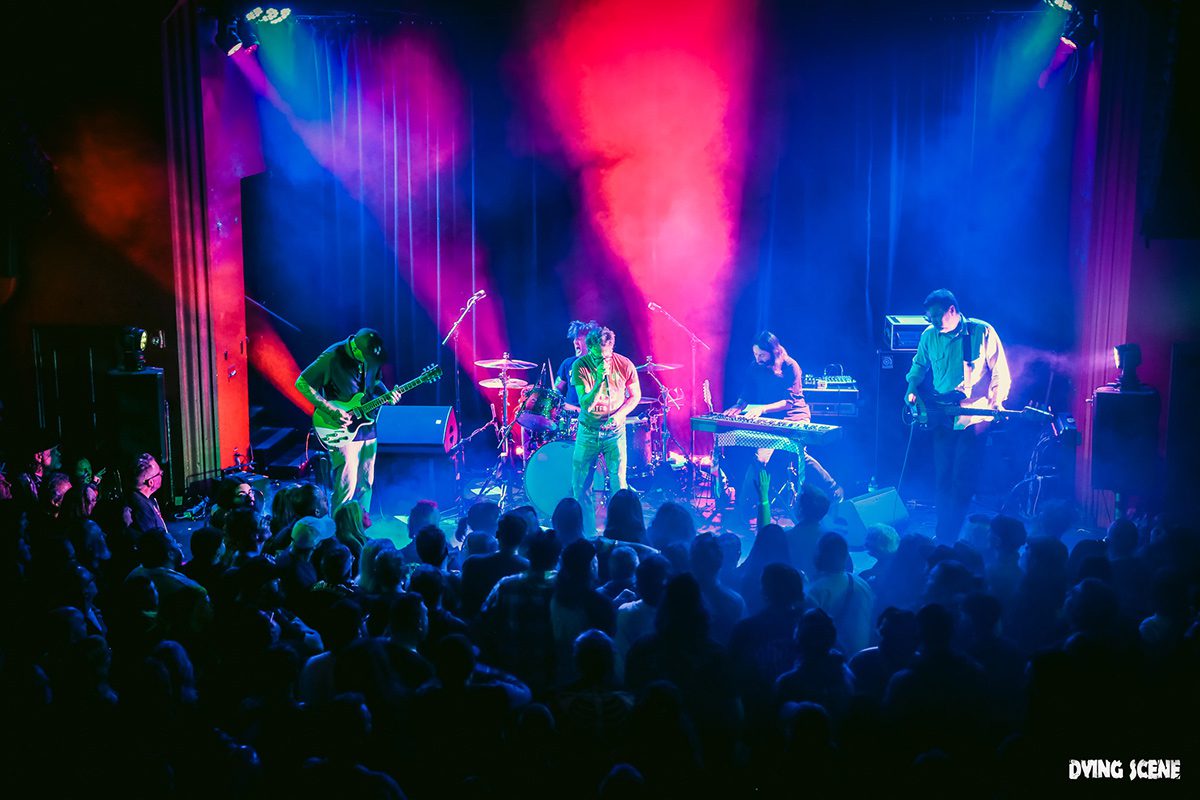
Murder City Devils played to a packed house at The Chapel on Saturday night in San Francisco. They came out swinging and never let up. It felt like old-school chaos in the best way. From the first note, the room erupted. Hands shot into the air as the crowd shouted every word, bodies moving in […]
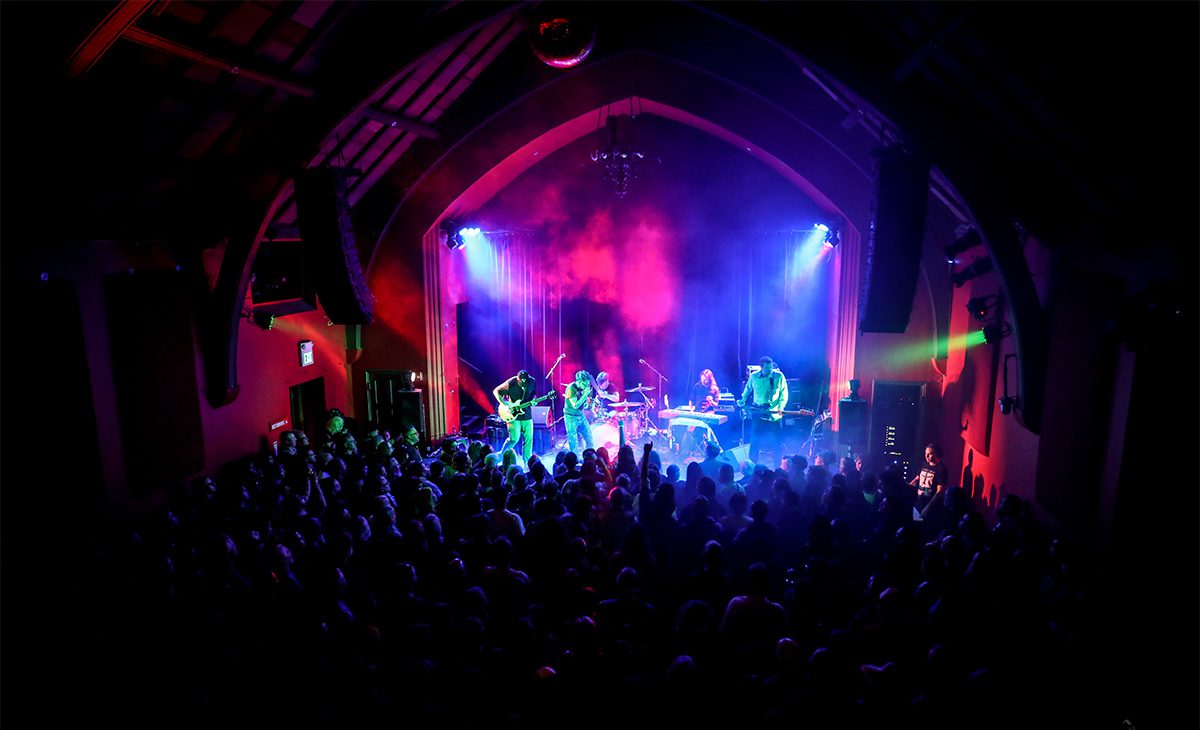
Murder City Devils played to a packed house at The Chapel on Saturday night in San Francisco. They came out swinging and never let up. It felt like old-school chaos in the best way.
From the first note, the room erupted. Hands shot into the air as the crowd shouted every word, bodies moving in a blur of pit energy.
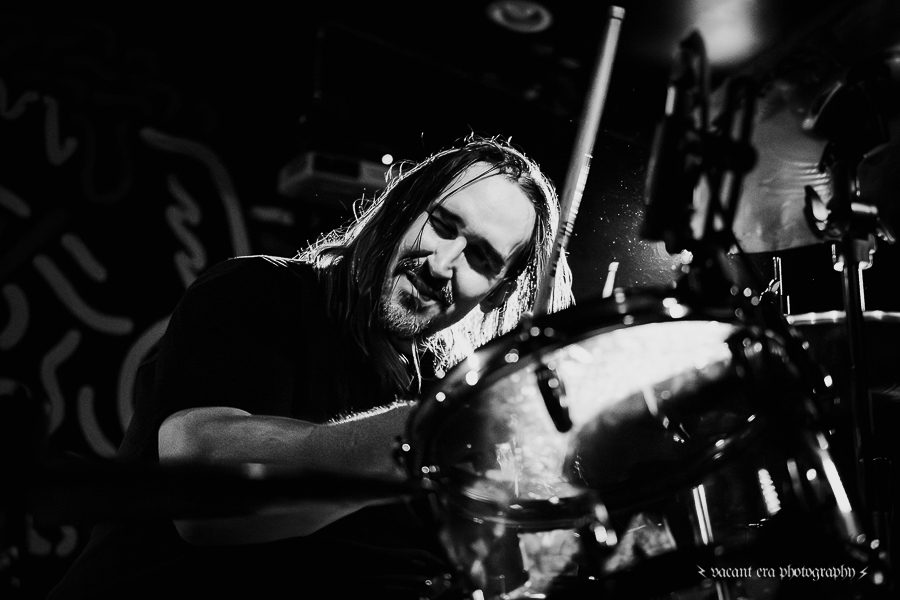
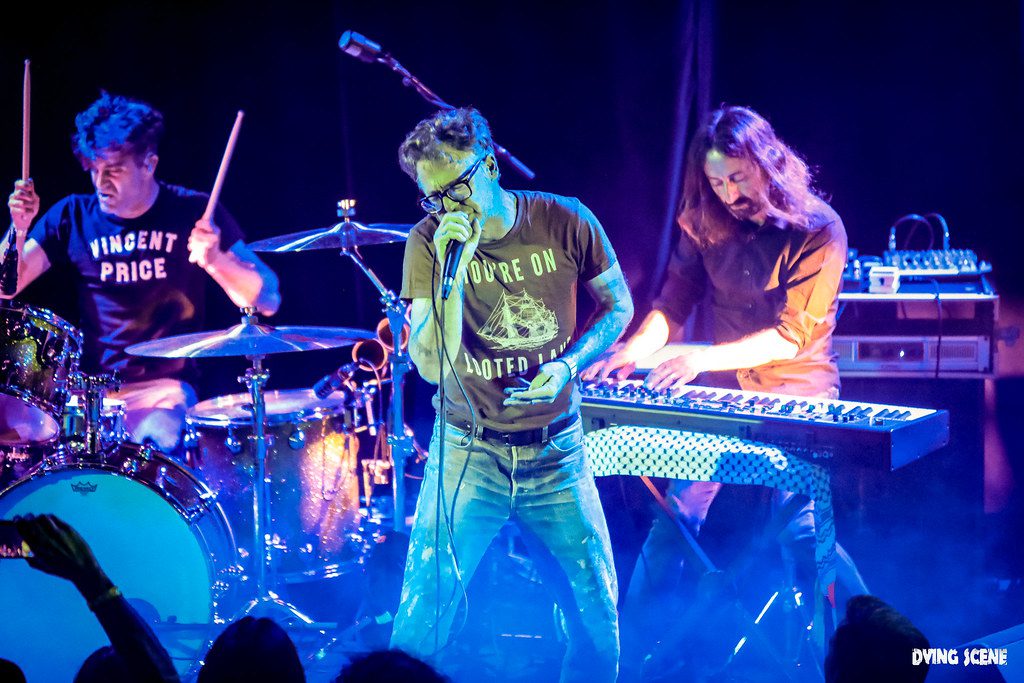
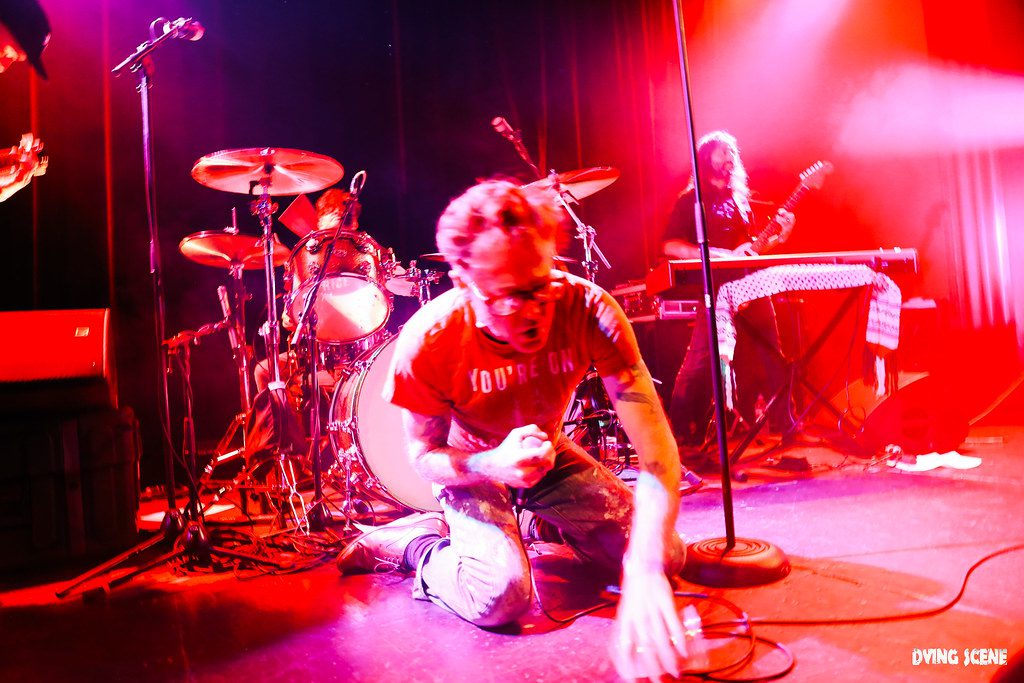
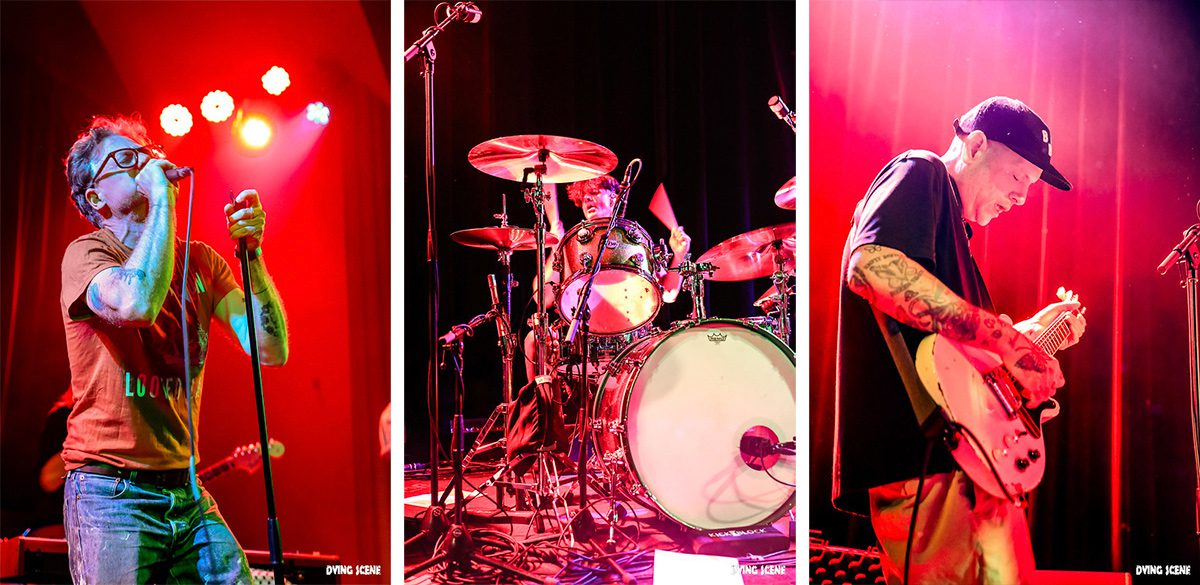
Frontman Spencer Moody, wearing a “You’re on Looted Land” shirt, championing for change in our country’s great divide. Holding onto the Halloween weekend spirit, drummer Coady Willis kept time in a Vincent Price tee.
It was cathartic and wild, a release that only a Murder City Devils show can deliver. For longtime fans, it was pure nostalgia.
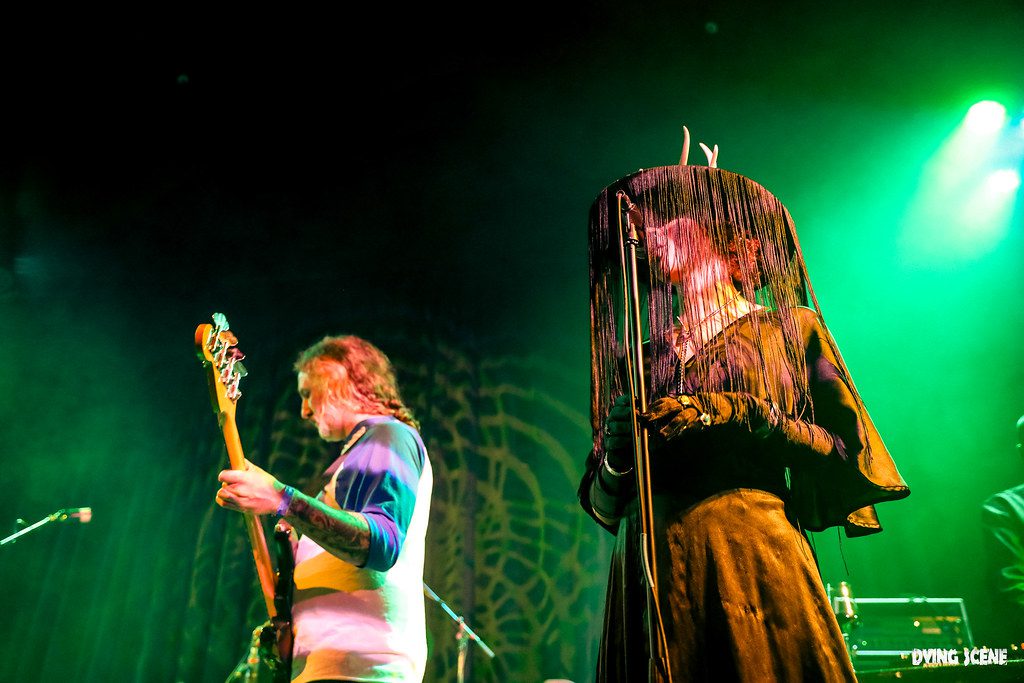
The night kicked off with goth indie rockers, AnUngulate.