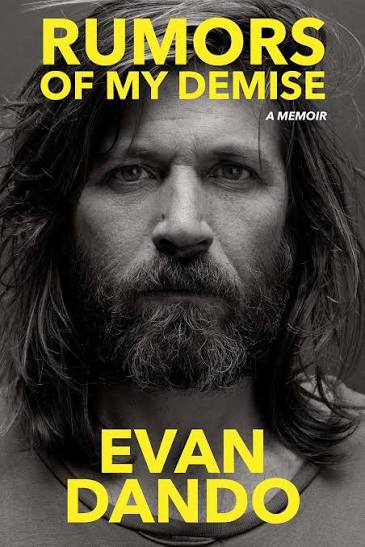
DS Book Club: “The Rumors of My Demise” By Evan Dando

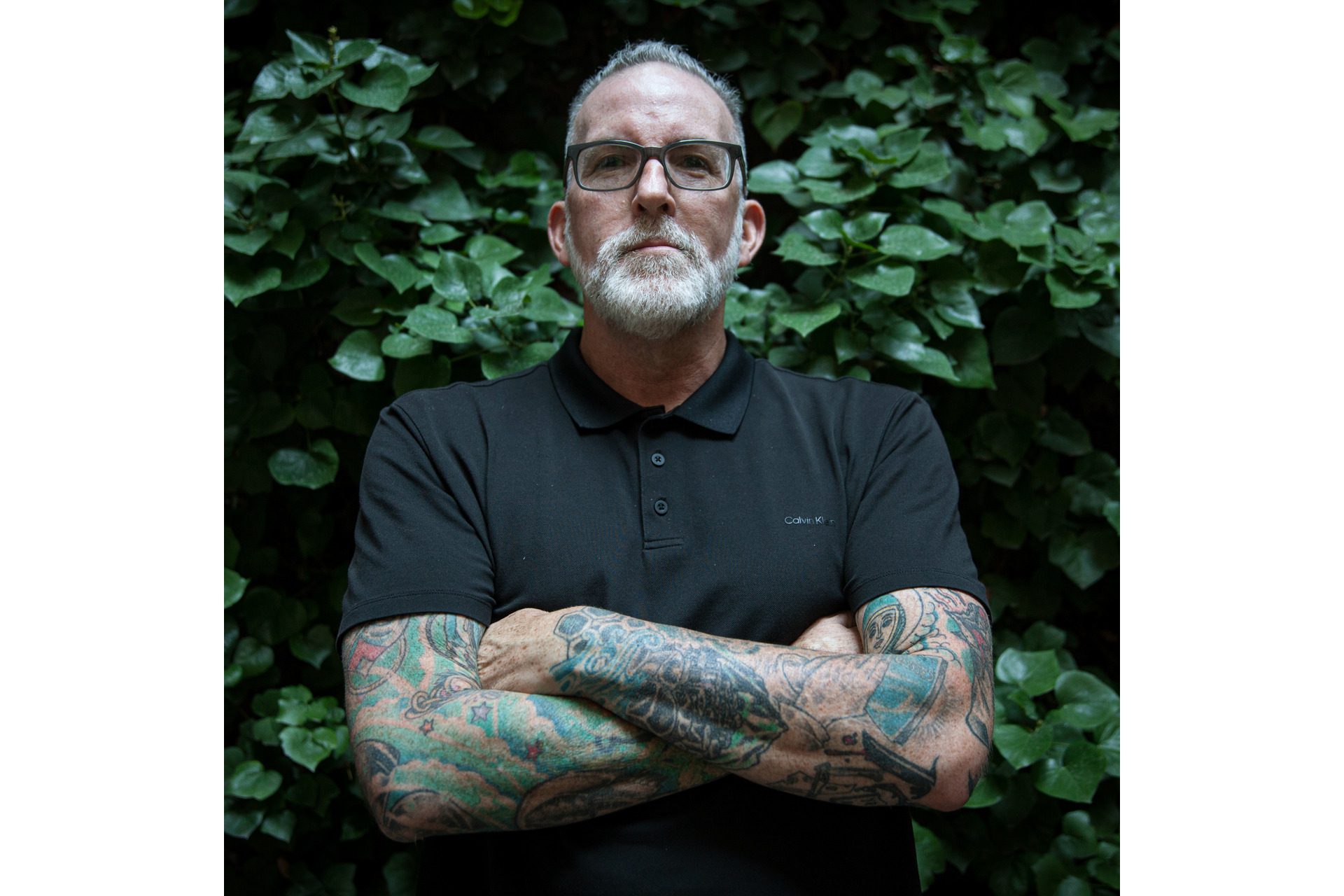
When indie music broke into the mainstream in the 1990s, very few frontmen could balance the slacker saint archetype Evan Dando could. To understand him you have to understand the story of the band that defined him: The Lemonheads. Who better to tell the story than the man himself? With the help of author Jim […]

When indie music broke into the mainstream in the 1990s, very few frontmen could balance the slacker saint archetype Evan Dando could. To understand him you have to understand the story of the band that defined him: The Lemonheads. Who better to tell the story than the man himself? With the help of author Jim Ruland, Dando recounts how he stumbled his way to success in a few hundred pages with his book, The Rumors of My Demise.

Dando has a way of failing upwards. The Lemonheads formed because he was held back a grade, which resulted in him meeting his bandmates. While there was a divorce between his relaxed parents, he seemingly had a normal childhood, with the exception of an obsession with Charles Manson and bouts of sleepwalking and night terrors that left him mostly unscathed. He attributes some of his drug use to numbing and preventing these episodes.

As you make your way through the book, you get a portrait of a musician who wanted everything but the status of a rock star; yet Dando still used it to his advantage. Throw a rock and you could hit a lead singer of a rock band in the early to mid-1990s who had this same sentiment. Each of them dealt with it in different ways.

It’s not a book about ’90s rock if it doesn’t mention Kurt Cobain in some way, but Dando’s crossover with the Nirvana frontman is very significant to both of their stories. He mentions the press always covering him, but I must have just missed that because I remember very little of MTV’s coverage of Dando. By his account, it was mostly waiting for his eventual overdose as he was known for talking casually about his drug use, assuming he was the next in line to die after Kurt.

Some moments could be considered name-droppy if they weren’t relevant to the story, but is that the fault of Dando or the direction his career took, and the overlap from other industries? These moments feel authentic, though. When all is said, it feels like he’s a guy who will talk to just about anyone. Still, the names get bigger as he crosses paths with Johnny Depp, River Phoenix, and other celebrities of the time.

The many iterations of the band make it clear that the Lemonheads are a music collective with Dando as its constant member. He goes over the songs on each of the albums and shares stories behind who he wrote them with. Despite the band’s ever-growing status, they were always somewhat punk rock adjacent. Dando recounts stories of touring with bands like Gang Green, the Angry Samoans, and Fugazi, as well as sharing the bill with the Pixies on numerous occasions.

He has a very zen way of reflecting on his life. Dando does a great job of balancing what was going on in his head and the world around him. These tie together well. The book is well-paced. Stories from his childhood are sprinkled throughout the book and sometimes feel a bit hazy, but they give context. The audiobook is read by Evan Dando; his voice miraculously still somewhat remains after everything he’s done to himself. A life of low to zero consequences and learning the wrong lessons seems to be the biggest enabler for Dando.

It’s no secret that this book was ghostwritten with Jim Ruland, who consistently puts out great work on interesting subjects. Evan Dando’s life is no exception. Structuring time jumps between his adult life and childhood can sometimes be a gamble if it’s not handled well. The Rumors of My Demise handles this immaculately. It is a great addition to other books written about musicians who caught fire in the early to mid-1990s. The Rumors of My Demise waivers between brilliance and burnout, but like its subject, it sticks the landing.

The Rumors of My Demise by Evan Dando is available at Simon and Schuster now.
Post a Comment

Your email address will not be published. Required fields are marked *

DS Exclusive: Proton Packs premiere “Corrupted File” from upcoming album on Mom’s Basement & Striped Music

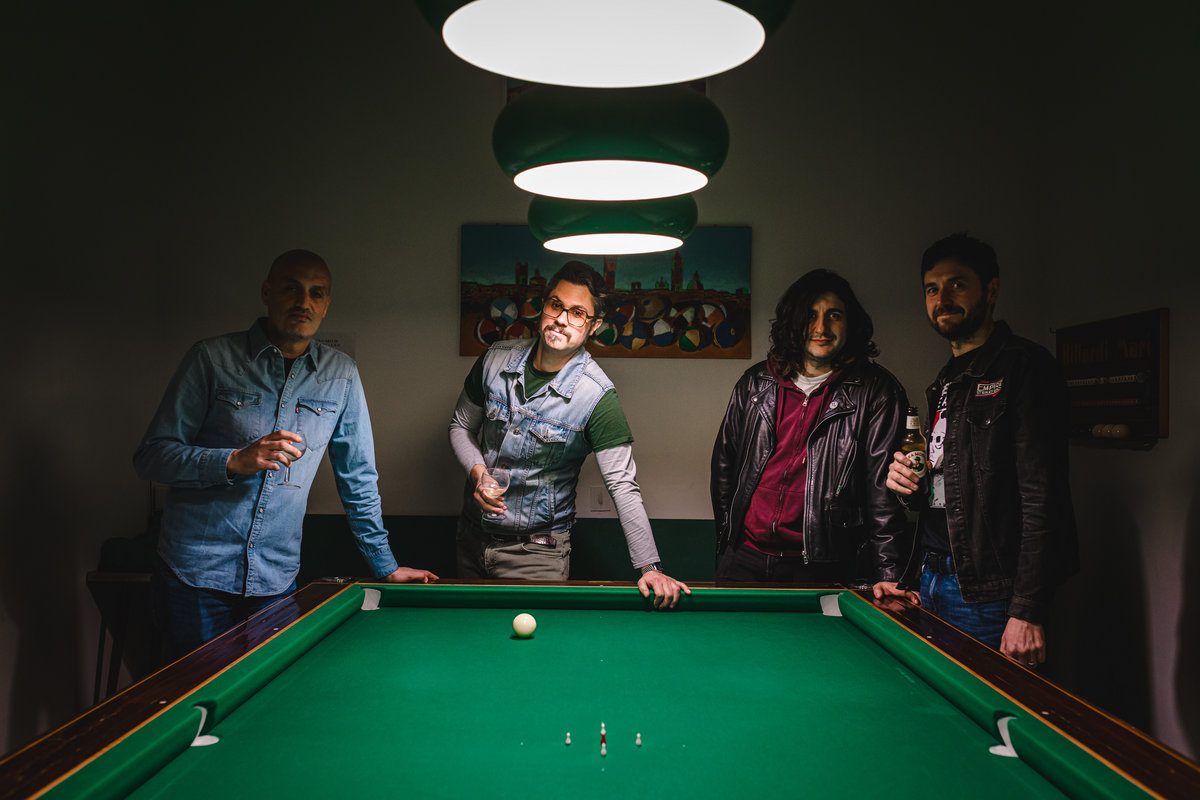
Italian punks Proton Packs have been teasing their 5th album for quite a while now, and the time has almost come! In the coming weeks they’ll be releasing 3 singles from the new full-length, starting with “Corrupted File”, exclusively premiering right here, right now on Dying Scene. Check that shit out below! The theme anticipates […]

Italian punks Proton Packs have been teasing their 5th album for quite a while now, and the time has almost come! In the coming weeks they’ll be releasing 3 singles from the new full-length, starting with “Corrupted File”, exclusively premiering right here, right now on Dying Scene. Check that shit out below!

The theme anticipates the mood of the album, which will delve into the realm of dreams, prophecies, hallucinations and nightmares. Stay tuned for more info on the new Proton Packs record coming soon via Mom’s Basement Records and Striped Music… in the meantime enjoy this Vision From The Void!

Post a Comment

Your email address will not be published. Required fields are marked *

Murder City Devils

DS Gallery: Murder City Devils with support from AnUngulate (The Chapel, San Francisco, Night II, 11/1/25)

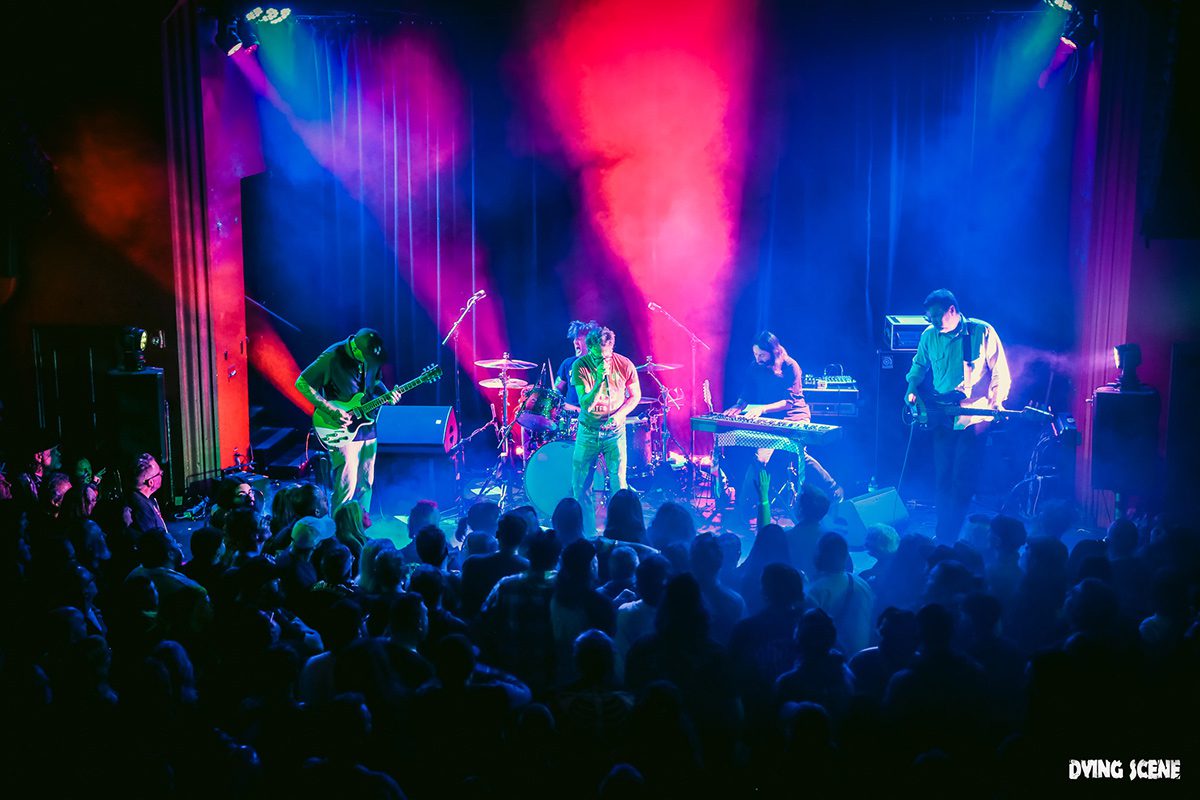
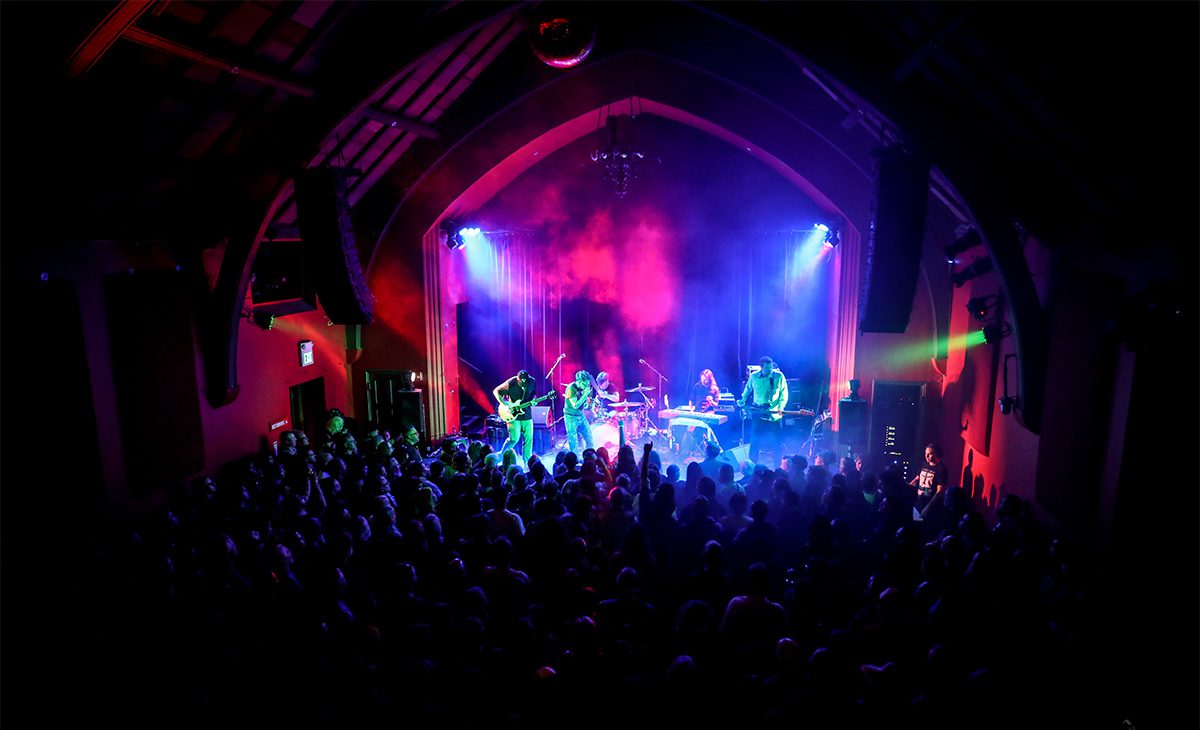
Murder City Devils played to a packed house at The Chapel on Saturday night in San Francisco. They came out swinging and never let up. It felt like old-school chaos in the best way. From the first note, the room erupted. Hands shot into the air as the crowd shouted every word, bodies moving in […]

Murder City Devils played to a packed house at The Chapel on Saturday night in San Francisco. They came out swinging and never let up. It felt like old-school chaos in the best way.

From the first note, the room erupted. Hands shot into the air as the crowd shouted every word, bodies moving in a blur of pit energy.

Murder City Devils live

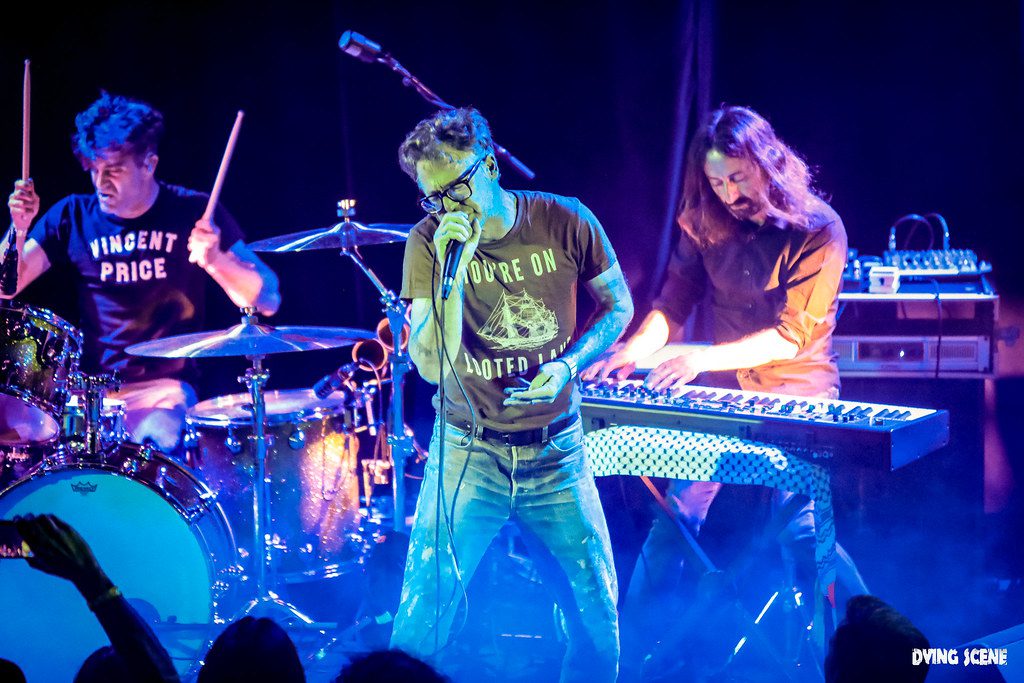
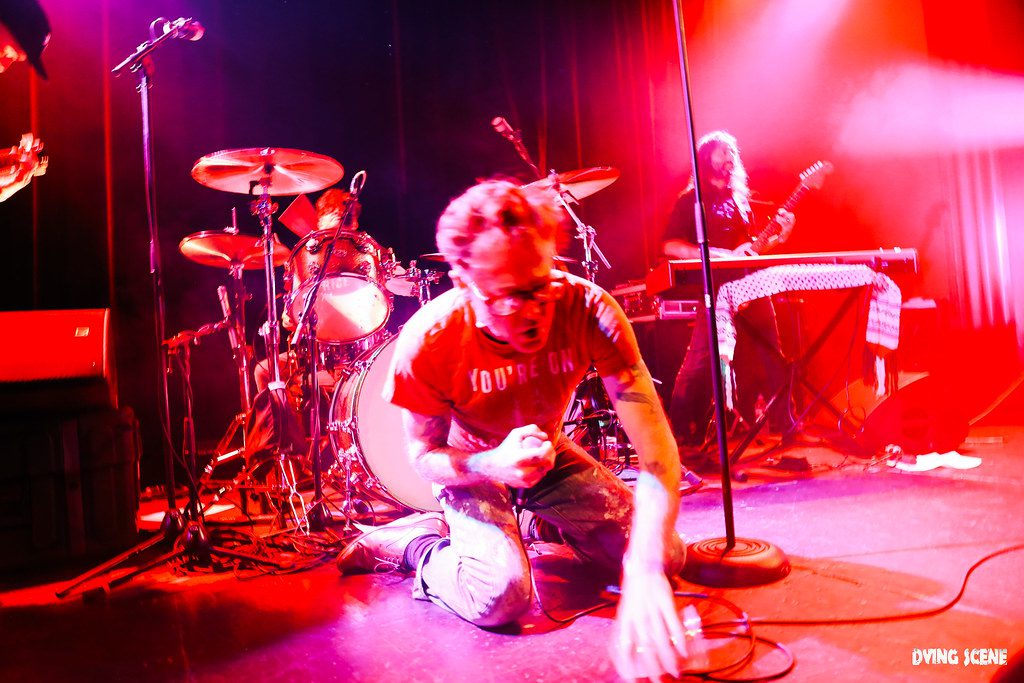
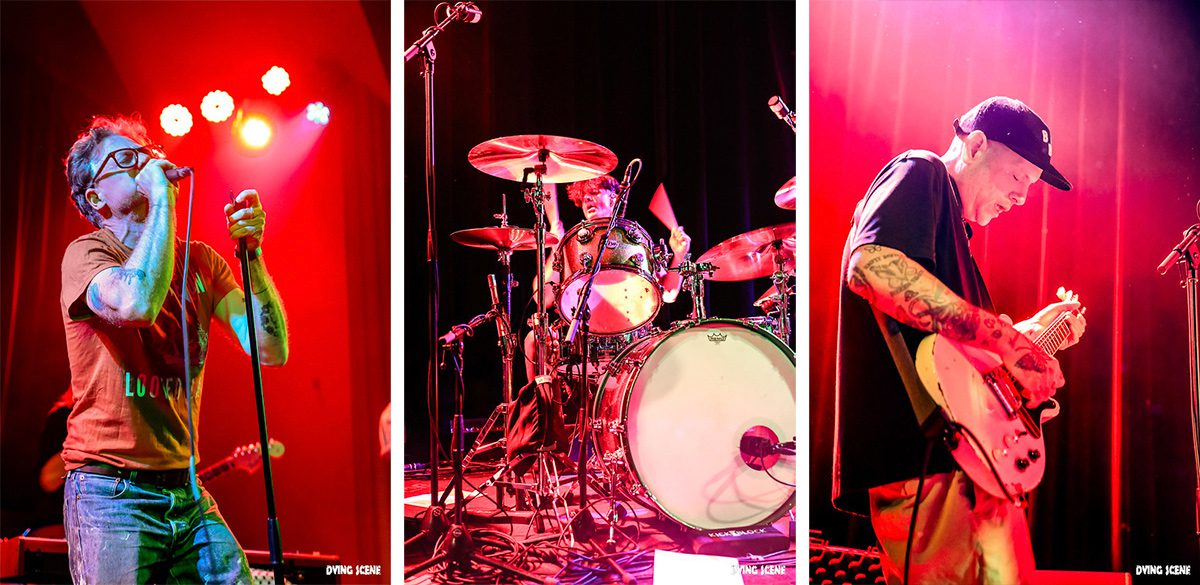
Frontman Spencer Moody, wearing a “You’re on Looted Land” shirt, championing for change in our country’s great divide. Holding onto the Halloween weekend spirit, drummer Coady Willis kept time in a Vincent Price tee.

It was cathartic and wild, a release that only a Murder City Devils show can deliver. For longtime fans, it was pure nostalgia.

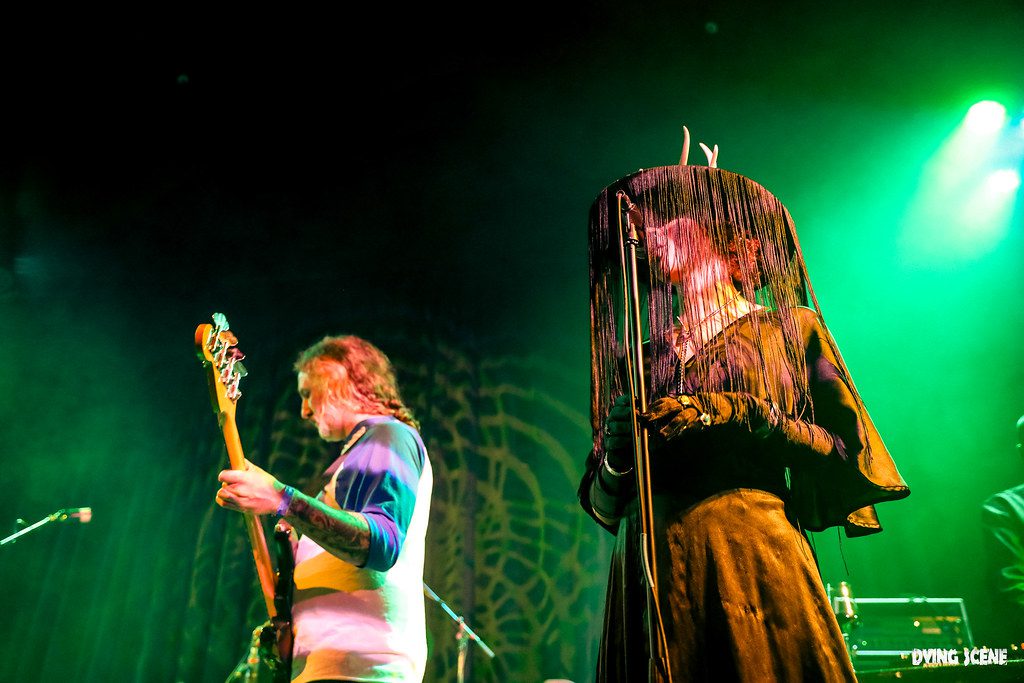
The night kicked off with goth indie rockers, AnUngulate.

Post a Comment

Your email address will not be published. Required fields are marked *

Dying Scene Radio Presents: Four Records – Episode 6: Jim Ruland (author)

Welcome to Four Records! Each episode we feature one guest as they go over four records at four different times in their life. This week, Forrest speaks with Jim Ruland, co-writer of Keith Morris’s My Damage, Bad Religion’s Do What You Want, and most recently The Rumors of My Demise with Evan Dando. Jim has […]

Welcome to Four Records! Each episode we feature one guest as they go over four records at four different times in their life. This week, Forrest speaks with Jim Ruland, co-writer of Keith Morris’s My Damage, Bad Religion’s Do What You Want, and most recently The Rumors of My Demise with Evan Dando. Jim has a bi-monthly column in Razorcake Magazine and posts weekly on his Substack, Message from the Underground. For more info please check out his website at JimRuland.net. 

Jim Ruland’s Four Records:

0-10: Village People – Crusin’

Teenage: Ramones – End of the Century

Twenties: Smog Town – Führers of the New Wave

Recent Record: Drain – Living Proof

Listen on Podbean

Listen on YouTube

Listen on Spotify

LIsten on Apple Podcasts

Listen on Amazon Music

Listen on iHeartRadio

Follow us Instagram

Email: fourrecordspodcast@gmail.com

Opening song: Rad Skulls – Loud as Shit

Closing song: Lucas Perea – Underneath Ashes

www.DyingScene.com

Post a Comment

Your email address will not be published. Required fields are marked *

DS Record Review: Mass Charade Masquerade – “Welcome to the Asylum Ball”

I’m a sucker for a good concept album. I know it’s the writer/nerd in me, but anytime you can present a story in a new way, I’m in. Some concept albums can border on being a musical. While I’m very hit or miss with musicals, it’s a genre that is still being reinvented, as tastes […]

I’m a sucker for a good concept album. I know it’s the writer/nerd in me, but anytime you can present a story in a new way, I’m in. Some concept albums can border on being a musical. While I’m very hit or miss with musicals, it’s a genre that is still being reinvented, as tastes have blended and evolved throughout the years. Whether it’s taking an album like Green Day’s American Idiot and putting music to script or fully writing a punk rock musical like Fat Mike’s Home Street Home, punk rock has rubbed elbows with musicals a few times. This is why Mass Charade Masquerade’s Welcome to the Asylum Ball isn’t too out of its lane.

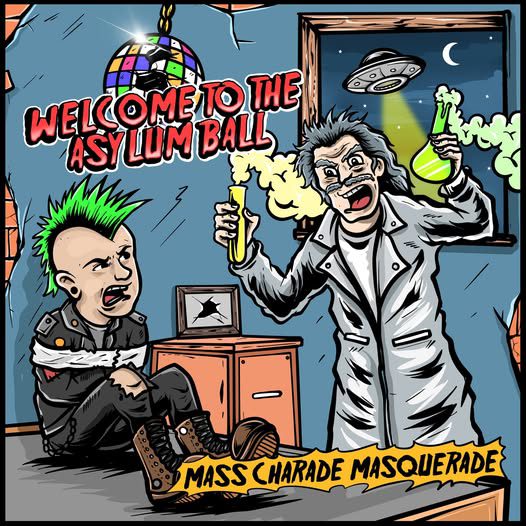
From what I can gather from the lyrics, the story seems to be about an asylum where an evil doctor is experimenting on its patients. It’s told from the perspective of one of the inmates navigating the hell scape of his own mind and the evil doctor’s experiments. After the inmate is seemingly killed and his body is discarded, he wakes up in a hole ready for revenge.  

Welcome to the Asylum Ball opens with a Ramonesque song, presenting this story to the audience and setting the scene. I say Ramonesque rather than Ramonescore because this song feels closer to “Pet Sematary” than, say, “Gimme Gimme Shock Treatment.” After a couple of songs (“Straitjacket” and “DEADXALIVE”) from the POV of our protagonist, we switch over to our villain momentarily with “The Doctor.” After the protagonist wakes up in a hole and is left for dead, the rest of the songs on the album move the revenge narrative forward.

Some songs incorporate sound effects, which are inserted well. Clinking chains work in time with the beat of the song and give these tracks more atmosphere than just what’s in the mind of the protagonist. The music is well-written and has the hallmarks of the genre. It doesn’t break any molds, but its ambition does, which I appreciate much more. If you’re a fan of darker or more philosophical 1990s punk rock, a lot of these songs will resonate with you. 

While I’ve written plenty of stories and tried to write songs, I’ve never been able to spin the plates simultaneously to do both. Mass Charade Masquerade can sustain a coherent story throughout the album’s eleven tracks, and an enjoyable one at that. One aspect I liked about the lead guitar is that in some parts it takes on a Phantom of the Opera-like organ to give it another layer of eeriness and crossover with a genre not typically mixed with punk rock.

Mass Charade Masquerade’s Welcome to the Asylum Ball isn’t for everyone, but it is definitely worth a listen. It’s a risk that mostly pays off and sounds pretty good while doing so. Big swings like this move any genre forward, which is never a bad thing. If you are a fan of musicals or concept albums, check this out.


Post a Comment

Your email address will not be published. Required fields are marked *

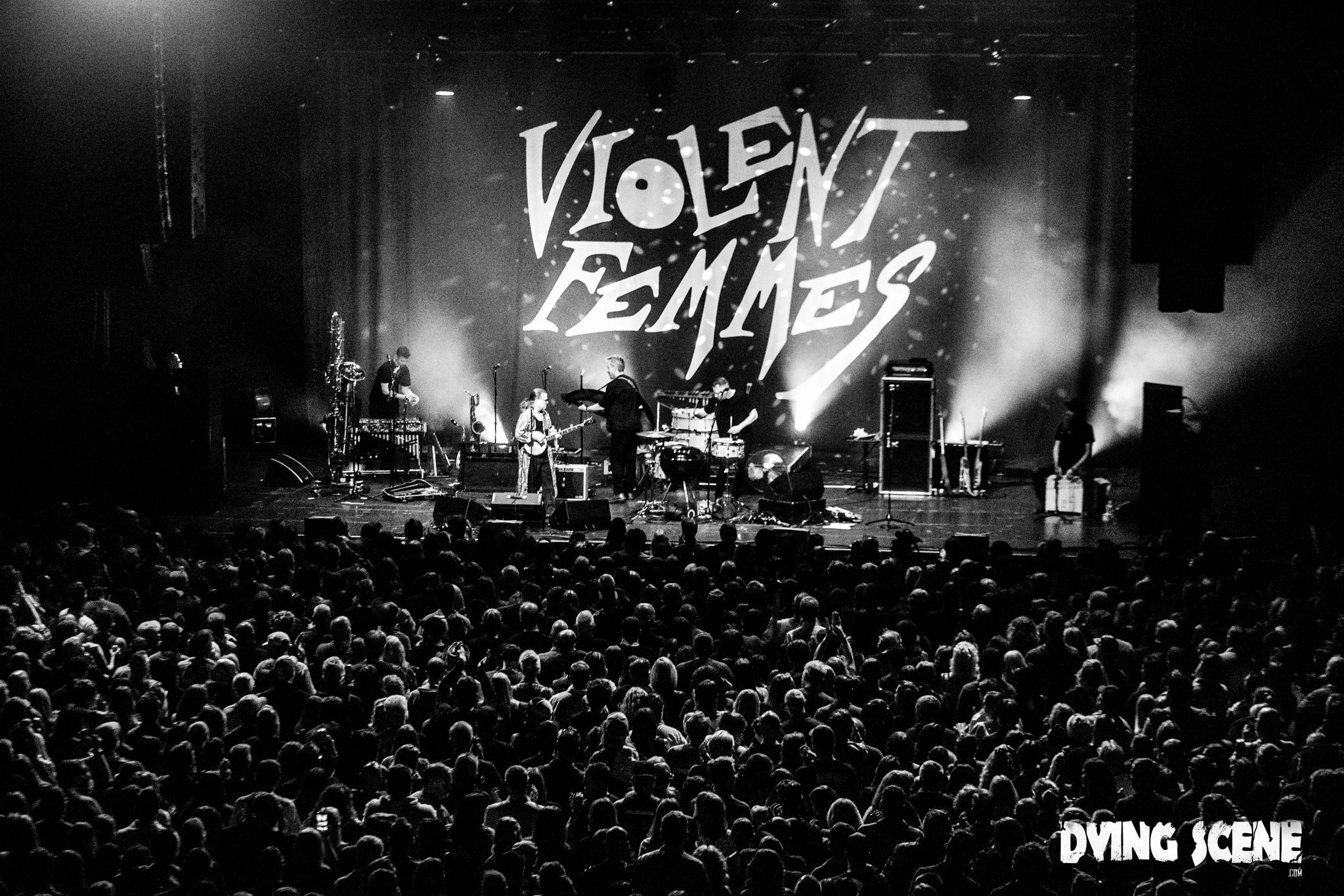
DS Show Review and Gallery: Violent Femmes at the Salt Shed. Chicago (10.17.2025)

Legendary Milwaukee folk punk group Violent Femmes made its annual stop in Chicago recently. This time, The Salt Shed hosted the band’s sold-out stop on its “Grasp and Reach For a Leg of Hope” tour. It was a fun night filled with classic tunes and good vibes. Violent Femmes had this night all to its […]

Legendary Milwaukee folk punk group Violent Femmes made its annual stop in Chicago recently. This time, The Salt Shed hosted the band’s sold-out stop on its “Grasp and Reach For a Leg of Hope” tour. It was a fun night filled with classic tunes and good vibes.


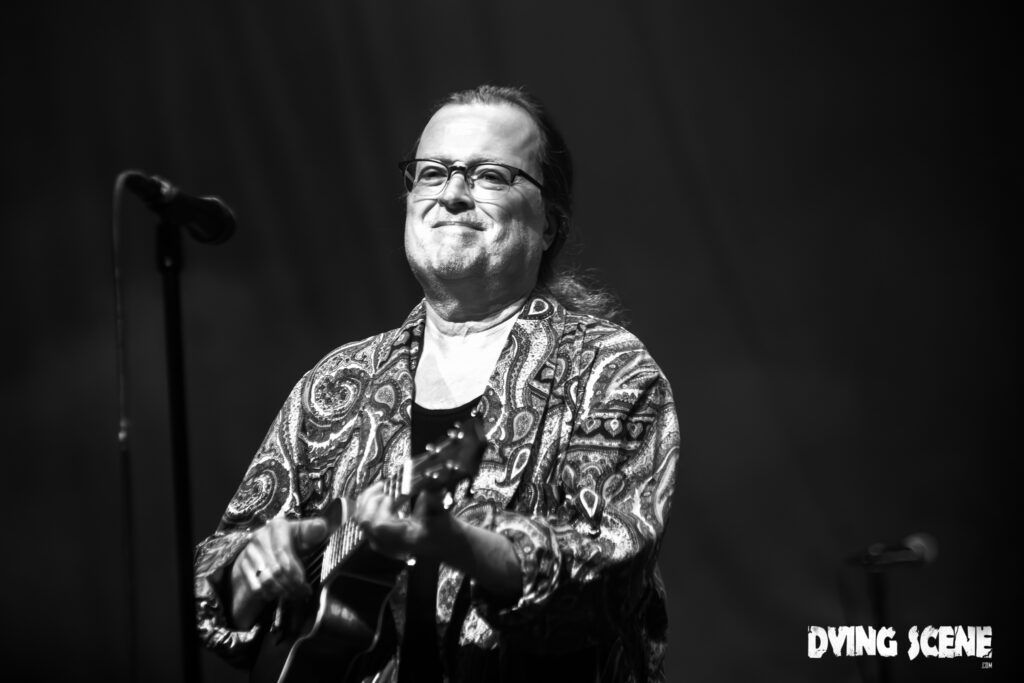
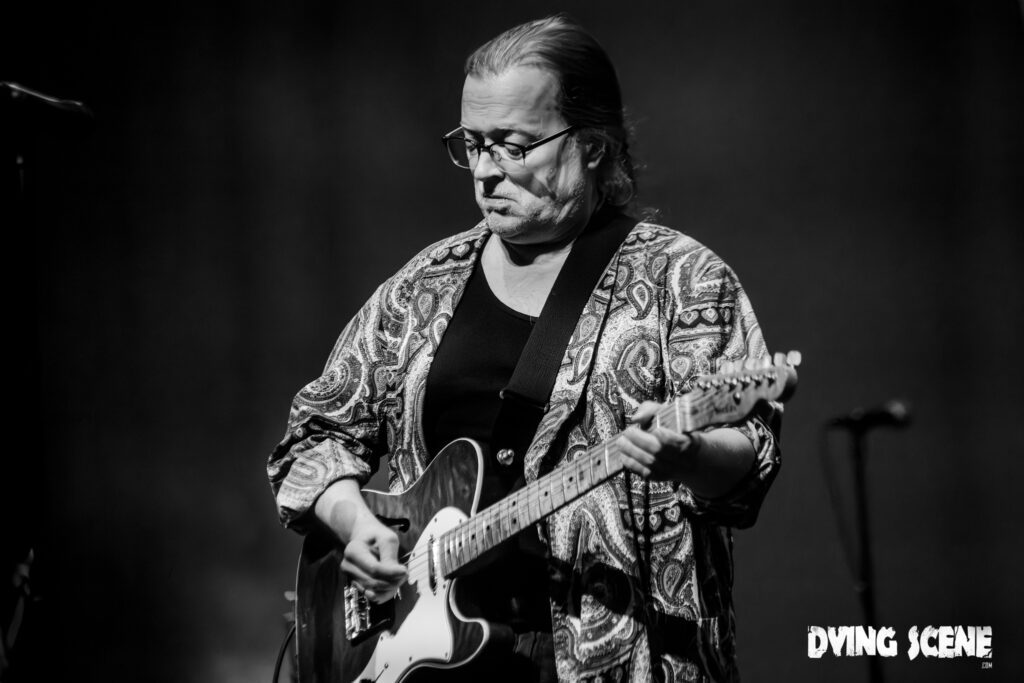
Violent Femmes had this night all to its quirky own and made quite the entrance. Singer, guitar, banjo and violin player Gordon Gano entered on stage, but his bandmates marched in from the back of the crowd. Kicking the set off with “Olinguito” set the tone for a night of the band’s trademark whimsy. If you are not familiar with the word in that song title, Olinguito is the name of an Andes-dwelling member of the raccoon family.


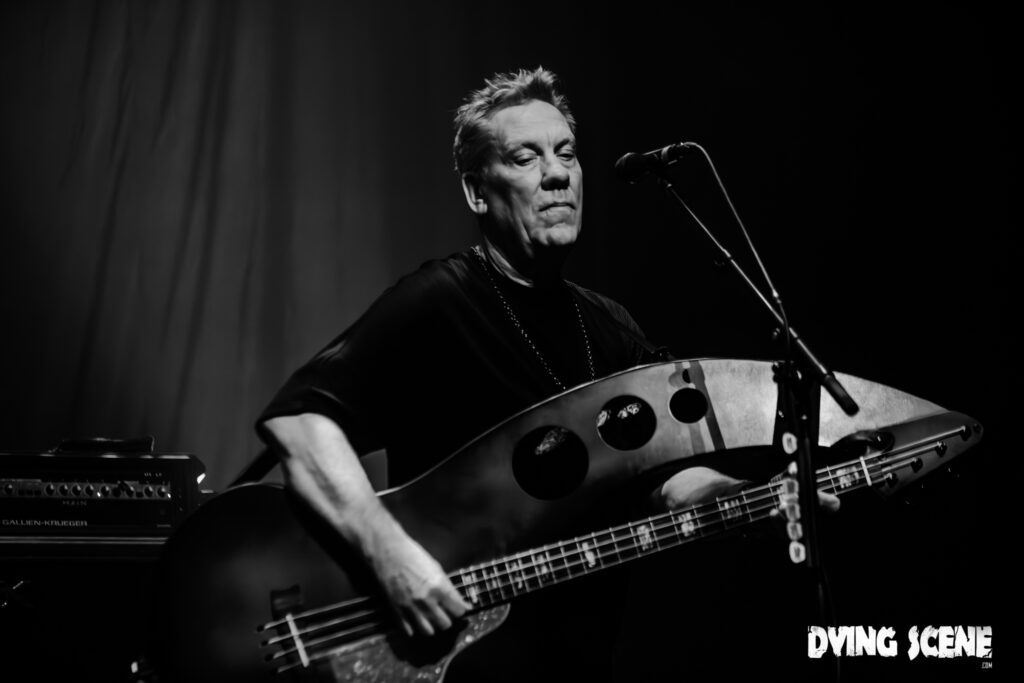
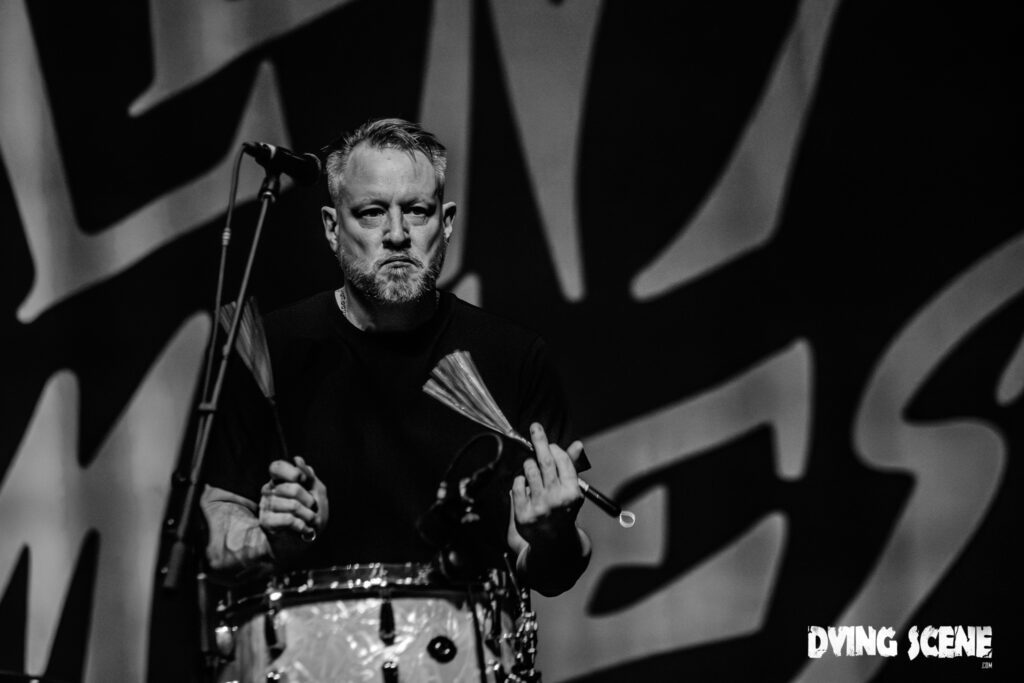
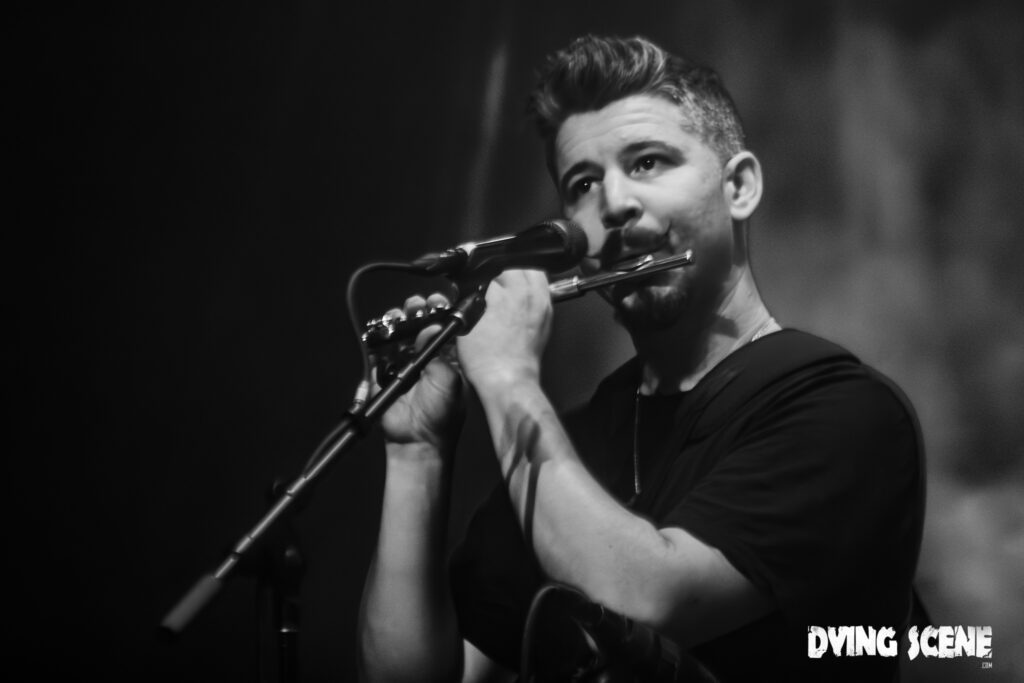
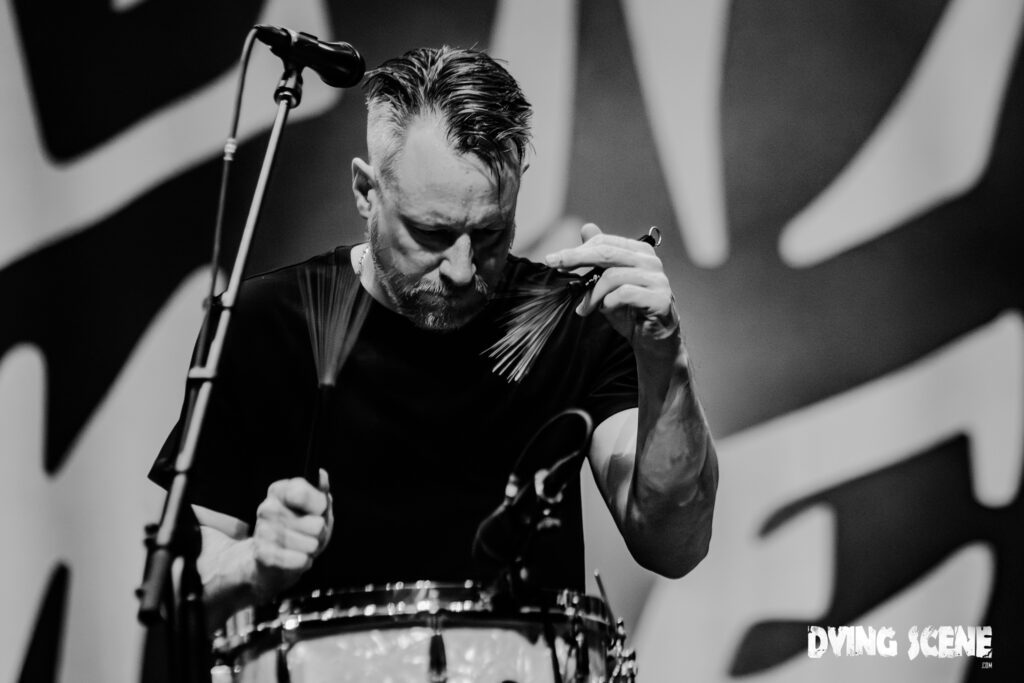
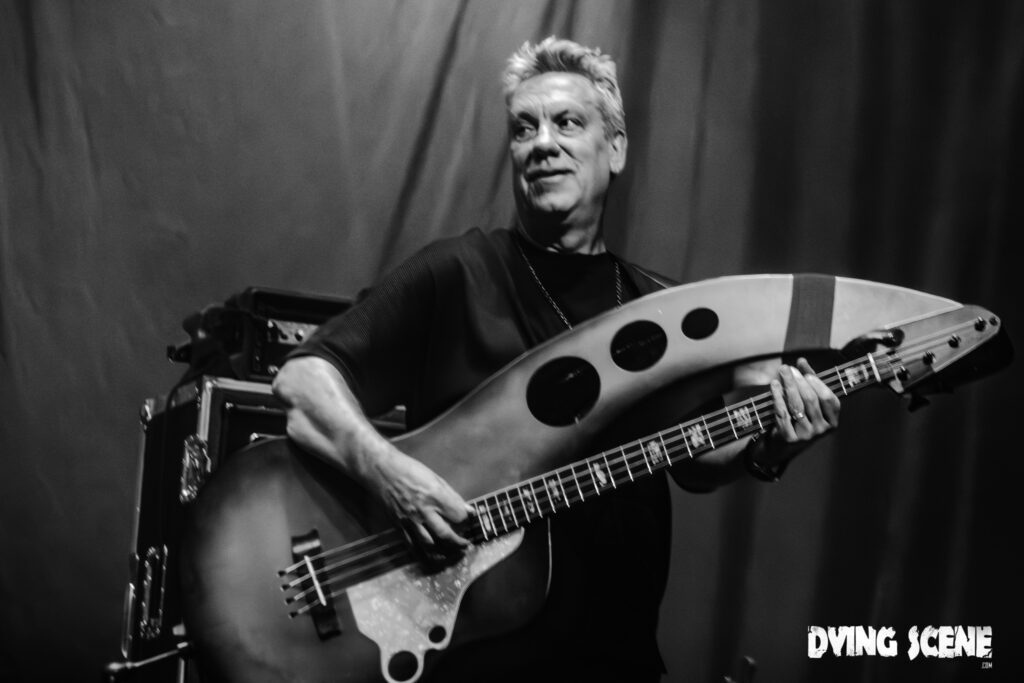
Along with Gano, Violent Femmes is composed of bass player/multi-instrumentalist Brian Ritchie, John Sparrow on drums and percussion (a Weber grill being part of his setup) and Blaise Garza on the saxophone, including the gigantic contrabass saxophone, and flute.


While the audience appeared to skew older, people who have likely followed the band from the start, there were also quite a few younger fans in the crowd. I met two sets of fans in their 20s, one from Los Angeles and one from Texas with another thing in common. These fans have followed the band across the country, catching multiple shows on this tour. The thing with fans of the Violent Femmes is they truly are the very definition of diehard fans. And on this night, per usual they were heartily rewarded for this.


The rousing 22 tune set included the biggest hits, including “Blister in the Sun,” “Kiss Off,” “Gone Daddy Gone,” “I Held Her in My Arms,” “Add It Up,” “Please Do Not Go,” and their traditional closer, “American Music.” Every one of these tunes sounded like a full venue sing-along as the crowd amplified each and every lyric.


The set list also included “Prove My Love,” “Waiting for the Bus,” “Country Death Song,” “For All Those Who Love,” “Jesus Walking on the Water,” “Good Feeling,” and “Betrayal,” among others.


Violent Femmes shows are always reliably joyful experiences. This show was no exception. It was apparent per usual, that the band was having as big a blast as its fans in the crowd were having.


The show also undoubtedly kicked off a weekend of good vibes for many in the crowd. The day after this show, the second “No Kings” march took place worldwide. An estimated 7 million people peacefully marched to oppose the encroaching authoritarianism and to declare there shall be no kings ruling the United States. I imagine quite a few of those fans rocking out to the Violent Femmes also laced up their shoes and hit the streets the next day, joining fellow citizens to push back on the fascist policies presently being instituted by carried out by the Executive Branch and its allies in Congress.


I have been fortunate enough to document several Violent Femmes shows in recent years. Hoping this continues for years to come. If you have never had a chance to catch them, I recommend you do so at your very next opportunity.

Post a Comment

Your email address will not be published. Required fields are marked *

DS Record Review: Zachariah Tazewell – “Opening Old Wounds Through Scar Tissue”

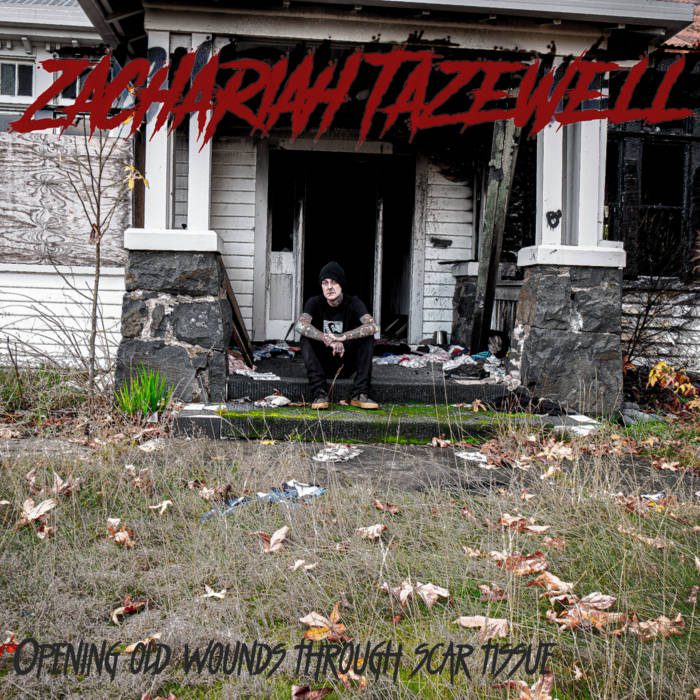
We get some interesting records in the Dying Scene inbox, but something connected with me when I listened to Zachariah Tazewell’s appropriately named record, Opening Old Wounds Through Scar Tissue. Self-described as an experimental songwriting project, Tazewell used these songs as a way to deal with mental health while living in Northern Tasmania, Australia, and […]

We get some interesting records in the Dying Scene inbox, but something connected with me when I listened to Zachariah Tazewell’s appropriately named record, Opening Old Wounds Through Scar Tissue. Self-described as an experimental songwriting project, Tazewell used these songs as a way to deal with mental health while living in Northern Tasmania, Australia, and takes us on a journey into his mind. Using song titles and lyrics making references to video games and popular works of sci-fi, Tazewell shares his unique perspective and charm.

While this record runs through a gamut of genres (punk, reggae, folk, hip hop), a couple of highlights for me off this album were “Driftwood in the Sea of Time” and “We Happy Few.” “We Happy Few” contains the line that stuck with me the most, but I ultimately disagree with it when it comes to describing this album: “If home is where the heart is, I guess I’m homeless.” Opening Old Wounds Through Scar Tissue is manic and heartfelt in a way that’s usually reserved for Tom Waits albums. 

Zachariah was nice enough to answer some questions about his record and his process of putting it together. 

How long did it take to record?

It took about seven months—I think I started structuring the songs back in March.

Do you play all the instruments and which ones did you use?

I played the guitar and handled the MIDI synth/orchestral sections, and I used Toontrack plugins for the bass, technical piano, and drums. Most purists would probably hate that, but I just see it as having virtual band members.

What is your process for arranging  your songs?

I arranged each track a bit differently. Some I wrote on acoustic with lyrics first, others I built by jamming on my electric with MIDI drums, and I just keep layering once I’m happy with that, and a few I fully structured and recorded all the instrumentation before writing any lyrics. 

What bands influenced these songs?

It’s probably a pretty big list of influences—I’m a huge fan of music in all its forms—but I’ve always been drawn to genre-bending punk bands like No-Cash, Get Dead, The Taxpayers, and The Clash. And even though it’s controversial because of Scott, I won’t deny that LOC and SFH were influences. More recently, I’ve been loving the Codefendants’ stuff, and my new appreciation for the Australian hip-hop artist Wombat pushed me to give that style a go.

Did I spot some Sci-fi and video game references?

Haha, I’m glad you noticed—there are a few sneaky sound clips in there. I’m a bit of a nerd. It could probably get me sued, but I think it sounds cool.


Post a Comment

Your email address will not be published. Required fields are marked *

DS Show Review: Circuit Breaker – Cambridge w/The Pietasters, The Kilograms, Doped Up Dollies and more!

If you’ve been reading DS for a while, you’ll know that I count myself amongst those who got into the punk and ska scenes of the Boston area in the mid-1990s. Part of what drew a countless number of us to the scene was the anti-racist, anti-fascist messaging and the way kids from all walks […]

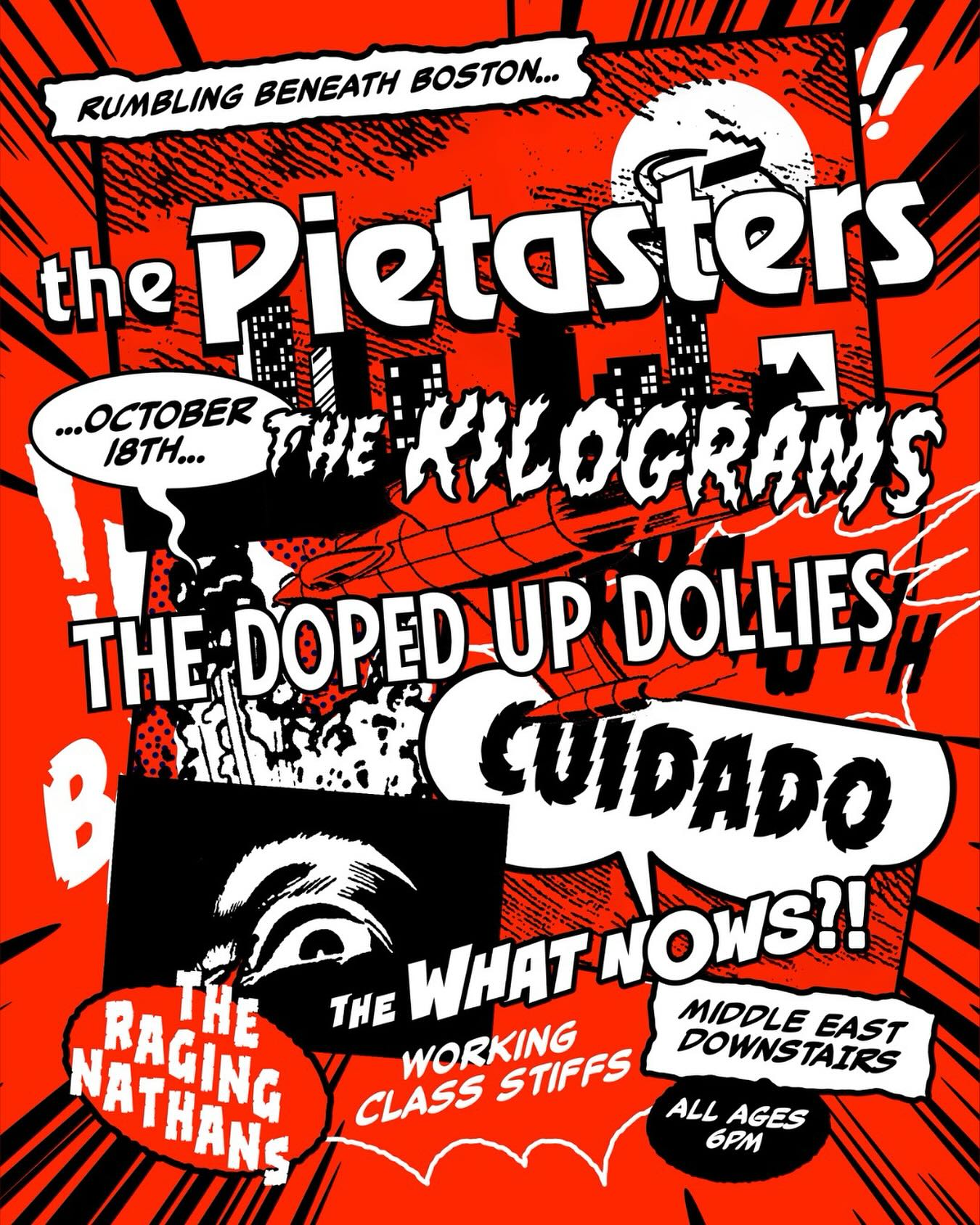
If you’ve been reading DS for a while, you’ll know that I count myself amongst those who got into the punk and ska scenes of the Boston area in the mid-1990s. Part of what drew a countless number of us to the scene was the anti-racist, anti-fascist messaging and the way kids from all walks of life could revel together in the chaos, picking each other up when we fell along the way. It’s a little bit of “old man yells at cloud” to lament that the scene has changed so much over the years, but thanks to the good folks at Riot Squad Media – the same crew who brings you the wonderful Camp Punksylvania every summer – there’s a new throwback game in town. It’s called Circuit Breaker, and it’s basically a series of jam-packed, barn-burner shows in and around the Northeast that feature a fine mix of ska and melodic punk bands that serve to give the DIY community a shot in the arm and light – or relight – the way for punks of all ages to keep coming together.

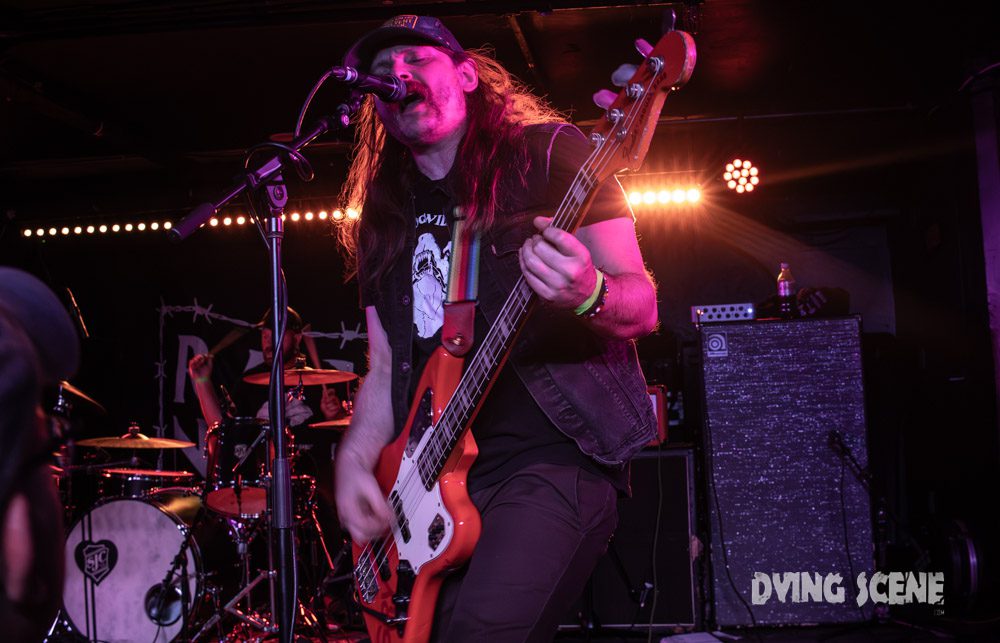
The – dare I say legendary? – downstairs at the Middle East in Cambridge, Massachusetts’s Central Square was the setting for the maiden voyage of Circuit Breaker. The Middle East – both downstairs and upstairs – is a venue that it felt like I practically lived at for a time, especially during college. I hadn’t been to the larger, downstairs venue since a few years pre-Covid, but before even hitting the bottom of the stairs, it was evident that very little had changed. The low-ceilinged, dimly-lit, no-frills venue was the site of many dozens of punk and ska shows that essentially molded my formative music-loving brain in the mid-late 90s, and seeing Big D and The Kids’ Table frontman David McWane on stage immediately brought me back to that place and time.

There were seven bands on the bill for Circuit Breaker which, for a show with set times that kicked off at around 7pm (6:55pm if we’re being totally accurate), seems bananas and seemed destined at least in my mind to go way over time. In the interest of full disclosure, life obligations and parking kept yours truly from getting to the venue until the 8 o’clock hour, which sadly meant missing sets from Niagara Falls’ Working Class Stiffs and Reading PA’s The What Nows and catching about half of McWane’s alter ego band, Cuidado.

We were there, however, for Dayton, Ohio’s The Raging Nathans. Much to the chagrin of a handful of DS staffers, yours truly had never seen the Nathans prior to this show. That was clearly a mistake on my part, I freely admit. The Nathans rule. With little time to waste in order to help the mammoth lineup keep a tight schedule, the band got right to work with a tight, high-powered set that featured a healthy dose of tracks from their latest full-length, May’s Room For One More (Rad Girlfriend Records).


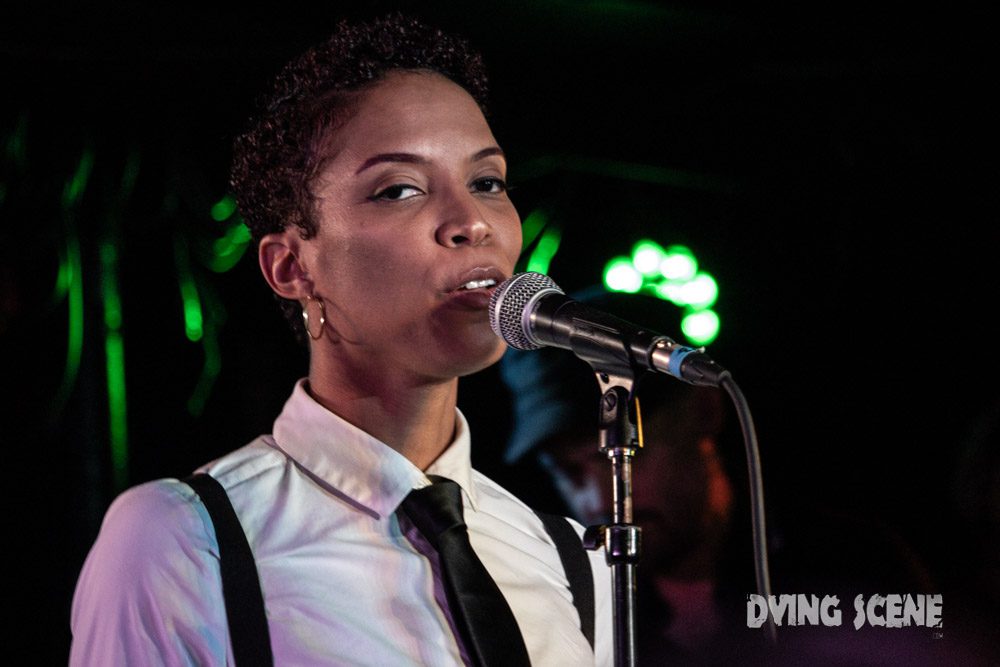
Next up were The Doped Up Dollies. The Dollies are another brainchild of Big D’s David McWane, but this one finds McWane in the background, mostly on percussion and backing vocals duties. Instead, DupD are fronted by the ultra-talented trio of Brie McWane, Sirae Richardson (pictured right) and Erin MacKenzie, who combine to bring a fun, high-energy soul to their unique double-dutch reggae sound. Their nine-song set kicked off the PMA-infused anthem “Make Your Own Sunshine,” and had the crowd dancing in the pit from the first notes. The McWane/Richardson/MacKenzi trio might be backed by – at my count – an eight-piece band, but their interplay and doo-wop harmonies are very much the engine that keeps it moving, highlighted as always by their interplay on earworms like “Be Free” and “Black Cat.”


The penultimate spot on the bill belonged to a band that is perhaps my favorite new band of the last couple of years, The Kilograms. The band kicked things off with “No Reaction,” a song that appeared on co-frontman Joe Gittleman’s 2024 solo album, Hold Up. After a quick mid-set guitar change to swap out a finicky Telecaster, KG’s co-frontman Sammy Kay took over lead vocal duties on the danceable “Every Street.” This was followed by early single “I Swear” and then a set that leaned heavily on the band’s debut full-length, Beliefs & Thieves, with a slow-burn cover of the Gittleman-penned classic “Lean On Sheena” thrown in for good measure. Guitarist J Duckworth and keyboardist Craig Gorsline serve as spark plugs, constantly rocking and dancing on stage and encouraging the audience to do the same. Extra-special props to fill-in drummer Alex Brander, who was behind the kit for the third time in four sets after also appearing in Cuidado and the Dollies. The band closed their set with a super fun rendition of another Gittleman-penned solo track, “Glimmer.”


Which brings us to the evening’s headliners, none other than The Pietasters. In a fun and playful moment, the Baltimore ska vets started their set with their own rendition of Gittleman’s “Glimmer,” much as they did on the split 7-inch they released together last year. The very first time I saw the Pietasters – nearly 29 years prior to this show – they shared the stage with Gittleman’s old band, so it was a fun full-circle moment for me to catch them sharing a legendary Boston-area venue again. As an added bonus, Gittleman’s old bandmate, Chris Rhodes, was a trombone-wielding Pietaster for the night! After “Glimmer,” the band made their way through another fun and soulful set that was heavy on tracks from their sophomore album (and my favorite one), 1995’s Oolooloo.


All in all, it was really a brilliant evening filled with connection and positivity, the kind of things that prompted so many of us to gravitate to this scene decades ago. In an increasingly dark and negative world, it’s so important to have evenings like this filled with people shining light in the darkness, standing up for the trans kids and immigrants and the working class who are continually trampled on in newer and more horrifying ways. Have a look at a bunch more pictures from the fun and festive evening down below. And make sure to follow the Riot Squad Media crew on social media to keep an eye on where you can find Circuit Breaker popping up next (like Scranton Skaliday’s throwdown in PA next month)!


Post a Comment

Your email address will not be published. Required fields are marked *

DS Book Club: “The Only Music That Mattered: A Guide to Punk, Post-Punk, and Second Wave Ska, 1976 – 1983” by John Zukowski

For those lucky enough to have an older sibling or person in their life to act as a music mentor, it makes starting your journey in any genre of music much easier; punk rock and its adjacent genres are no exception. While some of us find our own way, others need a guide. This appears […]

For those lucky enough to have an older sibling or person in their life to act as a music mentor, it makes starting your journey in any genre of music much easier; punk rock and its adjacent genres are no exception. While some of us find our own way, others need a guide.

This appears to be the goal of John Zukowski’s book, The Only Music That Mattered: A Guide to Punk, Post-Punk, and Second Wave Ska, 1976-1983, part of the Studies in Punk series from MacFarland. Focusing on the salad days of the genres, Zukowski has compiled an A-to-Z guide, sorted by band name, of the most important albums from those particular years.

Zukowski argues why punk rock was so important and why its architects felt their voices needed to be louder and more independent than most. He chalks it up to Generation Jones, Baby Boomers born between 1954 and 1965, who were raised by the hippie culture but saw its shortcomings and decided to take it further. This disillusionment led to the emergence of politically charged punk rock and the notion of not compromising one’s principles by selling out. This probably gives us what people call the punk attitude. Punk was a way to rebel and be an outsider; Generation X’s way of playing ball with the majors softened this view.

I will say I was thrown off by this book. If you were hoping for some commentary on the music of this time, you’ve picked up the wrong book. While this book is a great extended list of important records from this time, it is just that. There are no more than a couple of paragraphs of neutral description on the LPs, EPs, and seven-inches listed here, which makes sense to me as this list is a primer to help form your own opinion on these records, if you haven’t already.

I think this is effective up to a point. At the risk of sounding old, back in my day, you had to do the legwork: buy and trade records, or even go to shows to support them, if you were able to catch any of these bands. While some of these bands have endured or reunited, a good number of these bands were definitely a time and place type of situation.

For every band I knew in this book, there was at least one I hadn’t listened to or heard of before. Since writing for Dying Scene, I’ve been thinking about what my blind spots are in my musical past; this book was a good way to put some of those in perspective. There are a good number in this book that didn’t tickle my fancy in my youth but probably deserve another chance as I’ve aged.

While the list is comprehensive, Zukowski presents what he considers essential without grasping at straws. You may feel there are some glaring omissions. The list itself features classic albums, but also rare gems that may have been missed for one reason or another. Most of the bands’ albums listed are their early works, which is odd to me as we have had time to sit with some of these bands’ later output.

However, as I have found in a lot of academic books, there are multiple mistakes in the text in regard to spelling and proper names of subjects. It is blatantly obvious there’s a disconnect somewhere in the pipeline to address bands properly. This one was nowhere near as dense as some of the others I’ve reviewed. The blurbs are mostly satisfactory in their descriptions. This book was better than most in general, but I continue to be critical of the errors I find in these books.

From punk and hardcore classics to new wave and goth, and even some novelty records, the genres The Only Music That Mattered covers are varied but poignant. It’s not youth that keeps this music relevant; it’s the older fans making sure these songs are passed on to newer fans. This should be the list you’d give to a kid in their teens to check off as they find them in a record store. More than likely, they will just look them up on a streaming service, but at least they have a map. 

The Only Music That Mattered: A Guide to Punk, Post-Punk, and Second Wave Ska, 1976 – 1983 is available at McFarland books.

Post a Comment

Your email address will not be published. Required fields are marked *

DS Record Review: Various Artists – “A 7 Step Guide to Happiness”

Compilation albums have been a staple of punk rock for years. They have always been a great way to give you a preview of a record label’s lineup and sound. Sell the Heart has released their compilation, A 7 Step Guide to Happiness, with seven non-album tracks from the label’s fantastic lineup of bands. A […]

Compilation albums have been a staple of punk rock for years. They have always been a great way to give you a preview of a record label’s lineup and sound. Sell the Heart has released their compilation, A 7 Step Guide to Happiness, with seven non-album tracks from the label’s fantastic lineup of bands.

A Seven Step Guide To Happiness kicks off with the indie and post-hardcore sounds of Her Head’s On Fire‘s song, “Bound.” The song’s steady and meditative opening matches the almost zen-like chanting of the vocals. Consisting of members from other bands such as Garrison, Saves The Day, and Small Brown Bike, Her Head’s On Fire has a lineup familiar enough to push it to new levels. 

Next up is San Diego’s Hauntu and their song “Mote It Be.” Self-describing themselves as ghost punk, their haunting vocals delivering dark lyrics and fuzzy garage rock guitars elevate this song beyond what could be what separates them from being just another horror punk band. “Mote It Be” is a good taste of what’s to come on their upcoming LP. 

I thoroughly enjoyed Neckscars‘s LP Unhinged when I reviewed it a couple of months back. This is the title track, but it’s not on the album itself; it serves as a great extension of those songs. Shotclock’s song, “Fucked,” is three minutes of pop-punk delight. Moderately tempoed with a hint of regret in its lyrics. 

“Brackney,” contributed by Time Spent Driving, has that Midwest Emo feel. While the United Kingdom-based band, Bear Away’s “Modern Mountains” picks things up with a melodic hardcore song, Hotlung closes this comp with their song, “Fire it Up.” It’s a heavier guitar sound that feels closer to Alice in Chains than the emo and punk rock influence featured on this comp, but it works.

While each band is different there is definitely a through line when it comes to the bands’ sound, which could border on nostalgic if they weren’t so damn good at updating the genres. That’s something that could be hard to maintain when everyone is influenced by a similar sound. Sell The Heart does a great job choosing bands that vary enough in sound to not be repetitive. A 7 Step Guide to Happiness is a great example of this. Pick up Sell the Heart Records’ A 7 Step Guide to Happiness here.

Post a Comment

Your email address will not be published. Required fields are marked *