Italian melodic punks Weekend Cigarettes have joined forces with their countrymen in Verse, Chorus, Inferno for the release of a Split LP of epic proportions. Due out this Friday, March 14th, Weekend Inferno features 13 brand new songs from the bands, and you can listen to all 13 of ’em right here, right now on […]
Italian melodic punks Weekend Cigarettes have joined forces with their countrymen in Verse, Chorus, Inferno for the release of a Split LP of epic proportions. Due out this Friday, March 14th, Weekend Inferno features 13 brand new songs from the bands, and you can listen to all 13 of ’em right here, right now on Dying Scene! Scroll on down the page and check that shit out.
This premiere is brought to you in part by Punk Rock Radar. If you’d like your band’s music video, song, album or whatever to be premiered by Dying Scene and Punk Rock Radar, go here and follow these instructions. You’ll be on your way to previously unimagined levels of fame and fortune in no time.
Ska does not seem to be slowing down. There are times when the train is moving faster than others, but for the most part, ska seems to be chugging along just fine. While the rate of newer bands has a tendency to fluctuate, it’s the established ones that keep waving the flag to keep the […]
Ska does not seem to be slowing down. There are times when the train is moving faster than others, but for the most part, ska seems to be chugging along just fine. While the rate of newer bands has a tendency to fluctuate, it’s the established ones that keep waving the flag to keep the genre and the scene alive. One of these bands is Bite Me Bambi. Their latest release, “Eat This,” proves that. Packing eight songs in under twenty five minutes, the record shows off a more angsty side of the band, but does not completely abandon their established sound. We caught up with lead singer Tahlena Chikami to talk about Eat This, touring, and the dreaded algorithm. (This has been edited for clarity)
Dying Scene: I know the lineup has been in a bit of a flux over the last year. Has it kind of solidified at this point?
Tahlena Chikami: We’ve always kind of had our touring lineup and then some people left the project. We kind of solidified into that touring lineup. People have other work commitments and two of us have kids. Sometimes it’s hard to get away. We’re always a family-first band. So, people can come and go when they can. We’re happy to have other musicians. If they can fill in for us, it’s always a good time.
Dying Scene: How much of the album was recorded with the new-ish lineup?
Tahlena Chikami: Well, it’s a difficult question because there were people leaving in the middle of the record, but we have some new songs and then songs that had previously been released as singles, but had never been on an album before. A lot of those were recorded during COVID and never really got a full release. So we thought, it’s kind of a cool way to show people where we’ve come from and where we’re going.
Dying Scene:Do you feel the songwriting has changed from the first record to this one with the new people?
Tahlena Chikami: Yeah, definitely. We’re much more of a collaborative effort these days, which I think is really cool. “Gaslighters Anthem” was the first song that we really all wrote together in one room. Jason Hammond from Dance Hall Crashers gave us the song. It was actually an old DHC demo, I think, from the Lockjaw sessions, I want to say. It didn’t have melodies or anything. It’s just chord changes. I wrote melodies and lyrics over that and sent it to Edgar (saxophone). I told him, if you hear a horn line, do whatever. I kind of had in my head what I thought the line should be. Edgar sent it back and it was totally different from what I would have picked. Now, this song is totally different and totally amazing. Altogether is kind of how we’re doing it these days. Everyone sort of writes their own ideas, brings their best of the best. We all get in one room and learn them. Then we work through them and see what we think. What’s good, what’s not. Everyone sort of checks their ego at the door. That was the first song we worked on as a team. I think it’s a really fun atmosphere and everyone gets to feel creatively fulfilled in that, too. Edgar is a really good songwriter, way better than me. Dan, our drummer, said, “I haven’t picked up a guitar in forever.” I said, “pick it up.” See what comes out. Maybe it’ll be amazing. You don’t know. Don’t judge it before it happens?
Dying Scene:I went back and listened to the first EP, which seemed to lean way more in the 90s ska, but Eat This feels very Two-Toney. Was that a conscious thing or is that something that just kind of happened?
Tahlena Chikami: I had always envisioned us being more Two-Tone leaning in our sound, because that’s what I like. Some of it was songs Brian Mashburn had since the 90s, which is why it sounds very 90s, which I’m not against. Then some of them were songs I had half written and then he sort of ran with, but we just wanted to lean more into punk in this outing. I think you’ll see more punk coming from us as time goes on. That’s more what we’re all kind of leaning towards these days, but again, we haven’t started pre-production at all. I’m just kind of talking out my butt about what people have said they want to bring to the table.
Dying Scene: I feel like the flip was “Bad Boyfriend.” It felt very much like a Specials’ song that would have been made now, but I also remember it came out around the time Terry Hall passed. I thought someone was mourning, but mourning in the proper way.
Tahlena Chikami: Yeah, that song. Originally Mashburn was like, we need to have an Op Ivy sounding song, but I wanted it to be more like a Dancehall Crashers’ song. That’s why I like the harmonies the way they are. That was really like a turning point of like, let’s try to be a little less… I don’t know what the right word is… A little less…
Dying Scene: Poppy? I mean, it’s not that ska isn’t poppy. I think ska is mostly poppy in nature.
Tahlena Chikami: Yeah, yeah, it definitely sounds less poppy.
Dying Scene: I think the old sound grew on me. Then you started playing the style I listen to more, if that makes sense.
Tahlena Chikami: Yeah, I think, for me, too. We also just started saying let’s not judge things before they are fully realized. For a long time, some ideas wouldn’t even make it out of the gate because we’d think, people probably won’t like that. Then we just started saying, let’s just write what we want to write and people will like it or they won’t. I can’t sit around here trying to write songs for the almighty algorithm. It’s just sucking all the fun out of it, you know? Some labels say, your songs can’t be longer than two minutes and thirty seconds because that’s like the peak Spotify listening, whatever, blah, blah, blah. Algorithm, blah, blah, blah. I’m a human artist, so I’m just going to make what I want to make.
Dying Scene: Is that the model of releasing a single and video, every so often?
Tahlena Chikami: We’d shoot for like one every other month. It was kind of what we were doing because at the time you would get, I hate this word more, algorithmic, the same amount of algorithmic growth from dropping an entire record versus one single. It’s a little different now, but at the time, that’s what the algorithm was doing. So, we just were trying to get the most exposure and impressions we could. That’s why we were doing it that way. This time we tried to be a little more old school. The look for how we wanted the record to be, the feel, how we all dress, like one package, you know?
Dying Scene: How do you think it affects the experience for the record? You said, half the songs were already released for this new record. What do you think the effect is of that?
Tahlena Chikami: I wish it was a little more sonically the same. It was either making it an EP or putting out a full-length. And we thought, you know what? We’ve got all these songs and they’ve just all been singles. They’re not on a record. So even going back to something like that; something we made so long ago during the pandemic. Like I remember having to find dancers who were all vaccinated in order for us to shoot a video. I wanted those songs to be able to have their due. I think the track listing kind of lends itself to a nice flow. I don’t think it’ll hurt the record, because new people are discovering us all the time. I’m curious to see. I have my own theories about the algorithm prioritizing full length albums now over EPs and singles. So we’ll see if my hunch is correct.
Dying Scene: So, It’s evolving.
Tahlena Chikami: Yeah, I feel like that could be it. Maybe I’m wrong. We’ll see, but it was fun to put out a full thing. You know, we’ve never really done it. It’s actually technically our first album we’ve ever released.
Dying Scene: I didn’t know with the eight songs, if they consider that a full album or a EP, so.
Tahlena Chikami: I don’t know. We’ve been calling it a full album.
Dying Scene: I mean, it sounds full. Was it harder to sequence this?Not even because it was a full album, but like you said, half of the songs have been released already.
Tahlena Chikami: I don’t know. It’s kind of like when I “DJ,” I’m not a great DJ, but I just kind of listen to the flow and I go think, that sounds weird. I don’t like that. That’s kind of what I did. I played it for a couple of friends and people in the band. I think the only thing that people were kind of weird about was that Girls of Summer was the last track, but I liked it as the last track. So I kept it that way.
Dying Scene: I know some of you went to England last year. How were those acoustic shows?
Tahlena Chikami: They were super fun. I’m glad we did it because I learned a lot about touring in England and I think that that information is going to be very helpful in 2025. I was happy we went. It was a fun experience. Got to work with some friends who are musicians out there to sort of fill in the gaps and make some new friends. It was a good time. I’m glad we did it.
Dying Scene: Which songs were you doing acoustically?
Tahlena Chikami: It was pretty much the same setlist. By the end of it, we’re throwing in more covers because we were having fun playing more covers, but for the most part, it’s pretty much the same set list we play now. I think “Red Flags” is the one that was added because for some reason it does very well acoustic. It doesn’t always make it into our live set. I didn’t put that one on the record. I just realized that. Forgot about it. Oops, sorry, “Red Flags.” RIP.
Dying Scene: Is the band going to record any of these acoustic versions or is it just kind of a for England thing?
Tahlena Chikami: No. We actually have a fuller acoustic-like set that has Mike on the accordion and all this kind of stuff that we’ve worked out. We just don’t do it very often because it’s not asked for. I don’t think we would ever tour it again, but I think it is a handy thing to have. You got a day off in a random city, let’s go in here and do a couple of acoustic songs or whatever. I think it can be helpful.
Dying Scene: Are you guys going out there soon?
Tahlena Chikami: We’re going to Europe. We’re playing Brack Rock, which is in Belgium.
Dying Scene: Are you guys playing out here anytime soon?
Tahlena Chikami: No, hometown shows, right now. We’re playing Doll Fest on March 2nd, which is up in Berkeley.
Dying Scene: I got to see you sing “Lyin’ Ass Bitch” with Fishbone back in December. How was that?
Tahlena Chikami: Incredible. I was a total lame-o and I asked. We have the same manager and asked, “Do you think they’ll let me do “Lyin’ Ass Bitch?” It’ll make my dreams come true and so our manager was dropping hints to them. They finally asked and I was nervous because you think, you know, a song like the back of your hand. Then when you actually have to get up there and do it, I was like, what are the words? I was like looking at the words, but then like they’re not written online anywhere or correctly anywhere. So then I’m like asking them, like, what are the words? I didn’t want them to lose confidence in me. They’re incredible musicians when you’re up there with them. It’s wild because they’re just making it up as they go sometimes, and you’ve got to follow along. It’s scary, but incredible. I’m really grateful that they kept asking me to do it.
Dying Scene: It was insane watching them play. That was my first Fishbone show.
Tahlena Chikami: Fishbone’s crazy. I love to watch people seeing them for the first time because people are like, what in the hell is this? It’s the most incredible thing you’re going to see.
Dying Scene: It was definitely an experience. It’s just all these different types of people in the pit.It’s punks, ska kids, and it’s fucking metalheads.
Tahlena Chikami: It’s definitely an eclectic group. We always laugh because in the November and December tours we did. Mike and I would go out and to gauge, what kind of crowd is this? We would sing, “I am a patient boy.” And wait for everyone to finish the line. Like when we were on tour of Barstool Preachers every night, people did it, and were excited. With Fishbone, it was so hit or miss that people would know what we’re talking about.
Dying Scene: That’s insane. It’s Fugazi. Who doesn’t know Fugazi at this point?
Tahlena Chikami: It’s just like sometimes you’ll go to a Fishbone show and everyone will be over fifty years old and all look like they’re going to church. You go to some, it’s like all funk people.
Dying Scene: That’s so weird, but it was amazing. I mean watching the pit was very much like the Stefon skit on Saturday Night Live.It’s got everything. Like the one in Garden Grove had a Spider-Man, a guy dressed up like Santa. And Adrian Young from No Doubt, like it was fucking insane.
Tahlena Chikami: Yeah, every Fishbone show I’ve gone to locally, either Tony Kanal or Adrian Young were there.
Dying Scene: Do you guys have any more covers coming or anything fun video wise?
Tahlena Chikami: No, nothing right now. Just sort of taking the time in between these like big tours to just sort of recoup and rest. Burnout’s real. So we’re trying to take better care of ourselves. That’s something to keep an eye on.
Finland has more than fifty metal bands for every 100,000 citizens. While many punk rock bands from adjacent countries have made a mark in the genre, there aren’t many from Finland. Hopefully, SLICERRR from Helsinki, Finland, can change that with their debut self-titled EP. This bass-heavy garage band brings steady grooves with beefy riffs and […]
Finland has more than fifty metal bands for every 100,000 citizens. While many punk rock bands from adjacent countries have made a mark in the genre, there aren’t many from Finland. Hopefully, SLICERRR from Helsinki, Finland, can change that with their debut self-titled EP. This bass-heavy garage band brings steady grooves with beefy riffs and blunt guitars. Let’s dig in.
Tuomas Koitalho’s distorted, Peter Gunn-like bass line drives the opening song, “Losing My Grip,” while Juho Talja’s guitar comes in every so often until its muted chords chorus. Jukka-Pekka Talsi sings about losing his mind, but from the beginning, you can tell he’s already there. “Turbo Spinello” keeps the pace of its previous song and even brings some electric drums in for the ride. It’s menacing but fun. “Magic Number 24” sounds like it’s about a beer. “Asocial’s” lyrics would almost be the cherry on top of the cake of losing all hope in humanity if the closing song, “Offline,” wasn’t about being bored with the internet. It’s bleak and gives the impression that the online world is just as bad and boring as the real world.
SLICERR’s EP plays like the soundtrack to a modern horror movie, and I mean that in the best way. It feels like something is chasing after you and not in the Tales From the Crypt way like the Misfits. It’s much more cerebral, despite its blunt instrumentation. Talja’s higher-octave guitar parts remind me a lot of the Pixies. Feniks Willamo’s drums and Kotialho’s bass are front and center. I have reviewed a lot of EPs, they’ve all been fantastic in their own way, and SLICERRR’s self-titled debut is no exception. If I were to guess, the extra R’s in SLICERRR are for the extra rock they bring. Don’t sleep on this EP.
Photo credit: DMMX.Photo Ramonescore army, assemble! Geoff Palmer’s got a new EP called Kodak Flash coming April 1st on Stardumb Records, and we’re stoked to be exclusively premiering the music video for the brand new single “Bye Bye Baby”! This is quintessential leather jacket sporting three chord pop-punk, no ifs, ands, or buts about it. […]
Photo credit: DMMX.Photo
Ramonescore army, assemble! Geoff Palmer’s got a new EP called Kodak Flash coming April 1st on Stardumb Records, and we’re stoked to be exclusively premiering the music video for the brand new single “Bye Bye Baby”! This is quintessential leather jacket sporting three chord pop-punk, no ifs, ands, or buts about it.
Check the video out below and pre-order Geoff Palmer’s new 4-song 12″ EP Kodak Flash on two beautiful vinyl color variants – bubblegum pink and bubblegum purple – from The Machine Shop in the US and Stardumb Records in Europe.
This premiere is brought to you in part by Punk Rock Radar. If you’d like your band’s music video, song, album or whatever to be premiered by Dying Scene and Punk Rock Radar, go here and follow these instructions. You’ll be on your way to previously unimagined levels of fame and fortune in no time.
Similar to Ed Piskor’s Hip Hop Family Tree, French writers Thierry Lamy and Nicolas Finet detail the origins of punk rock with their graphic novel, Punk Rock in Comics from NBM Graphic Novels. Told in eight-page chunks, these bite-sized chapters detail a certain aspect of the scene, band, or figure important to punk rock from […]
Similar to Ed Piskor’s Hip Hop Family Tree, French writers Thierry Lamy and Nicolas Finet detail the origins of punk rock with their graphic novel, Punk Rock in Comics from NBM Graphic Novels. Told in eight-page chunks, these bite-sized chapters detail a certain aspect of the scene, band, or figure important to punk rock from the genre’s roots in the mid-seventies to the early 1980s, each drawn by a different artist. Mixing comics with essays and photos peppered throughout give the comic the feeling that you’re reading a zine covering the early punk rock scenes on both sides of the Atlantic. We caught up with Thierry Lamy and Nicolas Finet to speak about their graphic novel.
Dying Scene (Forrest Gaddis): A lot of our readers are probably not too familiar with your work. Can you give us some background information about yourself?
Thierry Lamy: I have been a comic book writer for a little more than 20 years. Although my works are diversified, I mainly specialize in historical stories (Labiénus, Combattants du Rail, El Alamein). My latest comics are about rock music (David Bowie, AC/DC, Pink Floyd, Led Zeppelin, Punk!), with some forays into fantasy westerns (Hell West, Promise), science fiction (Skraeling), and the adaptation of novels and tales (Le Père Goriot, Nerrivik, Contes celtes, Contes Yiddish, and Contes Inuit). Like all comics authors, it is the passion that drives me, both for the comics medium and the subjects I explore.
Nicolas Finet: I’m a former journalist who became a publisher and writer about twenty-five years ago. I’ve written more than twenty different books, mainly about comic book artists, the comic book industry, Asia (another passion, related to my former life as a reporter), and music. In 2008, I was the publisher and one of the contributing writers of a manga dictionary (DicoManga – Le Dictionnaire encyclopédique de la bande dessinée japonaise), which remains the only French-language dictionary ever published about Japanese manga. I also directed two documentary films, one about the late manga artist Jiro Taniguchi (along with Nicolas Albert) and, more recently, another in 2018 about two French comic book artists following the tracks of bluesman Robert Johnson in Mississippi. It’s called Mississippi Ramblin’.
Dying Scene: Were either of you active in the punk rock scene in France?
Thierry Lamy: Active, no. I’m from the generation of post-punk and French alternative rock. I discovered and loved the founding groups of punk in the early 1980s. However, the punk movement was still alive enough at that time to have a profound impact on my younger years. My interest in punk has never left me.
Nicolas Finet: I would not qualify my role as “active,” but I did play guitar for a while in a band with some friends at the very end of the 1970s. Nothing serious, and I’m afraid I was not a very good musician, but I still love playing for myself, here and there. I was born in 1959 and was a teenager when the whole punk scene started in Great Britain in 1975 and 1976. Like many people my age at the time, I was very close to what was happening in the music scene. We had very good musical magazines in France, so it was quite easy to follow what was happening. Punks were among the most exciting things to see and listen to then. We were there when the Sex Pistols and the Damned and all these bands started, can you imagine? It was definitely fantastic—and so new for everyone!
Dying Scene: I can see from the NBM graphic novels website you have both done other comic biographies. Where did the idea for those projects come from? How did you land on punk rock as your next project?
Thierry Lamy: Nicolas is the one who initiated these projects. I’d like to add that he gave me a great gift by offering to let me write them, since I’m passionate about rock music. Among all the titles we have done for this series, “Punk Rock in Comics” is my favorite.
Nicolas Finet: Almost everything that I’ve been involved with, related to the different musical projects published by NBM, comes from my life experience. From the very beginning, I have been passionate about music. I’m a French rock’n’roll kid. I also have a deep love for comics. Comic books were very big in France in the 1970’s thanks to magazines like Heavy Metal. It sounded obvious to me to merge those two influences. It did not happen immediately, but with time, and thanks to the publishing companies who gave me this opportunity, I had the opportunity to express my experience of both music and comics by starting with the books published by NBM. I started with David Bowie, one of my favorites, and wrote the comic, Starman. I then followed with titles focusing on Prince, AC/DC, and Pink Floyd, and more recently, Led Zeppelin and punk. I also wrote a comic book about Woodstock and another about Janis Joplin, both illustrated by my good friend Christopher, who is also a regular contributing artist on books released by NBM. The link between all these projects is my own life. As a teenager, I always felt impressed by Bowie and Pink Floyd. I was thirteen years old when Ziggy Stardust was released and fourteen when The Dark Side of the Moon was released. Two or three years later, the punks arrived and started to shake things up! It was fun! With this punk project, I was given the opportunity to write about my own life and experiences. Who would refuse that? All writers will confirm that their favorite subject is themselves.
Dying Scene: How did you determine what bands to include? How did you determine the early 1980’s was the cut off?
Nicolas Finet: From the very beginning, I decided to cover the punk rock story from a strictly historical point of view, starting at the end of the 1960s and beginning of the 1970s in the United States with bands like The Stooges, MC5, and The New York Dolls. Then, I crossed the ocean to the pub rock scene in England around 1974, and the explosion in 1975 or 1976 with the bands I mentioned earlier—the Sex Pistols, The Damned, The Clash, etc. After that, the rest of punk lasted five years, after which the music became something else—still interesting, but different: New Wave, Dark Wave, Post-Punk, or whatever you call it. My timeframe was 1975 to 1980, and that’s it. Of course, it’s absolutely subjective, and you may have another point of view—which I consider totally acceptable. Regarding the bands included in the book, it was quite obvious: I had 20 chapters available. This is the regular format of music comic books, based on one chapter per group or artist, and selecting the bands or artists to include seemed rather simple to me.
Dying Scene: Did you have a particular style in mind for each band’s section or did you leave it up to the artist? How did you decide on an artist for each chapter?
Nicolas Finet: No, I did not have any special style in mind for each chapter. The fact is that I was already used to working with many of the artists involved in the book. From the first anthology book I worked on, with David Bowie, we have had a kind of informal team. We are used to working with each other. The artists are not all exactly the same from one book to another, but the foundation relies on individuals I am confident with: Toru Terada, Christopher, Gilles Pascal, Kongkee, Will Argunas, and of course, Thierry Lamy for the scripts. When I am starting a new project, I have an idea about who will be able to draw what, and generally, when I express my proposals to the artists, they sound relevant. It also happens that some artists request to draw a musician or a group. In this book, for example, Christopher immediately decided that he would draw The Jam! What could I say except, “Yes”?
Dying Scene: I like how the pub rock chapter is included. I feel when Americans write about punk they mostly leave it out or only talk about the 101ers because of Joe Strummer. Does it get referenced more in Europe in regards to its influence on the scene out there?
Thierry Lamy: This aspect of punk history seems unknown to the general public in France, too. We always remember the Sex Pistols, the Clash, the Ramones, and a few other iconic groups or personalities. Yet, many constituent elements of punk fall by the wayside in the collective unconscious. This is true of pub rock, but also of groups like the Vibrators, Sham 69, the Saints, Stiff Little Fingers, the Slits, and many others. Our comic, therefore, hopes to do justice to all the forgotten figures of the punk movement.
Nicolas Finet: I was personally attached to the pub rock bands because, again, it is linked to my personal memories of that period. When it started in the mid-1970s, I was in high school. Bands such as Dr. Feelgood or Eddie and the Hot Rods seemed as important as the Pistols, or sometimes more so. But at that time, no one could predict which band would endure and which would not. Even if, in the end, it became obvious that the Clash had become an international phenomenon and that Eddie and the Hot Rods, whose first two albums I loved, had not.
Dying Scene: More a comment than a question. I appreciated the Irish Punk chapter focusing on the Undertones and Stiff Little Fingers rather than the Pogues.
Thierry Lamy: Despite their talent and punk spirit, focusing on the Pogues in the chapter devoted to Irish punk would have been off-topic here, since they were formed in 1982. However, Shane MacGowan is not absent from “Punk Rock in Comics.” He makes a cameo in the chapter devoted to the Jam.
Nicolas Finet: It’s not a matter of loving them or not, but they are outside the scope.
Dying Scene: What made you decide to add the Lemmy Kilmeister and Don Letts chapters rather than a couple other bands?
Nicolas Finet: All musical styles influence and are influenced by other artists. This is how music works. Regarding Lemmy and Motörhead, it was more a matter of energy. The punk energy is fundamental in Motörhead’s music. There’s a question of lifestyle, too. The same observation can be made regarding the Jamaican influence on punk rock. Caribbean communities were numerous at that time in Great Britain and still are, as far as I know. The influence of their musical style on other musicians was important, including punk musicians. They were often living in the same neighborhoods. So, it seemed obvious to me to integrate these sections into the book.
Dying Scene: I liked the essays at the end of each chapter and how they sum up each section. It gives the book a bit of a zine feel to it. Where did you get the Idea to include photos in these sections?
Nicolas Finet: We like these essays, too! Basically, the principle of including an essay for each chapter was established by the French publishing company that started this collection. Being a former journalist, it reminds me of the way I used to work for the press, mixing texts and photos. It gives the reader a wider view of the story being told. This allows each chapter to cover the full story without repeating the same information in the essay and in the comic section.
Dying Scene: Is the further reading section in the back of the book where you sourced most of the information in the book? Likewise, are the albums listed in the back your recommendations?
Nicolas Finet: The suggested reading section at the end of the book is a way to expand on the information discussed. Our work on punk rock music was based on extensive research, and the books cited at the back of the book were used as sources, among others. My personal memories and the albums listed at the back were also helpful. I have kept all my original vinyl records from this period in good condition and still listen to them regularly. There’s a lot of info in the liner notes. I consider the discography at the end of the book a basic music library for exploring punk music and its universe, but it’s only a start.
Dying Scene: Were there any bands you cut out? Was the band from elsewhere chapter a way to show those bands some love? its very random, but love that you included Beururier Noir and Ludwig Von 88.
Thierry Lamy: In the American version, the final chapter devoted to French punk is missing. We discuss alternative rock at greater length. Due to space constraints, we could not include all international punk groups, but we aimed for comprehensiveness.
Nicolas Finet: I don’t really feel that I cut any major bands of this period. We could have easily doubled or tripled the number of bands and artists we introduced in this comic. In that case, we would have needed hundreds of additional pages. When you work as a publisher, you have to deal with constraints, and the most important one, for me, was that I had only twenty-eight-page chapters available. This is why I gathered “Bands From Elsewhere” into a single chapter. It’s a way to remind readers that these bands were important to us, without using much space. As Thierry mentions, we have an additional chapter about French punk rock music in the original version of the book, but for cultural, historical, and technical reasons, this chapter is not included in the U.S. version. These bands are not well known in English-speaking countries, and French punk rock mainly starts at the beginning of the 1980s, which makes it out of scope.
Dying Scene: Are there plans to do another part of going into more punk rock history if this does well?
Thierry Lamy: Not that I know of; I’m not sure that this would be a good idea, “Punk Rock in Comics” is already quite complete. However, a comic book on the Riot Grrrl movement would be welcome, this feminist post-punk movement deserves to be better known to the general public.
Dying Scene: Are either of you working on anything else at this time?
Thierry Lamy: I have two projects coming out soon: the first on a nineteenth-century polar expedition that ended tragically, and another on the Gulf War.
Nicolas Finet: Yes. I am now starting to write a musical biography in comics, with my old accomplice, Christopher, focusing on Syd Barrett and Pink Floyd. It will be both documentary and fictional, with Syd Barrett at the center of the story. Let’s say a fictional non-fiction, or a non-fictional fiction… We are just starting the project, so I am unable to say when it will be released. However, Christopher is a very fast artist.
Dying Scene: Anything else you want to fill Dying Scene readers in on?
Thierry Lamy: I would like to emphasize that “Punk Rock in Comics” was made with passion, like the other titles in the collection. I hope the energy we put into this comic will touch our readers, whether French or American.
Nicolas Finet: I used to say that being able to write about my teenage passions and being paid for it is an unbelievable gift. I feel fulfilled.
Dying Scene: This book really is a special thing. I love anthologies, but most of them are horror books. This was a nice change of pace. Are any of your other books translated in English?
Thierry Lamy: Thank you for your enthusiasm. To my knowledge, only the works in the rock book collections from NBM have been translated into English.
Nicolas Finet: If you want to find my fictional work, I know that my comic book about Janis Joplin has also been translated by NBM. It’s a graphic biography, which was also translated into Spanish and Polish. I wrote it with Christopher. It was published in France in 2000, for the 50th anniversary of her death. A year earlier, I also had another music comic book published, about Woodstock (Forever Woodstock), also with Christopher drawing. Same technique, mixing “real” history and fiction, but it has been published only in France; no translation yet. You can visit my blog, where you will find an extensive biography in English.
A big thank you to Thierry and Nicolas for their time. You can pick up Punk Rock in Comics through NBM Graphic Novels.
David Johansen, the last remaining member of the New York Dolls has passed away at the age of seventy-five. Born in Staten Island, New York, on January 9, 1950, David Johansen began playing in bands in the late 1960s. He started the New York Dolls with Johnny Thunders, Sylvain Sylvain, and Arthur Kane in the […]
David Johansen, the last remaining member of the New York Dolls has passed away at the age of seventy-five. Born in Staten Island, New York, on January 9, 1950, David Johansen began playing in bands in the late 1960s. He started the New York Dolls with Johnny Thunders, Sylvain Sylvain, and Arthur Kane in the mid-1970s. Drummer Jerry Nolan joined the band after original drummer Billy Murcia died in 1972 before the New York Dolls recorded their first self-titled debut, released in 1973.
In what’s now described as glam punk, the New York Dolls would wear eccentric and androgynous clothing, including heels, dresses, and makeup. The majority of the songs were written by David Johansen and Johnny Thunders. In 1974, they recorded Too Much Too Soon. Shortly after, Johnny Thunders and Jerry Nolan left, leaving Johansen and Sylvain to carry the mantle until 1976, when the band broke up. David Johansen would go on to record a couple of solo albums with Sylvain Sylvain in his backing band, allowing him to keep performing New York Dolls songs. The two collaborated on the song “Funky but Chic,” which would serve as the single for Johansen’s self-titled solo album.
Trying to distance himself from his Dolls persona, David Johansen developed an alter ego for himself with Buster Poindexter in the early 1980s. Complete with a big pompadour, suit, and a bowtie, Johansen pivoted to a more lounge-lizard identity than punk or glam rocker. The pseudonym allowed him to spread his wings a bit and explore other genres of music. During this time, Johansen was also a regular with the Saturday Night Live house band. Finally, in 1987, a Buster Poindexter album was recorded and released. It included the calypso-tinged, “Hot Hot Hot.” There was no escaping this song for at least five to ten years, if not longer.
Like a lot of musicians tend to do, David Johansen dipped his toe into the acting pool. He appeared in guest roles on TV shows like The Adventures of Pete & Pete and the prison drama Oz. Along with a starring role in a film adaptation of the 1960s comedy cop show Car 54, Where Are You?, in the mid-1990s. However, his most popular role was as a cigar-chomping, cab-driving Ghost of Christmas Past in Richard Donner’s modernized adaptation of A Christmas Carol, Scrooged, starring Bill Murray.
The Sweet Relief Music Fund has been helping to raise money for David Johansen’s medical bills. Celebrities who were both friends and fans donated to help David Johansen in his time of need. Los Angeles punk rock band Fear released a cover of the New York Dolls’ song “Trash,” with all proceeds from the sales of the CD or vinyl going towards the fund.
David Johansen lost his battle with cancer on February 28, 2025, one that he had been fighting in secret. It had been revealed at the beginning of the month that Johansen had a brain tumor and was receiving treatment for stage four cancer for the better part of the last decade. Rest in peace, David.
Greetings, and welcome to the Dying Scene Record Radar. If it’s your first time here, thank you for joining us! This is the weekly* column where we cover all things punk rock vinyl; new releases, reissues… you name it, we’ve probably got it. Kick off your shoes, pull up a chair, crack open a cold […]
Greetings, and welcome to the Dying Scene Record Radar. If it’s your first time here, thank you for joining us! This is the weekly* column where we cover all things punk rock vinyl; new releases, reissues… you name it, we’ve probably got it. Kick off your shoes, pull up a chair, crack open a cold one, and break out those wallets, because it’s go time. Let’s get into it!
Check out the video edition of this week’s Record Radar, presented by Punk Rock Radar:
We’re starting this week’s Record Radar off with a must-pickup for melodic punk fans: Bridge the Gap’s new record Gainsayer! Recorded at the Blasting Room, produced by Bill Stevenson, and mixed & mastered by Jason Livermore, the band’s sophomore album is due out April 11th and is available to pre-order on a bunch of beautiful color variants (and CD!). Get it now from Double Helix (US), SBAM Records (Europe), and Pee Records (Australia).
Philly punks Five Hundred Bucks have announced their new album Pest Sounds, due out April 25th and available on four (very limited) vinyl color variants. Check out the lead single “Southern Accidents” below 👇 and head over to their Bandcamp to pre-order the record NOW!
OUT NOW on the almighty Thousand Islands Records: Quebec melodic punk band Killing Daisies’ brand new album Echoes of Tomorrow! Get it on two vinyl color variants (and CD!) right here.
Highly recommended for fans of The Lawrence Arms, Banner Pilot, Leatherface, etc. it’s fellow my Tampa Bay locals the Miller Highlifes! Their new record Pinch Hitters is out now on A.D.D. Records. You can get it on a fuckload of color variants right here. Catch the band’s hometown record release show with the Eradicator, Debt Neglector and Bad Bad Things this Friday, March 7th.
Hot on the heels of its 25th Anniversary 2xLP deluxe edition reissue – of which there were five color variants – Less Than Jake’s Hello Rockview is back in print once again, this time as a single LP with bonus tracks omitted. This latest pressing is available on six(!!!) color variants – and black vinyl!
Here’s the full list of variants and links to where you can get them: 100 – Clear w/ Yellow, Purple and Baby Blue Splatter (Smartpunk Record Club exclusive) 250 – Whirlpool Mix (Smartpunk exclusive – SOLD OUT) 200 – White (Rude Records exclusive) Apple, Lemon, & Sky Blue / 250 (Brooklyn Vegan, Revolver, Alt Press) 250 – Sea Blue Ghostly w/ Yellow & Blue Splatter (Devil Dog exclusive) 250 – Bone & Aqua Smash w/ Red, Yellow & Lemonade Splatter (Parting Gift exclusive) ??? – Black (Smartpunk and most record stores)
More ska! Keep Flying just announced their long awaited debut full-length album Time & Tide, due out April 24th on Smartpunk Records! Here’s the full list of color variants and links to where you can get them:
100 – White & Blue w/ Green/Aqua/Blue Splatter (Smartpunk Record Club exclusive) 150 – Baby Blue and Yellow (Smartpunk exclusive) 150 – Baby Blue and Aqua (Smartpunk exclusive) 150 – Light Blue & Sea Blue Ghostly (Indie store exclusive) 150 – Black Inside Milky Clear w/ White Splatter (International exclusive – Devil Dog (UK), People of Punk Rock (CA), Thirty Something (EU)) 250 – Copper Blend (Band Exclusive) 250 – Blue Glitter (Band Exclusive)
Even more ska! Brunt of It’s comeback record (their first in 13 years!) It’s A Mad Bad Sad Rad World is out now on Jump Up Records. You can get it on red vinyl, yellow vinyl, compact disc, and even cassette riiiiiiight here!
Even more more ska! Is this a record for # of ska records on a single Record Radar? Perhaps! Catbite’s got a new record called DOOM GARDEN coming out May 9th on Bad Time Records. Check out the first single “Die In Denver” below 👇 and pre-order the record 👉 right here (splatter & copper marble variants) and also here 👈 (yellow/orange/red split and cloudy green variants).
Due out next month, French hardcore punk band Jodie Faster’s new record Saint Lundi delivers 19 songs in 22 minutes. Pre-order it now on blue colored vinyl from No Time Records (US), La Agonía de Vivir (Spain), TNS Records (UK), and an assload of other labels all over Europe!
Dead Broke Rekerds has issued a new pressing of Fifteen’s classic debut album Swain’s First Bike Ride, with 150 copies on this new “Cloudy Day” Blue & White Swirl color variant, and an additional 268 copies on black vinyl. Get yours here!
Another Lookout! Records classic – Screeching Weasel’s My Brain Hurts – has also been in the news lately! Like many of Weasel’s other records, this one has been newly remixed and remastered by Justin Perkins at Mystery Room Mastering. The fresh faced version of the record is streaming on Spotify, YouTube Music, and anywhere else you digitally consume music. This is also getting a physical release as a 2xLP set with the remix/remastered version on LP1 and a remaster of the original mix on LP2.
Recess Records randomly threw up 353 copies on random mixed color vinyl on their store about a week ago and those sold pretty much instantly. But fear not! A little birdy tells me a much bigger black vinyl run of this 2xLP reissue will be available soon from Screeching Weasel webstore. Join the band’s mailing list to hopefully not miss out.
SBAM Records has been spamming these “liquid filled” records lately and now I think they’ve officially jumped the shark with this PISS FILLED edition of Guttermouth’s Gusto. Limited to 20 copies and allegedly filled with Mark Adkins’ own fluids, this beauty can be yours for the price of 99 Euros. Available exclusively from SBAM Records’ European store. Good luck getting this shit (or piss I guess) through customs!
The other pricey boutique record SBAM threw up on their store this week is this “Gold Dust” edition of the Mad Caddies’ latest album Arrows Room 117. This one’s limited to 50 copies filled with gold confetti and also comes with a corduroy Mad Caddied tote bag. It’s also 99 Euros. Get it here.
One final piece of news from SBAM Records (I promise they’re not paying me to do this): a new pressing of the Venomous Pinks’ 2022 album Vita Mors. You can get it on three new splatter color variants from Double Helix in the US and SBAM in Europe.
Samiam is jumping the gun a bit on the 20th anniversary of their 2006 album Whatever’s Got You Down but that’s aight. You can get this new reissue on Piss Yellow (what’s up with all the piss this week?) w/ Blue Splatter colored vinyl (100 copies) and/or black vinyl (300 copies) from La Agonia De Vivir. Canada’s DustyWax Records has their own exclusive variant on Translucent Blue w/ (non-piss) Yellow Splatter, also limited to 100 copies.
Well, that’s all, folks. Another Record Radar in the books; the biggest one ever perhaps?! I’ll let you be the judge! As always, thank you for tuning in. If there’s anything we missed (highly likely), or if you want to let everyone know about a new/upcoming vinyl release you’re excited about, leave us a comment below, or send us a message on Facebook or Instagram, and we’ll look into it. Enjoy your weekend, and don’t blow too much money on spinny discs (or do, I’m not your father). See ya next time!
Wanna catch up on all of our Record Radar posts? Click here and you’ll be taken to a page with all the past entries in the column. Magic!
The live concert industry is always changing and evolving. With constant and exciting tours or festival announcements, we figured it best to countdown some of the best live artists we’ve seen in our lifetime. To qualify for this, I’m looking strictly at performance. I am removing all lights and technical aspects of a live show. […]
The live concert industry is always changing and evolving. With constant and exciting tours or festival announcements, we figured it best to countdown some of the best live artists we’ve seen in our lifetime.
To qualify for this, I’m looking strictly at performance. I am removing all lights and technical aspects of a live show. These artists are just as good at Madison Square Garden as they would be at the Meatlocker in Montclair NJ. As someone who has been to over 800 concerts, this was no easy stretch. A top 50 list could easily have been made. If you’re in search of a great show that may even change your life, look no further.
The first band on this list is by far the newest. They had their debut album Merci in 2018, but they didn’t explode onto the scene until 2021 with their record Another Kill For The Highlight Reel. Instantly they became loved by emo, punk, and rock fans alike. It’s easy to see why. When seeing this band live, you’re witnessing an event. The energy they give back to the crowd with every performance is unbelievable. You are not witnessing this band from the bar casually. When you see Save Face live, you will be in the pit or headbanging, guaranteed.
The craziest part of a Boston Manor show is the synergy. Every single member is perfectly in tune with each other and the crowd. It doesn’t feel like you’re watching a band. Instead, you are a part of something greater than yourself. The entire room feels like one community, all rocking out in the same rhythms. I personally have seen this band 5 times now, and it holds up every single time. I have no idea how they do it, but they are one of the best bands you can see live. Their new album Sundiver was just released last September.
3.) Senses Fail
Senses Fail has, and will always continue to be, a prime example of a live act done right. Seeing them for the first time is something you will never forget. The band is mesmerizing with their enthusiasm, technique, and sound. Imaging hearing their already high energy music but super charged and bigger than life. Buddy Nielsen, their frontman, throws the microphone as high as he can, and catches it mid-song. The band does spin kicks and sucks the audience into the performance with every note. It is physically impossible to be bored and watch their stunning set. Senses Fail may have been a band for almost 20 years, but we will never turn down an opportunity to see them live.
The metalcore legends from Boston MA take the second spot on our list. Ice Nine Kills take horror movies and brings them to life. It feels like you’re watching a concert, a play, a musical, and a movie all at once. They utilize every form of the entertainment industry to make their shows as enthralling as possible. Imagine witnessing the shower scene from Alfred Hitchock’s Psycho acted out in front of you, while inside a mosh pit and crowd surfers flying overhead. It’s genuinely insane. Ice Nine Kills does live performances better than any band in their scene, and it is why they have exponentially grown their fanbase with every tour. You do not want to miss this band.
When you see Fever 333 live for the first time, prepare to have your life changed. You remember the event like it was yesterday. You will recall what foods you were eating before the show, the smell of the venue, or the shirt you were wearing. That is how memorable a Fever 333 concert is. It stays with you forever. This band doesn’t put on a show, so much as they unleash controlled mayhem. There is not an area Jason Aalon Butler won’t climb. The guitarists and drummer get inside the crowd frequently. Fever 333 makes every show an interactive experience that you personally are engaging with. They give it their all, to the point you wonder how a human being can have that much energy in their body. You do not want to miss this band live.
New Jersey is home to a lot of great punk rock. None Shall Sleep is another band to add to the list, and their EP, Hope Dies at Dawn is evidence of this. While a lot of punk rock bands burn through their four or five songs pretty quickly, Hope Dies at Dawn is about […]
New Jersey is home to a lot of great punk rock. None Shall Sleep is another band to add to the list, and their EP, Hope Dies at Dawn is evidence of this. While a lot of punk rock bands burn through their four or five songs pretty quickly, Hope Dies at Dawn is about twenty-ish minutes of music without a dull moment.
“Theme for the Clinically Depressed” feels like a Jawbreaker and Social Distortion love child. Its driving but steady pace and gruff vocals may be familiar but are done well here. I’m a sucker for a song about disillusionment, and this one checks the boxes well. The second track, “Life Will Have Its Way with You,” feels like a different type of beast—almost Fugazi in nature with its constantly moving bassline. “Is This My Uniform?” speeds up the tempo a bit and plays a clip from Bill Murray’s speech at the beginning of Rushmore. I always found the speech humorous, as Max Fischer takes notes about Herman Blume being the best speaker ever, but putting the words over their chords gives the song a bit of a different context. The album closes strong with “Look Good on Paper” and the hyper “Time Is the Enemy.” There’s nothing like a fast song about running out of time lasting four minutes—I mean that in the best way.
You could get punk rock like this in a lot of places, but NONE SHALL SLEEP does it so fucking well. They pull from so many influences it’s almost like listening to a playlist on shuffle. If you like this check out their full-length compilation, A Slow Steady Decline, which features older material from the band. Hope Dies at Dawn is a little more focused and seems to be more of the current sound the band is going for. It isn’t much different, but you can tell time has hardened these guys, in the best way.
Hope Dies at Dawn is a really strong record. I saw None Shall Sleep at Gold Sounds in Brooklyn a few months ago, they are amazing, great songs, great energy. If you get a chance check them out live.
In the worlds of substance use prevention and treatment – and public health in a broader sense – it wasn’t all that long ago that the term “harm reduction” was considered taboo in many circles. I can attest to that firsthand, as I was one of those people who was biased against it after years […]
In the worlds of substance use prevention and treatment – and public health in a broader sense – it wasn’t all that long ago that the term “harm reduction” was considered taboo in many circles. I can attest to that firsthand, as I was one of those people who was biased against it after years of working in abstinence-based programs like residential addiction treatment or alternative sentencing day treatment for people on probation and parole. And that stands to reason; in a residential setting, continued alcohol/drug use jeopardizes the safety and well-being of the milieu as a whole. In a court-ordered program for folks on probation and/or parole, obviously failing a drug test tends to result in your freedom being revoked, at least temporarily. And this is in a stereotypically progressive place like Massachusetts.
Perhaps I should back up. For the uninitiated, the concept of “harm reduction” in the substance use world involves a move away from an abstinence-based framework, and instead involves meeting people where they are at. It means trying to reduce the negative consequences of substance use – whatever those consequences might be. It’s tailored to the individual needs of the person and their community and seeks to minimize the stigma that is generally associated with the use of licit and illicit drugs without minimizing the harms and dangers of using those substances. It seeks to keep people alive and as well as they can be. Why are we talking about this on a punk rock website? Well, for a couple of reasons. First and foremost, the harm reduction community existed for a lot of years in the shadows. In the streets. In parking lots and alleyways frequented by illicit drug users. In fact, in many places, it still exists that way given the taboo nature of the subject matter. At the core, it’s been a grassroots coalition of people working in a textbook DIY capacity, looking out for their brothers and sisters and doing so without prejudice or judgment. Sounds like the core ethos of “punk rock” in my book.
More specifically, we’re talking about it here as a means to highlight a great charity that’s working on continuing the principles of harm reduction work and bringing them directly into our scene. Meet Travis Williams, founder of an organization called Safe Scene NJ. Williams has been involved in the DIY punk scene in the Garden State for close to a quarter-century at this point. It’s a scene that remains as vital as it ever has during a time when many of its corresponding scenes around the country have been gentrified out of existence. It’s a world that, like many others, has also seen its fair share of the ravages of the opioid epidemic that started to balloon with the rise of OxyContin in the early ‘00s and exploded with the rise of fentanyl in the last decade. “I’ve probably in my direct friend group, I had four or five people die within like a year of graduating high school,” Williams explains. While Williams reports he was mainly a drinker, he also did his share of dabbling in other substances for a time – though he’s now been free from everything for five years.
It’s that dabbling that has helped fuel the rise in overdoses over the last handful of years, as the potency and contamination of the drug supply has rendered casual users increasingly susceptible to accidental overdose, and those overdoses resulting from the use of stronger substances have resulted in a skyrocketing number of accidental deaths. Says Williams, “I think now there’s a lot of casual drug use, which is honestly just as dangerous or even more dangerous, you know what I mean? Like somebody who uses drugs, they know they’re high and they know when something’s off, you know? Somebody who doesn’t and they’re just like a recreational, like pick a bag up on the weekend or whatever, you know, they don’t have the tolerance. They don’t have the knowledge. I think there’s a lot of that going on now.” Enter the world of harm reduction. Williams started by volunteering with a larger organization that frequented a large number of larger, prominent shows. And while that was a great experience, it seemed like something was missing in the smaller, vibrant corners of the scene. “The casual listeners that are coming to bigger venues, a lot of them travel, it’s not your locals and the people that are in the scene.” He adds “I checked out some street outreach stuff and kind of found a middle ground where we could focus on the people that are in our core scene in New Jersey, who are out hitting shows every weekend…I just kind of wanted to like, move back into the roots of where I came from.” It was from those roots that Safe Scene NJ grew.
Nowadays, you can find Williams and crew set up at all manner of punk and hardcore shows across New Jersey, handing out Narcan, fentanyl/xylazine test strips, mental health resources, and more. More often than not, bands and clubs are generally supportive of the group setting up a table and giving out resources at shows, though sometimes it does make for pointed conversations. “I’ve said it a bunch. “I go to a lot of shows; somebody’s doing coke in your bathroom. There’s no way around it, you know? Would you rather that person use a test strip, or do you want to find out the hard way?” The longer he’s around and the more shows he goes too, Williams has seen the scene itself become much more supportive. Of course, it helps having a band like the Bouncing Souls cosign what you’re doing, as the band and Safe Scene NJ recently collaborated on a fundraiser t-shirt. “That was really cool. I think we’re going to try to do more, because there’s a lot of artists who do support what we do,” Williams explains. “Whatever t-shirts and stuff that we sell help. So collabs help, and they make us a little more recognizable, so if the Bouncing Souls want to jump on a shirt with us, awesome. Plus, it’s a really cool shirt too!“
Check out our full chat below, all about Travis’s story coming up in the iconic New Jersey punk scene, and the ways that Safe Scene NJ and other organizations like it are working to make the scene and the state safer. “It’s like a weird underground network of harm reduction groups, and just a bunch of like punk rock kids that, you know, want to look out for people in their scene.” You can also check out more info on Safe Scene NJ if you’re in the Garden State. If not, you can check out the National Harm Reduction Coalition to find out what’s available in your area (like if you’re north of Boston, check out Healthy Streets)!
Dying Scene (Jay Stone): I’m trying to figure the best place to start in talking about SafeScene, and I guess maybe for the folks that don’t know, fill them in a little bit about Safe Scene New Jersey and how this, like the sort of origin of it over the last year. It’s been like six months to a year or so basically, right?
Safe Scene NJ (Travis Williams): Yeah, yeah. So I volunteered with another group, and I liked it. Hitting bigger shows is cool. And like, I’m still down to do that. Like I jumped on an Underoath show or whatever. But New Jersey has a huge VFW and basement scene. That’s where I grew up at, going to these smaller shows and checking out new bands. The casual listeners that are coming to bigger venues, you know, a lot of them travel, it’s not your locals and like the people that are in (the scene). So when I was a kid, you know, 25 years ago, first time going to shows, nobody was doing what we’re doing now; you know, like, handing out mental health resources, or, you know, overdose reversal drugs, or test strips. We were all just fending for ourselves. So like, I liked what this bigger organization was doing. And then I checked out some street outreach stuff and kind of found a middle ground where we could focus on, you know, the people that are in our core scene and around New Jersey that, you know, they’re hitting shows every weekend. And, you know, whether they’re people who use drugs or not, everybody’s affected by it. So it’s just a great chance to like oversaturate New Jersey with tools and resources so that less people die, get hurt, whatever, you know? So yeah, I just kind of wanted to like, move back into the roots of where I came from.
You grew up in New Jersey, yeah?
Yeah, yeah.
Like Central Jersey? Which I know some people say Central Jersey isn’t a thing, except for the people that live in Central Jersey.
It’s a thing, it’s a thing.
Of course it is.
But yeah, literally like, dead center on the shore. So like, you know, 30 minutes north of Asbury Park. When I was a kid, there were shows everywhere. You just go to, you know, a VFW or whatever, a church. It was a cool spot to be. We had really cool venues within like, 20-25 minutes of us. Chrome, Birch Hill, we had, you know, everything in Asbury, the Lanes. You know, we pretty much had it all as far as a scene goes.
I feel like as much as any place in the Northeast, really, especially for the last, like you said, 25 years, that sort of tracks with me. As much as anywhere else that I’m familiar with, that scene exists in New Jersey. Like, I’m from New Hampshire. Sort of like 45-ish minutes outside of Boston is where I grew up. And we had a little bit of like the remnants of the Elks Lodge clubs, the VFW clubs, shows like that. But because I’m a few years older than you, as the mid to late 90s approached, a lot of that stuff went away in the Greater Boston area. But I feel like in Jersey, that is still very much a thing.
Yeah, I mean, we’ll throw a show anywhere we can, you know? I mean, we still have New Brunswick. Somehow that city just…every new college generation or whatever, they just rename the houses…
Is that what it is, like mostly Rutgers kids, basically, that keep that scene sort of going?
Yeah, and it’s wild. Like, I did a basement show there recently, and they had, you know, touring bands – small touring bands, but still touring bands – come through and play. And it was during winter break, so there wasn’t a lot of people around, and it was still a packed basement, you know?
I want to go to a show like that again. It’s been so long. Like, I mean, even here, so we’ve had, especially since COVID, even the smaller clubs that would attract essentially like our version of those shows, places like O’Brien’s in Allston and whatever. That’s really like the last holdover from that era, like the hundred capacity maybe, dive bar shithole kind of place. Otherwise that doesn’t exist in Boston anymore, a city that has such a music history and has music colleges and whatever. But because of gentrification and all that, like it doesn’t exist in the city anymore. And we went through a whole thing with the cops, like infiltrating message boards and whatever to find out where all the basement shows were. And part of me misses those days. Part of me is also like, “I’m 45. I don’t need to go to a crazy ass basement show.”
But we still have places like the Meatlocker. I mean, I don’t know how it’s still going. And I don’t know how, like, you know…It’s a bring your own kind of place, it’s a basement under, I think, an Italian restaurant.
Oh, wow.
So like last seating is like eight o’clock and music starts at nine underneath. (*both laugh*)
Is the scene essentially the same as it has been since your younger years? Is it the same sort of punk rock, hardcore roots like it always has been?
I don’t know. It’s weird because like, we had a really broad range of music, you know, in the early 2000s. And there’s like a goth scene that like they have shows at a house in the woods in the sticks…
Really?
Like when I thought we had everything in, you know, the early 2000s, like there’s EVERYTHING going on right now.
Wow. That’s really cool.
So like if you know where to look, you could find it, you know?
Yeah, yeah, yeah. That’s really cool. And it’s really sort of inspiring because you I always feel like the younger generation doesn’t quite care about music the same way that some of us – I hate to call myself an older person because I don’t feel that way – but the way that some of us older people do, right? I think about this a lot because I live in suburbia, but it’s still within 10 minutes or 20 minutes of Boston. You can’t walk through the neighborhood and hear like bands practicing in garages. And I feel like that was such a thing like early 90s, mid 90s, late 90s when I was growing up. There were always kids playing guitars in garages and basements and the one drummer that everybody had because nobody else could find a good enough drummer whose parents were like cool with them playing drums. I feel like that doesn’t happen here. And maybe that’s just exclusive to where I live. But so it’s good that scenes like that still exist.
Yeah. I mean, honestly, probably if you dive hard enough, you’re still going to find it. And like the reality is I’ve talked to a lot of people about it because, you know, I hit as many shows as I can, you know, with a family and young kids and stuff like that. There’s a lot of young kids out there making great, amazing music. I was talking to my buddy Benny about it. We were at a show in a log cabin in Tom’s River. Infest came out from California, like, you know, powerviolence, hardcore from the 80s and 90s and played a set. But these young kids, like they’re still in high school, like 16, 17. And they’re so far beyond like in talent from where we were, you know, in our teens. But like I think the thing is, like, there’s no boundaries in music anymore.
That’s true.
Like, you know, when I was in like middle school, like you were either into punk or hip hop or, you know, maybe you’d get lucky and get like an E-Town Concrete that like kind of crossed over so you could like feel out that scene. But like these kids, you know, they’re listening to whatever they want and they’re taking influence from everybody and everywhere. And like they’re just locking in and just turning out INCREDIBLE music.
That’s awesome. Because my kid is a junior in high school. And so I’d sort of think about like the people in her circle and her peers and the boys at school who traditionally are the ones playing in bands. And like, there’s nothing. We used to have Battle of the Bands at school all the time or at like the Knights of Columbus or whatever. And I was saying a few years ago, “are you guys going to have like a Battle of the Bands now that COVID is over and you can do things at school again?” She’s like, “I don’t know what you’re talking about.” Seems like everybody just plays hockey and basketball.
Yeah, I’ve seen some like Battle of the Bands kind of gigs coming up, but it’s a lot of like college-age stuff, you know, and it’s people like organizing on their own. But we also don’t have like the Warped Tour, Battle of the Bands, you know, where you’re playing at the Stone Pony at a matinee, you know? Like that happened, it’s cool, but it’s not around anymore. Everybody got tired of that, like pay-to-play thing and hustling your friends for tickets and that kind of thing, too. So I just think it went in a way different direction. But like even my nephew is like an unbelievable musician and he’s happy with just like doing videos online, you know, writing riffs and like teaching people how to play and stuff like that.
We need those kids, too! We definitely need those kids, too! You mentioned that obviously when you were coming up, there was nobody handing out like harm reduction tools and whatever at shows. There definitely was not up here when I was going to shows. I think the most you would get for handouts really at any sort of shows was like Food Not Bombs stuff or Anti-Racist Action stuff, because we had a problem with the skinheads like a lot of places did. So then we had a like an anti-skinhead movement, especially around like Bosstones shows and that whole crew. And that was the extent of the activism and outreach really, I guess, until Dropkicks came along. But how embedded in the scene did hardcore drugs become in Jersey? And I ask because I think about this a lot because I have worked in and around like behavioral health substance use treatment, et cetera, for 20-ish years now. And I’m so thankful that I grew up like five years before all the OC. stuff came around. Which just like decimated like white suburbia, which is obviously like that’s why people started to care about it, because once it became a thing that infested white upper-middle-class suburbia, people were like, “Well, this is bad.” But obviously it had been a problem for a long time. But I consider myself thankful, lucky that I grew up just a little too early for that scene because the age bracket, like five, six years younger than me, just got decimated up here, I’m sure down there, too. But so how embedded in the scene did that world become?
So, I mean, obviously, when you’re in it, you’re kind of blind to it, right? Like, you know your friends are falling off or whatever. And like I’m right in that age bracket where I’m a little bit younger than you. So like I’ve probably in my direct friend group, I had four or five people die within like a year of graduating high school.
Wow.
You know, and it got bad. It’s weird. So like, you know, when I was younger, people were like hooked in it and they were on it and whatever. I think now there’s a lot of casual drug use, which is honestly just as dangerous or even more dangerous, you know what I mean? Like somebody who uses drugs, they know they’re high and they know when something’s off, you know? Somebody who doesn’t and they’re just like a recreational, like pick a bag up on the weekend or whatever, you know, they don’t have the tolerance. They don’t have the knowledge. I think there’s a lot of that going on now. But it did get really, really bad. And I mean, full transparency, like I was in it, you know? I’m five years right now without anything.
Hell yeah! Right on. Congratulations.
And, you know, it was definitely way more accessible than anything else. You know, just as easily accessible as beer or whatever or weed. If you want it, you can get it.
Yeah.
You know, I grew up in a town like I could go to my neighbor’s house and be like, “Yo, what can we do?” It was there. Honestly, any neighbor’s house and anybody on the block. And even like kids, you know? I want to say I don’t mean kids but like, you know, people my age. They were hustling. And it wasn’t just my town. It was adjacent towns and it spread out. And even the towns were like people had more money or whatever. It was there. It was just a little more quiet.
Is that like when you when you got clean, is that sort of like the beginning of the like the fentanyl era really sort of taking over? Does that kind of line up?
Yeah. I drank way too much, which, you know, turned into other things. But I was more like a recreational user as far as any sort of other substance goes. But like, I’m glad I stopped when I did, because that was like the boom. I mean, you remember, we were seeing it right around 2019, 2020. It was just everywhere. And there were no protocols. There was no accessibility to testing and stuff like that, so people were just kind of winging it.
Oh, it was taboo! I feel like up until very recently, even to have Narcan at places was. Because I worked at a program that was like an alternative sentencing program for people that were on probation and parole. And for a while, we weren’t allowed to have Narcan in the building. The court and the sheriff’s department didn’t want us to have Narcan in the building. Mind you, I worked in a city in northern Massachusetts where the fentanyl problem was so bad that it was on the front page of the New York Times about it being the epicenter for fentanyl regionally. Like above-the-fold, Sunday New York Times. That’s how bad it was. And we couldn’t have Narcan – the precursor to Narcan, the old school one that you had to like assemble together, before the nasal spray. We had a place that would give it to us. So we’d have to go like meet them in the parking lot and get like a bag and bring it in the building in like a brown bag. We’re like, “this is so fucked up…having to go meet somebody to get your bag in the parking lot and smuggle it into the building. So I’m glad, but it is wild to me how that has changed. I don’t know if it’s been, I guess, the last five years, like really since COVID, whatever, is kind of where I set the marker. But it’s amazing to me how far we have come with that.
Yeah, I mean, but honestly, like I have like friends that do harm reduction in other states and all around the country and stuff. And like, there’s still spots where like a xylazine test strip is contraband.
Yeah!
You know? Are you fucking joking? Like you’re making it illegal to just be able to test a substance to save somebody’s life. Like, they’re oppressing right there.
Right.
So, you know… it’s unreal.
Harm reduction, I mean, obviously has come a long way from whatever, 10 years ago. But what’s the sort of prevailing attitude towards harm reduction in Jersey? People are pretty much on board with the concept in most places?
I mean, there’s some venues that are still a little leery about it, just because they have outdated information or, you know, they’re run by a parent company that’s international and they have their rules and whatever. But I mean, like overall in the state, New Jersey really tries to push harm reduction. Like I’m sponsored by the Department of Health on the Narcan side, so that helps a lot. But just to keep the legality of like harm reduction, they still follow AIDS prevention protocol. So, like, unless you’re doing syringe exchange and stuff like that, you can’t actually be a harm reduction group.
Oh, really? Oh, interesting.
So like the blanket idea in New Jersey is that unless you’re doing bloodborne pathogen or, you know, AIDS reduction, you’re not a harm reduction group.
Interesting. Interesting. So then what I guess, what are you? What do they consider you?
So I do offer syringe exchange, safer smoking, injection alternatives, stuff like that. Not at shows because, you know, there’s a level of trust with the venues where, you know.
Giving out Narcan is one thing…
Yeah, yeah, but giving out syringes and then pipes and stuff like that…(*both laugh*). You know, I get it. But on like the street outreach side, we do that. So, yeah, technically, we’d be considered a harm-reduction group. I actually had to blanket under another group for a little bit until I think the 27th, then I actually get like an approval from the state to be like a harm reduction group.
Yeah, that’s cool.
But there was some like weird stuff because we don’t have a physical location, so it was hard for them to classify us.
Oh, interesting.
They don’t have a true classification for somebody who’s specifically mobile. So they might have like classified me as a vending machine. (*both laugh*)
Which, by the way, do you guys have those? Do you have the places that do Narcan vending machines now?
There’s one in New Brunswick. I think there’s one in Elizabeth. They’re starting to pop up. Not like not like the newspaper box ones like that. You know, like it looks like a like a hospital sort of vending machine or a hospital snack machine. But they also have Narcan, test strips, syringes, you know? So, like I said, New Jersey’s really, really into access on that stuff, which is really great.
Yeah, which is sort of why I’m surprised that they didn’t have a way to classify mobile outreach like that, because I feel like that was such the thing for a long time. Like that was that was the way a lot of places had to operate almost under cover of night. Like there’s an agency that I have worked sort of overlapping with for a long time here in a local community, that especially during COVID, they were operating out of the back of a U-Haul truck.
Yeah, yeah.
…in random parking lots, which is kind of what you have to do.
I just bought a van. Like a 2002 Astro that’s like half converted. So it’s like half passenger, half utility. And like, I mean, that’s how we’re going to do it for now. Hopefully once we get the approval, the State dumps a ton money – literally all the recovery funds go to what they classify as harm reduction. People doing, you know, syringe exchange and stuff like that…
Like the opioid remediation funds and stuff like that?
Yeah! So hopefully once I get approved next week, we can like pull some funds out of there. Right now, we operate on like literally the tightest budget, you know, and we make it work. But like to be able to set up at more shows or do more street outreach or even have like a physical, third space location would be so rad. Because like, you know, a place to train people that isn’t, you know, a library or whatever. Or just like, a place to host a fundraiser, you know? Like right now we’re starting to throw together some fundraiser shows, which is cool. And we’re working with some bands to do some fundraising and spread awareness, get the name out there, help some other social justice groups and stuff too. But being able to bring people to your doorstep and show them what you do would be like a really great opportunity.
I feel like it would. Yeah, I feel like it would. I feel like there’s always going to be a need for it.And I feel like the more that places do to reduce, I guess stigma is the word that we usually use, but the more that people do to reduce stigma and improve accessibility, you start to treat it like it’s an actual public health thing and not like an us versus them, war on drugs thing.
We lost the war on drugs. We’re never going to fucking win it.
Yeah.
I mean, like harm reduction groups, there’s probably like 40 in New Jersey, something like that.
Wow!
And like they take the burden off the public health, you know what I mean? Like literally, there’s numbers you can look at research. It’s fucking there.
Right.
You know, and honestly, I’m not standing in the freezing cold on a Sunday handing stuff out like for nothing…I’m doing it because I care and because it helps. Like, yeah, you know?
You don’t get into this world for the paycheck.
No, no, no. It makes a difference. You know, even if it’s a small difference, that small difference turns into a little bigger and a little bigger and a little bigger, you know?
Have you had people from other places like outside Jersey reach out? Because I could envision people from other scenes, people from other places sort of hit you up to get ideas about how they can set up their own sort of version of it or how to approach even even have those conversations with local public health people in places where it’s a little more taboo.
So, yeah, there’s a couple of groups that like we kind of all started at the same time, so we do a lot of bouncing ideas off of each other and like feeling out what works. It also turned into a network to, like, share information, like, what new additives or adulterants are in the street supply? Like, if I know somebody sees something in Philly, I know that shit’s coming to Trenton and then I know it’s coming up north. And, you know, it’s like a weird underground network of harm reduction groups, and just a bunch of like punk rock kids that, you know, want to look out for people in their scene. And it’s cool. As far as like groups in other places, though, I’ve had people, you know, suggest, opening up some stuff in other states, but I don’t know their legalities, you know? I’ve done a ton of research about what we could and couldn’t do, how we could do things that maybe we weren’t supposed to do but needed to do, ways that we could work around issues…
Easier to get forgiveness than permission sometimes, right?
Yeah, it’s easier to do the right thing than to sit down and do nothing. If anybody out there wants to get into it, you’ve got to dig deep and reach out to your local public health organization or advocacy groups that are out there in the area. See what the need is, see what the gaps are. I don’t want to say you have to just dive in, but you really have to go full bore into it.
You’ve got to do the work.
Yeah, you’ve got to do the work. Sure, you can get a few boxes of Narcan and set up at a show, but when it comes down to it, you’ve got to be able to talk to people about it. You’ve got to show people how to use it.
Yeah, and how to explain to venues that it’s a good thing for them to have you there; that it doesn’t cast you in a negative light if they have drug testing strips at their venue. That it’s actually a good thing.
Listen, I’ve said it a bunch. “I go to a lot of shows; somebody’s doing coke in your bathroom. There’s no way around it, you know? Would you rather that person use a test strip, or do you want to find out the hard way?”
Sure, or even like someone took an Adderall or a Xanax or something, because of how easy it is to press god knows what into pill form now.
Yeah, I could go onto Temu right now and buy a pill press. You want something that looks like Xanax? I got you. (*both laugh*)
That, plus Fentanyl and Xylazine the last few years is really what changed the game, isn’t it? Because forever it was the cartels controlling it, and you could really only get presses in Mexico or like Denmark. The fact that you can get your own pull press now changed the whole landscape. Because if you don’t know what you’re taking, but your friend takes Adderall and especially now with the Adderall shortage, and your friend says “here, take one of mine” and it would be nice if the thing they gave you was actually Adderall, and the only way to tell is by testing for what else it could be. It seems so simple.
It does. It does. And I’ve had some run-ins with venues and they’re like “you can’t!” and I had to play the card and be like “One, show me the law that says I can’t. And, listen, you’ve got a bar right next to where I want to set up. Why shouldn’t this be as accessible as a beer or a shot or a glass of wine, because I know you didn’t check every fucking boot in here. Somebody’s got shit in here.”
And maybe the people who work there. Heaven forbid we have that conversation…
Right! Maybe. And in New Jersey, the hardest part I’ve run into is obviously if a venue wants me there, great. But it comes down to artists. So I spend a lot of time talking to artist management or artists directly. I don’t want to scare them into letting me set up at their shows. People say “no.” But hopefully the next time they come around in eight months or a year or whatever, or they talk to their friends or see something online, maybe they’ll want us around next time.
I feel like it can’t hurt having a collab shirt with the Souls too. I feel like they’re the godfathers of the whole New Jersey thing, so having them vouch for you I feel like must help.
Yeah, that was really cool. I think we’re going to try to do more, because there’s a lot of artists who do support what we do. It helps, because we don’t take grants, we are 100% public funded through donations. Whatever t-shirts and stuff that we sell help. So collabs help, and they make us a little more recognizable, so if the Bouncing Souls want to jump on a shirt with us, awesome. Plus, it’s a really cool shirt too.
It really is. I can’t wait for mine to come in.
Yeah, Josh from School Drugs has helped me with pretty much every shirt we’ve done, and he knocks it out of the park every time.
He’s so great. I can’t remember if he and I have ever actually met in person, but we’ve certainly communicated a bunch and obviously know a lot of the same people. I feel like half my friend group at this point has ties to the Jersey punk scene, and everyone knows and loves Josh. He’s super talented.
There’s so many Jersey punks, you can’t avoid us! (*both laugh*)
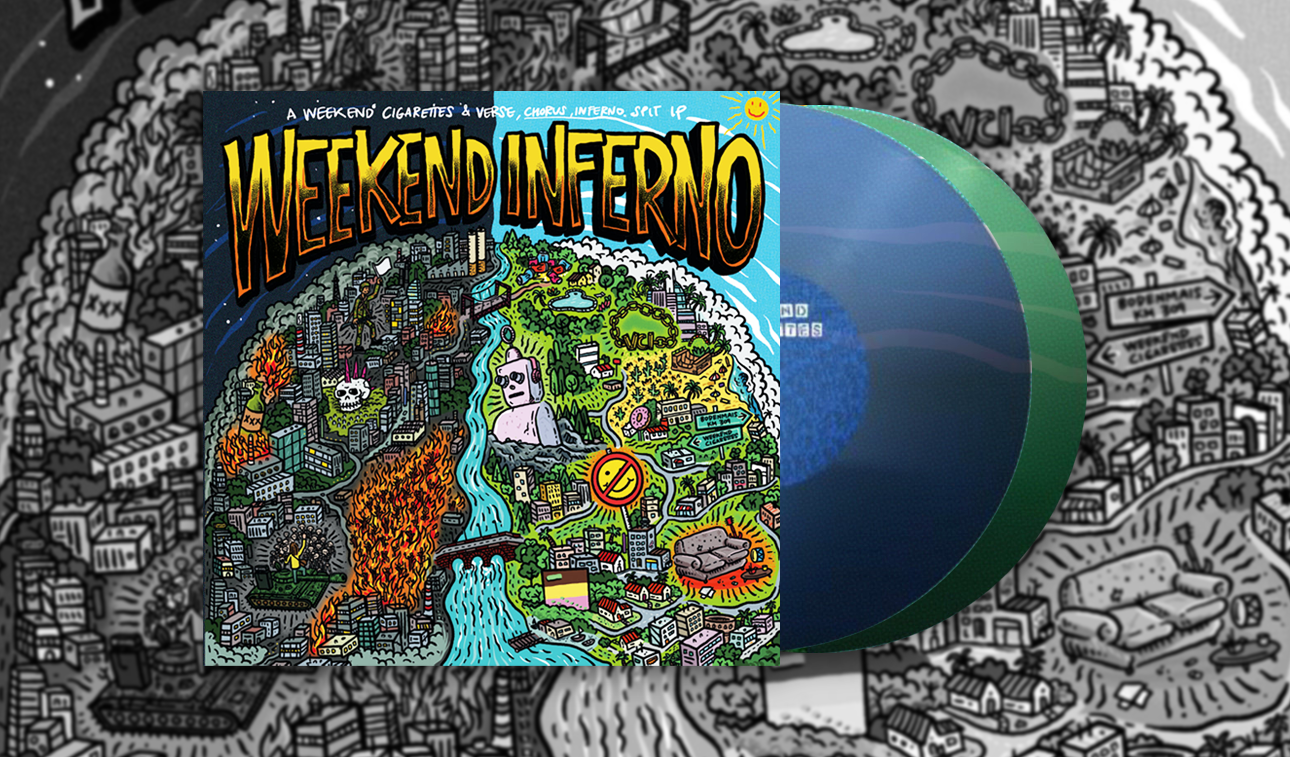
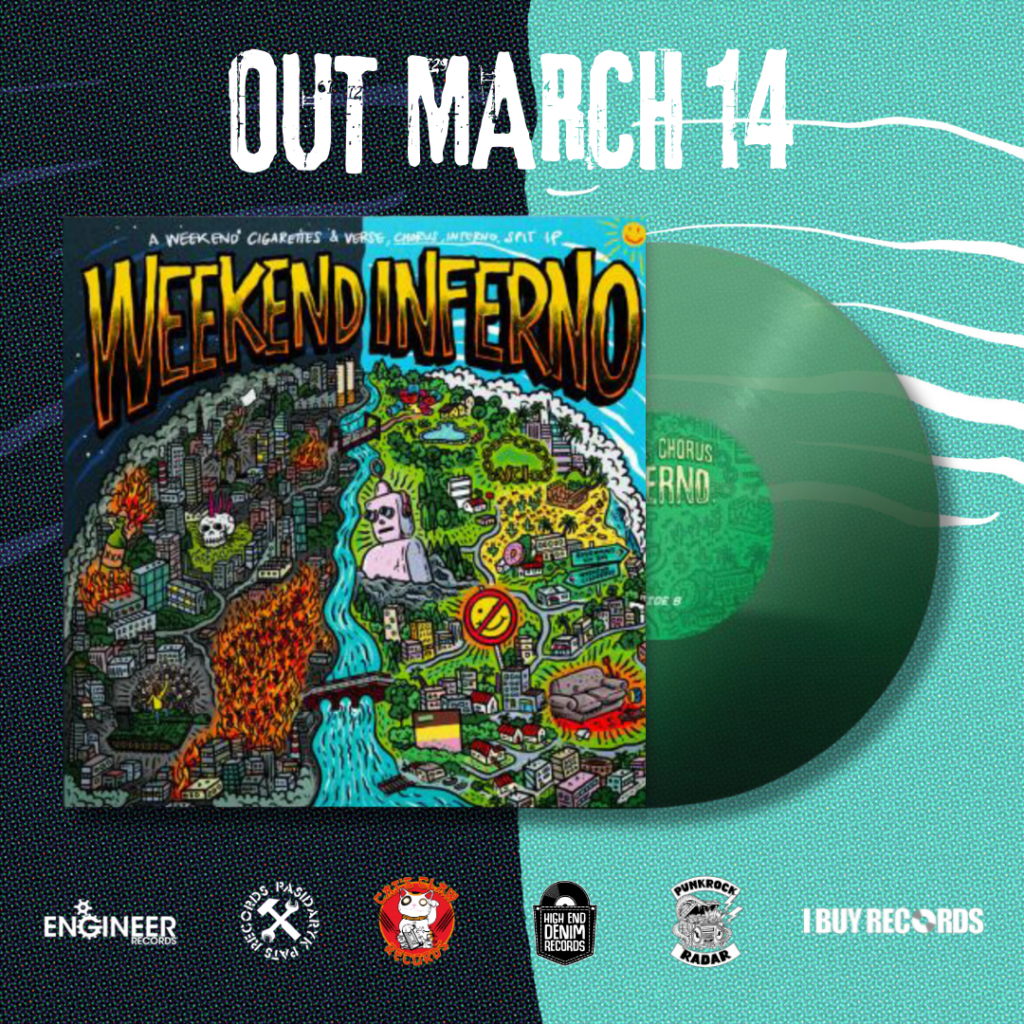
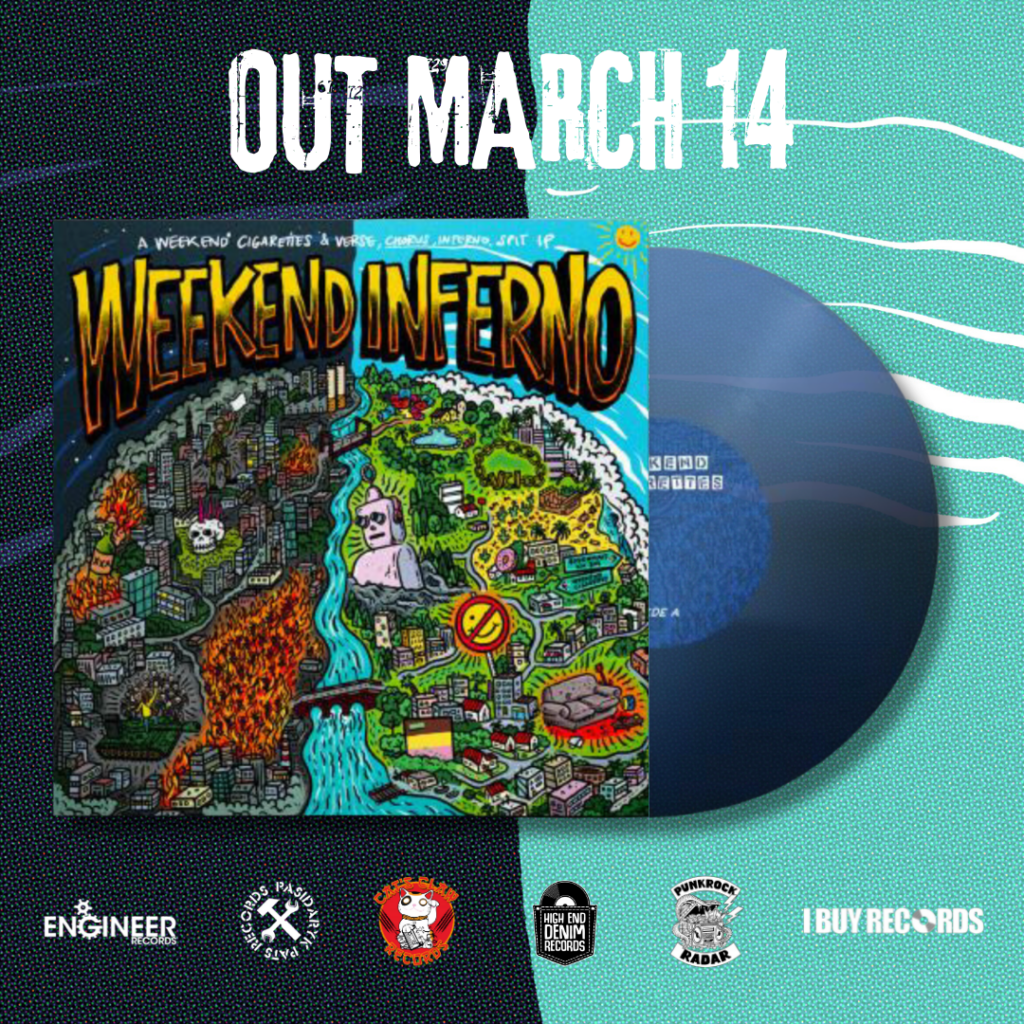
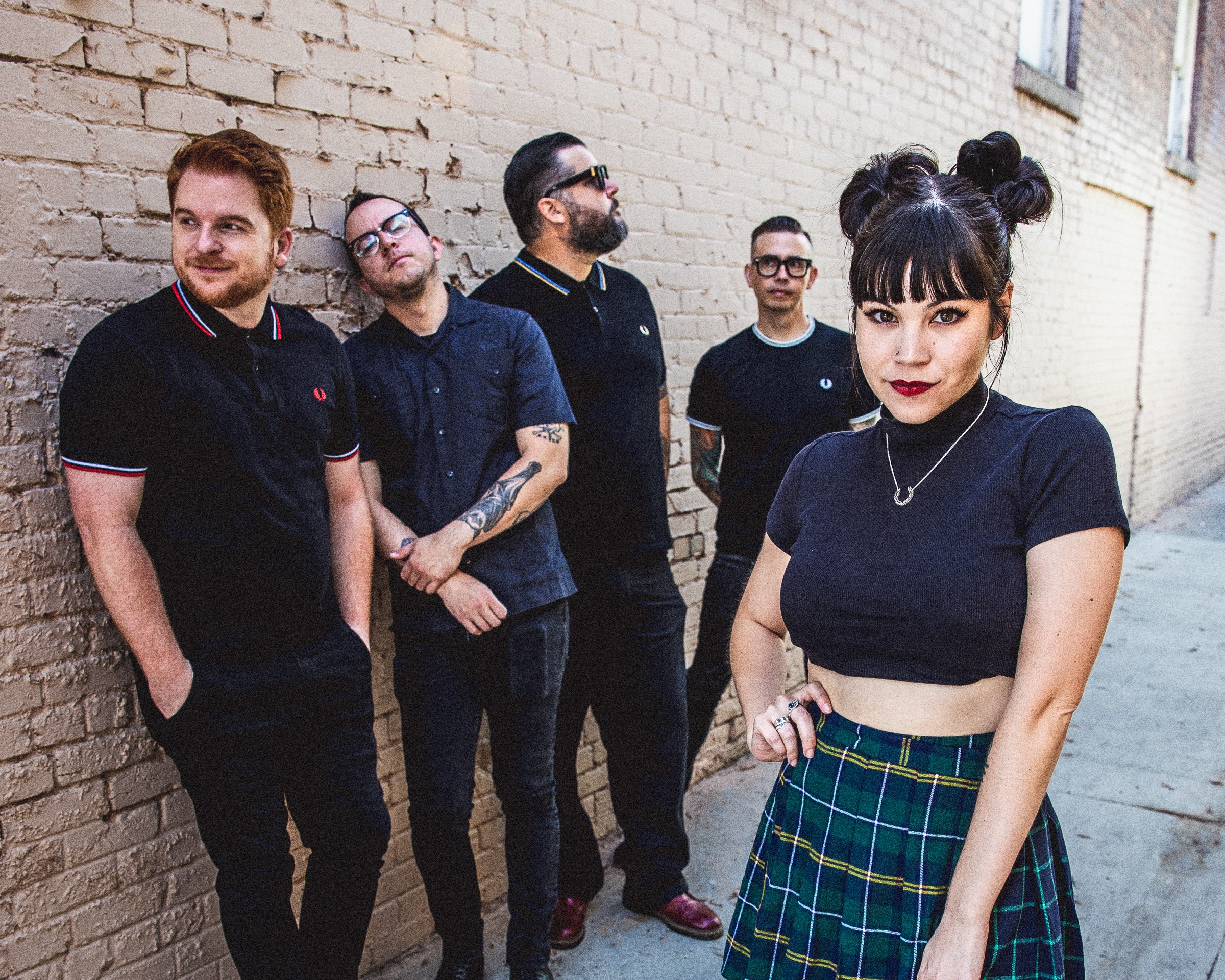

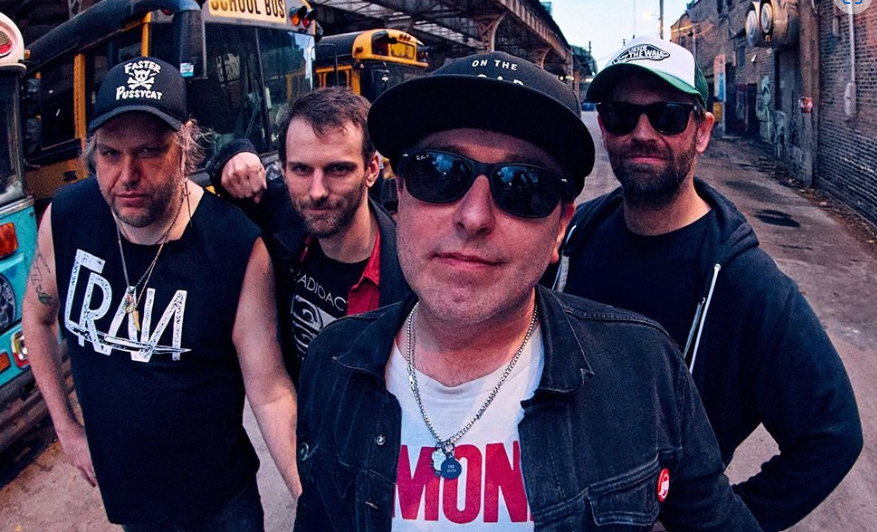
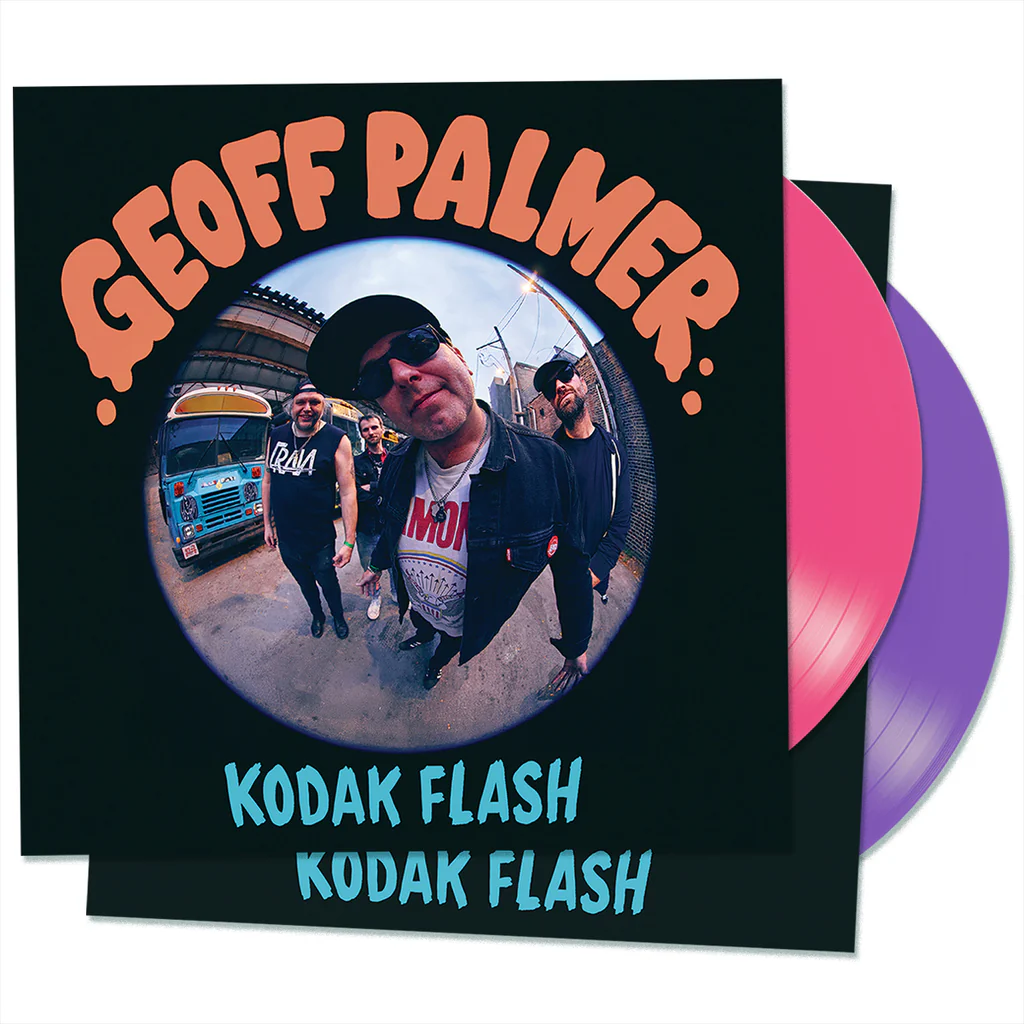

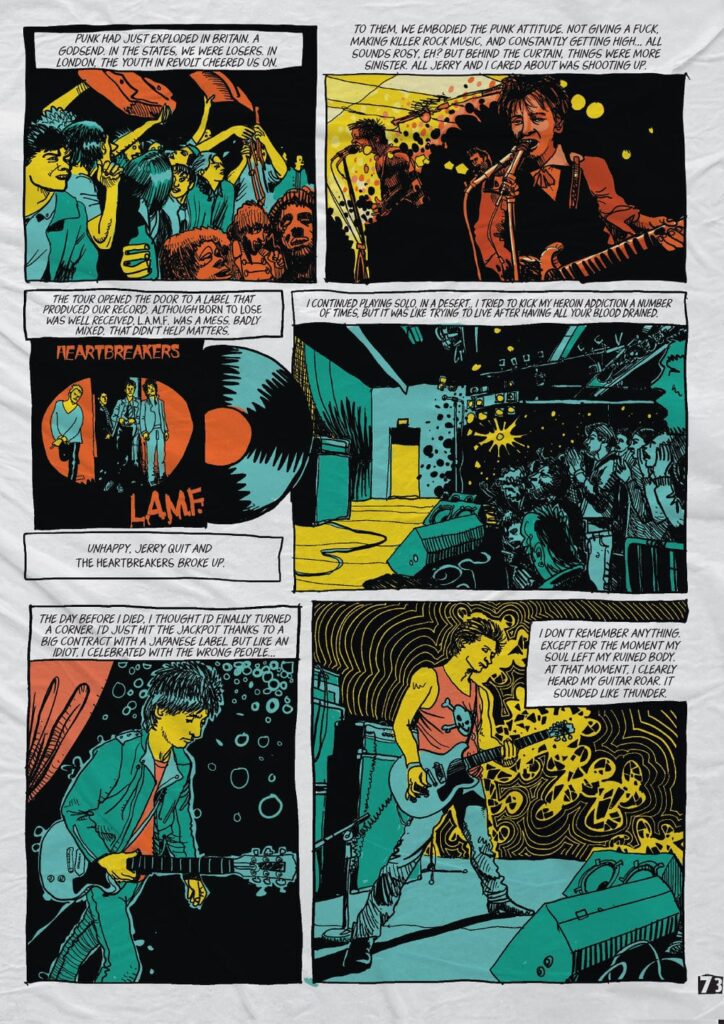
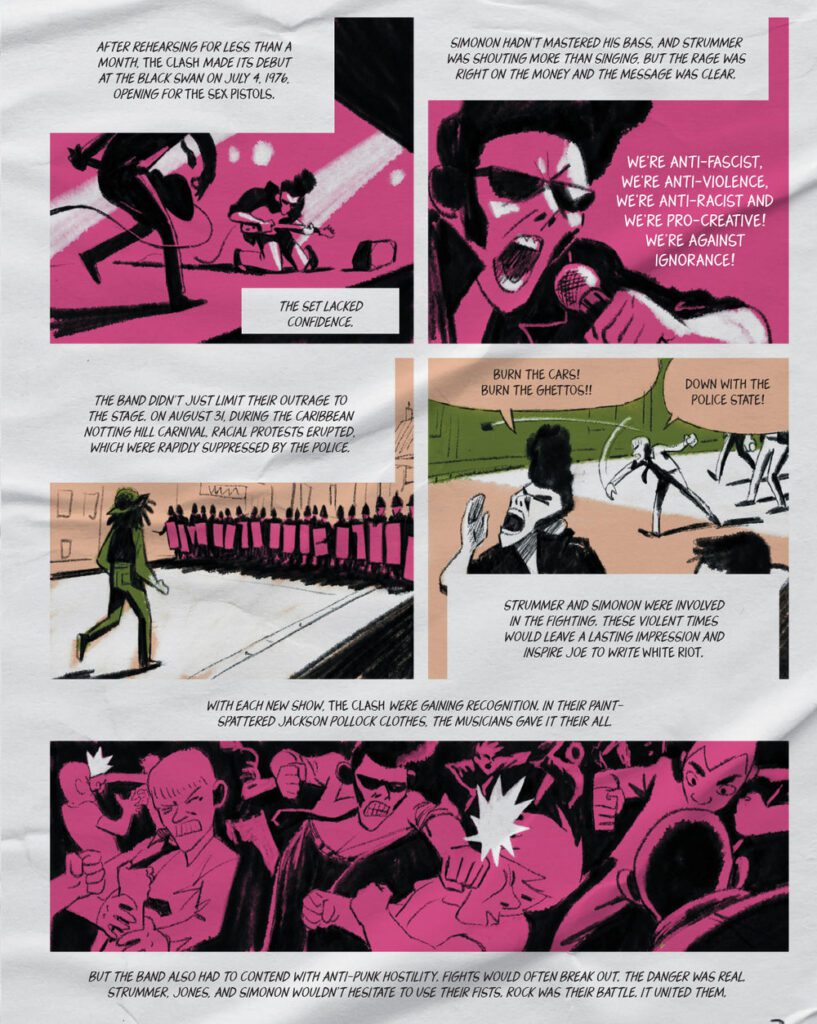
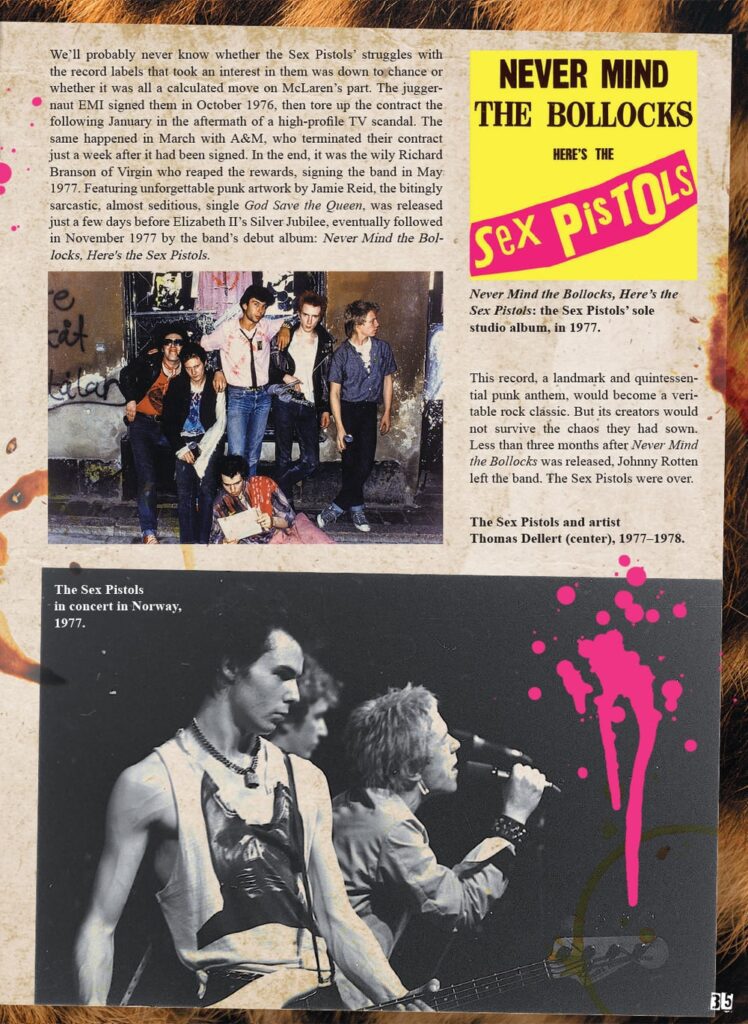
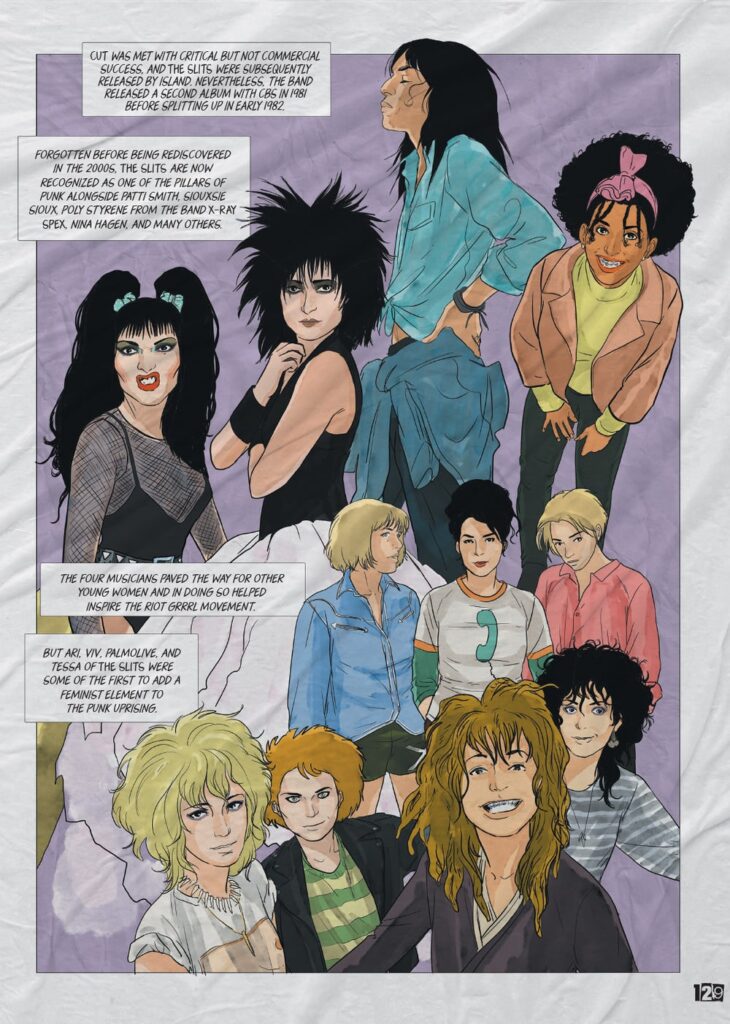
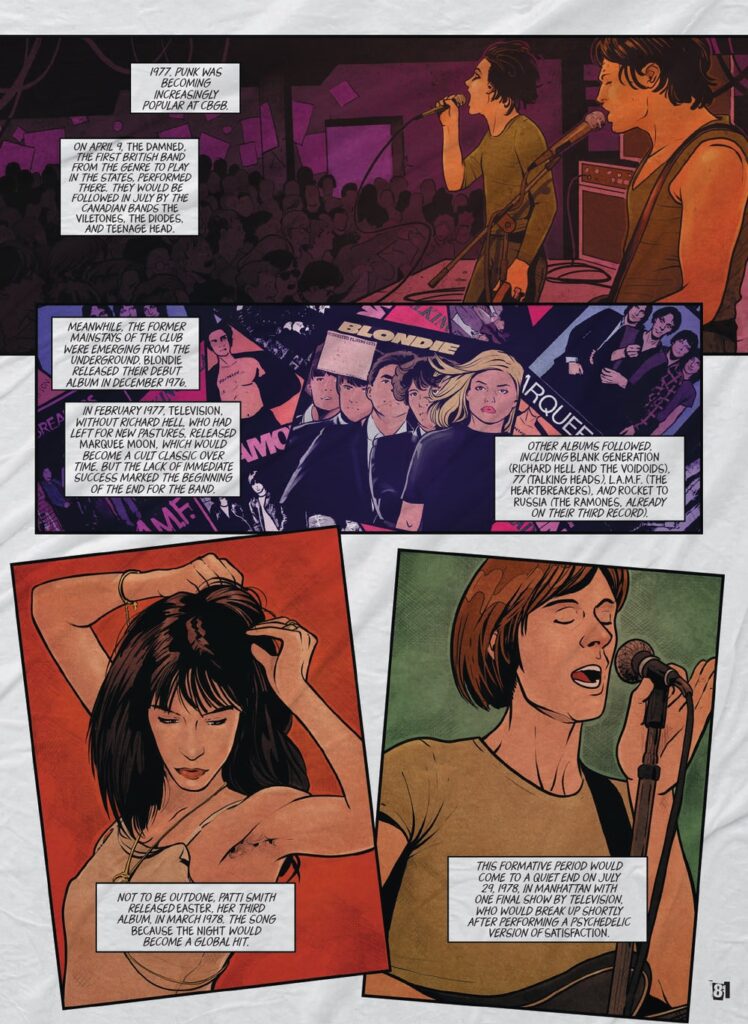
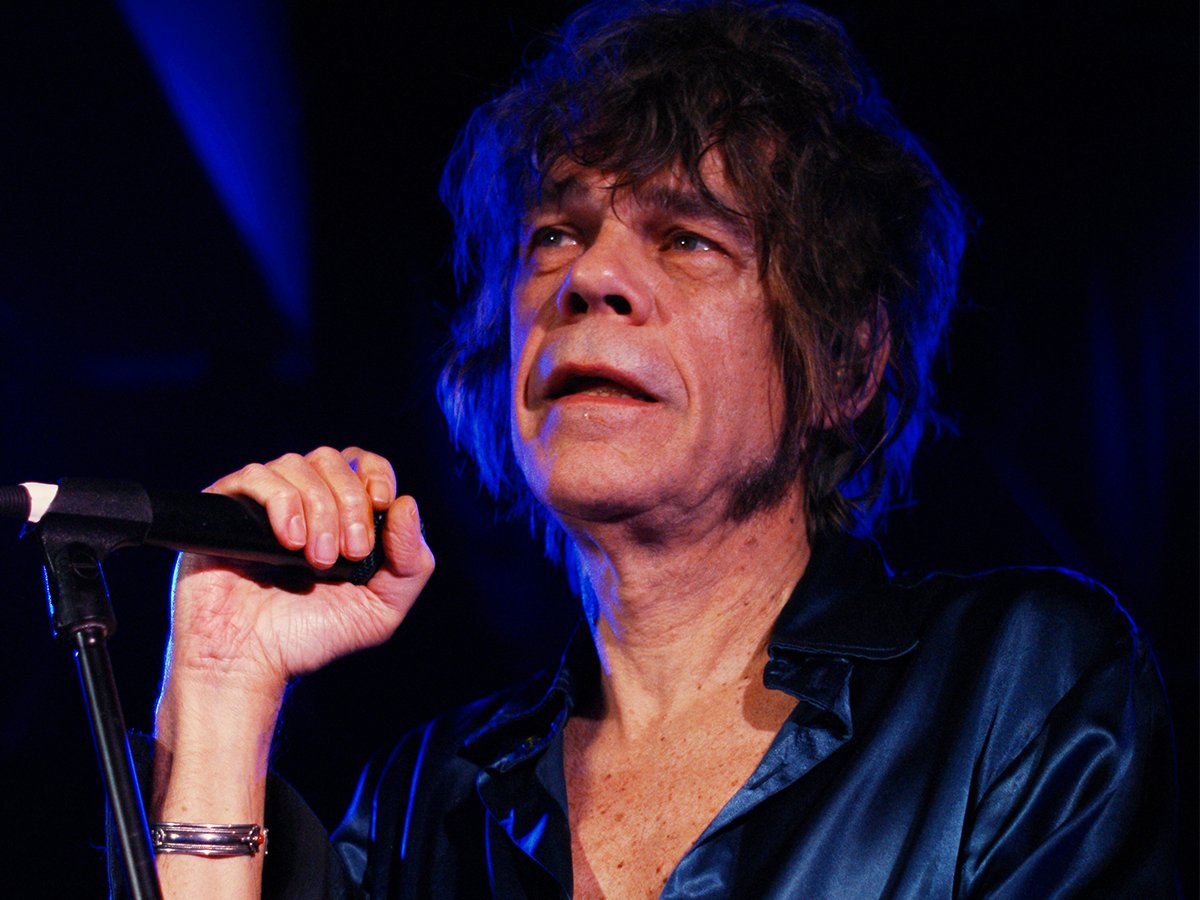
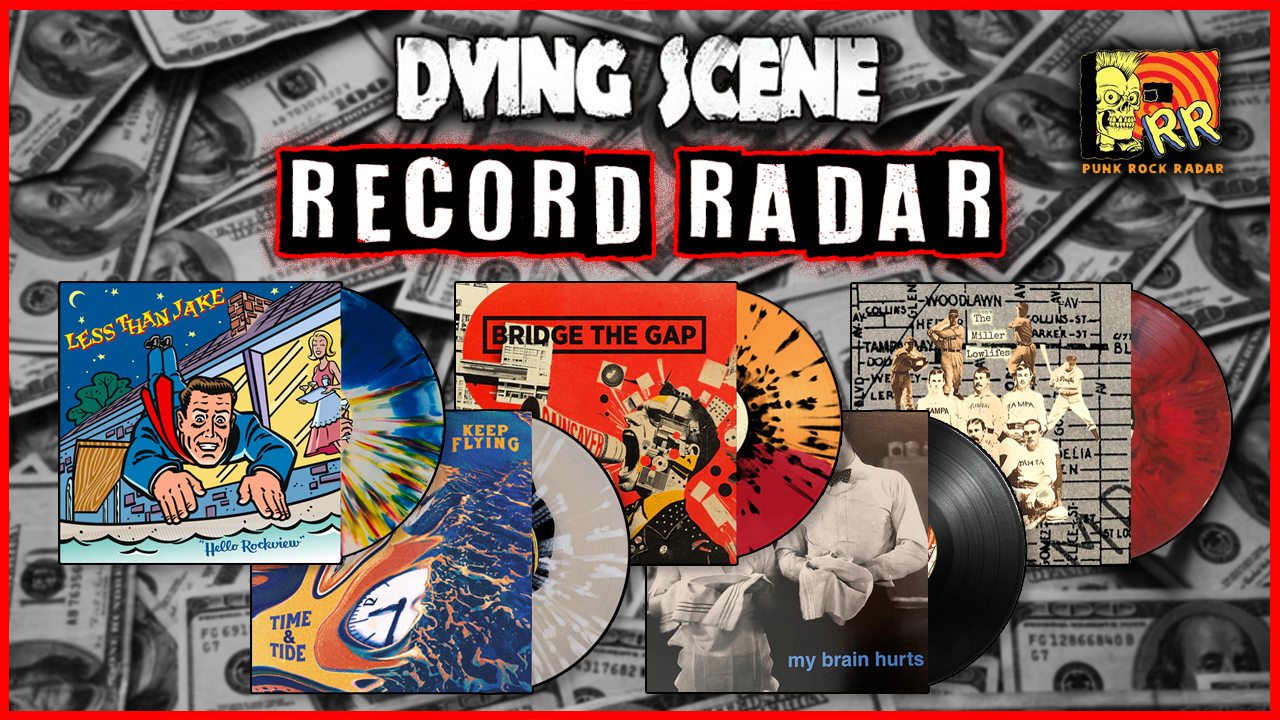
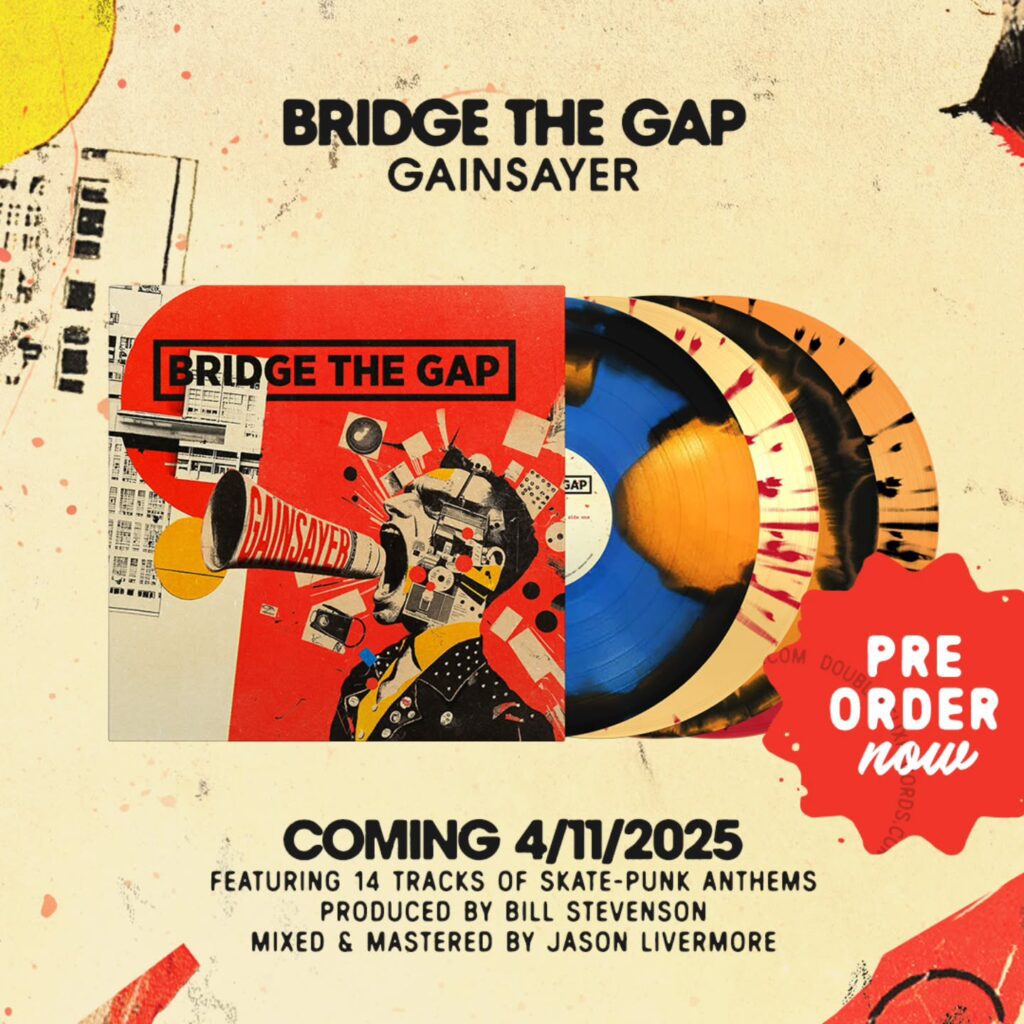
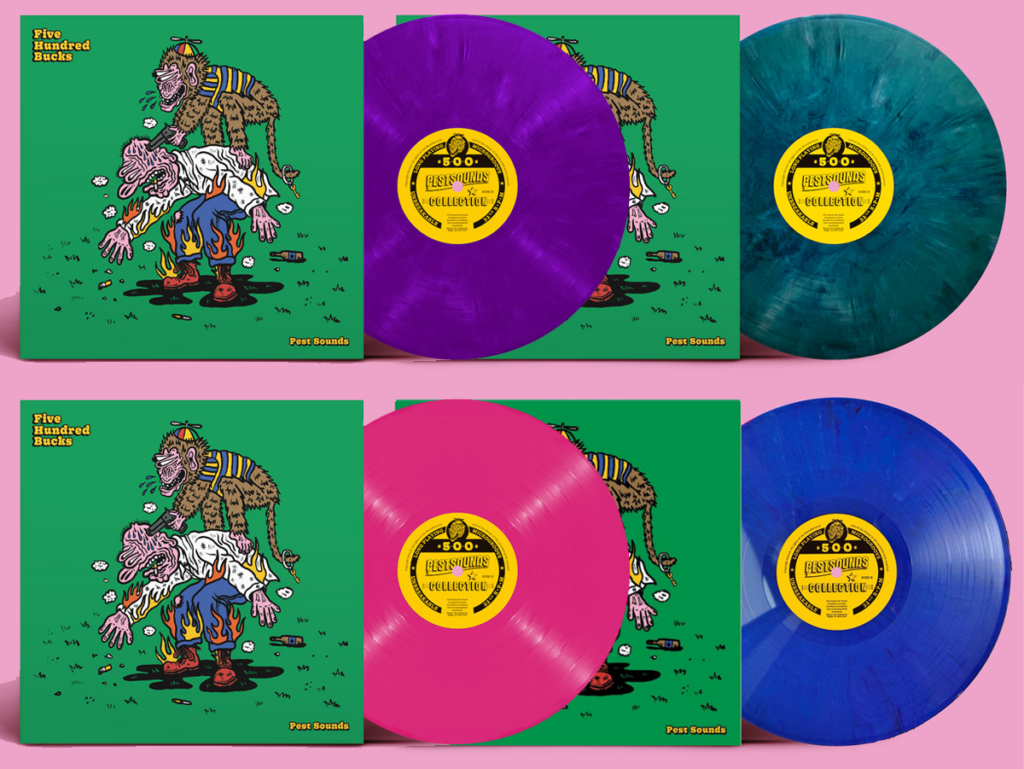

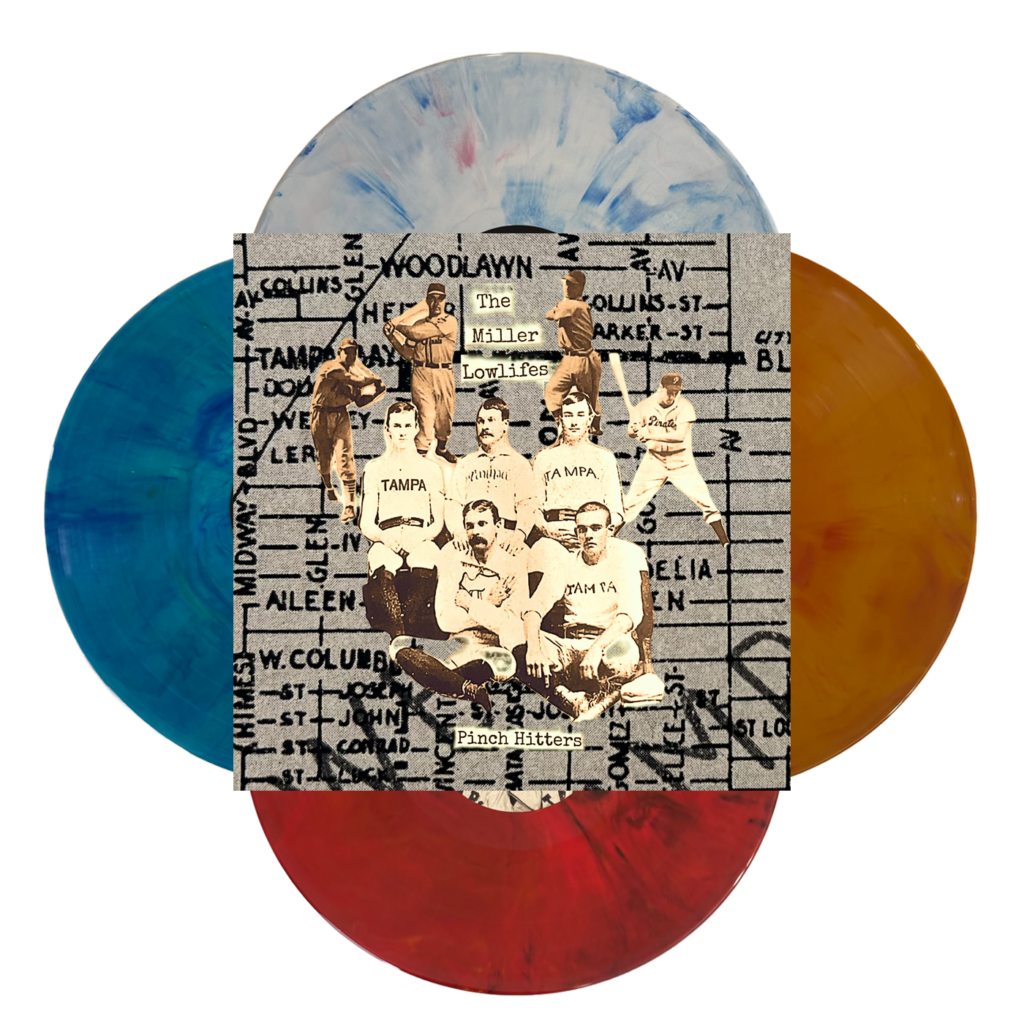
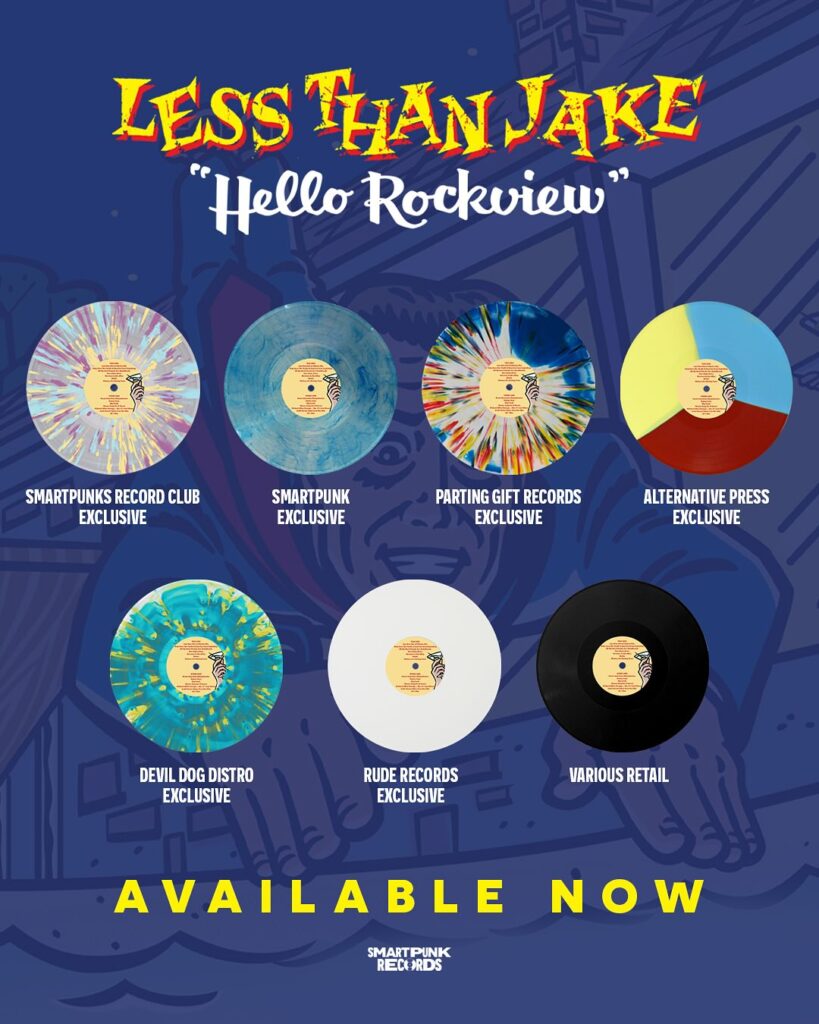
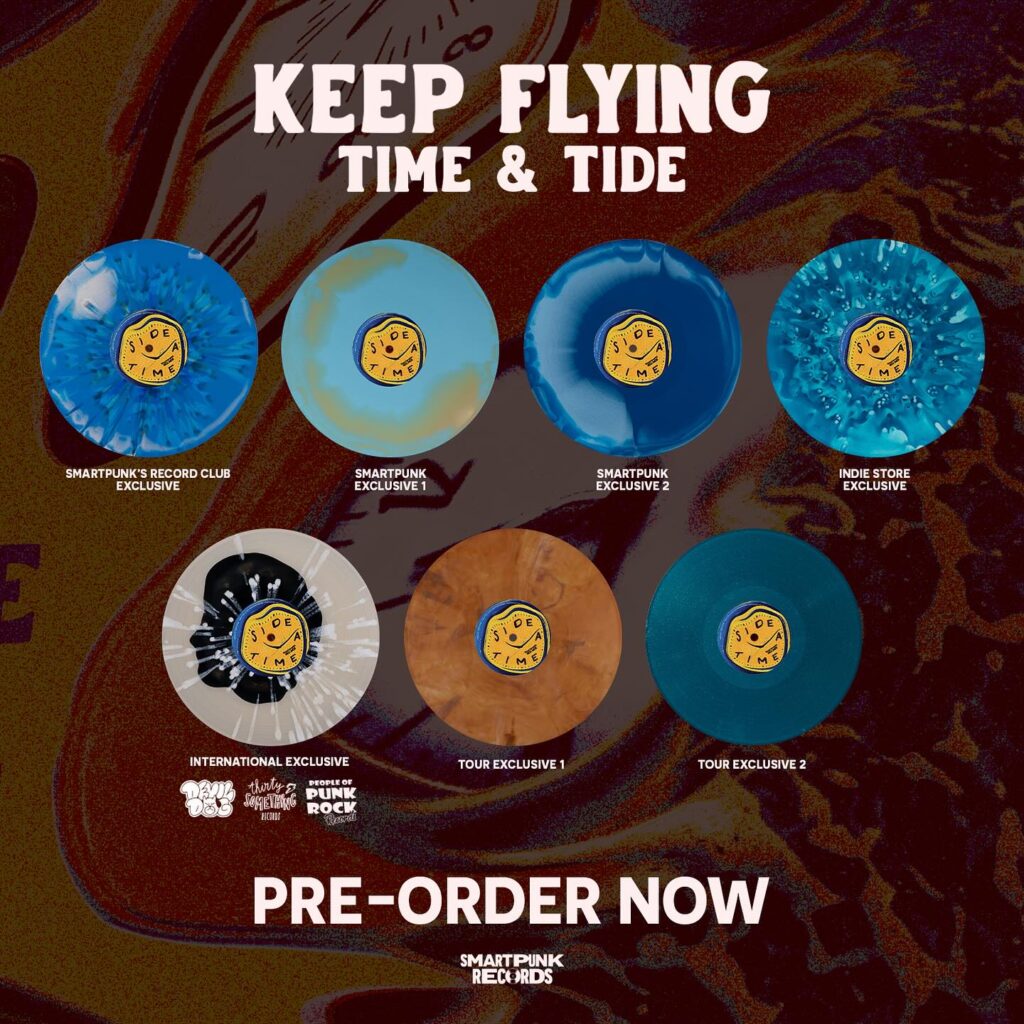
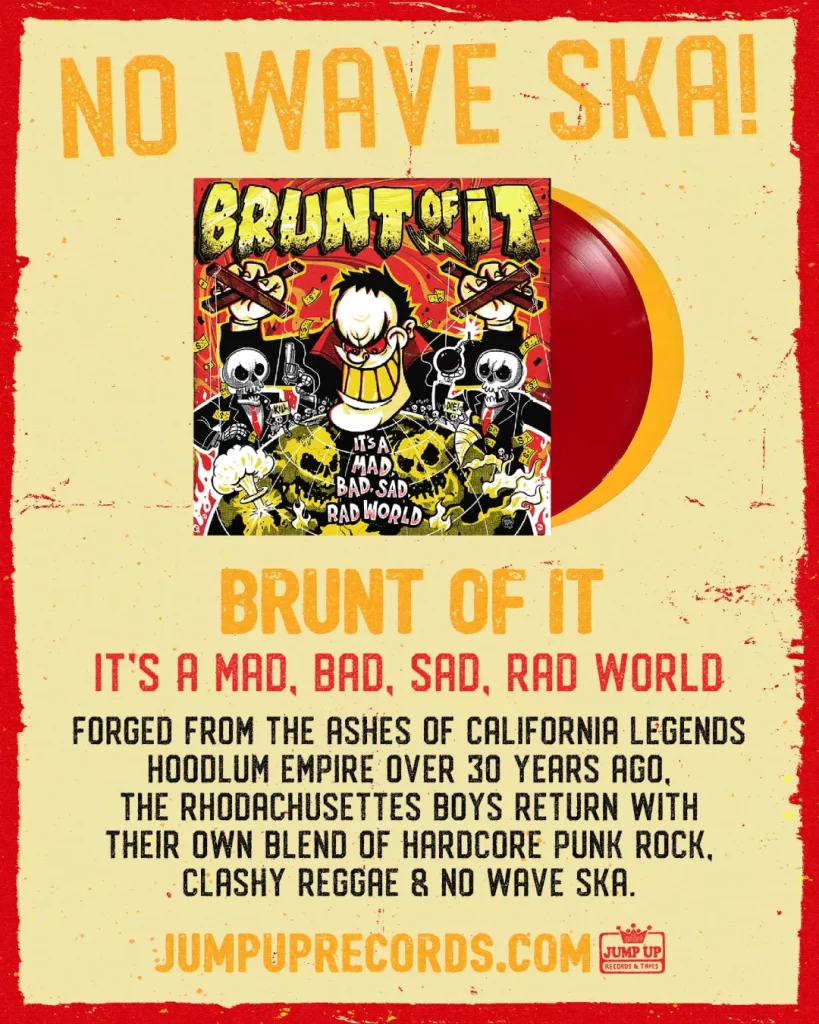
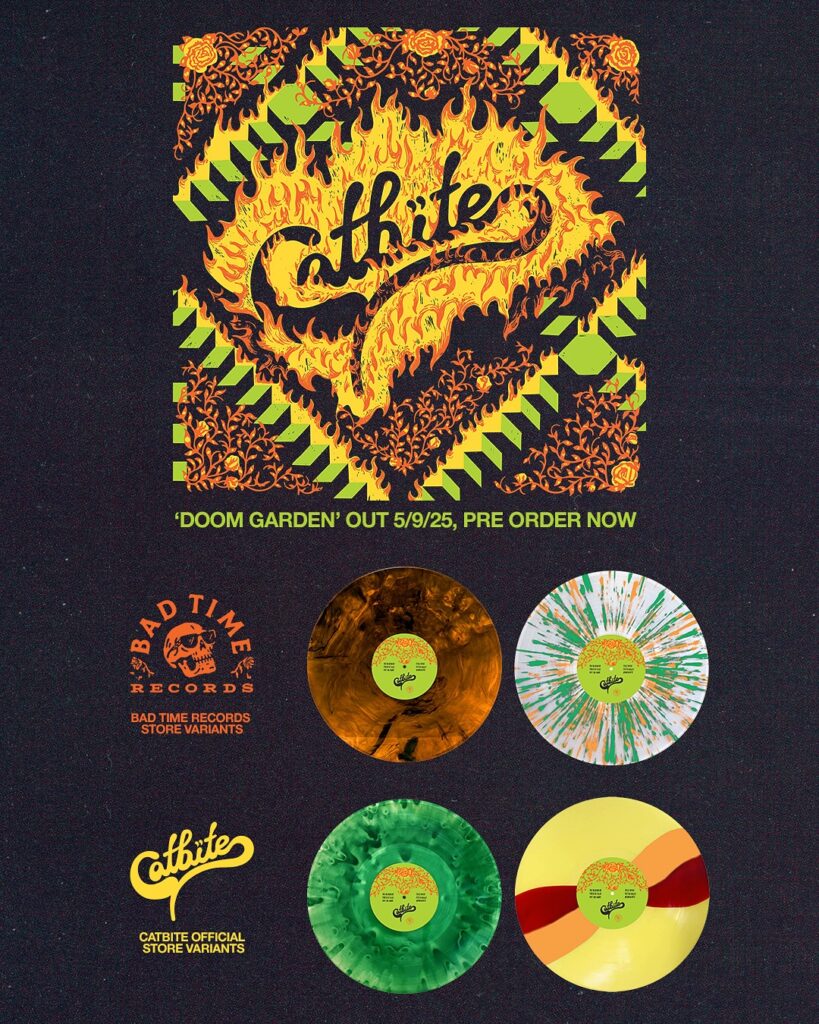
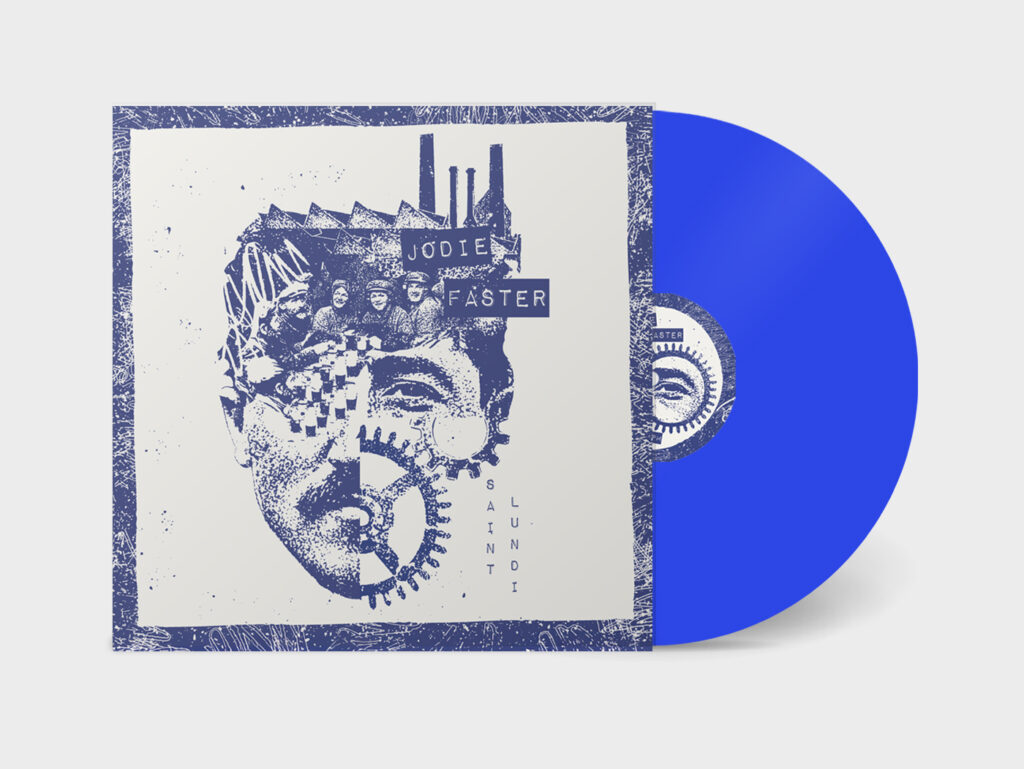

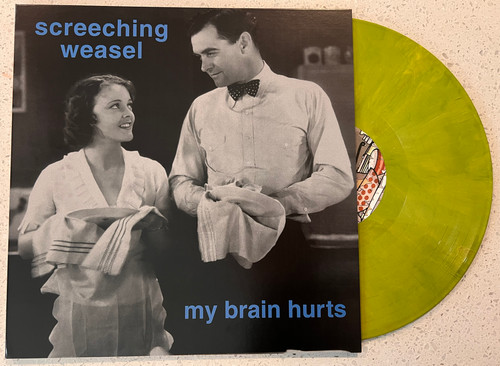
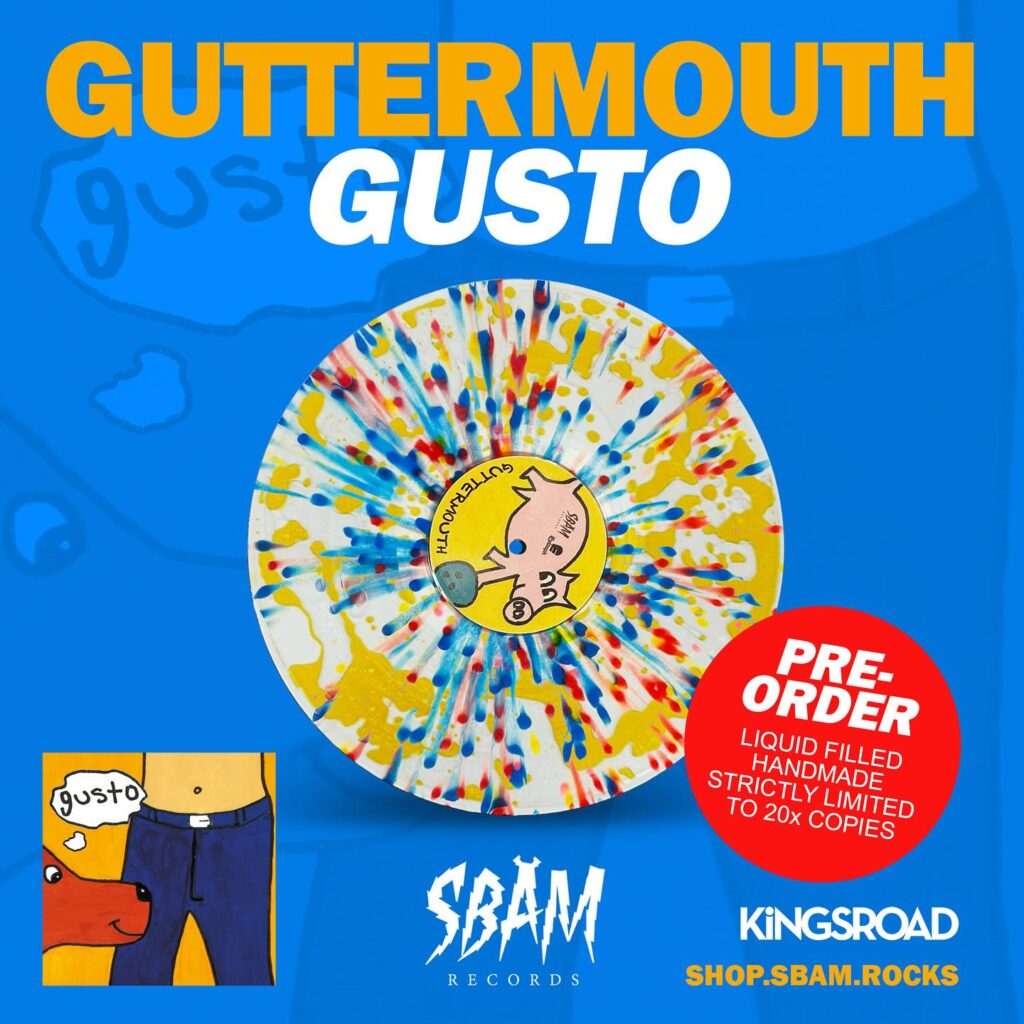


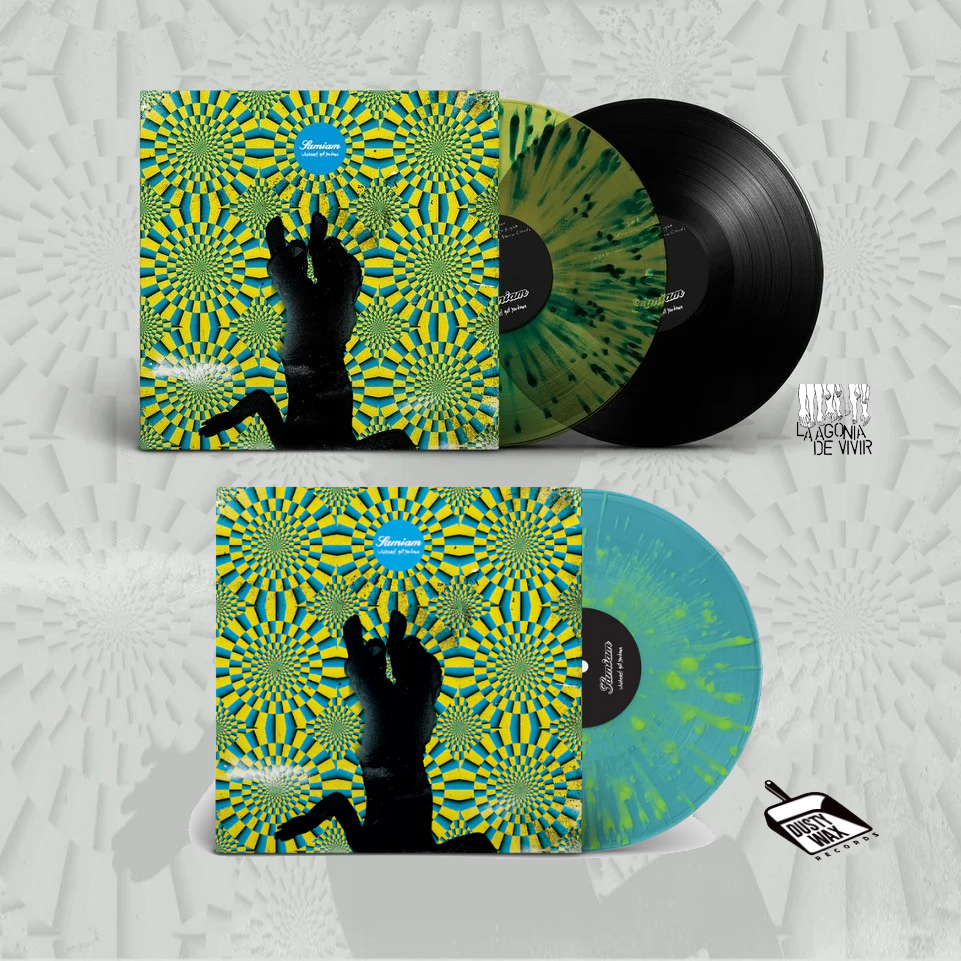


Ruairi
Hope Dies at Dawn is a really strong record. I saw None Shall Sleep at Gold Sounds in Brooklyn a few months ago, they are amazing, great songs, great energy. If you get a chance check them out live.