Some of the punk rock community is not standing by idly as the former President – the 34 times convicted felon returned to 1600. FOTUS (felon of the United States) brought his dangerous, incompetent, and hate-spreading MAGA yes men and women in to dismantle civil and human rights, with promises to further whitewash history and […]
Some of the punk rock community is not standing by idly as the former President – the 34 times convicted felon returned to 1600. FOTUS (felon of the United States) brought his dangerous, incompetent, and hate-spreading MAGA yes men and women in to dismantle civil and human rights, with promises to further whitewash history and hurt the poor and vulnerable. So far, he has allowed one un-elected billionaire to throw up Nazi salutes and take control of the federal agencies with a cadre of young racist minions. Project 2025 is being put into effect as we speak.
So in the spirit of Joe Strummer and the Clash, the Specials, and many other railing against British Prime Minster Margaret Thatcher, and their American counterparts Dead Kennedys, MDC, and others taking on US President Ronald Reagan, the antifascist mantle is once again being raised. In truth, it never was wholly put down. It’s just being raised higher, more loudly and more frequently. It promises to continue indefinitely, which is a spark of light in the seemingly overwhelming darkness.
Punkerton Records very purposely released “Rock Against Trump Vol 1” on Inauguration Day, January 20, 2025, which also happened to be MLK Jr. Day. The digital album has 65 tracks from a wide variety of bands, including but not limited to, Blind Adam and the Federal League, Coxey’s Army, Feral Housecats, 77 Lies, Modern, Angst, Recession Proof, and The Boy Detective.
The label posted on its Bandcamp page: Punkerton Records is committed to amplifying voices for civil liberties and human rights. We stand in solidarity with marginalized communities and actively oppose all forms of discrimination and oppression. The election may be over, but our resistance and dedication to justice persist.We proudly support organizations dedicated to defending civil rights and providing essential resources. All profits from Digital sales and future cd sales will be equally divided among these advocacy groups. Organizations we support:ACLU – American Civil Liberties Union,The Innocence Project,Planned Parenthood;PRSL – Punk Rock Saves Lives,Six Feet Over,The Trevor Project
Bouncing Souls
Garden State heroes Bouncing Souls have long been advocating for their community. This year, the band teamed up with Safe Scene NJ, a charity that focuses its work on harm reduction and community education. Per its site:
Through our experience, we have recognized a crucial requirement in our community for initiatives that prioritize harm reduction, establish safe environments, and provide access to vital safety, wellness, and addiction support services. Our dedication lies in advocating for well-being, and nurturing a harm-reducing environment not only in the music scene but also extending beyond it.”
Bouncing Souls and Safe Scene NJ collaborated on a t-shirt (the back of which is pictured above and was designed by School Drugs‘ Josh Jurk) o benefit the organization. In addition, $5.00 from each shirt sale is being donated to the American Civil Liberties Union of New Jersey. While this fundraiser is now closed, the important works of Safe Scene NJ and ACLU NJ continue. Per the latter’s mission statement on its website:
For over 60 years, the ACLU of New Jersey has defended liberty and justice guided by the vision of a fair and equitable New Jersey for all. Our mission is to preserve, advance, and extend the individual rights and liberties guaranteed to every New Jerseyan by the state and federal constitutions in courts, in the legislature, and in our communities.
In every facet of our work, we strive to be anti-racist and are actively committed to advancing racial justice in the institutions of New Jersey, for the people of New Jersey. We aim to center the voices and lived experiences of those who historically have not been fully protected by government systems or laws.
Musician Drew Prez is also raising funds for the ACLU. Part of the proceeds from a line of anti-fascist merchandise. There are hoodies and t-shirt stating “Punks Against Fascism” as well as others advising us all to “Kindly Fuck Fascism.”
As the Rock Against Trump Vol 1 album demonstrates there are quite a few bands speaking out against fascism.
There are two bands in particular which have spent the last several years voicing opposition to the encroaching fascism, and the estimated 50,000 Palestinian deaths in Gaza. The first is the aforementioned Blind Adam and The Federal League. It is one of the groups leading the charge in Chicago. Not only are the members speaking out on stage, but they did so in the Palestine solidarity encampments that arose last year on college campuses, including those in the Chicago area. The band has also been very outspoken about police brutality, and U.S. Immigration and Customs Enforcement (ICE) activities, and a wide variety of related issues.
No Trigger
NoTrigger, out of Worcester, MA, has also been in the forefront when it comes to the cause of a Free Palestine and anti-fascism. No Trigger has also called out veteran punk groups for not speaking out.
Mark Andersen, founder of Positive Force DC, has been fighting in the trenches for four decades. The group has a Kickstarter to support Positive Force DC 40th Anniversary Gathering Five Days of Music, Protest, Service, Community and Education, June 19-23, 2025. Be on the lookout for a more extensive feature/interview with Andersen as the event draws closer.
Those listed here are just a small sampling of punks doing good by fighting back against fascism, Trump, and the MAGA movement. As the horrors we see daily in and on the news continue, we can hope many others will be inspired to step up, stand up, and fight back. We at Dying Scene stand in solidarity. Please let us know of others!
Oh, and as far as Sex Pistols’ Johnny Rotten simping for MAGA, well, in the words of the Dead Kennedys: Nazi Punks Fuck Off.
Home Grown was formed in Orange County, California by guitarist John Tran and bassist Adam Lorbach in 1994 with Ian Cone (guitar) and Bob Herco (drums). Blending punk, ska, and surf music they released their first LP, That’s Business, showcasing these sounds. The band picked up more traction as time went on and soon they […]
Home Grown was formed in Orange County, California by guitarist John Tran and bassist Adam Lorbach in 1994 with Ian Cone (guitar) and Bob Herco (drums). Blending punk, ska, and surf music they released their first LP, That’s Business, showcasing these sounds. The band picked up more traction as time went on and soon they were picked up for radio play when they released, Act Your Age in 1998. The album wasn’t too much of a departure from their roots, but definitely an evolution in their sound. Act Your Age showed they could play poppier songs just as well and still stay true to the space they made for themselves.
As life happens, so do line-up changes. Home Grown recorded a couple EPs, but lost band members in the process leaving John and Adam to carry the torch. Recruiting Longfellow drummer, Darren Reynolds, and signing to Drive-Thru Records, Home Grown recorded, Kings of Pop, twelve tracks of nearly perfect pop punk. The band added guitarist Dan Hammond and continued to play shows. This new lineup recorded one more EP, 2004’s When It All Comes Down. In 2005, Adam left the band, leaving John as the only original member. After playing some shows with a replacement bass player, Home Grown called it a day later that year.
Fast forward to now, Home Grown is back. After playing a couple shows in Southern California, the band has a hometown gig in Orange County and will be playing the Slam Dunk Festival in Europe in May. We caught up with Home Grown to talk about these upcoming shows, thirty years of That’s Business, and more. (Edited for clarity)
Dying Scene (Forrest Gaddis): Thank you guys for this interview. I’m happy you guys are back together.
Adam Lorbach: Thank you.
John Tran: Yeah, I was happy to be back, too.
Dying Scene: How did reuniting come about? Were there any attempts before now?
John Tran: I don’t know what happened. I think it was like 2023, probably in the fall. Adam was poking around the idea and we were talking about it. It never came into fruition. Kind of like, we’ll talk next year because at the end of the year. You got a lot of stuff going on. We started getting offers from Something Corporate and asked us if we wanted to do a support tour with them. Then we just threw out a group text and asked if there was interest. We wanted to have a meeting first before we make anything official. We all met up and it was great. We literally didn’t talk about music or the band for like a good hour, hour and a half. Then we all started talking about what we all want for the band. We basically all met in the middle and here we are, reunited.
Dying Scene: In October, it’s going to be the thirtieth anniversary of That’s Business. Are you guys going to do anything to celebrate it?
John Tran: It’s in the works. We just signed with the new management company and we all met up a few weeks ago to figure out where to go and see if we even have the rights to our old albums. Once we get that path clear, then we’ll have more of an idea what we can do with all the releases. It’s been thirty years. Holy crap.
Dying Scene:I went back and listened to it. It’s longer than I remembered.Not in a bad way.
John Tran: That album is older than most of the people I work with. They’re all in their mid-twenties.
Dying Scene: I’m with you. I’m always talking about music and my coworkers always ask who I’m talking about?
John Tran: Don’t worry about it. Never mind. Taylor Swift.
Adam Lorbach: That record was back in the reel-to-reel days. To all the young ones that are still under thirty, this was before Pro Tools and recording in their friend’s bedroom or studio. The concept of having to just get it all in pretty much one take or cutting tape.
Dying Scene:Where was it recorded?
John Tran: We recorded at this place called Westbeach Studios. It was up in Hollywood and it was owned by Brett Gurewitz from Bad Religion. It was a very famous studio. Pretty much every Fat Wreck Chords band recorded there. We wanted to go there and it was actually awesome. Who’s the guy we worked with?
Adam Lorbach: Steve Kravac, Yeah, that was a great experience. We didn’t know what we’re doing. It’s our first time in a studio, really. We’re just being a bunch of goofballs and we had no idea.
John Tran: Yeah, I mean, no idea. We’re like nineteen years old, just driving up to Hollywood. There was a Chinese takeout place like a block away.
Adam Lorbach: Yeah, I think one of the guys from Ten Foot Pole was hanging out a little bit. It was kind of like a punk stomping ground.
Dying Scene: Were those songs you guys wrote in high school?
John Tran: No, the band was formed like right after high school, but we still sing about things in high school. I mean, thirty years later, we’re still singing songs about high school stuff. I think that album was basically about growing up in suburban Orange County. If you weren’t on the football team or cheerleading squad, you weren’t cool. If you were a skater kid, you’re a total outcast. Adam and I met each other through skateboarding through a mutual friend. And then I went to his house and hopped on the drums. First time playing drums ever. Adam was playing some Beastie Boys song. I started playing. He asks if I know how to play. I’m like, nope, I have no idea. I knew how to play guitar, a lot of air drumming. And then what happened was Home Grown was just a cover band. Our bass player at the time went to school. So I asked Adam to play for us and he hopped on. Next thing, we have three albums and four EPs.
Dying Scene: The album is really critical of people trying to infiltrate the scene a lot. You can hear that angst.
Adam Lorbach: Yeah, the skaters and the punks made our own space with the music. Everyone’s kind of figuring out how to write songs and put a couple of chords together. Playing shows and bad parties and then the scene started growing. The outcasts have something that is cool for ourselves. Then all of a sudden, I guess it sounds so silly to talk about now, but like the cool kids and the jocks started trying to claim the spaces that were created by the punks and skaters. They didn’t come with the same sort of reverence for what it was and how it was built. It kind of just made you mad. Like, get out of our space. This is our space.
John Tran: I remember growing up in high school, I got bullied a lot. I got into a lot of fights. The people that I got bullied by started coming to our shows. I’m like, what are you doing at our show? But thank you. It was weird, man. Adam and I, we were listening to the same kind of music. NOFX, Bad Religion, OP Ivy, Screeching Weasel. We just started writing songs, being influenced by them. All of a sudden we had an album. Then we got signed to a major label, and became seasoned studio veterans after one record.
Adam Lorbach: John, you remember back in the punk days. There’s this kind of skinhead culture and we played some shows in a warehouse. I think it was Guttermouth or something like that. There were always skinheads who would come to the show and I remember, it was a thing to think about. One of the main singers is Asian. We’re getting up on a stage full of all these racists. Who did we play with?
John Tran: It wasn’t Guttermouth. It was Circle Jerks.
Adam Lorbach: Circle Jerks? We played with Circle Jerks?
John Tran: It was a venue in Anaheim for one hot second. It was open for two months, and they had a lot of big punk shows and ska shows. We got on that show and there were a lot of skinheads there. It was kind of weird. Like someone told me to get off the stage and said some derogatory racist stuff.
Dying Scene: When Act Your Age came out, did you guys bump heads having to re-record “Surfer Girl”? Was it a studio request thing?
John Tran: It was a last-minute request from our A&R people because we already had the album. We did all the pre-production for all our new songs. At the end, they asked, “Hey, why don’t you guys record ‘Surfer Girl’ and ‘Hearing Song,’ just to have it.” I thought it was fine. I mean, at the same time, I was like, “oh, I don’t want to. We’re selling out, blah, blah, blah, blah.” They want to put that song on the album just for the radio. Looking back now, I understand, record labels sign you for a reason. We were on an indie label and then the progression to go to a major. Of course, they want to push your singles and still to this day, like thirty something years later, that’s almost everyone’s favorite song.
Adam Lorbach: I’m hoping that song gets us back to Hawaii, John.
John Tran: Oh, I’m trying. We’re working on it, man.
Dying Scene: One of the things my buddy and I were bummed out about was when you guys stopped playing ska. Was that because you guys were writing more popular music and just no one was listening to ska anymore.
John Tran: I don’t think it was like, “Oh, it’s not popular. We’re not going to write it.” I think our approach is we write what we want to write, whatever we’re listening to at that moment. Like Act Your Age, I can’t remember what I was listening to then, but I was really heavily influenced by Weezer and Jimmy Eat World at some point. You can hear some of that on Kings of Pop. I don’t know. We just kind of started going more rock, I guess. It wasn’t anything planned.
Adam Lorbach: We just were really influenced by it. Just became more rock and some of the chord structures we were kind of getting into and experimenting with. It’s just kind of the direction we went.
John Tran: Our drummer at the time, Bob, had the most eclectic taste in music. We had to listen to his music a lot. We listened to the Deftones. What was that one band from Sweden? That really crazy math, like metal band.
Adam Lorbach: Meshuggah?
John Tran: Yeah, Meshuggah. We listened to a lot of that.
Adam Lorbach: We were starting to get a lot more musical influences around us, I think, too. Some of the Fat Wreck Chords to some of the overseas stuff. I remember for me, like Bracket. They’re introducing some new chords, kind of out of the box, but some other kind of odd little augmented or diminished things like that. I wouldn’t even have known what to call them back then. It was just, oh, that sounds cool, Like the Impossibles. Remember the Impossibles?
Dying Scene:The Impossibles are so good. I love the Impossibles.
John Tran: I’m really influenced by them, too. Like all those crazy progressions and the ugly notes.
Dying Scene: That’s a band that’s criminally underrated and needs to come back.
Adam Lorbach: That band, in my opinion, I would love to hear them redo their old records and get an amazing recording. Don’t have to change a thing about it. Just redo it.
John Tran: Rory Phillips, if you’re reading, do it. I think it’d still be really well received. They did a reunion show. They came out here and they also played in Austin. That’s where they’re from, but I didn’t get a chance to see them. I think that was like 10 years ago.
Dying Scene:Mind you, as soon as we heard Kings of Pop, we were like, it’s okay they’re not playing ska anymore. We loved it. It’s an underrated pop punk masterpiece.
Adam Lorbach: Yeah, well, I mean, it’s really good. So, everyone loves it. The reason you love it so much is because it’s just so great. It’s so damn good.
(everyone laughs)
John Tran: I mean, I’ve been listening to it a lot just to remember the lyrics and all the chord changes that we do for all the shows. Honestly, looking back, that is one album that I am completely, one hundred percent proud of everything we did. Right after Act Your Age was released in 1998, our drummer, Bob, had a brain tumor. That was rough to deal with. Then we went through multiple drummers. Then the label went under and it really killed our motivation. Then trying to search for labels. Once Drive Thru came around, we hadn’t put an album out in like four years. This had to be the best album we ever put out. The pressure was there for sure, but at the same time, I think we really, really dug really deep. Best producer, best studios within the budget.
Adam Lorbach: Yeah. Steve Evetts was the one who engineered and produced that, and he did a phenomenal job on it. It sounds good.
Adam Lorbach: It’s a very raw record. Things are pretty untouched on it. It’s not auto-tuned or anything. We just played it really well and slapped it together. Everyone was ready to record and get it done. It was a good experience.
Dying Scene: Every album sounds different, but it’s all Home Grown. It’s not like there’s eras of the band, but each album has its own sound. Even the EPs in between, they each were like extensions of whatever album came before it. It all just works so damn good.
John Tran: Thank you. It’s just a big, long, giant progression. You know, songwriting wise, we’ve stuck to what we want to be. There was a period where we were unsigned and we had some A&R people like, “Hey, Papa Roach is selling like 30,000 records.” We’re like, no, we’re going to write what we want to write. If you don’t want to sign us, they don’t sign us.
Dying Scene: So after you guys split, did either of you play music in between that time?
John Tran: I know Adam did. I did also. I had a little project. I wanted to go back to Japan. I got a little deal, went to Japan, did a little tour over there, came home and didn’t play guitar for like 10 years.
Adam Lorbach: Oh, wow. You’re talking about Red Panda, right?
John Tran: Yeah, Red Panda.
Adam Lorbach: I got like a little project called Radical Radical. Then with a mutual friend from the past, just doing some synth wave stuff with a band called Signs of Summer, which is totally different. It’s fun. Whatever you can put in within the rhythms of family life. Home Grown’s got a lot of gravity. John’s in a really great cover band called Little Strokes, basically a Strokes cover band. They crush it.
John Tran: That’s with Dan (Hammond). I didn’t play music after Red Panda. We did a tour in 2008, came back, and I was like, “all right, I think I accomplished music, I’m good.” I didn’t touch my guitar, literally, for like 10 years.
Adam Lorbach: I didn’t know that.
John Tran: I was like, yeah, it can’t get any better than it was. I started focusing on my career. Then Dan, our guitar player asked, “Hey, you want to do a cover band?” I was like, sure I’ll play. Then, a few years later the whole Home Grown idea came about.
Dying Scene: When you guys play the older songs, are there any songs you stay away from playing or have you altered as your views have changed?
Adam Lorbach: Well, I know at least for me, I’m not swearing on stage. We’re all kind of older and a little bit more toned down. We have families and stuff too.
John Tran: Songs we don’t play, like we don’t want to play. There are songs we don’t want to play because we just don’t want to play them. Why would we play those songs off of That’s Business that are just awful? There’s definitely some skips. I told Adam the other day at our practice. I was listening to one of the songs, “Worthless.” That song is so bad. How did that make it on the album? We were 19. We didn’t care. We literally did not care. We’ll put it on the album. It was our first album. With the second, we only need to do like 12 songs. Next album, only 12 songs. That’s it. People listening, their attention span. They don’t want to listen to like an hour-and-a-half album.
Adam Lorbach: Yeah. Now they don’t even want to listen to albums. They want to listen to singles and maybe EPs. The world’s changing.
Dying Scene: You guys have some shows coming up. You got the one out here in Orange County with Limbeck, which I didn’t even know Limbeck was still playing.
John Tran: Yeah. They’re still playing. They don’t tour anymore because I think they all have families, their drummer and their bass player live in different States. They just played like six months ago with The Anniversary. Rob (Maclean) and I are still really good friends. Adam had mentioned in our group text it’d be cool if Limbeck played with us and made that happen. We’re playing that. We have a show this Saturday (February 8th) with Unwritten Law down in San Diego? We have two festivals (Slam Dunk in London on May 24th and May 25th) that we’re doing with a lot of friends that are in bands. Like Starting Line, Finch, The Used are playing. I don’t even know half the bands, man, but yeah, it’s, it’s gonna be fun.
Dying Scene : I didn’t realize that the Drive-Thru Records bands were big in England.
Adam Lorbach: Yeah. Drive-Thru was a phenomenon, honestly. We were just talking about when we went over to England. You had to grind in the States here. You have to keep on people’s radars, put out new music, make sure that you’re staying on top of things. You can’t just keep going around and around. You build it up. We go over to the UK and it was almost instantaneous. It was crazy. I mean, shout out to Something Corporate for taking us out there and kind of getting us our first tour legs in the UK. After that, it was game over. You just go and everything’s raging.
John Tran: We went out there three times. I think we did a Something Corporate tour, a Drive-Thru tour, and then we also went out there with, maybe early November. The first show we played, we probably did a one and a half month tour in the US, and then went straight to England to do the Something Corporate tour. The first show was in Glasgow and because of the time change. We were just on the bus waking up probably like 4 PM. We opened the door and there’s a line of people already waiting for the show with posters. How do you guys know who we are? It was crazy.
Dying Scene: You guys are working on new stuff too?
John Tran: Yes. I promised Adam that I would come over to do demos.
Adam Lorbach: (laughs) We’re going back to ska. It’s all ska.
Ska is good (: glad you guys are back together. I talked with Adam on Instagram a few years ago and he teased to me that the band might be reuniting and so glad it happened. I was at the Glass House show, came from Idaho, and it was amazing. Thank you guys!
In 2024, The Get Up Kids celebrated the 25th anniversary of their seminal pop-punk/emo record, Something to Write Home About. In conjunction with the milestone, the band teamed up with another mainstay of the scene with Smoking Popes. The tour hit several North American cities and was so successful that they’ve continued to book Something […]
In 2024, The Get Up Kids celebrated the 25th anniversary of their seminal pop-punk/emo record, Something to Write Home About. In conjunction with the milestone, the band teamed up with another mainstay of the scene with Smoking Popes. The tour hit several North American cities and was so successful that they’ve continued to book Something to Write Home About dates through March of 2025.
The Get Up Kids were set to bring the show to Minneapolis in October of 2024, but unfortunately had to cancel due to Matt Pryor losing his voice. Thankfully for those of us in the Twin Cities, the group booked a makeup date on January 28th at the Fine Line.
The Fine Line is a fantastic venue that’s part of the famous First Avenue set of locales. The club features an eclectic mix of artists from all genres playing in one of the greatest music cities in America. This isn’t the first time we’ve covered a show at the Fine Line (check out our Chat Pile gallery & review), and it’s quickly becoming a favorite. The Get Up Kids show was another highlight as both bands treated the audience to some good old-fashioned pop-punk, emo and indie rock.
Smoking Popes
Since 1991, Smoking Popes have been playing their signature brand of melodic pop punk, indie rock and emo. Hailing from the Chicagoland area, the band has carved out an impressive place for themselves in the scene which includes a dedicated fanbase and several acclaimed projects. They were a perfect opener for the Get Up Kids on this night as well, setting the tone on a night of emotional melodic pop punk and emo.
Smoking Popes played a mixture of new and old material, showing off the quality that exists throughout their decades-old discography. The lion’s share of the setlist came from their seminal records, Born to Quit and Destination Failure. A particularly popular moment in the set came when the band played an interlude of the Replacements “Can’t Hardly Wait” during their own song “Gotta Know Right Now.” The interlude is a regular part of Smoking Popes’ set, but it was especially appreciated in Minneapolis where the Replacements are king.
The band played for roughly 45 minutes and was a perfect opener for the night’s festivities. Smoking Popes are a staple of the Great Lakes Scene and are always well-received at live performances. While the crowd received their old material well, it was also exciting to hear new music. The band is putting out a new album in April titled Lovely Stuff. If the songs they played at this show are any indication, fans of the band are in for a treat when that album drops.
The Get Up Kids
“What became of everyone I used to know? Where did our respectable convictions go?” The opening lines of “Holiday”, the opening track of Something to Write Home About, hit as hard now as they did when they first hit the airwaves in September of 1999. “Holiday” is a perfect opening track to the record as it sets the tone of cold longing and morosity that defines the album. It also is a well-constructed melodic song that is a real earworm. In both of those ways, it also functioned as an excellent opener for the band to play live as they started their set with a full playthrough of Something to Write Home About.
While “Holiday” is among the band’s most popular songs, a full album playthrough of Something to Write Home About allows for a set full of crowd pleasers. The crowd was behind all of the Get Up Kids material, but especially enjoyed tight renditions of “Valentine,” “Ten Minutes” and “I’m a Loner Dottie, a Rebel”. When revisiting Something to Write Home About, it’s clear how it became such a touchpoint for the pop punk and emo movements of the early 2000s. The writing is crisp, the hooks are addictive. It’s anthemic, but personal. The album is also perfect for a live format with several ebbs and flows of high energy fun songs, interspersed with emotional tracks too.
The main attraction of the night was the band playing their seminal hit album, but the Get Up Kids had more tricks up their sleeve as well. The band played excellent renditions of “Don’t Hate Me”, “Shorty” and “Stay Gold, Pony Boy”, all standout tracks from their celebrated debut record Four Minute Mile. The Kansas City outfit also reached deep into their discography for a couple of rarities as well including “Let the Reigns Go Loose” (first time playing since 2015 according to setlist.com) and “Martyr Me” (First time since 2019). From playing the classics to some of their lesser-known material, the Get Up Kids prove they are still as powerful in their lane as ever. Their show at the Fine Line was an excellent night of music. One that is certainly worth writing home about.
If there is one thing that any established or growing scene could improve on, it is perspective. No matter what scene you are a part of, there are aspects and elements that will be missed, whether they are purposely ignored, completely forgotten, or never given the chance to have their message amplified. Punk rock is […]
If there is one thing that any established or growing scene could improve on, it is perspective. No matter what scene you are a part of, there are aspects and elements that will be missed, whether they are purposely ignored, completely forgotten, or never given the chance to have their message amplified. Punk rock is no exception. Enter ¡Pónk! by Afrolatino writer Marcus Clayton, an anti-memoir of sorts told in the most unconventional way from a voice in the scene that does not get nearly enough time in the spotlight.
¡Pónk! is told mostly from Clayton’s point of view, who goes by his punk rock name, Moose. Moose plays in a punk band called Pipebomb! and teaches English with one of his bandmates at a local college. He crosses paths with other punk bands, students, and former high school classmates with varying degrees of reverence for his half-Black, half-Puerto Rican heritage.
The book is broken into smaller sections. Each part tells a particular story from his life. These are not just straightforward prose narratives; Clayton varies the presentation of some stories as a stage play, letter to friends, poems, text messages, and even postcards. Sentences are crossed out, with the edit beside them, creating a loose feel. This gives deeper context to what is being said, even if the original phrasing is sometimes worse than the edit—whether because of incorrect phrasing or revealing too much or unintended information. To call this an unconventional memoir is an understatement. It is both refreshing and unfiltered.
As for what type of book this could be considered, many would fit. The spectrum of stories you get from Clayton can fit into any number of genres. The experimental aspect of Clayton’s writing reminds me of the Beat writers, but it also feels like early Chuck Palahniuk, except much more grounded. There are many moments and thoughts expressed that may challenge you. ¡Pónk! delves deep into themes of inclusivity and the unspoken rules of the punk rock genre. Clayton challenges this, particularly calling out the white allies in the punk scene who impose their own rules on a rule-less genre. While Clayton’s callouts of Minor Threat, Fear, and the Sex Pistols irked me, they are not unwarranted. They give perspective and push back against the notion that the architects of the punk rock scene are gods among us, rather than kids who made art while still learning about themselves. Other chapters touch on experiences of Moose dating, going to school abroad, and meeting up with a high school friend who is mourning their dissolving marriage and the death of a classmate.
I did not know what to expect from this book, but it was not this, and I mean that in the best way. With its innovative style and profound insights, ¡Pónk! is not just a memoir—it is a must-read for anyone who appreciates raw, unfiltered storytelling. ¡Pónk! was a great book from start to finish and probably my first great read of the year. There is much wisdom and perspective between the covers. What makes ¡Pónk! stand out is its raw emotional depth. Clayton does not shy away from introspective moments; the honesty and vulnerability he shares make the book heavy in some spots and heavier in others. It has been a while since I have had a book challenge me the way ¡Pónk! did. Pick up ¡Pónk! by Marcus Clayton on Nightboat Books here.
(*all photo credits: Nick Hebditch. Cover Art: Timmy Tanker*) When Boston-area punk rock singer/songwriting legend Lenny Lashley releases his fourth solo studio record in the not-so-distant future, he’ll be doing it so in a manner that is both new to him and is, in the grand scheme of things a bit peculiar and revolutionary. Although, […]
When Boston-area punk rock singer/songwriting legend Lenny Lashley releases his fourth solo studio record in the not-so-distant future, he’ll be doing it so in a manner that is both new to him and is, in the grand scheme of things a bit peculiar and revolutionary. Although, given the trajectory of Lashley’s career to date, perhaps “peculiar” and “revolutionary” are exactly what we should expect. Barring any unforeseen technical glitches, Lashley – who not-so-coincidentally turns 60 this weekend – plans to make his new record, Pray For Death, available digitally for as close to free as is allowed. Physical copies will also, hopefully, be available for pre-order from Lashley himself in a manner that helps ensure that he makes no profit from the record; pre-order costs will be transparently capped at whatever the cost of production and shipping for the individual record was. Short of driving to your house and hand-delivering a burned CD to your mailbox, it’s about the closest thing you can get to a DIY release in the modern era, and Lashley wouldn’t have it any other way. That all is the “who” and the “what” and the “when” and the “how” of the story. The “why” takes a little explaining, so let’s back up.
Lashley initially rose to musical prominence in the Boston scene during his time fronting iconic, rabble-rousing punk rock band Darkbuster, and later, his countrified side project Lenny And The Piss Poor Boys. In 2011, he put out his first release under the moniker Lenny Lashley’s Gang Of One, a self-titled seven-inch on Asbury Park’s Holdfast Records. Save for his stint in Street Dogs prior to their hiatus, the Gang Of One project has been home to all of Lashley’s work since then, and has found him working with a wide variety of friends and fellow musicians and playing in lineups of numerous shapes and sizes. The initial 2011 self-titled seven-inch record was followed by his debut full-length, Illuminator, in 2013 and All Are Welcome in 2019, both of which were released by Pirates Press. After a parting of the ways there, 2022’s Five Great Egrets was released by Omerta/Durty Mick Records.
Chronologically speaking, that brings us to Pray For Death, Lashley’s fourth Gang Of One full-length, whose release remains imminent (hit him up on Instagram if you want it early though). As he has done on each Gang Of One release to date, Lashley once again collaborated with producer extraordinaire (and Bouncing Soul) Pete Steinkopf. “It’s almost at the point where I don’t think I’d feel comfortable working with anybody else now,” Lashley explains. Their working relationship began in 2011 after an introduction from Holdfast Records owner Joe Koukos. In addition to the store and record label he operated in Asbury Park under the Holdfast name, Koukos had been a staple in the local scene from his time working at the Stone Pony and Club Deep, and had booked Darkbuster at the latter establishment a few times. “Eventually, when (Koukos) found out I was doing this stuff,” says Lashley, “he said ‘Hey, I can put you in touch and we can do a seven-inch with Pete‘.” The pair hit it off virtually instantaneously: “I think it took all of fifteen seconds for me to ask if he wanted to do a full record.”
While much of the previous recording that Lashley and Steinkopf have collaborated on took place on the latter’s home turf at Little Eden Studios in Asbury Park, Pray For Death was recorded at Somerville, Massachusetts’ Q Division Studio. For the project, Lashley called in a few longtime Boston area musician friends, many of him he met during his days tending bar at the legendary Midway Cafe. Chuck Hargreaves (Field Day) engineered the project. Andrew Stern and Cody Nilsen man the electric guitar and pedal steel duties. Sam Gelston plays drums. John Sheerhan (who played in a band called The Spitzz with Victoria and Tom from Showcase Showdown!!!) played bass. Tom West played the keys and the accordion. Jared Sims led the horns. New Jersey heavyweights Jared Hart (Mercy Union) and Doug Zambon (The Vansaders) and some guy called (*checks notes*) Brian Fallon helped with backing vocals. Stylistically, it’s very much a “Lenny Lashley record,” meaning that it draws influences and textures from a pretty wide palette, albeit maybe not quite as wide as the palette on Five Great Egrets. “From the get-go with this album sonically, I suggested to Pete that we chase the idea of Damn The Torpedos by Tom Petty,” he explains. “That was such a once-in-a-musical-history type of recording, I don’t know if you’ve ever seen any of the history of that and what it entailed. So sonically, we tried to chase a little bit of that dragon. Not that we were making Damn The Torpedos, but we recorded everything in a live-ish way, and we went for takes. That’s kind of not done a lot that way anymore.“
The resulting nine songs that make up Pray For Death are among the most honest and well-thought-out of his career, which is saying something. Part of that is due to Lashley having much more time to solidify his ideas before going into the studio. “When I went in to record Illuminator, a few of the songs were really raw,” Lashley chuckles. “Matter of fact, I remember that (Michael) McDermott (The Kilograms, Joan Jett, ex-Bouncing Souls) did drums on “Hooligans,” and Pete asked me to play it for him on acoustic guitar, and McDermott sorta shot me a look because I couldn’t even play it at that point.” This time around, the songs were generally much more polished going into the studio. That, coupled with the caliber of the musicians he compiled, made for what Lashley refers to as the “most magical musical time of (his) life.” One track, “One Shot Down,” started as a rough sketch and was essentially composed real-time in the studio. Two other tracks, “Hate Anymore” and the John Lennon cover “Working Class Hero,” were recorded live in-studio in one take with no overdubs, with Lashley both singing and playing guitar simultaneously, something he’d never done before. “(That) probably would never occur if I hadn’t had quite a bit of time to get myself up to speed. The other guys are competent musicians, I’m a bit of a third wheel, you know?” he jokes.
Eschewing the traditional label distribution models that he’s used in the past, Lashley is going completely on his own for distribution on Pray For Death, virtually ensuring – by design – that he makes no profit from the record, though he jokes that “in my short span of twelve years of doing my own releases, (profit) has been negated to zero anyway.” In part, this takes some of the worry about expectations or being beholden to outside influences away, relying instead on the word-of-mouth support of the fanbase he’s cultivated over the last few decades. It also has to do with the wisdom that comes after achieving more than nine years of sobriety at this point, and after years of chasing the proverbial carrot that the music industry – even in the punk rock scene – tends to always promise but so infrequently deliver. “I’ve been chasing my tail and this idea that music is going to provide some type of lottery ticket for me down the road or some type of accolades,” he explains. “I’m much more comfortable being present with what I have and being grateful for what I have now…I can be okay with just the way it is.”
Check out our chat below, which covers all of this and more in great detail. It’s been somewhat edited and condensed for content and clarity’s sake. And stay tuned for where and when you can actually get your ears on a copy of Pray For Death – or just check in with Lenny on Instagram!
Dying Scene (Jay Stone): I tend to start every interview this way, but congrats on the new record! I feel like somebody commented online that they had heard either all or parts of the new record, I forget who it was, but they made a comment that “Lenny Lashley fans will like this.” Like, if you liked Illuminator, if you liked All Are Welcome, you’ll like this record. And I think that’s entirely accurate. Lenny Lashley fans are going to dig this one.
Yeah, I hope so. I mean, they’ve been the sole source of support throughout the whole process anyway.
You mentioned that you’re giving it away, essentially. Not to fast forward to the release of the record right at the beginning, but you mentioned that you’re essentially giving the new record away, or as close to giving it away as you can?
Yeah, you’re beholden to some sort of charge with the distro and the digital release system. There’s no viable way to just give it away. However, the way that it’s set up through the digital distributor, there is a lowest amount they’ll let you charge, so that’s the only option really in that department. My goal throughout, as far as physical copies of it, is to hopefully have people contribute to the manufacturing and shipping costs. In other words, no potential profit which, I mean, in my short span of twelve years of doing my own releases has been negated to zero anyway (*both laugh*). It was just a way to give it less pressure and not have to worry about any expectations about recouping anything on my part, you know?
So, there will be physical copies of it?
Yeah, I have yet to determine how many there will be. When it is finally released in the digital realm, my hope is to then announce a pre-order and see how many people are into getting a physical copy of the record. Because the manufacturers want the cash upfront, I’ll have to have people that are willing to come on board with that so I have a basic amount of how many. I’m hoping between three- and five-hundred, because I think three (hundred) is like a minimum pressing. So then, if you get the three hundred, they give you a significant discount to get to the five hundred option, so maybe I’ll be able to swing some money out of pocket to kick it up so I’ll be able to have five hundred copies. Then people can order them from me, you know, pay for the cost to make the record and ship the record. I want to be transparent about that and show people the invoices from the manufacturer about what it costs to make and ship media through the Postal Service or whatever, you know?
So, sort of like a Kickstarter thing, but just without the mechanism of using Kickstarter, and just essentially trying to do it yourself?
Yeah, right, exactly. The thing is, for me personally – and not to come from a place of sour grapes or contempt or anything – but the idea is to connect directly with the people that are interested in the music and take the middle people out. In fact, I saw a thing the other day from Kay Hanley of Letters To Cleo. She had a little Instagram thing and she was talking about the record industry. She was really talking about more of the major labels and how they’re not geared really to help out new artists. Now, for a number of years, who knows who they’ve really been geared to help out – but her point was that all of these people who are trying to make it in the music business or whatever, they don’t have a real viable way to make a living. They’re beholden to whatever crumbs they can get from these guys, you know? It doesn’t bother me anymore, it just is what it is. So for me personally, as a musician or an artist or whatever you want to call it, it’s empowering to run it the way I’ve always managed to run things, you know?
That just seems like a lot. I mean, knowing just sort of peripherally, and obviously I have never released music, so I don’t know all the details of how that works, but that, like, that just seems like such an overwhelming thing from where I sit, that I sort of get why people either stop making music, or just let the label deal with it, if you have a small label, because it just seems, like, daunting to try to take on. So, I give you all sorts of props for doing it this way.
Yeah, it’s really a matter of getting your ducks in a row as far as manufacturing goes and all that kind of stuff and then being diligent about who’s ordering stuff. It’s just taking notes really, and you do that quite a bit, Jason. I’m not really good at it myself. But the point is, the whole process has been pretty enlightening in that regard. And that’s not to diss anybody from any scope of the businesses that I’ve been lucky enough to work with in the past. This is much more me getting to have the last word on what things are from the album art to the content to whatever. There’s no middle person in there giving me an opinion on things, except for Pete (Steinkopf), who did the role well as a producer. And the other guys who were in the band or whatever. That’s as far as any critique goes prior to making anything, you know?
Was that always the plan when it came time to record album…four? This is technically the fourth full-length Lenny Lashley’s Gang Of One record, right?
This would be the fourth, yeah.
When it was time to write for this record, was it always the goal to do it yourself this time, or did that come together as you were writing it or pulling it together?
It wasn’t really. After not being with Pirates Press anymore after the second record and into the third record or whatever, Dirty Mick at Omerta was nice enough to help me get the Egrets record out. And he did that as a sort of family favor sort of thing, it wasn’t a profitable venture for them really, in the end. It was really just something where Mick had some experience from a previous record label that he had and he had some connections with Revelation, who was able to do some distro, and the Coretex people. He’s a friend and somebody I’ve known for a long time and basically had full support of regardless of what the content of the record was, you know? And that was important to me. You’re into music as much as I am, when you read things from a guy like Tom Petty or a guy like Frank Zappa, it’s always difficult broaching a higher-up in a situation like that and what their views are on what an artist is trying to do, you know what I mean?
You mentioned working with Pete again. Did Pete do all four records? He did Illuminator, right?
Yeah, he did Illuminator, and the first thing he helped me out with was a little three-song seven-inch that he helped me out with, and that was through a mutual friend, Joe Koukos, who had a record store down there in Asbury, Hold Fast Records.
Oh sure, that was a great spot.
So Joe, knowing those guys and being a staple in the Asbury Park scene – because he had worked at the Stone Pony for years, and Club Deep for three or four years before that. He had had Darkbuster down there at Club Deep, and eventually when he found out I was kinda doing this stuff, he said “hey, I can put you in touch and we can do a seven-inch with Pete” and then I think it took all of fifteen seconds for me to ask if he wanted to do a full record.
Yeah, of course. Pete’s the best.
I’ve been very fortunate. It’s almost at the point where I don’t think I’d feel comfortable working with anybody else now, you know?
Yeah yeah yeah. What’s his role in the process? Do you go to him with completed ideas? Or is your relationship the kind where you can go to him with a sonic idea and then go to him like for advice like “Should we do this? Should we do this instead?” Because there’s a bunch of cool sort of textures and different sonic themes, musical themes, on the record. How much of that is your vision or Pete’s vision or both of you together?
For this particular one, there was like a year or something in between. I had been writing and working on stuff, so a lot of things were quite a bit more developed than in the past, you know? When I went in to record Illuminator with him, a few of the songs were really raw. Matter of fact, I remember that (Michael) McDermott (The Kilograms, Joan Jett, ex-Bouncing Souls) did drums on “Hooligans,” and Pete asked me to play it for him on acoustic guitar, and McDermott sorta shot me a look because I couldn’t even play it at that point (*both laugh*). He was like “go upstairs to Kate’s kitchen and try to get it together a little bit.” This one had a little bit more time for me to develop things at home and try to work on my vocal range. Pete is a super encourager of when an idea is flowing. He did have some tweaks or ideas about extending a break or doing a chord break here or little things like that that give things a little bit more body in the whole. I’ve learned to trust him. He’s such a good producer that if he suggests something, he wants what’s best for the song. Even if it’s out of my comfort zone, I defer to his judgement.
It’s funny, before this, one of the last interviews that I did was with Sammy Kay, who has recorded like twelve projects with Pete now, between splits and seven-inches and full lengths and whatever. And he says almost the exact same thing about having the trust in his vision that you were just talking about.
It’s funny because I’ve developed, over the years, a real respect for the things I’m doing musically. I feel really lucky to be able to make music, even if it’s self-funded, but just the fact that people want to listen to it occasionally. Pete really gets the gravity of that stuff. I remember after a long day of work on that first record, Pete would say “well, this is forever. This is going to be forever.” So that kind of changed my perspective on mailing something in. It’s a tremendous amount of effort and resolve to get something done the way that I want to get it done.
When you write at home, if you’re sending him demos, let’s say, or even just when you’re writing at home in general, are you, I mean, for somebody who plays so many shows as a literal gang of one, right? Like, there’s a lot of different sounds. You’ve always got horns. You’ve always got, like, pedal steel, especially lately. Like, how much of that comes from, like, do you write that stuff in your head or do you demo stuff like that while you’re writing as well? Or do you wait until you kind of have the song fleshed out in the studio with Pete to figure out what to add to it?
It kind of depends on what would serve the song. Luckily enough, the group of folks that I’ve worked with are super talented. Cody Nilsen, who’s been phenomenal as a pedal steel guy, is someone I’ve done a bunch of shows with just him and me. It’s a very unique sort of sound that it brings to the country-er sounding stuff. So automatically, I know that that should be a voice that’s in there, and Cody is so intuitive about what to put down. He doesn’t need a tremendous amount of coaching or whatever.
He’s so good. I’ve seen the two of you together a few times. He’s so great.
It’s mind-blowing to me to be in the type of position like Cody or like Andrew Stern. They are both phenomenal guitar players that can translate what they have in their brain to their fingers and they can play it instantaneously. It’s like alien shit, you know? (*both laugh*)
And to be able to sort of know what you’re going for, probably without you playing it for them all the way through. Like, you could start playing them a song and they know what to do while they’re hearing it, basically. Even though they haven’t played it yet and they didn’t write the song.
It’s a real strange talent that folks like that have. Tim Brennan of the Dropkicks is very intuitive like that. So the one song that has the horns on it on the new record, “Devil Behind The Wheel,” I had worked with those guys before. I had them do some stuff on the previous record, so I knew that they had it in their wheelhouse. I did give them a little direction, because there was a line that I had in my head. They had a more elaborate part worked up, and when Pete heard it, he said “well, maybe we can scale it down a little bit” because he didn’t want it to step on some of those beautiful organ lines. I just kinda deferred to Pete. He knows enough to tease people into some ideas and not totally just standing on a table, jumping up and down and beating it into the ground. I’m a ‘beat a dead horse’ kind of person, so I appreciate that. (*both laugh*)
So who else plays on the record? Obviously Cody and Andrew, but who else plays on the record this time, because I want to make sure those people get their flowers too.
The guy who played the drums is a buddy of mine, Sam Gelston. He worked with me at the Midway (Cafe) for a bunch of years. Super talented all-around musician. Plays guitar and sings and is a really good drummer, unbeknownst to me. I didn’t realize he was as good of a drummer as he is. A buddy John Sheeran played bass. I’m going to space it on some of the bands he’s been in, but he was in The Spitzz with Tom and Victoria from Showcase Showdown. He’s been around forever and I’ve always kinda known him but never had gotten a chance to get to make music with him. He does a lot of stuff with Andrew Stern, who I also developed a relationship with through the Midway. He was coming in and playing a lot of Wednesday night gigs there when I was tending bar, so we got to be friends. Andrew suggested “oh, we should do something together at some point!” And then on organ is a guy Tom West, who is just like the coolest old cat ever. He’s done stuff with Peter Wolf from J. Giles Band and fills in with a bunch of other folks. I had met him too from coming in the Midway. It’s kind of mind-blowing that all of the people that I had watched doing other projects and was in awe of wound up being a part of this. And also Jared Hart did some background vocals. And (Doug Zambon) who is so nice, did some other background vocals. He did a bunch of stuff on the previous record too. And also, a real big surprise is Brian Fallon from Gaslight Anthem. I had been back and forth with him a little bit on Instagram, messaging about how much I loved the solo stuff that he had recently done. The common denominator was Ted Hutt, who has done a bunch of stuff with Dropkicks and did The ‘59 Sound with those guys. But that solo stuff from Brian really, really struck me more than the Gaslight stuff, you know what I mean? I reached out to him and conveyed that and on one song, I actually heard his voice in my head. I’d listen to his solo records so much that it must have subconsciously seeped in and I heard his voice, you know? I just asked and he said “sure, I’d love to do it!” That was a real mind-blowing thing. He’s such a nice guy to do something like that, you know?”
What song does he do backup vocals on? Is that “Mrs. Breeze”?
Yeah, “Mrs. Breeze.” He actually starts the song. It’s his vocal from the get-go.
Yeah, yeah, yeah. That totally didn’t dawn on me. I mean, I actually wrote in my notes to the song “who’s doing the other vocal here?” So it’s funny that I’ve been listening to him for 20 years and didn’t register that that was his voice.
It’s funny because Pete had him over and they did that at Little Eden. And Pete said “you guys have such a similar tonality, it sounds really good with you guys singing together.”
It does, yeah.
Brian really bought into the whole thing. There’s the whole call-and-response part on the bridge, and he just took the ball and ran with it. It just brings so much to the song. At the end, he’s singing with me. I sing a line and he sings a line and we sing it together on the last line. I’m just so pleased with how it came out.
Yeah, I almost wondered if I was just hearing like… because I was listening to it in my car and my 10-year-old Honda Accord doesn’t have the best stereo system in it. But I was like, oh, I wonder if I’m just hearing like left channel, right channel as the different voices. So it’s interesting that that’s Brian. I love that song, by the way. I was making a list and trying to prioritize the songs that I wanted to talk about. And I think that one might be my favorite one on the record. I’m not entirely sure…
Here’s a thing that I’ve come to terms with over the years, Jason. I write on a really emotional level. It doesn’t fit in with a lot of the criteria in the music business because it’s kind of depressing, sad-ish stuff, you know what I mean? I’ve always gravitated toward that stuff even since I Was a kid and listening to the AM Radio. With that one, there’s an obvious nod to classic rock, like “Call Me The Breeze” by Lynyrd Skynyrd. The tale of eating orange sunshine, those are my teenage years. That was high school, you know? Popping kegs and eating acid or whatever. I don’t know how relatable that is to the younger generation, but the emotion I think comes through. It’s about a lost kid or a kid that just gets swept up and away from their parents.
I thought from like the first line of the song, it’s sort of like retelling the Petty song, “Mary Jane’s Last Dance.” Because “the Indiana Boys and the Indiana nights.” I was like, oh, it’s interesting to think about this as like the same character, but from like if things went a little more sideways.
It’s so funny that you mention Petty, because last night, when we were rehearsing, we did “Gone World,” and Andrew said “That feels like a Traveling Wilbury’s tune” and until he said that, I didn’t quite get that, but from the get-go with this album sonically, I suggested to Pete that we chase the idea of Damn The Torpedos by Tom Petty. That was such a once-in-a-musical-history type of recording, I don’t know if you’ve ever seen any of the history of that and what it entailed. So sonically, we tried to chase a little bit of that dragon. Not that we were making Damn The Torpedos, but we recorded everything in a live-ish way, and we went for takes. That’s kind of not done a lot that way anymore.
No, I think because of like digital music and the way that like people will just take 40, 50 takes and like make sure you nail a part and whatever. So I think one of the things that that sort of recording style has gotten people into bad habits around, like just record a bunch of takes of it rather than the old-fashioned, like get you all in a room and play the damn song together. Because that’s like… Those are the records that translate the best, I think, to a live show anyway, right? Because that’s essentially what we’re going to hear.
Ideally that certainly is a thing. It’s a little bit of a tightrope walk, but the spontaneity and the magical, unquantifiable moments don’t happen if it’s all pre-determined. That’s how we did “One Shot Down.” That was pretty much just a sketch of a verse and we worked it all out right there. Nick Hebditch did a video of the whole experience in there and at some point in my life, I can’t wait to watch that, because you can kinda see the whole thing transpiring. Me explaining it to the guys and Andrew picking up a twelve-string and everybody working it out, and the next thing you know, we’re ripping through a take. It was pretty magical, you know?
That’s awesome. I mean as necessary as it is for people to write and record sometimes digitally and by themselves and whatever, you’re right about that sort of studio magic thing, which I hope never goes away.
I defer to Rick Rubin’s sort of methodology, that everything is a tool in the box. And don’t really ever say no to anything. But this particular record was really the most magical musical time of my life. Two of the songs on the record were first takes, all the way through from start to finish. And that’s with me singing and playing guitar, and I’ve never done that in my life. I always go back and track a vocal as a separate thing.
Which two? I’m curious about that. I mean, you sort of mentioned “One Shot Down” but…
So that one was worked out in the studio. Every song was done full takes, but first, complete takes without having to go back was “Working Class Hero,” the Lennon cover. Pete heard that one the first pass through with me singing it and playing it and said “well, dude, I just got some goosebumps. You don’t need to do that one again.” And then the closing track, “Hate Anymore,” was done all in one pass too. It was me playing guitar and singing and the band playing and it was one take and that was it.
Wow. That’s really impressive.
It probably would never occur if I hadn’t had quite a bit of time to get myself up to speed. The other guys are competent musicians, I’m a bit of a third wheel, you know? (*both laugh*)
They’re your songs but you have to catch up. (*both laugh*)
It took me a year to get to be able to play the stuff good enough to record. I’ve never had that luxury going into the studio. I’m always learning on the fly and a little bit behind the curve with everybody.
When did you start writing for this one? Do you essentially just write straight along and then when you have a batch done you make a record?
Generally I’m always writing or getting ideas, and if I’m lucky some things seem totally close to where they should be. Other things I’ll just kinda bank and won’t hammer them out too much until it’s time to pull a record together, you know? I like to keep ideas that are fresh. Sometimes things go by the wayside and you hear them again three months later or a year later and you’re like “What the heck was I thinking on that one?” you know? (*both laugh*)
Fallon, to go back to him for a minute, I remember during Covid he was doing a songwriter Instagram podcast sort of thing, and he and another writer would go back and forth and play songs, and one of the things he talked about all the time was “just write all of it.” Don’t worry about what it is, just write all of it, you’re going to throw out most of it, but then you can look back at it and you might find some line or some chord progression in there to build on if you just keep going.
Years ago, I read a book called The Artist’s Way. Coppola’s wife I think wrote it. (*editor’s note: it was Julia Coleman, Martin Scorcese’s wife) That was like “when you get up in the morning, don’t think, just put the pen to paper and write.” It was designed to help eliminate some kind of writer’s block. Editing is such a big thing. But that being said, it is nice when you can catch lightning in a bottle where the whole thing just writes itself. A lot of people argue that those are the best ones. I don’t know. I think those are the lucky ones, but the best ones can require a little more effort, you know?
Do you like the songs where you’re telling your story more first person, or the songs where you’re telling a character’s story? A song like “Mrs. Breeze,” for example. Do you like one exercise more than the other?
It’s really, to be honest, when I look at it introspectively, aspects of it are really all me anyway, you know? Like the line in that song “Mama, don’t you worry ‘bout me,” is really kinda trying to make amends to my mother, because I put her through a lot of hell when I was a kid. Fortunately we got to see the other side where hopefully she doesn’t worry about me anymore. But I was a troubled kid. A troubled not even kid, a troubled adult. I must have caused her a lot of anxiety over the years. So there’s always a little bit of a personal thing. It’s much easier to build characters around it because it doesn’t hurt as bad, you know? It’s nice to tell a story in the Springsteen fashion. That was a great thing that I picked up from him years ago, that “the big secret is I made it all up!” And he didn’t make it all up. I don’t believe that’s true. If you listen to his stuff, you believe that it was him because he believed that it was him when he was writing it, you know?
He had the ability to be an empath enough that he could observe what was going on around him and tap into the emotions that other people were feeling and relate to them. So it maybe didn’t happen to HIM, but it did happen and it certainly happened around him.
He had the gift to be able to convey that to the listener. Like when you listen to “Factory,” there’s no way you could tell me he wasn’t getting up in the morning walking to the factory, or walking home at the end of the night with death in his eyes, you know?
That’s a thing that we give songwriters like Springsteen shit for but we don’t really do that in other artforms? Like we don’t do that in film, we don’t do that in painting or sculpture. You don’t assume that Francis Ford Coppola or Marlon Brando went through the things that they were putting on the screen, they weren’t documentaries, you know.
The music scene is pretty savage about the vetting process, yeah. And I don’t get it, really. I’m a Gram Parsons kind of guy – good music is good music, you don’t have to classify it or prove that you like Taylor Swift by reciting every song that she ever wrote. Or the Circle Jerks or whoever. And maybe that’s the 60-year-old in me too. I don’t feel like I have to justify anything. If I like it I like it and if I don’t, I don’t.
Yeah, and I think that punk rock especially has had so much gatekeeping involved historically. What is punk, what isn’t punk, who sold out, whatever…who gives a shit, if you like the music, you like the music.
You want to talk about the big lie, there’s a big lie. Punk rock was supposed to be all inviting. I really defer to that thing about making music that speaks to you. That’s a Bowie thing. Make music for yourself, and if people happen to like it, that’s cool.
I haven’t seen the cover art for the record yet, but I saw the video for “Gone World,” that Lewis Rossignol did, who did the Egrets record. I love him. That came out so great.
Yeah, he’s awesome.
And it’s a weird thing to say that about somebody who paints the way that he paints.
Yeah, he gets a lot of hate for the childlike way he paints. It really speaks to me too. Yeah, he did that video, and it came out so good. The album art was done by an artist who goes by Timmy Tanker. He does woodblock stuff. He did a design for me a number of years ago. I find a lot of people through social media or mutual friends or whatever. If something speaks to me, I’ll usually beg them to do something for me. So a bunch of years ago, I begged him to do a shirt design, and as is often the case, not everybody is always as enthralled with some stuff as I am. Some people are Renoir guys, some people are Van Gogh guys.I really always appreciate Tim’s style and his honesty and the place of emotion that comes from the stuff that he does, so with the Pray For Death title, it’s a little doom-and-gloomish, so he seemed like the obvious choice, you know?
I hope that the pre-order thing goes well, because I’m excited for people to hear it and I’m always excited for it to be a real, physical thing. It’s a super fun record. It’s a Lenny record.
Yeah, I hope so. I think there’s some variety. And to put my professional musician hat on, the plan is to not repress it or anything. The industry in a large scale has developed a commodity sort of ideology, with short runs of different colors and variants. There’s nothing wrong with that, it seems like a great trend for people who are collectors, but this will be all black, one pressing of however many it is. I don’t plan to press it again. Kind of like the Piss Poor Boys thing years ago. You get in where you get in, otherwise pay a tremendous amount down the road on Discogs or whatever. I feel like it should have a finite kind of thing about it.
I can appreciate that. I get that people are collectors, but for me personally, I think it’s a little weird to chase down like 40 different variants of the same record. I think that music was meant to be listened to, so I’m not a “collector” like that. I love Born To Run, but I don’t need fifteen copies of Born To Run, you know?
And I’m guilty of it a little bit too. The supply and demand thing has always struck me a little funny insofar as commerce. We’re so lied to as a people generally, and I tried to make an example of it when Illuminator was out, with the gold records. If you look at DeBeers, the diamond company, and you look at the value that the world places on diamonds…if DeBeers just opened the doors to their warehouses and flooded the world with their stockpile of diamonds, the value of a diamond would be like a glass marble, right? It’s basically a smoke-and-mirrors kind of thing. It’s the way a lot of the world is now, and I don’t want to be someone who goes down in history as someone who was smoke-and-mirrors.
Oh I don’t think there’s anybody who would accuse Lenny Lashley of being smoke and mirrors. (*both laugh*) I can stand on that. I know you, and the other people I know who know you I can guarantee would never accuse Lenny Lashley of being smoke and mirrors.
That’s something that makes me feel good.
And we laugh, but I do mean that genuinely. The amount of people that will comment when I have my Lenny’s Gang Of One hoodie from time to time, that they “Love Lenny, he’s such a good dude.” Whether they’re in the music scene or not.
It’s not lost on me. I really love that other people, especially peers, appreciate it. I would be lying if I said that that stuff wasn’t important. Because when people like Pete or Brian (Fallon) in the industry can say they appreciate it and get a little bit real, it’s encouraging to know that maybe I’m not far off the right track with what I do.
That stuff helps, right, with the imposter syndrome stuff that we’ve talked about before? Like knowing that someone like Chuck Ragan is a big fan. Tim Barry…
Yeah, and there could probably be a list, but thing about it is, I’m a recovering drug addict and recovering alcoholic, right? The internal stuff, it does make me feel good. But there’s never really enough for that, somewhere deep in my psyche. So to just be okay with who I am now, that’s been a real transformative part of this process and this particular record, you know what I mean? Therein – like the Lennon song says – it’s okay to just be not chasing my tail for some sort of bigger success. It’s the King Midas thing, you know? Be careful what you wish for, because if everything you touch turns to gold, then everything you eat is gold. There are no long-term emotional benefits from that, you know?
I think the first time you and I talked like this was back for Illuminator, maybe just before it came out. Do you think we’d be having that sort of conversation and you would have that sort of insight back then?
Absolutely not. No fucking way. I’ve been chasing my tail and, if I’m being totally honest with you – this idea that music is going to provide some type of lottery ticket for me down the road or some type of accolades. I’m much more comfortable being present with what I have and being grateful for what I have now. It’s night and day compared to how I was back then. It’s not illusory, it’s not always how I want it to be, but it’s better than I deserve most of the time. And that goes into the recovery piece, you know? And some Buddhism and some other spirituality that’s crept into my life. I can be okay with just the way it is.
Mark Hoppus and Tom DeLonge formed Blink-182 in Poway, California, with drummer Scott Raynor in 1992. Tom and Mark met through a mutual friend after expressing a shared love for the same punk rock bands. They started a band. Blink (without the 182) released a tape titled Buddha, which they sold at their shows. Eventually, […]
Mark Hoppus and Tom DeLonge formed Blink-182 in Poway, California, with drummer Scott Raynor in 1992. Tom and Mark met through a mutual friend after expressing a shared love for the same punk rock bands. They started a band. Blink (without the 182) released a tape titled Buddha, which they sold at their shows. Eventually, the band gained more traction and was signed to San Diego’s Cargo Music, where they would release two albums, including Cheshire Cat, on February 17th, 1995.
Tom’s distorted guitar opens album-opener “Carousel” with some power chords before moving on to a high-octave bass riff from Mark while the guitar rings before speeding up. Mark and Tom trade riffs before Tom reflects about a girl he has residual feelings for. As far as opening tracks go, it’s pretty impressive. This goes double for the second track, “M+Ms.” Piggybacking off the tempo of “Carousel,” Scott’s drums precede a riff played by Tom on the high E string. If you look at how the riff is played, it’s not hard, but maintaining the speed Tom does makes this song stand out. Lyrically, “M+Ms” is a Mark song about traveling somewhere far with a girl he likes. Tom picks out the notes of the power chords during the verse and strums the chorus before starting the whole thing again. What makes the song remarkable is the speed at which he is playing.
The second verse on “Carousel” establishes many tropes for Blink-182, including their signature humor. While lyrics about masturbation and suicide aren’t the best way to convey your feelings for someone, Blink-182 has a knack for writing some of the sweetest lyrics and juxtapose them with some dark humor:
My love life was getting so bland
There are only so many ways I can make love with my hand
Sometimes it makes me want to laugh
Sometimes I wanna take my toaster in the bath.
Seven of the sixteen songs on Cheshire Cat were pulled from their demo cassette, Buddha. Cheshire Cat’s first side contains four of them, “Carousel,” “Fentoozler,” “Strings,” and “Sometimes.” The shortest and fastest of these songs is “Sometimes.” The song feels like Blink-182’s homage to late 1980s Bad Religion, filtered through Mark’s lyrics about relationship anxieties. Listen to that lead part and tell me it’s not Greg Hetson inspired.
Most of the early Blink-182 albums include one slower song in contrast to the rest of the tracks, whether it’s “21 Days” on Buddha or “Adam’s Song” from Enema Of The State. This type of Blink-182 song opens the second side of Cheshire Cat. “Cacophony” is another Mark song reflecting on his fear of commitment and not being on the same page with your partner. I know if you throw a rock at pop punk in the 1990s, you will hit this type of song. Blink-182 isn’t necessarily a pioneer of this, but lyrically and musically, it’s done well, even if the lyrics are a little on the nose:
Words like forever
They scare the shit out of me
Maybe I’m afraid of commitment
Maybe you’re too distracted to see
Leaving half of Buddha in the dust was mostly a good choice, but I feel a couple of the songs left off would have made Cheshire Cat a better record. However, the changes made to the songs that were moved over from Buddha did enhance them. While the second side also boasts “Wasting Time,” a song where Mark wonders and fantasizes about what it’s like to date his crush who may not feel the same way back. The second half burns through the remaining songs brought over from Buddha and ends with joke songs
Side by side, Buddha is a better demo for a band in general, but Cheshire Cat is a better representation of Blink-182 as a band. The guitar on this album could be a little beefier, but also the track sequencing bothers me too. The jokey songs could have been spread out a little more. Ending the album with “Ben Wah Balls” and “Depends” is a bit of a stretch even for the band that wrote the song “Family Reunion” a few years later.
In all fairness, Blink-182 fixed these issues on their next album. While Dude Ranch may have been the album that got the band noticed and established these crazy kids from Poway, CA as one of the biggest bands in the world, but it was Cheshire Cat that put them on the map.
Prolific pop-punk artist and The Prozacs frontman J Prozac released his latest full-length album Obsession last spring, and he’s now parlaying that into a brand new track called “Take Me Away”. This will be available as a 7″ single with Mr. Prozac’s cover of “On My Own” by The Bates occupying the B Side. The “Take Me […]
Prolific pop-punk artist and The Prozacs frontman J Prozac released his latest full-length album Obsession last spring, and he’s now parlaying that into a brand new track called “Take Me Away”. This will be available as a 7″ single with Mr. Prozac’s cover of “On My Own” by The Bates occupying the B Side.
The “Take Me Away” 7″ won’t be released until April 18th, but your pals at Dying Scene have you covered with the exclusive premiere(!) of the single! Go ahead and check that shit out below and – after you’ve done so – head over to J Prozac’s Bandcamp and pre-order the 7″. If you’re in Europe, you can shave on shipping by ordering from Soundflat Mailorder.
This premiere is brought to you in part by Punk Rock Radar. If you’d like your band’s music video, song, album or whatever to be premiered by Dying Scene and Punk Rock Radar, go here and follow these instructions. You’ll be on your way to previously unimagined levels of fame and fortune in no time.
Knife Proof Earmuffs is a new project from the dynamic duo of Lanny Durbin of Local Drags and The Copyrights frontman Luke McNeill, who’ve also played together in Starter Jackets. They enlisted friends Schy Willmore (pedal steel) and Alyssa Currie (backup vocals) and threw in some weird synth and keyboard to layer out the sounds […]
Knife Proof Earmuffs is a new project from the dynamic duo of Lanny Durbin of Local Drags and The Copyrights frontman Luke McNeill, who’ve also played together in Starter Jackets. They enlisted friends Schy Willmore (pedal steel) and Alyssa Currie (backup vocals) and threw in some weird synth and keyboard to layer out the sounds on their debut album One of Them Real Good Times.
Recorded in Springfield, Illinois by Luke in his studio, the songs that make up the album were something to do to keep winter boredom and depression at bay. One of Them Real Good Times will be streaming everywhere soon but there’s only one place to listen to it right now, and that’s DyingScene.com! Damn fuckin rite!
Scroll down the page a lil bit to give that shit a listen, and then head over to Knife Proof Earmuffs’ Bandcamp to grab the album for 7 bucks! A truly unbeatable value.
This premiere is brought to you in part by Punk Rock Radar. If you’d like your band’s music video, song, album or whatever to be premiered by Dying Scene and Punk Rock Radar, go here and follow these instructions. You’ll be on your way to previously unimagined levels of fame and fortune in no time.
When he is not playing with some of comic’s most popular IP, writer Matthew Rosenberg and his artist Tyler Boss bring us the comic What’s The Furthest Place From Here? While it’s not the most conventional comic book, there are enough moving parts for it to look familiar. Set in a post-apocalyptic world with no […]
When he is not playing with some of comic’s most popular IP, writer Matthew Rosenberg and his artist Tyler Boss bring us the comic What’s The Furthest Place From Here?While it’s not the most conventional comic book, there are enough moving parts for it to look familiar. Set in a post-apocalyptic world with no grown ups, WFTPFH‘s world is a cross between The Warriors and The Breakfast Club with punk rock kids. We caught up with Matthew Rosenberg to speak about his comics, punk rock, and the greatness of Blake Schwarzenbach.
Dying Scene (Forrest Gaddis): For people who aren’t familiar with you, can you give us a little background and tell us a little bit about What’s The Furthest Place From Here?
Matthew Rosenberg: I’m in New York City. I’m from here. I grew up in the punk and hardcore scene in New York. I used to run a small indie label (Red Leader Records) in my bedroom, tour with bands, put on shows, but eventually I worked at a merch company for a while. All the stuff that is punk rock jobs; I worked at a record store, worked at record labels. Putting out records was really kind of brutal. We were putting out records in a time of the rise of iTunes. Everything’s online and people were downloading things and it was hard to figure out how to sell music to people. We just kept having distributors go out of business on us. We put the label away and stopped doing it. I sort of looked for another job that I could do that was something I was as passionate about as music and punk rock. The only other thing in my life that was a constant was comics. So, I set out to make comics. I’ve been a comics writer professionally for a decade now. I got my start at Black Mask Comics. They first published me which was really serendipitous because they were all punk rock people. Black Mask was founded by Steve Niles who wrote 30 Days of Night.
Dying Scene:Okay, is it Steve Niles? I always thought it was Brett (Gurewitz) from Epitaph also?
Matthew Rosenberg: Yeah, it was also founded by Steve, who was in a bunch of Dischord bands back in the day. He was in a group with Matt Pizzolo, who is the third partner. He was a Long Island hardcore guy and put out the New York Hardcore documentary and a bunch of music stuff. I had friends who knew him. I went through Black Mask and did a couple books there and then moved on to Marvel. Now, I make books at DC and Image including What’s the Furthest Place From Here? which is my current ongoing series that I do with Tyler Boss.
Dying Scene: Did you and Tyler come up with the concept together?
Matthew Rosenberg: Yeah, me and Tyler did a book together called Four Kids Walk Into A Bank and we knew we wanted to do another book together after that. So we started doing a different book and we realized that it was just Four Kids Walk Into A Bank, but sci-fi. We realized we didn’t want to do the same thing again. So, we sat down and tried to think of a book that would be very different from the book we made before and that’s some of What’s the Furthest Place from Here is. We wanted to do something that was big, sort of sci-fi and post-apocalyptic, ongoing, and had a big cast. We wanted to tell a story about kids who grew up in subculture, if that makes sense. We didn’t want to do a story about kids who loved comics and I said it should be kids who love punk rock. It should be kids who grew up surrounded by punk rock whether or not they fully understood it. The premise of What’s The Furthest Place From Here? is, it’s a post-apocalyptic story where there’s no adults left in the world. It’s just gangs of children and each gang lives in a building where they take on the personality of the business or the entity in the building beforehand. So, the kids who live in the bank control commerce and the kids who live in the police station try and enforce their own laws and rules on people. Our story follows the kids who grew up in a record store. They worship all the records that they grew up around and consider them their gods. They take care of them and try to do right by them. I’ve been working on it now for four years.
Dying Scene: How did you land on the Jawbreaker lyricas the title?
Matthew Rosenberg: I’m a big fan of taking lines from songs and things that meant a lot to me and I’m a lifelong Jawbreaker fan. They’re one of my favorite bands of all time. I think Blake (Schwarzenbach) is one of the great lyricists of all time, no qualifier. I think he’s up there with Bob Dylan, Leonard Cohen, and Joni Mitchell. I put Blake right on the same level as them. Finding a title for a book is really hard. I like a thing that is really evocative, but opens you to questions and leaves you wanting more. I remember being a kid and getting Dear You, just as an opening line to a song is just a devastatingly powerful opening line. It was like, well, maybe I can steal it. I emailed Blake and said, “Hey, I’m writing this book. I want to steal a line from your song. Is that okay?” He gave me his blessing and was really cool. We emailed a bunch and talked about the book. He’s just been awesome and supportive. If you’re going to steal, steal from really nice people who will be cool with it. (laughs) Let other people do the work of finding a great title and then you just take it.
Dying Scene: (laughs) It’s great. It’s the best way. Did you consider any other song titles for this?
Matthew Rosenberg: Oh yeah. We had plenty. We worked on the book for a long time. There’s a very early build of the book that I think only a few people have seen where it has a fully different title on the cover, but we never were a hundred percent on it. Finally, me and Tyler were on a road trip and I put on Jawbreaker. Tyler’s a big fan too. I told him, “this is it. This is the title.” I said it before I put the song on. He said, “maybe.” I put the song on and then he said, “no, that’s it.” Then it was done.
Dying Scene: Did you base any of the characters on any popular figures in punk or a type of punk in general?
Matthew Rosenberg: Sure. They’re not modeled after people exactly. Some of them are modeled after kind of your standard punk rock archetypes. There’s a couple early 80s hardcore skinhead kids and some sort of crusty kids, hardcore kids, riot grrls and sort of just an amalgamation of everything. Our lead character is a girl named Sid. Her name is actually Sidney, but everyone calls her Sid. It’s a little nod to Sid Vicious.
Dying Scene: Is Alabama based on (Patricia Arquette) from True Romance?
Matthew Rosenberg: Yes, but actually in the universe, there’s a different explanation for why her name is Alabama. There’s a point where we sort of reveal why everyone has the name they have, but originally, she was named after True Romance. As we changed up names, it stayed the same. We came up with this really good reason why people have these strange names.
Dying Scene: When you’re describing all the families and everybody has their own building. That’s a nod to The Warriors, right?
Matthew Rosenberg: It’s a bunch of stuff. The book is very much a love letter to a lot of different stuff that we grew up on. There’s a lot of people asking, oh, it’s The Warriors or Class of 99 or Nuke ‘em High or all these sort of post-apocalyptic things. And all of those are definitely in there. there’s a lot of Repo Man stuff in there. We don’t try to hide our influences. It’s a thank you list in the back of a record paying loving tribute to a lot of our influences all the time, and I think that’s a big part of what it is. We always think of the book sort of as a mixtape; influences thrown together to make one cohesive thing.
Dying Scene: The carnival is kind of the meeting of the gangs with Cyrus type of thing, essentially.
Matthew Rosenberg: Yeah, the carnival is this sort of a place of fun, and order, and retribution and all these things thrown together.
Dying Scene: Was it Coney Island? Is everything in New York?
Matthew Rosenberg: No, it’s not New York, but the land is so post-apocalyptic that the landscape of what it is has changed. So some things don’t always 100% make sense to people if they recognize this thing. It’s not a specific place to anyone, but us.
Dying Scene:I know you have the fourth volume coming out. When I was looking at the trades, there’s a big gap of issues between volumes one and two. Do these stories are fill that gap?
Matthew Rosenberg: Yeah, we’ve done four issues that were backstories that answer questions about the world and explain some things. Tyler co-wrote them with me and then we had some amazing guests come in and take a stab at building little pieces of our universe. When we were putting the trades together, we didn’t want to take in the single issues. It was fun to sort of be a little history lesson. We really liked the idea of changing the order and the way the story ends. Rather than spread them out, the first three volumes are just the story of our main characters. And the fourth volume is all this backstory that starts years ago, and gets you to where we are right now in the world. It’s funny because it’s volume four, but I’ve been telling people you could start with that if you want to; it explains some of the world. It’s new-reader friendly, but then you have to go back to volume one.
Dying Scene: Do you guys plan for how long the series is going for?
Matthew Rosenberg: We’ve had an ending since issue one. We’re gonna go to probably thirty. We’re just finishing issue twenty-two.
Dying Scene: You sold seven-inch records with some of the issues. Were any of those specifically recorded for the comic?
Matthew Rosenberg: Yeah, we reached out to all the bands individually and said that we’re doing a 7-inch of the month club, and we just want covers that are older songs. Some people did slightly newer things. We sent people the idea of some art and some issues when we had them. We put everyone in the studio and record the songs. I’m not a record label. We just want to do them on the 7-inches and then they were the bands’ to do what they want. So, Joyce Manor took their song and put it on their record. I’m super proud of that. A lot of the songs you can only get on these records for now. I hope eventually they hit a wider audience. The fourteen songs were made specifically for us. We actually had some more, but we had to cancel them.
Dying Scene: Bummer, were they not selling?
Matthew Rosenberg: They sold incredibly well. We were doing a monthly 7-inch project in a pandemic and a vinyl boom at the same time, which meant that there were a bunch of periods where there was no vinyl available. There was no paper, there was no material. And so there were just massive delays. And at a certain point, it was brutal. I didn’t want people to be waiting so long on records. Then we had distribution problems. Our distributor in comics threw a wrench in getting them out to people. They sold really well and people picked them up and were really enthusiastic. I don’t want to say who the bands were, but we had six or eight other bands lined up we either recorded or were about to. I try not to think too much about it, it’s sort of heartbreaking. A couple of them were favorite bands of all time. I’m really proud of the ones we did. The last record, which is Julien Baker (Smashing Pumpkins’ “1979”) and Sharon Van Etten (Nine Inch Nails’ “Hurt”) is sort of a good, real somber way to end. It’s a real sad, sweet, beautiful record.
Dying Scene: Did you try to get Julien Baker to do the cover of “Accident Prone?”
Matthew Rosenberg: No, when I reached out to Julien, I said what the book was called and that Blake did a song. I left it open. We didn’t try to steer anyone to do anything. I’m a huge Julien Baker fan. I think she’s an amazing, incredible songwriter and musician, but I was just happy that she was down to do anything. It did cross my mind. I actually thought of her before I remembered that she did the cover of “Accident Prone.”
Dying Scene: It’s such a beautiful cover of that song. How does Blake do a cover of “All Night Long?”
Matthew Rosenberg: It’s great. His cover is awesome and beautiful and weird. When we were talking to him when the book started, I told him I wanted to do this. I wasn’t asking him to do it. He said, “I have one. I have a cover that I recorded, but it might be too weird. It’s a Lionel Richie cover.” And I said, “Oh, that’s not too weird. That’s perfect.” He said, “I took this sort of dancey fun song, I made it kind of somber.” I don’t know how many times I can say that’s perfect. That’s the exact tone we want. so he sent it to me. I love it so much. Putting out that record is one of the things in my life I’m most proud of; that’s one of my songwriting musical heroes doing this. It’s really fun. A lot of people who picked up the book and the records were comics people. And they didn’t know Jawbreaker. They didn’t know Blake, they didn’t know Jets to Brazil. I’ve had a lot of people reach out and really love this cover. I’ve said a lot of times, go listen to Jawbreaker, go listen to Bivouac, 24 Hour Revenge Therapy, Dear You, Orange Rhyming Dictionary, go listen to everything Blake has written. If I was just putting it out in a record store, I’m not introducing a lot of people to Blake Schwarzenbach’s music. Putting it out in a comic shop, I’m actually introducing one of the great songwriters and one of my heroes to people. And that’s just such a cool thing. It’s really unexpected. I don’t think people knew what it was gonna be when we told them Blake did a song. I think it caught people off guard. He just made it his own.
Dying Scene: The Screaming Females covering The Selecter’s “On My Radio” was a weird one for me, too. The Militarie Gun doing “Gimme Some Truth.” I didn’t know if they were gonna do the John Lennon or the Generation X version of it.
Matthew Rosenberg: They were very much, can we do a John Lennon cover? And I told them, you can cover anything you want. They kill it on that. I’m super happy with that. it’s sort of a Lennon deep cut a little bit. It’s a great song.
Dying Scene: I like how eclectic the bands that were covering and the bands being covered songs were.
Matthew Rosenberg: It was cool. Because some bands were trying for really big songs, like radio hits and, just do a take on this. And some were, this is just a big influence for us. Some obscure punk bands, indie rock bands, all over the place. that was what we wanted. That’s the whole point of the book. It’s just all these eclectic influences thrown in and So it was kind of perfect that I liked all these songs before and these are great covers of them.
Dying Scene: I’d never heard of The Kids before. So it made me want to go back and check them out.
Matthew Rosenberg: Oh, yeah, they’re awesome. We had to go and license all the songs we had to pay mechanical royalties. They don’t have a publishing deal in the US. A lot of times it’s automatic where you just pay mechanical royalties, and pay money. We’re pressing this many records, we give you this much. It’s kind of a standard fee. I didn’t want to do this without their permission. We had to hire a company to track them down and find them and get the mechanicals. They were just like, that’s awesome. You have our blessing. They didn’t want any money. I actually took the money that we were going to give them and donated it to charity. I wanted to do a little thank you for it.
Dying Scene: Has anybody asked about doing a film or TV adaptation of What’s The Furthest Place From Here?
Matthew Rosenberg: I can’t talk too much about that, but we have a deal for it. It’s being developed now. The thing I can talk about is that when you put out a comic on a certain level, like an Image Comic, it’s very much on the radar of a lot of Hollywood people from the go. They’re always looking out for things to adapt and buy, and so when a book comes out that’s like our book, you get a lot of inquiries from the start. You get a lot of producers and actors and directors and studios just asking if the rights are available? It’s always flattering, but me and Tyler knew that we were doing a huge story, and we’re doing a sort of non-traditional story. In a lot of comics, you read the first issue and it says, well, this is the premise of the book. These are the good guys. These are the bad guys. You’re going to follow them. Our book doesn’t work like that. We wanted to do a real three-act structure through the whole narrative of thirty-plus issues. You don’t really know what the book is about for a long time, and we didn’t want to go into conversations with people about adapting it or buying it or anything without them knowing what it was. We told everyone, we’re not going to have conversations about selling it or optioning it until we’re 10 issues out. We took it off the market immediately, which business-wise is probably stupid, but artistically I think was the right choice to do. When we brought it back out, we had meetings with all these people and big studios. A lot of them said, well, how would you see this as being a movie? I don’t have any idea how you’d make this a movie. It’s got this huge scale. Then we met with one company who said, “We know how to do it. It would be super faithful. We want you guys involved. This is how we do it.” It just made so much sense what they said. We don’t need to go out and have a bidding war on this. They understand what it is and they want to do it. They brought in some amazing people to work on it. So we’re really excited because people who’ve done some of my favorite stories in recent years are attached.
Dying Scene: I saw that you were in Ireland because they are making Four Kids Walk Into A Bank a movie.
Matthew Rosenberg: Yeah, me and Tyler went over to Dublin for a week right before Christmas. I think they just wrapped shooting the other day. Shooting over six weeks in and around Ireland. It’s really fun. It was a weird one.
Dying Scene: Did they do a good job matching it to Tyler’s art?
Matthew Rosenberg: Me and Tyler are producers on the movie, so nothing caught us off guard. We’ve been there at every step and we’ve seen from the concept art, look books, casting, and all of that. There’s places where they made choices to go a different way, which totally made sense because the comic would be hard to adapt as a movie. There’s a lot of stuff that is specifically for comics. You want someone other really talented people to come in and say, I’m going to do my version. Like when a band does a cover song and it sounds like the original song, what was the point of this? So they took their old spin on it. It’s incredibly faithful. I think it was really intense for Tyler being in the house that looks like the house and car he drew. It’s especially funny because the car he drew was based on his grandmother’s old car. So he said, it’s really weird that someone had to go out and buy the same model car as my grandmother drove in the 90s.
Dying Scene: That’s got to be insane. Just kind of like, this was in my brain.
Matthew Rosenberg: All the kids on set, they would just call them by their character names and their characters are named after people I grew up with who I’m very good friends with, lifelong friends, one of the characters is named after a kid who I’ve known since I was four years old. it was weird to hear people call his name and a different person comes down the stairs.
Dying Scene:I saw you did work on some of the Archie comics, too.
Matthew Rosenberg: I did. I’m really good friends with Alex Segura, who used to be a vice president of Archie. He’s a music guy and wrote Archie Meets Kiss. I said to him you should do an Archie Meets Kiss book, but with a band that doesn’t suck. The obvious one is Archie Meets Ramones. I said, how do we do that? You have to go out and get the Ramones’ license. I spent about 18 months. everything is different estates If we want the logo, that’s the licensing department. If you want likeness rights, that’s estates and that’s people. If you want to reference songs, that’s publishing. I came back to Archie and they were baffled that I did that. It did really well. The folks at Archie called me and said, we want to do a music thing. Do you want to do The Archies as a band touring and draw from some of your experience touring with bands? There was a special musical guest in every issue. And we got awesome ones. I mean, we had Blondie and Tegan and Sara, but I had lined up some more for later on. Bands that they were pretty confused by that I got. The Mountain Goats gave us permission and that was going to be fun and I was talking to Converge about coming on. I wanted to do the Archies get booked onto a hardcore show in a basement. It was a Converge show at a Legion Hall, everyone’s spin kicking and crowd killing and all this stuff. Then, The Archies have to get up and play. Then the book folded right before we were going to figure out how we were going to do the Converge one. The Archie company is owned by this family and these people who’ve owned Archie for years. They would send us notes like, can we get Van Halen? I don’t think we can get Van Halen, but also that’s not exactly selling comics to teenagers in the supermarket. I think the legal nightmare of us trying to get Van Halen in a comic is going to kill us. Whereas I just went to a Mountain Goats’ show and was like, hey, guys, can we do this?
Dying Scene: You talked about your record company, Was it just you and your friends releasing stuff or did you get anybody somewhat big?
Matthew Rosenberg: Yeah,I ran it with my girlfriend out of our living room. We put out a lot of bands that I love that never got their due. I mean, the bigger bands, if you were into northeast punk and hardcore of a certain period, we put out the first Polar Bear Club full-length record. We put out a band called Lanemeyer, who were very big in New Jersey. The only thing of note about them particularly that people would know now is that it was Brian Fallon from Gaslight Anthem‘s band. A band called Dear Tonight, who were a New York, screamy, hardcore band. Their claim to fame is that they’re on the cover of the video game Rock Band. It’s not really a claim to fame because they’re not credited and no one knows that. We put out this sort of indie, poppy, post-hardcore indie rock band called Scream Hello from New Jersey. A band called Summer People, I have a podcast and Summer People are the intro song to our podcast (Ideas Don’t Bleed)
Dying Scene: The other thing I saw online randomly, and I have to ask, is you wrote an album with a member of the Wu-Tang Clan?
Matthew Rosenberg: My first published comic, I got hired through music people to write the companion comic to an album by Ghostface called, 12 Reasons to Die that RZA produced. I did a six-issue comic that was a concept album of a story of a mobster who got killed. Ghostface played the mobster who got killed and came back from the dead to haunt the twelve gangsters who killed him. I wrote the comic to it. I got along with RZA and Ghost. Ghost wanted to do another concept record. It was weird, he did a 12 Reasons to Die 2 that I didn’t work on. Adrian Younge, the producer, and his team put that album together, but then Ghost wanted to do another concept album that was sort of similar. They hired me to write a story. It’s called 36 Seasons. Tommy Boy put it out. I wrote the story. They said, we don’t really know how to do this. It’s just a story. You didn’t break it up. I broke it up into songs. This is what the song is. You have to figure out who the guest vocalists are and give them characters. We can figure out who they are and where they appear. I had all these conversations with legal where they said, we can’t do that because of music publishing and the way it works, you didn’t write lyrics or music. While the whole thing is based on your writing, there’s not a legal definition for what it is. you’re an influence. I literally titled the album. I think I named some of the songs, but not all of them. None of those fall under ASCAP BMI songwriting.
Dying Scene: They couldn’t make you a producer or something?
Matthew Rosenberg: They probably could have made me a producer, but they didn’t want to do that. If you buy the LP, the liner notes are a big booklet and every track on the album is a comic page. So it’s two pages of a comic. I hired a dozen comic creators to do the art. It’s kind of like one of those read-along records where you play a record and you read the book as a kid. We got really cool people to come and do it, like Michael Walsh and Vanessa Del Rey and all these people. Definitely a weird footnote in my life.
Dying Scene: So looking ahead, I know you got, We’re Taking Everyone Down With Us.
Matthew Rosenberg: Yeah. I won’t say where I got the title from, but I am a big Against Me! fan from the No Idea days and back. Coincidence.
Dying Scene: Do you want to give a little bit of the premise of it?
Matthew Rosenberg: We’re Taking Everyone Down With Us is sort of a 1970s James Bond type spy story about sexy super spies, crazy mad scientists, power-hungry humans, but it’s told from the POV of a 13-year-old girl who is the daughter of the world’s greatest scientist. Everything goes wrong for the girl, she discovers who her father is at the same time that the world discovers who he is and where he has been hiding. She and her robot guard set out with sort of a choice whether she wants to follow in her father’s newly discovered footsteps and become this villain and get revenge for the wrongdoings that have been done to her and her family; or she could go and live a normal life for the first time. It’s a revenge story about family and regret and the way violence sort of ripples through their lives. The way that generations of anger and resentment and hate sort of manifest. It’s a dark comedy too. I made it sound like a bummer, but it is actually funny. That comes out March 26.
Dying Scene:When does volume four of What’s The Furthest Place From Here come out?
Matthew Rosenberg: I’ve been living in sort of a cave for the past couple weeks. So I don’t actually know what dates are. I guess this week. (release date 2/18/2025).
Dying Scene: Thank you very much for this. This was awesome.
Matthew Rosenberg: Thank you, I never get to talk about the music. Comics people don’t know what to say about music stuff. You meet a lot of people in comics doing this. When I worked at Black Mask, most of the staff at Black Mask was straight edge, punk rock and hardcore kids.
Dying Scene: I feel comics are the punk rock art form.
Matthew Rosenberg: Yeah, I always think that it’s pretty egalitarian. There’s a low bar to entry and anyone can do it. It’s like mini-comics are our demo tapes or 7-inches. I think it’s a really good way to put it.
Greetings, and welcome to the Dying Scene Record Radar. If it’s your first time here, thank you for joining us! This is the weekly* column where we cover all things punk rock vinyl; new releases, reissues… you name it, we’ve probably got it. Kick off your shoes, pull up a chair, crack open a cold […]
Greetings, and welcome to the Dying Scene Record Radar. If it’s your first time here, thank you for joining us! This is the weekly* column where we cover all things punk rock vinyl; new releases, reissues… you name it, we’ve probably got it. Kick off your shoes, pull up a chair, crack open a cold one, and break out those wallets, because it’s go time. Let’s get into it!
Check out the video edition of this week’s Record Radar, presented by Punk Rock Radar:
Up first on this week’s absolutely MASSIVE Record Radar (I’m talkin 25+ releases!) we’ve got one of my favorite pop-punk bands in the game right now: Borderlines! With their brand new 4-song 7″ REPAIR KIT, out now on Mom’s Basement Records! Available on three color variants, limited to 100 copies each. Get it now from the Mom’s Basement store!
Hopefully you didn’t miss my mid-week Record Radar Alert(!) on this next pair of records because they’re already mostly sold out! Enjoy the Ride Records has released Double LP Deluxe Editions of Reel Big Fish’s Why Do They Rock So Hard? (this is just the 2nd pressing and it’s been of print since 2018) and Cheer Up! (on vinyl for the first time ever!). Other points of interest: Both records have been remastered, they come with nearly an album’s worth of previously unreleased bonus tracks on Disc 2, and they’re nestled snugly in beautiful gatefold sleeves.
They pressed six(!) variants of each record; here’s the full list:
Why Do They Rock So Hard? – Red – 300 copies – Le Noise Exclusive – Yellow – 300 copies – EU Indie Exclusive – Red Moon Phase – 500 copies – Smartpunk Exclusive – Blue / Red / Yellow Stripe w/ Black & White Splatter – 650 copies – Enjoy the Ride(OUT OF STOCK) – Two Tone Checkerboard Twist – 250 copies – Enjoy the Ride(OUT OF STOCK) – Clear w/ Multi-Color Splatter – 1,000 copies – Enjoy the Ride
Record Store Day is right around the corner, and this year’s lineup has a handful of notable releases for my fellow punk collectors! The first of which is something I’ve been clamoring for for a while now: a big time reissue of my favorite Ramones live record Loco Live! Hit up your local record store on April 12th to grab this 2xLP on red and blue colored vinyl. There’ll be 6,000 copies so hopefully this one’s easy to come by. Take it CJ!
Guttermouth is also infiltrating Record Store Day with the long awaited reissue of Gorgeous, back in print for the first time in over 25 years. Limited to 1,300 copies on yellow smoke colored vinyl.
And the three headed monster of Record Store Day punk records is Teenage Bottlerocket’s Total, another record that’s been out of print a long ass time. In this case it’s been 20 years! This reissue is limited to 1,000 copies on “colored vinyl” (they don’t specify what color) and comes with a currently unannounced bonus track. Also noteworthy is this is branded as a “RSD First” Release which means there’s a good chance Total will get a wider release after RSD has passed.
Save the date: April 4th. That’s when Montreal skate punk band Dutch Nuggets have not one but two bad ass records coming out! The band’s 2013 album Nervous Wreck (a favorite amongst the DS crowd upon its original release) is getting its first ever release on vinyl and they’ve also got a brand new record called Fishbowl’d coming out on the same day. Fuck yeah! Pre-order both of these beasts from Thousand Islands Records (North America) and Bearded Punk Records (Europe).
San Diego melodic punks PunchCard have signed on with Felony Records for the release of their new album Soap Box Hero. It’s due out February 22nd – check out the lead single “Stealing My Identity” down below 👇 and 👉 click here 👈 to visit the Felony Records Bandcamp and buy the record on some drop dead gorgeous color variants.
Reno’s Boss’ Daughter and Seattle’s Big Time have joined forces for a 4-song Split 7″, limited to 100 copies split equally between transparent green and blue color variants. This is due out March 21st and you can pre-order it now from Asteroid M Records.
Speaking of splits, DustyWax Records has announced a yuge reissue of 88 Fingers Louie and Kid Dynamite’s 1999 split. That’s all the info I have to share for now; just wanted to give you a heads up! Stay tuned to the Record Radar for details on color variant(s), pre-orders and all that stuff. You know I always try my best to keep you abreast of the situation 😉
The Queers’ debut album Grow Up is back in print for the first time in over a decade, and more notably this is the first pressing since 1990 to use the album’s original mixes. Limited to ??? copies on seemingly random mixed color vinyl; Discogs says it’s silver but pictures on the band’s webstore and the copy I got are both purple-ish. Grab your copy here and find out for yourself!
Cleveland pop-punks Heart Attack Man have announced their new record Joyride the Pale Horse will be released on April 25th. 2023’s critically acclaimed Freak of Nature is a hard act to follow, but I think they’re up to the task. Check out the lead single “Laughing Without Smiling” below and pre-order the record here.
Ska veterans Westbound Train’s 2009 album Come and Get It is being released on vinyl for the first time ever. Limited to 500 copies, this is a double LP release on “smoke” and “gold flake” colored vinyl with two bonus tracks and brand new cover art. Get your copy here.
German melodic punks The Heart Punches’ debut album is out now on Gunner Records. This is one of my favorite albums of the year so far! It’s bad ass! Check out the opening track “A Hopeless Case” below and grab the record on mystery colored vinyl (ltd. 500 copies) right here.
How bout some more ska? We could all use a lil more ska. The Slackers have a new 12″ single called “My Last Star” coming April 25th on Pirates Press Records. Pre-order it now on black vinyl with a beautiful intricate UV printed B-Side.
There’s a very interesting story behind this song, which someone much more articulate that me has provided a nice summary of:
“My Last Star” began as a dream that Greg Lee of Hepcat had the week before his death in March of 2024. Greg dreamed of a Slackers song. The Slackers have completed this song, and now the world can hear this truly one of a kind collaboration.
In Greg’s dream, an old neighbor picked him up in a classic car, turned on the stereo, and played a Slackers song that – at the time – did not exist on our plane of reality. It sounds like the stuff of myth, but the song was so crystal clear in the dream that when he awoke around 2 or 3 in the morning, he immediately wrote down the lyrics he had heard, still humming the tune.
Edmonton’s Real Sickies have a new record coming out! Under a Plastic Bag is due out March 14th – check out the first single “Triage” below and get the record on Cloudy Blue Skies and/or Bone White colored vinyl from their Bandcamp.
Vinyl Me Please has announced a fancy pants $45 reissue of the Dropkick Murphys’ debut album Do or Die, limited to 500 copies on clear w/ blue swirl colored vinyl. I guess $45 is a totally reasonable price for a record on a union salary! Perhaps I should join a union? Anyway, buy the fuckin record I guess.
A fuckin like 20th variant of Less Than Jake’s new Uncharted EP has popped up seemingly out of nowhere. You can get this “2nd pressing” on yellow marble colored vinyl from 1-2-3-4 Go! Records and Rock this Town Records in the states, and from Artist First in Australia. Artist First is the only place I could find a picture of the color, and they say 600 copies were pressed.
Nashville punks Secondself have signed to Punkerton Records and will be releasing their new album The Current Dissent on May 23rd. Speaking of Less Than Jake, this album was recorded with and mixed by LTJ drummer Matt Drastic. Check out the bad ass title track below and pre-order the record on six (6) sick nasty color variants right here.
PUP’s got a new record coming out in may, too! More specifically, Who Will Look After The Dogs? releases on May 2nd. They just released a music video for the new single “Hallways” (check that out below 👇) and pre-order the album on vinyl, CD and/or cassette right here 👈🐶
Apparently there’s a Jeff Rosenstock feature on the new PUP album, so it’s only fitting that the next artist featured on this week’s Record Radar is Jeffrey! He just threw up a bunch of cool records on his online store, including a repress of the ever-elusive Arrogant Sons of Bitches’ Three Cheers for Disappointment, which has been out of print since 2019 and is out of print once again because that fucker sold out lmaoooo 😂 However, the other two records in question, the first physical release of 2020 DUMP – a collection of Jeff Rosenstock home recordings from everyone’s favorite year – and a new pressing of Bomb The Music Industry!’s Vacation on neon orange colored vinyl, are still in stock. You can get both of those here, and also cry at the sight of the Sold Out product page for that ASOB record while you’re there.
More good shit from our friends at Mom’s Basement Records! ¡Muerto, Carcel, O Rocanrol!Renacido is a freshly remixed reissue of Ramonescore heroes the Huntingtons’ 2020 LP ¡Muerto, Carcel, O Rocanrol! that’s due out on February 28th. You can pre-order it pre-order NOW on two vinyl color variants – white and clear – from Striped Music in Italy, as well as here in the states from Mom’s Basement Records and Burnt Toast Vinyl.
SoCal punk rock ‘n’ rollers The Jack Knives are staying hot with their third new album in as many years. Album #3 Into the Night was produced by Bouncing Souls guitarist Pete Steinkopf at Little Eden Studios and will officially release on June 6th, but if you grab the record you’ll get it now – 4 months early! Get your copy here.
Allow me to introduce punk rock’s newest supergroup: ROACH SQUAD! Fronted by Hugo Mudie from the Sainte Catherines, the band also features Leatherface bandmates Graeme Philliskirk and Frankie Stubbs on guitars, Murderburgers drummer Alex Keane, and Sim Robson on bass. Their self-titled debut album is due out April 4th and you can get it on orange, transparent blue, and/or transparent magenta colored vinyl from Rad Girlfriend (US), Little Rocket (UK – they have CDs, too!), Sounds of Subterrania (EU – Special Edition black vinyl w/ screen printed cover), and Waterslide Records (JP).
And rounding out this week’s MONSTROUS Record Radar is the ever-prolific J Prozac with his brand new 7″ single Take Me Away. This is due out April 18th and you can get it on yellow colored vinyl (200 copies) from Mr. Prozac’s Bandcamp. If you’re in Europe, Soundflat Mailorder’s got you covered.
Well, that’s all, folks. Another Record Radar in the books; the biggest one ever perhaps?! I’ll let you be the judge! As always, thank you for tuning in. If there’s anything we missed (highly likely), or if you want to let everyone know about a new/upcoming vinyl release you’re excited about, leave us a comment below, or send us a message on Facebook or Instagram, and we’ll look into it. Enjoy your weekend, and don’t blow too much money on spinny discs (or do, I’m not your father). See ya next time!
Wanna catch up on all of our Record Radar posts? Click here and you’ll be taken to a page with all the past entries in the column. Magic!

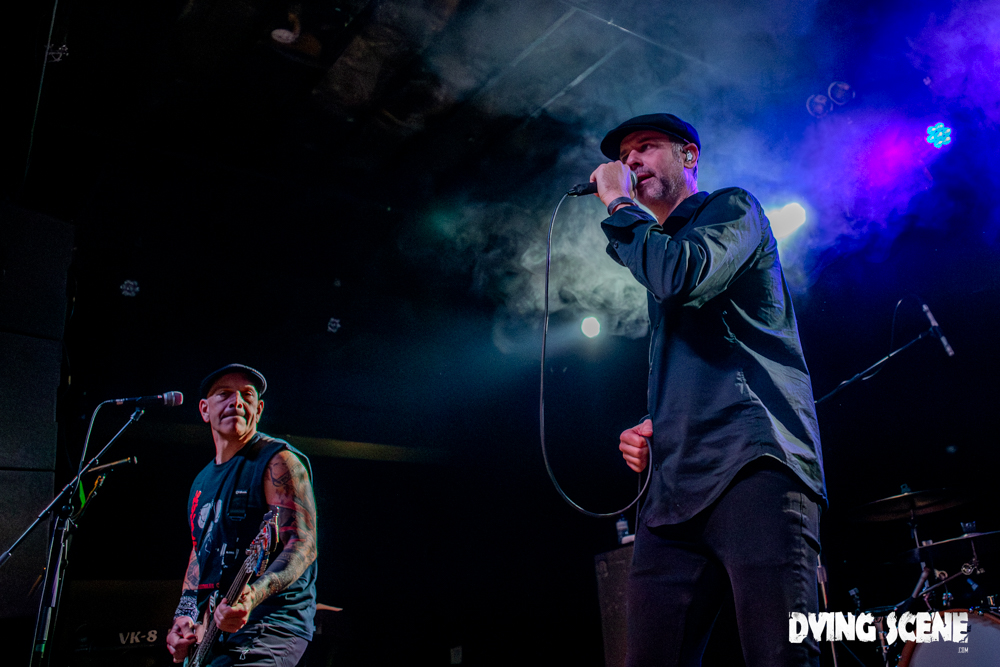
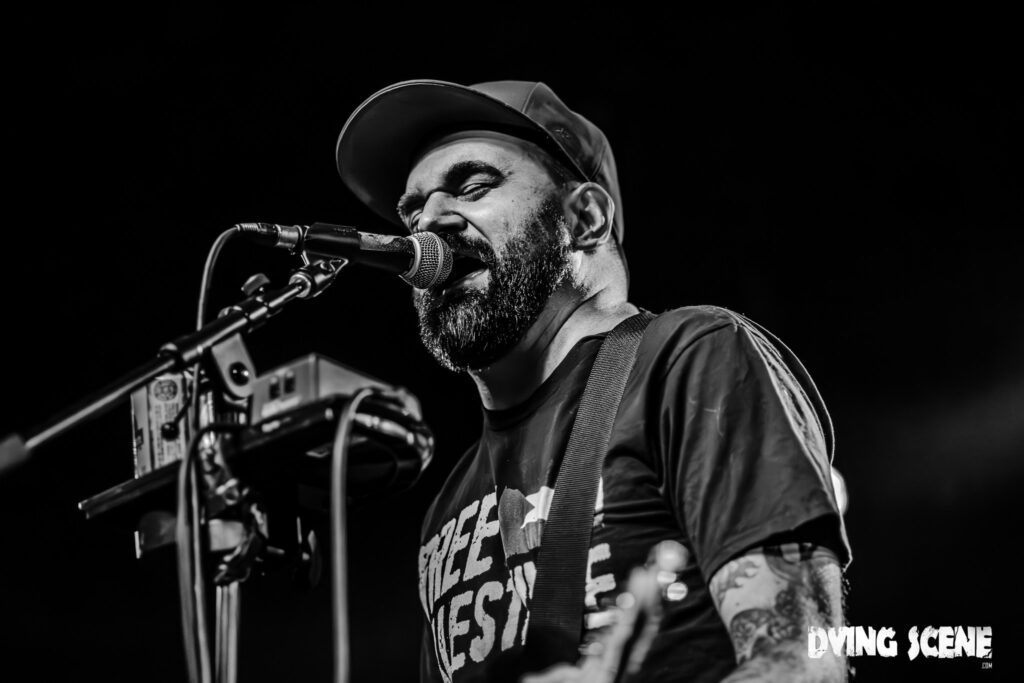

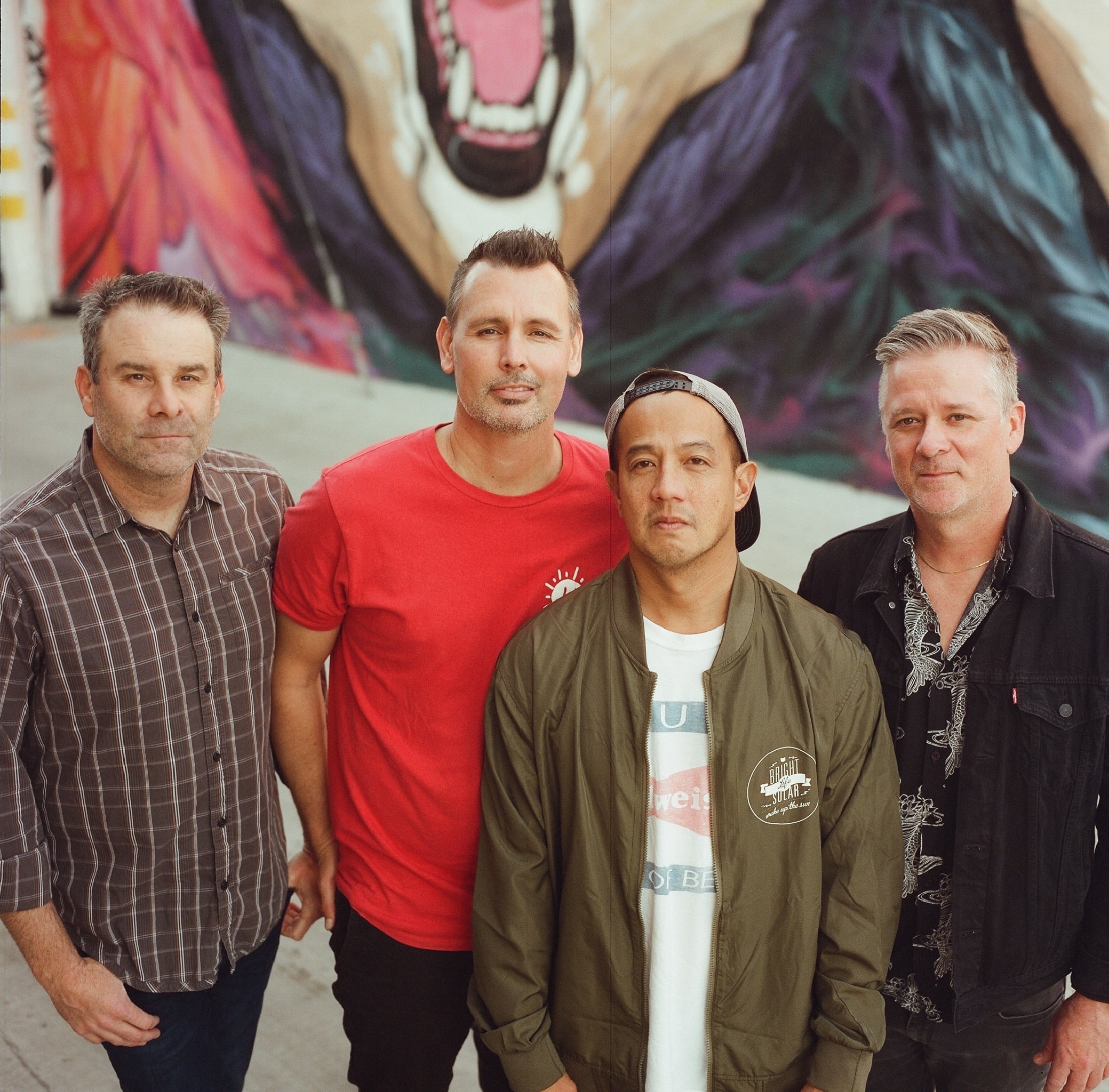


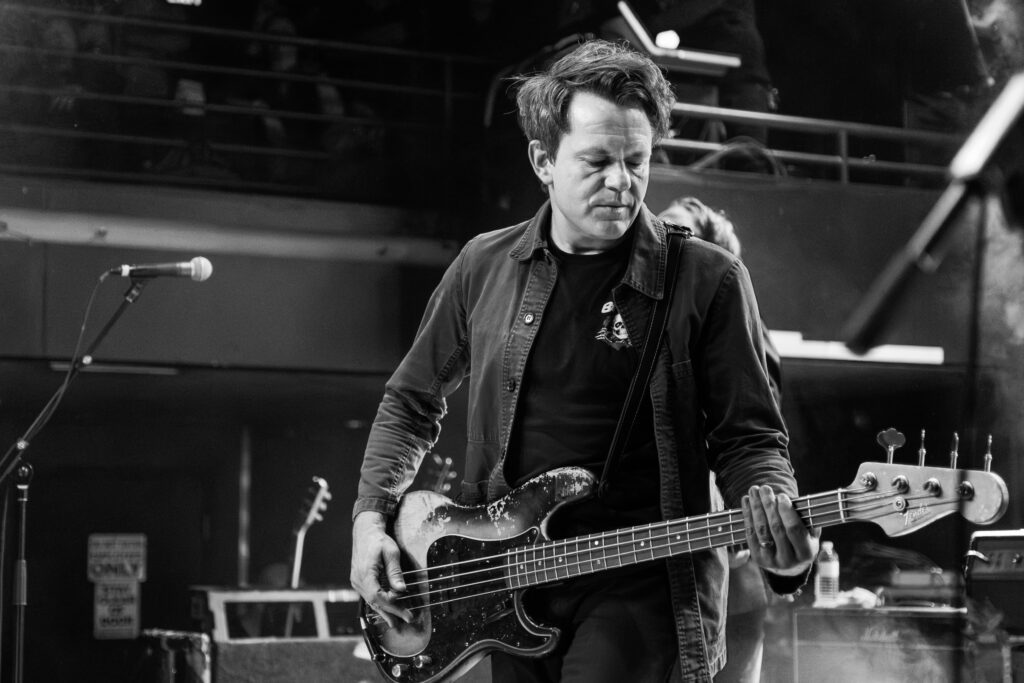


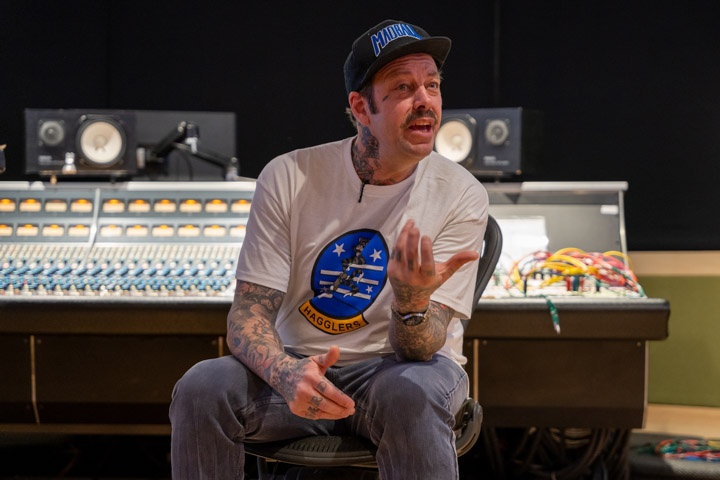
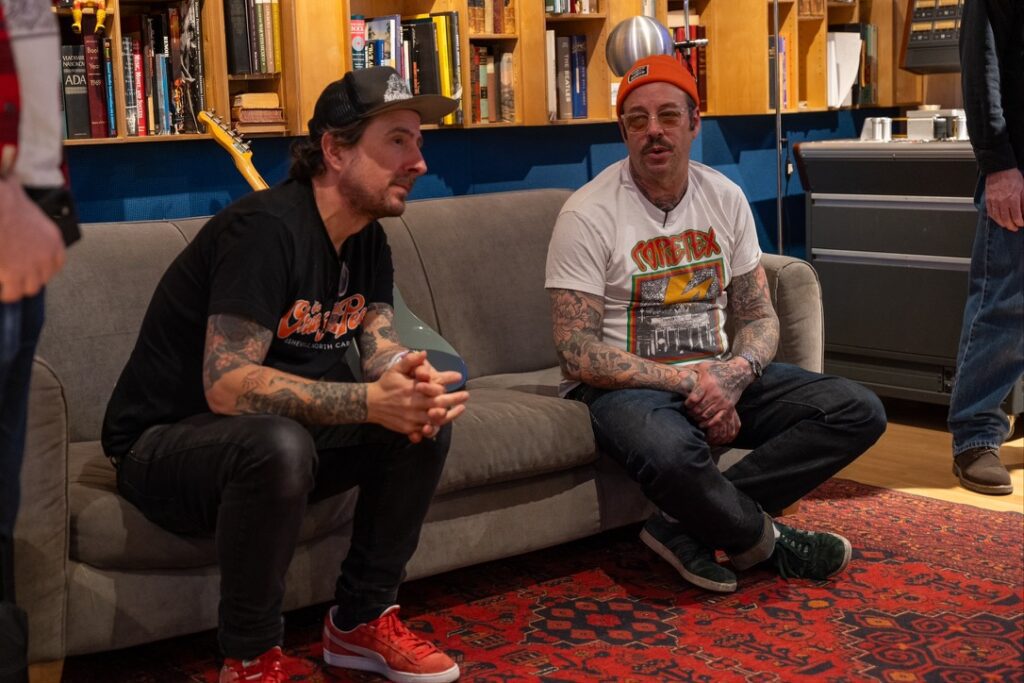
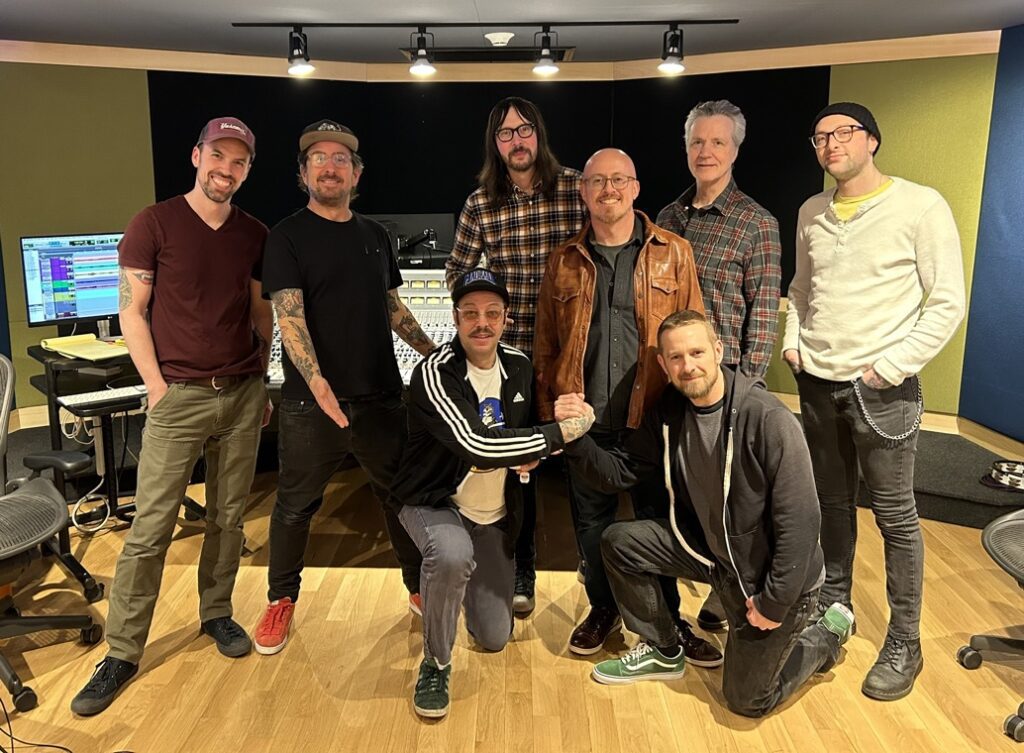
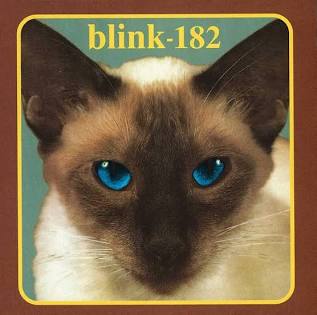
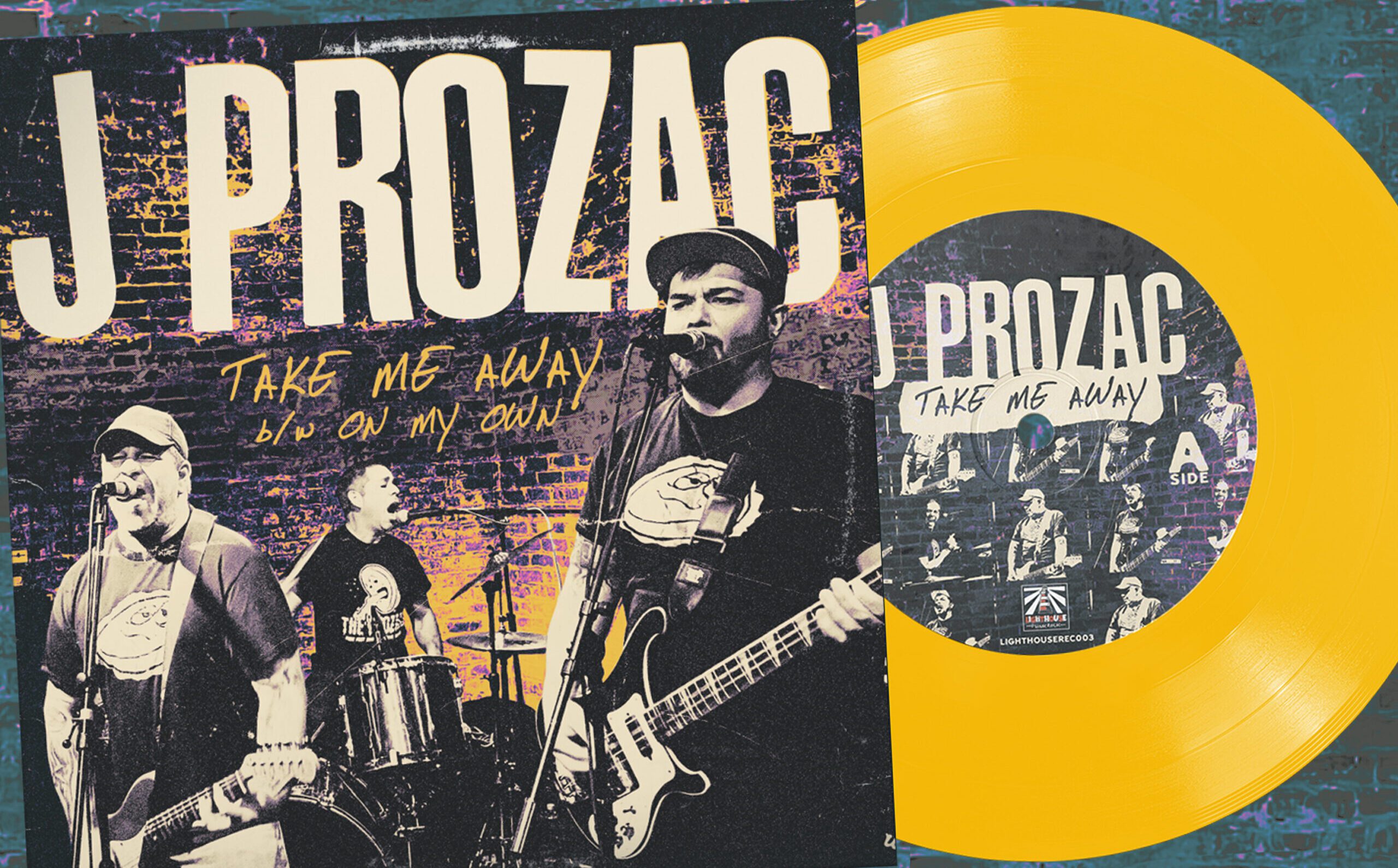
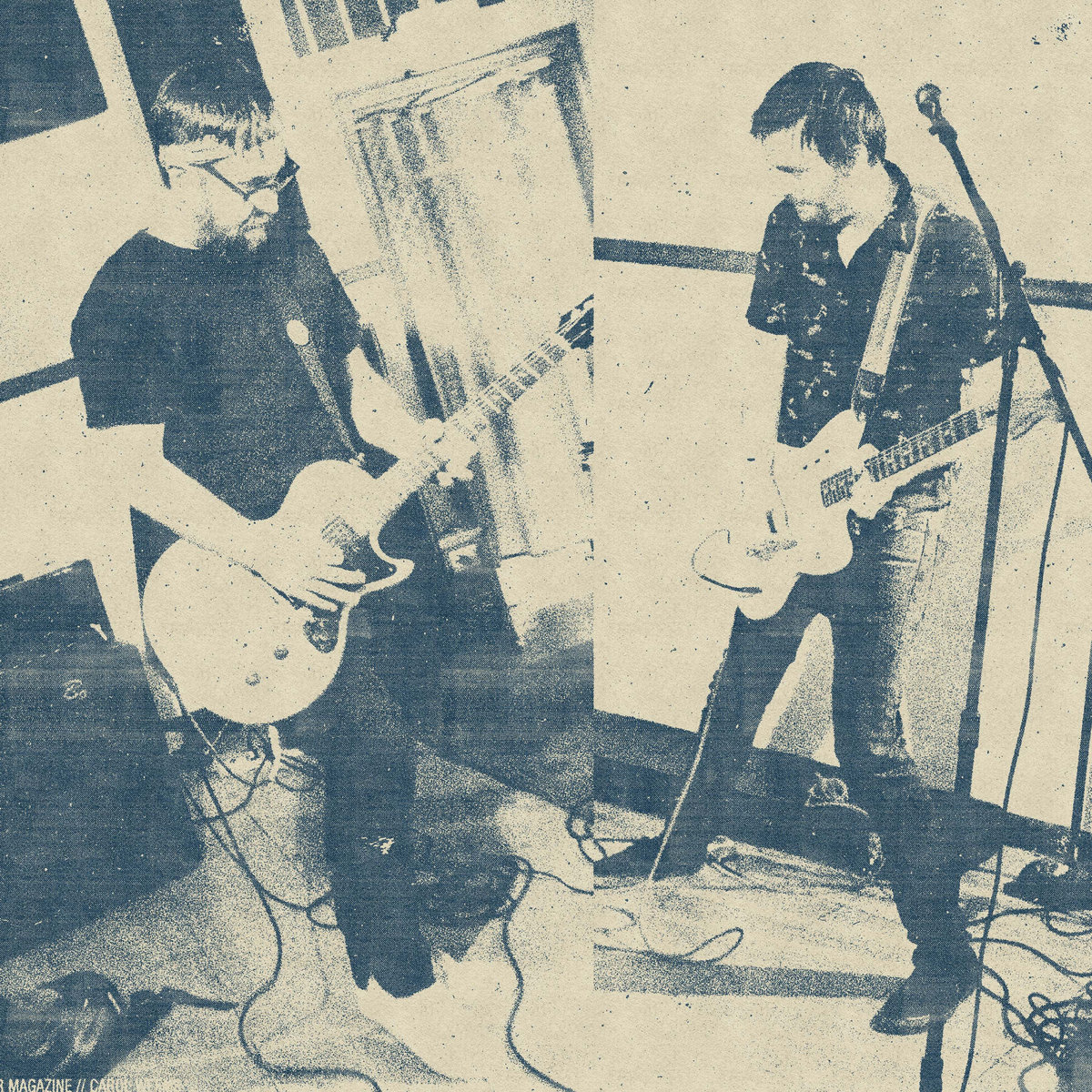


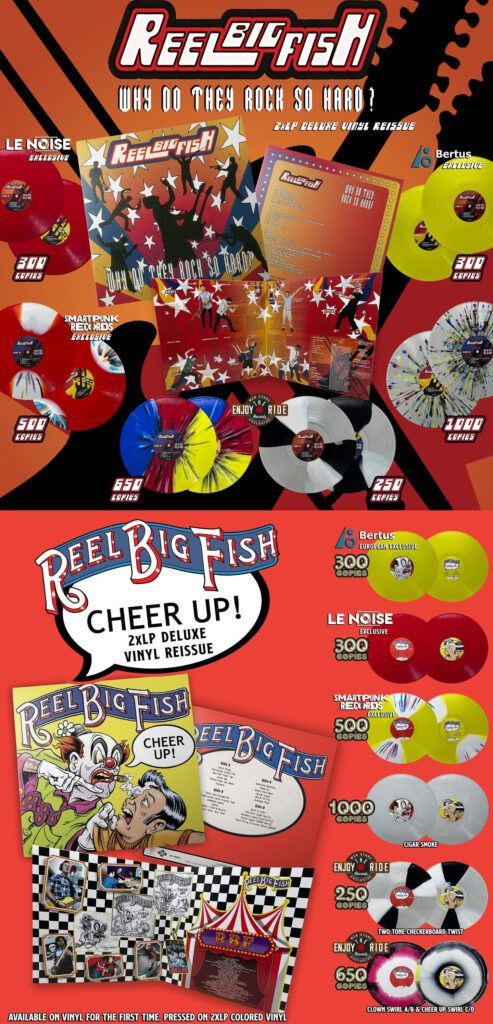
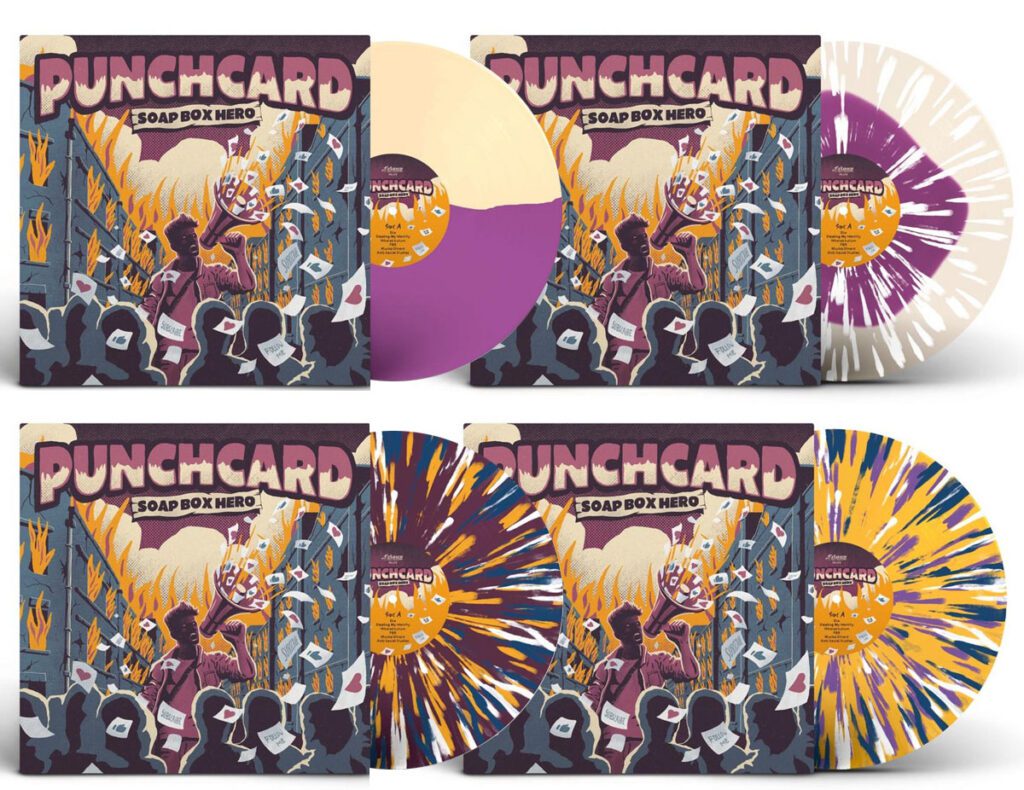


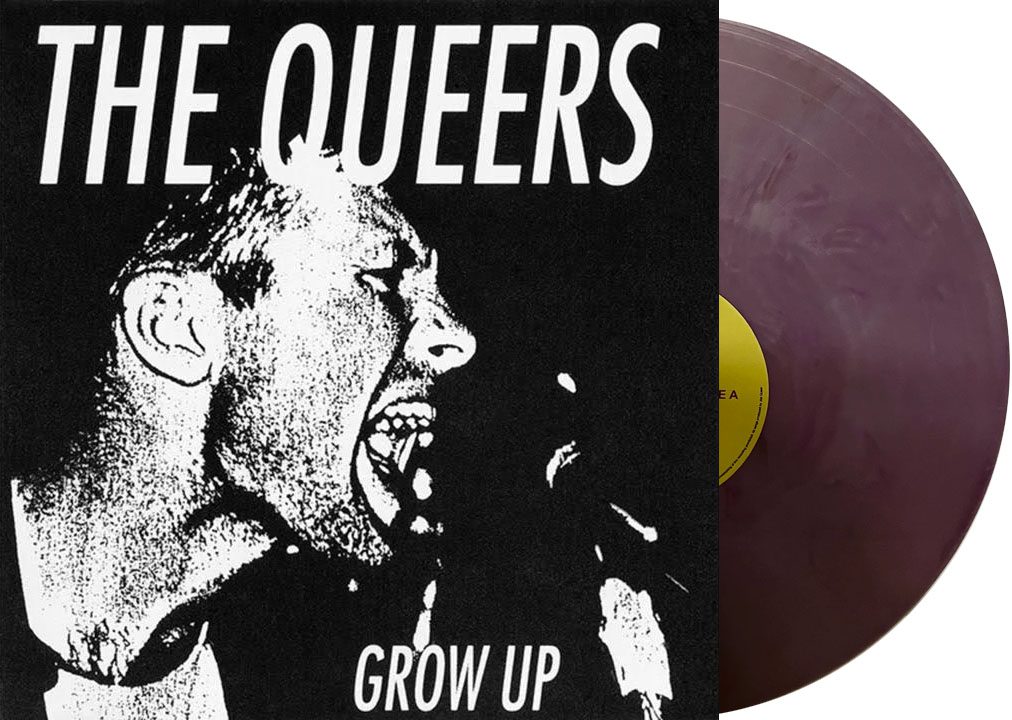
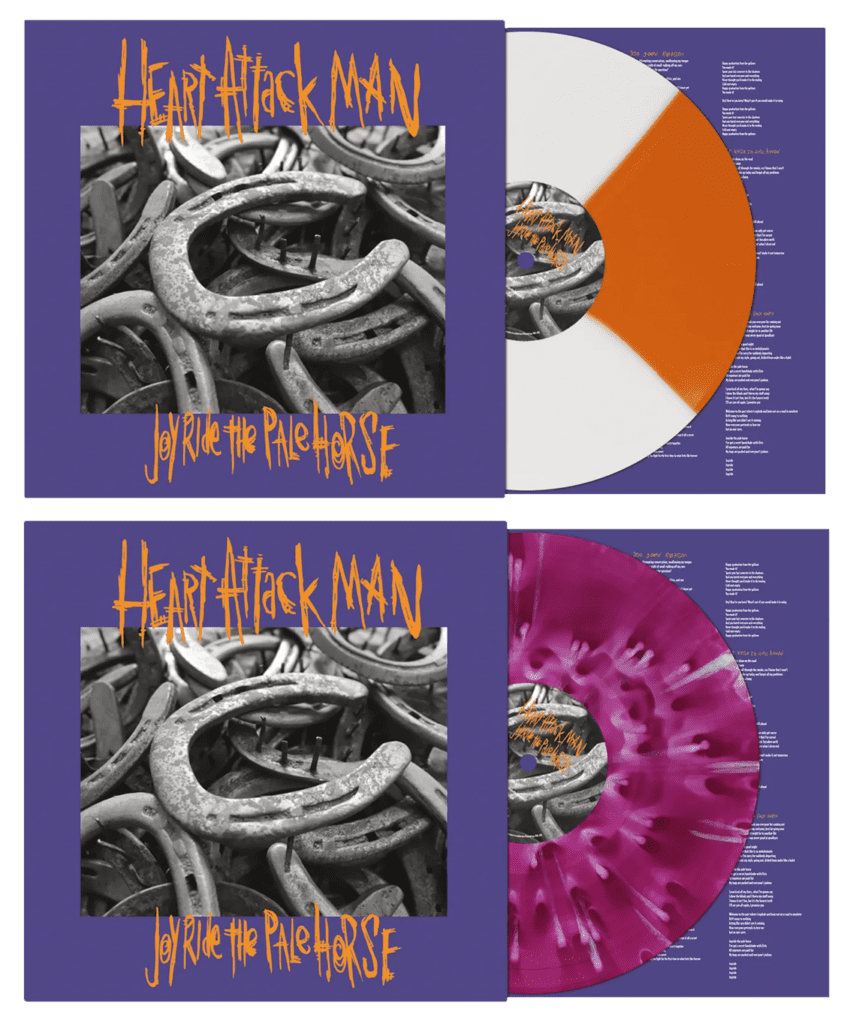
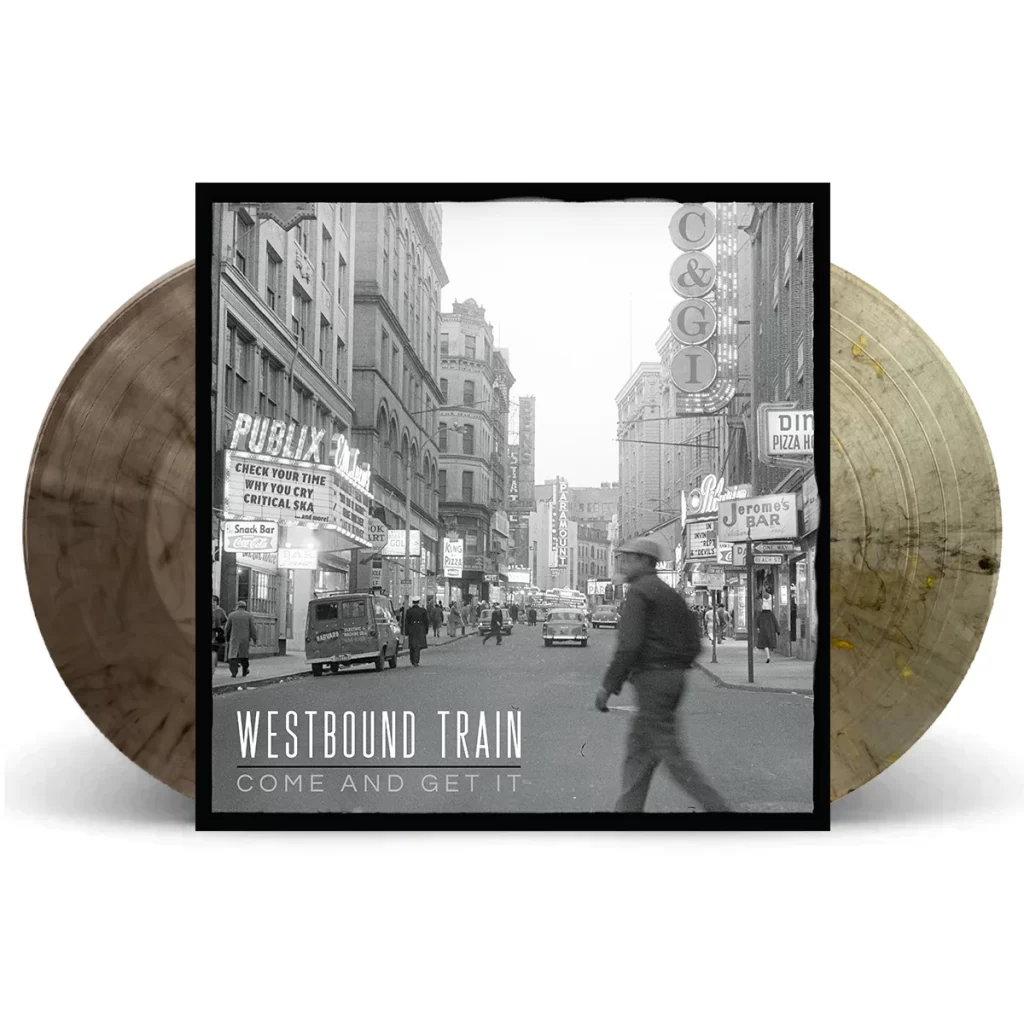
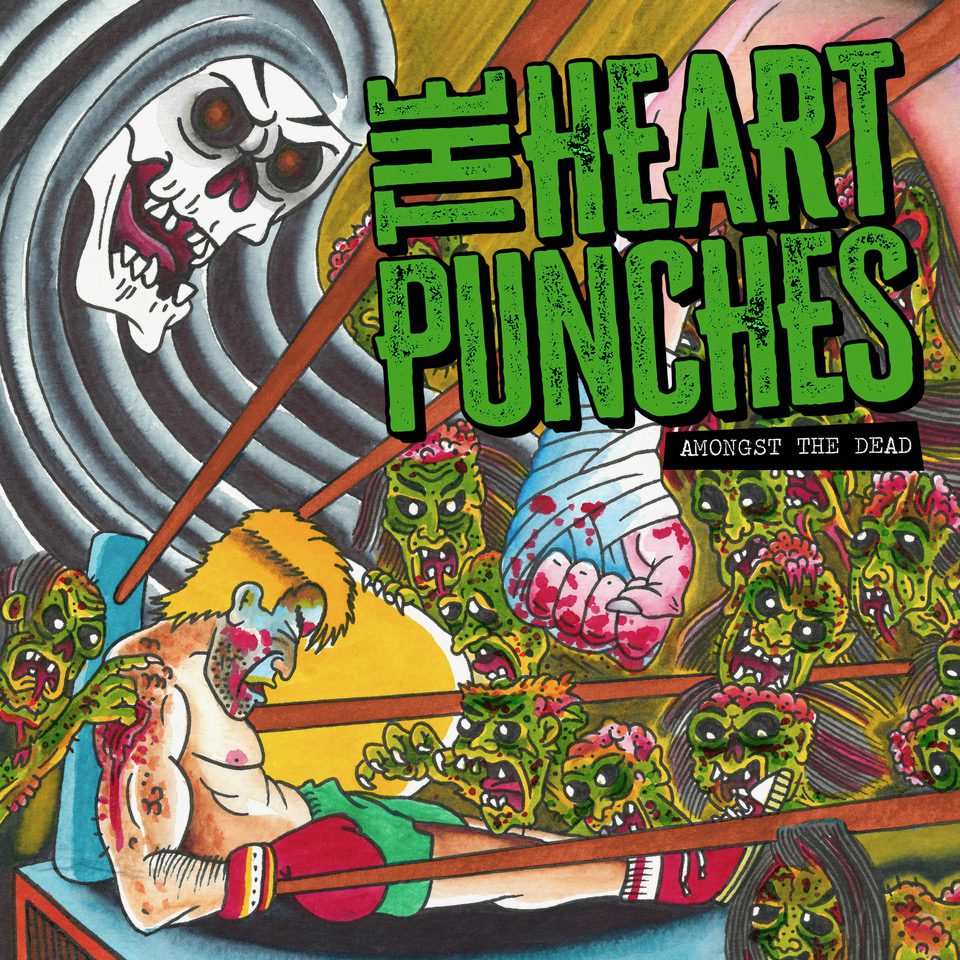
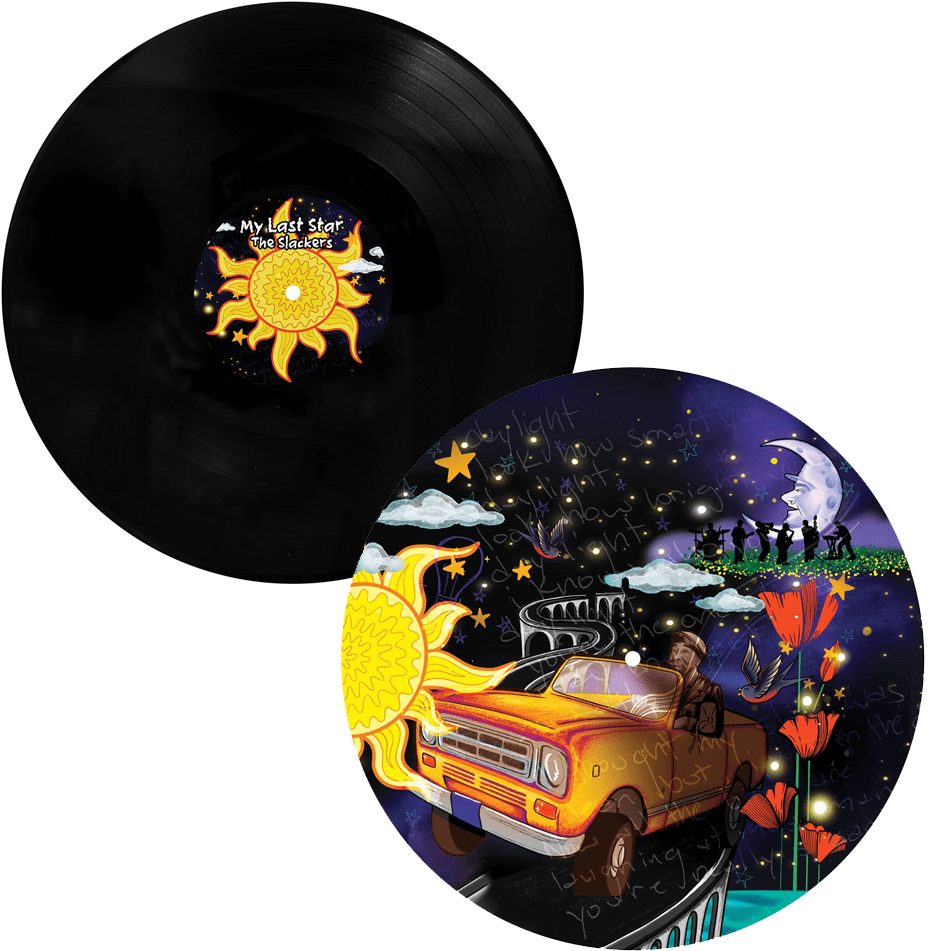
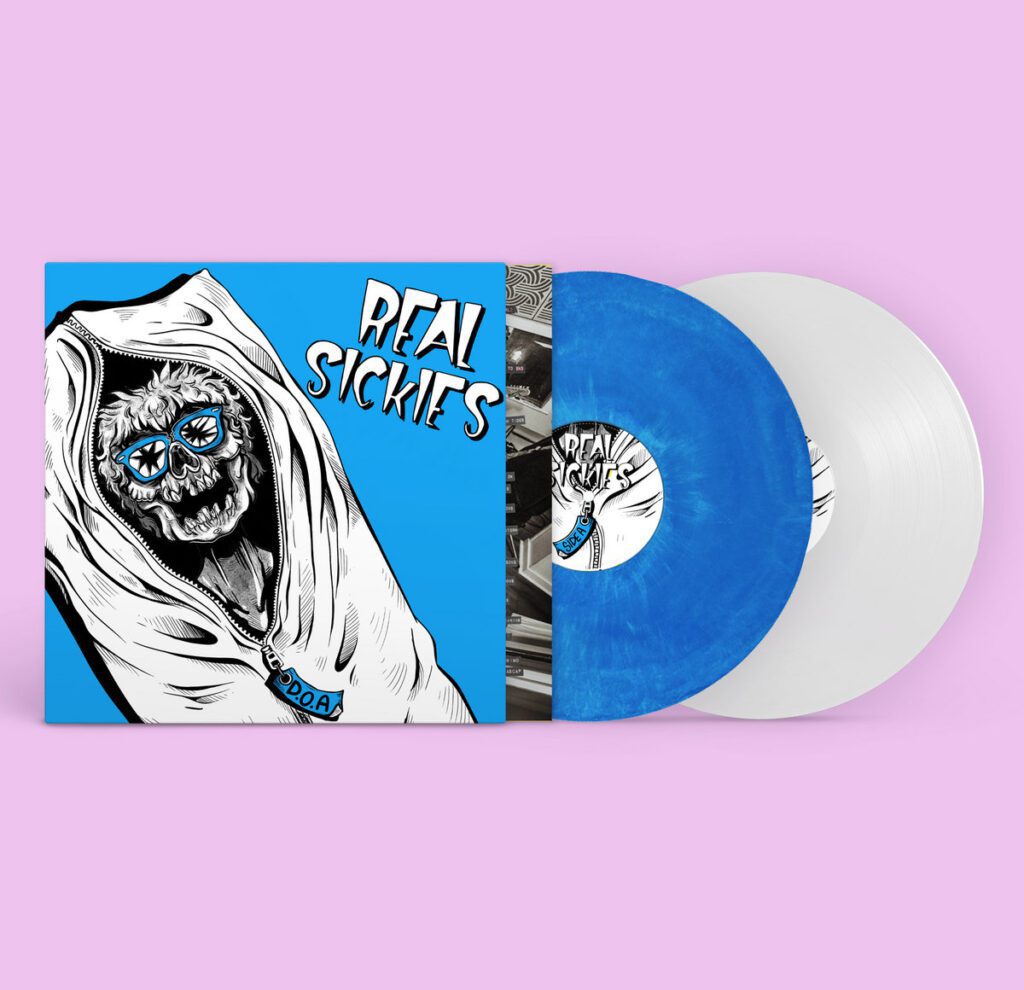
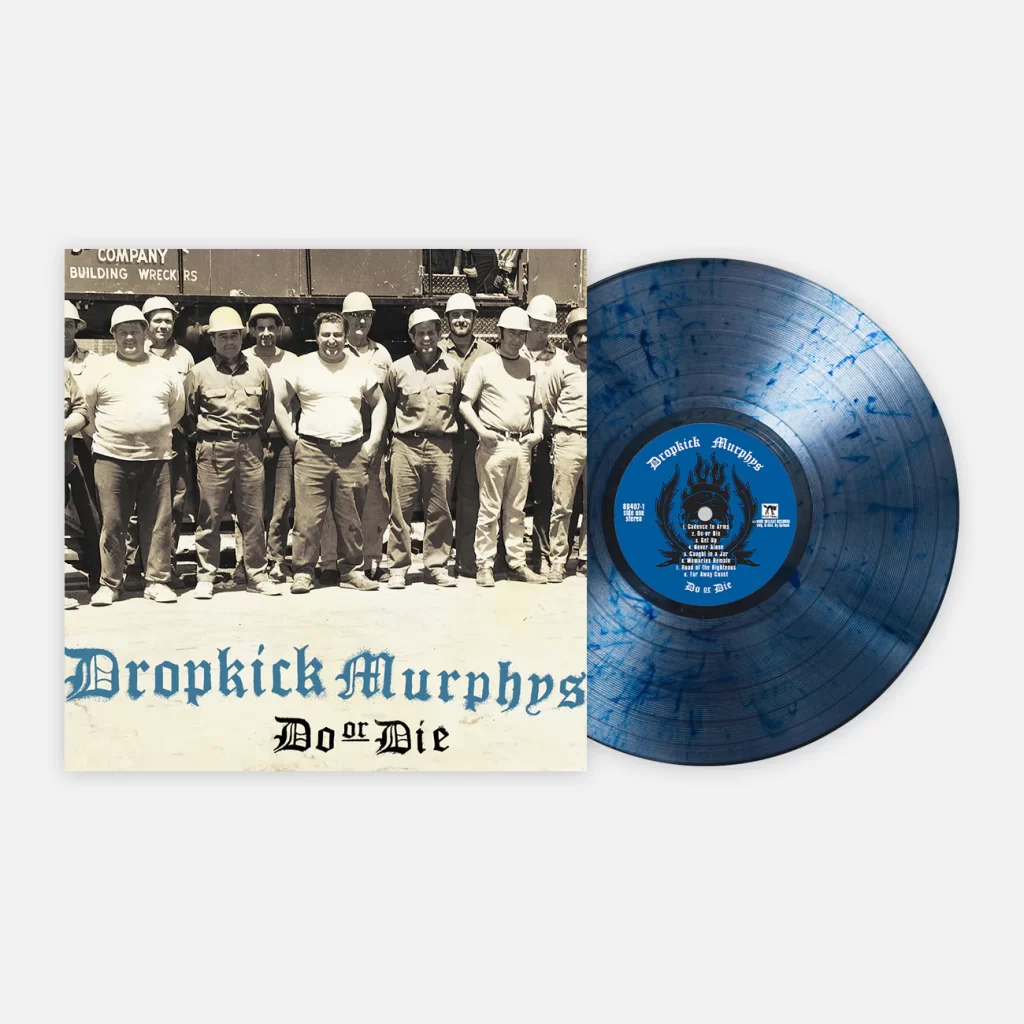

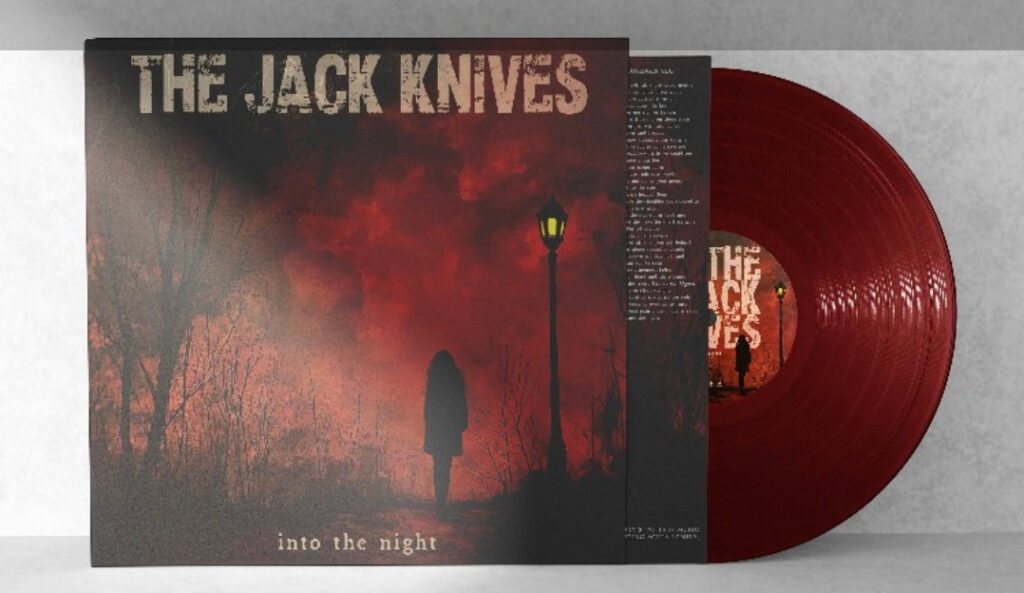


Dave
Ska is good (: glad you guys are back together. I talked with Adam on Instagram a few years ago and he teased to me that the band might be reuniting and so glad it happened. I was at the Glass House show, came from Idaho, and it was amazing. Thank you guys!