DS Interview: Existential dread? Dystopian anxiety? Tired all the Time’s new post-punk album has what you need!

Dying Scene had the chance to talk with Edward Barakauskas of Teen Mortgage to talk about his other band, Tired all the Time, an alternative synth rock, post-punk trio from Washington, D.C. that just released their new LP SOMEWHERE ELSE on January 23rd. Check it out! Tired all the Time (TATT) formed in 2017 with their current […]

Dying Scene had the chance to talk with Edward Barakauskas of Teen Mortgage to talk about his other band, Tired all the Time, an alternative synth rock, post-punk trio from Washington, D.C. that just released their new LP SOMEWHERE ELSE on January 23rd. Check it out!

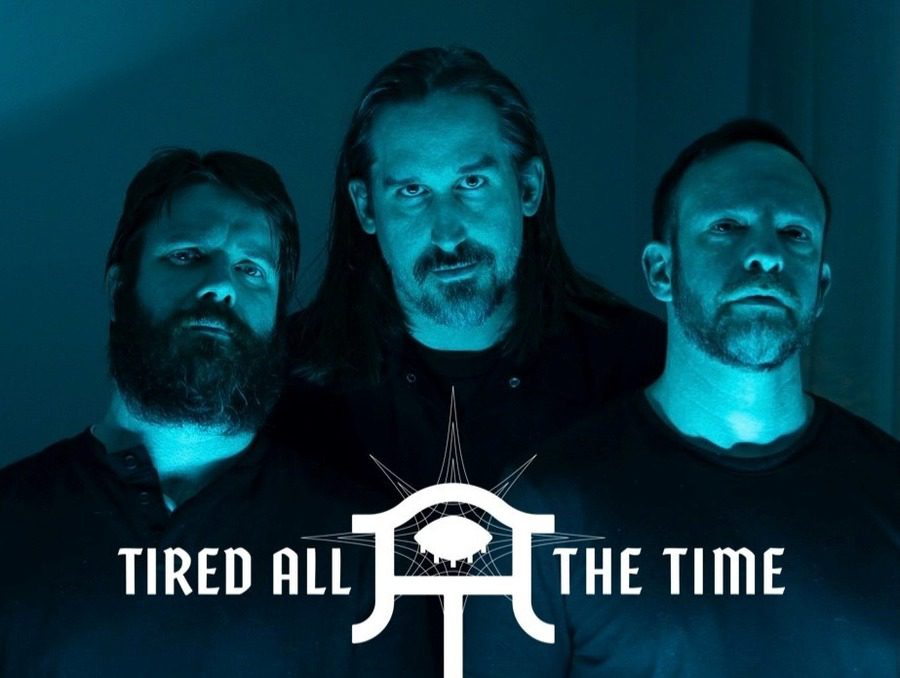
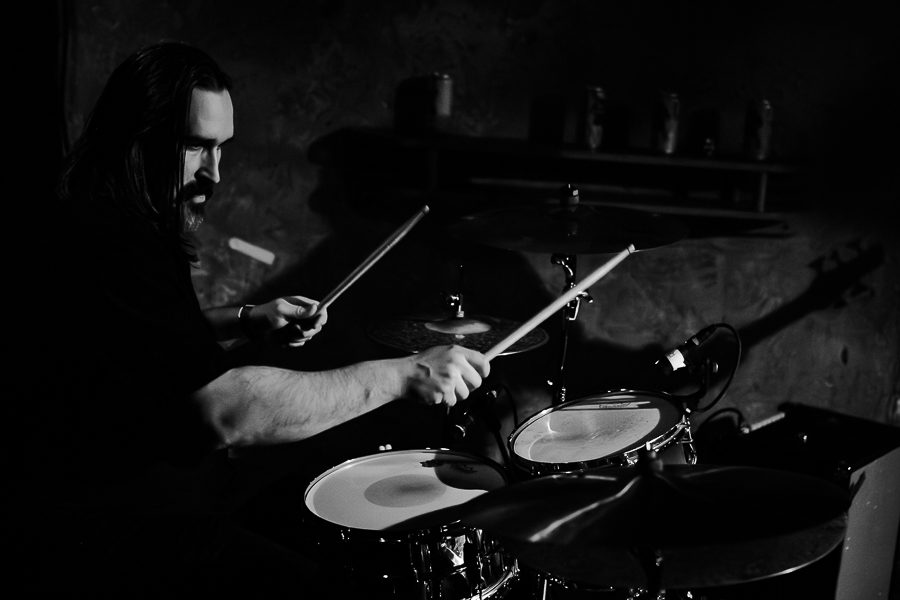
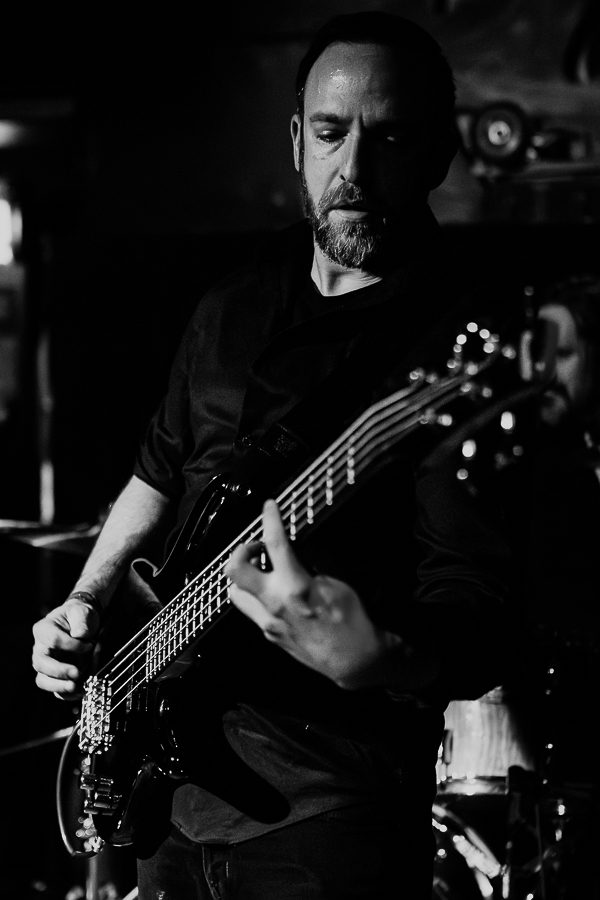
Tired all the Time (TATT) formed in 2017 with their current lineup consisting of Michael Talley (vocals/synth), Brian Miller (bass guitar), and Edward Barakauskas also of Teen Mortgage (drums).  Their songs explore themes of existential stress, dystopian anxiety and social isolation juxtaposed with danceable melodies and tongue-in-cheek humor. While appropriating language and aesthetics from the corporate medical and pharmaceutical industries alongside the occult, they are known for extending their performances off stage by creating alternate reality art around them.

TATT has toured throughout the US and shared stages with notable acts such as FEEDER, MAN ON MAN (feat. Roddy Bottom of Faith No More), Empath, New Translations and Tigercub. Their album, BE WELL, garnered a Harmony Award for Best Music Video for “Bone Dry,” and received finalist nominations for the 2019 Washington Area Music Awards for Best Punk (Post-Punk) Band and Best Punk (Post-Punk) Album categories. Shortly after, the band was forced into a hard reset when they parted ways with founding member, Daniel Euphrat. In the following years, TATT chose to exclusively release singles while reimagining their identity as a trio. The next album, SOMEWHERE ELSE, is the opus of that stage of creative metamorphosis. 

The album was self-produced by the band and mastered by Jesse Keeler (Death from Above 1979 / MSTRKRFT) and will be TATT’s vinyl debut on D.C.-based boutique label Scattered Records.  Following the release TATT will have regional show dates including a release show at the Atlantic DC with a tour through the East Coast of the US this Spring.

SOMEWHERE ELSE explores the experience of existing in a society unraveling into a dystopian hellscape. Humans have unlocked technological pandoras box. Now we’re faced with staring at our empire collapsing at the hands of creations and our own flawed nature. Is there a better life on the other side or is our future or will we all go mad as it evolves into Lovecraftian proportions? 

Dying Scene (Mary): What other bands would you say if someone likes would be into TATT? 

TATT (Ed): We’ve drawn influence from bands like Interpol, IDLES, St. Vincent, Devo, Faith No More, Husker Du, Radiohead and The Mountain Goats. TATT originated as an absurdist satire of pop music and has continued to evolve into our current sound.  We’ve never sought out particular bands we wanted to imitate but there are two lesser known bands I think we’ve converged on sonically. Mexican experimental rock group, Descartes A Kant, shares a similar tone of post-punk instrumentation embracing quirkier structures, timbres and noise. The other is MAN ON MAN, a project by partners Joey Holman and Roddy Bottom (Faith No More, Imperial Teen, Crickets, Nastie Band) that makes anthemic, gay proud, synth-heavy, indie rock.

Do you feel like there are any parallels between TATT and Teen Mortgage? 

Tired all the Time and Teen Mortgage contain frequent lyrical anticapitalist and antifascist themes but conveyed in vastly different manner. Teen Mortgage leans more directly into anger and frustrations. TATT’s lyrics are more reflective of the spectrum of emotions we feel existing in modern society while holding hopes and fears towards the future.


How do your own experiences within the medical industry (you personally or TATT) play into your use of “language and aesthetics from the corporate medical and pharmaceutical industries alongside the occult”? 

Each member held some level of occupation affiliated with these fields. I worked in emergency medicine, Mike works in mental health and Brian works in corporate settings. We are all experiencing reality in our own way. Thus we prefer our audience to form their own interpretation of the art. I won’t go too deep but I can provide some context on how these experiences informed us conceptually. 

In the beginning, we were satirizing the absurdity of how industries project an image to the public that’s disingenuous to their nature.  It’s like that feeling you get watching a commercial for a new drug or a bank that wants you to believe, “We care about you.” You know behind the mask beats the heart of an intangible entity that’s diluted the human experience down to a number. Mike referenced the concept “Capital has Agency,” summarized as “under the right conditions, a pile of money develops its own gravity and continues to grow, regardless of what values stand in its way.”  It acts as an autonomous force shaping human behavior and relationships. Some of these rituals like conference calls, corporate speak, casual Friday and pizza parties resonate analogous to religious observance.  This led us to connecting these patterns with the occult.  

What can one expect from a TATT show? 

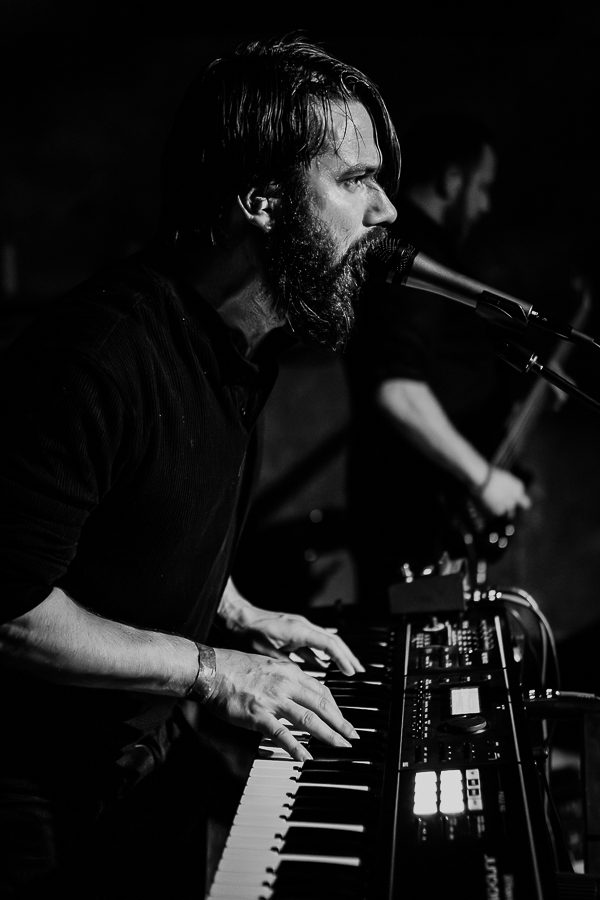
TATT likes to bunk expectations and invite audiences into a showcase that’s both familiar and odd. As an emerging artist, we love performing for people that aren’t sure what to make from a guitar-less rock band.  You’re still going to get all that raw punk energy but with danceable grooves, noise and dry humor.  You might also get our vocalist giving you a crash course in Gray Goo Theory with slow blinking cats projecting behind him. 

What’s working with Jesse Keeler like/what made you choose him to master SOMEWHERE ELSE? 

Jesse and I became friends during the time Teen Mortgage had the honor of supporting Death From Above 1979 across several legs of their YOU’RE A WOMAN, I’M A MACHINE 20th anniversary tour.  Death From Above 1979’s last record had been completely produced and recorded by the band itself, with Jesse having handled most of the mastering. Asking him to master our record made so much sense. The core of their instrumentation setup is essentially the same as TATT’s: bass, drums, vocals, synths and NO GUITAR.  Of course the aspect of working with one of the band’s influences on the record was surreal but he really was the best person for the job.  He returned the greatest glow up from mixing to mastering of any record I’ve worked on, specifically using some “psycho-acoustic” trick to highlight and balance the thick synth layers acting often as a lead instrument.


Last one…what kind of Lego set would be appropriate to build using your new record as the backing soundtrack?

I asked Mike for help on this one.  He said, “There is an official lego kit for the Burj Khalifa, the world’s tallest structure located in Dubai. It’s been retired but is available for resale. Build it with the knowledge that this will be our world if we fail.”  He offered an alternative to lego, “There’s also a model of The Motherland Calls. She commemorates the sacrifices made to defeat Hitler at the height of his cruelty and arrogance in Stalingrad.”


Tired all the Time’s new album SOMEWHERE ELSE is available now!
Post a Comment

Your email address will not be published. Required fields are marked *

Dying Scene Film Review: “Devo” directed by Chris Smith

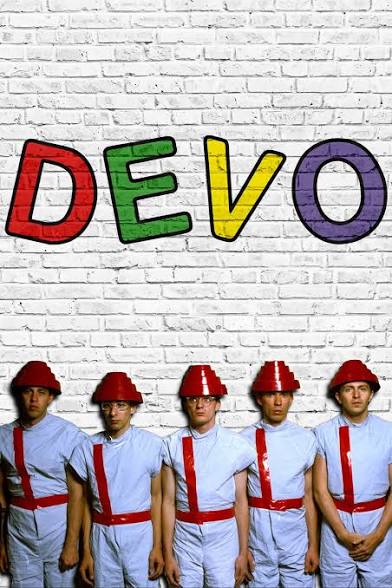
In 1973, Mark Mothersbaugh and Jerry Casale, along with their brothers (both named Bob), formed Devo. The band would go on to success in a multitude of different ways. Director Chris Smith of American Movie fame presents the band’s story with his documentary, Devo, released by Netflix. Is Smith’s recounting of the band’s history worthy […]

In 1973, Mark Mothersbaugh and Jerry Casale, along with their brothers (both named Bob), formed Devo. The band would go on to success in a multitude of different ways. Director Chris Smith of American Movie fame presents the band’s story with his documentary, Devo, released by Netflix. Is Smith’s recounting of the band’s history worthy of that pie in the sky?

Right off the bat, Chris Smith riffs on the artsy mashups of kitsch and culture the band has cultivated over the last fifty-plus years by splicing together video of the horrible moments in American history, Americana, and the country’s cultural contradictions that led to the creation of the band. While it’s not an unusual way to present a band’s story on film, it helps that Smith has access to a lot of the archival material shot by Devo throughout their career. Being a band led by two artists, Devo has always been a visual band. Despite postulating on their theory of de-evolution, their evolution of creating art is documented well.

Another great aspect was how it shows that art begets more art, especially pulling from all the influences around them. Starting as a political movement, the doc spends a good amount of time on Mark and Jerry’s enrollment at Kent State University along with what they were consuming to feed their minds. From their participation as protesters in the tragic Kent State shooting to the weird allegories of The Island of the Lost Souls, we get the strange origin of Devo’s worldview.

While always on the cusp, Devo was never fully considered punk rock. They more or less infiltrated pop culture to call out its degradation. After their breakthrough into mainstream culture is shown, the doc sort of skims through the band’s exploitation of it and American values. Devo’s mocking attitude never made it feel like they were selling out. However, underneath all of this strangeness was a message that still continues to be mistaken for novelty rather than satire. What most people never got is that the call was coming from inside the house, and by the time anybody noticed what they were doing, Devo was already sleeping on the couch.

The amount of sound bites and interviews Smith was able to compile from non-band footage is impressive; Not just the amount of footage, but the variety of it. The doc doesn’t release much new audio from the band, as they have released most of these early recordings and videos on their own. Smith’s presentation is fantastic and they’ve done a great job cleaning up the old footage of the band’s earlier work.

I was almost turned off by the documentary’s ninety-minute runtime cause I knew what would be cut. The first half covers the band’s origin at Kent State to their first TV appearance on SNL, which would more or less be considered their breakthrough. We get Devo’s rise to fame from their debut Are We Not Men? We Are Devo! to Oh, No! It’s Devo and about ten minutes of low moments after the failure of 1984’s Shout.

Not that I want to see anyone suffer, but I would have been more interested in another twenty or thirty minutes and seen the stories behind later ventures like Devo 2.0 and the band’s resurgence in the late 2000s. The pacing moves fast, and while a lot of information is thrown at you, it feels like some things were left behind. While the final act feels very compressed, it’s less a failure of the storytelling than it is fitting fifty years of a career into ninety minutes.

All in all, Chris Smith’s Devo documentary works on several levels. To quote the title of the band’s last album, this doc has Something For Everybody. Presenting Devo as an art group rather than a band and letting people in on their enigmatic concept may seem antithetical to their aesthetic, but after fifty years of presenting the evidence themselves maybe Devo’s theory of de-evolution is right. Devo is available for streaming on Netflix.

Post a Comment

Your email address will not be published. Required fields are marked *

Dying Scene Original Content: SNL Punk!

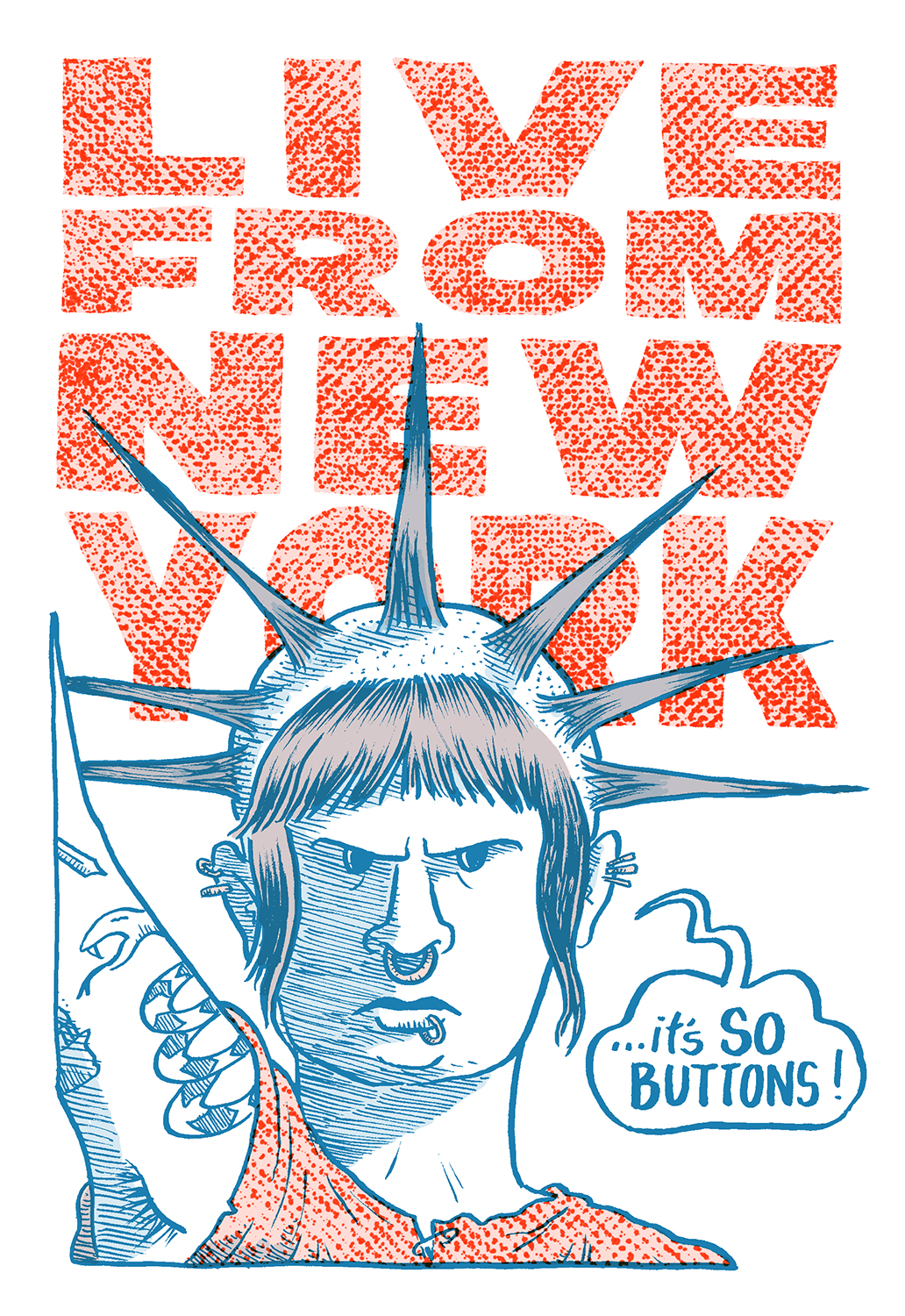
Feature Image by JT Yost for the comic, “So Buttons” written by Jonathan Baylis Sketch comedy is one of the greatest arts to skewer pop culture and politics. Live comedy shows go back to the days of vaudeville and music halls; with the advent of commercial broadcast TV, satire and sketch comedy eventually found a […]

Feature Image by JT Yost for the comic, “So Buttons” written by Jonathan Baylis

Sketch comedy is one of the greatest arts to skewer pop culture and politics. Live comedy shows go back to the days of vaudeville and music halls; with the advent of commercial broadcast TV, satire and sketch comedy eventually found a new stage. Programs like Your Show of Shows and the Smothers Brothers’ Comedy Hour in the United States or The Goon Show and Monty Python’s Flying Circus in the UK, put the absurdities of life under a microscope and highlighted its biggest gaffes and atrocities. The most popular and longest-running of these shows, Saturday Night Live, celebrates its fiftieth anniversary this year.

Having an empty spot in an ever-growing number of hours in a broadcast days, NBC would show reruns of Johnny Carson’s Tonight Show on late Saturday nights. Eventually, Carson wanted those reruns to be shown in the middle of the week, so he could take time off. Dick Ebersol was tasked with filling that time slot and approached Lorne Michaels about putting together a comedy show for a younger crowd. Michaels assembled a cast of “Not Ready For Primetime Players” to be broadcast from NBC’s 30 Rockefeller Studio 8H in New York City. Culled from comedy troupes including Second City in Chicago, the National Lampoon Radio Hour out of New York City, and The Groundlings from Los Angeles, Saturday Night Live was born. The show’s first five years were a launching pad for Dan Akroyd, Chevy Chase, Jane Curtin, and most infamously, John Belushi.

Depending on how wide your spectrum of punk rock spans, a counterculture show like Saturday Night Live naturally gravitated to some of the bands that were coming out of Hilly Kristal’s CBGB scene. Patti Smith Group was the first of these punk rockers to play the show on April 17, 1976, where she played a cover of the Them song “Gloria” and the Who’s “My Generation.” Other CBGB’s regulars the Talking Heads (2/10/1979) and Blondie (10/13/1979) would both go on to perform in 1979, and eventually both lead singers David Byrne and Debbie Harry would be guests later in the show’s run in some capacity.


While the original cast of SNL was known as the “Not Ready For Primetime Players,” one band’s performance during this show’s era proved that the world was not ready for them. Devo was the musical guest (10/14/1978) when Fred Willard hosted. Their sporadic movements and left-field take on the Rolling Stone staple “Satisfaction” made it impossible for the audience to tell if what they were seeing was real. However, one of the biggest moments in the first five years of the show came from Elvis Costello and the Attractions. When Sex Pistols’s manager, Malcolm McLaren, bungled the band’s visas the show was in a pickle without a musical guest for that week’s show. Elvis Costello and the Attractions stepped in and take their place. They were expected to play two songs, “Watching the Detectives” and “Less Than Zero.” However, during the show’s broadcast, Costello decided to play “Radio, Radio,” a song very critical of broadcast radio; a business NBC was still in at the time. Needless to say it was a long while before Elvis Costello was invited back on the show.


The 1980s ushered in a new cast and regime change for Saturday Night Live when Lorne Michaels left to take advantage of new opportunities that resulted from SNL’s success. This era of the show, while not well-received, springboarded the careers of comedians like Eddie Murphy, Billy Crystal, and Christopher Guest. During this time a lot of acts from England including punk rockers The Clash (10/9/1982), Billy Idol (1/28/1984) and second-wave ska bands The Specials (4/19/1980) and Madness (4/14/1984), served as musical guests. Yet, it was Halloween 1981 that saw one of Saturday Night Live’s most notorious moments. LA punk legends Fear were the musical guest at the (extorted) request of John Belushi in exchange for a cameo on that week’s episode. Fear had wanted some East Coast punks to show up to slam on and around the stage while they assaulted the living rooms of America. When punks from some of the East Coast scenes showed up, the end result was thousands of dollars worth of damage and a lifetime ban from the show.


By the time Lorne Michaels had returned in 1985, the show was in shambles and close to cancellation. Michaels did a hard reset of the cast. Established and future stars like Randy Quaid, Robert Downey Jr., and Joan Cusack starred in what’s known as the Weird Year. This season included a performance from the Replacements who gave a drunkenly sloppy performance of “Bastards of Young” and “Kiss Me On The Bus.” Before their second song Paul Westerberg and crew switched outfits with each other. In addition, Westerberg’s exclamation of “Come on, Fucker!” got the Replacements banned from the show. However, Westerberg returned as a musical guest in 1993 when Charlton Heston hosted the show.


The show’s credibility eventually recovered by the early 1990s. It was at this time some of the show’s biggest stars flourished. Recurring skits such as Wayne’s World became films and cast members Adam Sandler, Chris Farley, and Phil Hartman saw their statuses solidify as comedy icons. Phil Hartman’s hyperbolized impression of Frank Sinatra was always a bright spot of a show, but it was Sting’s take on Billy Idol that shines in this skit. (Please be aware this skit features language that may have been acceptable at the time, but should never have been in the first place.)


Nirvana made two appearances on the show first on January 11,1992 and then in fall 1993. It should be noted that they played in the middle of a five-show run with MC Hammer and James Taylor before their appearance and Robbie Robertson and C&C Music Factory after. Irish punks the Pogues played Studio 8H on St. Patrick’s Day 1990 (3/17/1990) as well as Los Angeles ska-punk-funk band Fishbone (3/23/1991), but the frequency of punk rock acts were sparse until the mid-1990s when Green Day made their first of three appearances on 12/3/1994.


After the show’s twentieth season, the show rebooted its cast once again. This time bringing future comedy star Will Ferrell and writer Adam McKay, while retaining some of the previous season’s cast members David Spade, Norm Macdonald, and Kids In The Hall transplant Mark McKinney. Punk had a resurgence around this time and with it the only Epitaph Records band to play the show to date, Rancid, made an appearance on 11/18/1995. A couple years later when ska was in the limelight again, No Doubt (12/7/1996) and The Mighty Mighty Bosstones (10/25/1997) would make SNL appearances. Henry Rollins made his only appearance on the show when Rollins Band was the musical guest with host Pamela Anderson (4/19/1997).


Robert Smigel’s “TV Funhouse” became a hit during this time mostly parodying the Saturday Morning Cartoons of the past, including School House Rock. During the March 14, 1998 episode, SNL aired “Conspiracy Theory Rock” with “Media-opoly”, a song which describes how all the big corporations own all of the major broadcast channels, control the news, and cover up stories that make them look less than favorable. This also included GE, NBC’s parent company. Unsurprisingly, the skit was pulled after its first airing, but as Smigel has said, it’s amazing it even made it on air in the first place.


As the show continued its broadcast into the 2000s, punk started to take a backseat from the music stage at SNL. However some of the newer cast came from some of the more alternative improv scenes. Comedy troupe Upright Citizen’s Brigade brought cast members Amy Poehler and Horatio Sanz to the SNL fold. UCB’s shows definitely kept the spirit of punk rock in improv circles with its in-your-face and unapologetic comedy that would take premises to extreme and weird places. After the year 2000, the only notable punk (adjacent) bands that played during this time were Blink-182 (1/8/2000), The Donnas (1/18/2003), and AFI (1/20/2007).


One Saturday Night Live cast member who has always worn his love for punk rock on his sleeve is Fred Armisen. After growing up and playing in local punk rock bands, Armisen started the band Trenchmouth after dropping out of art school and moving to Chicago. After making memorable appearances in movies like “Anchorman” and “Eurotrip,” Armisen was hired on to SNL in 2002. When CBGB’s was closing in 2006, Armisen and Amy Poehler went out to the Bowery and recorded a piece in character as Patti Smith and Lou Reed in front of CBGB’s talking about the venue’s eventual shuttering.

As almost a nod and preview to his two IFC shows, Portlandia and Documentary Now!, Fred Armisen made a fake punk rock documentary about an English punk rocker, Ian Rubbish and his band the Bizarros. An amalgamation of Joe Strummer, Johnny Rotten, and Billy Idol, Ian Rubbish sings songs in support of England’s ultra-conservative Prime Minister, Margaret Thatcher, much to the rest of the members’ disdain. However, the Fred Armisen skit that everyone points to is called “Punk Band Reunion at the Wedding.” Here, Armisen plays a father at his daughter’s wedding, who has agreed to let her dad’s old band play a song during the reception. What starts off as four middle-aged men making self-deprecating dad jokes turns into chaos as it’s revealed the band is called Crisis of Conformity, an 80’s hardcore punk band that performs their song, “Fist Fight!” to a crowd of confused, but mostly terrified wedding guests.


As punk has been more and more accepted, SNL seems to have put punk rock on the back burner in terms of skits and musical performances. While a lot of today’s counterculture takes cues from some of the punk rock movement and emo aesthetic, fans of the genres have aged into office jobs and raising kids. For some of them it was just a phase, but for others, it never goes away. A pre-recorded bit from season forty-five, “Corporate Nightmare Song,” can probably be described as Sum 41 with health and dental benefits.


It’s no coincidence that these two counterculture movements like Saturday Night Live and punk rock started to pick up steam around the same time. While it can definitely be argued that both of these arts developed into purer forms as time went on; punk rock and skit comedy’s time in the spotlight inspired future generations to make noise in their own scenes. Happy fiftieth Saturday Night Live and here’s to fifty more.

Post a Comment

Your email address will not be published. Required fields are marked *

Dying Scene Gallery: Punk Rock Bowling Day Two – DEVO, Rocket from the Crypt, Subhumans and more! (Las Vegas 5/26/24)

On the Sunday of the festival your correspondent was struggling a little, but kept on going from the pool party, through the main festival, to another club show. Punk Rock Bowling is a marathon and there can be no slacking. Unfortunately we were also plagued by some equipment issues during the day. On our way […]

On the Sunday of the festival your correspondent was struggling a little, but kept on going from the pool party, through the main festival, to another club show. Punk Rock Bowling is a marathon and there can be no slacking. Unfortunately we were also plagued by some equipment issues during the day.

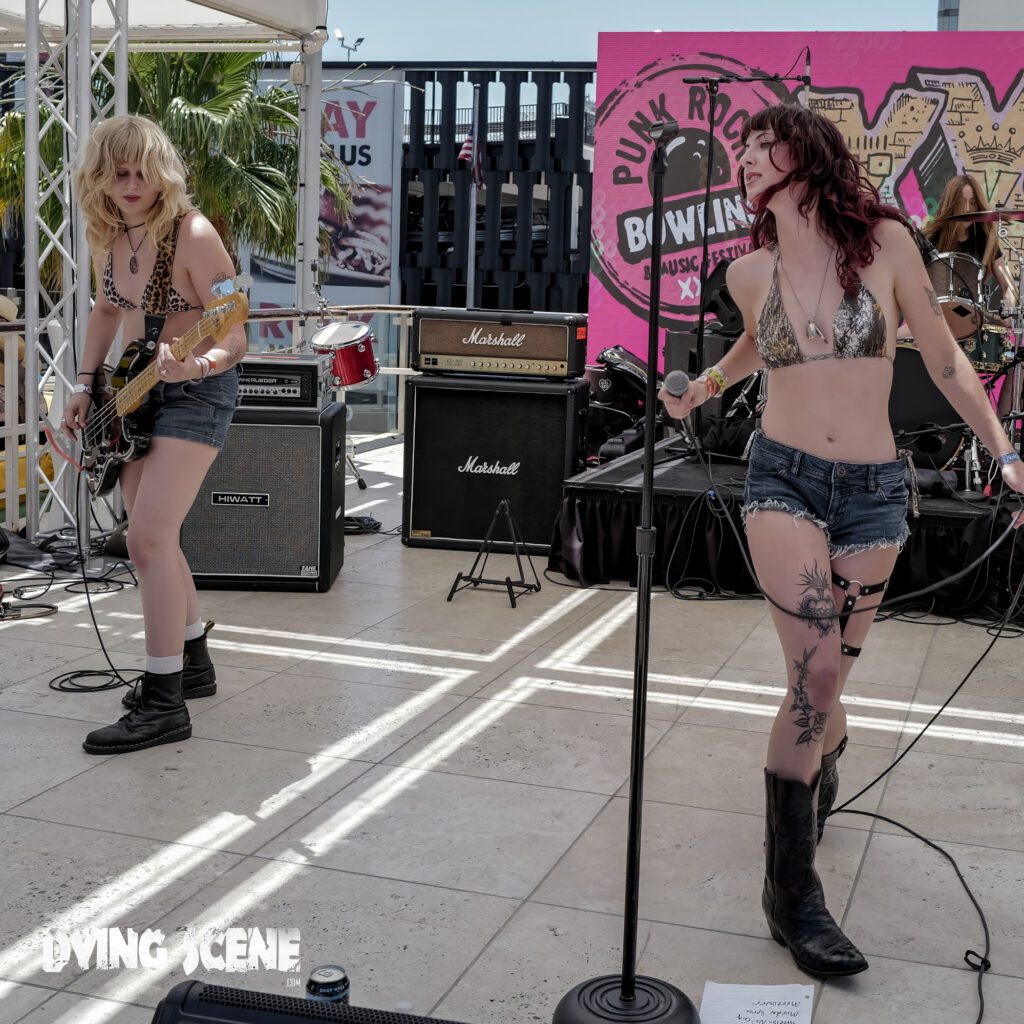
On our way to the pool party on Sunday morning we met the bass player of San Diego’s Doll Riot. Self-proclaimed riot grrls, Doll Riot play some excellent pop-y punk. Unfortunately, after the Doll Riot’s set we encountered the aforementioned equipment issues so do not have photos of the other bands at the pool party.

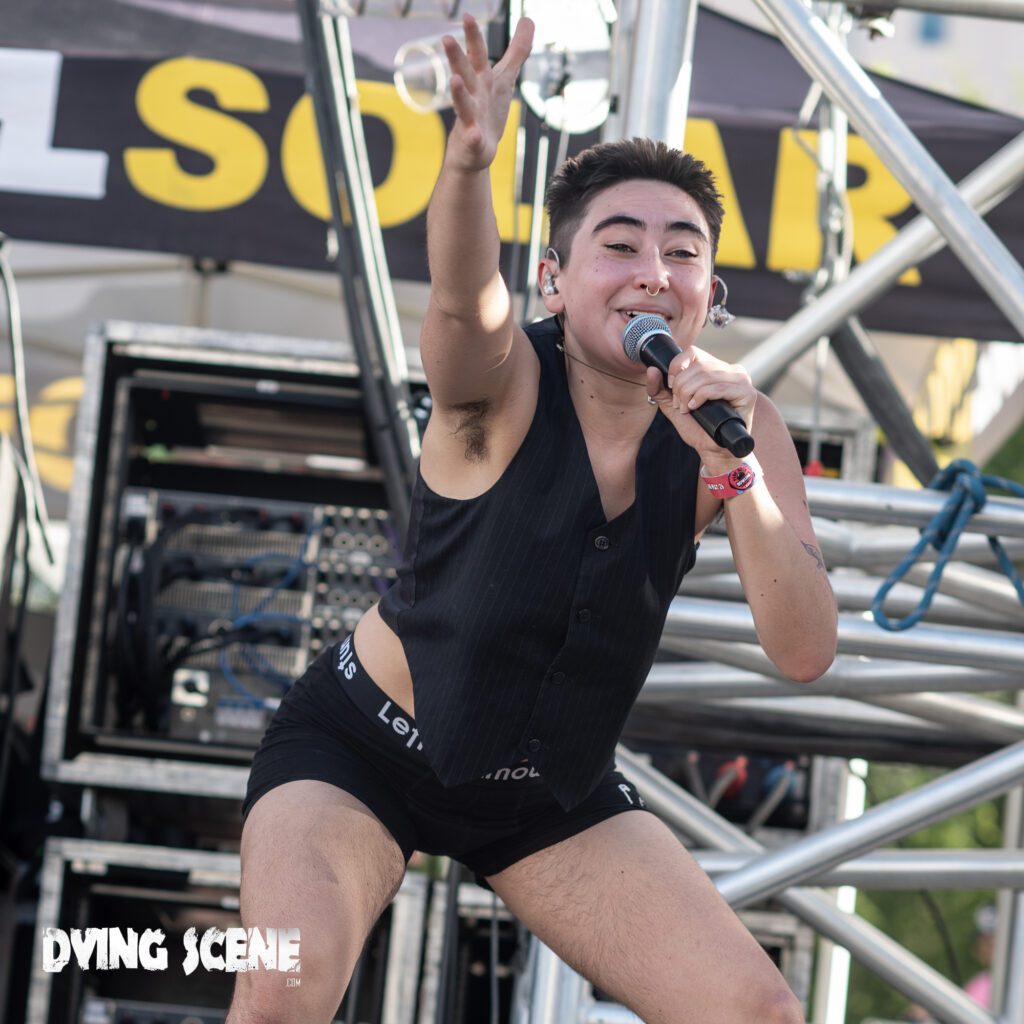
On to the main festival to catch Destroy Boys on the main stage. New to us, highly enjoyable.

British hardcore punks Subhumans have been going since the ’80s. We’ve known these guys personally for a while, so we’ll refrain from saying how great they are, except they are great, and it was fantastic to see them in front of such a big crowd.

Sticking with the main stage, Rocket from the Crypt were up next and as fun as ever.

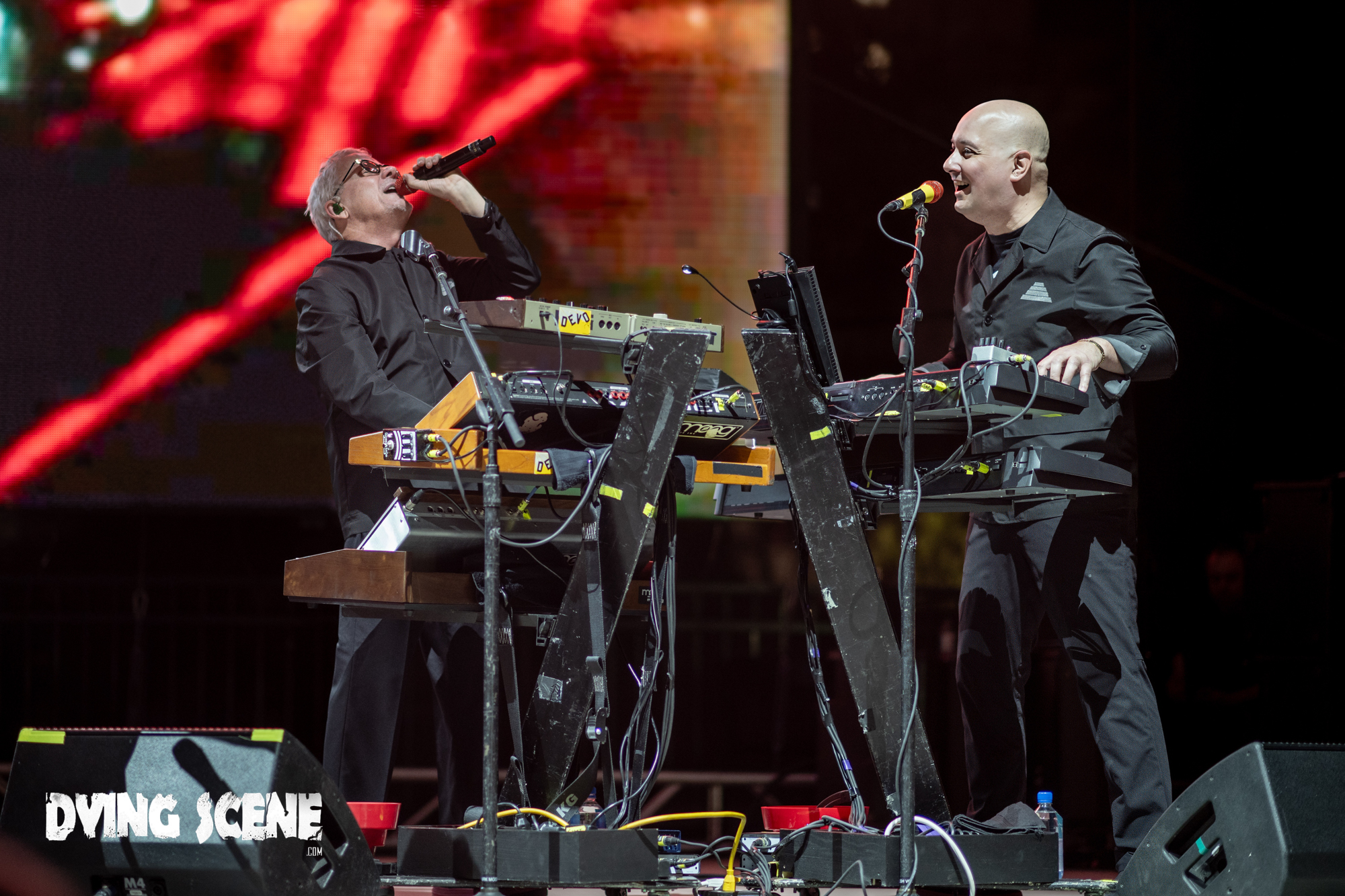
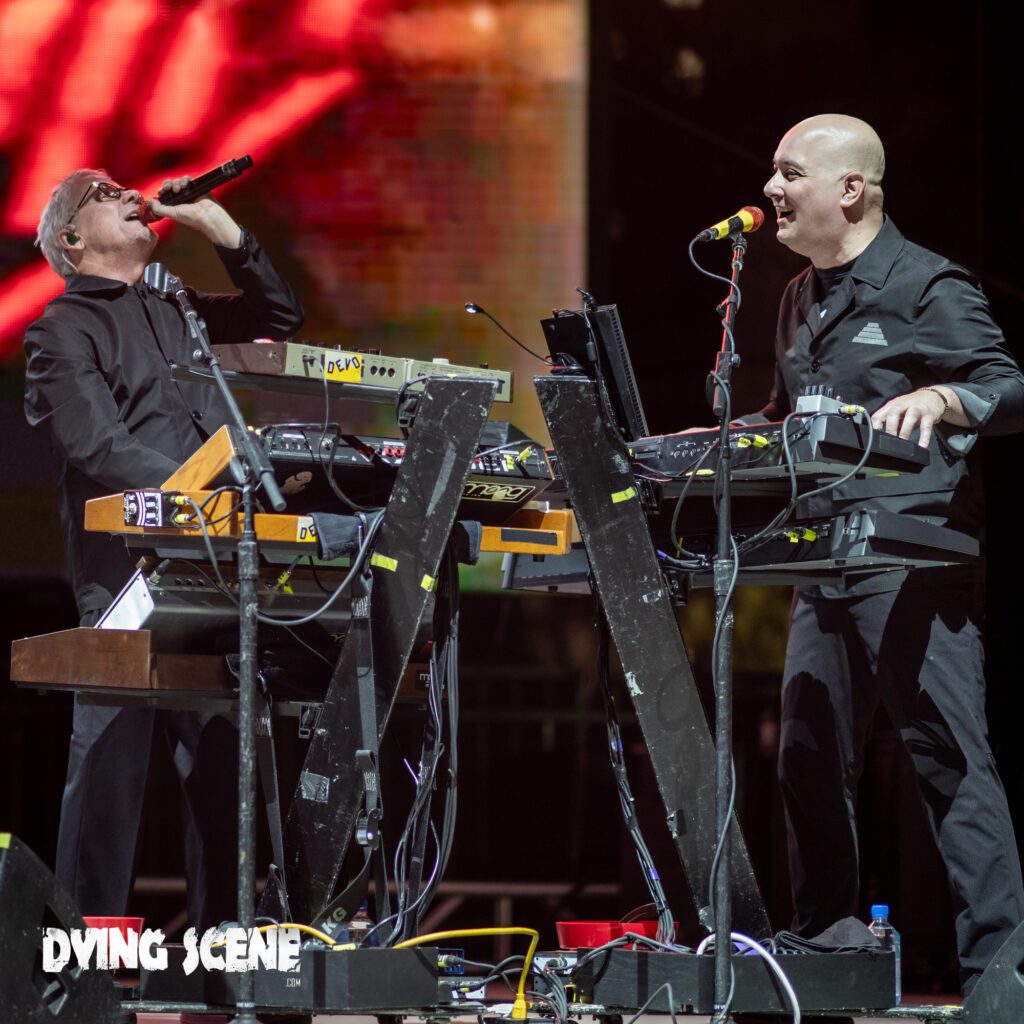
Headlining Day Two were DEVO, who seem to get ever better with age.

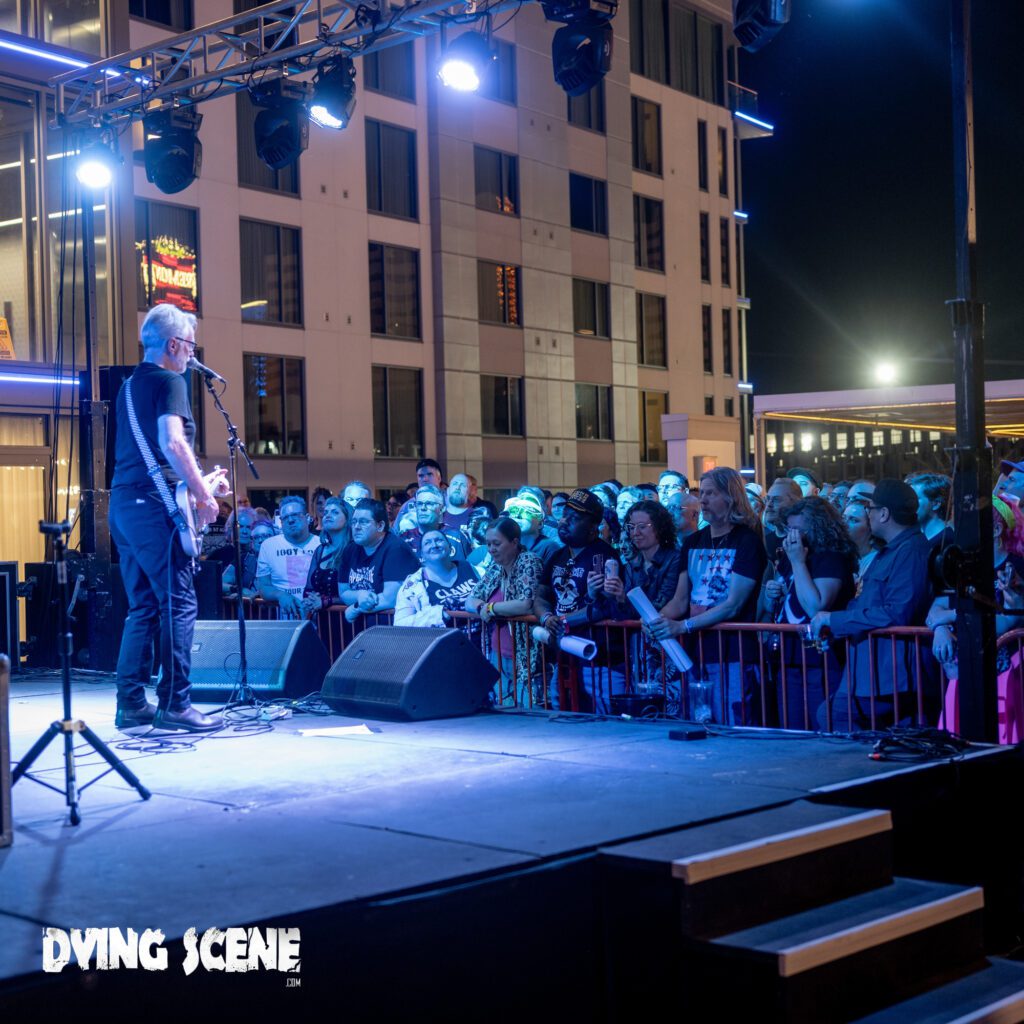
Billy Bragg was so great on the main stage on Saturday we had to go to his intimate club show on the Citrus Pool Deck after hours where he played a more obscure set than the previous day. Supporting was John Doe of X playing a mostly country set. Perfect way to wind down the day.

All the photos …

Post a Comment

Your email address will not be published. Required fields are marked *

Dying Scene Presents – Artists Beyond the Chords: Chris Shary

When art and music collide! “Artists Beyond the Chords” is a Dying Scene series highlighting stories from various visual artists in the scene. Our first installment showcases the work and wisdom of Chris Shary. Chris Shary is one of the hardest working artists, who’s been a hard hitting staple in the punk community for decades. […]

When art and music collide! “Artists Beyond the Chords” is a Dying Scene series highlighting stories from various visual artists in the scene. Our first installment showcases the work and wisdom of Chris Shary.

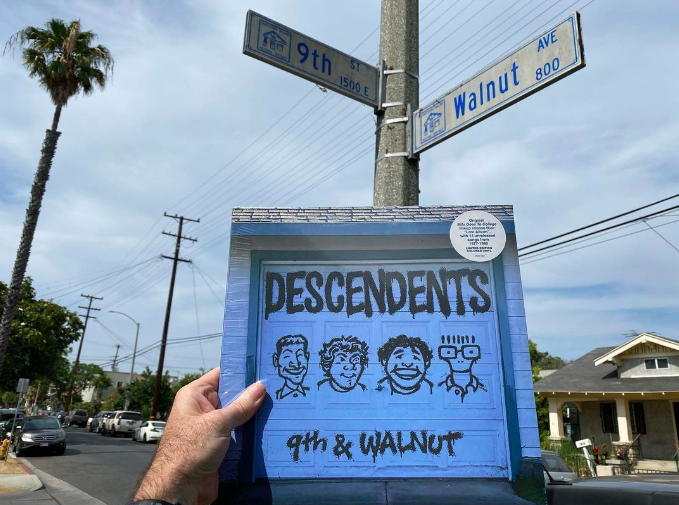
Chris Shary is one of the hardest working artists, who’s been a hard hitting staple in the punk community for decades. Based out of Stockton, California, Shary is also a dedicated drama teacher, father, husband, and self-proclaimed dork. He truly does it ALL (pun intended). Best known for his depiction of “Milo” (Descenedents), his works have also supported the likes of ALL, The Damned, Devo, Blink-182, The Meatmen, Circle Jerks, 7 Seconds, The Dead Milkmen, Agent Orange, Melvins, The Lillingtons, Chemical People, Masked Intruder, and so many more. His output ranges from album art, concert flyers, t-shirts, specialized merch items, and even action figures. With such an impressive resume, one might think it’s all done for notoriety, but deep down he’s just a huge fan expressing his undying love for music. 

Shary’s artistic journey began when he was first able to hold a crayon and pencil, but really became serious at the tender age of 6. At 17 years old, he started creating pieces for different bands and has been going strong ever since. He often teeters between different portraiture styles such as vibrant pop-art induced color blocking and black and white sketch realism. His current art-weapons-of-choice are pen and ink, mainly sharpies, but he recently started working with acrylic paints again. Consistently creating is key to his process.

“I try and draw every day, but I do a lot of thinking prior to starting commissioned work, or if I am getting ideas together for a band I want to work with. I walk my dog for a half hour every morning right when I wake up and that’s time I devote to thinking of ideas of what I might create,” said Shary.

Another way he searches for ideas is by experiencing live music. Oftentimes you can catch him at some of the biggest shows snapping shots for his latest creations. Not many can rock a phone camera in the photo pit without getting a boot from security, but he has clout, and for good reason. 

“I use the photos as reference when I’m working,” Shary explained, “but it also connects me with bands on a much closer level.”

As far as his true artistic motivation, Shary does not look outside of his own home. Family comes first, and it lives in the heart of each piece he creates. 

“My family is the thing that inspires me the most. My wife Lori is also an amazing artist and she is constantly making incredible pieces and kinda pushes me because of that. My son is also a big fan of the work we do, so I always want to impress him.”

Like a machine, Shary regularly posts new works on his social media accounts. Whether it’s commissioned or perfectly juxtaposed doodles for his own pleasure. Music aside, subjects range from pop culture references, memes, movies, television, and comic books. He never lets himself falter or take long breaks away from art, and strongly believes no creative person should. 

“I think the idea of an artist’s block is kind of a self-fulfilling prophecy. People tend to psych themselves out and then can’t get out of it. It just seems like an easy way to not work. I’m all about making things and hitting headlines. Just keep doing work and there is no need to slow down.” 

For those who want to break into the music art industry, Shary preaches the importance of repetition while remaining open and to your true self. 

“Do the work. Draw everyday and be happy to do it for yourself. No one owes you anything so be happy for whatever happens. It’s not always a quick process so do the work,” he advised. 

When asking Shary what he would like to leave Dying Scene readers with he offered a pure sentiment of kindness. 

“Be nice to each other, and try seeing things from other people’s point of view.”

View and support Chris Shary’s artwork at: 

Chrisshary.bigcartel.com

Instagram

Facebook 

Chris Shary’s Liner Notes

Do you have a favorite concert memory? 
One of my biggest thrills was singing “Bloodstains” with DESCENDENTS in 97. I guess one of my all time favorite shows was one with Kevin Seconds, Steve Soto and Alyson Seconds in an acoustic setting. It was insanely beautiful. 

What bands are you listening to now? 
The Linda Lindas have been an obsession lately. Just saw Bleached and fell for them. Kinda been listening to the Lemonheads a lot lately and always Jawbreaker, and DESCENDENTS of course. Saw HoleHog in Sacramento the other night and they were rad!

What song best describes you as a person? 
The theme from Shaft. At least that’s what I hear in my head a lot.

Post a Comment

Your email address will not be published. Required fields are marked *