Hot on the heels of their 10th anniversary, Dutch punks Ink Bomb are back with a brand new single “Rome is Burning (again)” and we’re stoked to bring you the exclusive music video premiere in collaboration with Punk Rock Radar! This single is the latest addition to Ink Bomb’s extensive catalog which includes two full-length […]
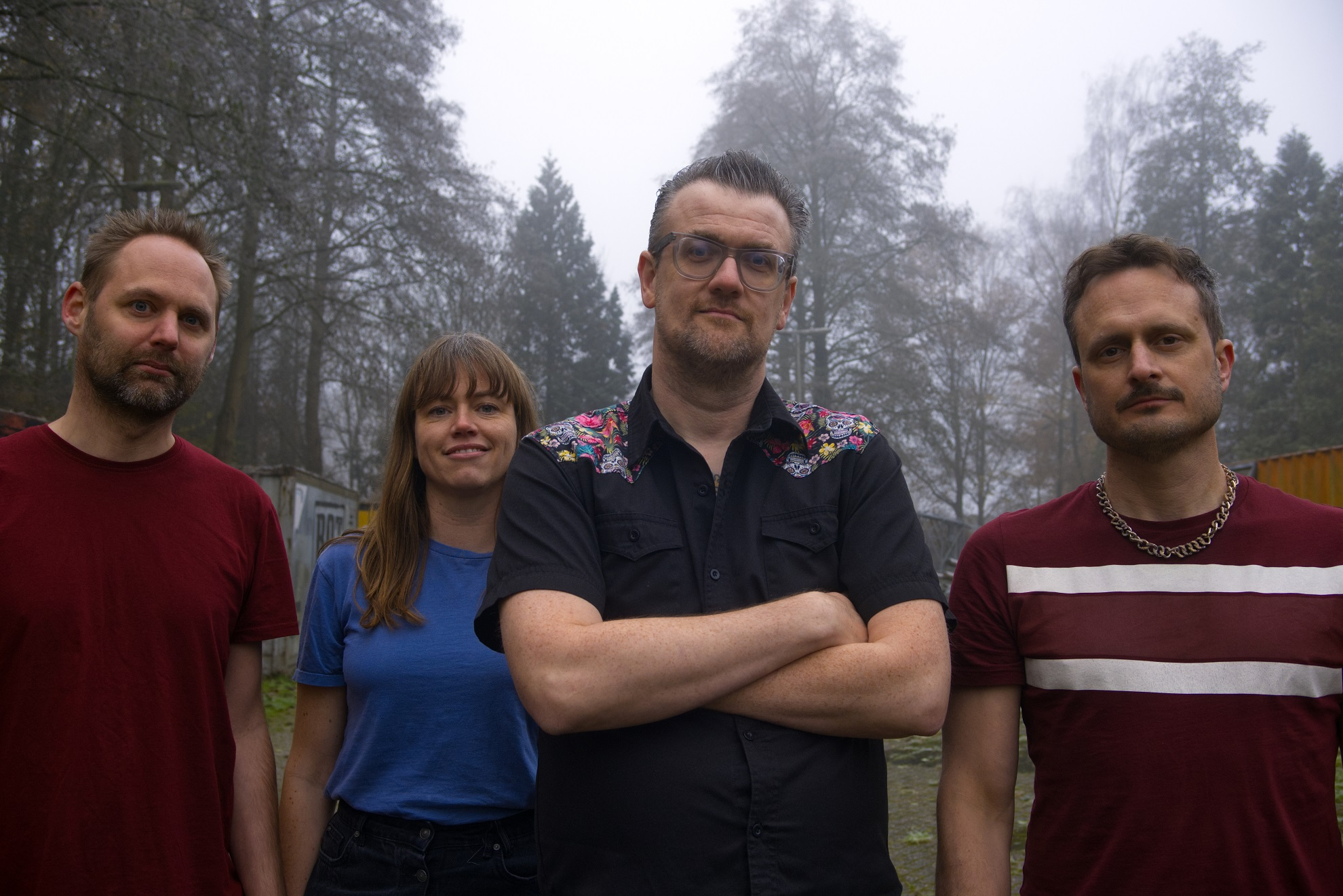
Hot on the heels of their 10th anniversary, Dutch punks Ink Bomb are back with a brand new single “Rome is Burning (again)” and we’re stoked to bring you the exclusive music video premiere in collaboration with Punk Rock Radar!
This single is the latest addition to Ink Bomb’s extensive catalog which includes two full-length albums, the latest being 2024’s Saudade. Head over to their Bandcamp and work your way through their back catalog.
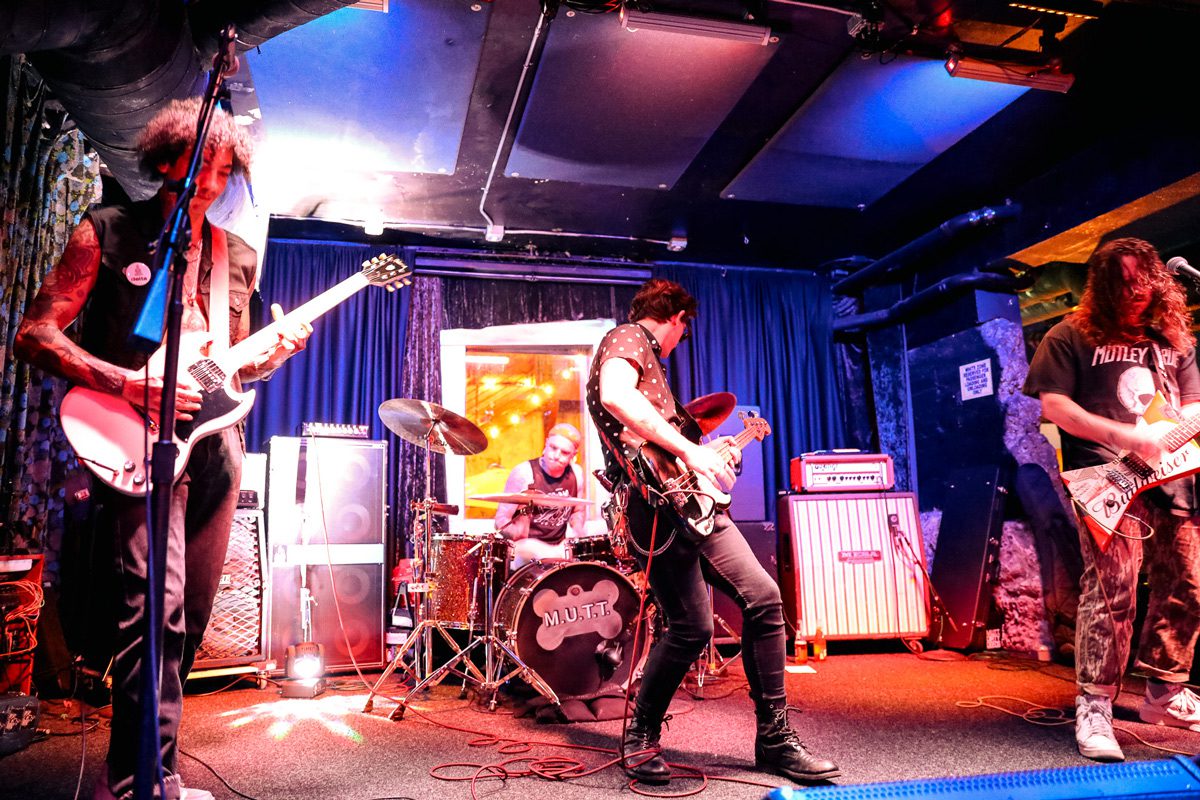
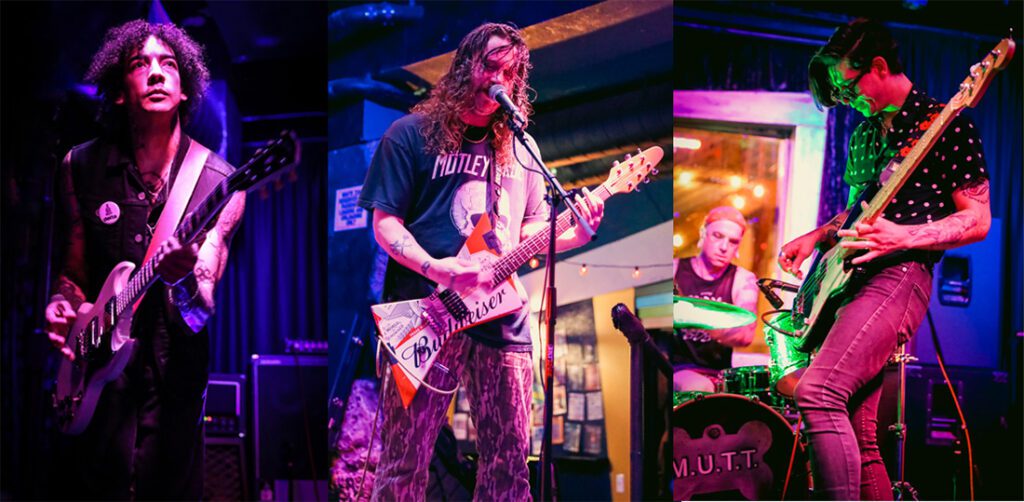
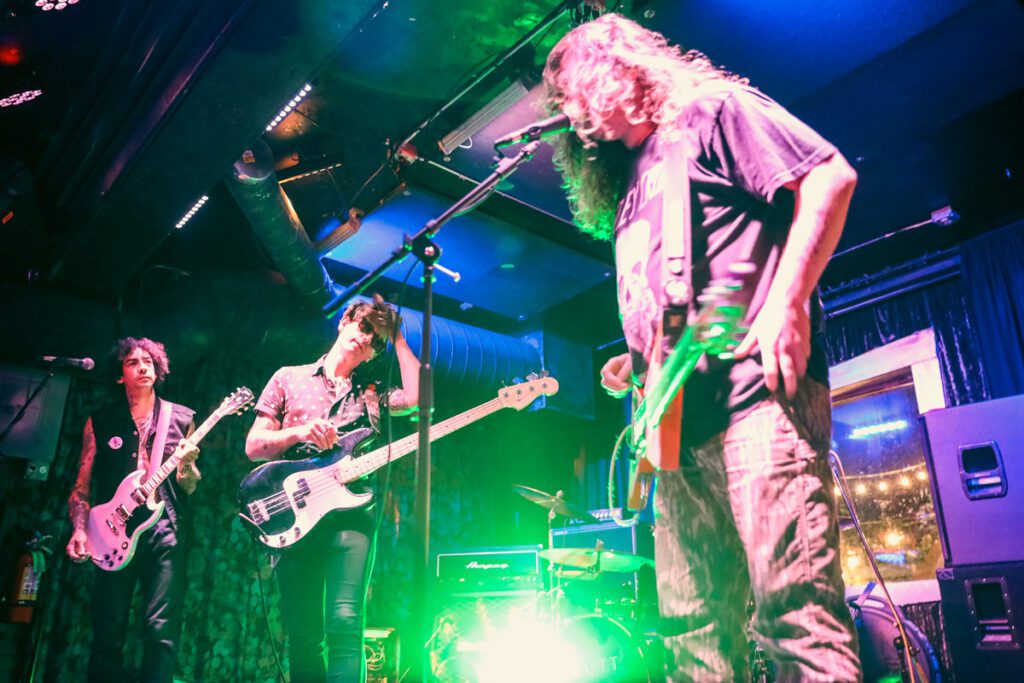
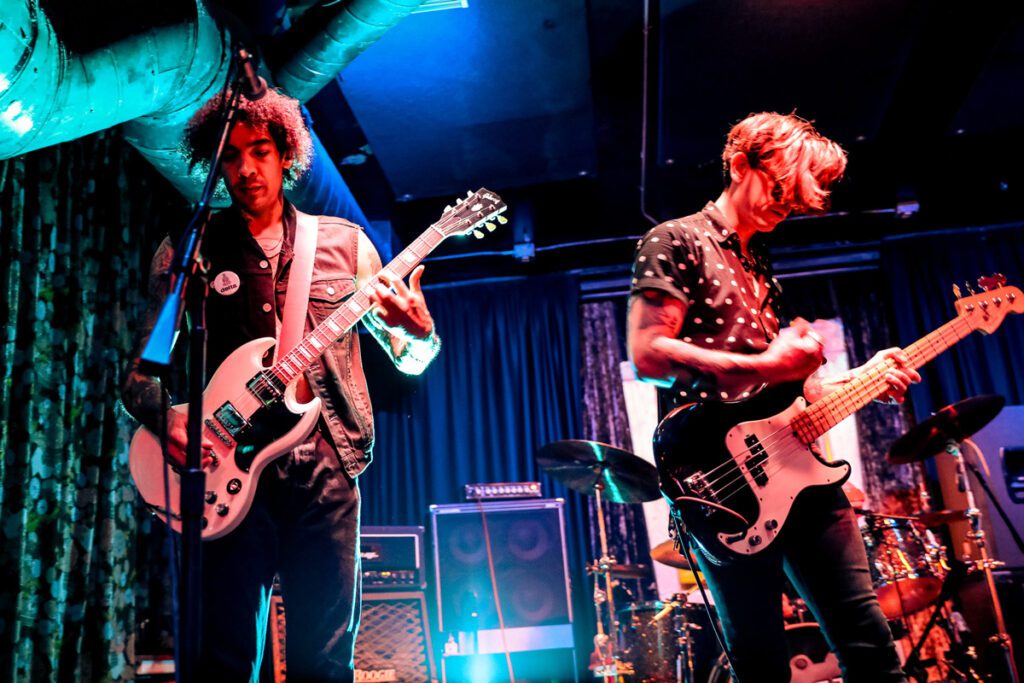
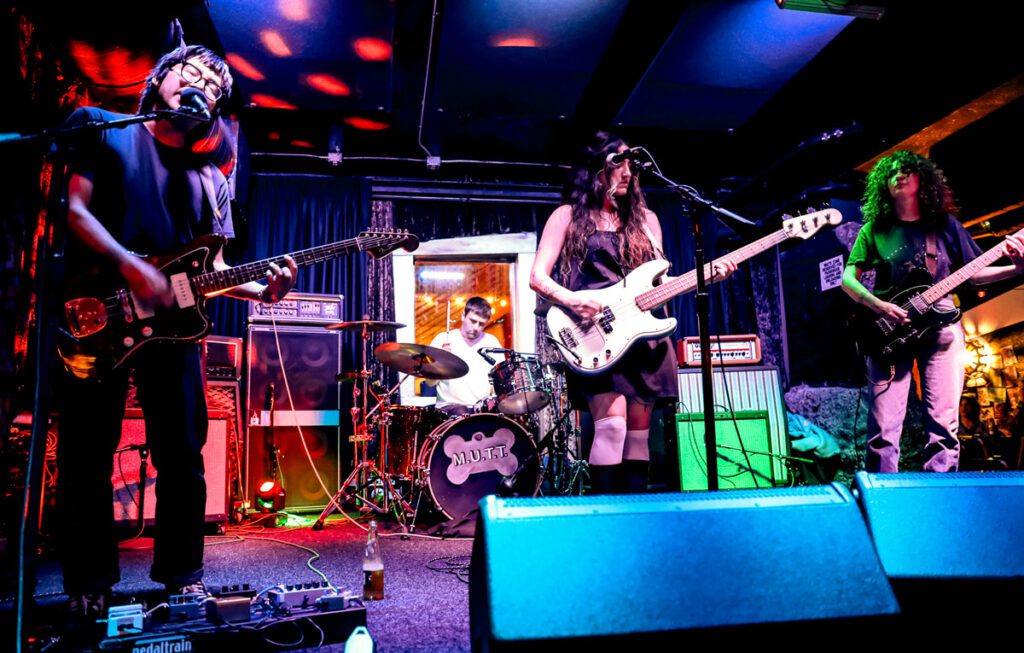
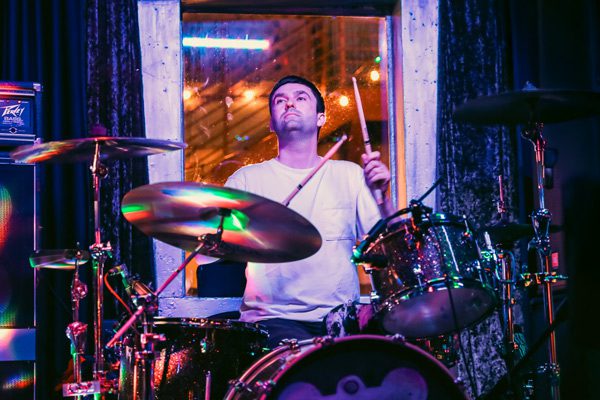
M.U.T.T. celebrated the vinyl release of “Toughest Street in Town“ at Bottom of the Hill in San Francisco. If you’re not familiar with this great band, it features Isa Anderson from Dead to Me on drums and some of the best former members of Culture Abuse: Matt Walker, John Jr., and Shane Plitt. M.U.T.T. are […]
If you’re not familiar with this great band, it features Isa Anderson from Dead to Me on drums and some of the best former members of Culture Abuse: Matt Walker, John Jr., and Shane Plitt.
M.U.T.T. are unapologetically themselves while at the same time built their band around a community that embraces them.
The crowd was filled with other musicians and workers from other venues that took the night off work to support them. Their approach to punk has an earnest raw grit and yet has a refined execution.
Check out their record:
Supporting the show was East Bay band, Blue Zero. Another great band from Chris Natividad of Marbled Eye and Public Interest that blends DIY, shoegaze, indie, and post-punk sounds.
Blue Zero announced this is their last show with their drummer Rick Altieri. Check out their last album:
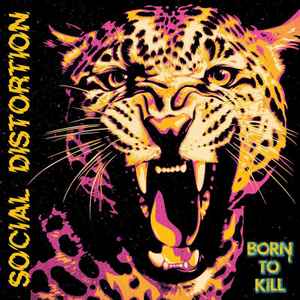
Anyone who tells you that a new Social Distortion album isn’t a big deal has no idea what they are talking about. Mike Ness is one of the genre’s longest-lasting figures. It’s been fifteen years since the last Social Distortion album, and a lot has changed in the world. It, in fact, feels like a […]
Anyone who tells you that a new Social Distortion album isn’t a big deal has no idea what they are talking about. Mike Ness is one of the genre’s longest-lasting figures. It’s been fifteen years since the last Social Distortion album, and a lot has changed in the world. It, in fact, feels like a completely different place, but one thing you can count on is that the sounds of Social Distortion haven’t changed. Mike Ness’s new batch of songs on Born To Kill are reflective of his personal journey through it. While the album doesn’t necessarily progress Mike Ness’s songwriting, I think it can be debated if that matters with a Social Distortion record.
Physical copies of the record are sold as a double LP with three sides. This doesn’t make sense on paper given the record’s forty-five-minute runtime, but will make sense artistically as you make your way through. Like most musicians, Mike Ness has a history of widening the spectrum of genres he pulls influence from while composing his songs. Think of the jump from *Mommy’s Little Monster* to *Prison Bound*. *Mommy’s Little Monster* is a great punk album, while the band’s sound from *Prison Bound* forward is very influenced by Ness’s love for Johnny Cash. There are moments where “Born to Kill” feels like the missing link between “White Light, White Heat, White Trash” and what their music has been missing since original member Denis Danell’s passing in 2000.
The title track, “Born to Kill,” is a fantastic Social Distortion song and opening track. It’s explosive, channeling the 1990s era of this band, which is arguably their strongest. “No Way Out” feeds off that energy and Mike Ness’s ability to channel the rough times in his life with music and lyrics. Songs like “The Way Things Were” and “Tonight” are nostalgic in their lyrics. While Ness has been somewhat open about his struggles, whether health or addiction, the long gap between releases can leave it ambiguous as to what the songs are referring to. However, with “The Way Things Were,” it’s very clear that this song is reflective of his punk rock past.
The second side of this album leans heavily into Mike Ness’s non-punk influences. Fans of Ness’s punk rock songs may be turned off by the band’s cover of Chris Isaak’s “Wicked Game.” As usual, Mike Ness wears his honky-tonk heart on his sleeve with “Crazy Dreamer,” a duet between Mike Ness and Lucinda Williams. This far into his career, Ness is as adept at playing country as he is at playing punk rock. At one point, these songs would have fit on one of Mike Ness’s solo records. However, since the death of Dennis Danell, Social Distortion’s output and Mike Ness’s solo records are one and the same.
For as strong as this record is, the third side is definitely its weakest, with “Walk Away (Don’t Look Back)” being pretty bland, but it also features “Don’t Keep Me Hanging On,” a song leftover from the *White Light, White Heat, White Trash* sessions. As with most of Social Distortion’s songs, there is this throughline of redemption you’d get after getting clean and trying to make amends with those around you and your life. A couple of years back, Mike Ness was given the key to the city of Fullerton, California, where most of this debauchery took place in the 1980s. While the search for redemption continues through the last few songs, by the end of the record, it very much feels like he found it.
“Born to Kill” is a return to form in many ways for Social Distortion. While it doesn’t break new ground, it doesn’t need to. The last two Social Distortion albums felt very experimental for Mike after losing his longest-standing collaborator at the time. Since then, Mike Ness has carved a place in music that is undoubtedly his own. This record feels lived-in and reflective of the many lives this band has had throughout its decades-long career. The long wait between those periods of inactivity where Mike Ness opens the curtain and shows the world the results is meant to be special. This time, it was worth the wait.
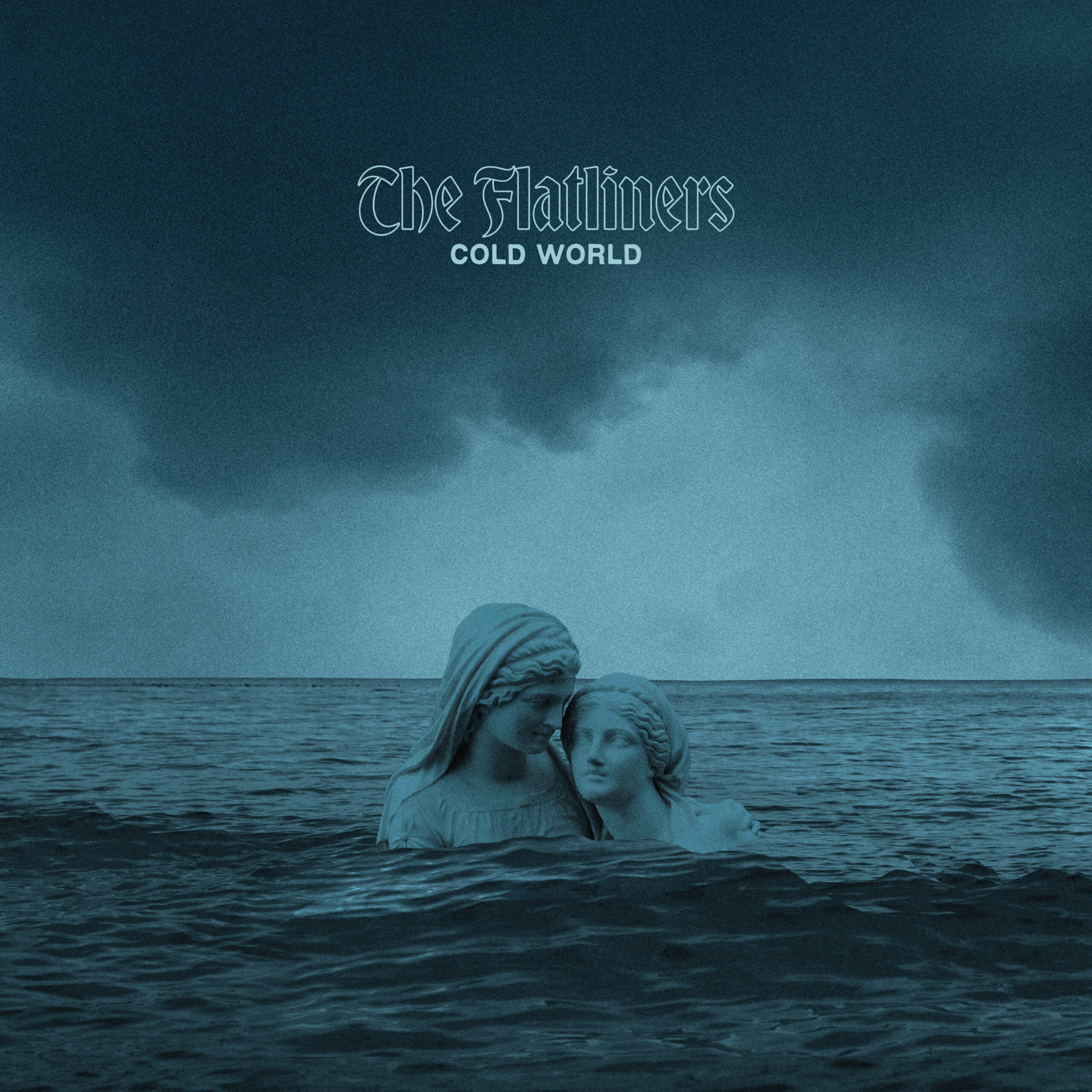
Longevity, effort, dedication, relevance, consistency, performance, influence, and perseverance. Words that come to mind describing the tenacity of any musician, artist, or band. The people that make up the punk rock world encompass this and much more. A shining example is Ontario, Canada’s The Flatliners. The quartet, based out of Richmond Hill, Ontario, has been […]
Longevity, effort, dedication, relevance, consistency, performance, influence, and perseverance. Words that come to mind describing the tenacity of any musician, artist, or band. The people that make up the punk rock world encompass this and much more. A shining example is Ontario, Canada’s The Flatliners.
The quartet, based out of Richmond Hill, Ontario, has been rocking live shows and cranking out some of the best music everyone loves since 2002. Between the time and hard work this band has put in, it’s safe to say they’ve earned the recognition and loyalty among punk rock fans across the world.
The Flatliners have released seven studio albums and a plethora of EPs during their twenty-four years as a band. Starting with their debut Destroy to Create in 2005, followed by The Great Awake in 2007, Cavalcade in 2010, Dead Language in 2013, Inviting Light in 2017, New Ruin in 2022, and now Cold World, their seventh album releases today.
The excitement for the release of Cold World has been building over the last few months. The hype is very real, fans have been anticipating new music from The Flatliners and they did not disappoint. The band released “Good, You?” as a single on February 17. “Good, You?” seems to ask how we are doing while acknowledging the struggles and feelings we have as people. “So tragic, so blind to the ever-open wound, good, you?” The song has the slow-paced guitar buildup we all have grown to love about this band. Melodic, emotional and with purpose, this is why we love The Flatliners. An excellent peek at what is to come for the album.
“Inner Peace” is somewhat of an ironic name for this song if the listener is to go by the pace of the music itself. An aggressive, in-your-face, loud, and hard-hitting song, the chorus slows down to form a melody that is familiar. Features the signature raw vocals from frontman Chris Cresswell (Yes, THE Chris Cresswell, the same dude who moonlights as a member of Hot Water Music) and is very much complemented by the drumming of Paul Ramirez. “So deflated, turn it on, breathe your air into me or I’m gone,” a search for something uplifting, perhaps enlightenment.
Big guitars, big drums, and some ohhs and whoas showcase the intro song for Cold World, “Stolen Valour.” Once Creswell chimes in, we know where this is going. “Together in disintegration we fall first. Completely it will come apart, it just gets worse,” these lyrics will be stuck repeating in your head while contemplating your sense of belonging. This is The Flatliners we want to hear, a song that will get the crowd moving when played live.
Perhaps the most poignant song on Cold World is “And They’re Off.” This is the song that we will be singing together in dive bars while drinking cheap beer and lamenting the past. “Catastrophe, sitting on the shoulders of what used, what used to be. The horse we’re betting on is already dead, so what’s the use?” This is a statement to keep going. “Set foot in the past, keep planning now for the future.” Let this song soak in and enjoy.
“Pulpit” is very ambitious, heavy, and sounds like it should be played in a stadium. “There’s beauty in the way we have decayed,” finding the good when things are going bad. Another example of a chorus that’s going to be stuck in your head. “Burn” might be the best pound for pound song on the entire album. It’s the classic sound of The Flatliners and is a reminder of how far this band has come. Play this one at full blast and get those fists pumping. “Burn, don’t let it burn away, Burn, what’s lost cannot be saved.”
Overall, Cold World, is an absolutely fantastic offering from The Flatliners. Much like their previous albums, it has charm, melody, ingenuity and compassion. It breathes. It speaks. It feels. There’s so much there and it easily is going to be the best album of the year to most of us. It is such a big album, from the guitars to the impact of the songs. A lot of reflection but also a lot of enthusiasm. The Flatliners have been through it and they’re still going through it.
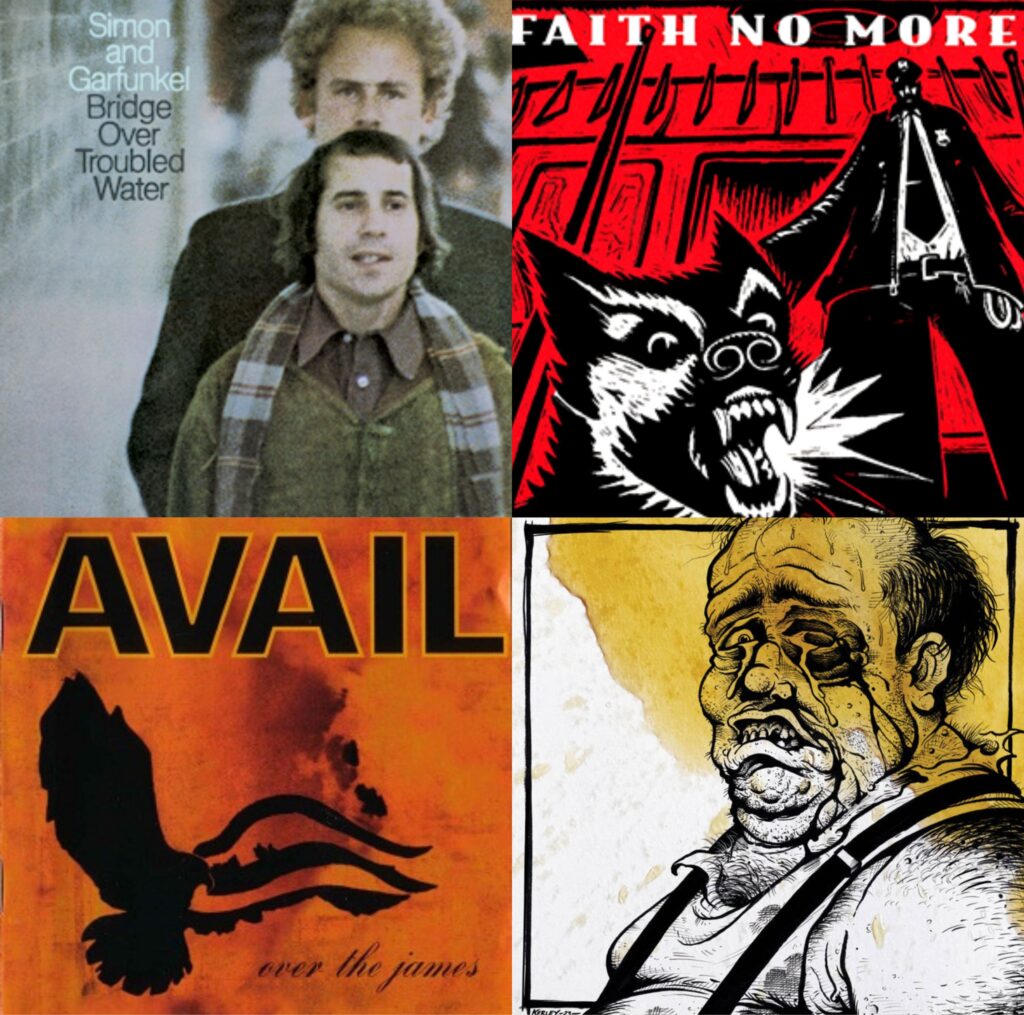
Welcome to Four Records! Each episode, we feature one guest as they go over four records at four different times in their life. This week, Forrest speaks with Matthew Rosenberg, the creator of the comics like What’s The Furthest Place From Here, We’re Taking Everyone Down With Us, and his newest book If Destruction Be […]
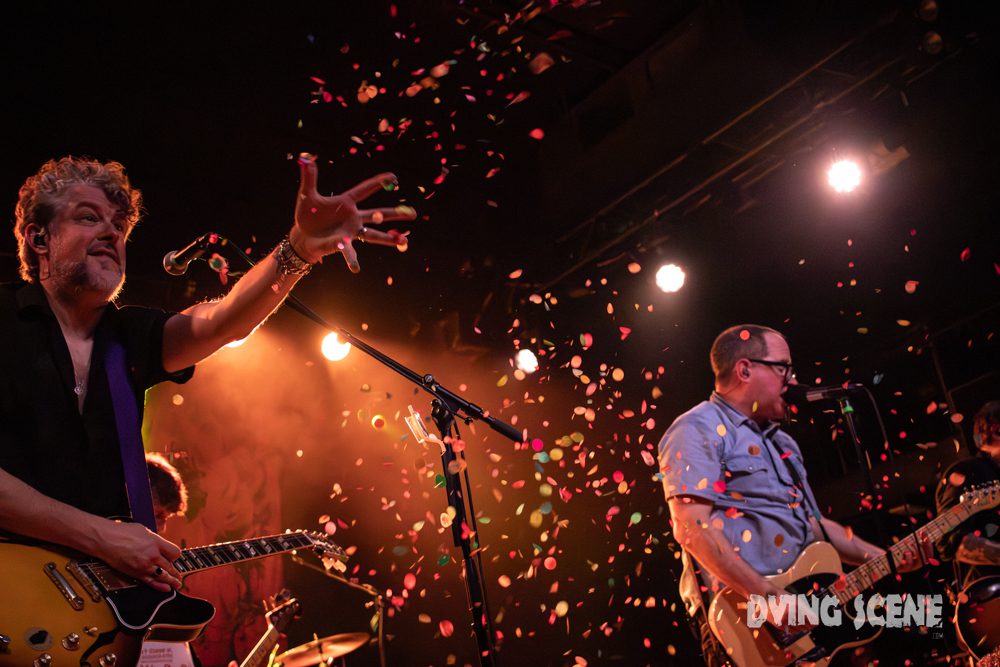
As incredible as it might sound, 2026 marks the twentieth anniversary of The Hold Steady’s Boys And Girls In America. It not only marked the band’s third full-length in three years (remember when bands did that? Ah, relative youth…), but as their first release through then-new label home Vagrant Records, it served as a step-up […]
As incredible as it might sound, 2026 marks the twentieth anniversary of The Hold Steady’s Boys And Girls In America. It not only marked the band’s third full-length in three years (remember when bands did that? Ah, relative youth…), but as their first release through then-new label home Vagrant Records, it served as a step-up in both production and exposure to a wider audience. We’ll have more on the legacy of the album itself when the actual release anniversary date rolls around in October, but for now, we join the band in their own celebration!
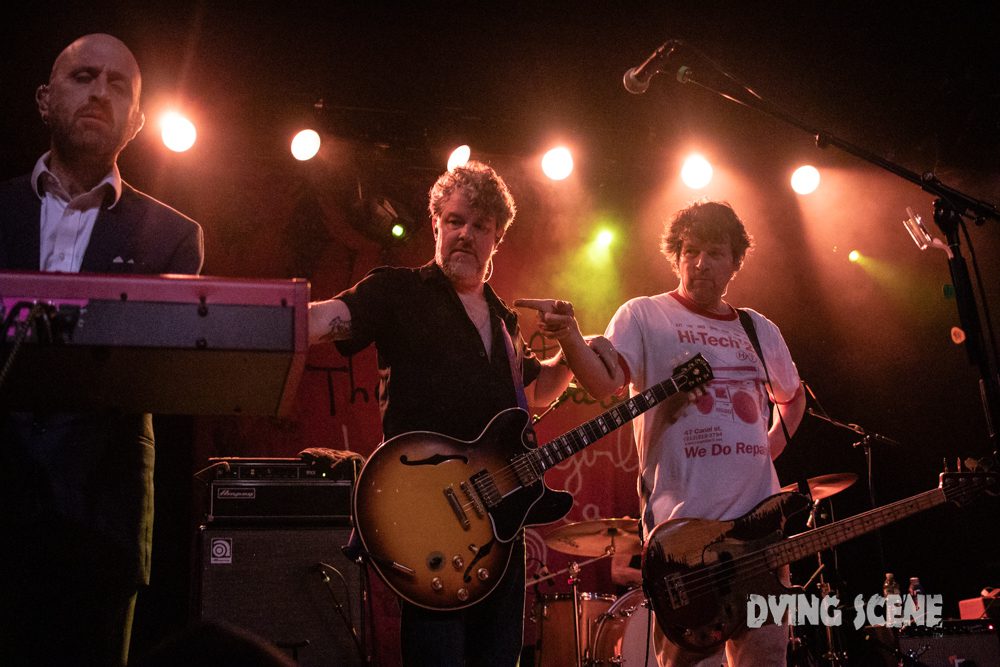
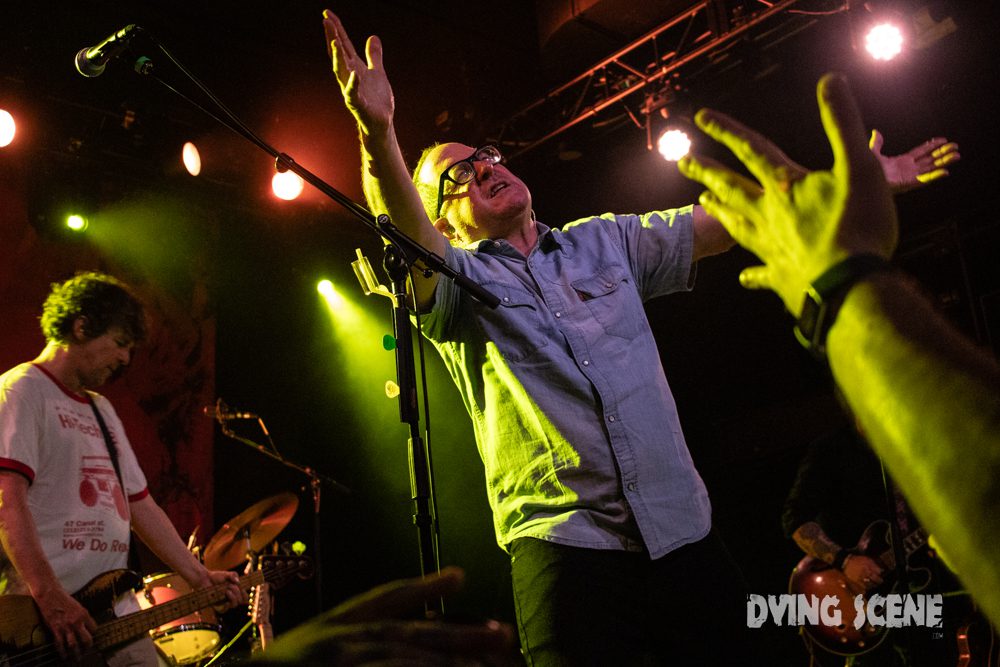
As part of a year-long run of shows honoring the BAGIA anniversary, The Hold Steady announced a four-night stay at the Sinclair, a venue nestled in the general Harvard Square area in Cambridge, Massachusetts. Hold Steady frontman Craig Finn is rather publicly a graduate of a fellow Beanpot school, Boston College. And while The Sinclair didn’t exist during Finn’s showgoing years on the Heights, there’s something that feels very Hold Steadian (Steadyian?) about the venue and the surrounding area. The venue itself soudns great and is well lit and has an unassuming industrial/subway air about it that is authentic in ways that newer gastropub microbreweries can only dream about. The jangly brick-lined sidewalks and narrow, paved-over pre-Revolutionary cowpaths have long been a way station for a wide cross-section of society; for generations it’s been home to the stereotypical “haves” for sure, but also counter-culture revolutionaries and wayward souls and well-read gutterpunks and upper-middle-class kids from suburbia in search of something close enough to ‘danger’ but also close enough to the subway to be able to return to their safe, suburban homes before the streetlights came on long traveled far and wide and populated The Pit (R.I.P.) and The Garage (also R.I.P.) and the bookstores and coffeeshops and back alleys.
Anyway, as per usual, I digress. On this evening, the first of those four celebratory evenings, The Hold Steady wasted no time in getting on with the business of celebrating, serving as their own opener and playing Boys And Girls In America front-to-back. (Editor’s note: nights two and three featured Jimmy Montague and Happy Little Clouds, respectively, while night four was a stripped-down, storytellers THS set). As proof of the album’s cultural staying power, especially within the Unified Scene, the overwhelming majority of Boys And Girls In America has long been regularly featured in the band’s live sets. Still, it is a different sort of experience hearing the album basically start to finish, in order, the same way so many of us first experienced at the initial needle drop or, I’m sure in most cases, the first time we put the disc in the aftermarket stereo in our 2001 Mazda Protege, a small handful of years before that car literally rusted away into nothing. But I digress again. Longtime Boston-area scene vets Ryan Walsh (Hallelujah The Hills) and Ezra Furman joined the crew for the boy and girl parts originally made famous by Dave Pirner and Elizabeth Elmore on “Chillout Tent,” which is undoubtedly the least-performed song from the BAGIA oeuvre for perhaps obvious reasons. I say “basically start to finish” because the band did insert a bit of a pre-planned audible, sliding BAGIA-era B-side “For Boston” in between “Chillout Tent” and album-closer “Southtown Girls.” It was an appropriate homage to Finn’s former home (not only did he spend his college years in the area, but he was born at the now-defunct St. Elizabeth’s Hospital in nearby Brighton).
The band took a normal opener-to-headliner-sized break of fifteen minutes between sets before returning to the stage for the main set. As interesting as it is to hear a set of exclusively Boys And Girls… tracks, it’s almost more compelling to see a full, headliner-length set that includes zero Boys And Girls… tracks because ten of the album’s eleven tracks have been set staples for so many years. The main set kicked off with “Multidude Of Casualties” from the band’s sophomore release, 2005’s Separation Sunday. The eighteen songs that followed were a pretty representative cross-section of the entirety of the band’s catalog, from Almost Killed Me‘s “Killer Parties” to the as-yet-unreleased “Dream Down By The Water.” Heaven Is Whenever bonus track “Ascension Blues” was a fun highlight from the lesser-played song archive, as was Teeth Dreams‘ “The Only Thing.” I have a soft-spot for that record and feel like it doesn’t always get the appreciation it deserves. Of course Mosh Pit Josh joined for the hardcore-style breakdown at the latter half of “Stay Positive.”
To look at the band is to see a crew of a half-dozen different guys from seemingly different scenes – from Nicolay’s frequent suits and bolwer hats to Selvidge’s 70s cocksure swagger to Finn’s English professor – who’ve felt the same gravity to create iconic, rock-and-roll music. The band has had a few different lineups over the years and each has its own merits, but I genuinely believe that the full-Voltron lineup that for the last decade has found Finn and (essentially) original members Tad Kubler (stage left guitar), Galen Povlika (bass) and Bobby Drake (drums) joined by both Steve Selvidge (stage right guitar) and the inimitable Franz Nicolay (keys, harmonica, accordion when the time is right) is the best lineup in a live setting. It might seem difficult for each of the members to carve their own space into the live sound, but The Hold Steady seem to pull it off effortlessly. Kubler and Selvidge trade massive hooks and frequently double or counter-melody each others leads, creating a swirling wall of guitars that Nicolay weaves his textures into and out of. Povlika and Drake, for my money, might be one of the more underrated rhythm sections in modern American rock, serving as the structural foundation for songs that are built with a lot of layers in a way that is understated without being simple and basic. And Finn…well, Finn is Finn. Equal parts poet and preacher and post-grad lecturer, more storytelling peer than bombastic prototypical frontman, Finn’s got an accessible, everyman quality that makes him instantly relatable to the scene as ‘one of us,’ while at the same time having a tremendously Springsteenian ability to create characters and carve stories that make him transcendent; not simply ‘one of us,’ but ‘the one of us who could actually do this and tell our stories and unify our scene.’
Finn routinely brings shows to a close by pointing out that there is so much joy in what the band does night in and night out. While the music is very much modern American rock-and-roll, there is an old hardcore show vibe of unity and that we’re all in this together in their live show, with the audience playing just as big a part in the vibe as the band. We might all be from different scenes and different crews and different area codes (my little corner of the pit had folks from a neighboring suburb and New Hampshire and Vermont and St. Louis and New Jersey and Seattle) but we are ALL the Hold Steady. Stay positive, and check out more photos from Night One below (and stay tuned for more of a look back at Boys And Girls at Twenty this fall)!
Recently, it seems you can throw a rock and hit a book about an overlooked punk rock scene. While punk rock has affected a good portion of the planet, each scene has its traits. While a lot of these traits can be traced back to either the New York or London scene, what’s evident is […]
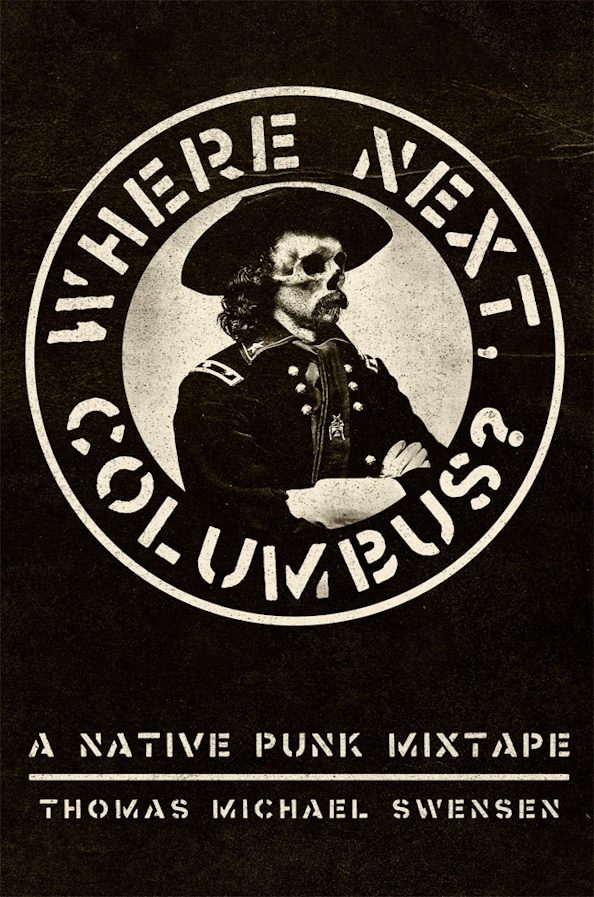
Recently, it seems you can throw a rock and hit a book about an overlooked punk rock scene. While punk rock has affected a good portion of the planet, each scene has its traits. While a lot of these traits can be traced back to either the New York or London scene, what’s evident is that a lot of the sentiments from the regionally cultivated scenes are universal. Thomas Michael Swenson’s book, Where’s Next, Columbus?: A Native Punk Mixtape, explores punk rock through a Native American lens. Pulling its title from not only a Crass song but also a Smithsonian Museum Exhibit that celebrated the incorrectly praised explorer, “Where’s Next, Columbus?” questions common assumptions about Native Americans, but it is not the focus. It doesn’t just re-contextualize punk as a whole as it relates to Native Americans, but also how it relates to sub-genres like hardcore, Oi!, and pop punk.
Born into Alutiiq culture in Kodiak, Alaska, Thomas Michael Swenson gives us his bona fides on how he got into punk rock, starting with a box of records procured by his mom in exchange for controlled substances. In this collection of records, he found the Ramones’ album Rocket to Russia, along with a George Carlin record and lots of rock from the ’60s and ’70s. This, combined with repeated viewings of the punk rock film Ladies and Gentlemen, The Fabulous Stains, a film that featured members of the Clash and the Sex Pistols would provide Swenson’s punk rock foundation. While his mom was working, He would make mixtapes with tracks off these records. Something he continues to do at the beginning of each chapter, resulting in a playlist that makes reference to punk bands like The Germs and OFF!, but also makes room for Native American punk bands and their relation to punk rock as a whole whether they sound traditionally punk or not.
Swenson goes over what sets his region’s punk rock scene apart from others, such as James Cook’s monument, the colonial history, and their looming presence over the Native Americans who live in Alaska. A show from Canadian Hardcore band DOA kind of set the scene on its path. It’s relatable as each region has that show or band that lit the powder keg, whether it be the Ramones first playing England or the Stooges playing for the first wave of punks. His arguments for punk rock are simple: punk is definitely political, and being born native is to be born into politics given the government’s treatment of Native Americans and the shrinking sovereignty they are experiencing.
Each chapter’s connective tissue is a little too transparent, but serves as a decent preview for what’s to come and even if each section’s thesis is stated too bluntly. Whether this is on purpose or not, it feels a little clunky mechanically, but works as a bit of a highlighter rather than a deterrent. While the text may be dense, as is par for the course on a lot of academic books, this keeps a reader from getting overloaded. In general, the actual mixtapes from each chapter are pretty cool. A good portion of these chapters center around a non-native setup, then provide their arguments using examples from Native American punk scenes across the country. Swenson shouts out a good number of bands, from old-school hardcore punks Skate Death, who played with DOA at that fateful show in Alaska, to Sub Pop artist Ya Tseen, and pop-punkers Friends of Cesar Romero.
While there have been a few academic books that seem to stretch their material, Where’s Next, Columbus?: A Native Punk Mixtape is not one of them. Each point is argued thoroughly without overdoing or repeating itself too much. Swenson’s experience and assertions regarding punk rock are more than valid and should translate well into other aspects of life and art, much like punk rock in general. If you are one of those people who feel like punk doesn’t have much to say, then you’re looking in the wrong places. Swenson’s book is a good place to start. Where’s Next, Columbus?: A Native Punk Mixtape by Thomas Michael Swenson is available through The University of Oklahoma Press.
Five-piece punk rock band HET UP! returns with a 7-inch split backed by fellow Toronto, Ontario band Almighty Trigger Happy on Cursed Blessings Records. HET UP describes their track “Smile…(see you in hell)” below: “[Smile…] is about the struggle between good and evil and battling inner demons. A constant theme that can be applied in […]
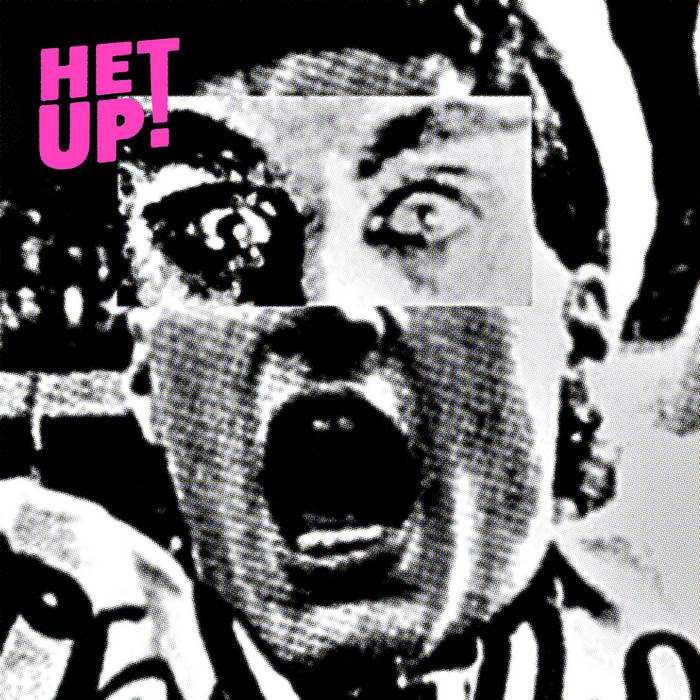
Five-piece punk rock band HET UP! returns with a 7-inch split backed by fellow Toronto, Ontario band Almighty Trigger Happy on Cursed Blessings Records. HET UP describes their track “Smile…(see you in hell)” below:
“[Smile…] is about the struggle between good and evil and battling inner demons. A constant theme that can be applied in multiple aspects of life. How little choices can shape and define your path and your future. Redemption or ruin are around every corner.”
Stream “Smile… (see you in hell)” below:
Physical copies of the split can be pre-ordered at Cursed Blessings Records website.
Canada, HET UP! has a couple shows coming up. Check them out at the dates below:
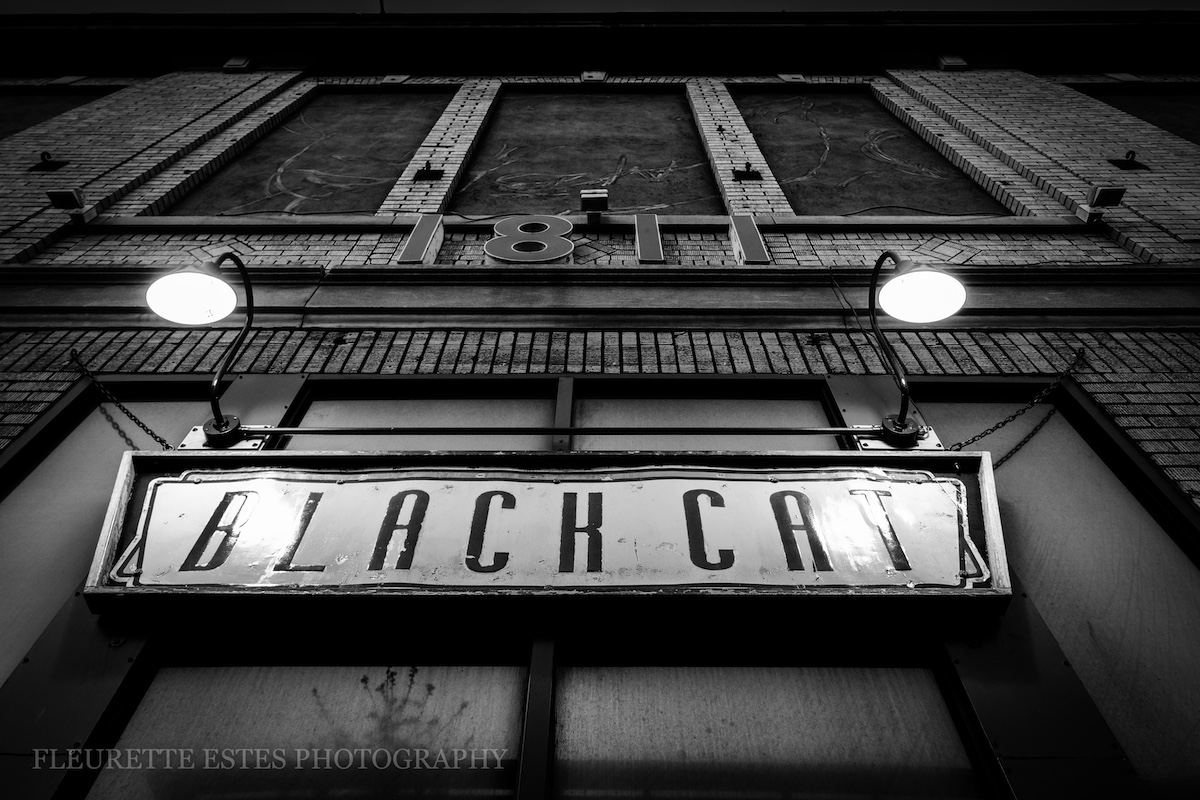
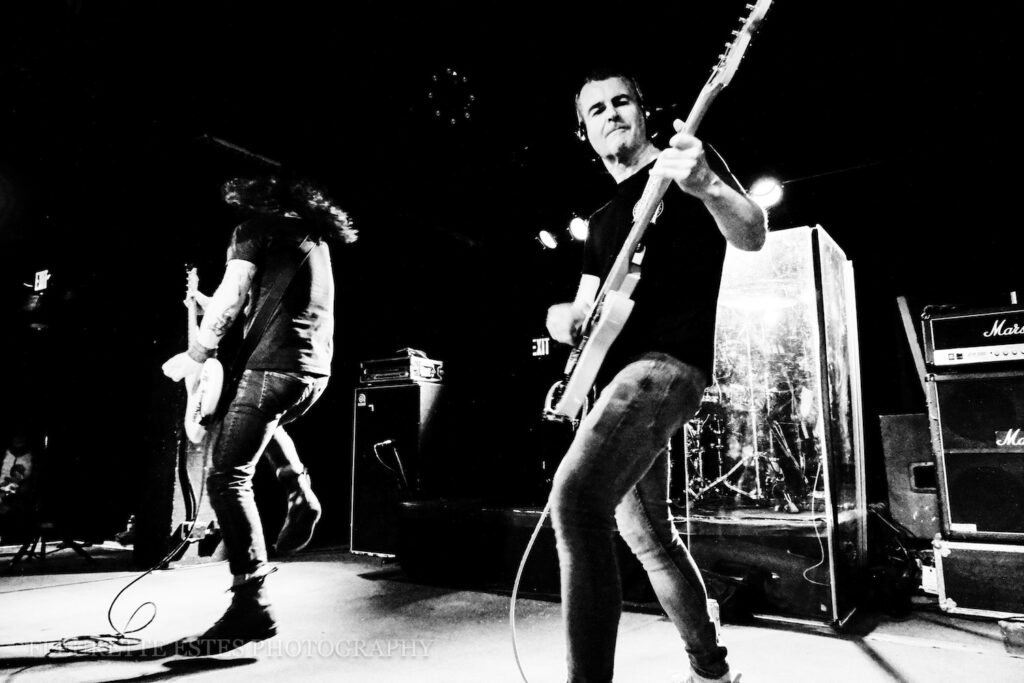
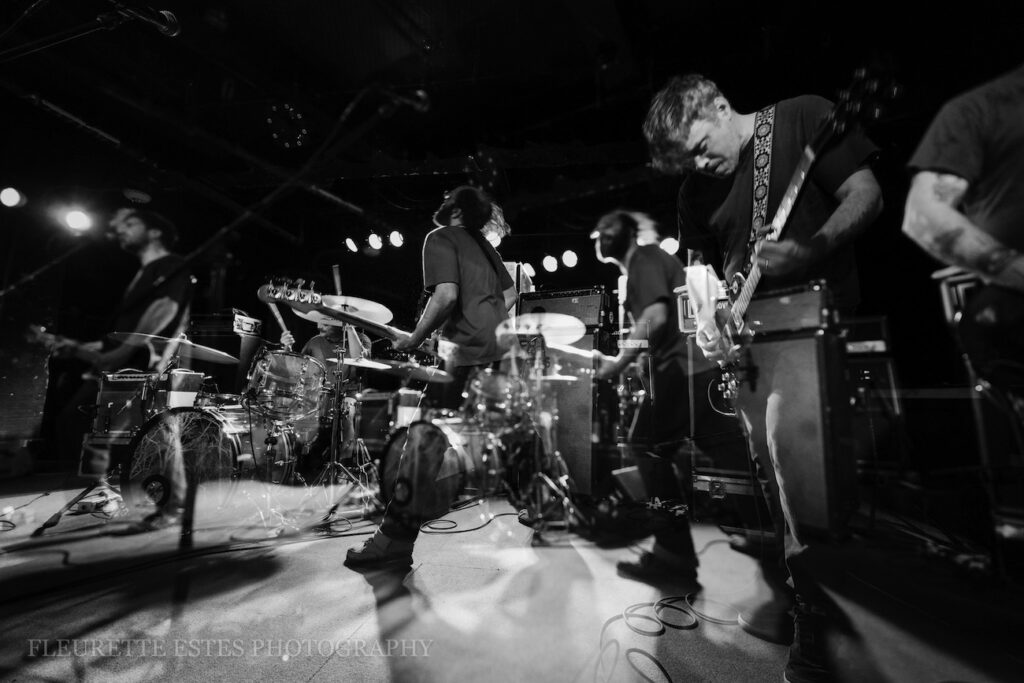
On 11 April 2026, Mclusky played to a full house at the Black Cat in Washington, DC. Opening the night, Pile kicked things off with explosive energy and kept the momentum straight through to Mclusky’s set. The crowd was loud and sand along. All the way from Cardiff, Wales, post-hardcore/noise rock trio Mclusky consists of […]
On 11 April 2026, Mclusky played to a full house at the Black Cat in Washington, DC. Opening the night, Pile kicked things off with explosive energy and kept the momentum straight through to Mclusky’s set. The crowd was loud and sand along.
All the way from Cardiff, Wales, post-hardcore/noise rock trio Mclusky consists of founding member Andrew Falkous (vocals/guitar), Jack Egglestone (drums), and Damian Sayell (vocals, bass, guitar). I first learned of Mclusky from Chicago post-punk rockers Ganser, who toured together in 2024. I really wanted to catch that tour but wasn’t able. Finally catching up to the mysterious Mclusky was worth every minute of their set. As this was the last night of their North American tour, they went out with bang! See you next time.
Mclusky’s setlist follows:
Fuck This Band
Lightsabre Cocksucking Blues
Without MSG I Am Nothing
Collagen Rock
What We’ve Learned
unpopular parts of a pig
Whiteliberalonwhiteliberalaction
Day Of The Deadringers
as a dad
way of the exploding dickhead
You Should Be Ashamed, Seamus
She Will Only Bring You Happiness
Icarus Smicarus
kafka‐esque novelist franz kafka
Alan Is a Cowboy Killer
The World Loves Us And Is Our Bitch
the battle of los angelsea
Rice Is Nice
people person
Chases
Dethink To Survive
i know omputer
Whoyouknow
To Hell With Good Intentions
Hailing from Boston, Massachusetts, indie/noise rock band Pile consists of Rick Maguire (vocals, guitar), Alex Molini (bass), Kris Kuss (drums), and Matt Connery (guitar). This was my first run in with Pile and I was pleasantly surprised. They were the perfect opener for Mclusky. I hope to see them again and hope you get to see them in your neighborhood.
If there is one band that’s left an impression on me in the time since I started writing for Dying Scene, it’s definitely the Middle-Aged Queers. Based out of Oakland, CA Their shows are just as fun as their music, which is unapologetically tongue-in-cheek and sarcastic. While on the surface it seems like this quartet […]
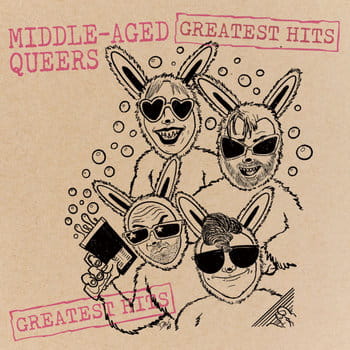
If there is one band that’s left an impression on me in the time since I started writing for Dying Scene, it’s definitely the Middle-Aged Queers. Based out of Oakland, CA Their shows are just as fun as their music, which is unapologetically tongue-in-cheek and sarcastic. While on the surface it seems like this quartet of East Bay punk rock veterans may not take things seriously, underneath you find there is a bond and love for each other that only comes along so often. While it wouldn’t be uncommon for a band with a catalog the size of the Middle-Aged Queers to release a “best of” collection, the band took a different direction for this release.
Greatest Hits isn’t a compilation of the band’s most popular tracks but a collection of cover songs from the band. Some of these were recorded previously, and rather than letting them collect dust, Shaun Osburn and crew decided to record some more and release them as an LP. The result is a sort of mixtape from the band that not only shows their influences but also their humor and the fun they have as a band. We sat down with Shaun, who gave us a breakdown of the tracks on Greatest Hits and some stories behind why they are so influential on the band.
Dying Scene (Forrest Gaddis): I really liked the record. It’s a lot of fun. The song choices were awesome.
Shaun Osburn: A few of those were left over from tribute albums that never happened. Some stuff was just sort of like… at one point we had talked about Middle-Aged Queers and Tsunami Bomb combining forces to do a set of Faith No More songs. “We Care A Lot” was the first song that we learned for that cover set. The more we kind of looked into it, the more we were like, “Faith No More writes really simplistic stuff, but their arrangements are overcomplicated.” “We Care A Lot” is such an easy song, as far as performing it, but remembering all the weird changes. We were like, “Yeah, I don’t even think that this is possible for like nine people to divvy up and go. It’s not even going to be playing at once, not just, ‘We’ll handle this song.’”
We were going to sort of tag-team members. You know, like three people from Tsunami Bomb and then four people from Middle-Aged Queers would play a song. Then two people from Middle-Aged Queers and three people from Tsunami Bomb, was sort of how we envisioned it. It could have been cool, but the more I think about it, I’m stressed out enough playing my own stuff during Fest. Having it be a cover thing, it just seemed like too much of a hassle, but we played it out live a few times and we were like, “We should just record it.”
I saw you guys about a year and a half ago at The Sardine. I’m trying to remember if you played it when I saw you.
Was that with Hammerbombs?
Yeah.
We did play that.
That’s why it sounded familiar when I heard it. I think that’s what sold me, starting with Peaches’s “Fuck the Pain Away” into the song.
The first time I did that was in rehearsal, and we’d already decided we were going to play it at Gilman for an upcoming show. In my head, I started thinking about it before we played it. I was like, “Oh, I could like do “Fuck The Pain Away” and it would fit perfectly. Nikki (drums), like the first time through, just stopped and was like, “What the fuck are you doing? I can’t play drums while you do that.”
She was just laughing hysterically. I explained it to her, and then it just became sort of like, “We’ll do a mashup,” which we’ve done a lot of in covers. Like if you listen to the Operation Ivy tribute record that Sell The Heart and Lava Socks put out, we throw in Suicidal Tendencies’ “Institutionalized.” Just randomly, like trying to merge as much stuff as possible. We do that on some originals as well, where we throw in somebody else’s lyrics and wonder if someone will catch that.
We decided not to re-release anything that had been out on tribute albums, but there was an AFI tribute album that was going to come out on Lava Socks, and we jumped on it immediately because Josh, our bassist, had originally put out that AFI album (Answer That and Stay Fashionable) on Wingnut Records. When it came up in conversation with Lava Socks, we immediately were like, “Let’s do ‘I Wanna Get a Mohawk.'” Josh was like, “I don’t know if AFI would be cool with that.” I said, “As long as we’re paying for the mechanicals, they can’t stop us.”
That record never saw the light of day, and a lot of that was because when Lava Socks approached bands to participate, none of them wanted to do that album. They wanted to do something off of Sing the Sorrow. That one just kind of fizzled out because people weren’t really familiar with the first record.
It’s such a good record.
As someone who was introduced to AFI when they had two seven-inches out, as far as I’m concerned, like that record and Very Proud of Ya are the pinnacle of their career. However, I stopped paying attention after that, when everybody else started paying attention.
It’s just such a good punk record. That period of time at Gilman was just excellent, so I have really fond memories attached to that. It kind of felt like everybody who was going to get signed and be mega popular, that ship had already sailed. People were kind of doing their own thing. Other notable folks during that time would be like Black Fork, who was an unsung Lookout Records band. Hickey is another great one from that time period. The Bay Area just had lots and lots of music coming out that was clearly not ever going to be commercial. People weren’t really trying to gun for big success.
I remember in like 1998, around the time Very Proud of Ya came out, I was chatting with the head coordinator at the time at Gilman, Chris Sparks, and he asked, “Do you think that there’ll be another Gilman band to make it and become super popular?” And I said if there was a band, it would be AFI. His money was on Screw 32, and Screw 32, I think, abruptly ended that year.
I didn’t realize that Screw 32 was a Gilman band.
Oh, yeah. In fact, AFI and Screw 32 always played together. It was decided that AFI and Screw 32 weren’t going to play together because it just got way too wild. At that point in time, Gilman didn’t really have an official maximum capacity. We weren’t really answering to the fire marshal, anyway. I’ve been at Gilman where there were like 1200 people crammed inside. The legal capacity now is about four hundred. That just tells us how crunchy things got up in there. We’ve played that cover live, too. Although, we always say that it’s by a band called Abuncha Fucking Idiots, their original acronym. We’d be like you’ve never heard of it. It’s really obscure, It’s a deep cut off of an unknown band.
There’s also some funny ones in there like the Dr. Know cover (“Fist Fuck”) came about because Josh and I are friends with Brandon Cruz. They played a show in Berkeley where someone yelled for it, and Brandon was like, “I’m not going to sing that one,” and said, “Shaun is.” I’m just standing there like, “Okay, I guess I’m singing.” After that show, I guess on stage they said “We’re not playing that song ever again. It belongs to the Middle-Aged Queers.” So, we ran with that and started playing it live and saying that Dr. Know had stolen it from us.
A band that got together twenty years before you guys were a band or whatever.
Well, their doctorate is in quantum physics, and they invented a time machine, went back in time to steal the song.
Makes sense.
We did our own little spin on it because they were like, “It’s your song now, go cover it.” I think with Flipper, because Josh is such a mega fan, he played in one of Bruce Loose’s iterations of Flipper called “Not Flipper.” I think the flyer was in tiny letters. Bruce Loose organized some other players and did a set. Josh was in that. When he was fourteen, he used to go up on stage when they’d play at the Mabuhay Gardens and fill in on bass for them. That’s kind of how he learned.
It was like, “What is the Flipper song to cover?” and I suggested, “Ha Ha Ha,” because that song will just out of nowhere get stuck in my head. I definitely don’t have to worry about ever forgetting the lyrics to that song. For the most part, everybody kind of chose a song. We had all these things that came up organically, and then everybody picked a song. The other four songs on the record are just kind of things that we were like, “What is the song that you want to cover?”
For Nikki, that was Bush’s “Little Things,” which I was not into at all the first time she played it. I couldn’t imagine us doing this cover any sort of justice. I definitely took some liberties in how it was delivered, but it turned out better than I expected.
I like your Gavin Rossdale voice, but it’s a little lower.
I dropped a few octaves on it, and that was mostly to entertain myself in the studio. “How low can I go on this?” I joke that my range is limited to New Wave voice or Grimple voice. I wanted to kind of push myself a little bit there. I’m happy with the results. With “Keep On Living,” it was decided that I was not going to sing on that song. I was fine with that. I was going to play the tambourine, but then Fureigh (guitar) was already in there with the box of toys and shakers. I don’t need to play on every single song.
“Anti-Hero” was the one that I was like, we need to cover this. Josh couldn’t make it to practice that day. On the drive over, I was memorizing the lyrics and I played bass. We came up with the arrangement while we were all there, and then Josh came in eventually. We were going to try and do it exactly like Taylor Swift, same tempo. Then I said, let’s just try and play this like it’s a punk song.
Those drums sound like “New York’s Alright” at the beginning.
A friend of mine, Dave, the bassist of Dollar Store, said, “For someone who doesn’t like Bad Religion very much, you managed to take a Taylor Swift song and make it sound like a Bad Religion song.”
Oh, I didn’t even take it there, but I guess so, huh?
The Mazzy Star cover is interesting, too.
Josh really wanted to cover that, and we weren’t really feeling it when he played it for us on his iPhone. Which, you know, is always fun and entertaining when someone’s trying to convince you. We cover it like a hardcore song. I play bass on that, and he sings. That’s how we do it live, as well. That one we did a few times and went, “This is gonna be easy.” We can just knock this out in the studio. We did it in one take. It was the first time I ever did that sort of surfy, like, intro on the bass.
How often do you get asked to do things like comp albums or tribute albums like it seems like you’re on a few of them.
We’re on the Jawbreaker one for Dear You called Lawbreaker,” and we’re on the Operation Ivy one. Just those two. We missed the Rancid one by just a little bit, and we passed on a Blink-182. We went through Blink-182’s catalog, and honestly, for a lot of people my age and younger, their introduction to punk rock was through Blink-182. I’m totally not going to criticize that because it’s valid. Whatever gets you into it. There was just nothing in what I was hearing where I was like, “Yes, I want to cover this” and think I can do it justice or have fun with it. So, we passed on that.
The Operation Ivy one was fun. We got to that one kind of late, yeah, out of everything that was left. I was like, “Let’s play ‘Sleep Long,'” just because that’s the closest to our wheelhouse. I’m stoked with how that one turned out. We would play that one live often, like the first few times that we went through the East Coast. We had a cover by a band called The Middle Class.
We covered “Home Is Where.” I love Middle Class, but there was something about that particular song and the drumming on it that always bugged me. Nikki took a more straightforward punk approach. I think it turned out cool. It also turned out cool because she was singing too. It’s kind of dueling femme and masc vocals.
The Operation Ivy one, we know that they heard it because it was important to the labels that they gave their blessing before it was released. With Jawbreaker, we know that they heard it because Adam went to Nikki’s work with a Jawbreaker care package to thank her. I even mentioned it to him on Saturday because he was my plus one for The American Steel show at Bottom of the Hill and he was like, “I don’t think I’ve ever seen you guys play.” I forget how it came up. I was like, “You’ve heard us because we covered one of your songs.” They intended to take it with them on tour when they were doing the Dear You anniversary tour, but it didn’t get back from the pressing plant in time.
They were really stoked that somebody did a collection of different bands paying homage to that record. It’s really cool; if you listen to it, there are so many different takes on how people did it. We played with it lyrically. There’s some stuff that kind of feels a little bit more like electronic. It’s a pretty eclectic mix of bands in there, most of whom are from the Bay Area.
I like how you updated the lyrics with the Faith No More cover. They were timely.
Doesn’t the original bring up Garbage Pail Kids at some point? There was a little bit of contention around Transformers because “there’s more than meets the eye.” Some folks were like, “Leave it as is,” and I was like, “That’s a dated reference to a dated thing.” Also, the bad guys were called Decepticons. We took that out, but we still left in something that was relevant to trans folks in there as kind of like an homage to the original lyrics. Some of them remain just as relevant; I’d say the bulk of them didn’t get updated. Things like, instead of talking about AIDS, it was monkeypox.
I kind of know when this was written or when they did this. I’m certain that will somehow get filtered back to Faith No More. We’re not too separated from them. We played with Roddy Bottum’s new band, maybe two years ago. I was decent enough acquaintances with Chuck (Mosley). Not that he can hear it or maybe he can; he’s just in another dimension.
Outside of the cover albums that you talked about, are there any other cover albums or any covers you like in particular?
That’s a good question. I liked Blatz’s cover of “Nausea” by X, which is worth checking out. So much of this is going to be very relative to the Bay Area, too. That one kind of stuck with me as being one of those examples of the cover being better than the original. This is all subjective. I just think that there was something a little bit brattier and unhinged about their version than the original. Good Riddance’s cover of “I Melt With You.”
That’s a great one, too. I remember that one. I remember that one when I was getting into punk.
Gosh, I keep bringing them up, but Black Fork covered GG Allin’s “Don’t Talk To Me,” which I’d never really even heard GG Allin. It was sort of like, “Oh, that’s GG Allin. He’s on the Jerry Springer show.” They covered him on one of their records. Maybe it was a demo, and then when I went back and listened to the original, I was not impressed, but I will say his cover of Carmelita is amazing. Actually, I would say that that’s probably my definitive answer for the best cover.
Were there any songs that you wanted to cover or that you guys didn’t get to put on here, or maybe got axed?
I wish Josh were here because he had so many. One that was a contender for a minute, and ultimately it just got too unwieldy, was “Be Quiet and Drive” by the Deftones. At one point it was like this weird freeform noise jam that we were trying to do. At another point it was just like a straight-ahead hardcore song, but we wanted to do it. It just never really worked out in a way that we all liked. Not completely ruling it out because I know Josh would really like to do “Everybody Dance Now.”
That was a contender, and Mötley Crüe’s “Live Wire” was kind of scrapped early. I think part of it is that, like us, we make fun of Mötley Crüe, but we don’t need to cover them. There are already so many parodies of them. We would have to change that for it to be something that we, as people in a queer band, could get away with putting out there, and that we’d feel comfortable putting out there. When you do that, you run the risk of getting sued by the people who own the publishing rights to the song.
When you do a cover, you’re totally allowed to do a cover. You just have to do it. Like, you have to keep to the lyrics and the arrangement, or they can come after you, which is why I misgendered myself in the cover of Taylor Swift’s “Anti-Hero.” That’s totally done on purpose. We didn’t deviate because her people would sue me, whereas with Faith No More, I just don’t think that Billy Gould is going to come after me.
Would you say that this is a mixtape from the Middle-Aged Queers? Would you say these are like the cornerstone influences for you guys?
I think there are songs in there that, at least lyrically, are more important. The one I’m thinking of in particular is “Keep On Living.” That was really important to do especially because in the past few years, so many of our trans friends have died from a number of things. It’s health issues, It’s mental health issues. Some folks have self-exited. The foundation of this band is defiant joy. Outliving your enemies just as a big fuck you and being ridiculously queer and punk, even in this time of our lives is an important thing that we want to get out there.
So, you know, “Keep On Living” probably had more meaning than anything else. Two of us in Middle-Aged Queers are sober and in recovery from substance use. “Little Things” in some ways… There were conversations and questions asked of us, as the sober people, “Are you going to be comfortable performing this or having that be on a record?”
It’s not painting a glamorous picture of drug use at all. I think the two of us who are in recovery can relate to it. “We Care A Lot,” in many ways, came about as an anti-protest song. It was on the heels of “We Are The World” and so many others, like milquetoast MTV anthems that they were trying to make fun of. It doesn’t really take away from the things they’re talking about. The inclusion of a lot of them was intentional. So, updating it was fun and interesting to go line by line and be like, “Nope, that’s still a thing” and “it stays,” or “Do young people even know what a Garbage Pail Kid is anymore?”
They still have them, but they’re very much targeted at our generation.
I mean, you’re 42, 43. Yeah. OK, so like I was peak Garbage Pail Kid age when they hit. I was seven years old. I had series one through nine and was a pretty gung-ho collector of them until my parents watched some sort of TV show about them and how they were like ruining children and made me get rid of them. There was some sort of special about them. Like the jokes were just going over our heads. We were just kind of like, oh, boogers and vomit, which I still find funny at 46.
I forgot to ask you about the Spongebob cover in Korn style.
One of those instances where one of us realized that it lined up perfectly and that you could do the vocals that way on it. It was Josh. I think it started organically, like they were going to surprise me with it at one point. Like they weren’t going to tell me about it. They were just going to do it and show it to me and surprise me. Finally, Josh, one day, was like, “What do you think if we did it like this?” And the idea originally was that it was going to go into another one of our songs, like, “Are you ready?”
Then he came back a few months later and was like, “Actually, this lines up perfectly, and we can just do the ending of SpongeBob SquarePants and have it be like a mashup.” That one’s interesting because we intentionally fucked with how Korn played it. It’s not actually the Korn chord. It’s a little different. With the arrangement, one could make an argument that it is not a cover. So, the only people who can come after us are the owners of the SpongeBob song, but we didn’t change the lyrics.
Every once in a while, we’ll all be together in a song, and someone will be like, “All right, so Greatest Hits Volume Two.” Let’s put out some originals again, which we’ll get to. We have some in the can that we’re not sure what we’re going to do with. I think we’re kind of sitting around, waiting for it to be on a split or something. We did manage to eke out a few originals while we were finishing up the covers. For the time being, we put out an album of originals last year. We’ve got this covers album coming out now. It’s not like we’ve been a dormant band at any point in our short history.