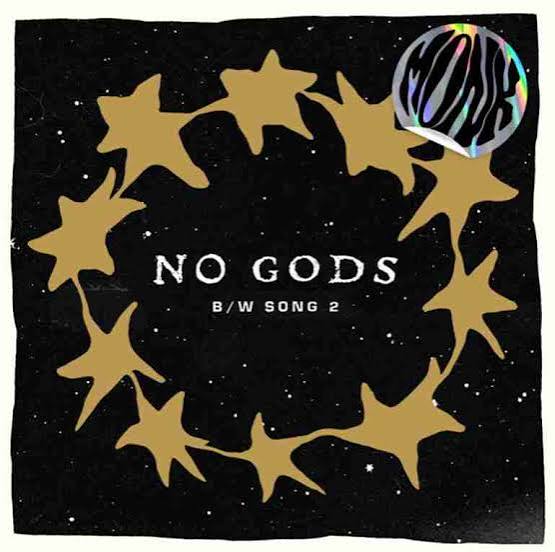
Los Angeles Zen Hardcore outfit Monk is back with a new single, “No Gods” on Dine Alone Records. The song is a tornado of frantic energy and crushing guitars in a collaboration with post-hardcore vocalist George Petit of Alexisonfire. Monk lead singer Frank Bach says the song is about owning your life. This defiant meditation […]
Los Angeles Zen Hardcore outfit Monk is back with a new single, “No Gods” on Dine Alone Records. The song is a tornado of frantic energy and crushing guitars in a collaboration with post-hardcore vocalist George Petit of Alexisonfire. Monk lead singer Frank Bach says the song is about owning your life. This defiant meditation is delivered with the ferociousness and urgency the band is known for.
Stream “No Gods” now:
The B-side to “No Gods” is a high-voltage cover of Blur’s 1997 hit, “Song 2.” Monk’s take on this classic track aggressively elevates it to the next level while still being respectful to the source. If you liked Monk’s previous release, “Dark Side of the Mind,” “No Gods” is the perfect coda to a hardcore record done right.
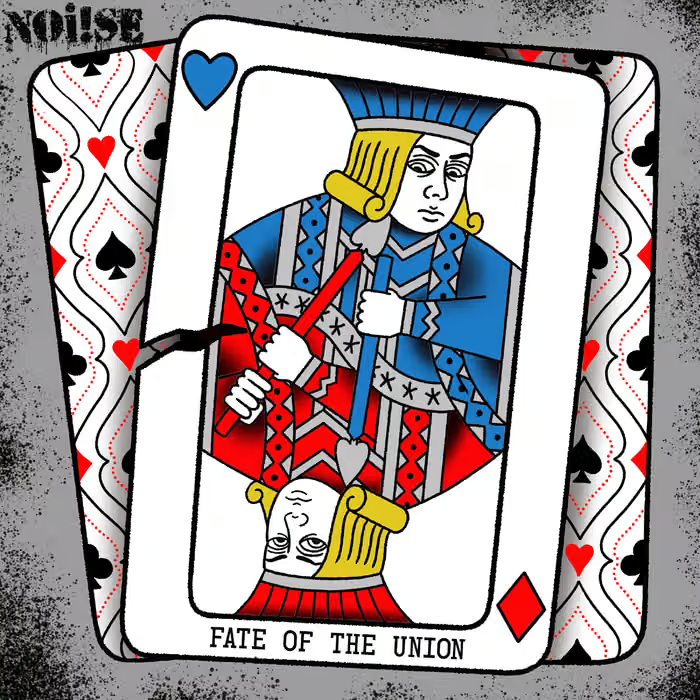
A few Fridays ago – April 3rd to be precise – Tacoma-based street punks Noi!se released their latest full-length record. Entitled Fate Of The Union, it was a noteworthy release for multiple reasons. Not only was it the band’s third full-length record on Pirates Press and their first such release in close to a decade […]
A few Fridays ago – April 3rd to be precise – Tacoma-based street punks Noi!se released their latest full-length record. Entitled Fate Of The Union, it was a noteworthy release for multiple reasons. Not only was it the band’s third full-length record on Pirates Press and their first such release in close to a decade (its immediate predecessor, The Real Enemy, dropped back in August 2016), but it is very much a release that could easily never have happened. We caught up with the band’s longtime frontman Matt Henson for an extensive and wide-ranging peek behind the curtain at all that went into not only making Fate Of The Union a reality, but about what it takes to maintain Noi!se’s status as a vital voice and a musical force to be reckoned with in the punk and hardcore communities in a continually changing landscape.
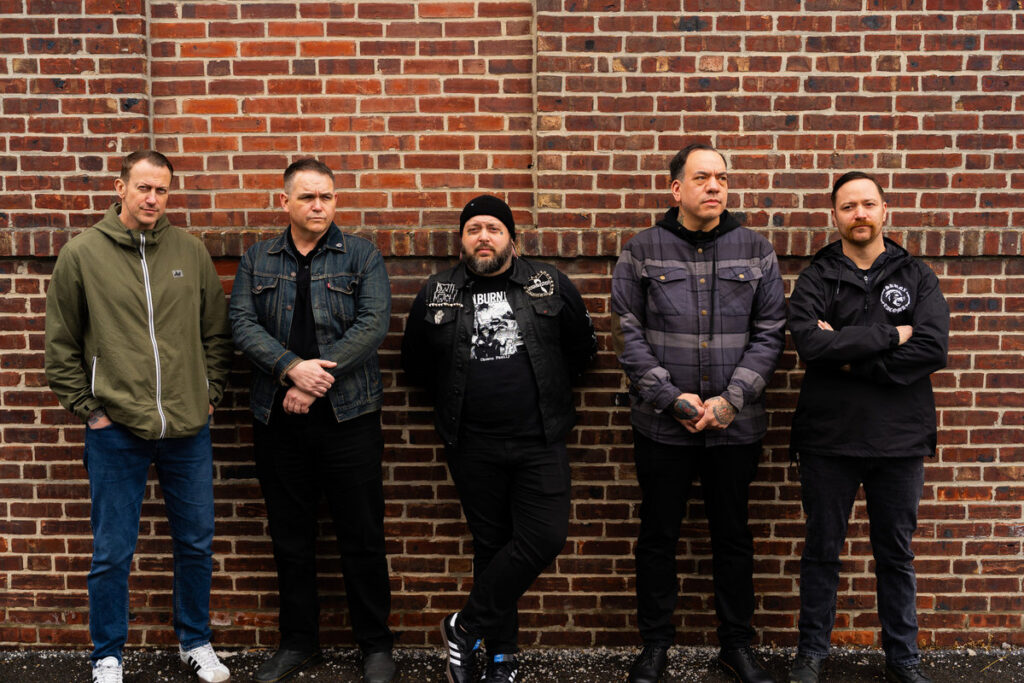
Noi!se circa 2026: Henson, Miller, Parker, Dirkes and Williams
Astute liner note readers and band promo photo viewers will no doubt notice that the Noi!se lineup circa 2026 looks markedly different than it has in years past. Perhaps most notably, a couple of years back, longtime guitarist/co-vocalist Nate Leinfelder decided to hang up his proverbial spurs and move on from the band. Given Leinfelder’s unique skills as a songwriter, vocalist, and guitar player, it represented a seismic shift in the Noi!se camp. “In 2023, Nate was like ‘hey, I’m done’” Henson explains. Leinfelder, a tattoo artist by day, not only wanted to spend more time justifiably focused on his family, but given that Noi!se’s status as a band made up of guys with day jobs meant that most band activities are relegated to nights and weekends; prime hours for a tattooer. “Band trips are done on the weekend, and that’s when he does most of his business. It’s a very different dynamic than for the rest of us who had weekday jobs.”
For his own part, Henson was mired in a bit of a creative funk during that time. “I’d stopped being able to write songs at a certain point,” says Henson. “It was around 2019. It seemed like everything I was writing was the same and I started getting really disenchanted.” And so, with Leinfelder announcing his departure, it initially seemed like that might be the end of the proverbial road for Noi!se. “I was like, “OK, well, that’s that.” It was Leinfelder himself who played a part in convincing Henson to keep the ship afloat. “We talked for a while, and he really convinced me that what the band represents is bigger. It has a positive impact, and it’s something I have put a lot of personal effort and energy into. He thought I had to keep doing it.”
If the band were to keep going, however, that invited the question of how exactly that all would work. Not only had Leinfelder and his creative forces departed, so to did guitarist Jesse O’Donnell, who relocated to Arizona. To fill the two vacant guitar player spots, Noi!se thankfully didn’t even have to look beyond their own history. Justin Miller, the band’s original guitar player, returned to Tacoma after fulfilling his obligations to the US Army and, by extension, returned to his axe-wielding duties in Noi!se. To fill the second guitar role, Noi!se turned to … their own drummer? “Kenny (Dirkes) wanted to play guitar in Noi!se before he was in the band,” says Henson, semi-joking that Dirkes “is one of those irritating people that can pick up an instrument and instantly play it better than you can.” Thus, the two-headed guitar attack would remain in place with Dirkes moving from the drum throne to the front of the stage. That left the pesky issue of finding a new drummer, however. Luckily, the band was still able to look within their own history book to find Dirkes’ replacement, albeit in a bit of an obscure footnote of said history book.
Enter: Mike Parker of fellow Tacoma punks Hilltop Rats. “Funny story,” Henson explains. “At Punk Rock Bowling in 2016, we played a pool party. Kenny’s kick drum pedal broke. Parker was there, and Parker knew all the songs, so Parker played kick drum – just kick drum – for the whole set with a little hammer-looking thing.” So when it came time to fill Dirkes’ role atop the drum throne, Parker seemed a logical fit. “He called and we talked about how much he had wanted to be in Noi!se for a long time, and how it would really be a shame if the band stopped. So that provided a solution as to how we could keep things going.” There was still one more change to bring the Noi!se lineup up to its present status. Due to some nagging wrist injuries, Henson was forced to retire the “bass player” portion of his job title in the band, meaning that he’d focus just on lead vocal duties. To fill his role in the rhythm section, the crew didn’t need to search very far either, as Parker’s fellow Hilltop Rat Aaron Williams stepped in to assume the bass playing position.
Giving up bass playing duties and reworking an entirely new band roster are far from the only major life changes that Henson has had to navigate over the last handful of years. Halloween 2023 marked the end of Henson’s two-plus decade career in the United States Army, as he retired as a Sergeant Major after 24 years, 1 month and three days of service. He’s since started a ‘civilian’ job with the Defense Threat Reduction Agency, the counter-WMD arm of the United States Department of Defense. Here’s the very-long-story-short version of what that means: “Specifically after the advent of the nuclear warhead, it became possible for people to weaponize radiological material,” explains Henson. “So when the Soviet Union fell, all of this radiological material was all over the world and it was unsecured. Our agency’s job is to go typically at the behest of other countries to either work with their counter-WMD forces or to straight-up take radiological sources out of their country.” Not your typical nine-to-five desk job by any stretch, it’s a job that has Henson away from his family – which collectively relocated to North Carolina – frequently, albeit not for as long at any one stretch as his military career did. “There is much more of a family buy-in dynamic where everybody has a say in when and where I go.”
To know Henson is to know that family has long been the core around which the bulk of his life has rotated. He and his wife Stephanie – whom he frequently refers to as “Super Mom” through the course of our conversation – have a fifteen-year-old son Liam and a ten-year-old daughter Faris. The former was the subject of the 2024 standalone Noi!se track “Liam,” the heart-on-your-sleeve burner of a song above that finds Henson processing the emotions that came along with not just becoming a father in word, but learning how to become a dad in deed as well. The younger Henson, for her part, presents not only as very much a quintessential ‘daddy’s girl’ but also seems destined to follow in her father’s footsteps as a performer. Ever the proud parent and family man, Henson is no stranger to sharing those exploits on social media. He does so in a way that’s authentic, rather than performative, and gives thought to what and how he shares, explaining “I want to be as positive as I can on social media, but I also don’t want to paint this picture that everything’s perfect and everything’s great.” The Henson household, like all households, is not always full of gumdrops and lollipops. “It’s absolutely not perfect all the time, but I think it’s important to understand that things can be a total piece of shit, but at the same time, you can try and find what positivity exists in that circumstance.” And if you’ve been a follower of Henson over the last handful of years, you know that in addition to family stuff (and Faris stuff specifically) and band stuff, there’s been a new topic added to the mix that has been intensely revealing of the good, the bad, and the occasionally ugly: sobriety.
For Henson, sobriety is a journey started just over 1000 days ago; July 19, 2023 if you’re keeping score at home. However, in reality, the journey started internally well before that. “I knew I needed to get sober for years,” he says. “Deep down, I knew it probably a year prior to actually quitting drinking. I knew 100 percent that I was an alcoholic. I had to stop drinking, I just couldn’t do it. I couldn’t figure out how to get there.” The ultimate catalyst to pulling the proverbial Band-Aid off started in a bit of an atypical fashion, although judging by what you’ve read thus far, that is probably to be expected. He’d already been giving increasing credence to the idea of quitting in the months between deciding to retire from his nearly quarter-century career in the US Army and that career actually winding down. Then came an intervention from an unlikely – and unrelated – source. “I went to the hospital with an infection,” Henson explains. “Not alcohol related, but a very, very severe infection in my arm.” As he’d already been weighing the idea of quitting drinking at that point, spending three days in the hospital seemed as good a time as any to actually pull the trigger on the idea. “I was like, ‘Well, the hard part’s done. I’ve been sober for three days now, so let’s operationalize this.”
When Henson returned home from the hospital on day four, he made the decision to capitalize on that unexpected head start without getting too far ahead of himself. Henson has long maintained an active social media presence, featuring exploits and highlights from his career, his band and, most importantly, his family. When it came to sobriety, little would change in that regard. “I made a decision that I’d give myself thirty days to make sure that I could do it,” he explains, adding that “once I realized I could, I was going to use my platform and hold myself accountable.” Henson also used friends and family and social media – yes, even TikTok. “In a time where you don’t see positivity and humanity as a whole, there are some elements on TikTok where you really do. There’s so much positive parenting advice and so much general support for people who may feel isolated and who are looking to better themselves.” That all helped Henson work through some of the travails of early recovery. “A huge, huge resource was sobriety videos, where you’re examining addiction and recovery in different venues,” he reports. “I decided when I got sober that 12-Step was not for me. Nothing against it, but it’s not something I wanted to do. I’m a big proponent of coming to things on your own accord and on your own terms. As odd as it may sound because of my former profession, but I don’t like being told what to do.”
The positive results of Henson’s recovery journey to date have been many and varied, and they appear best when closest to home. “Just being a husband and a father, you can be passionate and you can do the best you can, but you’re doing it with one hand tied behind your back if you have a problem with alcohol. And for me, I was a very functional alcoholic.” In fact, some folks who knew Henson primarily through the band and especially through that aforementioned social media presence might not have been aware that he had struggled with alcohol at all. Unlike some folks who maintain a visible online presence, Henson’s feed and his lyrics were not filled with visible and frequent debaucherous alcohol-related behavior. In hindsight, that may have helped his drinking continue longer than perhaps it should have. “I could point to the fact that ‘I’ve never gotten in trouble, and I always pay my bills, and I’m not abusive’…but that is such a low bar to set,” he points out. “When you’re an alcoholic, it’s a very easy copout where you’re constantly preparing your next argument for why you don’t need to quit. And the more you do that, the more it illustrates your need for stopping.”
As you might imagine, it hasn’t all been rainbows and butterflies since getting sober. But closing in on three years of continuous sobriety has meant that Henson has learned more than a few tricks of the trade to help stay on the right path. “I’ve conditioned my brain so that any time I think of drinking, I equate it with the worst parts of drinking…of which there are fucking tons.” It also means that he’s been able to transfer some of the same skills that afforded him a successful career in the military. “I’m now trying to weaponize all of the things that I used to be scared of, to include just sitting still and appreciating the fact that I’m here for my family.” But that doesn’t mean he ‘sits still’ for very long. After all, there’s kid stuff and life stuff and new job stuff to keep him busy. And surely there are the inevitable thoughts that maybe it’ll be okay to return to drinking; that maybe it wasn’t THAT bad? “Every once in a while, I’m like, ‘man, it must be cool to be able to drink like a normal person,” he reports, adding again semi-jokingly that “almost immediately after that, I’m like ‘but you can’t do that! It would be really cool to be able to swim across the Atlantic Ocean too, but I can’t do that either!”
Henson has been very forthcoming about his sobriety journey through all of the usual social media channels. While he maybe doesn’t walk the same Twelve Step-related path that some others walk, he’s very mindful about the idea of fellowship and helping out those who might be in the same or similar situations. “The best thing to do is look around you and see who and what you can positively impact,” reports Henson. “If you can do that, it’s going to make you feel more empowered. It’s going to make you feel better, and you’re also helping someone else.” Sometimes, that comes by way of connecting with people he comes across in his travels. Sometimes that means conversing in a direct message on Facebook or Instagram. And sometimes, that comes through music.
When it came time to write and record a new album, there was no way that Henson’s newfound sobriety wasn’t going to be reflected in the new material. Noi!se has done a good job of mixing macro and micro level subject matter into their street punk anthems, combining songs about the world we collectively live in with songs about the fear and doubt and insecurity and anxiety and depression that can come from living in such a world. But writing new material didn’t come easily; not at first, anyway. “I’d be really hard on myself,” Henson explains. “We’d have a deadline and I would put off writing lyrics because I was scared of it. And then I’d drink to lower the inhibitions.” The Fate Of The Union sessions would mark not only the first time writing and recording a full-length with the new lineup, but the first time that Henson would approach writing a new record without alcohol involved in the process.
Speaking of the process, and of the previously-mentioned writer’s block that Henson had been experiencing for a few years. Time – and sobriety – have a funny way of working things out. “About a year ago, everything turned back on and I was writing song after song after song after song,” Henson reports, adding “five of the ten songs on Fate Of The Union I wrote within six weeks of us recording.” The new lineup and the Henson family relocating to North Carolina meant another change in the way the band operated. “It started with me on acoustic whistling. I’d whistle the vocal progression and play the chord progression and send it to the guys. The guys will demo it and send it back, then I’ll take that recording on one phone, play it on my car stereo and sing the vocal progression into the other phone and send it back,” he explains. “We got that mechanism down, and that is how we did the bulk of Fate Of The Union.” (Editor’s note: And if you’re wondering, yes, the proverbial faucet is still on. Just because Fate Of The Union is completed doesn’t mean the creative streak he’s been on has wound down; in fact, Henson was trading ideas for a new song with the band moments before our call.)
“There was a lot of pressure (on this one) and I’m not one to do things half-assed, unless the laundry or dishes,” he jokes. The inclusion of Williams on bass meant that when they got to the studio, Henson could focus solely on his vocals. “Parker is great and Justin and Jenny are both such gifted guitar players,” says Henson, adding “and it’s such a gift to be able to have like a real, legit bass player in here. And if everybody is going to be a master of their craft, I need to do the same thing and really work on my vocals.” What that meant was more than just focusing on singing as well as he could, but really focusing on his health. “I would come into the studio and warm up and stay hydrated and make sure I ate. That was all new stuff to me. I never used to warm up (before a vocal session), I would just drink a bunch of beer.” Going into this record, Henson and crew approached the process from the standpoint that it had to be good, because everyone involved was an expert in their respective crafts, and so the outcome should match the input. “I feel like with all of these tools, we had to make the best record we possibly could,” he explains. “And that means everything. That means the art, that means the lyrics, that means the vocals, because if these guys are so good at their instruments, I needed to be as good with mine.” The result of all those efforts was, well, was Fate Of The Union. It’s a raw album and an intense album and a personal album in ways that Henson and crew have only scratched the surface of previously.
Case in point, the song “You Versus You,” perhaps the most personal song in Henson’s Noi!se catalog. Henson explains it as a “hard-hitting and deeply personal message about the struggle to overcome self-destructive habits.” “When Nate was in the band, he’s such a good lyricist and such a good poet that it always kind of kept me on my game,” Henson remarks. “But I think these are the best lyrics I’ve ever written,” he affirms. The band, separately and collectively, put their all into the making of Fate Of The Union. “As a consequence, this record has all the heart and soul and blood, sweat and tears that we wanted to put into it,” he reports, adding “I think we all left the studio pleasantly surprised about it. A lot of work went into this record. I probably had less to do with this record than any other Noi!se record – take that for what it is!”
The album’s ten songs – nine originals plus a reworked version of “Idle Action,” pull no punches, shining a light on the social issues and injustices that have, unfortunately, become hot-button political topics in recent years. Topics like inclusivity and standing up for marginalized people and not staying silent in the face of racist and borderline fascist dog whistles. “I really do think that there is a moral decision involved with letting it be known that there are things that you absolutely will not tolerate,” Henson states emphatically. It’s the type of leadership that Henson has always found important across all facets of his life, from the military to the homestead to the office to the band and its place in the punk rock community. “A band that refuses to address injustice or social issues is telling you exactly who they are,” he remarks. “Someone on our page or on Instagram will say ‘you guys are really making a mistake closing off half your fans,’ and I always have to say, first off, our fans know us; we’re definitely not ostracizing half our fans. Guaranteed. We’re ostracizing someone we didn’t want as a fan in the first place.”
Henson and his Noi!se comrades will play a handful of dates later this year in support of Fate Of The Union, including their first Los Angeles show at the LA Punk Invasion in September and the first Chicago show in thirteen years at the Shoot The Moon Fest at Reggie’s on May 9th. Both shows – festivals, really – feature a wide array of new and classic punk rock and hardcore bands, worlds that Noi!se themselves straddle expertly. Henson and crew remain inspired by the classic bands that we all grew up on and perhaps more inspired by the up-and-coming bands revitalizing the scene and eliminating some of the gatekeeping that is sometimes present in underground communities. “I’m a big proponent of inclusivity,” believes Henson. “We’re all getting older. We’re not going to grow out of the music, but we’re definitely going to grow out of the scene. What happens to it after we’re gone is going to be a result of what we did with it while we were here.” Henson – like yours truly – is closer to 50 than 40. But playing shows like he did recently where Noi!se was joined by his daughter Faris for the Scars We Hide-era classic “Pawn In The Game” continues to breathe life into his performing lungs. “I remember my first punk show when I was 14 or 15, and a dude grabbed me and took me around the pit,” he states. “I’ll never forget that, because I was so scared going to my first show. I didn’t know what to do, and it was just so welcoming and kind. That’s what kept me coming back.”
For more on Henson’s journey and especially more on the band’s view of the fate of our union as it stands in these incredibly polarizing and chaotic times…buy the record!
BAD OPERATION’s sophomore album EVERYTHING MUST GO, doesn’t go heavy on experimenting nor any significant change on their sound. However, there’s no need to improve on perfection. When the band from New Orleans coined the term ‘New Tone’ 6 years ago, it was for the purpose of reintroducing politically/socially conscious lyrics into the 80s ska […]
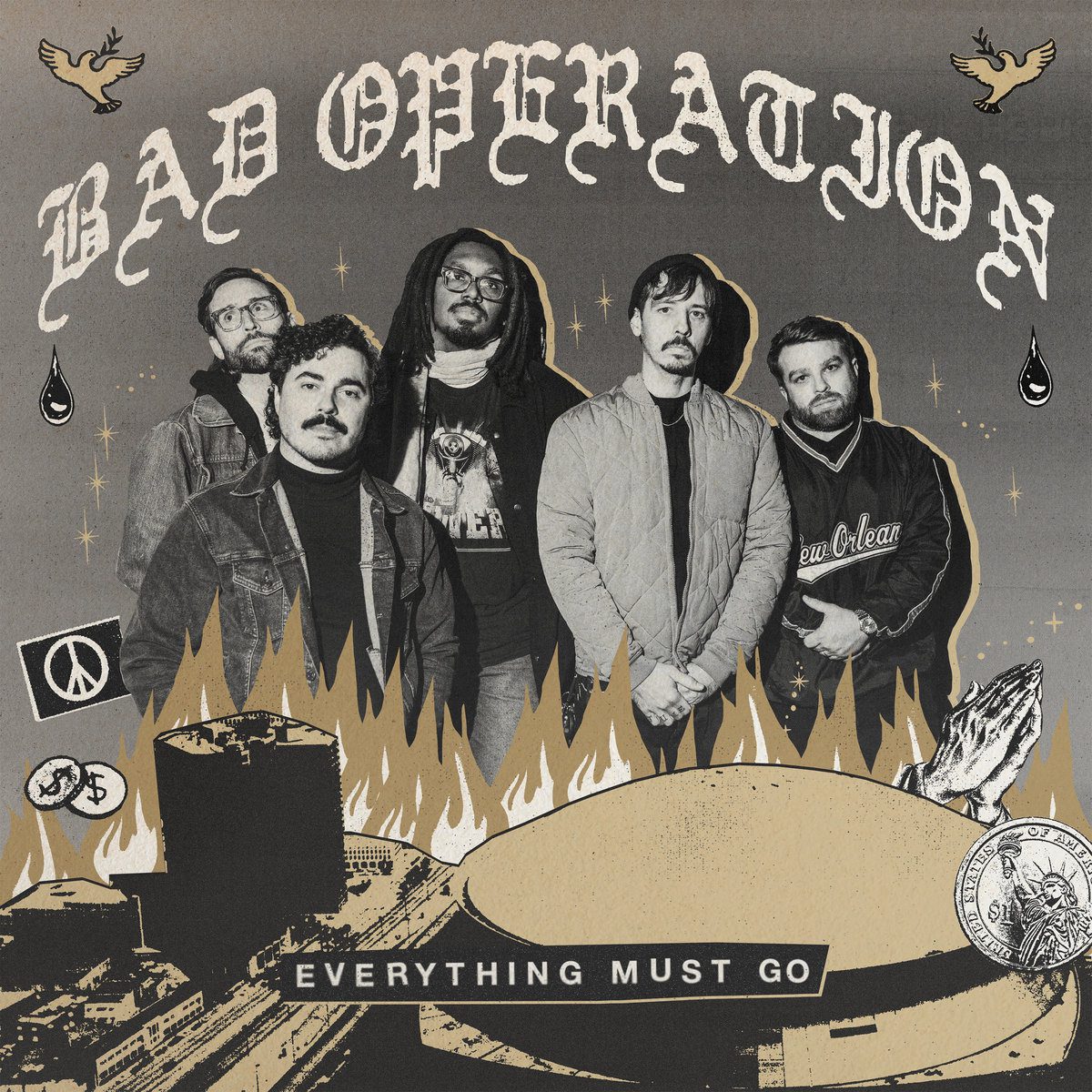
BAD OPERATION’s sophomore album EVERYTHING MUST GO, doesn’t go heavy on experimenting nor any significant change on their sound. However, there’s no need to improve on perfection. When the band from New Orleans coined the term ‘New Tone’ 6 years ago, it was for the purpose of reintroducing politically/socially conscious lyrics into the 80s ska beat that was prominent in the 2nd wave of ska, or 2-Tone. Their first album (S/T) did just that, and as a result, bands like JER, Hans Gruber and the Die Hards, and even Mustard Plug, followed.
Their new album is a continuation of the S/T, with lyrics focused on unemployment, exploitation, and other themes falling under the greed umbrella. The songs here are not only relevant, but they’re impossible to stand still to, which is what made BAD OPERATION stand out in the first place. There’s no need to fix what’s not broken – the vocals from Dominic are clear and soulful, Brandon’s guitar riffs give each song their punk element, and nothing more needs to be said on D-Ray’s mastery of the keys.
Their opening song “Chokehold” is a great opening choice, as it sounds the most like a “S/T” track and reintroduces the band.
“Free Dom” was their first released single and the third song on the album. This song is what got me hooked on the album entirely when I first heard it. It’s lyrics on unemployment and the struggle of minimum wage put a lot of people’s frustrated thoughts on paper; “The money I make won’t turn me green”, “They sold me a dream that ain’t worth chasing”.
The album also has one non-ska song, “Simple Melody”. It really is a simple song with minimal lyrics and a soft sound. It’s a song meant to be sang along to that I think also attempts to bring the audience back to the reality of our surroundings.
My favorite song on this album is “You Don’t Answer My Calls”, which gets rid of punk elements and embraces the lyrics and roots of 1st wave ska. Other standout songs include “Workin’ Real Hard to Let Go”, “Rico”, “OH NO”, which features JER and Emily Williams (AAA, JER), and “Rodeo”.
The album does share a common theme of uncertainty that binds it together, with the words “don’t know” or a variation of the words that can be noticed throughout the album. I’m not entirely sure if that was intentional or just a coincidence, but it was a nice touch.
While I first mentioned that there’s not a whole lot of experimenting, BAD OPERATION does attempt at some points to step away from New Tone, which does show their willingness to experiment more perhaps in the future. Nonetheless, their grounded lyricism and beats that remain the same are what makes EVERYTHING MUST GO an Album of the Year contender. If there’s one ska album that I’d recommend to give an immediate listen to, it’s this one.
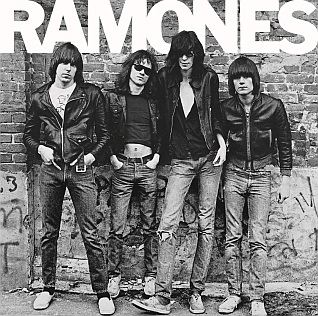
Fifty years ago, four kids from Queens, New York, recorded and released a record that would become an instant classic. The Ramones were already a name around the New York punk scene and clubs like CBGB, but you could only hear them if you ventured into the Bowery, which was not the safest place in […]
Fifty years ago, four kids from Queens, New York, recorded and released a record that would become an instant classic. The Ramones were already a name around the New York punk scene and clubs like CBGB, but you could only hear them if you ventured into the Bowery, which was not the safest place in the 1970s. This first album from Joey, Johnny, Dee Dee, and Tommy was not only a snapshot of the band but also laid the groundwork for the Ramones’ future albums. Released in 1976 and considered the first true punk rock album, it also serves as a blueprint for future punk rock albums in general.
While the dial for what’s punk or not keeps moving, the album establishes some of the universal tropes in punk rock, including short songs, most of which are two minutes or less. This was achieved by cutting the fat out. Fat, in this case, included things like solos and bloated intros or outros. The self-titled record has fourteen songs in thirty minutes, and still sounds more complete than a lot of the albums released at the time. Also present in most songs is Johnny Ramone’s buzzsaw guitar sound, which has only evolved over time in a number of genres influenced by the band.
Song subject matter is another thing this record has going for it. There are a handful of things that the Ramones write about on this first record, and would continue to write about throughout their career. Things like war, relationships, and horror movies would become the bread and butter for the Ramones, along with some songs about their lives and eventually their mental health. Some songs felt like modern nursery rhymes for kids born on the wrong side of the tracks.
With Dee Dee’s army brat upbringing and Johnny’s strict home life, a lingering feeling of military presence is felt in the Ramones’ music. A lot of these references are present on this first album, specifically in the lyrics for “Blitzkrieg Bop” and “Today Your Love, Tomorrow the World.” While Johnny may have had a regimented, no-nonsense way of life, Dee Dee grew up in the ashes of post-WWII Germany. While a lot of people are put off by the song’s use of Nazi references and imagery, these songs were culled from Dee Dee’s fascination with WWII history. “Today Your Love, Tomorrow the World” uses themes from Nazi Germany and is told from the point of view of a Nazi shock trooper. The song closes by repeating the title, “Today Your Love, Tomorrow the World,” which in theory could have been Hitler’s mindset.
The album drips with their musical influences, too. On top of their cover of Chris Montez’s “Let’s Dance,” one song you could consider the outlier on this record is “I Wanna Be Your Boyfriend.” It’s the only song on this album that doesn’t make use of Johnny’s buzzsaw sound. It’s a very simple love song and their take on the Beatles, Beach Boys, and other sixties groups that influenced the band. One of the other ways this record used these influences is how it’s mixed. Tommy Ramone and producer Craig Leon mirrored how the Beatles mixed their early records by putting the guitar on the right, bass on the left, and vocals and drums in the middle.
Each Ramone writes songs on this record, but most of the songs came from Dee Dee. Dee Dee had arguably the most interesting pre-Ramones life. He was born in the U.S. and moved to Germany while still a baby, but moved to Queens, N.Y., at the age of fifteen to escape his alcoholic father. Not having a great home life led to Dee Dee’s use of drugs and being a male prostitute to fund that habit. Songs like “Now I Wanna Sniff Some Glue” and “53rd and 3rd” hold more weight than one would think. “53rd and 3rd” tells the story of a Vietnam Vet who comes home from war desolate, works as a prostitute, and kills his Johns with a razor blade. While Dee Dee likely didn’t go that far, the amount of his participation was a secret he took to his grave.
While each of the Ramones had their vices of some sort, the yin to that yang was that they were also into horror movies, comics, and adolescent things men never grow out of. Two songs on this album are representative of this: “Chain Saw” and “I Don’t Wanna Go Down To the Basement.” Despite Joey’s weird pronunciation of it, “Chain Saw” is specifically about Tobe Hooper’s The Texas Chain Saw Massacre. The movie, though revered now, was pretty taboo with its extreme violence upon release. “I Don’t Wanna Go Down To The Basement” may be a little more generic with its use of the familiar trope from many horror movies, but songs about horror movies would eventually come full circle when Dee Dee wrote the theme for the movie adaptation of Stephen King’s Pet Sematary.
While the record has one love song, the album itself has three about being in relationships, all varying in tone and phase of a relationship, but all three with Dee Dee’s hand in them. Out of the three, “Loudmouth” probably aged the worst, given its repeating verse of threatening abuse towards a partner, even if punk used exaggerated violence as cartoonish expression. However, songs like “Listen To My Heart” and “I Don’t Wanna Walk Around With You” are great examples of breakup songs that give strength rather than ask for pity. They acknowledge mistakes were made, but in the end, the subject will be better off.
By far the most popular song on the album and in the band’s catalog is “Blitzkrieg Bop.” The Tommy and Dee Dee-penned song was said to be about fans attending a Ramones concert. Dee Dee again uses imagery from WWII; the word “Blitzkrieg” is a reference to a German war tactic meaning “lightning war.” Immediately recognizable by its chant, “Hey Ho! Let’s Go!” “Blitzkrieg Bop” is a staple of sports stadiums and movies. The song’s opening lyrics were a way to emulate the Bay City Rollers’ 1973 hit “Saturday Night,” which also begins similarly. For a group of kids that initially set out to make music for outsiders, their song became an anthem for everyone, not just the punks.
The Ramones’ self-titled record is not just a template for Ramones albums, but for other punk bands as a whole. The Ramones’ self-titled album gave a voice to the quiet kids who were more into reading than sports. Yet, it also gave a voice to the kid who might be getting into trouble, or who had a rough home life, or just a kid who was attracted to the more dangerous things life has to offer. The Ramones gave permission to all of these kids to let their weird quirks out.
The Ramones’ momentum would just keep building until their end in 1996 and has remained pretty consistent. Since then, the band has been the subject of every form of release possible. Whether it be box sets of reissues, books, or documentaries, The Ramones have been mined more press than some of the bands they were initially rallying against.
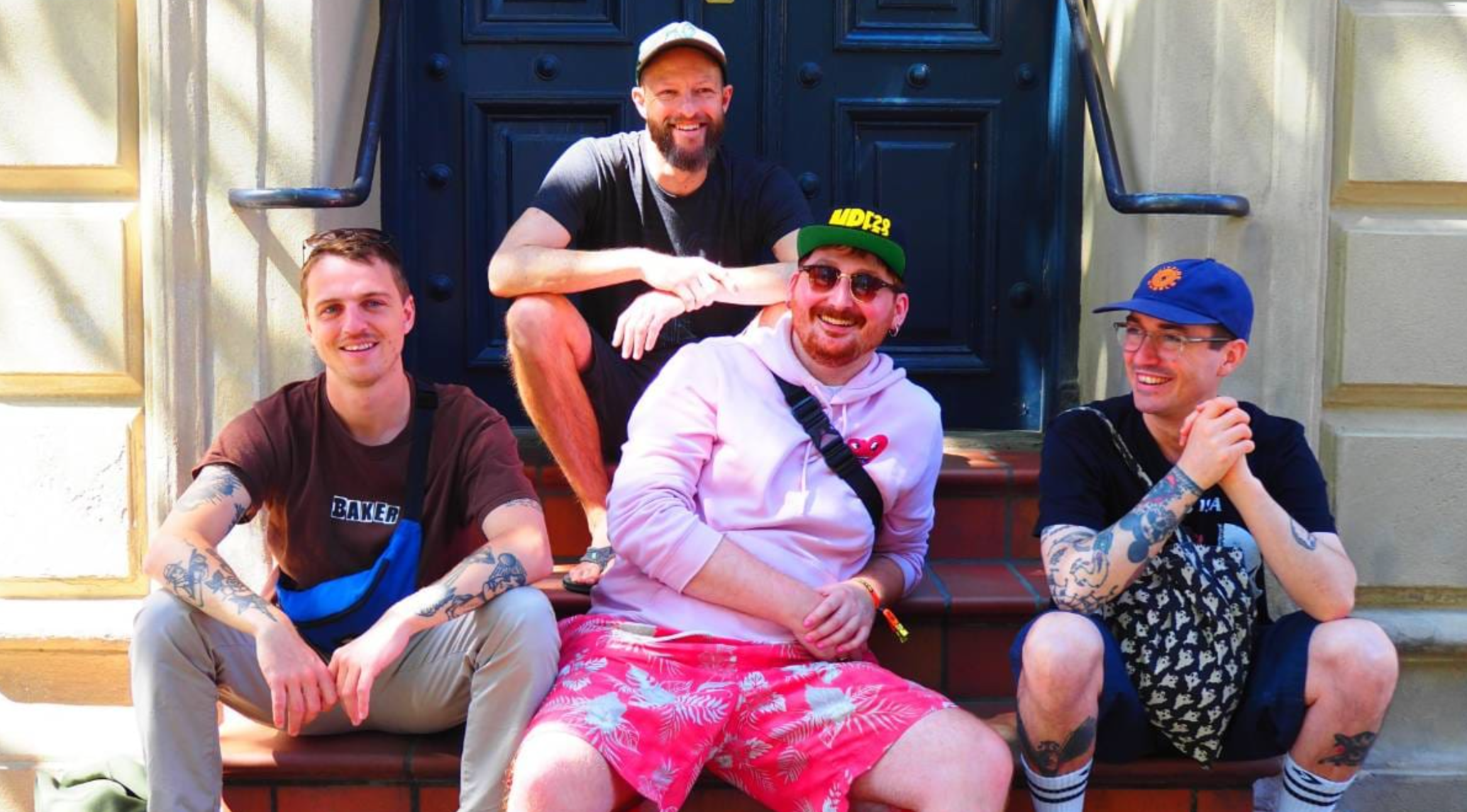
Brighton skate punks Making Friends are back with “Billboard Town,” the second single from their upcoming album Home is Where the Heart Was, and it’s a full-throttle blast of melody, grit, and restless energy. Built for late nights, long drives, and blown-out speakers, this track captures everything that makes the band impossible to ignore right […]
Brighton skate punks Making Friends are back with “Billboard Town,” the second single from their upcoming album Home is Where the Heart Was, and it’s a full-throttle blast of melody, grit, and restless energy. Built for late nights, long drives, and blown-out speakers, this track captures everything that makes the band impossible to ignore right now.
Check out the brand new music video and get a first look at what’s coming next.
The new album lands Summer 2026 via Punk Rock Radar (US), Cat’s Claw Records (UK), Pee Records (AU), Bearded Punk Records (EU), High End Denim Records (CA), and Waterslide Records (JP). Preorders coming very soon.
photo credit: Tony Wolf Welcome to Four Records! Each episode, we feature one guest as they go over four records at four different times in their life. This week, Forrest and Karina speak with Jonathan Baylis, the creator of the comic So… Buttons. So… Buttons is a slice of life anthology comic written by Jonathan […]
photo credit: Tony Wolf
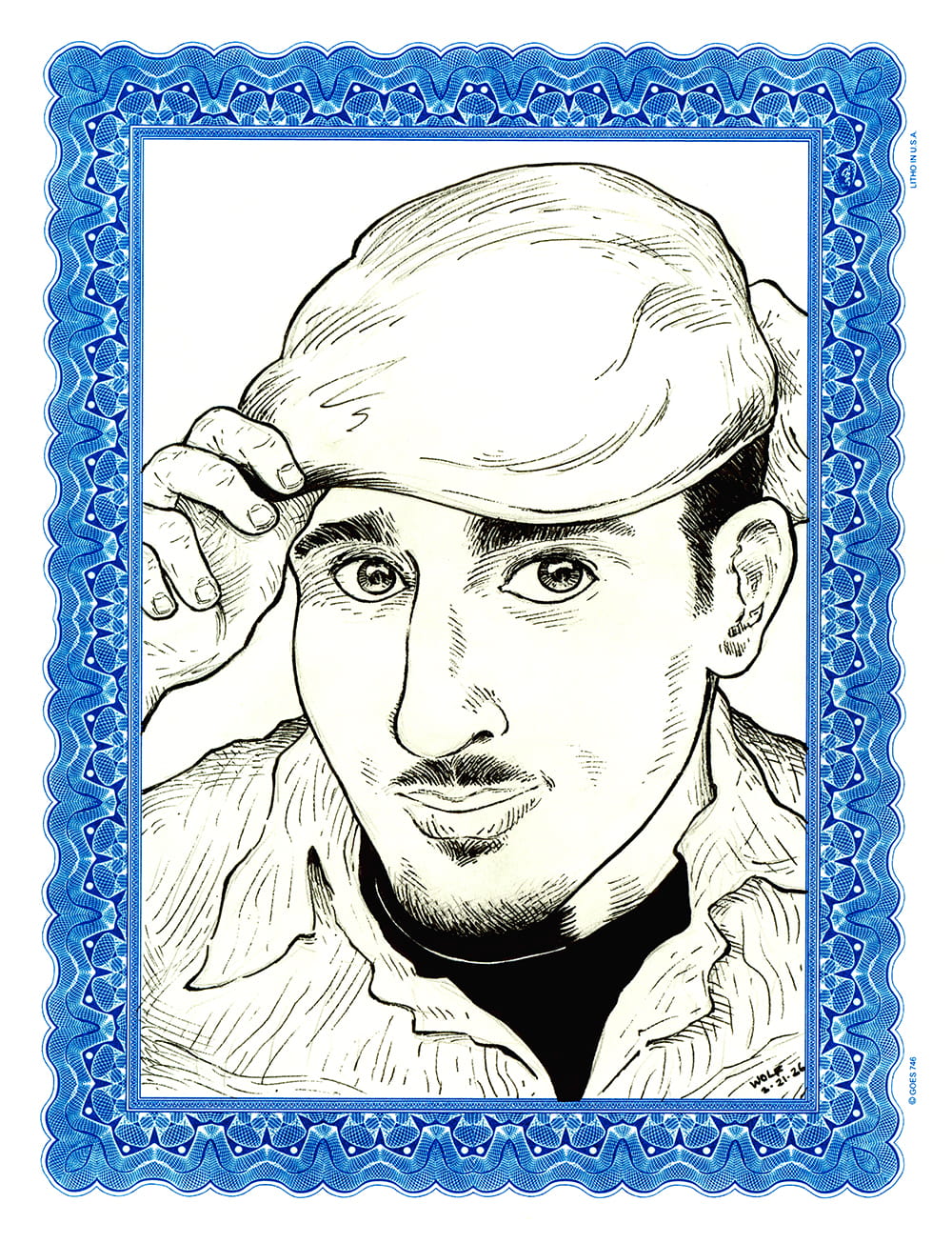
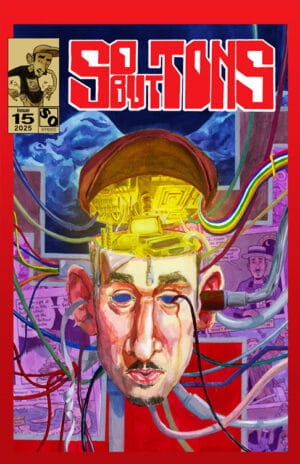
Welcome to Four Records! Each episode, we feature one guest as they go over four records at four different times in their life. This week, Forrest and Karina speak with Jonathan Baylis, the creator of the comic So… Buttons. So… Buttons is a slice of life anthology comic written by Jonathan about his life and drawn by various artists. Each story is tailored to the style of the artist and each issue has a theme. Jonathan just finished a Kickstarter for his fifteenth issue titled, “Who Is My Daddy and What Does He Do?” If superhero comics aren’t your thing, give So… Buttons a chance. Check out his latest and past issues here:
Jonathan Baylis’s Four Records:
0-10: Leonard Bernstein – West Side Story (Original Motion Picture Soundtrack)
Teenage: Leonard Slatkin St. Louis Symphony Orchestra – Shostakovich’s 5th
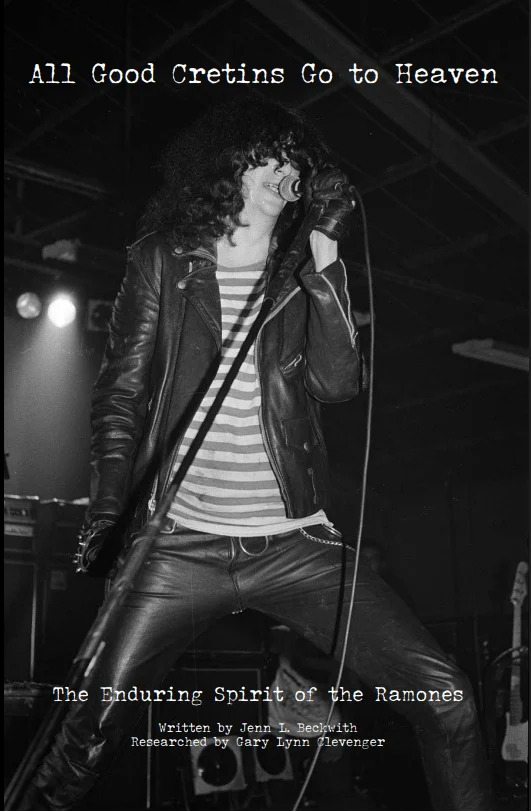
The Ramones, as a band, just missed the rise of the internet as a tool to connect with their fans, when they called it quits in 1996. However, their fans have used it as a way to document their love and devotion for the band. Jenn Beckwith has compiled a book that’s part band history […]
The Ramones, as a band, just missed the rise of the internet as a tool to connect with their fans, when they called it quits in 1996. However, their fans have used it as a way to document their love and devotion for the band. Jenn Beckwith has compiled a book that’s part band history and retrospective, powered by and for fans of NYC’s greatest export.
Plenty of words have been written about the Ramones over the last fifty years by critics. In the case of All Good Cretins Go To Heaven, it’s all about the fans whose participation helped make this book possible. While Ramones books in general will have crossover with each other, this book seems to fill the gaps more than most. It jumps around a lot, but it works because of the way it’s organized. It feels like a Ramones song: regimented but efficient.
Starting with a foreword written by Rock ‘n’ Roll High School director Allan Arkush’s memories of working with the Ramones, All Good Cretins Go To Heaven delves into the lives of Joey, Johnny, Dee Dee, and Tommy before they adopted their monikers. Their early history may seem deceptively simple, but there is so much to cover between their origin and the tension they sometimes felt for each other. Although this section is slim and repeats a good number of familiar facts, the context is still important to understand the extent of Ramonesmania.
Each band member also receives a page and a half dedicated to them and their tenure in the band. No Ramone is left out, including Clem Burke’s very short stint as Elvis Ramone. An endearing part of this book is the chapters on Ramones fans sharing their pictures and stories about members of the band throughout the years, along with some fan art and Ramones-inspired bands like the hockey-themed Hanson Brothers and the baseball-themed Urban Outfielders, as well as many tribute bands.
Beckwith also delves into what makes a Ramones song and how their influences were the building blocks for these songs. While it may seem odd to see comparisons to Shakespeare and Aristotle, they serve as a good setup for the Ramones’ ideology, which is also discussed. This section functions as more of a dissection than a deep dive that approaches their framework without fully excavating their inner workings. It almost feels like the psychology of the band more than anything. This isn’t your regular book about a band you love. At times, the level of detail borders on what would almost feel like a stalker’s notebook if all of this info wasn’t already part of the Ramones’ public lore.
My one complaint is that there aren’t very many acknowledged blemishes. If you pick up this book, you probably know what these familiar warts are. While a few things are mentioned, a lot of the band’s documented tension remains untouched. Maybe it wasn’t always relevant to the narrative of this book, but these things still happened. A band with that long of a tenure is certain to have something in their past that should be acknowledged.
All Good Cretins Go To Heaven is a 280-page love letter to one of punk rock’s first and finest. Between the number of pictures and the book’s fast pace, Jenn Beckwith’s book is a quick read. Releasing on the fiftieth anniversary of the Ramones’ self-titled debut, it’s a must-have for that obsessive Ramones fan in your life. Pick it up today at the Diwulf Publishing’s website.
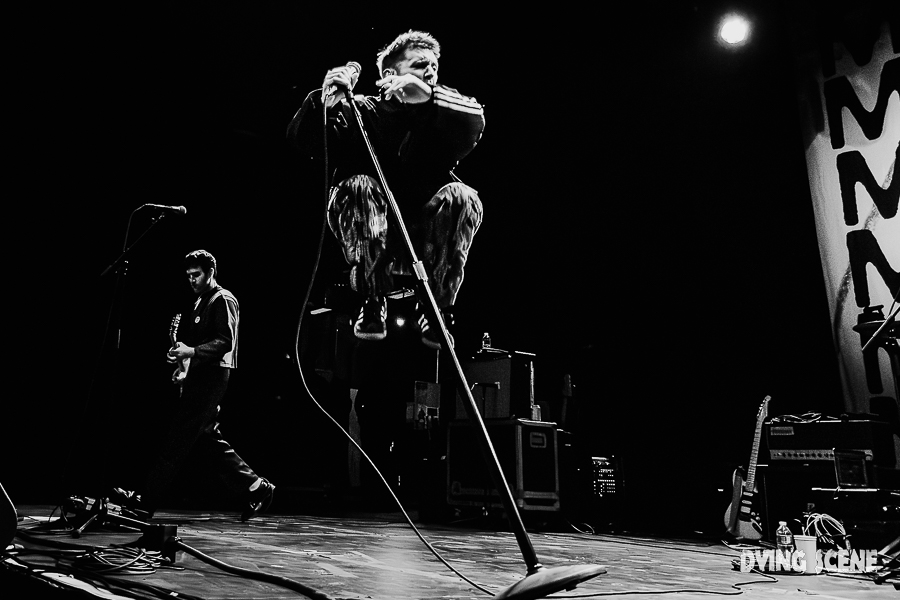
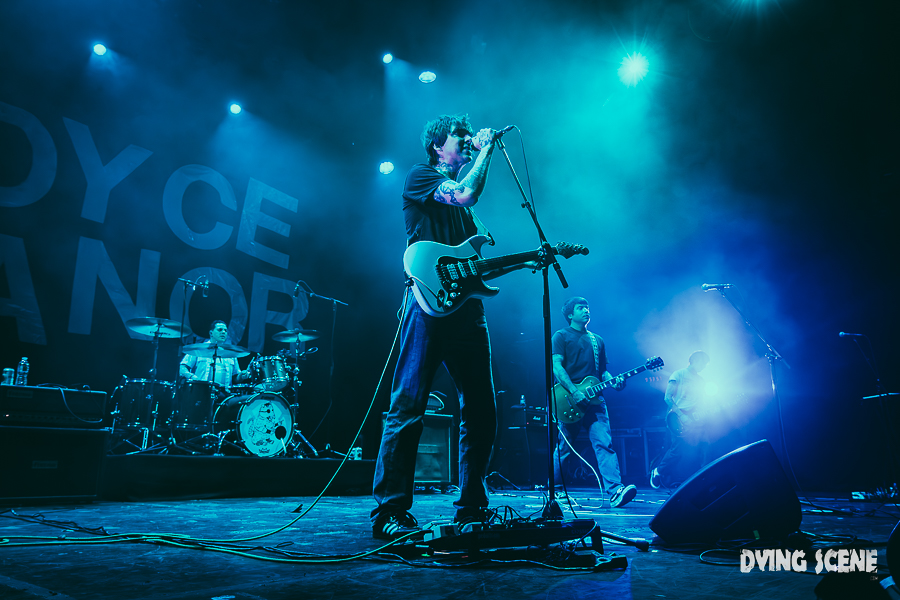
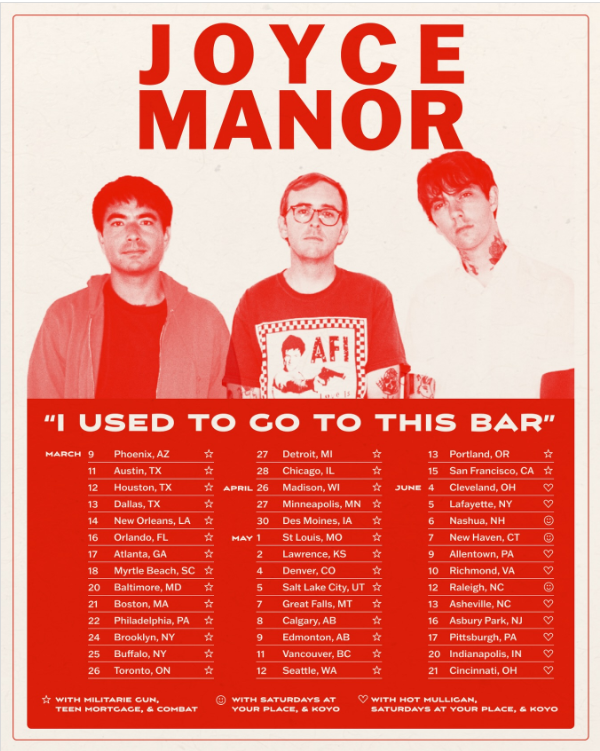
Hot off their Coachella performance, California pop punk band Joyce Manor is about to pick up the second half of their North American tour to support their newest album, I Used to Go to This Bar, released on January 30th via Epitaph this year. Joining them is a stacked lineup featuring Militarie Gun, Teen Mortgage and Combat…check out the Chicago show from the first leg of their tour! Kicking off the night is Combat, an […]
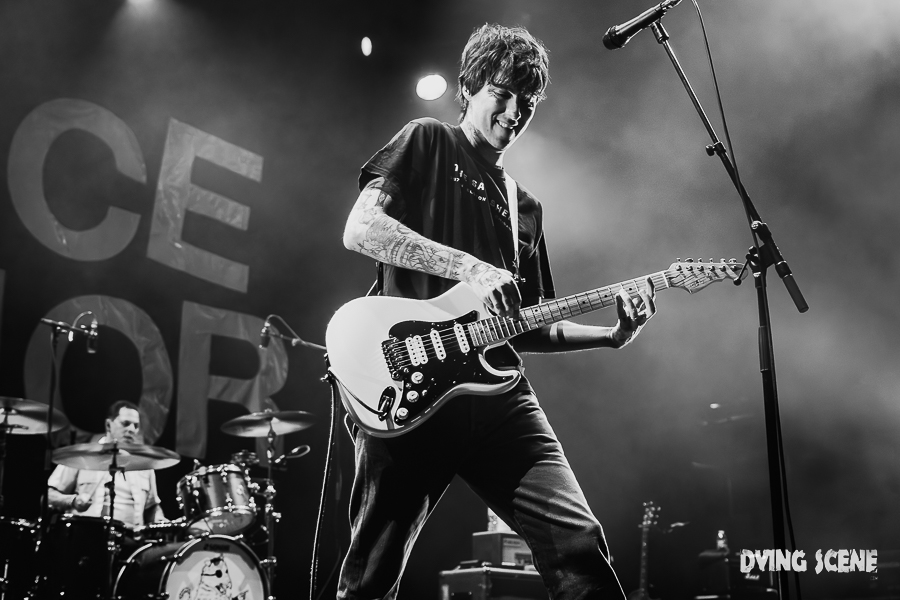
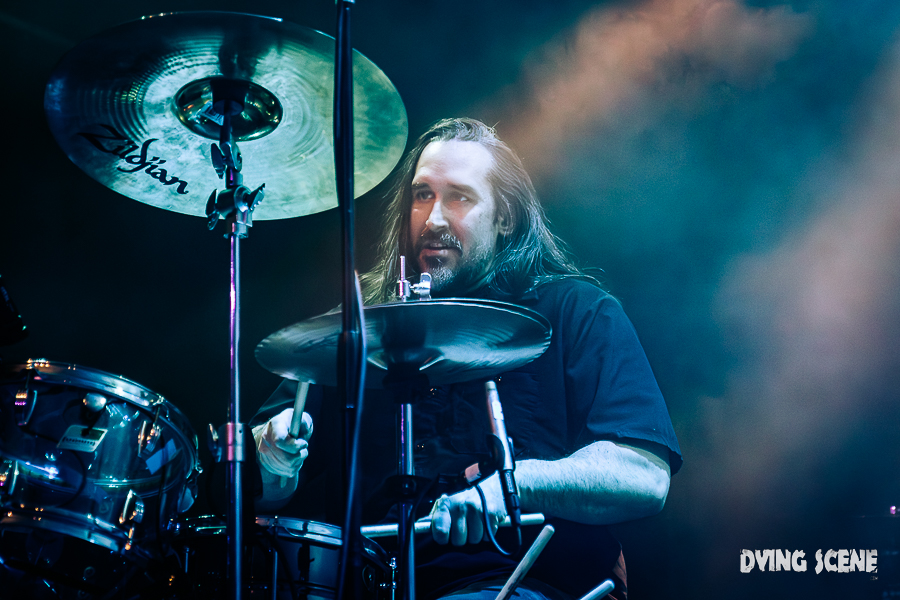
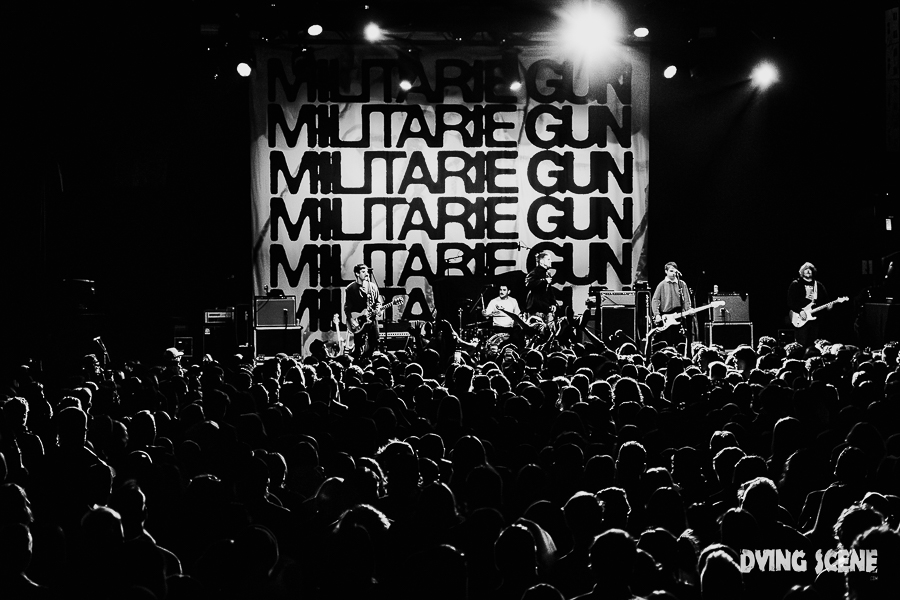
Hot off their Coachella performance, California pop punk band Joyce Manor is about to pick up the second half of their North American tour to support their newest album, I Used to Go to This Bar, released on January 30th via Epitaph this year. Joining them is a stacked lineup featuring Militarie Gun, Teen Mortgage and Combat…check out the Chicago show from the first leg of their tour!
Kicking off the night is Combat, an emo, indie rock band from Baltimore. This is a band you will want to watch out for!
You know I’ll never stop gushing about Teen Mortgage. For myself personally, it was the largest stage and crowd I’ve seen them have (though they have definitely played larger), and I was pretty stoked about it. My fellow Chicago fans really showed up for this one!
Teen Mortgage released their newest single “Burn” last month, and it’s possibly their sickest song yet. Beautifully gritty and raw, it has earned its place as a bop you’d put on repeat and never grow tired of it.
High-energy Militarie Gun delivered a chaotically fun performance that really gets you moving. They have quickly obtained notoriety and praise for their intense shows and genre-blending songs.
Joyce Manor’s music truly feels nostalgic. Their most recent album, I Used to Go to This Bar, is the band’s seventh studio album and was produced by Bad Religion’s Brett Gurewitz.
Experimental punk rock band Round Eye is back with their new single, “Little Lan Lan,” out now on Ripping Records. Led by Chachy Englund and centered in Shanghai, Round Eye’s sound is a blend of punk, surf rock, and free jazz into their songs. While “Little Lan Lan” leans more toward punk rock, Englund took […]
Experimental punk rock band Round Eye is back with their new single, “Little Lan Lan,” out now on Ripping Records. Led by Chachy Englund and centered in Shanghai, Round Eye’s sound is a blend of punk, surf rock, and free jazz into their songs. While “Little Lan Lan” leans more toward punk rock, Englund took an interesting approach for its video by having the video acted out in Taishan shadow puppets made out of donkey hide.
While this traditional art goes back about 600 years, it’s an unconventional approach for a punk rock band. Round Eye’s choice isn’t just out of the box, but on-brand for a group of musicians who aren’t afraid to present themselves in an unusual way. “Little Lan Lan” tells the story of a punk rocker whose infidelity has angered the one he loves, leaving him with the weight of his own regret.
The video was written and directed by Chachy Englund and performed by the Tai’an Shadow Puppet Theatre, which has been in operation for seven generations. The results are phenomenal, and the use of shadow puppets gives the lyrics a new layer rooted in traditional storytelling. Check it out below:
If this is your first time hearing Round Eye and you like what you’ve heard, they will be touring in the Pacific Northwest with Fang this summer:
7/9/2026 – Santa Cruz, CA – The Atrium
710/2026 – Sacramento, CA – Cafe Colonial
7/11/2026 – Santa Rosa, CA – Barrel Proof Lounge (Viva La Punk Fest)
7/12/2026 – Oakland, CA – Revolution Cafe (Viva La Punk Fest)
7/13/2026 – Eureka, CA – Song Tavern
7/14/2026 – Medford, OR – The Basement (Pyrate Punx)
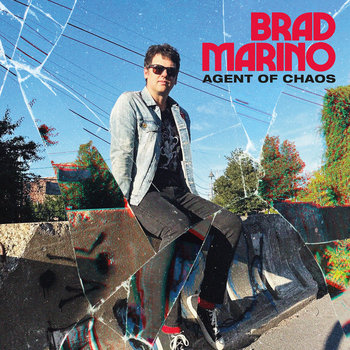
Brad Marino released his 5th studio album Agent of Chaos on April 3rd, and it truly embodies the sound he’s been perfecting for decades. For those not familiar with Brad Marino, he has created a niche in the art of power pop and garage rock. In all his releases, he originates punchy power pop with […]
Brad Marino released his 5th studio album Agent of Chaos on April 3rd, and it truly embodies the sound he’s been perfecting for decades. For those not familiar with Brad Marino, he has created a niche in the art of power pop and garage rock. In all his releases, he originates punchy power pop with classic punk and rock energy, and in his new release that identity feels more prominent than ever. On Agent of Chaos, Marino maintains his signature Ramonescore style by pairing sharp guitars with mesmerizing melodies and catchy choruses. The production has a vintage sound to it that complements the songwriting and overall vibe, giving the album a nostalgic and timeless feeling.
Agent of Chaos starts off with the track “Blowing Smoke”, an immediate burst of energy that sets the tone for everything that follows. With a 90’s pop punk, garage rock vibe, buzzing guitars, and infectious hooks, it wastes no time pulling you in to want more. It’s a perfect opener for this album, and just made me want to get up and dance. The next track “Dissin’ & Dismissin'” slows things down a bit and focuses more on groovy driven melodies. It’s a perfect track to help to show that Brad has range.
“Voodoo” brings the energy back up with catchy riffs and a strong melodic core. I feel like this is one of his best, most straightforward power pop moments on the album.
“Murder and Violence” is one of my favorites on this album. The dark-sounding title is a bit misleading, as it’s actually a pretty upbeat song, though lyrically it’s deeper that it sounds. I just really love the tambourine, the melodies, and the overall sound of it. I’ve always been a fan of songs that hide dark and disturbing lyrics behind upbeat and catchy melodies.
“I Don’t Want You Anymore” is another track that makes me want to get up and dance. With pretty straightforward lyrics, it’s super catchy and easy to remember. Followed by “Regards”, another upbeat, infectious track that surprised me with a harmonica! It works so well in his album, I absolutely love the classic rock feel it added. This is also one of my favorites on the album, another one that is very catchy, groovy, and full of character. “Calling Your Bluff” keeps that same energy with great guitar hooks and solid songwriting. This one oddly feels like a classic you could have been listening to for decades now, proving that Brad Marino keeps the true sound and spirit of punk rock and roll alive.
“Lost Without You” draws you in from the moment it starts til it ends. With straightforward and captivating lyrics, it’s another slower track that leans into that classic power pop and Ramonescore sound. The next track is my favorite on the whole album. “Devil May Care” is such a good song that I cannot stop listening to. The steel guitar, keyboard, tambourine, and melodies all come together in a way that is so incredibly addicting. It seamlessly blends an early sixties vibe with that classic vintage garage rock feel to create a perfect track, showing just how well Marino can expand his sound.
“Sick of You” picks things up again with one minute and forty-two seconds of fast, frustration-fueled energy. “Reason or Rhyme” just continues that, and really just encapsulates the true garage rock band feel. Like it makes me want to get up, write my own songs, and start a punk band in my garage.
The last track on the record, “Make This Last” is the perfect closer. It brings another reflective moment on the album. With a super catchy chorus, it balances melody and sentimentality with Marino’s signature punchy songwriting and guitar work. This song feels vintage and nostalgic in the best way, bringing the record to a satisfying close and solidifying that timeless feeling of Agent of Chaos.
In the end, Agent of Chaos is everything you would expect from a Brad Marino record, and more. It stays true to his signature blend of power pop and garage rock while delivering plenty of memorable hooks and vintage inspired energy. Catchy and full of personality from start to finish with enough variety to keep you wanting more. Significant songwriting, quality hooks, and a sound rooted in classic punk and garage rock are what make this record so fun, and bound to get stuck in your head.














Johan
Great documentary!