Experimental punk rock band Round Eye is back with their new single, “Little Lan Lan,” out now on Ripping Records. Led by Chachy Englund and centered in Shanghai, Round Eye’s sound is a blend of punk, surf rock, and free jazz into their songs. While “Little Lan Lan” leans more toward punk rock, Englund took […]
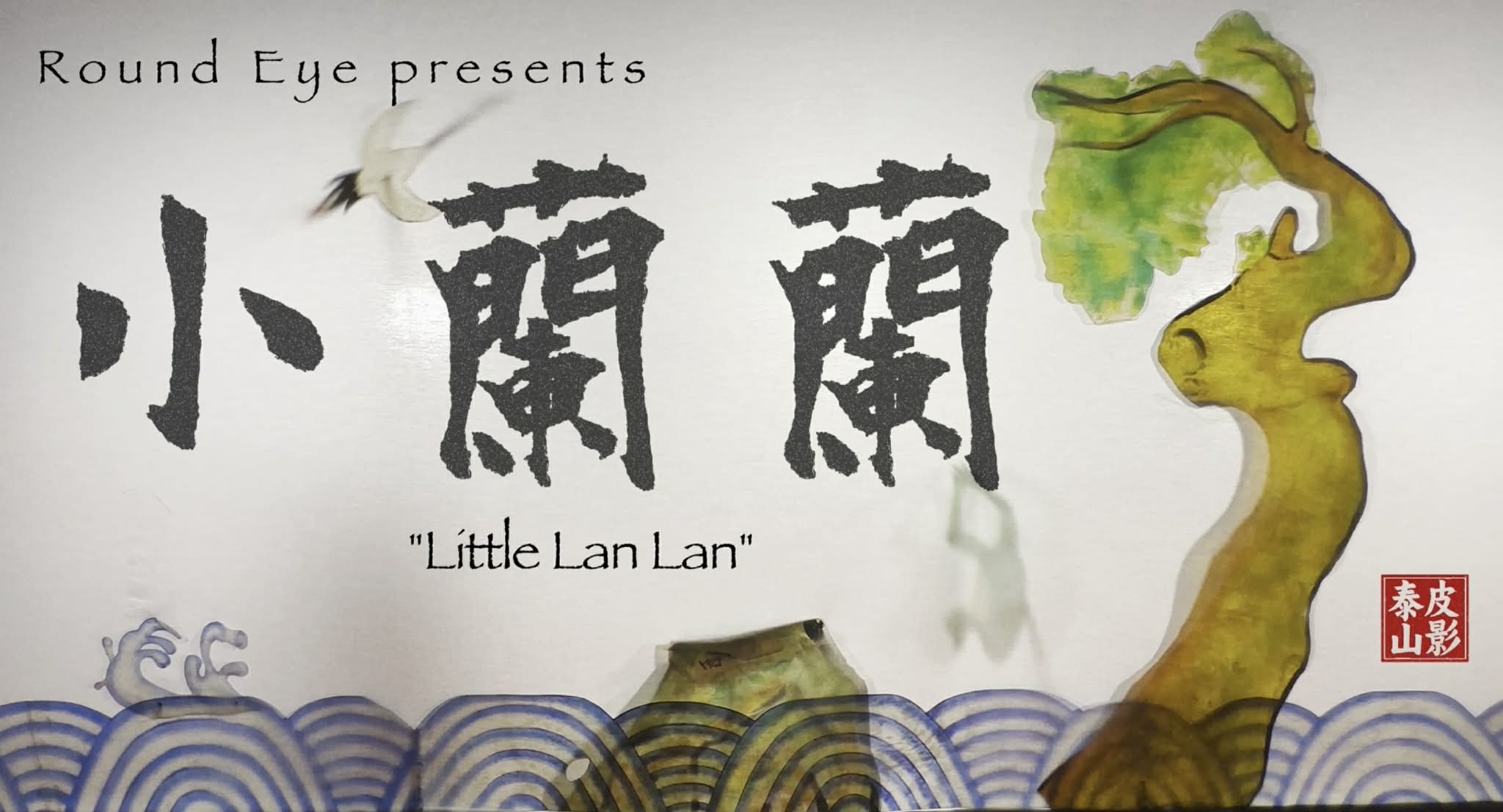
Experimental punk rock band Round Eye is back with their new single, “Little Lan Lan,” out now on Ripping Records. Led by Chachy Englund and centered in Shanghai, Round Eye’s sound is a blend of punk, surf rock, and free jazz into their songs. While “Little Lan Lan” leans more toward punk rock, Englund took an interesting approach for its video by having the video acted out in Taishan shadow puppets made out of donkey hide.
While this traditional art goes back about 600 years, it’s an unconventional approach for a punk rock band. Round Eye’s choice isn’t just out of the box, but on-brand for a group of musicians who aren’t afraid to present themselves in an unusual way. “Little Lan Lan” tells the story of a punk rocker whose infidelity has angered the one he loves, leaving him with the weight of his own regret.
The video was written and directed by Chachy Englund and performed by the Tai’an Shadow Puppet Theatre, which has been in operation for seven generations. The results are phenomenal, and the use of shadow puppets gives the lyrics a new layer rooted in traditional storytelling. Check it out below:
If this is your first time hearing Round Eye and you like what you’ve heard, they will be touring in the Pacific Northwest with Fang this summer:
7/9/2026 – Santa Cruz, CA – The Atrium
710/2026 – Sacramento, CA – Cafe Colonial
7/11/2026 – Santa Rosa, CA – Barrel Proof Lounge (Viva La Punk Fest)
7/12/2026 – Oakland, CA – Revolution Cafe (Viva La Punk Fest)
7/13/2026 – Eureka, CA – Song Tavern
7/14/2026 – Medford, OR – The Basement (Pyrate Punx)
Brad Marino released his 5th studio album Agent of Chaos on April 3rd, and it truly embodies the sound he’s been perfecting for decades. For those not familiar with Brad Marino, he has created a niche in the art of power pop and garage rock. In all his releases, he originates punchy power pop with […]
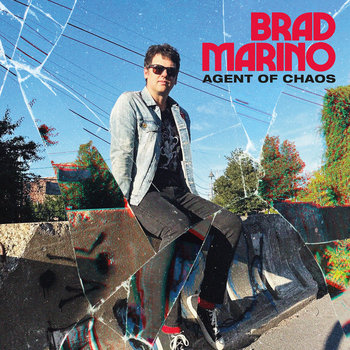
Brad Marino released his 5th studio album Agent of Chaos on April 3rd, and it truly embodies the sound he’s been perfecting for decades. For those not familiar with Brad Marino, he has created a niche in the art of power pop and garage rock. In all his releases, he originates punchy power pop with classic punk and rock energy, and in his new release that identity feels more prominent than ever. On Agent of Chaos, Marino maintains his signature Ramonescore style by pairing sharp guitars with mesmerizing melodies and catchy choruses. The production has a vintage sound to it that complements the songwriting and overall vibe, giving the album a nostalgic and timeless feeling.
Agent of Chaos starts off with the track “Blowing Smoke”, an immediate burst of energy that sets the tone for everything that follows. With a 90’s pop punk, garage rock vibe, buzzing guitars, and infectious hooks, it wastes no time pulling you in to want more. It’s a perfect opener for this album, and just made me want to get up and dance. The next track “Dissin’ & Dismissin'” slows things down a bit and focuses more on groovy driven melodies. It’s a perfect track to help to show that Brad has range.
“Voodoo” brings the energy back up with catchy riffs and a strong melodic core. I feel like this is one of his best, most straightforward power pop moments on the album.
“Murder and Violence” is one of my favorites on this album. The dark-sounding title is a bit misleading, as it’s actually a pretty upbeat song, though lyrically it’s deeper that it sounds. I just really love the tambourine, the melodies, and the overall sound of it. I’ve always been a fan of songs that hide dark and disturbing lyrics behind upbeat and catchy melodies.
“I Don’t Want You Anymore” is another track that makes me want to get up and dance. With pretty straightforward lyrics, it’s super catchy and easy to remember. Followed by “Regards”, another upbeat, infectious track that surprised me with a harmonica! It works so well in his album, I absolutely love the classic rock feel it added. This is also one of my favorites on the album, another one that is very catchy, groovy, and full of character. “Calling Your Bluff” keeps that same energy with great guitar hooks and solid songwriting. This one oddly feels like a classic you could have been listening to for decades now, proving that Brad Marino keeps the true sound and spirit of punk rock and roll alive.
“Lost Without You” draws you in from the moment it starts til it ends. With straightforward and captivating lyrics, it’s another slower track that leans into that classic power pop and Ramonescore sound. The next track is my favorite on the whole album. “Devil May Care” is such a good song that I cannot stop listening to. The steel guitar, keyboard, tambourine, and melodies all come together in a way that is so incredibly addicting. It seamlessly blends an early sixties vibe with that classic vintage garage rock feel to create a perfect track, showing just how well Marino can expand his sound.
“Sick of You” picks things up again with one minute and forty-two seconds of fast, frustration-fueled energy. “Reason or Rhyme” just continues that, and really just encapsulates the true garage rock band feel. Like it makes me want to get up, write my own songs, and start a punk band in my garage.
The last track on the record, “Make This Last” is the perfect closer. It brings another reflective moment on the album. With a super catchy chorus, it balances melody and sentimentality with Marino’s signature punchy songwriting and guitar work. This song feels vintage and nostalgic in the best way, bringing the record to a satisfying close and solidifying that timeless feeling of Agent of Chaos.
In the end, Agent of Chaos is everything you would expect from a Brad Marino record, and more. It stays true to his signature blend of power pop and garage rock while delivering plenty of memorable hooks and vintage inspired energy. Catchy and full of personality from start to finish with enough variety to keep you wanting more. Significant songwriting, quality hooks, and a sound rooted in classic punk and garage rock are what make this record so fun, and bound to get stuck in your head.
New York City’s Scarboro is back with their latest record, Hate Season. This punk rock trio returns with a batch of songs that will scratch an itch for fans of 1990s punk rock and hardcore. One listen to Hate Season is proof enough that this Brooklyn based band is capable of progressing their sound while […]
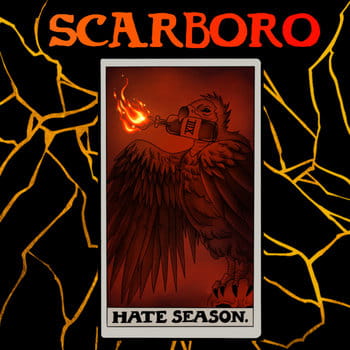
New York City’s Scarboro is back with their latest record, Hate Season. This punk rock trio returns with a batch of songs that will scratch an itch for fans of 1990s punk rock and hardcore. One listen to Hate Season is proof enough that this Brooklyn based band is capable of progressing their sound while staying true to their roots. Hate Season has enough appeal for an elder punk like myself who can get picky about bands and new fans of punk and hardcore who are still figuring out their tastes.
The record starts with a mid-tempo instrumental called “A Horny Intro” before jumping into the short “Midnight Special,” making the leap to breakneck hardcore that is fast and punishing. This whole first side is a meditation on hardcore punk of the past and is done extremely well. The cornerstones of what makes a solid hardcore record are there. Unexpectedly, front loading all of the hardcore songs makes this side fly by. You’d think this would throw the pacing for the rest of the record off, but starting off fast and gradually getting into slightly slower songs is a gamble that pays off.
While the second side is less hardcore, it still keeps up the tempo. It manages to steer away from being pop-punk and keep its edge. It’s not that these sides sound like two different bands, but it’s definitely a balancing act: aggression versus melody, speed versus control. This second side calms down a bit, but the quality is still there.
It’s hard to pick a highlight on this album, let alone this first side, but the Spanish-sung “Sin Futuro” and the title track “Hate Season” hit pretty hard as intense but catchy hardcore songs. If your spectrum of punk rock is wide, Scarboro has you covered. Songs like “Kitsuga” and “Suicidal Babies” give this band range, filling out the second side. It’s not even that one side is better than the other, it’s how well they complement each other.
Released on Sell the Heart Records, Hate Season is just under 30 minutes of pure punk rock, whether it’s the hardcore sounds of the first side or the more in-control and slower songs on the second. Scarboro has something for everyone. While the record feels very reminiscent of Good Riddance and early AFI, it also stands next to these bands just as well.
Dr. Strange Records in Alta Loma, Ca has been an unsung mecca of punk rock in the Inland Empire for decades. While in-store performances from bands are not a new thing, at Dr. Strange, they always feel special. You can see it in the amount of work that goes into it. The number of people […]
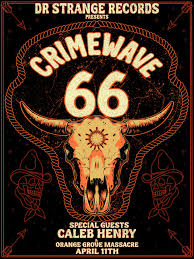
Dr. Strange Records in Alta Loma, Ca has been an unsung mecca of punk rock in the Inland Empire for decades. While in-store performances from bands are not a new thing, at Dr. Strange, they always feel special. You can see it in the amount of work that goes into it. The number of people willing to help to make sure the show was successful is what community and punk rock are about. This week, Matt Freeman’s new band Crimewave 66 played a free matinee show with support from Caleb Henry and Orange Grove Massacre. It was one of the most fun shows I’ve been to all year.
Orange Grove Massacre opened the show. This three-piece punk rock band from the Inland Empire is a regular fixture at Dr. Strange and put on a great set. The band seems to be a family affair with Dave Sr. on guitar and vocals, Dave Jr. on drums, and family friend Silva on bass. Playing mostly short songs, the band plowed through a set with songs ranging from Dave Sr.’s grandpa fighting in WWII (“Nazis No More”) to Dave Jr.’s anger about his mom’s cancer (“Sickness”). Hearing the stories behind some of these songs and Dave Sr.’s honesty with the crowd made us feel welcome. Performing two covers, one of the Circle Jerks’ “Live Fast Die Young” and Sublime’s “Pool Shark,” combined with their originals, shows the heart and fight this band has. If you see them on a bill, give them a chance. Dave Jr. is a beast behind the drums at just thirteen years old. While Dave Sr. hinted this band serves as training wheels while Jr. finds his own way, I hope Orange Grove Massacre will keep going.
Caleb Henry and the Customs’ set was a much bigger affair. With twice as many members in their band as Orange Grove Massacre, their set could have been seen as the outlier of the show; it was in a way with their keyboardist and fiddle player, but it worked. More of a roadhouse band than a punk rock band, their set was very versatile and they knew how to win over a punk rock crowd. While the band had flairs of honky-tonk and Southern rock, they didn’t hammer these genres into the ground like a lot of these types of bands tend to do, alienating a good portion of the crowd. Caleb Henry won them over with angst and humor in some of the lyrics, but the crowd participation during their cover of the Devil Makes Three’s “Old No. 7” didn’t hurt either.
You can always look at a Rancid side project and know you’re going to get quality; Crimewave 66 is no exception. By the time they got on, the store was packed as expected with Matt Freeman of Rancid’s latest project, which includes Grabber’s guitar player Rob Milucky. Milucky played with Freeman in his psychobilly band, the Devil’s Brigade. The band tore through songs from their self-titled EP and a couple more that will be on the full-length later this year. When vocalist Chris Hüber took a break from singing, Matt Freeman threw down a couple of covers: a fantastic rendition of the Dead Kennedys’ “Police Truck” and Rancid’s “Tenderloin” made the crowd shout for more. However, they are still such a new band they only have about ten songs. Crimewave 66 isn’t super fast but is definitely aggressive. Songs about the Arizona desert and old gunslingers fit into a set that sometimes leans into country and rockabilly.
On top of the bands that played, Dr. Strange let vendors set up in the parking lot to sell crafts, records, and food. You could spend the majority of the day there, and it wouldn’t feel like wasted time. Dr. Strange Records is a punk rock institution that keeps the scene alive in the Inland Empire. They frequently put on free shows along with a big summer bash in May. If they can bring this quality entertainment for free, imagine what they will do with a budget. The crowd, the energy, and the sense of community made seeing one of punk’s enduring bass players in a small venue a core memory for fans young and old.
The legendary Gary Numan stopped by Minnesota’s most iconic venue, First Ave., late last month with a March 31st date on his recent run of Spring U.S. Tour dates. While Numan is most known for his 1979 breakthrough new wave hit, “Cars”, Numan has spent his career continuing to be a pioneer in electronic, darkwave, […]
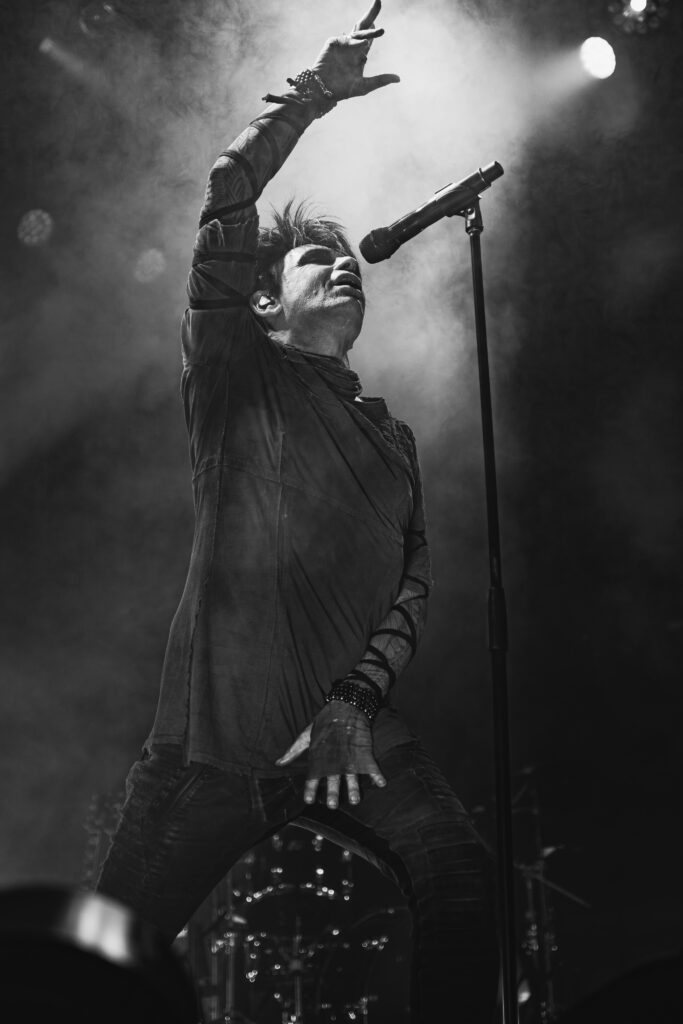
The legendary Gary Numan stopped by Minnesota’s most iconic venue, First Ave., late last month with a March 31st date on his recent run of Spring U.S. Tour dates.
While Numan is most known for his 1979 breakthrough new wave hit, “Cars”, Numan has spent his career continuing to be a pioneer in electronic, darkwave, and industrial music. His live shows reflect that, with an energy that’s truly impressive for someone who’s been in the game as long as Numan, and an oppressive light show that matches the dark aesthetic of his music.
Before Numan took the stage, Los Angeles’ TREMOURS opened the show.
TREMOURS
To be completely honest, I wasn’t able to catch much of TREMOURS’ set. While the Gary Numan show took place at First Ave., just across the street, Bruce Springsteen played a set at Minneapolis’ NBA arena, the Target Center. The two events made it difficult to find parking, and I missed not only the chance to take photos from the pit, but a large majority of TREMOURS’ time on stage. We apologize to the band for not being able to provide photos for coverage or a full accounting of the show.
What I saw of TREMOURS was excellent. The duo, based out of Los Angeles, formed in 2021, released their debut album Fragments in February of 2025,, and have been touring their fuzzy, pulsating shoegaze music ever since.
TREMOURS has actually played with Gary Numan before, joining a select number of his 2025 U.S. tour dates.
Fans of dark electronic and shoegaze soundscapes should check out the band. They clearly have a lot of potential and should be an exciting band to track over the next few years. The few songs I caught definitely had me hoping to see them come through again soon.
Gary Numan
From his early work with Tubeway Army to his seminal solo debut, The Pleasure Principle, and beyond, Gary Numan has always been an innovator. Numan has been cited as an influence by countless musical giants, including Prince for his synth-pop output and Nine Inch Nails for his pioneering work in what ultimately became the industrial movement.
While it’s impossible to talk about Gary Numan without his massive legacy, that’s almost disrespectful to the artist he remains. Go to a Gary Numan show in 2026, and you’ll see that he still has every bit of ferocious vitality and ambition that made him such a crucial figure in alternative music.
Numan and his band started the show hot with three energetic tracks, “Halo”, “Metal”, and “Haunted”. “Halo” and “Haunted” are both tracks from Numan’s 2006 record Jagged, while “Metal” goes all the way back to The Pleasure Principle from 1979.
The trio of tracks immediately demonstrates one of the most impressive aspects of Numan as a live performer. He still plays his entire catalog of music, but arrangements of older songs, like “Metal,” are updated to reflect his 1990s shift toward a heavier industrial sound. The result is a classic song that still feels true to its original purpose and feeling, yet is refreshed by new instrumentation and aesthetics. Gary Numan is often characterized as an artist whose sound “switched.” Still, when you hear some of his classics, it feels like the heavy industrial sound isn’t a switch so much as the logical conclusion to what Numan was doing on his earlier records.
That connection from Numan’s classic work to his modern sensibilities became a recurring theme of the show, with four songs from the Pleasure Principle on the set, including the instantly recognizable smash hit “Cars”, which continues to be a fun and danceable tune even in its current arrangement. Numan also played two songs from his previous band, Tubeway Army, which has proven to be a visionary project that bridged the gap between punk and electronic music.
One thing that’s clear about Numan’s music when performed live is that it can trend much heavier than his early work, but it never loses any of its innate enjoyability. The pained lyrical thematics and dark soundscape of a song like “Love Hurt Bleed” doesn’t stop it from being a stomping good time.
The band finished the set with his anthemic 2017 song “My Name is Ruin”, which functions as a solid encapsulation of everything Numan has become as an artist. The song is a six-minute haunting march of dark soundscapes, Egyptian-inspired melodies played with dissonant synths, and a particularly emotive vocal performance from Numan. If you’re fully unfamiliar with his post-new wave work, give this song a listen. Even though the studio cut is fantastic, it’s even better live.
If you have the opportunity to see Gary Numan on this or any of his upcoming tours, it’s definitely an opportunity worth taking. Check out some additional photos from the show below.
On March 17th, the Bad Time Records tour stopped in Santa Ana, California. Kill Lincoln, JER, and BAD OPERATION took over The Constellation Room for a packed night of ska fun. Joining them for the West Coast dates was Orange County’s Half Past Two! After playing 924 Gilman Street the night before, they got to […]
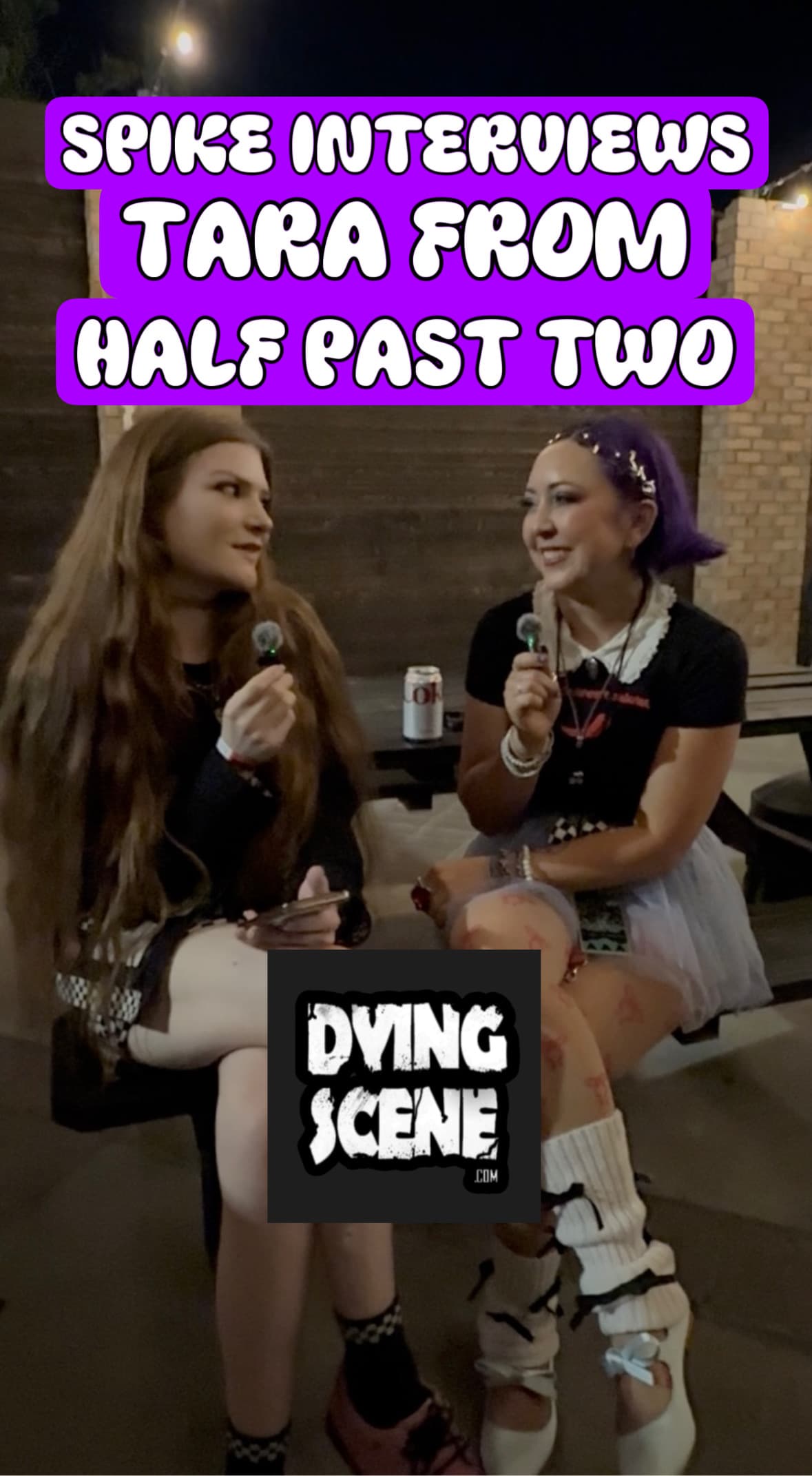
On March 17th, the Bad Time Records tour stopped in Santa Ana, California. Kill Lincoln, JER, and BAD OPERATION took over The Constellation Room for a packed night of ska fun. Joining them for the West Coast dates was Orange County’s Half Past Two! After playing 924 Gilman Street the night before, they got to play a hometown show packed with familiar faces and longtime friends. After their set, we caught up with frontwoman Tara Hahn about the local ska scene, bands that she’s into right now, her fashion style, and more.
Dying Scene (Spike): Thank you so much for taking the time to do this, it means a lot to me. That was such a good set! How does it feel to be playing in your hometown?
Tara: I mean, we’ve only been gone for one day so it’s fun to come back, but yesterday when we joined up with everybody on the tour they asked the same thing “are you excited to go home?” and i’m like, “I just left… haha like I just came up here and now i’m going back home”, but yeah, it’s exciting.
Who are some local artists from Orange County that you like? Current bands or ones that have influenced you?
It’s so funny because I feel like I can say these names and maybe it’s like, not cool to say them right now, but I mean back in the day I started listening to Save Ferris and Dance Hall Crashers and stuff. They really influenced me to want to play. But now, there’s some new bands in Orange County like we had one of the members of Chudson up tonight. They’re new and doing a really cool thing. Chase Long Beach is an old one that we’ve been playing with for like 20 years now, but they’re still making music and they’re fun to play with. Also Hooray for Our Side. There’s a lot of bands, it’s hard to say.
What about some newer bands that you want more people to know about?
There’s a band on the East Coast, it’s my friend Kay and her partner, called The Doomstompers. They have some music coming out, and it’s really good. I love Kay’s voice. They’re really new and I want more people to know about them. Like I said, Chudson is doing some good things. I just like how they have a good following of young people, and I think that’s important that we keep the scene going. One of the things I experienced when we started was everybody was like kind of the old guard, and I would go to these shows and I’d be like “why are these like creepy old guys around” you know. I like that ska music’s become more young and queer and it feels a lot safer than it used to so I think those sorts of bands are progressing the scene, and that’s why Bad Time Records is good too. There’s just so many bands on the label that do that. Just check out all the bands on Bad Time Records and I think you’re in good company and got good listening.
Who are some people you feel have helped pave the way to help get you where you are today?
I think Mustard Plug does a good job of helping bands get out there, and The Toasters. They used to take us around and those were some of our first tours. We were like “this is so cool!” It’s really nice when those legacy bands help other bands out. Reel Big Fish used to do that with us. Reel Big Fish… we owe a lot to them. Aaron produced our first album, and he went to our high school. So we ran into him at this burger place and we were like “here’s our demo” and he listened to it and was like “I want to record you guys!” And I kind of think that’s a reason why we’re still here.
To me, your stage presence feels very natural and confident, like you just own the stage when you’re up there. Have you always felt such confidence?
I have been performing for a really long time. I did show choir in middle and high school, but I always thought I would be like a backup singer. When I started pursuing alternative music and being in bands, I really just wanted to be a backup singer, but then this happened! So it took a while to get to the confidence spot, and I still get nervous before every single show, but I guess that’s why it feels “natural” because I’m just like trying to have fun with my friends.
What advice can you give to women right now trying to make it in the scene?
I think first of all, just don’t give a fuck about what other people are saying you can and can’t do, and just don’t be afraid. There’s so many times where I felt like I had to shrink myself to sort of have a seat at the table, and I don’t think it’s necessary anymore. I feel that when women show up, and are their true authentic self, then people just receive it. It’s really important to be authentic.
Being a mom, a wife, the frontwoman of a band, how do you balance it all?
My partner is a very big supporter of what I’m doing, and I don’t think I could do it without his support. I don’t know how I balance it all. I’m literally always putting things on my plate and it makes me crazy sometimes, but I just try and remember, if I wasn’t doing this, I’d probably be even more miserable. I like to say yes to a lot of things. Music is everything, and my kids. I fully, 100 percent show up for them and support them and all that they do. And they support me! I just want them to know that you can pursue and do whatever you want to do. Be a mom and be in a band, that’s totally fine.
I’ll never forget the performance at Garden Amp with your daughter Neely, it was so touching. What do you hope she takes away from the song “Shine” as she gets older? It’s about her, right?
Oh gosh, it is about her. It makes me cry when I think about it.
I’m sorry.
No no it’s okay, I mean I think that’s the important thing about music, it’s like a cathartic thing. I know that she really likes the song, and I hope when she gets older she realizes that I’m gonna be there for her and support her in all the different ways. No matter what she wants to do, and I just want to see her thrive. That’s kind of what “Shine” is about, making sure that you nurture the person to be who they need to be.
Recently Half Past Two came out with a new song “Nightmare of You“, and it’s not really ska. It’s more hardcore, kind of pop-punky. Do you think you will ever release an album that isn’t ska?
Um, not that’s not ska. We actually didn’t mean to make that song not a ska song, but it just happened to be that way. You know, we want to show people we have range. We like ska music, but we like other music too. And I think it’s important to let people in the ska scene know, don’t gate-keep the other music, you know. We have other influences, too.
Like who?
I like to listen to a lot of post-hardcore stuff. I really love Scowl, and really girly indie bands too. I was just here at The Observatory seeing this band called Bad Bad Hats, and there wasn’t that many people here, but I was like “I love this band!” It was just girly, vibey music.
One thing that really got me into Half Past Two was your covers. You cover lots of songs.
We do!
Do you have a favorite cover that you’ve done?
I think my favorite cover is one we did recently. It wasn’t even a big band, but it’s our friends’ band Tiny Stills. It was a really slow song and we were like, “What if we just made it really fast?” I think it’s like under a minute because when I made the reel for Instagram, that thing went by. It just flies, and it’s so much fun. When we showed it to the band they were like, “woah, it’s so fast!”
So that one, and it’s fun to do other styles too. We did Suicide Machines and people always love to hear that song, just because it’s so not us.
My favorite is Holiday by Green Day, that was what first introduced me to you guys.
We were going to play it tonight! We took it out of the set because our horn player Patrick was like, I don’t know if I know it very well, and I’m like, ugh. We were going to play it and we could have dedicated it to you!
Hoping that Patrick knows it by the next time they’re in town.
You have a great fashion style, I love all of your outfits. I have to ask, who inspires it?
Actually my friend Tabby that’s here tonight! I mean, I own a lot of clothes, and I love dressing up, but Tabby and I have even more fun sitting together and coming up with outfits. He is like a fashion icon on his own. He’s really into ska and J-fashion, so it’s kind of like a match made in heaven. We literally do that thing like on Clueless where they piece the outfits together, we just like sit on the phone and like cut out my clothes and put the together. He like micromanages, he’ll tell me what to do with my eye makeup, my hair, all that stuff. But it’s fun. It’s so much fun.
What can fans expect from Half Past Two in the future?
You know, we’re a band that’s always working on stuff so we have some new stuff in the pipeline. We’ve been working on it for a really long time. We have, like, a concept album that we’ve… a concept album? That’s so weird. But we’ve been working on that for a while, and we’re hoping that it comes out this year. I just need to fine-tune a couple of things, so that’s what we got!
That’s so exciting to hear! I cannot wait for that. Is there anything else you’d like to add?
I think what you’re doing is really cool! As far as I can remember, there hasn’t been a lot of people that go out and, like, report on music, especially in little communities and scenes like this, so keep it up. I think it’s really cool.
From talking about her early influences in the Orange County ska scene to opening up about confidence, family life, and the band’s future, Tara Hahn showed us exactly why Half Past Two has remained such an important part of the community for so many years. Whether she was shouting out new bands, reflecting on the ones who helped them get their start, or talking about pushing expectations, one thing stayed consistent. The scene only survives as long as we keep putting our energy into it. As the conversation wrapped up, Tara’s words about the importance of documenting and supporting local music communities really stuck with me. Scenes like this thrive because people put their time, energy, and passion, whether it’s on stage, behind the camera, or in the crowd. Being able to capture these stories and share them is something that means so much to me, and it’s a great reminder that keeping local scenes alive can take many forms. The important thing is simply showing up, while contributing and supporting however you can.
A few days after this conversation, Bad Time Records released 4 songs from Half Past Two’s new side project with Omnigone, Half Gone. It was a great surprise, with a perfect blend of both bands sounds. They also released a music video! Watch it here:
Follow Half Past Two on Instagram and stay updated on their website so you don’t miss any news on their upcoming concept album and future shows. When you get the chance to see them live, don’t pass it up!
You can check out the full video of the interview here!
Photo Credit: Alan Cross Welcome to Four Records! Each episode, we feature one guest as they go over four records at four different times in their life. This week, Forrest and Karina speak with Tim Hildebrand, guitarist with ska band Catbite. Last year, Catbite released their six song EP Doom Garden. After touring for the […]
Photo Credit: Alan Cross
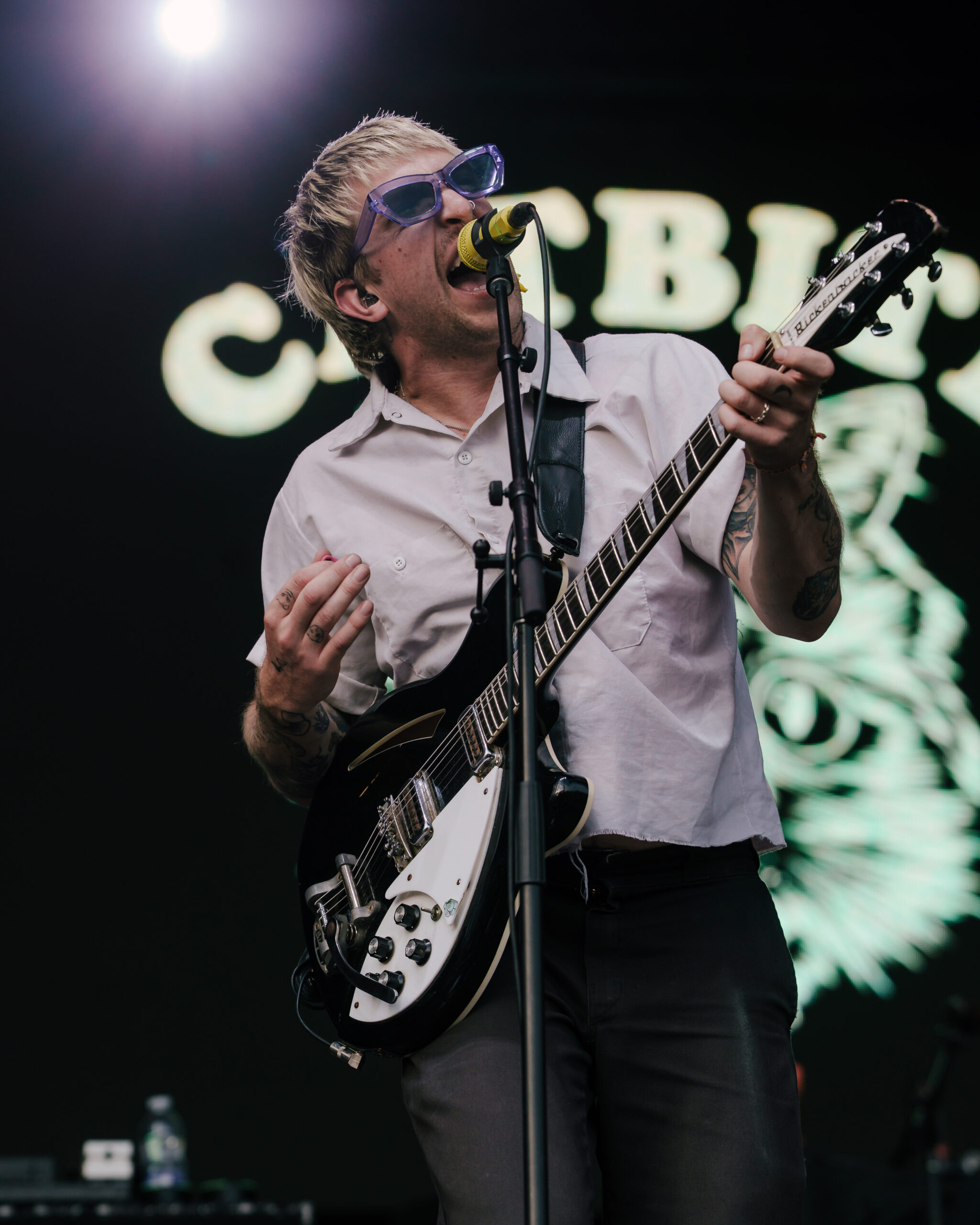
Welcome to Four Records! Each episode, we feature one guest as they go over four records at four different times in their life. This week, Forrest and Karina speak with Tim Hildebrand, guitarist with ska band Catbite. Last year, Catbite released their six song EP Doom Garden. After touring for the majority of last year, the band is scaling things back a bit, but do have some tour dates coming up including opening spots for Fishbone and the RX Bandits.:
Apr 22 – Empire Underground – Albany, NY w/ Fishbone
Apr 23 – Crossroads – Garwood, NJ w/ Fishbone
Apr 24 – Apr 26 – Broken Goblet Brewing – Bensalem, PA (This Is Not Croydon Fest 7)
May 14 – May 17 – Narrowsburg Campground – Narrowsburg NY (Froggy Daze Family Campout 21)
Jun 11 – Jun 13 – Fort Royale Farm – Bedford, PA (High Hopes Music Festival 2026)
Jul 16 – Paradise Rock Club – Boston, MA w/ Rx Bandits
Similar to their other books on punk rock, Chris Sullivan and Stephen Colegrave give an account of the genre that made its splash into music’s lexicon in the 1970’s. This time, told through the lens of punk as a DIY philosophy, the early architects of punk rock tell their experiences and memories from a genre […]
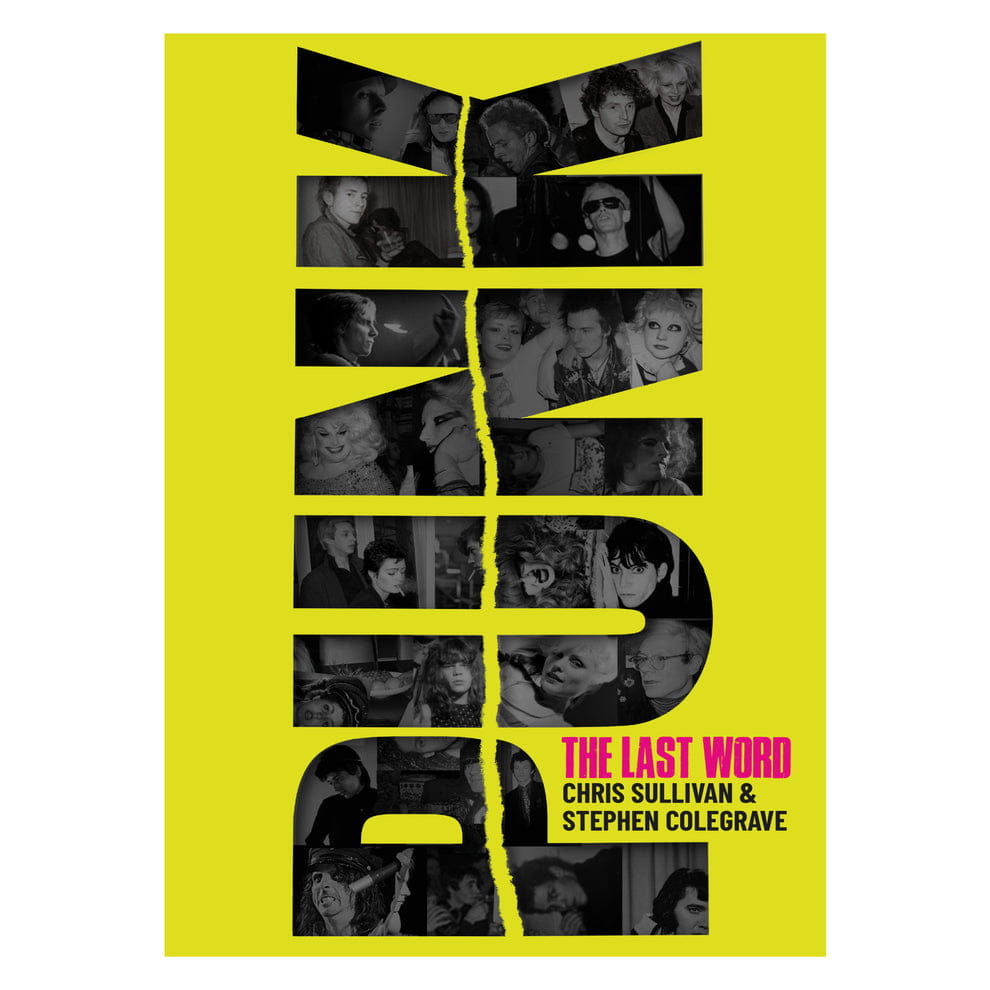
Similar to their other books on punk rock, Chris Sullivan and Stephen Colegrave give an account of the genre that made its splash into music’s lexicon in the 1970’s. This time, told through the lens of punk as a DIY philosophy, the early architects of punk rock tell their experiences and memories from a genre that made itself relevant on its own terms. Boasting over 150 interviews, Punk: The Last Word, might be that very thing.
Starting with a section called “Historical Harbingers,” Sullivan and Colegrave provide accounts of historical figures who embodied the punk attitude and the wherewithal to push back against society. These go back to playwrights like Socrates and pirates like Blackbeard, as well as filmmaker Federico Fellini and rock and roll legend Little Richard. There’s a chunk on the Beats, whose manifesto of hard living and free will definitely influenced punk rock. Acknowledging that most of these writers would have been supporters of punk rock if they had survived long enough to see the movement flourish.
Sullivan and Colegraves’s book organizes their interview with the players of these burgeoning scenes in a way that feels natural. The parallels between, the US and UK scenes, are presented fairly. As the seedlings of things are happening in different corners of their respective scenes, the written accounts detail how they each came together to make a whole scene on both sides of the Atlantic and the influence they had on each other’s work in tandem. Whether it is the Bowery in New York or King’s Road in England, we get a sense of where punk was cultivated and the locations where the scene flourished. From CBGB’s, the dingy dive bar where so many US bands got their start, to Vivienne Westwood’s Sex Shop, where Malcolm McLaren gathered the Sex Pistols, everything is given the reverence it deserves.
Chapters on the bands that became the foundation for punk include the usual, the Velvet Underground, The Stooges, and the MC5, but also include Jonathan Richman and the Modern Lovers and Alice Cooper. Despite their being labeled in genres that aren’t necessarily punk, these artist can be put in either due to their aesthetic or work ethic. There are entries on Andy Warhol’s Factory, along with CBGB’s and Max’s Kansas City, and a brief entry on Stonewall.
When it jumps to England’s scene and talks about its origin there are quotes from England’s living punk rockers like Glen Matlock and Siouxie Sioux, and get into the meat of the England scene starting with Vivienne Westwood and building out from there. Interviews with Malcolm McLaren and Don Letts pepper these sections. From there the book jumps back and forth between the UK and US punk rock scenes with some crossover, making it a more cohesive movement than a battle of who started it first.
For as gigantic as this book is, some of these entries seem a little slim. It can be argued, though, that more of the story can be told through other entries and the interviewees’ experiences, but some entries last about a page and a half. The book is written like an oral history, but organized almost like an encyclopedia, though not alphabetically. More or less, it is set up like a timeline. As the book progresses, there are more and more architects, and more origin stories of these punk rock institutions. While the book has the advantage of 50 years of history, the broad strokes never change. However, the interviews do shed some light on some smaller details.
Punk: The Last Word is a beast of a book at just under six hundred pages long. This book is perfect for the completist in your life. If you have any holes in your knowledge of early punk rock, this book is essentially a catch-all. In their intro, Chris Sullivan and Stephen Colegrave call this “the last word” as it will be the last book they release on the subject of Punk. I’m sure between their previous tomes, there isn’t much left to cover or in some cases, anyone alive to tell it. Regardless, Punk: The Last Word is a comprehensive history of the beginning of punk rock with quotes from the architects of the scene reflecting on building a movement.
Punk: The Last Word by Chris Sullivan and Stephen Colegrave is available through Omnibus Press.
We’re officially one month out from the release of beloved Canadian punks The Flatliners new record, Cold World. Due out May 8th on new label home Equal Vision Records, the album is not only their first full-length since 2022’s New Ruin (Fat Wreck Chords) but their seventh studio full-length in twenty-four years as a band. […]
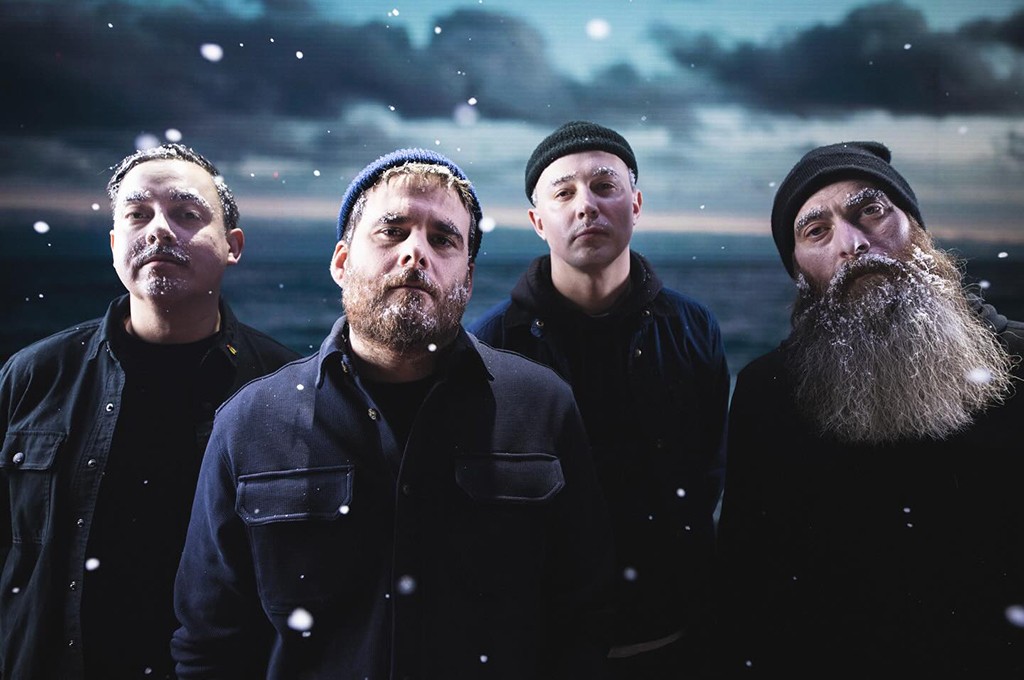
We’re officially one month out from the release of beloved Canadian punks The Flatliners new record, Cold World. Due out May 8th on new label home Equal Vision Records, the album is not only their first full-length since 2022’s New Ruin (Fat Wreck Chords) but their seventh studio full-length in twenty-four years as a band. And while there’s certainly more to come about the latter fact a year from now for what should be obvious reasons, suffice it to say that the hours spent writing music and toiling in tour vans and the years and years of playing shows of all shapes and sizes have produced a band that is firing on all cylinders musically and creatively. Cold World is yet another raw and powerful record that comes out of the proverbial gate swinging right from the first notes that form the opening salvo of “Stolen Valour.” A spiritual follow-up to its predecessor, New Ruin, Cold World is a dozen tracks that deal with grief and loss and the raw nerves exposed to a world that has crumbled around us.
From a songwriting perspective on Cold World, the band stuck to the formula that’s been working well for them for the last decade, particularly since Covid. Cresswell writes the lion’s share of the music and melodies, trying to present as close to a fully fleshed-out idea to his longtime bandmates before it’s time to hit the studio. “I don’t like wasting people’s time,” he explains. “I don’t want to waste my friends’, my bandmates’ time. I don’t want to waste my own time. I don’t want to waste our lovely engineer friend Matt Snell’s time.” While the ideas may largely take root from Cresswell’s mind, he’s well aware that the fleshed-out reference tracks he sends to the rest of his crew won’t sound the same once put through the full Flatliner filter. “It does get to the point where I’m sending them ideas to listen to. There’s MIDI drums in there that Paul will severely improve upon. There’s a very simple bass line in the song that Jon will like make a meal out of and make so great. There is a lot of guitar ideas that Scott and I will go through together and he’ll come up with something better. You know, he’ll come up with a way that he plays it that makes it sound like he’s playing it because he is on the record. Things like that. Everyone touches it before we get into the studio to record it.”
The one outlier in the band’s recent song writing and recording pattern was, interestingly, 2013’s Dead Language. A bit of a transitional record, the album you know and love as Dead Language was finalized almost by accident. “Back in 2011, we went in to make demos of what would become Dead Language,” Cresswell explains. “We took those live, off the floor demos…and showed our buddy George, who used to be our tour manager and sound tech in Europe. He said ‘I think you’ve already made your record!” There was a moment on this record that almost mirrored that Dead Language process, albeit late in the game and only for one song. It’s a track that was “a bit of a question mark coming into the studio, but we thought ‘you know what? Let’s throw it on the pile of songs,” he continues. “The last day we had some extra time, so we’re like ‘okay, let’s get in the room together and really tinker with this song. We hadn’t done it that way in like ten years.”
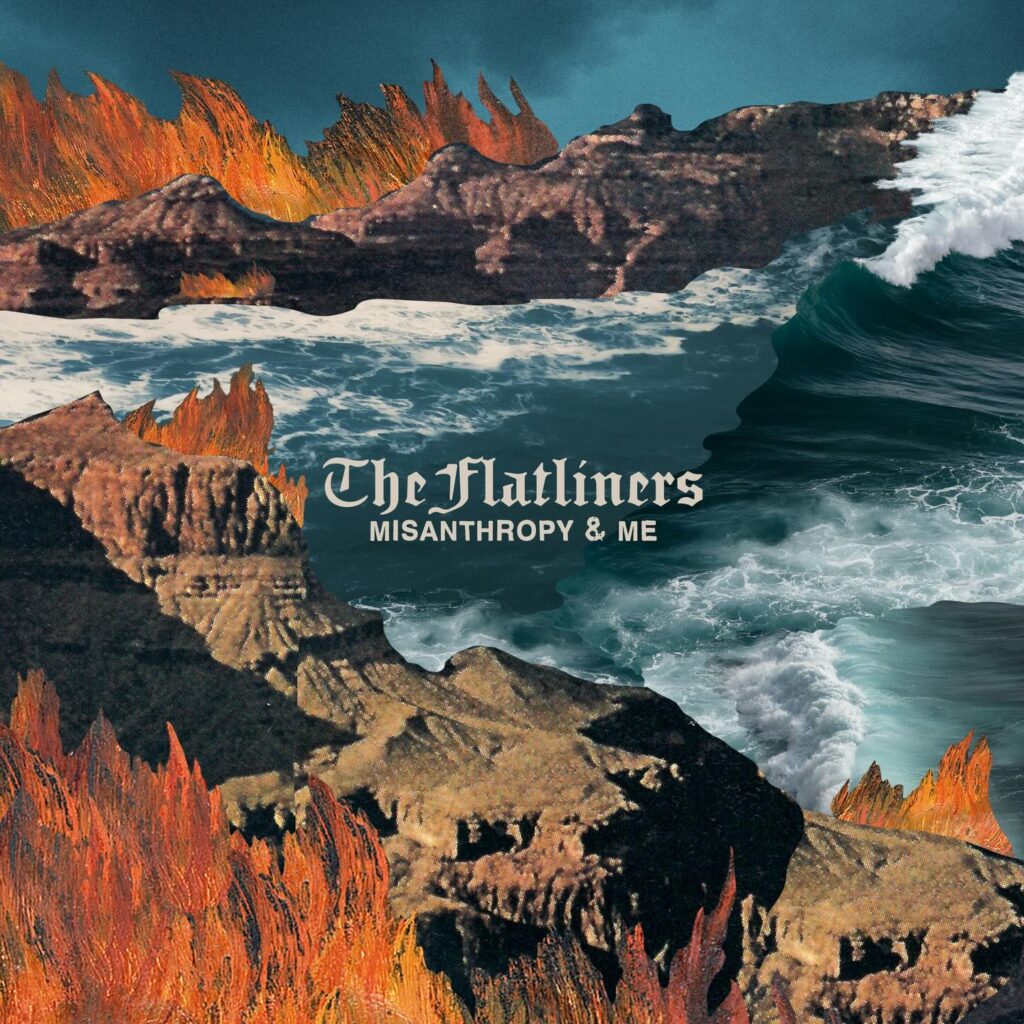
The result of that throwback-style session was “Misanthropy & Me.” Released as a standalone single back in December 2025, “Misanthropy & Me” serves as a link between New Ruin and Cold World, as the latter is the musical and thematic follow-up to the former. “There’s a theme with record, and it goes kind of deep,” Cresswell explains. New Ruin was an angry and thematically dark record, albeit in a different way than, say, Dead Language. Its arrows were pointed toward the past generations that sold ours a bill of goods, dismantling the systems that helped propped them up and leaving the younger generations to deal with the mess. “Cold World is a spiritual sequel to New Ruin,” explains Cresswell, adding “that’s something we’ve never done before. He continues: “with New Ruin, there was a lot to be angry about in the world, and a lot of that was written in the years leading up to and then including the beginning of COVID and everything. So there was a lot to be angry about in the world. And it just so happens that it’s gotten worse.”
Grief and loss and the sad reality of the world we live in are recurring themes on Cold World. Look no further than lead singles “Good, You?” and “Inner Peace” for clear examples. A particular high note on the record is the powerful “Whyte Light.” The riff-heavy uptempo rocker is an old to a fallen friend, Ben Sir. (Astute listeners will note that the Cresswell-penned “Side Of The Road” from Hot Water Musics latest full-length, Vows, is about the same friend.) Sir played in the Edmonton band Worst Days Down, and was also part of a bar there called The Buckingham. He was a long-time friend and spiritual light for Cresswell and crew. “He was a great friend of the band, one of my best friends on the planet,” he explains. “He was just kind of gone out of nowhere, so it’s just brutal; absolutely brutal.” Repeated several times late in “Whyte Light” is the line “I am me because I knew you,” which is about the most pure and genuinely positive thing you can say about another person. “I really do mean I am me because I knew him,” states Cresswell. “I think that’s the case with the people we carry with us, whether they’re still with us or not. They do make us a bit of who we are. We learned so much from him over the years, and the fact that he’s gone doesn’t make sense. It doesn’t feel real. I feel like he’s just been on the road for a while and I just haven’t seen him.”
Sonically, Cold World is very much a spiritual follow-up to New Ruin as well. It’s very much still a Flatliners record, but it’s also got enough twists and turns to keep things fun and exciting. Maybe not twists as far outside the norm as a song like Inviting Light’s “Chameleon Skin,” perhaps, but still some ideas that were wide-ranging enough that even Cresswell was surprised they made the cut list. Take a song like “Pulpit,” which features double-tracked vocals – one spoken, one shouted – over a musical bed largely focused on the Jon Darbey/Paul Ramirez bass and drums tag-team. “I sent it to the guys to see what they thought. I thought it was cool, but I was like, that song’s never fucking coming out. No one’s going to like that one. I loved it, but no one else is going to like it. It’s too weird. And then all the guys were like, ‘that one’s fucking cool!.”
Because the band have worked together for so long and operate on an almost telepathic level lately, there’s inherently a sense of trust in working through songs that might be outside the traditional norm, which, in turn, resets what the traditional norm is. “We’re aware of the moves we’ve made before,” says Cresswell. “Because we wrote a song like “Chameleon Skin” and put a record like Inviting Light out, we are now free to do whatever the fuck we want. And that’s beautiful, because we walked through the fire together.” Cresswell is frequently quick to gush about his bandmates; to bestow the virtues of their lifelong bond and connections, both musical and otherwise. There are “childhood, deep roots baked in the genetic makeup of this band,” Cresswell explains. The story has been told in other places (like previous DS interviews) but he and guitarist Scott Brigham met in kindergarten; he and five-string bass virtuoso Darbey met a couple years later, and they collectively met Ramirez around 11 or 12 at summer camp.
As such, they were friends well before ever becoming a band; even before learning to play instruments. “Scott and I started taking guitar lessons at the same time back in ‘98 because we wanted to play guitar, and we wanted to play in a band together. Same with Jon, but he got to calling playing guitar too late. Scott and I had already called it, so he got to play bass.” It’s a lifelong connection that exists and, after almost a quarter century together, seems to be as strong now as ever. “We love each other. We’re like brothers. These are my oldest, greatest friends,” Cresswell states emphatically. “Everyone has a bit of a life outside of the band now too, so this band is something that is our lifeblood, and something that always moves us forward together as friends, but it’s also there for us to return to. And each of us are there for each of us to return to as friends as well. It’s exciting when we get to do it.”
Cold World is out May 8th on Equal Vision Records in the States and Dine Alone in Canada. Pre-orders are still available; you should get it. There are also a bunch of tour dates that find the Flats appearing alongside the likes of Samiam and A Wilhelm Scream and Dave Hause and more. Full details here. Check out our full chat below.
*The interview below has been edited and condensed for content and clarity. Yes, really. *
Dying Scene (Jay Stone): So I don’t know what to talk about first, whether it’s the new record or 24 years with the same group of four guys. I know that this is a frequent topic of conversation and I know that what that actually means is that next year is 25 years and that you all turn 40. But do you talk internally about how special that is, even a little bit? I tried to run through the list of bands that have been together 24 years with the same four guys and I didn’t get anywhere. I mean, I guess theoretically Hot Water, right?
Chris Cresswell: Yeah, totally. I mean, it was the same around the 20th anniversary a few years ago and it is now with the 25th anniversary coming up next year. Just the nature of being in a band, you’re always planning stuff far in advance, you know what I mean? You kind of start as a band in our position to celebrate that 25th anniversary or at least to talk about it in these terms way before it arrives. You start to have those sentimental conversations before it’s even at your doorstep. We don’t talk about it a lot because I think it’s funny…because this has always been our experience with this band, you know what I mean? It is cool, but for us, we think like, “yeah, it’s our band. It’s cool.It’s always been the four of us because we’ve never had another version of it. This is the only version of it we’ve ever known.” So when those milestones are approaching and have arrived at the doorstep, we do talk a lot about it. I mean, we love each other. We’re like brothers. These are my oldest, greatest friends. I met Scott the first day of kindergarten. I met Jon in grade two and we ended up finding out that we live on the same street, so then we walked to school every single day together for the rest of our time in school until I moved away. And then we met Paul. Scott and I met Paul at a summer camp when we were 11 or 12 years old. So this is childhood, deep roots, baked in the genetic makeup of this band. And it does come up, but when it does, we’re in just as much awe as fans of the band may be about it, but then there’s always something else to do, so we’ve got to move on. This life doesn’t leave you a lot of time to process.
That’s certainly true. And I wonder if it would have ended up the same if you weren’t friends before the band started. You all knew each other ahead of time and then started a band; you didn’t meet each other through the process of trying to start a band. So I wonder if that is a different dynamic.
Yeah, I think so. You know, we all have friends from school days that you miss getting to hang out with all the time. You maybe get to see them at a wedding or whatever, or you bump into them somewhere if you still all live in the same town or something like that. There are these people from our past that each of us would love to spend more time with. And the way you do that is you start a band with some of those people! (*both laugh*) And then you are unified for life. I do think about that sometimes. I wonder where we’d all be as people, as friends, if the band wasn’t there for us and if we weren’t there for each other in the band. But it is true what you said, that going back, we did start the band because we were already friends. Scott and I started taking guitar lessons at the same time back in ‘98 because we wanted to play guitar, obviously, but we wanted to play in a band together. That’s why we started taking lessons. Same with Jon. Jon just got to calling playing guitar, as kids do, too late. And I had already called it and Scott had already called it. (*both laugh*)
Yeah, I know how that goes.
It was literally how he became the bass player for this band. But now…
What a phenomenal bass player.
Yeah man! Much to his chagrin, he became the bass player, but years after that, he’s one of the best.
That’s the reason I bought my first bass in ninth grade. Because there was another kid who had a guitar and another kid who had a guitar, and you can’t have three guitar players. We weren’t going to be Skynyrd. We were going to be a punk rock band.
Now there are bands, so many bands with three guitar players. It’s cool. I like it. Fuck it. Just go for it.
Absolutely now, but when was I in ninth grade? 32 years ago? You were Skynyrd or The Band, or I guess Pearl Jam, because Eddie played guitar, too.
That’s right. Yeah, yeah, yeah. For us, it would be this brief era in the Tragically Hip’s existence, where Gord Downie, the singer of the Tragically Hip, who typically just sang, but there was a brief era where he also played guitar on stage and sang. That would be one of the first bands, like homegrown Canadian bands, who are like a big deal to us, who we’d see like, fuck it, three guitar players.
Massive deal in Canada. I remember when I was in college, when moved to Boston, we had Much Music, and they always had specials on like Tragically Hip and Our Lady Peace and bands like that. And I learned that Our Lady Peace, I dig. I don’t get The Hip. You could tell that they were massive. And I feel bad even saying that I didn’t get them because…
There’s such lore around that band. They’re one of my favorites, truly. But I got to admit that when I was a teenager in school, in high school, especially like when I was “really punk,” you know what I mean?
Oh, totally.
The punkest version of myself was when I was 14 and I just discovered it. I didn’t really care for them mostly because they were all over Much Music. They’re all over the radio. They’re ubiquitous. So it was just this thing like…it was one song I just didn’t really actually give a chance to at first. And it was everywhere, so I didn’t like it. You know what I mean? That wasn’t for me, but…
That’s why I didn’t like Nirvana. I was “too punk” to like Nirvana. Like an asshole. (*both laugh*)
Well, we’re all assholes when we’re young. (*both laugh*) But then the band gets our start and we get our first van and we get the Tragically Hip’s greatest hits double-disc CD, Yer Favourites. Y-E-R. F-A-V-O-U-R-I-T-E-S. (*both laugh*) And it was a double-disc CD. It was fucking long, but every drive we had was long then, so we would just throw it on and so quickly all of us were just kind of like getting a full-blown education on how many different things a band could do while still sounding like themselves.
That is a really good segue into this record. Because this is such a Flatliners record but it’s not like the last couple records, and obviously it’s certainly not like the early Flats records. You continue to add different wrinkles to it. And so I wonder in that process of writing songs for this band in particular, do you guys talk about where you can push those boundaries? Like what you can do and still make it a Flatliners song? I don’t think there’s anything on this record that doesn’t sound like a Flats song. I mean, “Chameleon Skin,” I think from a previous record, is like the outlier there, but still, that’s you guys. Do you talk about like where can we go stylistically? Or is it just kind of like all what you’re feeling at the time when you’re writing?
Yeah, there’s no conversation about where we could go with it. It just ends up being where we go. Truly, it’s really fun. We trust each other completely and we trust ourselves at this point completely, you know? I think that comes from kind of walking through a bit of the fire we lit for ourselves with some twists and turns over the years. Inviting Light is a particular one, where when that came out, it confused a lot of people. It honestly kind of crept up on us in certain elements, how different it became, you know? But when you’re so close to making something, you don’t truly see it for how different it is when you stack it up against the record that came before and the record that came before that one. You just know what you’ve been working on for a year or six months or a month or whatever it is. When that record came out, it definitely turned some heads, but the funniest thing is now we will meet Inviting Light haters at shows. And they are self-professed former Inviting Light haters. Former…that have now gone on to understand that record more or just enjoy it a lot more. Some people tell us it’s their favorite one, which is cool. I don’t know, we just took some chances we didn’t really realize we were taking, to be honest, because…
So it wasn’t necessarily a conscious decision to like turn left there.
No. No, man, it was just us writing songs that we wanted to write and what was coming out of us at that time. And same with the next record, with New Ruin, there was a lot to be angry about in the world, and a lot of that was written in the years leading up to and then including the beginning of COVID and everything. So there was a lot to be angry about in the world. And it just so happens that it’s gotten worse. So that is how we get into…
Just amazing, isn’t it?
Yeah, yeah, Jesus Christ. Didn’t know there were enough coals to fucking, you know, throw on the burning pile of shit that we call the planet. (*both laugh*) So musically, the conversation almost never happens. Sometimes when we’re jamming stuff and we can run the gamut. Say we’re writing a setlist. We can run the gamut of our whole catalog and we can play some old stuff from Destroy To Create. We can still fucking nail those songs. It’s fun, you know what I mean? We don’t do a lot of them live anymore, but we did just do this big anniversary for the 20th a couple of years ago for that record, which was super fun. And we don’t look back too often, but when we do, we’re reminded that we have a few tricks up our sleeve in terms of all the genre tourism, I guess, under the punk umbrella we’ve done. Under the rock umbrella, maybe too. But we’re aware, I think, of what we are capable of. That sounds so cocky and I don’t mean it to be. We’re just aware of the moves we’ve made before, you know? Because we’ve made those moves, because we wrote a song like “Chameleon Skin” and put a record like Inviting Light out, we are now free to do whatever the fuck we want. And it is beautiful, dude. It’s beautiful now because we walked through that fire, like I was saying before. In the moment back then, it was a little tricky to navigate, you know what I mean? I mean, we didn’t want to put a record out that confused half of our fans.
But that is a conscious decision that some bands make, obviously.
That’s true, that’s true. We kind of stumbled into it, but that is something some bands do plan.
Face To Face, when they recorded Ignorance is Bliss, which is a record that I loved from day one, and they don’t believe me when I say that, because so many people didn’t like it. Like with Inviting Light, they have since grown to love and appreciate it, but that wasn’t the case when that record came out. They wanted to make a grown-up, “we all grow beards and wear flannel, and there’s a piano and strings” record.
Well, because they’re incredible songwriters, and they’re a great band. And at the end of the day, every band that gets pushed into a genre, like a specific genre’s corner, they probably have more in them than just that one genre that fans of the band just use to describe what the band sounds like. You know what I mean? A lot of it is just this nomenclature of how to bring people together. That’s great, music is a great unifier. At the same time, putting people into corners like that when maybe they just want to be a band can be a bit divisive sometimes. You know what I mean? It shouldn’t be, because it’s just fucking music. But every once in a while, it can feel like that. And I think also, people are different every day, especially in certain eras of their life. There’s these big transformations that happen in the way we think, and in what we do, and how we feel. And those feelings are pretty much what all these bands and songwriters are expressing in musical form. So it’s pretty complicated. It gets pretty tangled, you know what I mean? So we’ve found, by stumbling into all these scenarios over the years, and just kind of doing whatever we’d like to do, is that let’s just kind of be ourselves. It’s going to be a little different every time, because we’re a little different every time. But I’m glad to hear that this one sounds like us to you, because I think it does too.
Yeah. Yeah. It’s so good. I made a mistake. Usually in the lead-up to an interview like this, I try to listen to an album two or three times, maybe. And then that’s it. Because I want to get it but then just kind of leave it alone, and see what resonated with me. And then listen to it again, like the day before, just to make sure what had previously resonated, if I have the time to do that. I’ve probably listened to Cold World 40, 45, 50 times.
Yeah, really? You’re going to hate it by the time it comes out. (*both laugh*)
I was out for a run the other day, and I had it on. And I realized what a goof I was, because I was somehow like as I was running, I was kind of like playing half air drums, half air guitar at one point. Because there’s so many big, heavy riffs that complement each other. It’s like, oh, Paul is fucking crushing here. But also the guitars are really fucking cool. I’m not going to play air bass when I run…
Yeah, and with the fifth string, you’re going to go a little higher. (*both laugh*) Yeah, that’s wonderful to hear, man. I got to say, everyone killed it on this record. It was beautiful to see it all come together. And it’s interesting to hear you say that it all sounds like us, because there’s one song in particular on this record that I remember kind of finishing a demo of, to share with the guys. And I was like, “wow, that song is never coming out, ever. Because I think it’s the weirdest flat song that’s ever been written, in a cool way.” And that song…
Are you going to make me guess?
Well, I’ll tell you. Actually, I am curious what you think. I did the demo. I sent it to the guys to see what they thought. And then from that point in the process, however many weeks, months later, we all get in a room and kind of jam it through and everyone touches it and makes sure it sounds like us, you know? So I sent the guys a demo, and I was like, “that song’s never fucking coming out. No one’s going to like that one. I love it, but no one else is going to like it. It’s too weird.” And then all the guys were like, “that one’s fucking cool!” Like, interesting. Okay, great. And then, you know, we always end up with a couple extra ideas for the record, then you whittle it down to the songs you’re going to record. So I’m like, that song’s not going to make that part of the cut. And then we whittle it down to what songs we recorded are going to go on the record…
So is it “Pulpit” or is it “Gush”?
It is “Pulpit,” yeah!
Well, so “Gush” in my notes, I was like, this could maybe be a Hot Water song. But “Pulpit”… “Pulpit’s” such a cool song. I love the double-tracked vocals, like the spoken word and the scream. That’s really cool. It’s a really cool effect.
Thanks, man. That was the one that blew my mind completely. And then all the guys were very behind it, which then made me feel a lot better about it. It comes from our love of Rocket from the Crypt, you know what I mean? I love Idles. Even like The Streets and stuff like that. Just having a bit of a different approach vocally, and having all that happen just over bass and drums for a lot of the song. I just was fucking around, man. I think that’s how – not just me, but us as a band – I think that’s how we have gotten to the point of truly feeling liberated and just free in our own musical skin. The way we put these ideas together is like in solitude, you know what I mean? Whether it’s one of us on our own – myself – making a demo and sending to the rest of the guys or just in our jam space, together. It’s not a huge deep dark secret, but we’re not sharing the process with our fans along the way, so we’re free to do what we want to do and want to try.
Yeah, it does seem like when the new Flats record comes out, it’s not like we saw those little videos along the way that you were recording. It’s like, “oh, here’s the pre-order!”
Yeah, yeah. It’s ready for you. I don’t want to waste your time, you know what I mean? I don’t want to waste anybody’s time. I also know that sometimes you’re in the studio a year before that record comes out. To me, that’s such a waste of people’s energy and excitement on something. You’re going to have to then remind them, you know, nine months later, 10 months later, like, “hey, by the way, remember that thing we posted last year when we were in the studio? It’s finally coming out. Cool, right?” Fuck that. Just hit them when it’s time.
How much time was this record written over? Like, how cohesive was the writing process? I know in the past, like Inviting Light was sort of two chunks, maybe a year apart. Was that the case here too? Or were they closer together?
With New Ruin and Cold World both, we’ve gotten out of the habit of recording in two big sessions about a year apart. We did that for Cavalcade. We did that for Dead Language. We did that for Inviting Light, all for different reasons, the biggest of which is our touring schedule. The last couple of years have been quieter for us. We toured wherever we could go on New Ruin. It was like right out of COVID and stuff. So there was a whole new playbook on what we could do and where we could go and stuff like that. And then around the time we were winding down from touring that, you know, there’s already some songs for Cold World being worked on for sure. So like there is always overlap between like the record we’re out touring and then the record we’re like actively working on behind the scenes. I would say that for Cold World, two years writing maybe? And that’s like sometimes a song is written and then four months later, a few more are written. There’s never any true method to the madness. Then we just banged it all out in one go in 36 days in the studio.
Oh, wow! Like bass and drums first as usual. You didn’t all record live, did you?
No, no, we haven’t done that since Dead Language. And we did the totally live recordings on Dead Language kind of accidentally. Back in 2011, I guess this was, we went in to make demos of what would become Dead Language. And it quite literally became Dead Language because we took those demos live off the floor demos, no click, nothing. I did the vocals later and we did a couple guitar dubs later. But we took those demos on the road and showed our buddy George, who used to be our tour manager and sound tech in Europe for years and years. Great, great dude. Great friend of the band. Have you seen Some Kind of Monster?
Oh, yeah, yeah, yeah.
So remember that scene of Lars’s dad and he’s like, basically like, like ruining his day just being like, “I’d say delete it.” Like a very wise European man.We had that with George, but like the flip in the sense of like, he was very positive about it, but it was this very, very powerful moment when we’re showing him our demos, he said, “I think you’ve already made your record.” (*both laugh*) A lot of what you hear in Dead Language was intended to be demos, so that was all live. But since then, we’ve tracked everything from the ground up, but we always do Paul and Jon together. Always.
I feel like you can tell.
They link up so well together.
Yeah. Yeah. Did you have all the big guitar riffs and whatever fleshed out ahead of time? Or was that stuff worked out in the studio too? How close to what you went into the studio with is the finished product, I guess?
Ninety percent. Ninety percent. That’s usually the MO in my mind, at least is 90 percent prepared, 10 percent magic. Like, again, I don’t like wasting people’s time in the studio. I don’t want to waste my friends’, my bandmates’ time. I don’t want to waste my own time. I don’t want to waste our lovely engineer friend, Matt Snell’s time, who we work on everything with now. He’s so great. There’s more people involved than just that. I think us as a band, we want to know going in what we’re doing. There are a few guitar riffs that we kind of put together in the moment in the studio, which was cool because you gotta leave the door a little open for that stuff. It’s not a lot of fun if you’re just going in with a checklist, you know? A lot of people want to romanticize making a record and think that it’s like this crazy party, where there’s people everywhere and friends hanging out. And our buddies come in and can visit and stuff like that from time to time, which is always lovely. But they’re usually there for like an hour or two and they’re like, “I’m getting out of here. It’s kind of boring. “
Yeah, right, right. How many times do I have to hear you play that one particular riff?
Truly what it is, is you’re sitting in a chair or you’re standing in a room doing the same thing a handful of times until you get it right. You know, cool. We got it. Then we move on. So there was one song that came to the table very late and that was what became “Misanthropy & Me,” the single we put out before we announced Cold World. That song came together very last-minute writing-wise. It was still a bit of a question mark, but we thought, you know what, let’s throw it on the pile of songs we’re going to record. If we have time at the end of the bass and drum session, let’s lay down bass and drums for it, which we did. The last day we had some extra time. So we’re like, “OK, let’s get in the room together and let’s really tinker with this song.” We hadn’t done it that way in like 10 years, just because of all the traveling, all the touring, the fact that all of us have a life outside of this band now. Band practice or getting together to jam is pretty tough, so we do it when we’re writing a set for a tour and want to get it tight or when we’re doing pre-production for a record. So this was fun. We got in the studio and on the last day, bass and drums, all four of us in a room fleshed out the final arrangement for this song. I already had all the other lyrics, and we had all the other music for the record done already. So then I knew what the record was about. There’s a theme with this record and it goes kind of deep. So I then knew like, “OK, I can write about this whole theme of the record and kind of make this song like a bit of like a thesis statement song”, which each of our records kind of have; the last few records, at least. And then, (“Misanthropy & Me”) didn’t make the record. So we’re like, “shit, we still really like this song.” And it became this perfect bridging point between New Ruin and Cold World because these two records are connected. Cold World is like a spiritual sequel to New Ruin, something we’ve never done before. I think each of our records and all of our fans would agree that everything has been different each time, almost to the point of alienating people. (*both laugh*) It feels like we’ve hit a stride now with what we do and who we are and what we want to share of ourselves and what we can find musically in ourselves. It’ll always evolve a little bit. But yeah, this record, Cold World, is like the continuation of the whole New Ruin “world” that we built. “Misanthropy And Me,” is the perfect bridging point between New Ruin and Cold World. So we’re like,” well, fuck, it’s kind of perfect that it didn’t make the record because it can live on its own as a little moment in between.” So now people hopefully will go through the lyrics and try to dig through what all that means. But it’s all there.
I did spend a lot of time trying to dig through the lyrics. My growing up period was opening a record, opening a CD, unfolding a tape and using a magnifying glass because the tapes were too small. And sitting down and listening to it in full as a whole product and trying to read the liner notes. I still try to do that. Granted they’re PDFs that I have to print out…
I know, now it’s not as fun. Now you’ve got to go to Staples and buy ink first.
Right! (*both laugh*) Why won’t it print? Why won’t it print? What the F…
You’ve got to get a second job to afford the ink.
Yeah, misanthropy and my printer… (*both laugh*) You come out swinging again on this record. “Stolen Valour” is such a cool song; the way it builds at the beginning, that sort of big frantic guitar and then the gang chorus and then the drums kind of build up. But then I also realized that’s kind of a thing. That’s been a thing for a while. Each record starts off with kind of a big moment. I feel like since Cavalcade, at least anyway. Is that a goal when you’re sequencing a record or even when you’re writing a song? That you need a song to kick the record off and it has to punch you in the face to set the tone?
It’s definitely a goal when sequencing the record. And I think “Stolen Valour” could only have opened the record. There were brief talks about it maybe appearing elsewhere. We do that whole process as a band. We’re a very democratic outfit. We truly are. That’s probably one of the reasons that it’s still the four of us. I would hear the arguments being made for that song to go elsewhere and I just think never made sense to me. Luckily, being a democratic outfit, the majority of the band felt the same way. We’re like, “it’s got to start with that song.” It just fits. When writing music, the opener kind of reveals itself, to me at least, over the course of the whole writing of the record. The final song of a record typically is something that I think about. This record’s a little different because there were a couple ideas for which one was written as the closer. And that feeling just didn’t translate in how the song ended up, which is okay. But typically on New Ruin, “Under A Dying Sun” was written as the album closer. Way back on The Great Awake – “KHTDR” – you can’t put a seven-minute song halfway through the record; that’s the closer. There’ve been certain instances over the years where we’re like, “that’s the closer.” And then once we know that in the writing process, then we can maybe expand and be like, “well, if it’s the closer, let’s have a big fucking jam at the end of it or something, a little punctuation on the album itself.” With this album, some of those moves, we were just kind of feeling what was presented to us in the end by our own doing. And the sequencing for this one, I think it’s a fun. It’s a pretty wild ride, I want to say. I have a biased opinion, of course. But yeah, anyways, a song like “Stolen Valour” could have only gone first, I think.
Yeah, but I also feel like “Mammals “could have only gone first. I feel like “Performative Hours” could have only gone first, the way that song starts out. So that has also become a thing, which has become a thing that I look forward to. Like right when I hit the little triangle button, where does this one start? I enjoy that.
We do put a lot of thought in a lot of stuff, man. I mean, I think it’s partially probably because we don’t put records out every two years, you know? Respect to bands that are doing that. It’s a true feat to do that. I hope fans of those bands realize that band is working their ass off to get you not only a new record every two years, but to tour it as well. Takes a lot of energy. With us, we kind of let it come to us a little more. And in recent years, just like I said earlier, everyone has a bit of a life outside of the band too. So this band is something that is our lifeblood and something that always moves us forward together as friends. But also it’s there for us to return to. And each of us are there for each of us to return to as well as friends. So it’s exciting when we get to do it. And because sometimes that means that there are four years between records, a lot of that has been very well thought out and toiled over. We fucking love this shit, man. I mean, it’s fun.
You can’t not do it, right? Do most things still sort of start with you writing or does everybody bring things or do you like flesh out an idea and then send it to the guys for feedback? And how has that changed over 24 years of doing this?
I mean, I got to say the last couple – Cold World and New Ruin in particular – have been the records where we’ve found the newest version of our process. I’m sure and I hope that it will continue to evolve. You know, I mean, way back in the day, we were always together, right? If we were on tour, we were always together and we were working on stuff all the time. We’re talking about songs in the van. I’m showing everyone lyrics that I’m writing down on actual physical paper. Or we’d be at soundcheck and we’d work on a riff. We were just always together. And when we weren’t on the road, we were always together. We were jamming every week. We lived and breathed this thing 24/7. As life changes and we all grow older, the process evolves. And this last little bit, I’m afforded a really special opportunity by three very supportive and understanding friends to kind of go full rabbit hole on a vision I may have for a song, meaning I’ll put a demo together if I have an idea that’s got everything in there that I can think of. It’s got the vocal. I usually wait till the lyrics are done to to record it. I want to give the guys the best first impression I can with this idea that has been bouncing around in my brain for the last however long, you know what I mean?
How precious are you about those things? Because of your long-term friendship and how democratic it is, how open to them being like, “no, let’s change this in a song,” are you?
I think I’m probably not as open to it as the other guys would like (*both laugh*). But truly,that does happen all the time. You know what I mean? This is a new kind of process, mostly born out of the simple fact that we can’t always get together to like jam a song for four hours and then like next week, do it again and again. They know that my mind is always occupied with music. All of theirs are as well. I have the means, I suppose, to stay up till four in the morning and put an idea together. (*both laugh*) I mean, I can’t rest until it’s done. They also know that about me. I think they’re just like “let the dog off the leash and watch him run!” But it does get to the point where I’m sending them ideas to listen to. There’s MIDI drums in there that Paul will severely improve upon. There’s a very simple bass line in the song that Jon will like make a meal out of and make it so great. There is a lot of guitar ideas that Scott and I will go through together and he’ll come up with something better; he’ll come up with a way that he plays it that makes it sound like he’s playing it because he is on the record. Things like that. There’s a lot of that. Everyone touches it before we get into the studio to record it. And all the guys come with great recommendations in this new part of the process, all the time of like, “hey, man, we’ve been all just listening to this demo for months. That part’s too long. Or this part over here. That’s like two seconds. That’s really catchy to us.” So we do always kind of stamp it as a band, you know what I mean? I gotta say, it’s been a very great use of our time. We’ve been able to write two records that way. And then to do the pre-production before we get in the studio and make sure everyone touches it and then make these records together. I mean, we’re stoked. I would love though, if the process evolved again, or maybe devolved into us going back in the room and jamming. I would love that. You know what I mean? I hope we can get back to that one day. But in the meantime, this has been working. They’re very supportive friends and bandmates, and they know that there’s a vision there that might be starting with one person, but it’s only completed when the four of us do it. That’s when it becomes ours.
On this record, the songs are very much Flatliners songs. With people who are in multiple projects, and where you might have three, technically, if you’re doing your own thing too, I try to think, “okay, would this song have worked as Cresswell solo? Would this song have passed muster with Hot Water,” etc, etc. And in these all, by and large feel like Flatliners songs. Will you borrow an idea from yourself for a project like this, if that makes sense? Like, if you know, you’ve been twiddling around on something that theoretically could be on a solo record, but will you say “it’s actually going to work better if Paul and Jon and Scott play on it, or if I throw it to the Hot Water gauntlet and see what they do with it.” Do you borrow from yourself much?
Yeah, I do. I do. Any writer doing it for so long, you kind of come up with, not signature moves, but you kind of come up with some special feelings that you want to maybe revisit. There are certain musical moves that I think are better suited for Flats. And then I have a very intimate knowledge of like, “yeah, we could fucking nail that one together.” Whereas there are different moves I could make now with my involvement with Hot Water. That band operates in so many ways similarly and so many ways much differently when putting like songs together that it’s such a hard question to answer. But I really think that now I just have such a more intimate understanding of how Hot Water operates with writing songs and my involvement in that. And Ihave 24 years of experience now with Flats, so it’s almost telekinetic. You know what I mean? There’s so much like that is spoken and there’s so much more that is not; it’s just understood, which is pretty cool. Now I just go with my gut, man. Truly. Like it kind of just hits me now in the moment, like “that’s a Flat song,” or “oh, I’ll save that for a Hot Water thing.”
Like while you’re just sitting on the couch behind you with a guitar or whatever and playing a riff, and then you start to chase the riff, you can kind of tell quickly which hole that’s going to go in?
Totally. It’s similar as to why this demo process has become such an integral part of the band’s writing process with Flats lately. Once I have that initial idea of the chord structure or riff or something, or a vocal thing, my mind instantly kind of like pictures what else could be there. So that’s either a groove that Paul would play or it’s a groove that George would play, and those are much different grooves. Paul is a massive follower of George; he’s been a fan of his drumming forever, you know what I mean? There are these similarities, but there are such unique, different players as well that now, lucky for me, I get intimate knowledge of what it feels like to play with both of those fucking great drummers. So I trust my gut in that moment because my gut feeling is me kind of like racing a bit into the future, looking as much down the road as I can being like, “how would this song go with like George playing drums or Paul playing drums or Jason playing bass, Jon playing bass, Chuck or Wollard playing the other guitar, Scott playing the guitar.” It’s it’s hard.
Or just you, right? Or just you on an acoustic or on the Strat or whatever.
Yeah, there’s no good fucking nice way to answer this question because it’s just instinctual at this point, I feel like, which I’m happy about.
I don’t always like to go too in-depth on songs because I am one of those people that thinks listeners should sort of create their own vision of what was going on in a song and make a song their own, right? But “Whyte Light.” Holy crap. That song hit me right in the stomach. What a great song and what a beautiful song. And there’s a line in there…“I am me because I knew you.” That is such a beautiful line. That’s such a beautiful and I think powerful sentiment to have for somebody; that you are who you are because of the connection that you had with this other person. That actually like stopped me from what I was doing to focus and listen to that song and got in my own head.
That’s very nice of you to say. Yeah, that song is very special. That song is written for a friend, Ben Sir, who passed a few years ago. He’s a great friend of the band, one of my best friends on the planet. And he was just kind of gone out of nowhere, you know? It’s just brutal. Absolutely brutal. There’s a lot of grief on this record, and a lot of that has to do with us losing friends. Ben was such a special guy. For people who may not know, he has a band, Worst Days Down from Edmonton, who are fantastic and friends of ours. He’s just a special guy. I just learned so much about…the world around me, how to treat each other, how to give back to this community, this musical community that has given us so much. (I learned so much) about myself, you know? I really do mean I am me because I knew him, you know? I think that’s the case with the people we carry with us, whether they’re still with us or not, like the people we choose to spend our time with, you know what I mean? Like they do make us a bit of who we are. We all as people affect each other in very profound ways. And it’s good and bad, I suppose.
Totally. Yeah.
And for Ben, it was just…man that guy is just fucking one of a kind. And it’s kind of hard talking about it still.
I can tell. That’s who “Side Of The Road” was written about, too?
Yeah. Yeah. Yeah. Same friend. Same guy. He just had such an impact on me in my life and the rest of the guys, too. I mean, fuck, like I said, we’ve learned so much from him over the years. And the fact that he’s gone doesn’t make sense. It still doesn’t feel real. I feel like he’s just been on the road for a while and I haven’t seen him. That’s kind of how I want to think of him for now.
But I think that sentiment is about the most genuine and beautiful thing you can say about somebody’s memory. If you’re assuming you’re talking about it in a positive way, that I am the way that I am in all the good ways just because I was in your orbit. It’s such a genuinely beautiful and pure thing to have, to hold about somebody else.
Yeah, man. So Whyte Ave in Edmonton is this strip of restaurants and bars and stuff. And he was a part of a bar in Edmonton that’s still there called The Buckingham. It’s on Whyte Ave. So that’s why it’s W-H-Y-T-E.
Figured it was a Canadian thing.
Right. Fucking guys always putting different vowels in there. Got a fucking fetish for vowels. (*both laugh*) I mean, he’s an absolute beauty, man. I spent so many amazing hours of my life in vans with him and having some of the greatest conversations I’ve ever had with him. And we spent a lot of time on his balcony in Edmonton. We’d be like coming home from a show. We’d always stay with him. He had this tiny apartment. The whole band would stay over, sleep on the floor, snoring each other’s faces up close and personal, just like just the good old days kind of shit. And it could be middle of summer or fucking middle of winter and 30 below, and the night would usually end with Ben and I, at least Ben and I, maybe a couple of the other guys too, just ripping darts the whole time. And we’d just be talking. I just miss having him around, man. I miss those conversations. That song was one of many he touched on this record for sure. And yeah, on Vows too. I think he’ll be in everything we do, man. I think he’ll be with us forever in that way. You know what I mean? You can’t do better than him.
Is it harder to write songs that are that personal about loss than it is to write sort of bigger picture macro, “the world is a steaming pile of shit” songs?
(*laughs*) A little bit. Yeah. I think it’s just because you want it to be the perfect memoriam for your friend. You know what I mean? Every word to me lyrically in every song matters. Nothing drives me crazier than hearing a new song from a band I like, or just any band, and you can tell the lyrics are so lazy. I fucking hate it so much. I’m not out here stating that I’m the fucking GOAT in this shit at all. Not by far. But I like to put the effort in and when I feel like I’m witnessing someone not putting the effort in, it really bothers me, because like, why are you doing this?
Or just flipping through the rhyming dictionary.
Yeah. But with this kind of song, it’s so special and so delicate and so so raw. Every word really fucking matters, you know what I mean? They’re hard to write for that reason and also because there’s this almost finality, or this kind of solidification of what you’ve been processing once you finish that song, which I know isn’t true, but just in the way you navigate your feelings around a huge subject like this massive loss in your life, there’s a bit of a punctuation mark to it, to the thought. I don’t want it to be that way, but iit just feels like that sometimes in the moment. So those are the songs that I’ll kind of toil over a little more because I want it to be absolutely perfect for him to hear wherever he’s at, you know?
Yeah, and I guess that that does sort of put a pin on that person and make it real that they’re not just on tour again, or it’s just that you’ve been two ships passing in the night and having kind of like now it’s like real and there’s a different feeling behind that.
Yeah. 100%.
Are you nervous to play that in songs like that live because of the feeling that it evokes?
Yeah, always. I mean, it was the same with “Eulogy,” honestly, when we wrote that years ago. The unfortunate thing is we’re not really new to this, right? I mean, no one is.
The longer you live, the more you have to get used to this shit.
It’s just like these kind of topics… it’s not often with our band that I’m writing lyrics about the things that rock, you know what I mean? (*both laugh*) Things that make me stoked. That’s not interesting to me at all to write about. So, yeah, I am. I always do get a little nervous about playing those songs because you’re just going to stew in your own misery, and kind of dig up old bones and all these things. But that version of it, to me, is only in the beginning. Then what I think has happened in the past with songs like this is this really does help process these feelings to a healthy place, because you’re sharing these feelings with other people. It’s very important. It’s a very important thing to do. Share your feelings!
Listen up, fellas! (*both laugh*)
This is true because there’s no way you’re the only one who’s ever felt this way. There are eight billion people on the planet and more people were here before and there’ll be more people later. I think sorrow and misery can be these really isolating feelings for everyone, myself included. And it’s hard. It’s hard to talk about them. But in the end, you know that someone else has gone through something similar to what you’re going through. Maybe not the exact same thing, you know, but there’s going to be someone out there who can at least lighten the load a little bit, you know? So playing these kind of songs live…excavating the soul of the song, which I think is the version that exists on the album, then giving that song life on the road is, I think, where it happens because you just play it so many times and you add little bits and pieces here and there to the performance live every night. That’s where the life of the song happens. And I think through the life of a song like this is where processing some feelings can really happen. It can be very therapeutic, man. But none of that is easy. You’ve definitely got to kind of crawl through the Shawshank shit tunnel first to get to the euphoric moment in the rain.
Right! And I feel like it’s going to set you up for conversations…and I’m sure you’ve had them already, about people explaining to you who their person is, right? Like because obviously I didn’t know him. I assumed that I knew who the song was about when I heard it because of what I know of your history. But even just a line like that makes me go, “OK, I know who that’s about for me. I know five, 10, 15, whatever people have sort of molded me in that way.” So that’s good. That opens you up to be like a merch table therapist with people.
It’s a bit of a raw nerve scenario sometimes. It’s nothing new because it’s like the blessing and not the curse, but the other side of a song like “Eulogy” having been such a huge song for our band for all these years now is that exact scenario where we meet lovely people after the show who have wonderful things to say about how that song got them through the fucking worst time of their life. That sentiment is beautiful, and that’s something that should be shared. It’s just heavy sometimes. So don’t stop. I don’t want people to stop sharing those, you know what I mean? Like that’s like that’s what that song is there for. The music is there to help. It helped us. And it will continue to. But it can be heavy. But what isn’t these days?
It’s a cold world. (*both laugh*)
It is, dude. It is!.
I’m really excited for people to hear this record. I think that people that have been with you along the way are going to dig it. I know you have mentioned before with Inviting Light that people kind of scratch their heads a little bit about it. This record is a Flats record. It’s different enough, but I don’t think people are going to scratch their heads about it.
Even if they do, man, I appreciate that. I think even if people scratch their heads, like I said, I think we’ve made enough twists and turns over the years that I think people would maybe scratch their head more if it sounded exactly like the record before it at this point. I hope that people riding with us long enough know that we’re just always finding new parts of ourselves to kind of express. It’s a bit of a guessing game sometimes, but it just feels great to have another one ready for everyone to hear, man. It’s always a bit of a funny period of time these couple of months, when you first start sharing songs because the majority of the record is like your little secret that no one else knows yet. They know it’s coming, but they don’t know what it’s like. And the day it comes out, it’s everyone’s. And it’s a pretty profound feeling as a musician, maybe more so because we don’t really share a lot of the process along the way. So it’s just kind of an all at once, it was ours and now it’s everyone’s. It’s there to be shared, man. It’s just such a fucking funny way to live, dude; to make all these songs in solitude and in secret and then out of nowhere that all changes.
Well, and the record also comes out at the end of that East Coast run. So I would imagine that most people that will be at those shows haven’t heard any of these songs. And that’s not very common, I feel like nowadays. You’re going to be working, I would assume, maybe half the record or whatever into the set that people are kind of not really know what they’re in for. I know that’s got to be cool in this day.
It’s kind of cool. About a year ago, we had some shows in Canada and we were just about to record the record, so we had done a bunch of jamming and kind of tightened up a bunch of songs. We played “Inner Peace,” the song that came out last week, a bunch of times last year. We played it almost every show we played last year. But it was fun because aside from the video they filmed at the show, there’s nothing else for them to go back and listen to. That might be the only time anyone’s ever gone back to actually watch the video that they took the night before, aside from putting it on Instagram was like, “oh, this is the only version of the song that exists right now. That’s cool.” I know it’s not something bands do too often anymore, but I also know we’re not the only ones doing it. And it’s just kind of just letting the overthinking roll off your back at a time like, “let’s just play it. We like it. It rocks. Let’s do it.” And it’s exciting to see people in the crowd when we would introduce the song, but kind of barely introduce it because we weren’t making a huge spectacle. \We would just kind of say “check this one out” and then like bust into the new song. And we’d see these fans that know every word of every other song look around like “what is this?” That’s a cool feeling, man.
When you make art, it can be hard to find a creative team; whether it’s a punk rock band, a group of actors and actresses putting on a play, or an improv group. Sometimes when you meet another artist with the same creative interests, it just clicks. You want to hold on to it until […]
When you make art, it can be hard to find a creative team; whether it’s a punk rock band, a group of actors and actresses putting on a play, or an improv group. Sometimes when you meet another artist with the same creative interests, it just clicks. You want to hold on to it until you see it reach its full potential. This has spawned some of the greatest collaborations. While a good number of these can last many years, others that only last a handful. If you’ve spent decades participating in collaborative art, you’ve probably experienced both, but nothing beats finding the perfect person to work on a project with. This chemistry is something that shines through if you’ve read any of Nicole Goux and Dave Baker’s collaborative books.
While both creators have done great work with some of the bigger comic companies like IDW and DC, it’s their self-published work that shines. Their collaborative works, Fuck Off Squad, Forest Hills Bootleg Society, and Everyone is Tulip are full of fantastic storytelling and cross sections of life. Goux and Baker’s combined voice is able to capture youth and vulnerability in a way that would give John Hughes a run for his money. The emotions they are able to mine produce characters with feelings that are relatable and the adventures they get in feel real.
Their latest comic book, Punk’n Heads, uses these strengths to tell the story of Hannah Lipsky, an art school dropout who moves into a flophouse with an old high school crush whose horror punk band is in need of a new vocalist. When Hannah takes the reins, it changes the dynamics of the band for better and for worse in a story about life’s unexpected changes, even when you think you have it all figured out. Punk’n Heads is a meditation on scene politics, reinvention of self, and learning to grow up in a world that expects you to have it figured out already.
Dave and Nicole gave us some time to speak about Punk’n Heads, their creative process, and the realities of being indie.
(Edited for clarity)
Courtesy of Top Shelf Productions
Dying Scene (Forrest Gaddis): What came first for you guys, punk rock or comic books?
Dave Baker: Comics for me, for sure. Definitely comics, but I kind of was always into music. I played music, you know, I was in like weird, shitty bands. I also did like the dorkiest thing possible. I studied piano in the Suzuki method. I played competitive doubles piano, like classical piano competitions.
Nicole Goux: How did I not know that? That’s crazy.
Dave Baker: Oh, yeah, you know this.
Nicole Goux: I knew you played piano, but I didn’t know you did doubles competitions.
Dave Baker: I did doubles competitions where it basically would be like you would go and then you would be paired. This is the Beethoven team. These are the Tchaikovsky teams. These are the Mozart teams, whatever. It was almost like a Swiss round where everybody would compete and then rise through the ranks. It was me and this girl named Cassandra. We didn’t even really know each other. The way that the teams were paired up was by music. So, it was X number of students that were working in these various piano instructors’ kinds of systems. So-and-so knows Beethoven’s Fifth Symphony, and then they would be the team, and they had like doubles versions of it. Yeah, it was fun.
Dying Scene: I was gonna ask whether you played in bands growing up, because the band dynamics in Punk’n Heads felt very lived-in and real.
Dave Baker: I think part of that is a little bit of my experience with music, but I think it’s mostly just like, for this book, I think the reason why some of that stuff may or may not feel lived in is just that Nicole and I are both artists, and regardless of the medium, as long as you’re making a collaborative medium, those dynamics of people in different positions of power within the hierarchy of the internal organism of whatever it is, it’s kind of universal, right?
Nicole and I always talk about us as a weird little band. We’re going on tour; we’re making these things ourselves. They’re a reflection of where we’re at in our various interests in the life cycle of our craft.
Nicole Goux: It’s also just kind of that scene politics dynamic of being in a really close-knit and small community. Seeing your friends hook up, then destroy the friend group, and fall apart and do this and that. I wouldn’t say it’s universal exactly, but there’s replicable other versions. It’s not just music; it’s also comics.
Dave Baker: I guess the real situation there is, how far are we going to go depicting these subcultures in how kind of weird and sleazy they can be, you know? Like one of my friends was in like a shitty hardcore band and there was a guy that planned the tour around cities he knew people that he could hook up with. He was basically just like booking the whole tour to have one night stands with X number of people.
Dying Scene: That’s a way to do it.
Dave Baker: Yeah. I mean, that’s, but that’s what I’m saying, like, that’s gross, but also you’re kind of like, I can almost understand why you would do that. Like, it’s something that you would think of when you’re in a depressive cycle. Maybe you’re not doing well. You’re just like, “God, I wish I was around so-and-so, or I could reach out to so-and-so. What if I just went to all these cities and then I could invite them to the shows?” And then, you know, you know what I mean?
Dying Scene: it’s still pretty creepy.
Dave Baker: It’s super, super, super, super creepy. A hundred percent.
Nicole Goux: Sometimes you just get lonely, man.
Dying Scene: The road’s a lonely place.
Dave Baker: Honestly, “The Road Is Lonely” is the title of everything that we do. Like, it’s a weird wasteland where there’s no cavalry, and it’s Nicole and I trying to figure out how to make stuff and get things made, either through the system or independently.
Nicole Goux: I think the thing that’s maybe the hardest about it, because the work itself isn’t that bad, but the thing that’s really tough is the waiting. There’s a lot of just like, “Well, we’ll see.” Someone might say yes.
Dying Scene: I know the Punk’n Heads are a horror punk band. Were there specific bands, songs, or anything that you were thinking of while creating this?
Dave Baker: I think when we first started out, the two kind of north stars were early-era Misfits, like Walk Among Us, Static Age-era Misfits, and My Chemical Romance. The theatricality, as well as The Smiths. I know The Smiths isn’t punk, but it’s that mixture of that kind of retro horror aesthetic with the sad emo thing. Also, the two primary singer-songwriters having a really weird, complicated relationship. You know, a John and Paul, or even the way that Frank and Gerard and the other members of MCR are all kind of there, but it’s really Gerard.
Courtesy of Top Shelf Productions
Initially, that was kind of the idea, like, Oh, Hannah will be the missing piece. She’ll step in, and she’ll be the Gerard Way to these other people who kind of got a system going. Jerry, we were thinking, would be like a Tom Morello type, where he would be very technically inventive but didn’t have the vision for it. And then, you know, Hannah would kind of step into that Zach De La Rocha Rage Against The Machine thing. Ultimately, when we started putting the book together, all of those things just kind of melded. I really liked that emo band Further Seems Forever, specifically their first record (The Moon Is Down).
Dying Scene: That’s a great album.
Dave Baker: For me personally, with Further Seems Forever, I didn’t like their subsequent work as much as I liked The Moon Is Down. There’s a tension between Chris Carrabba’s voice and the kind of post-hardcore, new-wave emo thing that they were doing, kind of melding together. When he left, it felt like they were just chasing, “How do we figure out how to have another Chris Carrabba?” That’s not a good way to build a band.
In our book, there are info pages that tell you the history of the band and the life cycles of the different lead singers that have come and gone and whatnot. You know, we were thinking of some examples of a unit that maybe didn’t jive with the front person, kind of like Audioslave or Further Seems Forever or any of those things where they try and replace the lead singer and it doesn’t really work.
Courtesy of Top Shelf Productions
You kind of end up in this weird wandering ronin phase where you’re just like, “People know who we are, but they don’t like this version of the band.” The high concept is like, what if one of those bands was able to reinvent themselves and had a new lead singer that could step into those shoes and really propel it to the next level? We were also thinking a lot about… it’s funny because in the amount of time that we’ve been working on the book, the band has just skyrocketed, but the hardcore band Turnstile.
A lot of the stuff from that history of the band page is just like Nicole redrawing Turnstile record covers with me being like, “Just draw something that looks kind of like this record. This will be the one where they kind of tried to be a little funky, but it didn’t really work.” I have no idea how much of that comes through in the finished product or not. I don’t even know that it needs to, really; it’s kind of just for me. The music and the idea of being in a band is like the commercial hook that we hang all of the character work on top of. Do you like Calabrese? Do you like Koffin Kats? Maybe you’ll like The Punk’n Heads.
Dying Scene: The jokes in the book land really well too. Do you have comedy influences there as well?
Courtesy Top Shelf Productions
Nicole Goux: I don’t have a specific comedy influence. That’s the way we talk. That’s our lives. You know, there’s a decent amount of big-idea stuff that is derived from our experiences or our lives, but the comedy in all of the books is just how we talk to each other. You know, we’re just like 40 year old shitty kids, just like making jokes at each other.
Dave Baker: Yeah, I agree with that. I think there’s also a component of, I come from a theater background. My mom is a theater director. I grew up in the theater. I’ve done a lot of performing, both comedy and non-comedy stuff. I think some of that stuff, just like the timing of some of that shit, it just becomes infused in the writing. Nicole and I are both interested in timing, specifically. The building of a scene, whether that scene’s terminus be a moment of depression and sadness or a chuckle or a single tear that runs down your cheek at two in the morning, and you go, “No one understands me.” Hopefully, they’re all pieces of the same engine. They’re all cogs that work together in concert.
But yeah, I mean, there are tons of people I love. I love David Sedaris. I love David Foster Wallace, who I think doesn’t get nearly enough credit for being genuinely hilarious. “Consider the Lobster” is both insightful, thought-provoking, and downright a good chuckle fest. That thing is great. It’s so good. There are lots of influences, but I think the reason the book is funny is what Nicole is talking about. It’s a synergy of both of our interests, and it’s me just playing court stenographer, trying to capture whatever the dumb joke that she made was or that I said was.
Nicole Goux: I was saying this earlier: I don’t always know if these books are funny to other people because they’re hilarious to me. They’re just rife with inside jokes and ways of saying things, or silly little turns of phrase that I know exactly how Dave would say them. You know, like, when I get a script from Dave, it feels like a kind of personal love letter to me. All the jokes are for me. I don’t know if this reads as hilarious for anyone else, but I love it.
Dave Baker: When we work together, I almost feel like, yes, there is this document at the end of it that gets printed and shown to thousands of other people and distributed across the globe sometimes. But I really do feel like it’s more of a command performance for Nicole. I’m trying to write things both that she will want to draw and will think are cool images and also, you know, kind of create a fossil record of either things that we’ve experienced or things that we have complained about or things that I wish that we had experienced or, you know, whatever. There’s a, there’s a, there’s a weird balance between personal exorcism and a gesture-filled Vaudevillian, you know, sideshow.
Dying Scene: When you guys work together, what’s your workflow like?
Nicole Goux: We do a ton of workshopping upfront before anything gets put on paper. Basically, every book is different. This book happened to be a dumb joke that I came up with. We took that seed of a joke that is really just the pumpkin, Punk’n head pun. I was like, “Okay, I think it would be really silly to do a book about a group of kids who play in a punk band and wear pumpkin masks.”
We can tell some stories about them. They live in a flophouse together and have a little scene politics and go on little adventures and do this and that. From that, we kind of built up these characters, built up the stories. Then, essentially, once we’ve kind of had a baseline of like, okay, this is what we think we want it to be, these are the people that we want to tell the stories about. Then Dave goes and writes a draft, and we come together again and do a full table read of the script where Dave reads all the scene direction and I read all the characters, and we both make notes on the whole thing. This works. This doesn’t work. I think we need this here. This character totally wouldn’t do that. Or this character is too mean, you know?
Then he does it again, writes another draft, and we do it again until we get to a script that we are happy with and confident that I can go draw. Then, kind of the same thing, maybe a little bit less back and forth with the art, where I’m always showing him what I’m doing. Getting, not his approval, but making sure we’re on the same page, telling the story the right way. Most of the time I get a big old thumbs up. Sometimes Dave is like, “Hey, this could be different,” or “I kind of imagined it this way,” or “that storytelling just doesn’t work.”
Dave Baker: It is very rare. I would say most of the stuff doesn’t even need anything other than a rubber stamp from me because we’ve talked about it so much, and we’ve gone through the process so many times. We’ve restructured or thrown out whole issues or whatever. By the time Nicole is drawing, the goal is that she’s drawing like a third draft or a fifth draft of something. She knows the characters, she knows the world, and she knows where things are going.
So she can visually set up things, mirror things, you know, introduce formal visual mechanics that will then pay off later. Every once in a while, there are things that either just go sideways or you’re just consumed with other things. It’s helpful to have a second pair of eyes to be like, “Did you mean for this thing to be this way or whatever?”
Nicole Goux: When you’re drawing over 200 pages, they can’t all be winners.
Dying Scene: I like that you guys table-read. That’s a cool way to edit together.
Dave Baker: We also like to have sessions in between table reads. If I’m struggling with something, or if these pages aren’t coming out well, or if she’s just bumping on something, we’ll go to a park by her house and play catch. We have kids’ baseball gloves and a shitty baseball, and we throw it back and forth to each other. We break story and talk. A lot of our brainstorming sessions involve either us going on walks or literally just throwing a baseball back and forth to each other, saying things like, “I don’t know, what is this book even about? I hate this. This sucks.”
Nicole Goux: You know, how do we make this better?
Dying Scene: Is Punk’n Heads considered a young adult book?
Dave Baker: For us? I don’t fucking know, man. What do you mean? I guess?
Dying Scene: What’s the difference between adult and young adult? Like, how does a publisher make that determination when you bring it to them?
Dave Baker: I think it’s supposed to be like the age of the protagonists, where the protagonists are like 15 to 17 or 19 or something. Yeah. So technically, our characters are a little older than that.
Nicole Goux: I think it technically fits in the “new adult” section. But, you know, barring some cuss words and a little bit of sex, it’s a YA book, you know?
Dave Baker: I mean, there’s nothing crazier in our book than there is in Twilight. You know what I mean? Like Twilight has vampires imprinting on babies and shit.
Dying Scene: No, no, I got you. I’ve always wondered, what’s the line on that?
Dave Baker: The line on that is whatever the marketing department decides that it is that day.
Dying Scene: The book is very LA-centric. What guided your choices for the locations the characters visit?
Nicole Goux: At least a couple of them are adventures or misadventures that we actually went on. You know, like the Hollywood Forever scene is based on the fact that Dave, for every birthday, has a tradition that we go to a grave of someone that he admires or, you know, really loves their work. And so we went to Joe Shuster’s grave at the Hollywood Forever cemetery.
Courtesy of Top Shelf Productions
That whole chapter is based around going there, seeing the peacocks, and finding the columbarium and that whole experience. And so, a few of the issues come from us living here and running around and doing stuff.
Dave Baker: Yeah, I think making comics is as much a lifestyle as it is a craft, and due to that, it’s very difficult to turn your brain off. When you’re out in the real world, you’re always thinking, “Oh, what would I do if I had to set a comic here?” “How could I turn this place into an interesting comic?” Because of that, so much of the work that Nicole and I are interested in making melds well with that idea. Like, does Punk’n Heads literally need to be in Los Angeles?
It could be in New York or any city. It’s just about the idea of crushing capitalism, preventing you from pursuing the art you want. But all art is autobiographical on some level. For this book, I think the parallels between the work that Nicole and I do and the work that Hannah, Jerry, Morgan, and Birdie do are pretty much one-to-one. I think, even not knowing who we are, this feels lived in a way that like these people who made this book live in a city and are trying to do stuff.
Nicole Goux: We always talk about that LA has this energy of people who are striving for something. I’m from here, so I don’t feel it as much because this is just what I know. Dave is from Arizona and so has come here to make a living in Hollywood. You always talk about this energy here, where, unlike other places, people are satisfied or more satisfied with, “I have this day job and I work at a desk and I do this all day.” There is a good amount of that, but mostly every waitress, every person behind a desk, also secretly has their screenplay tucked in a drawer, or every third person is talking about some movie they’re trying to get made. For the large part, most of those people will fail. They’re trying for something, even if that something is cringey and annoying. You’re trying to be Extra #35 on that Disney Channel show. You’re trying to have some sort of artistic output. I think LA does have this sort of energy to it.
Dave Baker: I think there’s something existentially calming about that to me personally. I don’t know that everybody sees it that way. I really do like going into a coffee shop and seeing five middle aged salt and pepper haired, recently divorced white guys typing on computers. I’m like, “I fucking love you, dude. I fucking love you.”
Nicole Goux: I think most people would find it depressing and/or annoying. But yes, I get it.
Dave Baker: Yeah, but I think it is those things, that’s the beauty of life. It’s bittersweet, and I think there are people that lives are going nowhere. I’d rather be going nowhere, swinging for the fences, trying to leave my mark than just careening into the eternal abyss, shedding a single tear.
Dying Scene: Each of the books I read has a restaurant called Shiver Me Timbers and Cheapo Foot Boats. Is that the way to show the books are in the same universe?
Dave Baker: Yeah, basically, in all of the books that we make, there’s a fake burger chain called Shiver Me Burgers, which is a pirate-themed burger restaurant. There’s a comic book character that’s kind of like a Phantom or The Shadow pulp character from the ’30s called The Lurker. There’s a discount shoe emporium called Cheapo Foot Boats. They’re usually like supporting characters, but there are a couple of characters that show up in each one of the books. I don’t know that it’s relevant in any way other than like, we just think it’s funny.
I think it’s an authorial stamp, right? The things that Nicole and I are interested in have a specific through line. There are a few hallmarks or creative tenets that were very interesting in examining, like, “Oh, what happens if you turn it this way, and what happens if you do it that way?” I think the connective tissue of those background details functions almost like a narrative radiation that permeates through everything we do, which, you know, allows for an enriched reading experience if you are someone who likes the stuff we make.
Dying Scene: Nicole, can you talk about your color choices?
Nicole Goux: Yeah, this book is all single color through the whole book, but each chapter is a different color. The big idea that we landed on, which actually came pretty late in the process, it’s sort of backwards rainbow progressing towards the epitome of this band as a whole. We used orange to represent the band because they are the pumpkin heads.
As each chapter goes, you’re getting a little bit closer and closer to the color orange so that when we have that final chapter and they’ve kind of reached their full potential and they’re really doing it, we’ve got that in full orange color.
Dying Scene: Some of the art reminds me of Cloudy with a Chance of Meatballs in some spots.
Nicole Goux: That’s such an interesting pull because I loved that book. I read it a lot. I would not have said that I was trying to, you know, take reference from his style at all. I think that these things seep into your style. Everything that you read, everything that you’ve taken as an artist, it becomes a part of you in a certain way. Maybe you use some of it, maybe you don’t, maybe you use parts. I don’t know, maybe sometimes I will kind of define shape with lines, contour lines that follow the form. That’s the thing that he does. I’m blanking on the name of that illustrator, which is very shameful. So maybe there are things I’m pulling from, from that. I read that book all the time as a kid.
Dave Baker: Judy and Ron Barrett published Cloudy with a Chance of Meatballs through Athenaeum.
Nicole Goux: That’s funny. They published us.
Dave Baker: Yes, they published Forest Hills Bootleg Society.
Courtesy of Athenaeum Books For Young Readers
Dave Baker: Literally, we made it because one of my friends did it in high school.
Dying Scene: Punk’n Heads left itself open for a sequel. Have you ever thought about doing a sequel to this or any of your other books?
Dave Baker: First, we would love to have the opportunity to make a book that is financially successful enough that it needs a sequel.
Nicole Goux: I think we actually have a pitch for a Fuck Off Squad second part. I think we could do continuations of these stories if we wanted to. I think Everyone is Tulip should not have one. I think the whole point of that book is that the end is ambiguous.
Courtesy of Silver Sprocket
Dave Baker: Yeah, I mean, I would love to do a sequel. It’s more just like, is there an audience that wants a sequel? I would love that. I think that would be great. I think more so than maybe in our other books, like The Forest Hills girls, I don’t think they know each other as adults. I don’t think they reconvene. You’re probably following one of those kids as they go off and do things somewhere else. Whereas the whole point of making this book is like, what happens when you’re kind of still a kid in an adult body, and you’re trying to figure out how to make things work with somebody that you have this tension with.
The next stage would be now you guys are adults and you’re dealing with real problems, not problems that you’re making for yourself. As an artist, you’re always kind of looking at the next rung up and being like, “If I could just get there.” Then you get there and you’re like, “This isn’t what I thought it would be. I’ve got to get to the next one. If I could only get there.”
Nicole Goux: It would be so easy, and they become champagne problems, right? We used to Xerox zines and go to $15 zine shows, and we dreamed of having books published. Now we complain about this or that publisher doing this or that or not marketing in the way that we want them to or whatever. It’s like, you know, ten years ago, we would have just absolutely dreamed of this. Even to have a publisher not do what we want them to do, but put out the book and have people be able to access it in Barnes and Noble, that was an absolute dream. I think it’s a very easy step that you could take with these characters. So, the band, maybe they’re successful, and then maybe they’re dealing with the actual industry, curtailing their creativity, or this or that, or whatever, like all the problems. Somebody is married and has a kid and doesn’t want to go on tour and blah, blah, blah.
Dave Baker: I think it would be more so than the other books. I think this book would support more effort from us, but we got to sell some units for that to be financially something that we’re probably going to do.
Nicole Goux: We’ll see.
Dave Baker: Yeah, we’ll see. Exactly.
Dying Scene: Your books feel like they can be easily adapted into films. Has anyone ever approached you guys about adaptations, or are you guys kind of in the Alan Moore camp about that, where you’re just like, “Nah, these are comics”?
Dave Baker: I mean, I think it’s both. Nah, these are comics. We are not making things in the hopes of having a movie deal. That being said, Nicole and I are very protective of our rights. We own all the books that you’ve mentioned, we own everything because the history of comics creators not betting on themselves and getting fucked over. It’s not even the history of comics creators, it’s the history of the medium, like everybody gets fucked. We’ve had situations in the past where our books have been optioned, and they’ve gone through the system and then ultimately not been made.
Why, Forrest? You got a million-dollar royalty check? You want to option a couple books there, big guy?
Dying Scene: Nah, if I did, you guys would be a close second. The first would be, “Let’s get John Waters and make one more movie.”
Dave Baker: Hell yeah. Yeah, let’s pair him up. Can we get John Waters to make the Punk’n Heads? Can we get him to shoot the pilot?
Nicole Goux: Dude, that would be crazy.
Dying Scene: I’ve always said if I ever won the lottery, I’d be like, “I don’t care how much it costs. Let’s get one more.” You need one more. You need like a retirement movie. You need one more to go out on.
Nicole Goux: I love the idea of a retirement movie. Like, you’re not allowed to retire until you do this one.
Punk’n Heads is available through Top Shelf Productions. Please check out the websites for both Nicole and Dave. If you want to support some indie creators, they are a great start.