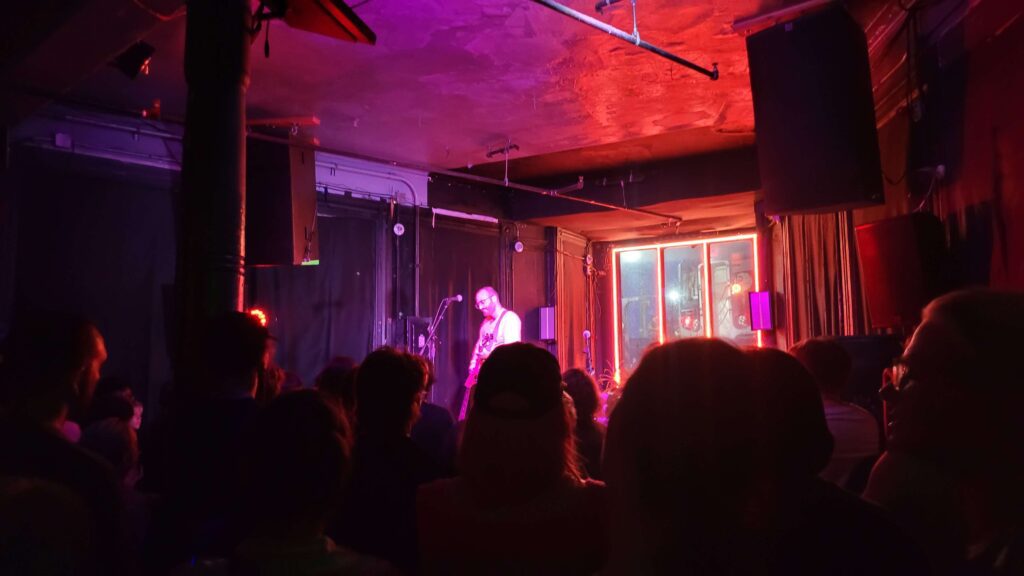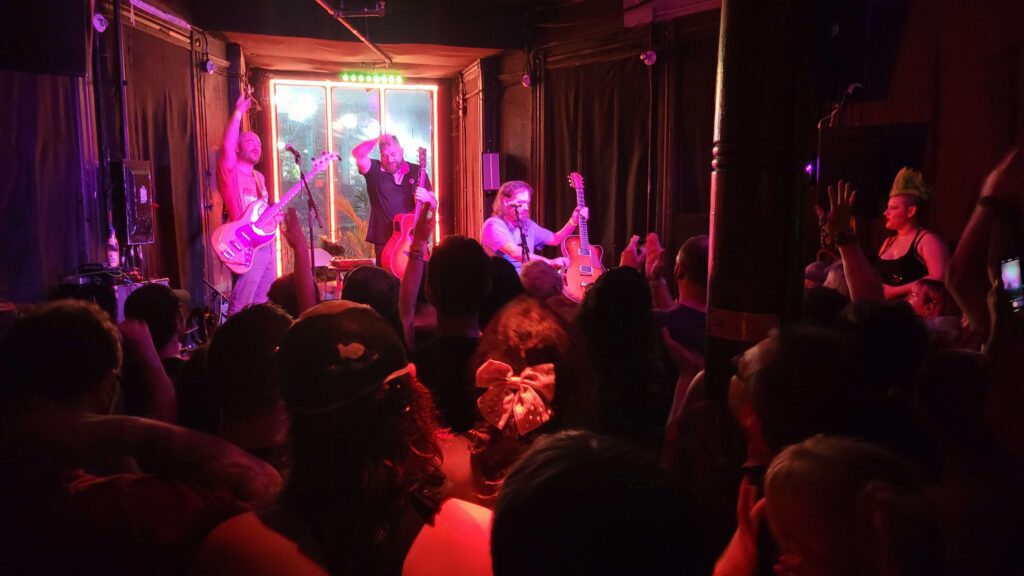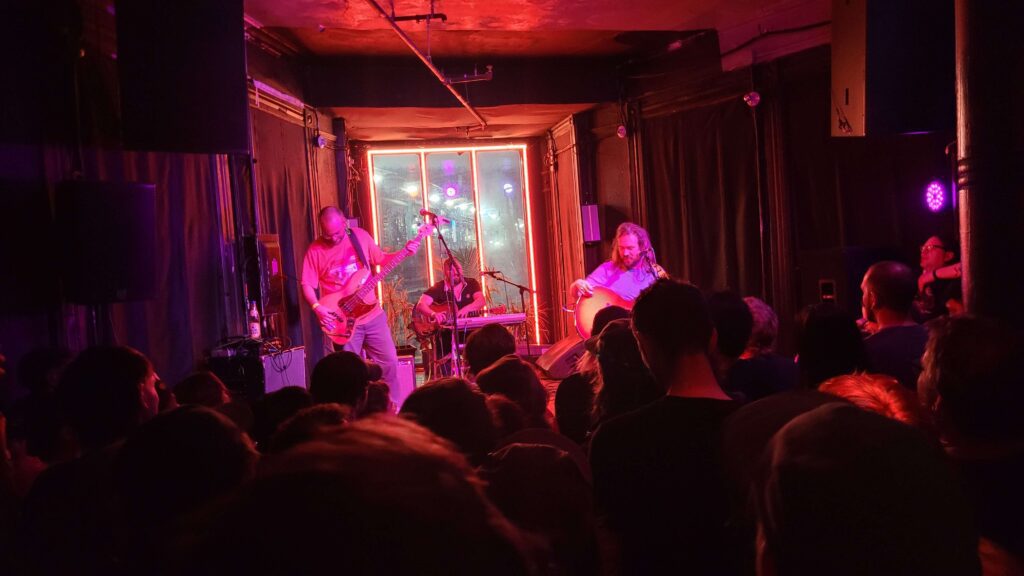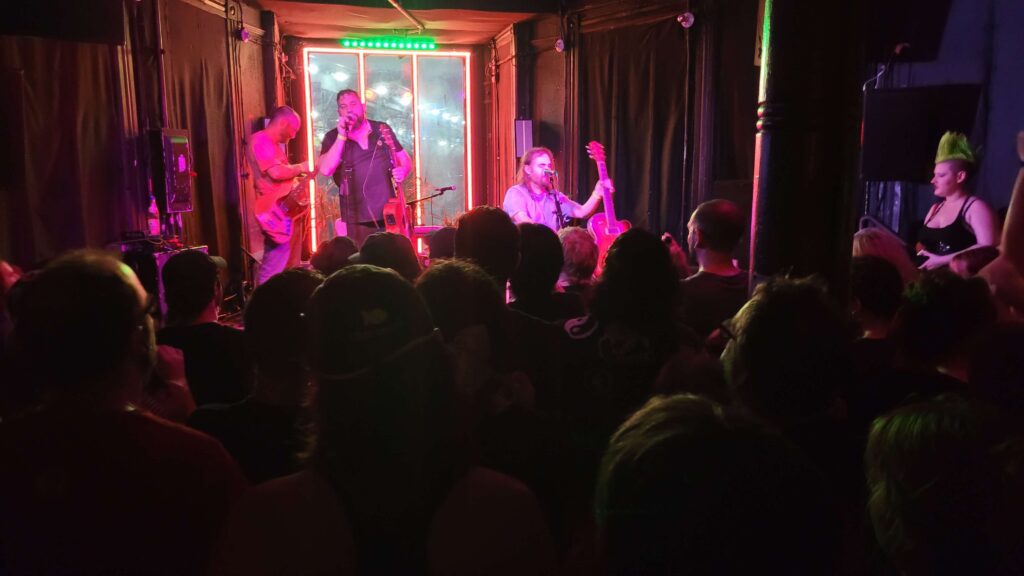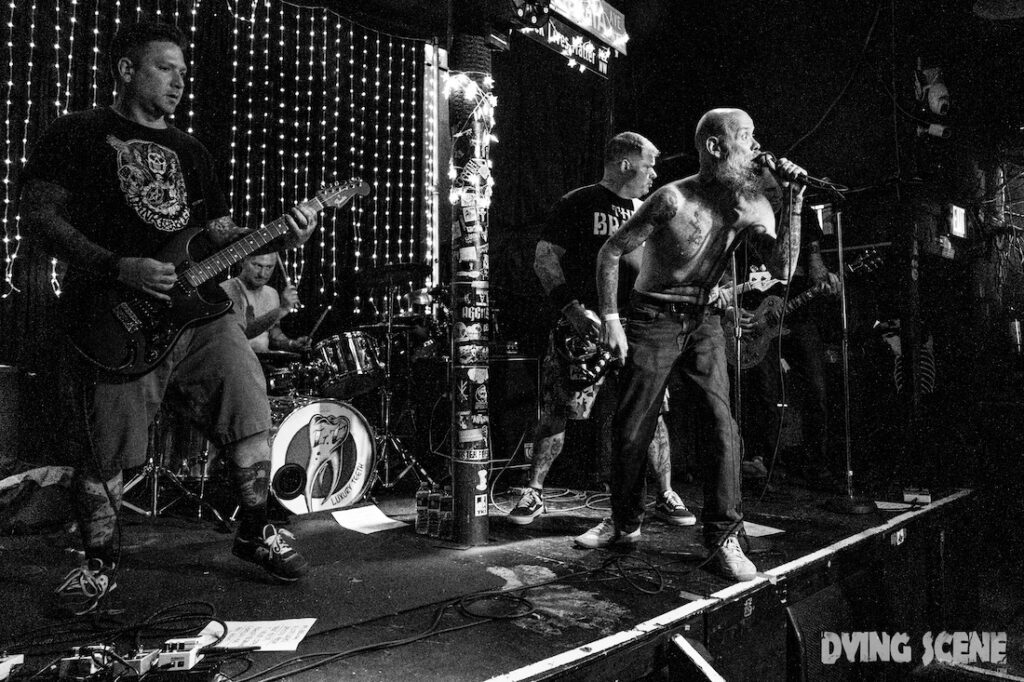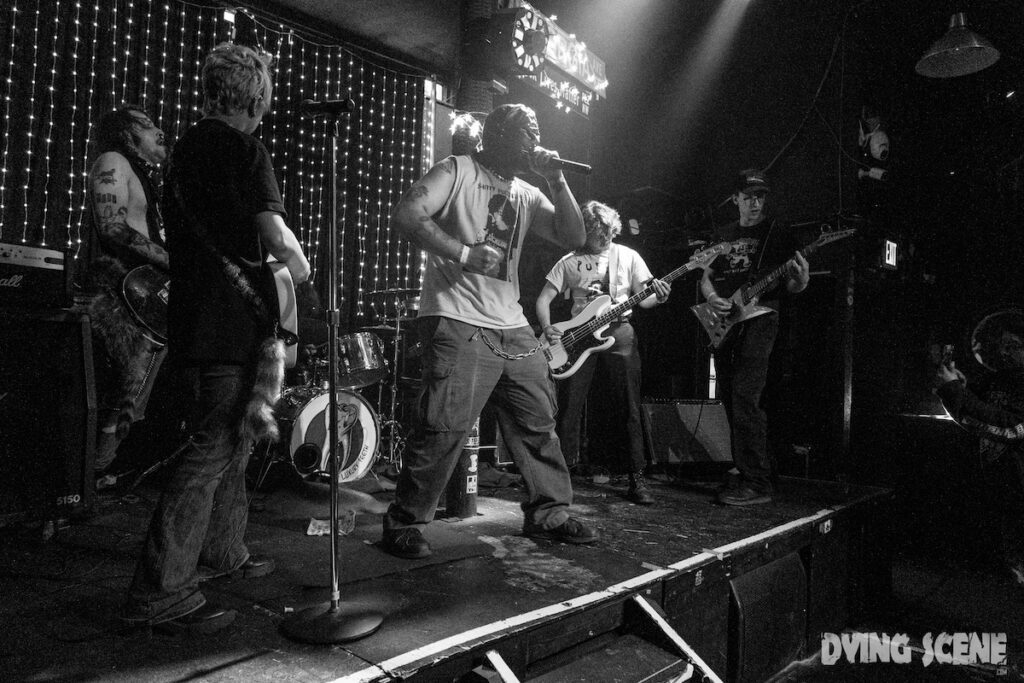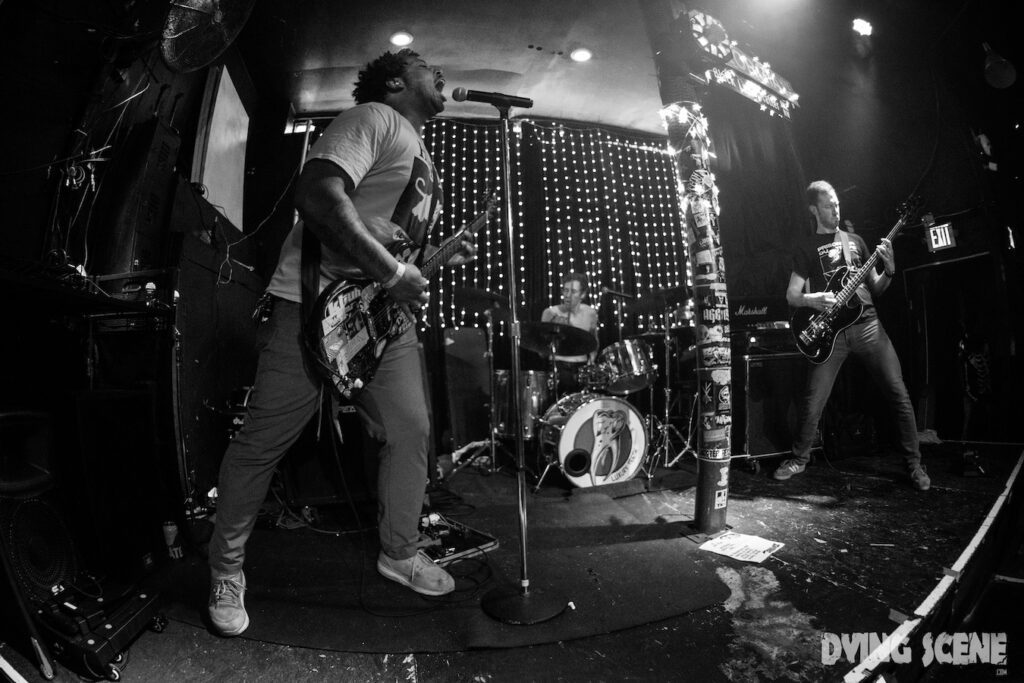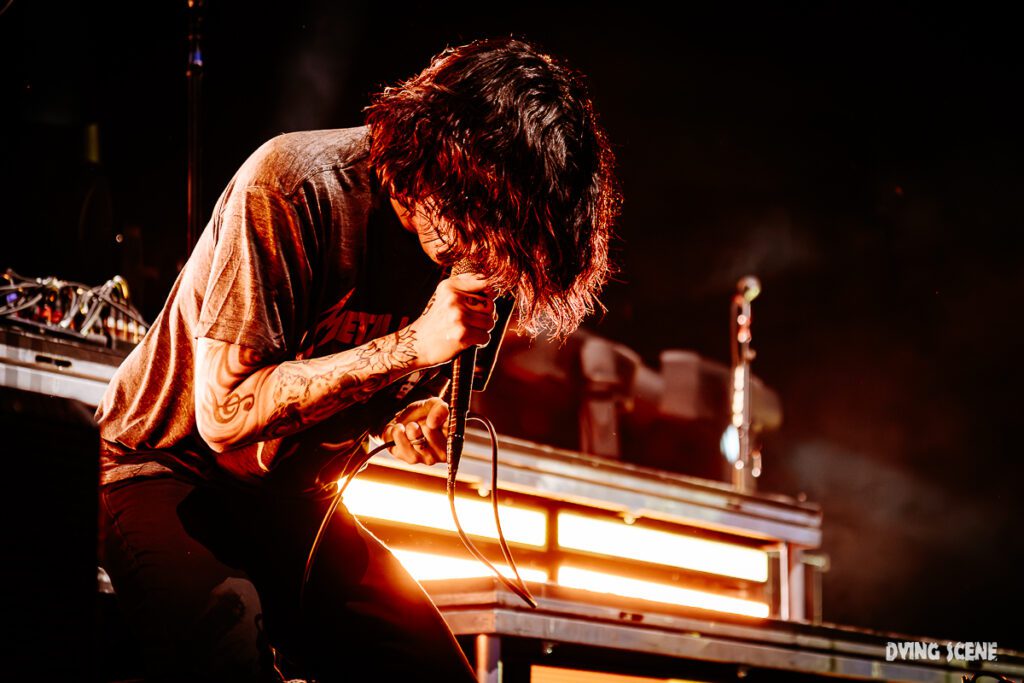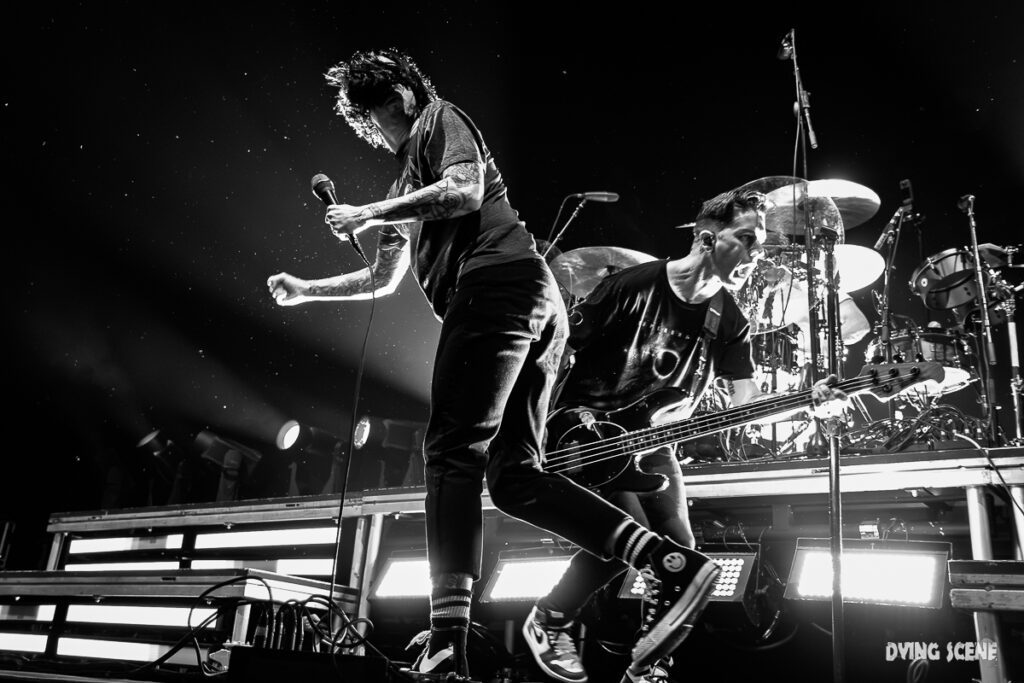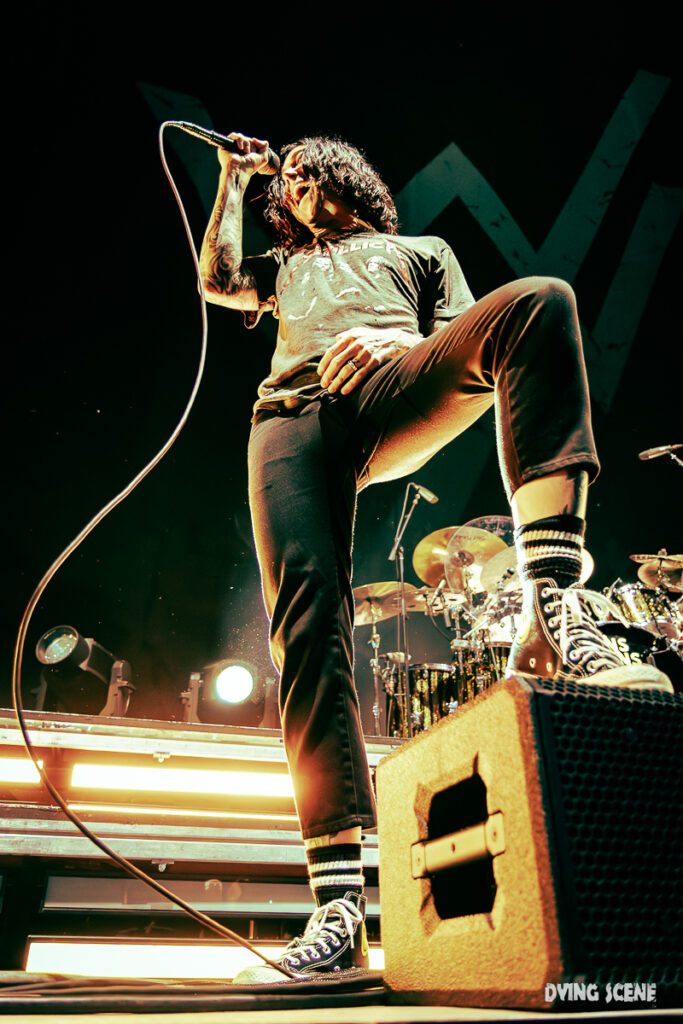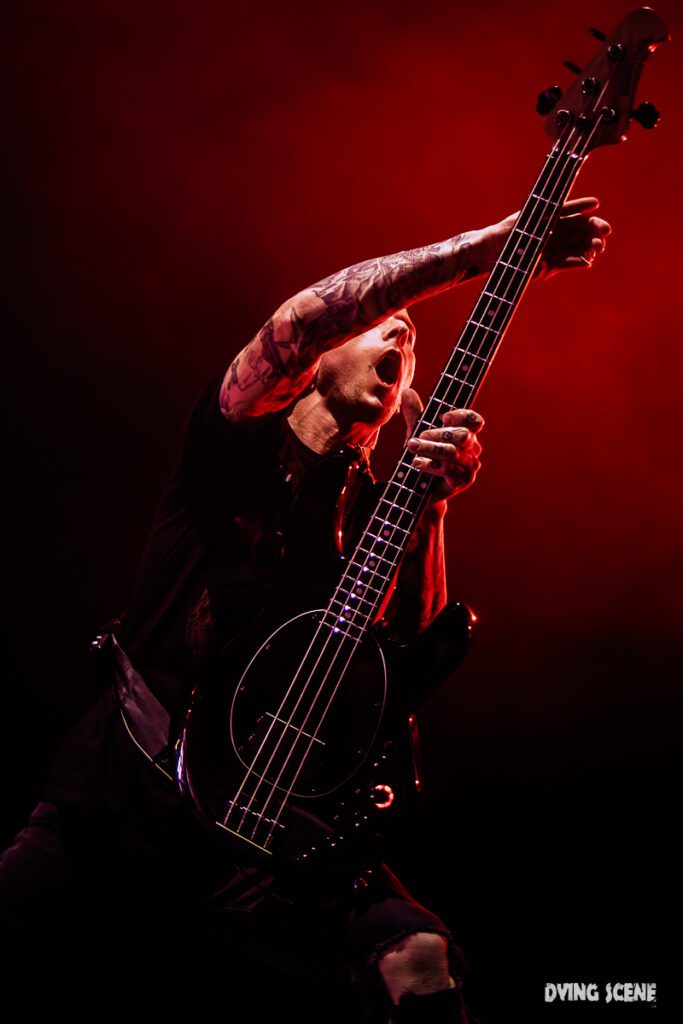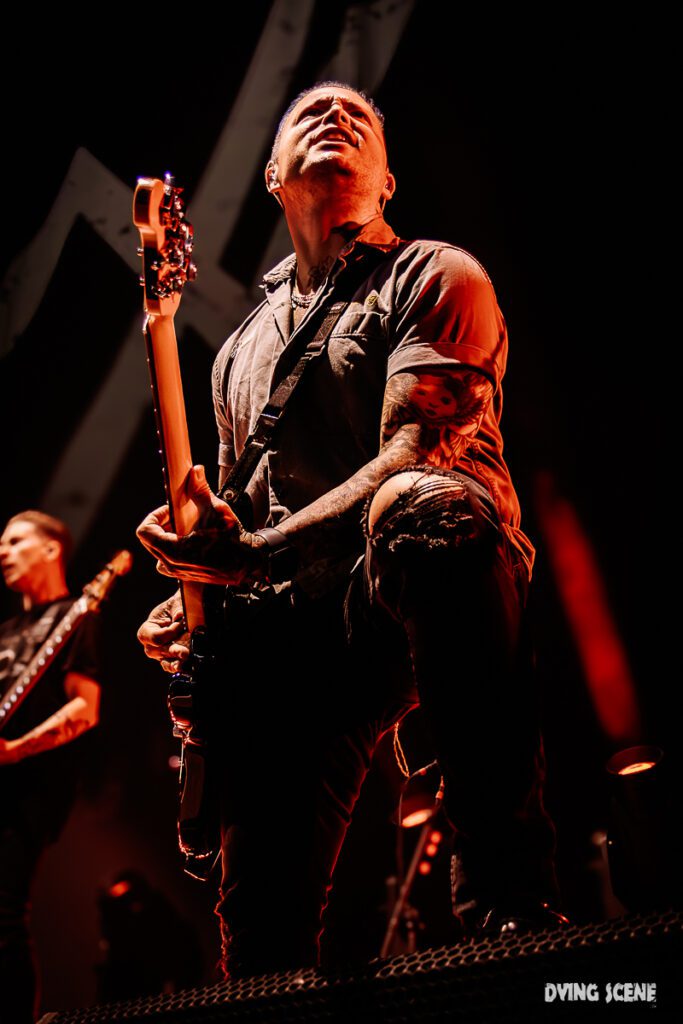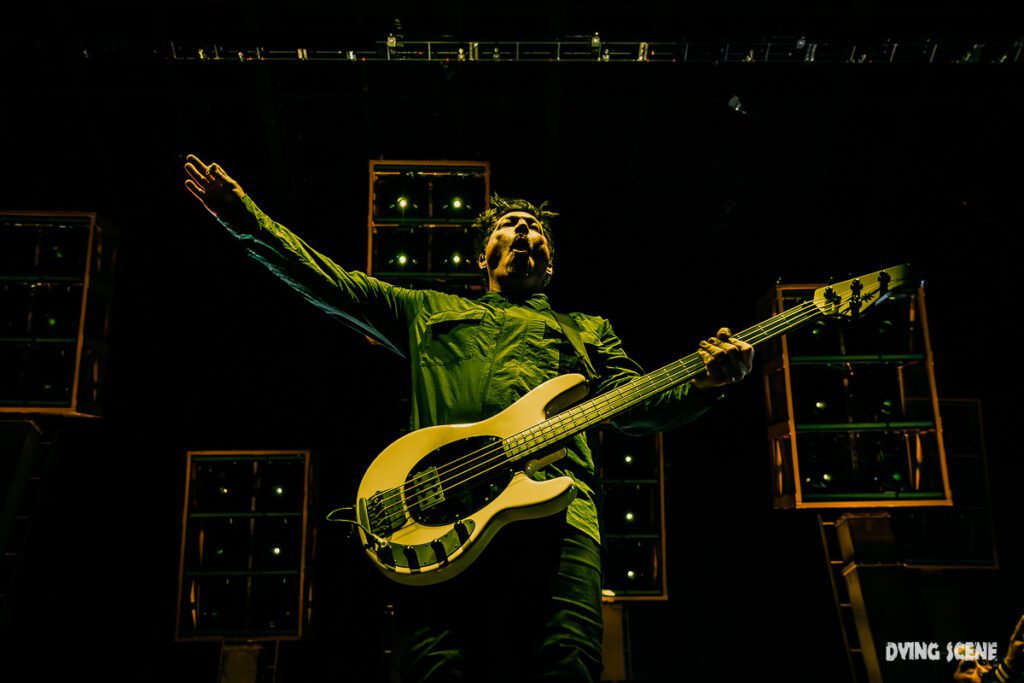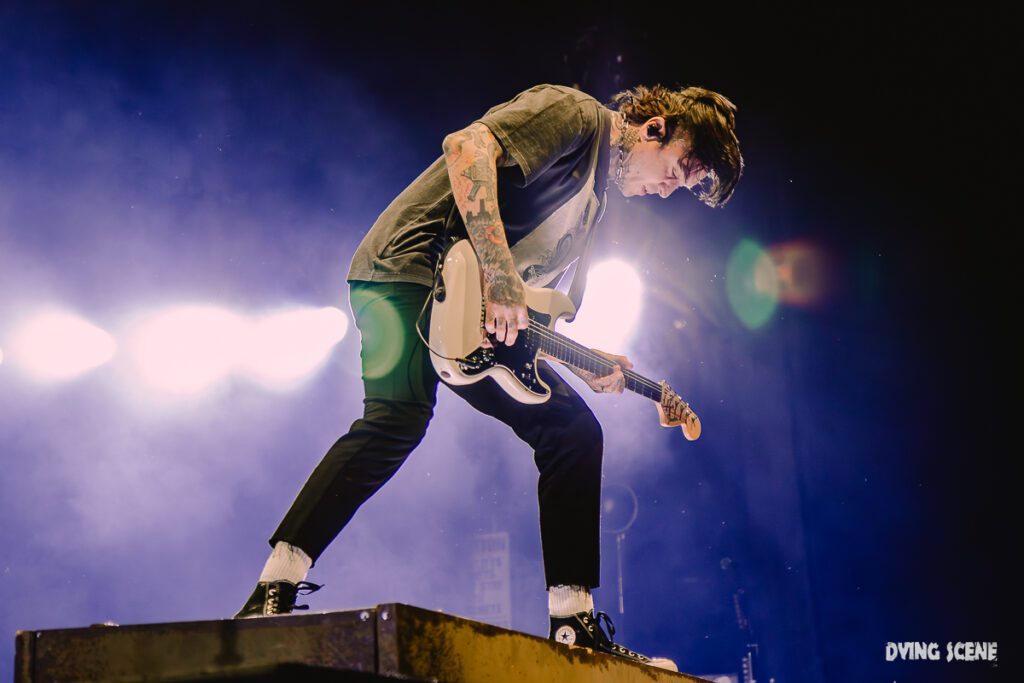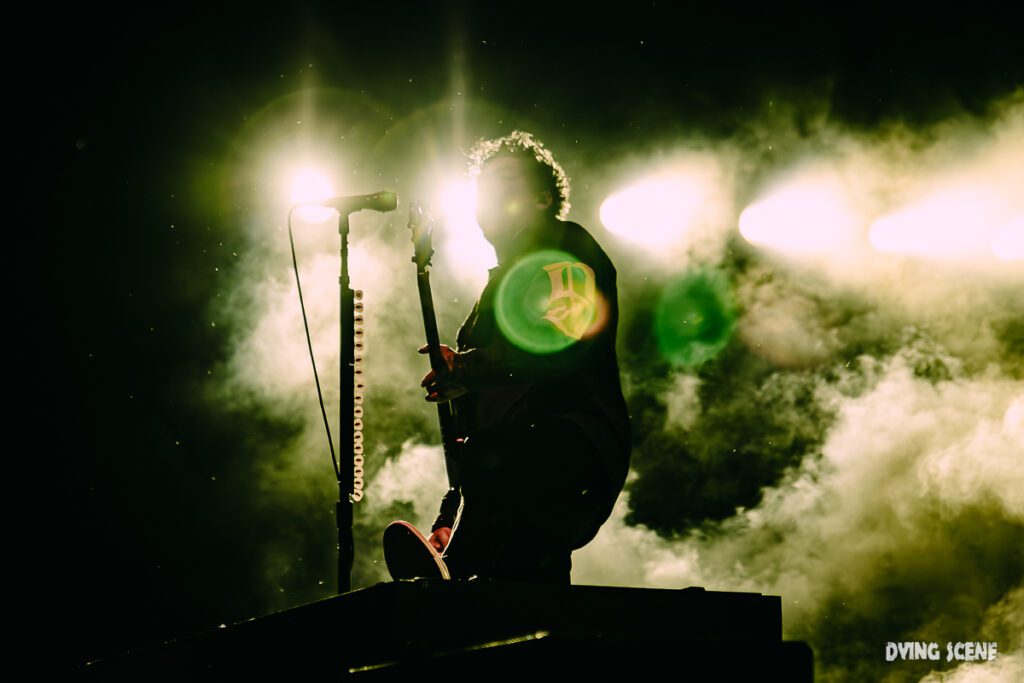
DS Interview – Craig Yarnold and Jonas Kleiner of Buck-O-Nine talk songwriting, touring, and their new album “Cut Out The Noise”

For over thirty years, Buck-O-Nine has been delivering ska punk anthems on their own terms. Starting up in 1991 in San Diego, CA, they have been a constant member of the ska-punk scene, blending ska with a plethora of other genres. If you’ve never seen Buck-O-Nine play live, you’re missing out. Playing a great mix […]

For over thirty years, Buck-O-Nine has been delivering ska punk anthems on their own terms. Starting up in 1991 in San Diego, CA, they have been a constant member of the ska-punk scene, blending ska with a plethora of other genres. If you’ve never seen Buck-O-Nine play live, you’re missing out. Playing a great mix of their catalog and a few covers, you’re sure to be dancing by the end of their set.

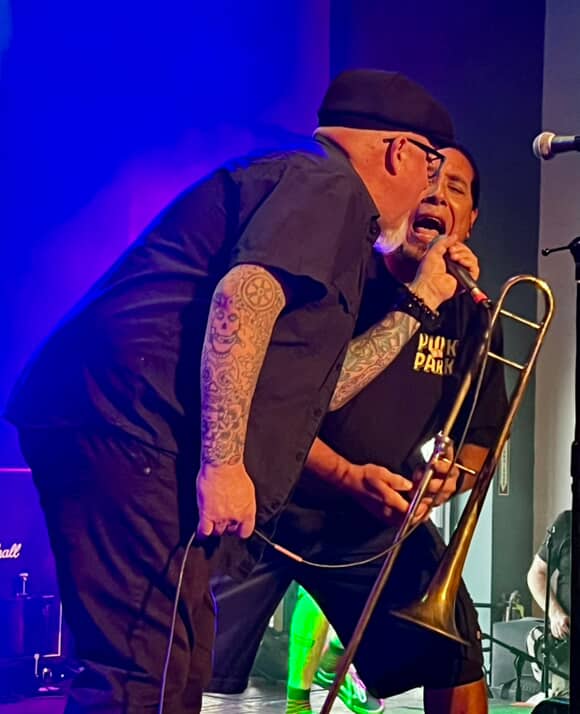
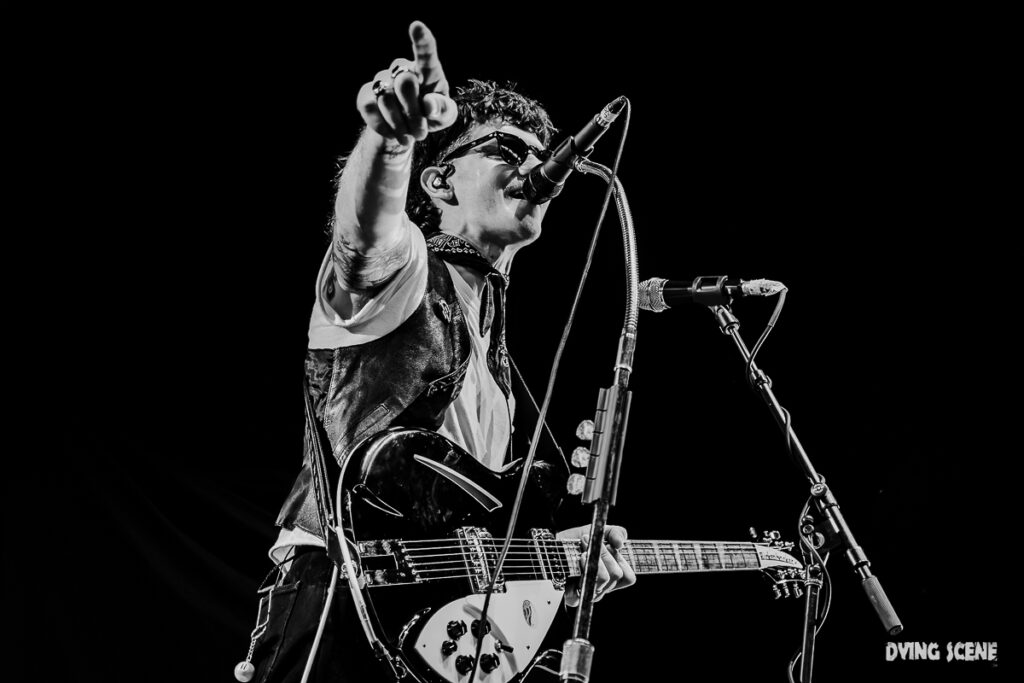
This year, Buck-O-Nine released their twelfth LP, Cut Out The Noise; fourteen songs written during the COVID-19 pandemic and sees the band pivot to a more serious tone, but still keeping the positivity that makes their records a joy to listen to. Craig and Jonas were kind enough to give us some time to speak about the new record and how the band functions these days.

Dying Scene (Forrest Gaddis): I was listening to it a lot the last couple of weeks. I really dig it. It seemed a little more serious than the other albums. 

Jonas: I think we broach some different topic matters. Pebs (Jon Pebsworth), our singer, wrote all the lyrics, and he was influenced by the events of what was going on at the time. If you rewind five years ago, in the depths of the Covid lockdown, we had passed back and forth MP3s or WAV files. We’d come up with these ideas whether it was guitar riffs, horn lines, or whatever. Then Pebs would take that and just loop it over and over again and write lyrics. Being up in the COVID lockdown in Los Angeles, there was a lot of stuff going on, plus dealing with you know, personal demons. I think all of that leaked its way into the lyrics. Although I think some of the songs have really positive, uplifting messages, there’s definitely a darker tinge to it.

I noticed that you guys are on Cleopatra. Are they not the goth label anymore? I remember being in high school, and they were releasing like Christian Death and all those types of bands.

Jonas: Cleopatra they put out all kinds of different genres, hip-hop, punk. Lots of different styles. 

Craig: They’re just kind of acquiring things here and there. It looks like they’ve done a lot of legacy stuff. 

Jonas: There’s like blues records and live records. It’s interesting, they’re releasing stuff all the time, just all different genres. Some of it is catalogs that are being reissued, and others are just new artists. We had the opportunity to work with them, and it’s cool. They’re really good people.

Did it just take long to get into the studio to record, or did you record it in pieces? 

Jonas: We had written over twenty songs. I want to say like twenty-three or twenty-four songs and then we went through this process of weeding down the best. We all voted on which ones we wanted to go through and record. We started doing that. We had some technical difficulties the first time we recorded it. We actually re-recorded the whole thing. That’s one of the things that happened which made it drag out a little longer. I mean the fact that we hadn’t been in the same room in a couple of years. After that, just trying to figure out how we want to move forward on this, and the process of recording it twice was very time-consuming, but we persevered. We just kept at it.

What’s the bands writing process?

Jonas: A lot of the stuff on this record just started as like guitar riffs that I would write and with loose arrangements, so I would have a guitar riff or a chord progression or both.Then maybe some secondary guitar stuff to enhance the line. I wanted to put together a strong enough idea that someone could riff off of; I would send that around. Then Craig would grab the track and pull it into his, you know, digital workstation at his house and work on the horn lines. Simultaneously Pebs would work on lyrics and Vocal melodies. We just kept sending stuff together until we had good arrangements and parts until we thought, “This is the sound we’re looking for.”
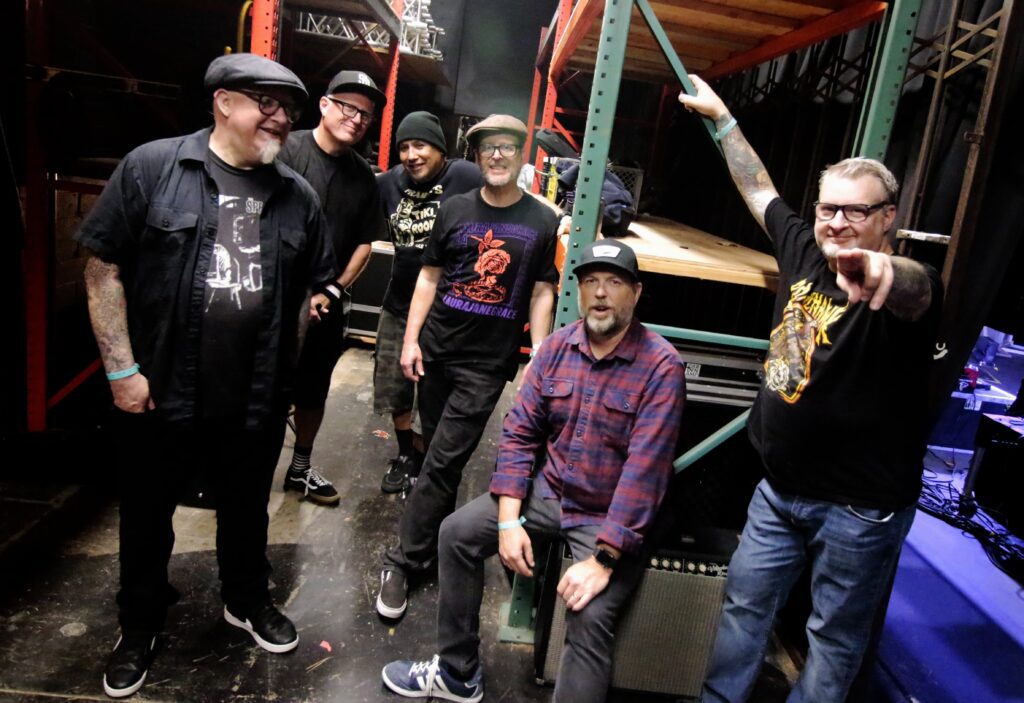
photo by Laura Streppone

Has that always been in your process?

Jonas: A lot of the times, but we did this one where we wrote everything apart. We never jammed the songs in a room because we couldn’t. There was not that opportunity, but a lot of the time, what we like to do is we’ll come up with parts in real time, work on it. Pretty much all our other records with the exception of Fundaymental, the one before this.

We’d come up with song ideas whether it was like guitar riffs, guitar chord progressions, or whatever. Whether it was me or Pebs, we would come in with something, or the horn players would come in with ideas straight out of the gate. We don’t have one formula, which is great. Once we start fleshing out the songs we’re all open to feedback. Everyone listens to music differently and it makes people feel different. Part of our process is just talking about some ways that we can really sync this all together. It doesn’t necessarily start with any one particular person. It’s like let’s get ideas in the air like a juggler and then just start going for it and figuring out what works and what doesn’t.

Where do you guys draw inspiration from either musically or lyrically? 

Craig: Lyrically, it’s a lot of real-life stuff, personal introspection, and observation. Musically, it’s a broad spectrum of ska, reggae,  and punk influences and things in between, depending on what the song calls for, I suppose. That’s kind of been our main three-pronged approach. It’s a good chemistry set.
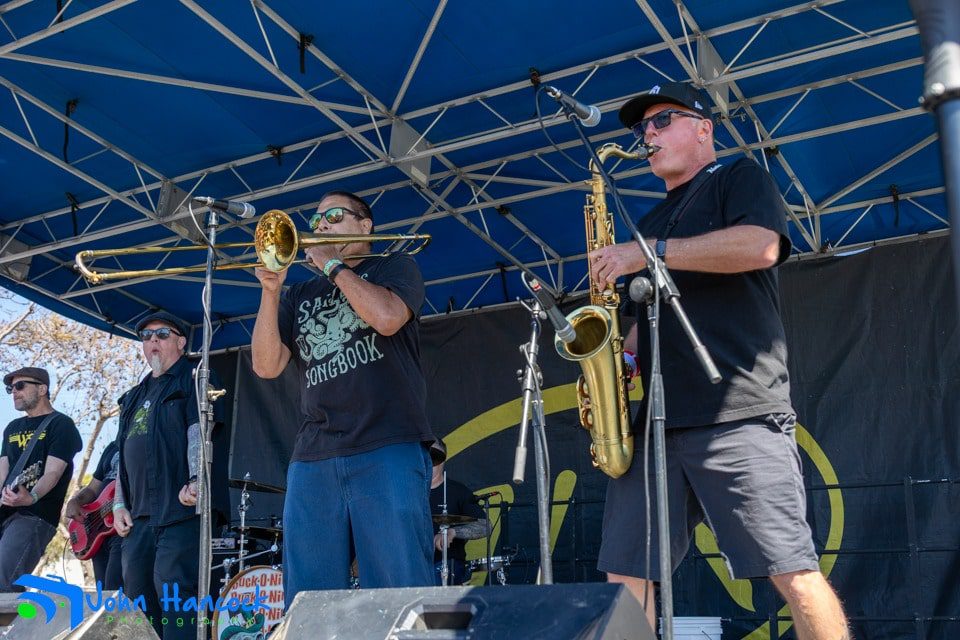

Jonas: With Buck-o-Nine, you’re cognizant of what kinds of song ideas tend to work the best for us or what kinds of musical ideas provoke or entice other ideas from the rest of the players. As opposed to a singer-songwriter kind of approach, where someone would come in with the entire song, lyrics, melody, and chord progressions, and very specific ideas of what has to happen. We’re not that kind of band. It’s not one person and a cast of backing characters. I think the cool thing I love about this album is that if you listen to the lyrics, it’s like Pebs kind of wrote a story. The first song, “Preface” talks about how he’s getting out of LA. 

At the time, he was living in Los Angeles, and he touches upon personal things that affected him while living up there, and then with each song, unravels more and more to the onion, so to speak. “I’m Alive,” the second song, is a celebration of life and how he persevered through dark times. The next song, “Done With You” is very dark lyrically and even in the feel of it and the riffs of it.


It talks about his battling depression and anxiety. Each song has a really strong story in it. It’s super interesting, his approach to lyrics. I think John is probably the most prolific songwriter that I know personally. He writes so many songs and I think he’s really hit his stride here because we’re really pushing each other with a feedback loop. He went and rewrote things over and over again. I went back and we did guitar parts. Craig and Dan went back and did horn line stuff. I think we really fell into a good thing here with how the lyrics and the energy of the music kind of clicked together. I’m super excited about how it came out. 

There’s definitely a shift in the lyrics and the type of songs, even from the last album. I like the contrast.

Jonas: Yeah, it’s interesting because as a band that releases records, we put so much effort into this. When we release it into the world, we’ll never know how other people hear it. It’s just impossible. I was talking to a friend who’s an elementary school teacher, and I said, “You’ll never realize the impact you have because everyone feels it differently and not everyone can articulate what they feel.” It’s cool to hear from people who’ve listened to it and want to tell us their thoughts, like I think it’s super rad. 
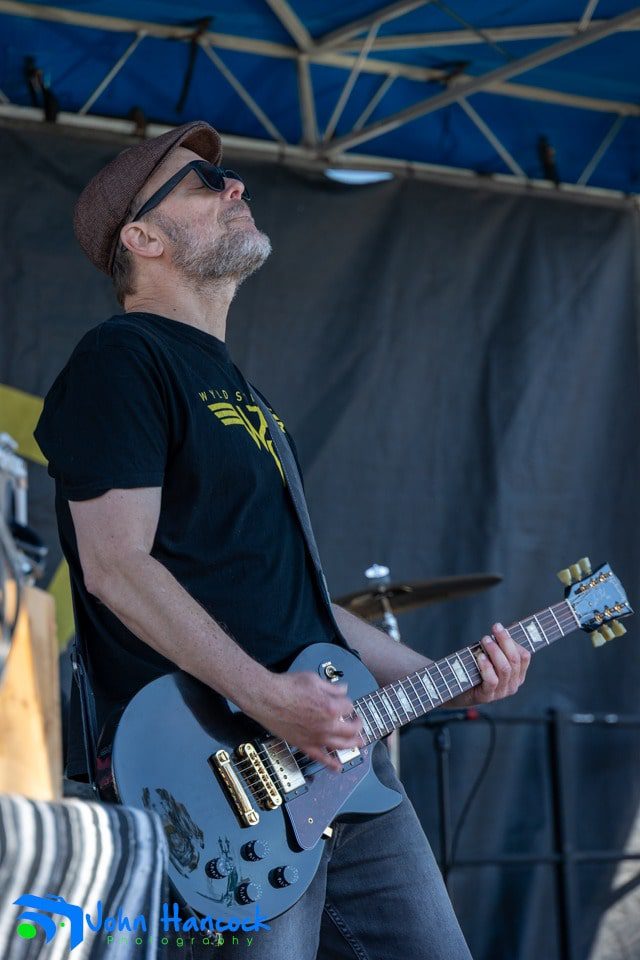

It wasn’t the album I was expecting and I like that. I always like being surprised. It’s poppy, but it’s still got a little bit of darkness in it.

Jonas: I think musically we try to challenge ourselves because we’ll experiment with different rhythms and things that you might not hear in other bands. I always remember this paraphrase from Angelo Moore from Fishbone, like years ago, when he was on the radio, and he was saying that ska is a type of music. It should be mixed with other styles. I was like well, wait a minute, because I liked just ska on its own, like traditional ska and whatnot. I see what he’s saying because it lends itself, and you can find new musical space if you mix it up. Instead of just doing the same straight up chord progressions or the same thing over and over. I think we get bored doing that. You take a bit of a risk that you might alienate some people, but then again, you just never know what people are gonna like.

I remember when Twenty-Eight Teeth came out and “My Town” hit the radio. I was in junior high, and as soon as something hit the radio, “Oh, they sold out.” Holier than thou punk rock attitude. I don’t hear that coming from kids now. Do you think because radio isn’t as prominent as it was, that attitude has kind of gone away?


Craig: Probably yeah, I mean the landscape’s so different now. People can just self-publish on, you know, the various platforms. My son is nineteen, and my daughter is seventeen, and they listen to everything. There’s not as much, “Oh, you’re a punk rocker. You’re this, you’re that.” I think people like what they like and don’t worry about the labels. Plus, everything’s out there now. There’s no underground. You don’t have to go find a zine or mail order something to find out what’s going on, or go find a flyer to find out where the show is. Everyone’s got equal access for the most part.

Yeah, that’s what I that’s i’m always amazed that you can just find anything. You can just type it and find all those bootlegs. You can just go on YouTube and they’re all there. 

Craig: I think it’s bands like us who were around in the 90s. I think every single band was accused of being a sellout. I don’t even really know what it means. Other than like people are assuming, “Oh, yeah, you’re you’re involved in greasing the wheels.” I have my own idea of what payola was; pay-to-play kind of stuff, but for radio. It’s almost like a catchphrase of putting down a band that might have had a little bit of luck

Jonas: Yeah, I agree with Craig, with the sellout thing. It’s not the way people listen to music now. It’s different like Craig was saying. Kids are still into the Rolling Stones, David Bowie, and The Who. My daughter’s a drummer into speed metal and all kinds of crazy stuff. My daughter doesn’t have a particular label for the scene, whatever she’s involved with, it’s kind of different. It’s interesting to be able to release music in the year 2025. It blows my mind because you’re saying, “People can find anything.”

Craig: Yeah, I think back in our generation, there was the sellout thing. If there was a band like Green Day. Many of us were listening to Green Day before Dookie came out. The first two albums were more accessible and they were playing small venues. You felt like maybe it was an exclusive kind of club. They belong to us. Then they’re out there to the rest of the world like Nirvana and maybe that’s where it comes from. It’s not as a exclusive of a club anymore because now the jocks are listening to it. Maybe that was part of it, but I always just thought if you’re not selling out your music or your artistic integrity, then you can’t fault someone for trying to make a living. Some bands did sell out. I remember there were punk bands that went metal in the eighties and then you’re seeing them on Headbanger’s Ball on MTV.

Are you guys mostly part-time? How often are you guys playing right now? 

Jonas: I think we have four shows booked right now. We have three shows at the end of this month. Then we have a festival we’re going to play in Mexico in October. It’s not like a touring machine like we used to be. It’s more like now we all have careers or families. Just other responsibilities. It’s like whenever we can find a bit of time, we’ll book like a short little run, and it’s been a lot better for us that way, treating this as a hobby, because trying to make a living at something like being a musician, you gotta do so much. So, by not having it as our main gig, we can pick and choose what we want to do and no one gets bummed out for having to play like some show? 

If we’re trying to pay rent, we’re gonna take this three-hour private event, playing covers to people who don’t even care. We’re just background music.  That’s the reality of being a musician for a living. You gotta teach. You gotta sell merchandise all this stuff. For us, we’re just at a point in our lives where this just works better as a hobby. We’re not dependent on it for financial survival, but we could still make money out. It’s kind of like going golfing with your buddies on the weekend. It’s like a guy’s trip. We’ll just do a tour for a week. It’s like the seven of us in a van and it pays for itself. Our favorite thing is playing live. You get to hang out with your buddies. We’ve been friends for so long is kind of what makes it a different experience for us. 

Personally, like other bands, it’s like “Oh, the guitar player can’t do it. I’m going to call blah blah blah” or you know, “the horns can’t make it so i’m going to call this dude and that dude” We’ve never really been that kind of band. It’s something that I think affects us in that there’s this trust and bond that we have because we know we’re not going to replace anyone in the band for any reason. We feel closer to each other. We trust each other with song ideas or taking risks on stage. It’s just a looser, but funner feel for us. If we can, on stage have a great time and people see that they’re gonna have a great time, too 

Buck-O-Nine’s Cut Out The Noise is available wherever you get music. They have some shows coming up for more info and tickets, click here.
Post a Comment

Your email address will not be published. Required fields are marked *

DS Exclusive: Massachusetts punks Already Dead unveil new EP, “I Think It’s Time To Leave…”

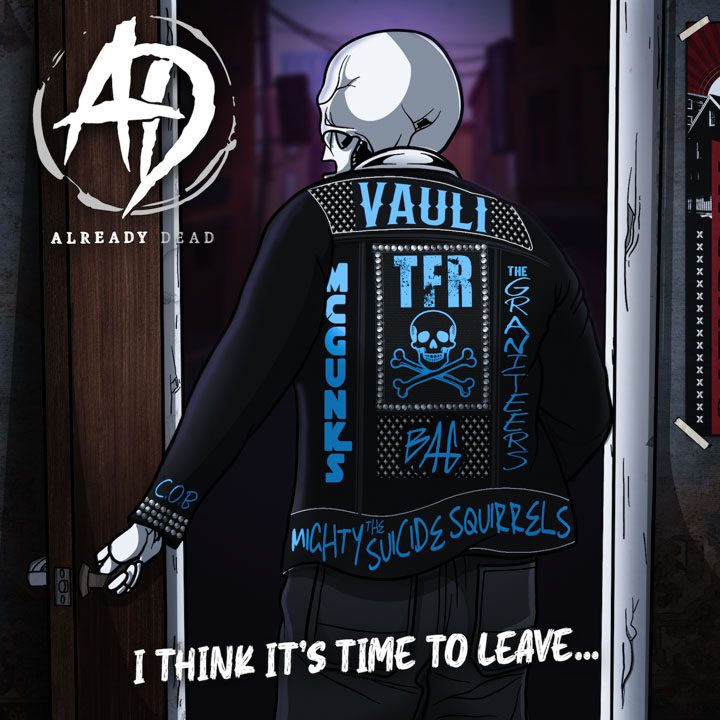
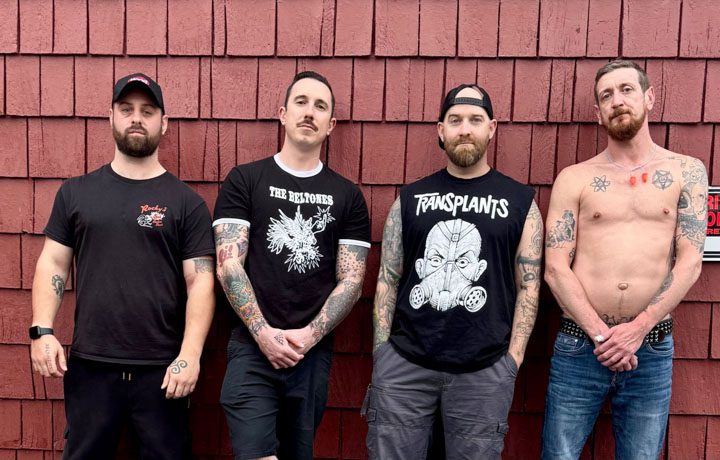
We here at Dying Scene Corporate Headquarters are stoked to bring you some brand-new working class punk rock music from yours truly’s stomping grounds…the suburbs north of Boston. Now a four-piece outfit with the addition of Ian Killpatrick (bass) and Forgie (drums) to the pre-existing dynamic duo of Dan Cummings (vocals/guitar) and Brandon Bartlett (vocals/guitar), […]

We here at Dying Scene Corporate Headquarters are stoked to bring you some brand-new working class punk rock music from yours truly’s stomping grounds…the suburbs north of Boston. Now a four-piece outfit with the addition of Ian Killpatrick (bass) and Forgie (drums) to the pre-existing dynamic duo of Dan Cummings (vocals/guitar) and Brandon Bartlett (vocals/guitar), Already Dead are unveiling a brand-new EP to the masses. It’s called I Think It’s Time To Leave… and the band are self-releasing it this coming Friday (June 20th) on the normal vinyl and digital formats.

Here’s what founding frontman Cummings had to say about the new tracks:

“These were the first batch of songs we had after Something Like a War and we were really happy with them. All five felt pretty cohesive together, and it’s five songs in 10 minutes. All killer, no bullshit. It felt like the right move after the long process of making an album.”

Fire up I Think It’s Time To Leave… below and then fire it up again right away because the blistering pace of the five songs in under ten minutes is ‘blink and you miss it’ speed. Then get your own copy!

Post a Comment

Your email address will not be published. Required fields are marked *

DS Interview – Sean Golding writer of comic “Guns of Brixton” talks indie comics

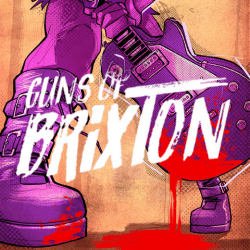
Sean Golding is a comic creator from London, England. A transplant from Australia, Sean has been releasing his comic, Guns of Brixton, with artist Renzo Podesta. It tells the story of punk rock band Rachel and the Heads of State who are caught in a zombie apocalypse after playing a show. Guns of Brixton blends […]

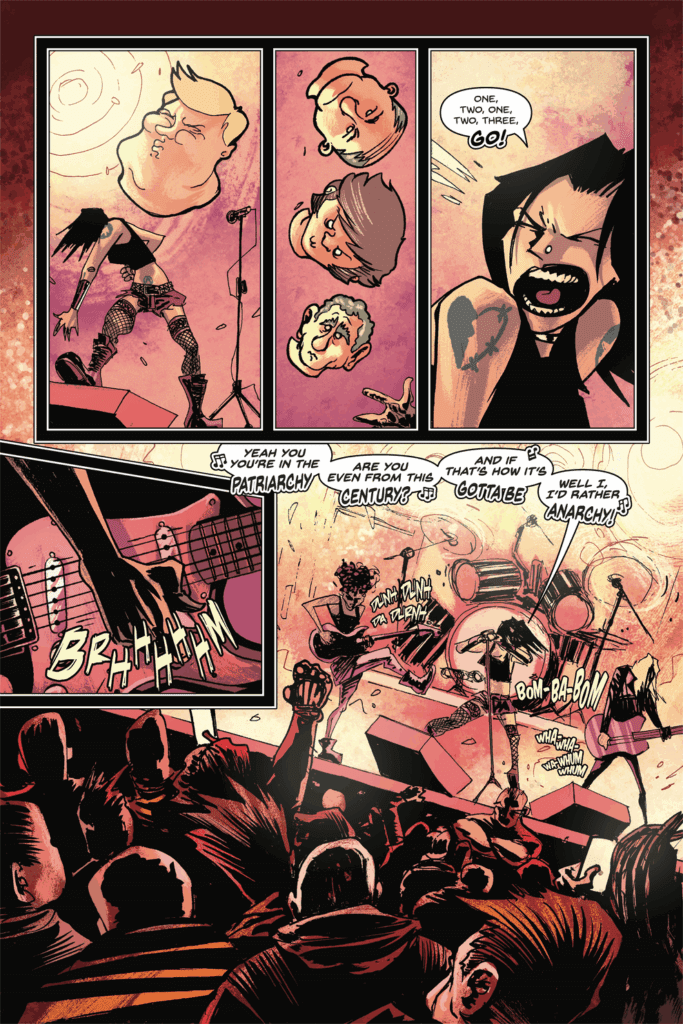
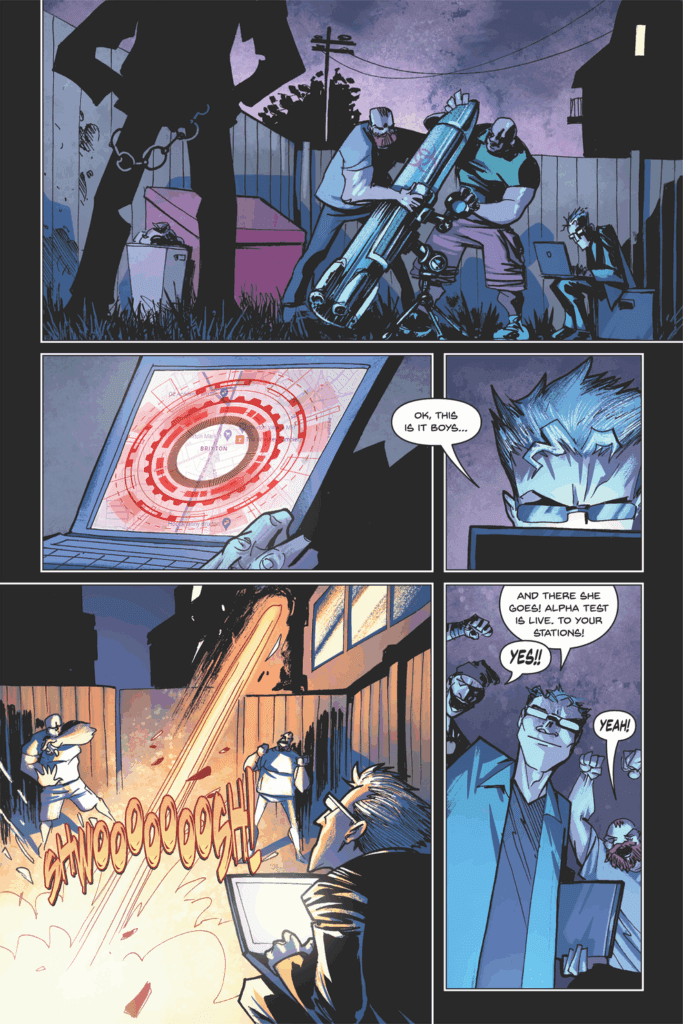
Sean Golding is a comic creator from London, England. A transplant from Australia, Sean has been releasing his comic, Guns of Brixton, with artist Renzo Podesta. It tells the story of punk rock band Rachel and the Heads of State who are caught in a zombie apocalypse after playing a show. Guns of Brixton blends horror, punk, and comedy, turning the zombie genre on its head.

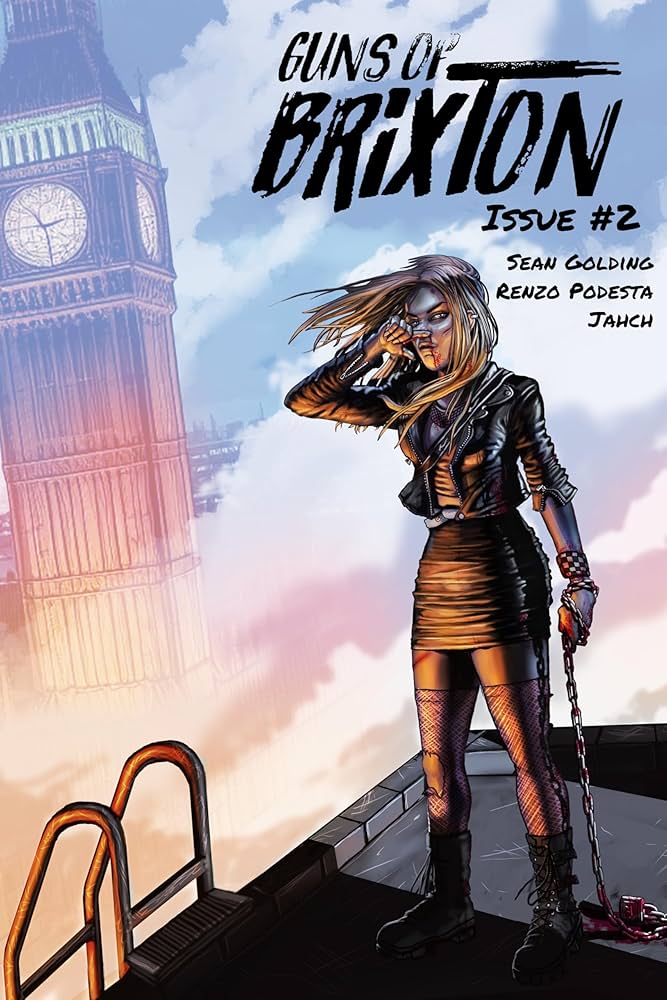
After playing a show, Rachel and the Heads of State decide to keep the party going with some cocaine purchased from a local drug dealer. The coke’s blue color is initially off-putting, but the band makes no qualms about consuming the substance. When the band is confronted by the bedlam and mayhem outside the venue, they find they have superpowers and are immune to the zombies, sending out heroes on a quest to find the source of the outbreak. Sean has released two exciting issues of this series, with a third on its way. Below, he gives us a little behind-the-scenes look at the horror comic and what went into creating Guns of Brixton.

Dying Scene (Forrest Gaddis): Tell us a little bit about yourself and the comic.

Sean Golding: I’m Australian, originally. I’ve been living in London for over eight years now. People always ask people why. I’m struggling to answer sometimes, but at least it’s nice hearing some of that. That’s sort of the inspiration for the comic. Well, obviously, Guns of Brixton is, yeah, it’s the Clash. I was living in Brixton when I first moved over here. I first had the idea when I was walking around there. Then sort of over time, the idea of who this band is, and sort of what they’re doing, and what the whole story is going to be. Things sort of came together over a period of time. That started in drips and drabs. During lockdown, when a lot of people actually sort of said, Oh, I’ve got time to do this now. I’ve got nothing else to do.
So let’s actually start writing something. I sort of really dove in and sort of got cracking and writing it. Yeah. There was definitely a period before that when I was like, well, I’ve got this idea for a comic. I can’t draw, you know, I can write it; but then, you know, how do I get an artist? I don’t know anyone who could be an artist. There was a lot of time sort of fun working through that creative process.

That definitely took longer than I thought it was going to, but, I guess that’s sort of what you learn when you’re doing these things. I’m finding that now in issue three, as well. A few delays on that side, but again, when this is all said and done, things will be better for everyone, right? It’s not, you know, everyone’s got their own life and their own jobs. Everything they need to do. You sort of have to take that as it comes, I guess.

Did you do any writing before this?

Nothing published. Ever since I was a kid, I’d write things and go through phases of writing, wanting to write, having ideas, not doing them, writing things that you don’t realize are terrible, and they’re never going to go anywhere. Whether that’s comics or more prose-based stuff. This is the first thing that I’ve published. I guess a lot of first-time creators get their pitch pack done, and you get all those pages done. Then you think this looks awesome. I’m going to send it to the big publishers, and they’re gonna love it. Then obviously, that doesn’t happen. There was a long time from that to actually self-publishing it. I’ve got one other project that has gotten sent out to people. That hasn’t gone any further than the only thing that I’ve published today.
Who are your writing influences or your comic influences that got you here?

I think one of the major influences in this, I’d actually argue, is sort of musical influences rather than comic influences. The stuff that I read is much more indie, but a lot of it is mainstream indie. Your Image, Dark Horse, rather than the sort of superhero, DC, Marvel type stuff. So, stuff from James Tynion: Department of Truth and Something’s Killing Children. I’d say that’s the sort of genre and world that my comic appetite lives in, I guess.

Nice. I like his horror, it’s a lot of fun. It reminds me a lot of like that American Werewolf in London vibe where it’s playful in some parts, but it’s still very, scary and fucked up in some parts too.

Definitely. I mean, yeah, you get to the last page of an issue will be like, that’s fucking weird. Whereas, you know, it’s building up to something. Then it just sort of got that great sort of timing, I guess, in his writing as well.

So where did you come up with this idea?

The original idea before that, in a weird way, I actually came up with was the name of the band, “Rachel and the Heads of State.” You know, what do they do? From there, I was like, well, that sounds like a punk rock band. There’s that whole motif, sort of the Point Break masks, they come onto stage with, that’s sort of what the lead is. Anarchic sort of punk rock vibe, I guess. Then over time, things came from there. I was like, Oh, great, that’s a punk rock band.
Where do they get their powers from? Playing on the sort of Spider-Man’s radioactive spider, it’s probably a bad batch of drugs. Initially to help them survive, whatever it’s going to be. If this does make it beyond the first story arc, it’s not always going to be zombies; there’ll be other situations that they’ll find themselves in, which sort of became the idea for this first story arc. A sort of violent weapon in London.
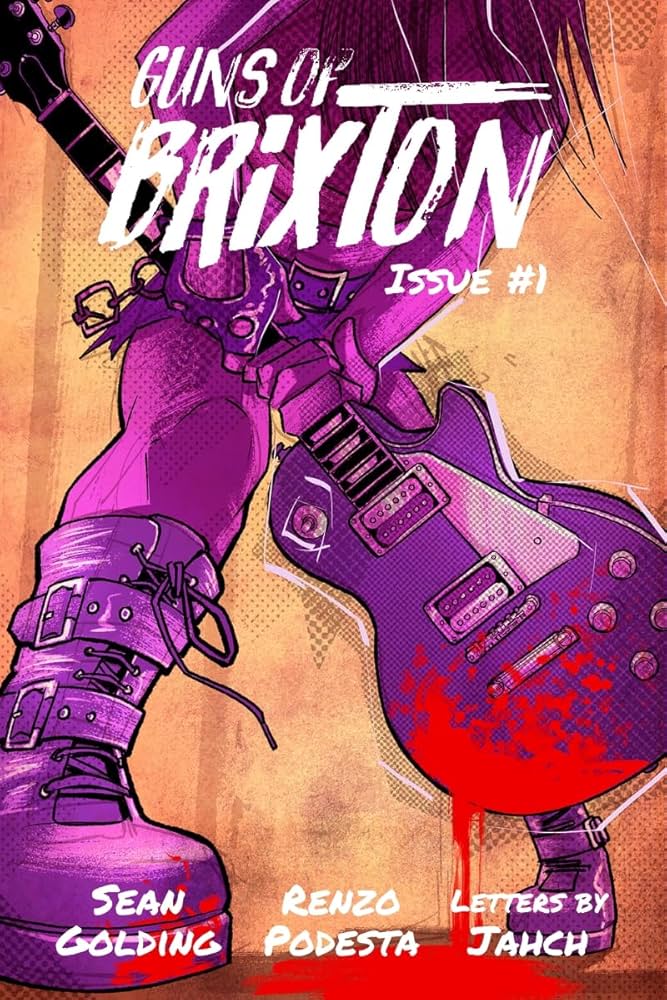
This villain that you see in issues one and two is sort of launching this attack., He’s on Zoom with a big black silhouette. There’s a sort of wider story, if it ever gets that far, where it might lead to. Sort of bits of ideas from different places. There’s a lot of musical influences and what I really had a lot of fun doing, sort of just dropping in sort of Easter eggs. Like the cover of the first issue, is sort of the famous Clash cover smashing the Guitar. When Renzo sent me that, it’s like an idea that he had for the cover. 

Dropping those Easter eggs and different references to punk, or, sort of other rock or metal, there’s an Iron Maiden reference in the first one there. Stuff that most people will never actually see or notice, but it’s just like, I know it’s there.

Are Rachel and the Heads of State based on anybody or any type of punk rocker in general?

The name is actually based on a good friend of mine. It’s sort of a play on her name. She doesn’t play music. I guess all of them are sort of based in part, you’ve got sort of your Debbie Harry vibe, you’ve got your sort of Hayley Williams vibe, they’re all sort of like female rockers and musicians, but there’s no it’s this person, or it’s that person.

Apart from the character, Rachel, who’s based on a friend of mine, it was a bit weird sending concept art. This is my friend, make it look good, but apart from that, they’re just influenced by musicians, not actually a one-to-one direct reference.

Okay. What type of, what type of punk would you say they are? 

It’s an interesting one to think about. I have written a couple of lines from a song that was quite fun. I’ve never written a song before. I’m not a musician. So, writing the lyrics, then actually sort of thinking, well, you know, when you had something written down, what does that actually sound like? You know, what does that actually turn into? I’d say they’re probably a modern band, pop punk, but maybe a little bit harder, if that makes sense. Maybe somewhere between, I don’t know, do you think a female vocalist in that world? So somewhere between maybe Paramore and Amyl and the Sniffers at the other end. 

If anyone ever wanted to turn it into a film and had to make the band, I’d probably say, you just make it sound great. I’m not gonna want to have any control over that. Not that that’s actually gonna be in the cards, but you know, I think I’m more focused on the story side. Obviously, that’s the vehicle. I’m a big fan of music, and a lot of that type of music as well. I don’t know the type of set maybe, you hear what they sound like in your head, maybe.

You said, there were a lot of punk rock Easter eggs that you were putting in there. Did your artist put any punk rock Easter eggs?

If he has, there’s things that I don’t know about. I love that even more. I did notice one that he didn’t tell me about, but it’s less of a punk rock Easter egg, it’s more of himself. Then sort of having to know what he looks like. In the first issue, when they’re coming on stage, and this person’s announcing, I said, “That looks a lot like you.” Side characters, the main characters that give direction on outfits are obviously welcome for him to do that. My sort of Easter egg for him is that most people won’t necessarily know what he looks like, but if any of his friends read it, they’re like, ah, cool, I see what you did there.

They get their powers from a batch of bad drugs, it’s blue coke. Is that a Breaking Bad or Star Wars reference?

Well, I mean, maybe a bit of both. It’s also, as it gets further on, we sort of see where that comes from. In issue two, they were sort of waiting to collect this ingredient that whatever was mixed in, and it was actually sort of the waste from a science experiment. That’s actually why they become aggressive. The zombies as well, but they don’t turn into them. It was not necessarily a reference to Breaking Bad, but also, you know, I guess the Star Wars reference is good. I haven’t actually thought of that.

You’re doing these comics mostly on your own, what are you finding about the indie comic scene in Europe?

I think it’s probably a hidden industry, It’s probably the same as the music scene. I think one thing that I have found is sort of just how open and helpful everyone is, like, you know, people reach out to you whether that’s here or self-publishing, it’s all going to be online, I wouldn’t know how to sort of get it printed. Then sort of get connected with someone who can do print to order in the UK, theoretically anywhere in the world. That’s through a company called Shift. 

It’s a very helpful scene. I wouldn’t necessarily know where to go to buy stuff. There’s a comic book shop on the same road as my office. I know where to buy stuff, it’s only limited distribution in terms of one small store there to actually get it around. I guess, the UK, or actually even sort of the in Australia online as well, which was nice, I guess, sort of conveniently, they were just just launching this store for the next sort of website out there. Sarah runs Comix.one, who’s trying to literally do the same thing. I want to create something for indie comics in Australia or around the world, but mostly in Australia. So I guess I’ve still got the passport.  They’re doing great stuff. I just got an email about some stuff he’s doing that sort of helps creators that literally came in today. These people were genuinely helpful, nice, and warm and they will do well.

I’ve been meeting a lot of people and everyone’s been fantastic. Everybody just wants everybody to succeed. It’s kind of great to see that in general. Any type of community, where there’s not a lot of competition. It’s been a really good experience for me so far. I don’t even have anything out yet. I’m just like, talking to people and trying to get stuff out.

Yeah. It’s not a competition. Like everyone, if someone wins, then stuff does well.  That helps other people do well as well. It’s not like you buy a Toyota, you’re not gonna buy a Volkswagen, right? Like you’re only gonna buy one. If you buy a Corvette because you like it, you’re probably gonna get another one.

You’re saying you do your comic print-on-demand?

Yeah, with shift in the UK. Then he’s been able to sort of connect it into a sort of catalogue in the US for stores out there. Print-on-demand online has been good. At first, it was here’s a PDF link to your mates or someone can go on Amazon or Google or wherever else, but to be able to actually hold it up, which is great. Then obviously be able to take that to conventions, as well. I’ve had quite a bit of bad luck with that.

There’s an Indie comic convention called Core Bubble, which happens in the north of England every year. I’m going to go to that next year. Hopefully, we have at least the third issue out by then. Given that it’s only three at this rate now, but at least after those tech people have got some bookmarks and some sort of pin badges.

How many issues do you have planned for this first arc?

It’s gonna be five, I have written six, and then I’ve actually sort of condensed down to five. I thought it was sort of dragging out a little bit at the end. So five, maybe with a sort of slightly larger issue. They’ll come out. Hopefully, within the next six to nine months, we’ll get to finish that. Be good to sort of release that as a trade paperback. That’s all been written for a while. I’ve got ideas for more arcs. I started writing, what was that issue seven, now it’d be issue six. The start of the next story arc, but I’ve written about ten or twelve pages of the first issue of that one. It’d be great if it does have a life beyond this arc. Otherwise, other ideas would be great to move on to or try and release next instead. 

Has there been any pushback over the length of time between each of your issues?

No, not so far. I think if I was to go back, I was super keen to get it out. The second was being worked on. I was like, great, this will be done in two months, and they can come out like every two months. If I was to go back in time, I would have held off the second issue for a bit longer. Maybe aimed for a three or four month gap, but I think because yeah, because issue two was sort of almost ready to go. When I released issue one, I thought we’d sort of be on this roll. That’s really been the gap between issues two and three. 

P

Post a Comment

Your email address will not be published. Required fields are marked *

DS Show Review: The Maine (American Candy Anniversary Show) – New Jersey

After 5 long and rainy days, Wednesday June 11th was the first day of sun in a while. It was 86 degrees and gorgeous outside, a fitting experience to see one of the most bright and vivid albums of the last decade. Emos and fans of the alt-punk genre were anxious to see what is considered […]

After 5 long and rainy days, Wednesday June 11th was the first day of sun in a while. It was 86 degrees and gorgeous outside, a fitting experience to see one of the most bright and vivid albums of the last decade. Emos and fans of the alt-punk genre were anxious to see what is considered to be, a contender for show of the year. The Maine played an underplay concert at House of Independents in Asbury Park, New Jersey. In just 2023 they sold out Irving Plaza in New York City twice (1,200 capacity venue), and this particular venue in New Jersey is only 500 capacity! Seeing such a timeless band in such a small venue alone is cause for celebration. Not to mention this underplay was celebrating 10 years of their album American Candy. 

The band opened with the record in full. American Candy is one of the most pivotal albums of the 2010’s. The songs translated even better live. Opening with “Miles Away” got everyone in the crowd off their feet and jumping. Deep cuts like the title track and “Same Suit, Different Tie” felt so special to finally see live and the fans reacted in a huge way. They were writing song of the summer before the term even got popular on the internet. Even on the album’s more somber and introspective moments like the devastating “24 Floors” or “Unlost”, there was a sense of joy and hope in the crowd. Everyone was just so happy to be there. This was the most euphoric experience I’ve had at a concert in years. When I walked in the venue, my iPhone had logged 2,000 steps. When I left I was at 14,000 steps. For 3 hours I did not stop moving. Every time I thought I would take it easier, the next song was even more exciting than the last. After the album finished they played some of their greatest hits like “Touch”, “I Think About You All The Time” and “Loved You A Little”. It was an all immersive evening covering almost every record cycle.

The band takes their music very seriously but prefers to have their live shows be lighthearted and up-lifting. Honestly it was refreshing to see a band that just liked having fun on stage. The band interacted with the crowd frequently and would have a dance-off in their mosh pits, talk about their favorite songs between sets, and joke around. Their stage presence while they were performing oozed charisma and playfulness. Even if the band didn’t play a single song, it would be just as fun to watch them interact with the crowd all night.

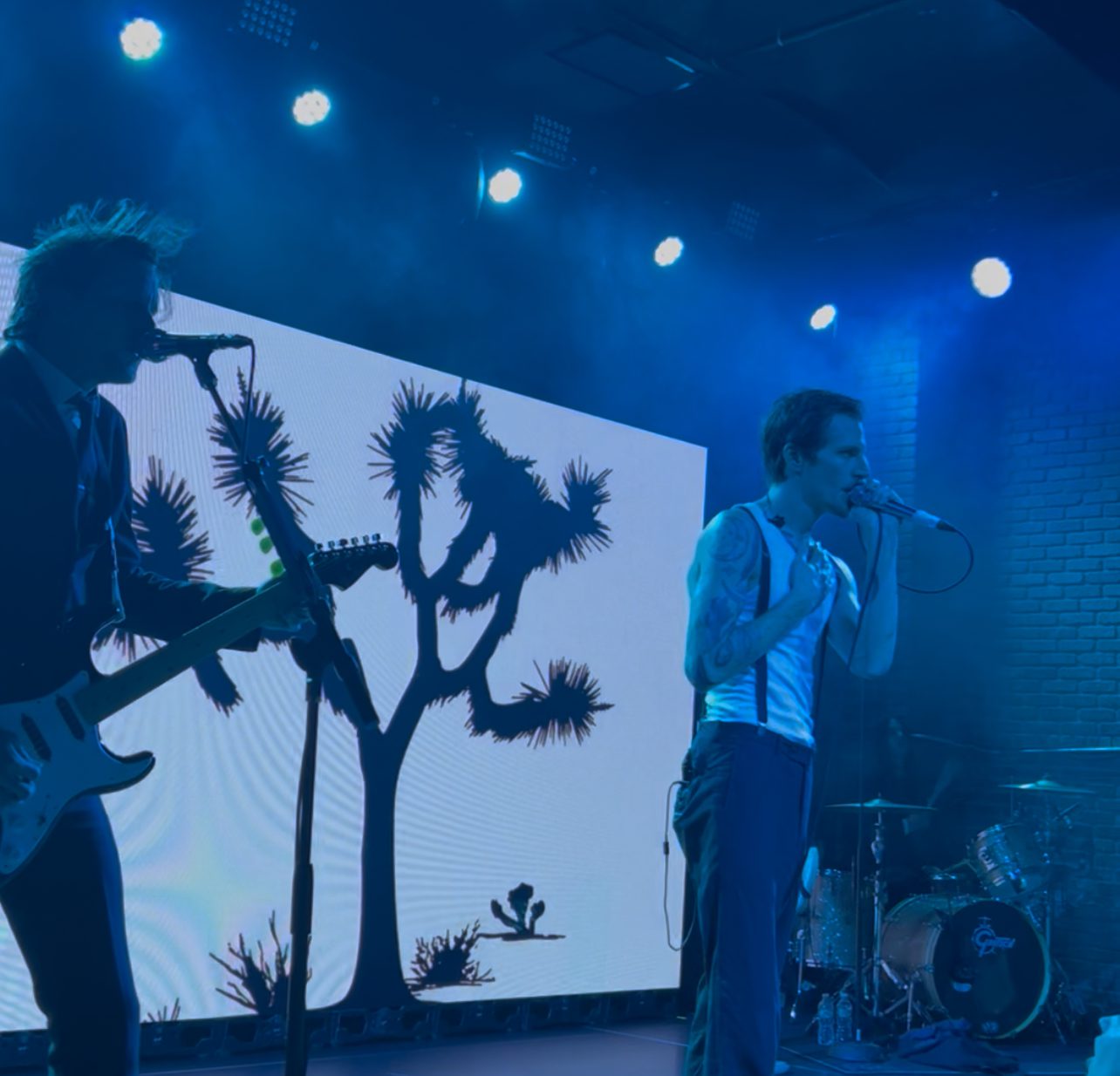
The set design was also impeccable. I’ve seen hundreds of shows at this venue and usually there’s no production whatsoever. It’s a brick venue below sea-level. Normally DIY hardcore bands or DJs play this place. However, The Maine brought a full LED screen behind them to play videos and album imagery as they performed. The show felt like an amphitheater level performance with the closeness of an intimate club show. What they were able to achieve was astounding and truly unique. It exceeded every expectation I had.

Overall, Dying Scene is thrilled to cover this show. This felt more than just an anniversary celebration for an album by The Maine. It felt like a culmination of the last 10 years of work erupting into one big massive party. I’m aware that some or our readers might be more into the hardcore side of punk or the thrash elements, but we implore you not to write this band off. The reason they play with pop and alternative sounds in their rock is because of how fun it is. This is a band that’s sole purpose is to enjoy life, write good tunes, and enrich the lives of others. Speaking for myself, on June 11th they succeeded their purpose. Long live The Maine!

Post a Comment

Your email address will not be published. Required fields are marked *

DS Interview – Angelo Moore and Spacey T talk “Stockholm Syndrome” and a new era for Fishbone

The terms “cult following” and “legendary” often coincide. Both can be used to describe Fishbone, which has blended ska, funk, punk, soul, and metal to create one of the most unique sounds for over forty years. If you’ve ever been to a Fishbone show, it’s almost a religious experience, with Angelo Moore preaching a sermon […]

The terms “cult following” and “legendary” often coincide. Both can be used to describe Fishbone, which has blended ska, funk, punk, soul, and metal to create one of the most unique sounds for over forty years. If you’ve ever been to a Fishbone show, it’s almost a religious experience, with Angelo Moore preaching a sermon to the crowd moshing in the pit before him.

Fishbone has been in a transition period over the last year. While founding members Walter Kibby and Norwood Fisher left the band in 2024, the remaining members have been busy touring, recording, refining their sound with new members, James Jones (bass), Hassan Hurd (drums), and John “JS” Williams II (trumpet,vocals). The fruits of these labors have brought us Fishbone’s first full-length album in twenty years, Stockholm Syndrome. Fishbone members Angelo Moore and Spacey T talked to us about the new record and this new era for the band. 

Photo by Matt Dessner


Dying Scene (Forrest Gaddis): You guys have some new members. Is everybody in the band right now on the album, or was it recorded before the new members?

Angelo Moore: Minus one person, James. James is the only one that came in after it was all recorded. 

It’s very much a protest album, and I like that because I don’t feel like a lot of the newer bands are doing records like this. I feel it’s still the old guard holding that torch. Were there any records or anything that you’ve been listening to that kind of got you there, or is it just pretty much just everything that’s been happening lately? 

Angelo Moore: Everything that’s been happening, the releases that have come up as far as like reference or influence when it comes to the stuff on this record, it’s just been a lot of songs that we started to work on, but we never finished because of the transition that happened. So we just finalized those songs, did some work on them, and we finished building a lot of the songs. And the guys that helped translate what we were working on, what we had in store. Some of the stuff was from the previous lineup, but Norwood, Walt, and Steward were there. And then some of the stuff we had already been working on just individually or maybe in a group. 

Diving into the songs, “Last Call in America” feels like the antithesis of James Brown’s “Living in America.”

Angelo Moore: I felt like it was more along the lines of the Clash.


Kind of Combat Rocky, huh?

Angelo Moore: The only thing that’s got James Brown about it is the title. You know, the Temptations, man. You know, when I think about it now, I hear a little bit of James Brown, but mainly the Temptations, man. It’s like some Temptations. Stuff like that.

I like “Racist Piece of Shit”, too. I went and saw you guys right after it came out in November, and it was fucking great to see you guys play that.

Spacey T: The song is banned, too, which we probably knew that was going to happen. We knew they were probably going to ban it, because what else are you going to do with a song like that?

They’ve banned it already?

Spacey T: On Meta, they’re banning it. With a dictator in office like that, and the way the government’s changing, they don’t want nobody telling that kind of truth. So, of course, they’re going to ban it. 

My kid dug it. 

Angelo Moore: Harsh truth with a nice little sing-a-long vibe going on. Your kids, they’re going to pick up all kinds of stuff listening to the internet, watching the internet, listening to the radio, man. All kinds of hateful things out there. So, it’s up to the parents to give them guidance on what kind of cursing and what kind of protesting is worth something and what ain’t worth something.

Spacey T: Because it’s all out there. You don’t hear it.

Angelo Moore: They got to know what’s a reason to curse. When you are cursing, there’s a reason for it. Good cause or bad cause. You know what I’m saying?


There’s always an amalgamation of genres on the albums. How did you land on the types of songs that you chose for Stockholm Syndrome?

Angelo Moore: We were in the middle of finishing with the last lineup, when the divide came into the picture. We decided we were going to finish those songs whether or not those guys were going to be in the band anymore or not. You can’t just leave songs just laying out there. That’s like leaving your kid on the corner. That’s like leaving your kid on the corner with a half-empty lunch plate. 

Spacey T: When I came along, the songs were all done. All they needed was guitar, you know? Aroyn Day, the bass player that’s on the record, played some guitar on the record too. He wanted me to record all of his guitar parts. I’m like, “Nope, I’m not doing it. Your guitar parts are great. I’ll do a couple of them, but most of them I’m going to leave because they sound really great.” My job was to do what Angelo and Chris heard as far as guitar parts. They gave me some freedom on the solos, but all the parts were exactly what they wanted me to play. 

Angelo Moore: And I loved it, that’s the part right there. Spacey knows the origin of a lot of the styles of what we wanted. Not a lot of guys that came through the band knew the origin or the history of some of the parts that we wanted to play and how we wanted to play. Spacey had been in Fishbone before in the Special Forces line-up. 

And how long were you in the band?

Spacey T: I was in the band for like six years. I left in 2003, I think it was, and after 22 years, I’m back. 

How does it feel to be back? Does it feel like you left at all?

Spacey T: It’s starting to feel like I’ve never left. At first, getting those road chops back and the whole new group of people. Angelo and I are the only ones that worked together before. When I was there before, Chris wasn’t there. So once Chris got there, that’s when it really – it just clicked.

Angelo Moore: Chris and Spacey were never in Fishbone at the same time.

Does it feel like those two eras are kind of clashing in a good way?

Angelo Moore: Yeah, man, because it’s a lot of songs. Even though they weren’t in the band at the same time, there’s still a lot of songs that the band has been playing, no matter who was in the band. Some of the staple songs.

Spacey T: Yeah, and I’m getting to play some that I didn’t get to play before, when Chris wasn’t there. I never got to play “Black Flowers” or a lot of this stuff, you know? It’s really good now to finally play the ones that I’ve been really wanting to play. Chris will be playing some stuff that he missed out on. So it’s a lot of songs that this present line will still be playing. Plus, it’s a trip, because I experienced Angelo with Chris, and the other guys, Hassan, James, and J.S. They don’t have any history with the band. So it’s pretty interesting and challenging to play to how they interpret the music.

Angelo Moore: I’ve been playing for them since the beginning, for a big chunk of what Spacey has done, what Chris has done. So they interpret it from a whole new, fresh perspective, with no trauma, no history, none of that. It’s like getting a fresh blood transfusion. It’s very fresh. It’s like a super upgrade, you know?

Are the new members assimilating well?

Angelo Moore: They’re outstanding.

Angelo, you’ve been the one constant member of the band. I saw the documentary when it came out years ago, and there’s some dark moments in it. How did you stay motivated this whole time? 

Angelo Moore: I got sober in 2020. So, that enabled me to be able to see a little more clearer than I was seeing before while I was drinking. While I was drinking, I was talking about a lot of dysfunctional personality defects that was part of the Fishbone of makeup. A lot of ego, pride, jealousy, and there was a lot of that shit happening. I was drinking a lot.

After the quarantine came, that’s pretty much when Fishbone became Fishbone penitentiary. You can imagine, just using that word to describe that, right? It was a lot of the freedom and interpretation that went down. It just got to a point where some of the guys didn’t want to accommodate the other ones to fulfill their dreams and make their dreams. I felt like there was a big factor in those guys leaving. I thought, well, shit, the music and the message and the art has to continue. Hell, if I quit the band,  if we didn’t continue on, we’re using that title Stockholm Syndrome as a way of healing moving forward. You know what I’m saying?

We still thank those guys that were here. We thank all of them for the music and the art and the inspiration that they incorporated into it all to make it keep going. We thank them. Even though it felt like a penitentiary, we still thank them. If it wasn’t for them, we wouldn’t be playing a lot of this stuff. We wouldn’t be here now. It’s just unfortunate that they’re not here with us on the other side of the black hole now. It felt like going through a black hole, man. You know, when you go through a black hole, you get stretched and pulled and dispersed into a thousand little pieces, but that didn’t seem to happen to me. I made it through the other side. There’s a whole other band, guys that I remember being in some parts of the band’s existence, which is Spacey and Chris, which is Hassan, JS. They’re bringing it, too. They brought it all to the table.

Did you approach any aspects of this album differently than the previous albums, or do you have a way that you go into every album?

Angelo Moore: It was different this time, man, because there was a lot of those dysfunctional factors that weren’t part of this lineup. We were able to get music done faster and more efficiently. I came in with a whole record done in two sessions.

What was the oldest song on there that you had? You said there were a bunch of songs that hadn’t been finished.

Angelo Moore: What’s the oldest song? Damn, that’s a hard one. You’re getting them to brainstorm. I can’t remember. It didn’t take five years. We know that. The last one took five years. That was ridiculous. After everybody left the band, it was just me and Chris left. I don’t even know. Do you remember that first one we started working on?

Spacey T: “Dog Eat Dog.” That’s one of the songs with the guitar parts I left alone. I didn’t want to change his guitar part on that song.

It jumps around genres a bunch, and that’s the other part I like about it. I mean, “Gelato the Clown” sounds like a New Orleans jazz song. I love it. 

Angelo Moore: That one changed. “Dog Eat Dog,” that’s about us getting our masters back, and “Gelato the Clown” is about the bullying epidemic.

I just saw that episode of The Simpsons you were on. Are you a fan, or was it just something they asked you to do?

Angelo Moore: I’m a fan of The Simpsons, and it is something that they asked me to do. I’m so glad. I’m thankful that these opportunities come my way, see? You know?

Fishbone is on tour now as a part of the Less Than Jake Summer Circus Tour with the Suicide Machines, Bite Me Bambi and Catbite and as a part of the Vans Warped Tour. Physical copies of the album will be on sale at the shows along with thumb drives of the album; the digital release is set to be out on June 27th. They have a plethora of other things like comic books, a coffee table book, and hot sauce all for sale. Don’t forget to check out Stockholm Syndrome when it drops. 

Post a Comment

Your email address will not be published. Required fields are marked *

Dying Scene Show Review — Brook Pridemore, Mr. Michael Motorcycle, Julio IV, Friends in Real Life — Market Hotel, Brooklyn, NY 6/5/2025

Tucked in a delightful hollow of Bushwick, the Market Hotel is one of the hundred storied and well-known music venues in NYC. You can look out the colonial-style windows to see the M train rattle by as the fading sunlight drips through the dusty glass, the trapezoidal structure of the building making sound echo in […]

Tucked in a delightful hollow of Bushwick, the Market Hotel is one of the hundred storied and well-known music venues in NYC. You can look out the colonial-style windows to see the M train rattle by as the fading sunlight drips through the dusty glass, the trapezoidal structure of the building making sound echo in a unique way. The clamor of voices slowly grew and grew, the high from the loaned joint slowly fading as we waited for the music to start. You could feel the electricity of the crowd, excitement and happiness for the night flitting through the air as the fog machines started pumping vapor into the room.

The first to play was Brook Pridemore, utilizing a mixer and pre-recorded tracks to accompany his vocal performance. He was frenetic, excited, joy at his being onstage evident in every moment. His songs strayed from deeply personal to sardonic comedy, mixing the two to create a wonderful aperitif for the night.


Next was Michael Motorcycle, the first of two musicians to utilize nothing more than an acoustic guitar and his voice. I can only describe him as classic folk punk, his songs delighting in the middlesome elements of life and excoriating the joys of howling at the moon, the crowd eventually following his lead in a cacophony of raised voices.


Penultimately, Julio IV hit the stage, once again with nothing but his sultry, angry voice. His songs revolved around capitalism, the forces that control the monopolized violence of the state, and the unity required to fight them. Personally I have seen some violent mosh pits in my time, but this was the perfect combination of controlled violence and wild worship with a single song interlude about getting cum on your face. Happy Pride Month.

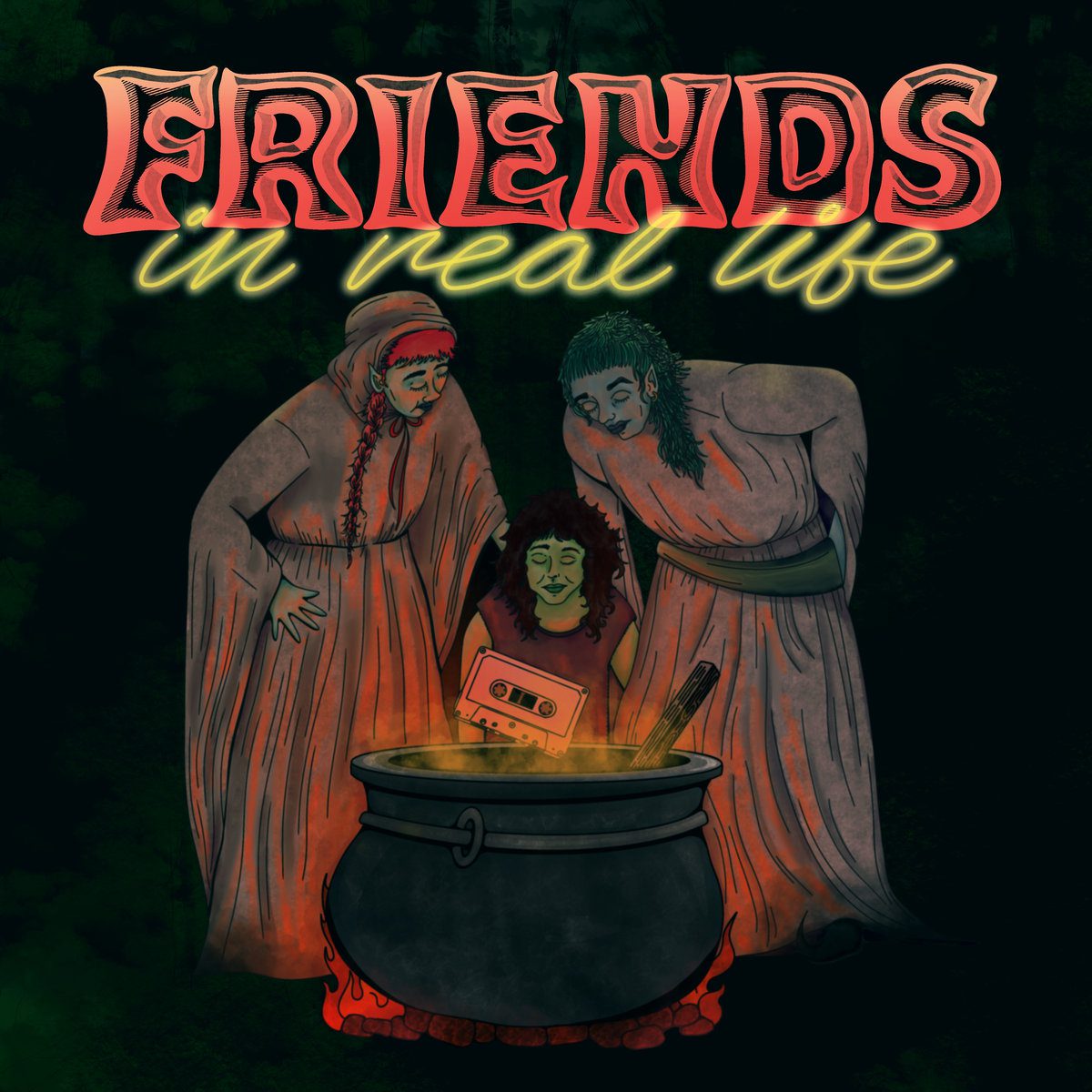
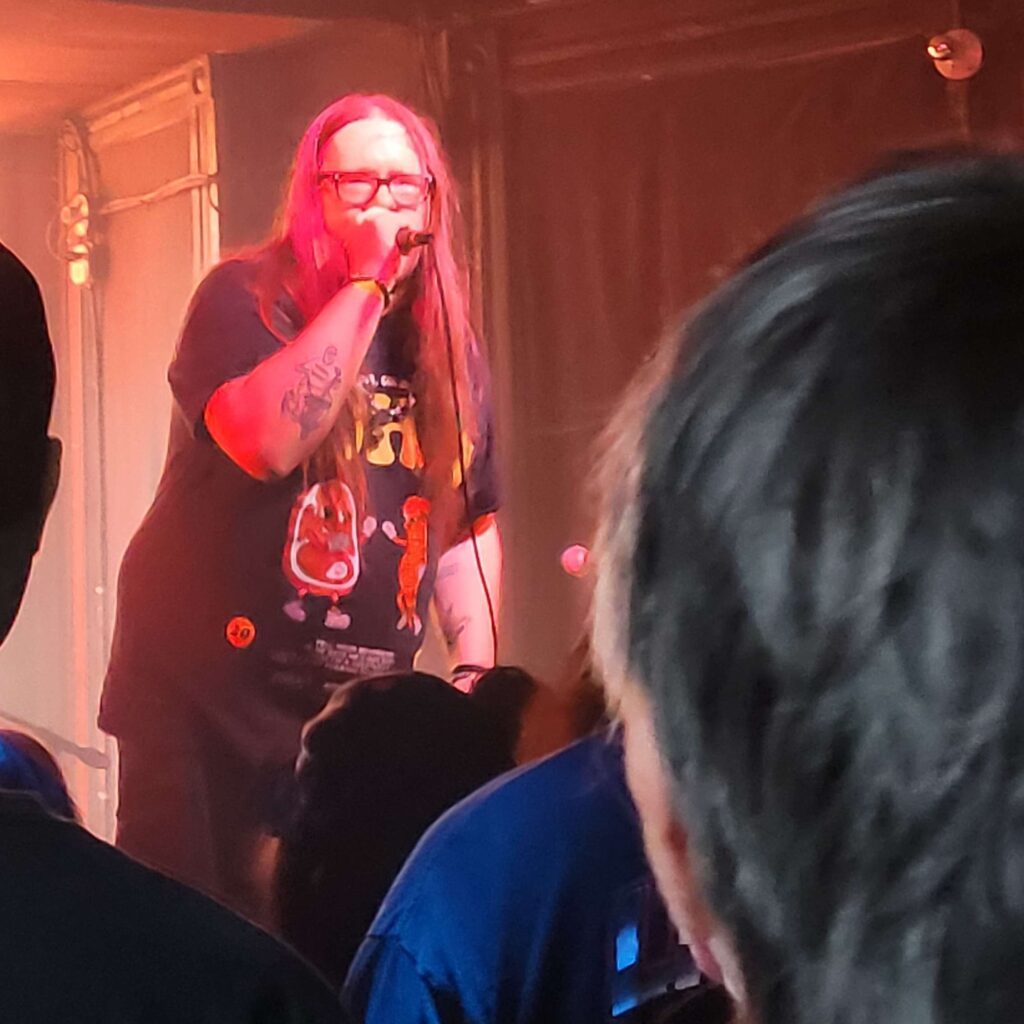
Finally, Friends in Real Life hit the stage. It was pre-empted by a speech from Brooke Pridemore exhorting the crowd to pay attention and listen, describing the events getting a call from Pat about a return to music. What a fuckin’ return it is. Standouts from the set, a straight playing of the eponymous album release (with cassettes still available for purchase) include “Failed Careers,” “Surf Rock Anthem,” and “Retirement Plans.”


The delightful interplay of the two guitars and drums accented the vocal arrangements beautifully, echoing along the angles of the Market Hotel as the circle pit revolved to the driving tune of “May All The Lower Realms Be Empty.” For someone away from the game for so long, the first performance of Friends in Real Life highlights something delightful about music—that no matter how long you’re away from the game, the game will drag you back in.


Post a Comment

Your email address will not be published. Required fields are marked *

Dying Scene Photo Gallery and Review: Total Chaos, Luxury Teeth, Razorface, and Drivel at Simple Bar, Washington, DC (6/1/2025)

On Sunday, 01 June 2025, Total Chaos brought their signature blend of punk and hardcore street punk to Simple Bar in Washington, DC. Luxury Teeth, Razorface, and Drivel opened the show. This was my third time seeing Total Chaos, so it was nice to see them again and catch up. Total Chaos topped off the […]

On Sunday, 01 June 2025, Total Chaos brought their signature blend of punk and hardcore street punk to Simple Bar in Washington, DC. Luxury Teeth, Razorface, and Drivel opened the show. This was my third time seeing Total Chaos, so it was nice to see them again and catch up.

Total Chaos topped off the night with a career-spanning set showcasing many of their most memorable songs from their 1989 demo to their most recent release, 2023’s Mind Warfare. As one would have expected, audience members joined vocalist Rob Chaos in singing many of their catchy singalongs. Guitarist Shawn Smash delivered his characteristic mix of classic “77,” street punk, and hardcore punk riffs and solos. Long time drummer Miguel Conflict and bassist Chema Zurita kept the beat and added to a killer show. Be sure to catch them next time.

Baltimore, Maryland’s Luxury Teeth brought some regional raw energy to the show and blasted through their set of hardcore punk songs that the fans loved and danced to. Be sure to check them out.

Buffalo, New York’s Razorface is a six- piece crew that hit the stage while vocalist wore a luchadora mask at the beginning of their set. The band continued the night with a loud and energetic set of punk rock madness.

Washington, DC’s own Drivel took the stage with a blistering set of short hardcore punk songs that set the stage a for a killer night. If you are in DC be sure to check them out.

Post a Comment

Your email address will not be published. Required fields are marked *

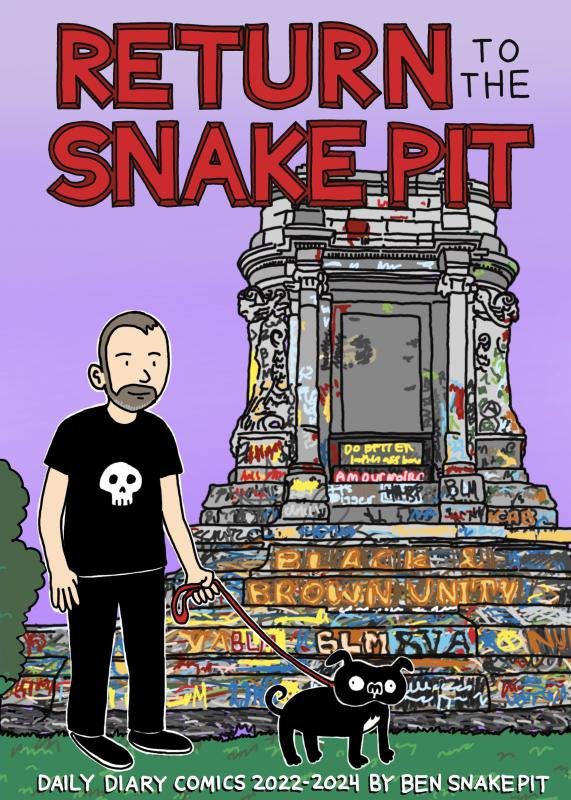
DS Interview – Ben Snakepit talks his new book “Return to the Snakepit”

Ben Snakepit has been writing daily comics for quite a while now, trying to answer the question, “What did I do today?” Typically releasing a new volume every one to three years, Ben has released his tenth volume in his three-paneled daily comic with, Return to the Snakepit released through Microcosm Publishing. This entry in […]

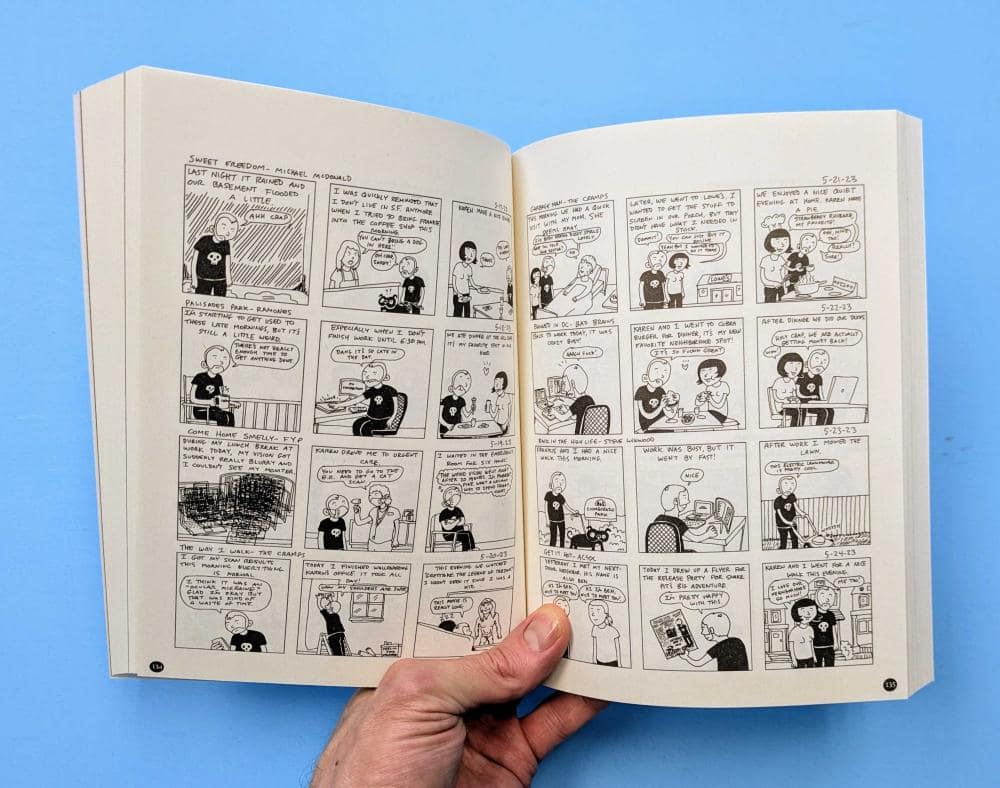
Ben Snakepit has been writing daily comics for quite a while now, trying to answer the question, “What did I do today?” Typically releasing a new volume every one to three years, Ben has released his tenth volume in his three-paneled daily comic with, Return to the Snakepit released through Microcosm Publishing.

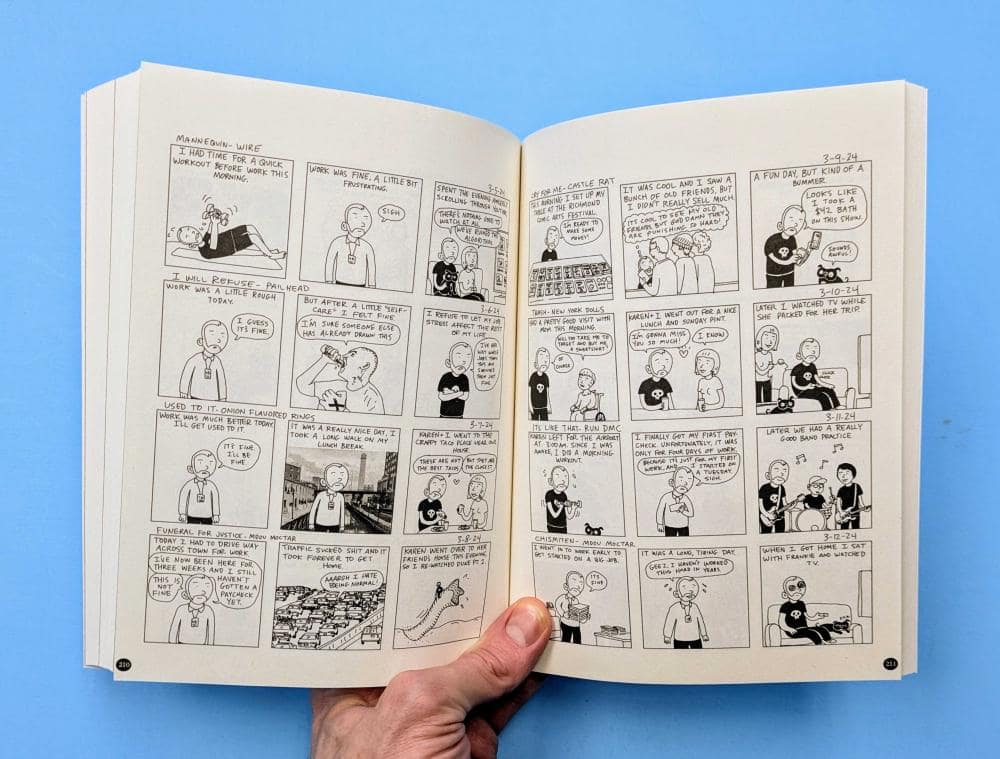
This entry in the series sees Ben return to his hometown of Richmond, Virginia, due to a family emergency with his girlfriend, Karen, and their dog, Frankie. This particular batch of comics is special as Ben starts to embrace using an iPad to produce his strip, giving him the chance to experiment and take the comic to new places. We talked to Ben about his new book and his new band, Carnivorous Flower.

Dying Scene: I really enjoyed Return to the Snakepit and Snakepit’s Big Adventure.  They were mundane by nature, but there’s so much you can grab from those strips. How long have you been doing these comics?

Ben Snakepit: I first started them in the summer of 2000. We’re coming up on 25 years, it was July of 2000. I had the idea and started doing the comics, but I wasn’t being consistent. I was skipping days and kind of being lazy, and then when 2001 started, I dedicated and actually started doing them every single day.

I think you told me it was kind of inspired by Jim’s Journal.

Oh, yeah, definitely. I love Jim’s journal. And like one of the very, very early days of me having internet access like my roommate had a computer with a dial up modem and like you could get ten minutes of Google a day or whatever. One of the times I got on there to find out about Jim’s Journal. What is it all about? I found out that it was fictional, that it’s actually Scott Dikkers, from The Onion. When I realized that Jim wasn’t a real person, it kind of sucked, but then it was like a little light bulb. I’ll do that for real in my real life and that’s what I’ve been doing.

Did you read any comic strips growing up or was it just that one in particular that just kind of hit for you?

I loved Peanuts growing up, you know, that was the Holy Bible to me. I really liked Family Circus. Weirdly enough, I don’t know why. I think I’m the only person I’ve ever known that genuinely likes The Family Circus. I got into comic books when I was a teenager, like X-Men and stuff like that. Then I discovered comics like John Porcellino and James Kochalka.

Do you still read comics?

I haven’t gone to the comic book store and bought anything in a very long time.

Do you make time every day to do the comics or do you catch up after a few days? What’s the process?

When I first started, I tried to do it every single day. And I kind of fell off and would go back and catch up. That kind of bit me in the ass at one point. I can’t remember what year it was maybe 2013 or something. There’s one year where I got to the end of the year and realized I had missed a day.

The New Year’s Eve panel is always a full page, and I was like, wait a minute, why is there an extra comic here? And then, oh, shit, you know. In the last five years, I’m back to doing it every single day. It’s just easier. When you get behind, it’s really daunting to catch up. It’s a lot of work. It’s just easier to get it done every day. I usually do it first thing in the morning when I wake up.

Do you typically do a morning panel, an afternoon panel, and an evening panel?

No, not always, like, basically, I’ll draw the day before. Like, what’s going on now, I will draw in tomorrow morning’s comic. I give the whole day a chance to happen, because you never know something really awesome is going to happen at 11:59. Basically, the approach I take to it every day is I’m going to answer the question, “What did I do today?” I’m going to answer that question in three panels. It didn’t start off like that, but over time, it’s evolved into that. That’s kind of the formula that I like to stick to.

Do you miss doing the comics on pen and paper or are you just are you happy doing them all on the iPad?

I love the iPad. It was life-changing.  Like using pen and paper, it’s simple. There’s nothing wrong with it at all. But I find that there are so many times, I would go straight from pen to paper with no pencils, that if I messed up one line, the whole comic was ruined, and I had to work around it.

It did make for some really funny drawings, you know, and that was that was cool, but it was always frustrating to not be able to get it exactly how I wanted. With the iPad, I can do anything. And I don’t like it, erase it and do it again. It’s super easy and convenient. It took a lot of the shitty grunt work out of drawing and made me really love it. All day I’m drawing and doing all kinds of stuff. It’s really, really fun.

Does it allow you to experiment at all? 

Yeah, you’ll see a lot of weird stuff. I started throwing in clip art and weird effects. Just because I could, you know, and I’m really having fun with it. I’m pushing it even more this year. The next book will be even weirder, I think, I hope.

When the Simpsons went from the kind of thicker lines to the thinner lines, people feel like that feels different. Do you think that’s what’s going to happen going forward? 

Yeah, I think it’s going to feel different, but I think that’s good. I’m not trying to pretend I’m not drawing digitally. I won’t try to hide things. If I want to put a straight-up photograph in there, I will.

It’s a comic book, but I feel like it’s a zine before it’s a comic book. Zines, you have more freedom. You can Xerox stuff. You can put just text in. You can do whatever you want. I want to experiment more with that freedom in my comics, and less drawing the same stupid thing over and over again.

When do you have to have everything in by so you can release it by, you know, mid year?

Another reason that I like keeping up with it every day is when I know the book is about to end and that third year is coming up; in July I’ll start thinking of the cover and what it’s gonna look like. I’ll start working on it. So that the books are the same size every year, every time, it’s always three years. So, I just use the same templates and everything. I give myself a few months and on New Year’s Day, I draw my big full-panel, New Year’s Day strip. Then everything is already zipped up and ready to go. And I literally send everything to the publisher on January 1st.

You’ve moved a few times in the volumes that I’ve read anyway, and you always kind of jump into a new punk rock band. Are you in a band right now ?

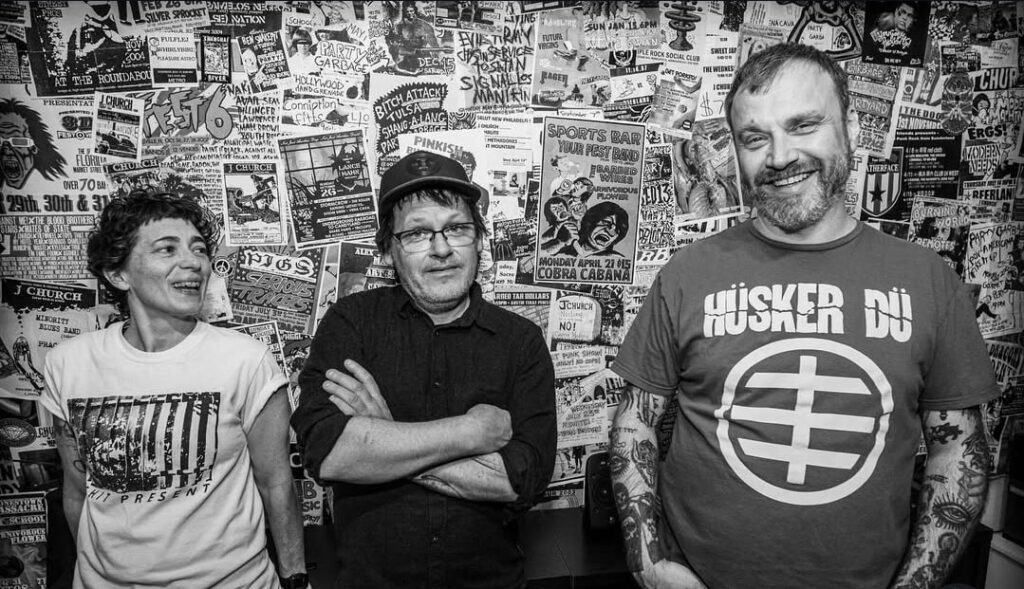
I have a new band called Carnivorous Flower. The name comes from an album by the band J Church, a band I played in a long time ago. It’s a weird coincidence. I’m in a band with two good friends I met on tour. I met our bass player when she was living in Liverpool, England; my band played there, and we played together. I know our drummer from Portland, Oregon; we met through playing in bands.

When I moved back to Richmond, by pure coincidence, they were also living there, and the three of us immediately thought it was great. This is the most fun I’ve had in a band, and I’m really enjoying it.


Have you guys recorded anything yet?

We have an album coming out this summer on Dead Broke Records, and we will also play the Festival in Gainesville this year.

At one point in the book, it says you have done 2,000 pages of comics. I know you have done zines and daily comics. Do you also do fiction comics?

The only other kind of stuff I’ve done is that I used to do a regular comic in Razorcake magazine. I treated it like a Maximum Rocknroll column where I would just talk about whatever.  It would be like a list of bands I like or how to do something, like how to make a bong, or just stuff like that. I did that for a hundred issues of Razorcake.

I actually have a book out of just those Razorcake columns. It’s available from Silver Sprocket. Aside from that, I have a subscription tier to my Patreon, and every three months I do a quarterly zine that I print here in my bedroom. It has a few bonus comics in it. Someday, when I get enough of those, I’ll put them out in a book or something. A lot of them are just single stories. If I think about a funny childhood story, I will write just one page about that specific incident. It is still autobiographical. I don’t really do fiction at all.

Each day has a song, is that just what you’re listening to that day or do you just give a theme song to each day type of thing?

Sometimes, if there’s someone else in the room, I’ll say, “Hey, what’s today’s theme song?” They’ll tell me. It’s very, very, random and there’s no rules. A lot of songs repeat over and over. Like in Snakepit’s Big Adventure, there’s like a whole month where I listen to the same song every day for the entire month. I just have fun with it. It’s a stupid comic book; I try not to take it seriously at all and have fun with it. Actually, there are a few Snakepit fans that have made playlists. There’s one called “Snakepit Quarantine, 2020”.

I did a little special zine. That was the thing that happened during the pandemic. It’s a fun story that not a lot of people know about. I made a zine of just my pandemic comics that I’d started the day the pandemic started. Up until that time, six months or something, I sold it on my website. You could only buy it on the website and I used the money to fund a jigsaw puzzle. They’re long sold out, unfortunately. It was just really cool to do that. You know, that everyone in the pandemic was like, learn how to bake bread or like play the guitar or whatever. I made a puzzle.

Has anyone ever gotten upset over how they thought in an interaction went and it went completely different on the page?

Not quite like that. I’ve definitely had people not happy with me putting them in the comic. This was in the earlier days when I was kind of running more wild. Occasionally, I would put someone in there that didn’t want to be in there. I’d get in trouble for that. Since those early days I’ve always made it clear. If I’m hanging out with somebody and they’re not going to be cool with it or anything; I’ll let them know ahead of time, “Hey, is it okay if I draw this in the comic” The only exceptions being my coworkers. I don’t let anyone at work know about any of this.

 At one point you were getting frustrated with your boss and you’re like, I hate this shit.

Exactly. I’m not going to tell them about the book, although it has happened before by pure randomness, a coworker has been at a comic book convention where I was tabling and they come up and like, what is all of this? I’m like, Oh shit. You know, like, what are you going to do?

At my current job when the last book came out, I had just moved here to Richmond and the local weekly free weekly magazine did a little article about Snakepit. I had my picture in there and somebody at work saw it and they’re like, “What’s this comic book you do?” It just got real weird and kind of hoped they’re not wanting to talk about it or discuss it. Cause they never brought it up.

When I was in my punk band, I was not very cool with anybody in my office knowing I was in a punk band. I mean, we were also called Donkey Punch, so that didn’t really help. Then having to explain it to people’s moms, that’s not ever fun. I was seeing this girl and the mom was trying to get to know me. This girl had seen me play a couple of times before and the mom goes, “Oh, so I heard you’re in a band called ‘Rusty Punch.’” She mixed two of them up. Now, I have to explain what a rusty trombone is, which is worse than what I have to usually explain. I’m just like, I’m not explaining the other one. I’m in this contract for one.

I think I would’ve just made something up, you know, it’s a weird video game or something. You know what I mean? Just like make something up.

I tried, her daughter looked at me and went, “No, you did this.”

Damn, she held your feet to the fire.

I saw something online. Are you in Fugazi’s Instrument?

Yeah. I’m wearing a backwards baseball hat. I’m 20 years old and I’m talking about how I’m only at the show because it was free and I didn’t have anything better to do.

That was you? I just rewatched it a couple weeks back. Were you just not a fan at the time or just not a fan ever? 

I love Fugazi. I was just trying to be an asshole. I’ve heard stories that Ian McKaye has figured out who I am. A friend of mine was in Los Angeles at a talk. Ian McKaye was doing a talk for that other Fugazi movie that just came out. There was a Q and A somebody asked, “Oh, what about that kid from Instrument that like blah, blah, blah.” He was like, “That guy’s a popular zine writer now.” He figured out that’s who I am. 

He was a good sport about it. I was a total asshole. Then to further be an asshole, once I saw the movie and I wrote a letter to Dischord and was like, “Hey, I’m in the movie, can I have a free copy?” Ian sent me one with a little handwritten note. It was fucking awesome of him to do despite me being a jerk. He’s a good dude.

I never got to see them. They came out here at some point in the late nineties and I just missed them.

I saw them shit loads of times growing up. Richmond is just two hours from DC and they were really active when I was in high school. They would play at the Capitol all the time. I would go up there all the time. Probably seen them a dozen times in my life.

You can purchase Return to the Snakepit and other books from Ben Snakepit at his website, https://www.bensnakepit.com/

Post a Comment

Your email address will not be published. Required fields are marked *

DS Record Radar Alert: Mom’s Basement releasing bad ass records from YES FLAG and Unicorn Dogs – exclusive color variant preview!

Hello and welcome to another Record Radar Alert! We interrupt your work day to let you know our bestest friends in the whole wide world – Mom’s Basement Records – have some bad ass new records coming very very soon! What’s more, we’re bringing you an exclusive first look at the awesome color variants that’ll […]

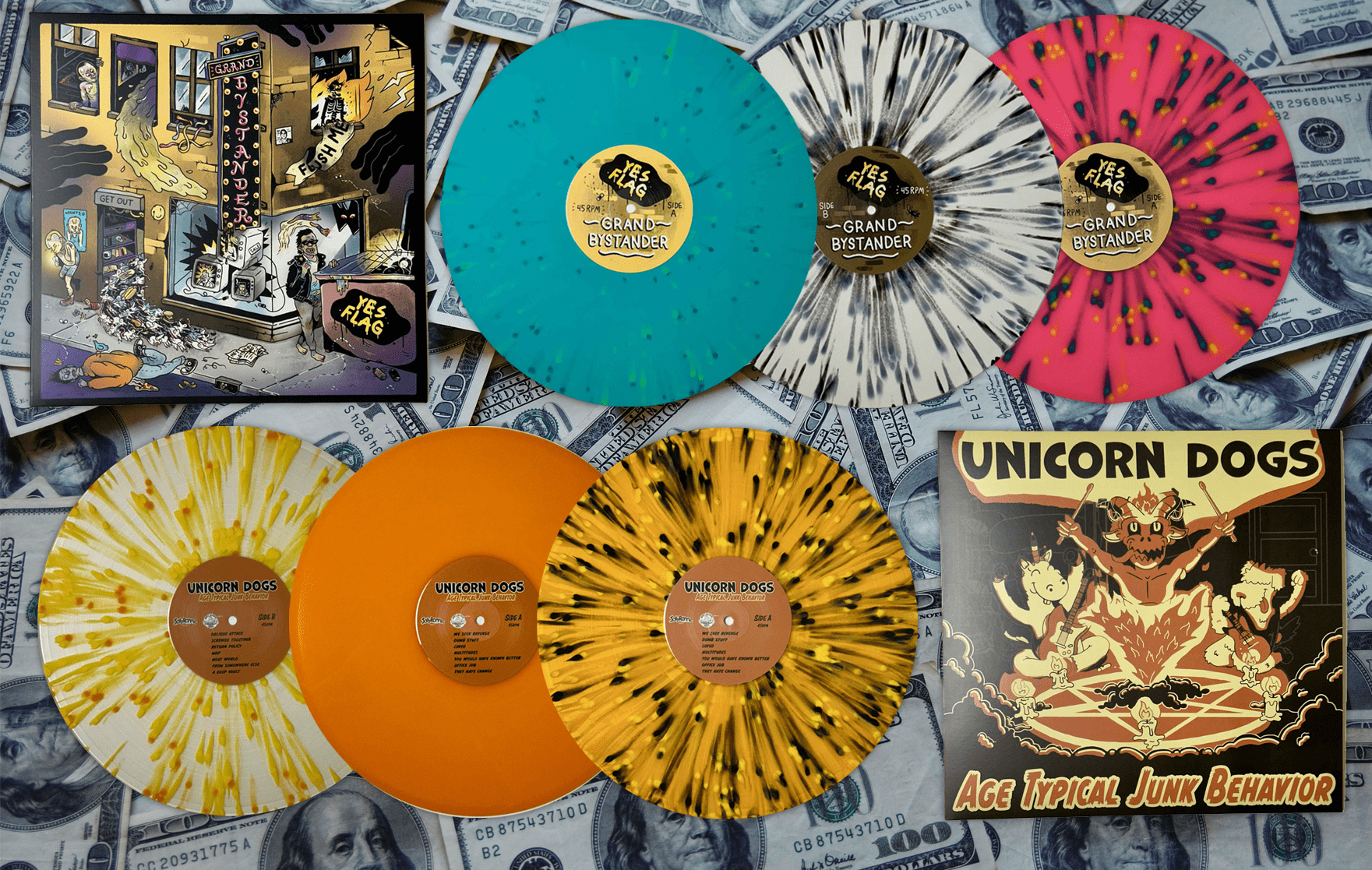
Hello and welcome to another Record Radar Alert! We interrupt your work day to let you know our bestest friends in the whole wide world – Mom’s Basement Records – have some bad ass new records coming very very soon! What’s more, we’re bringing you an exclusive first look at the awesome color variants that’ll be available to purchase from the Mom’s Basement webstore next Friday, June 20th at Noon Eastern.

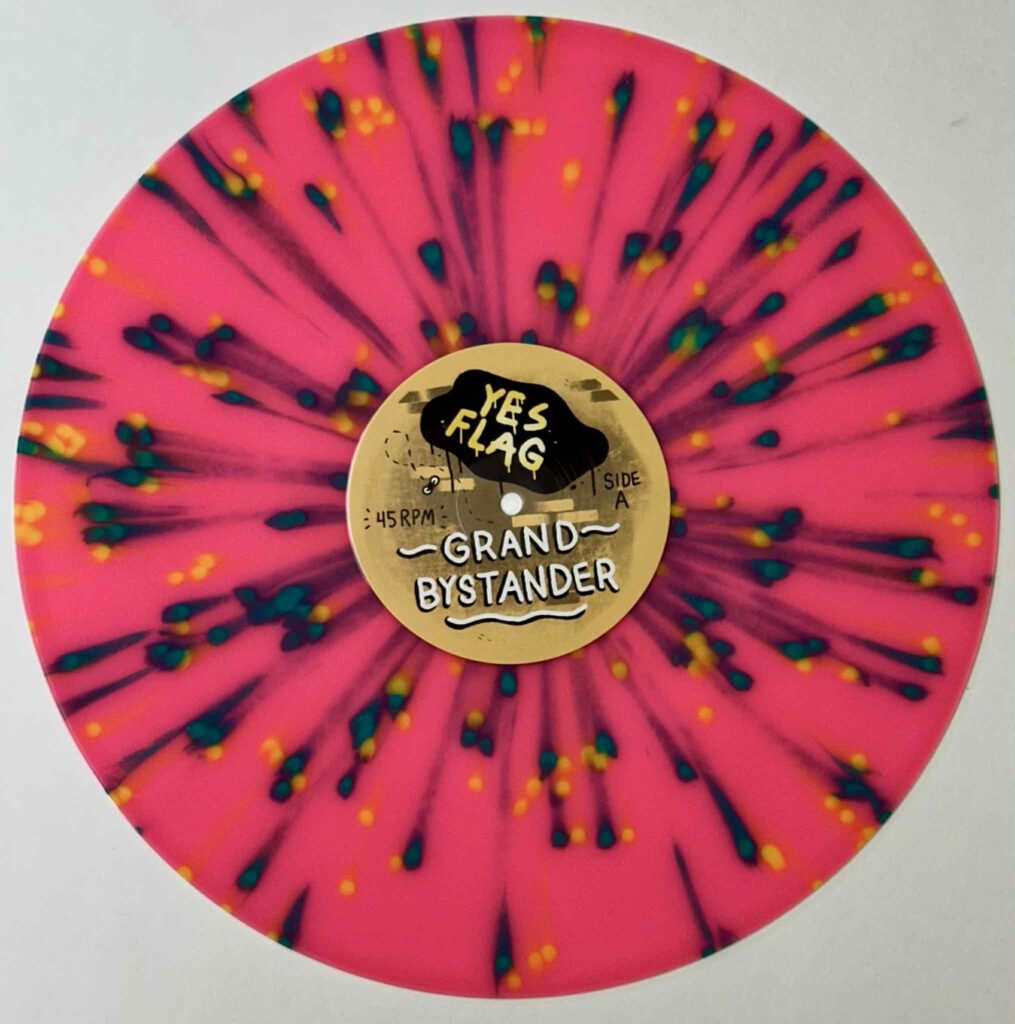
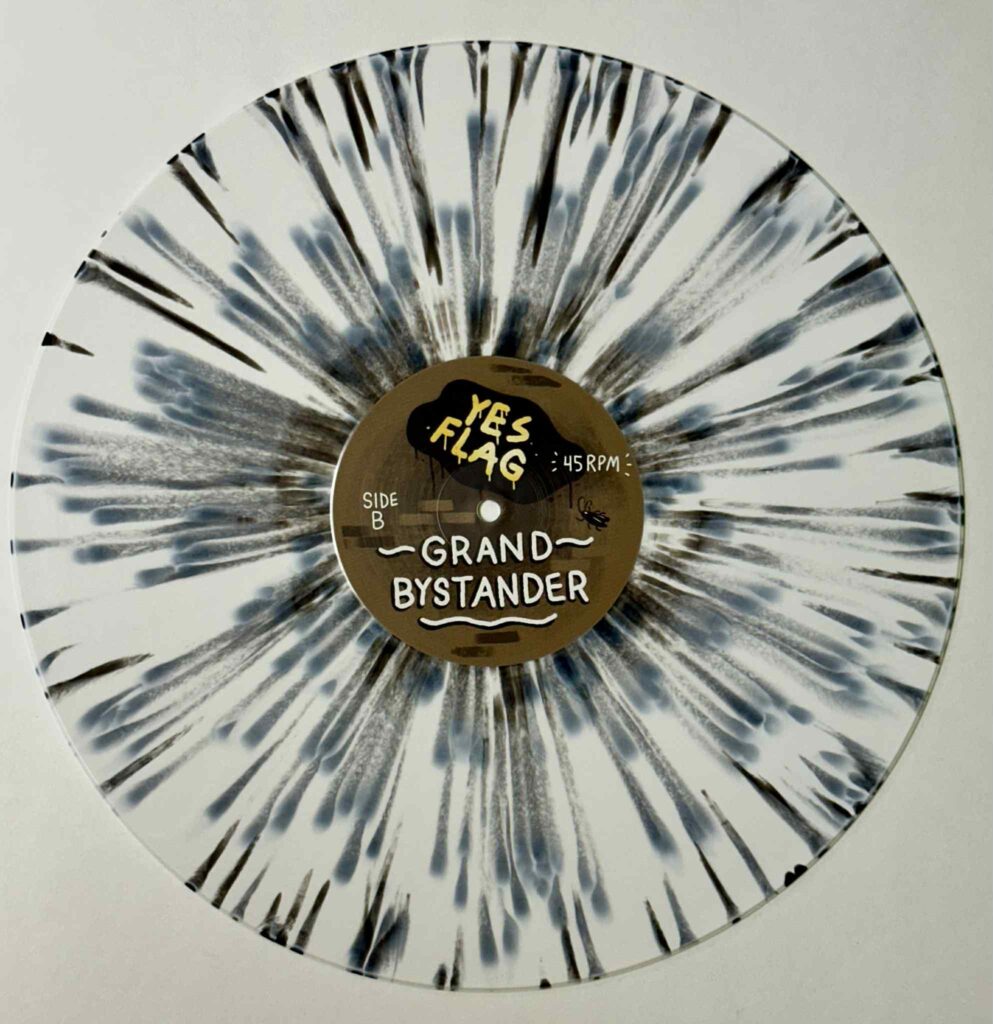
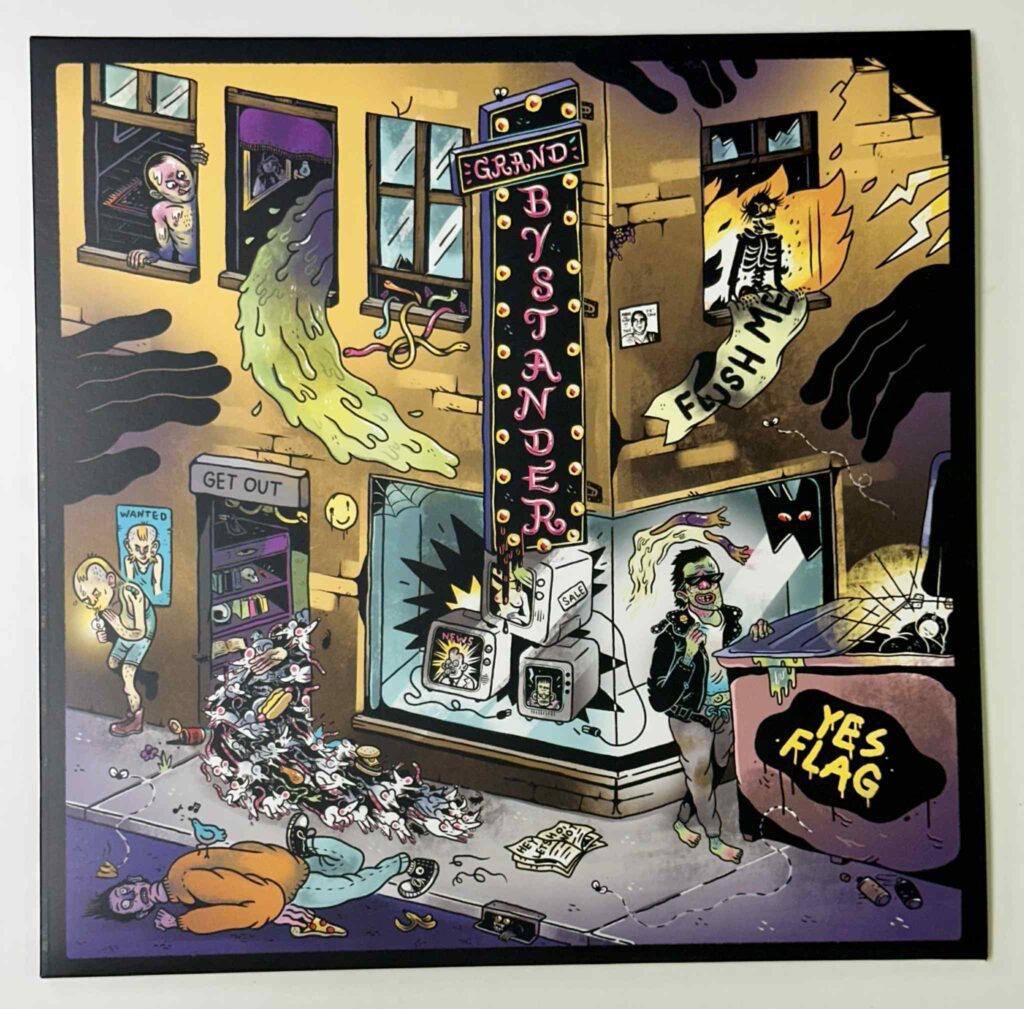
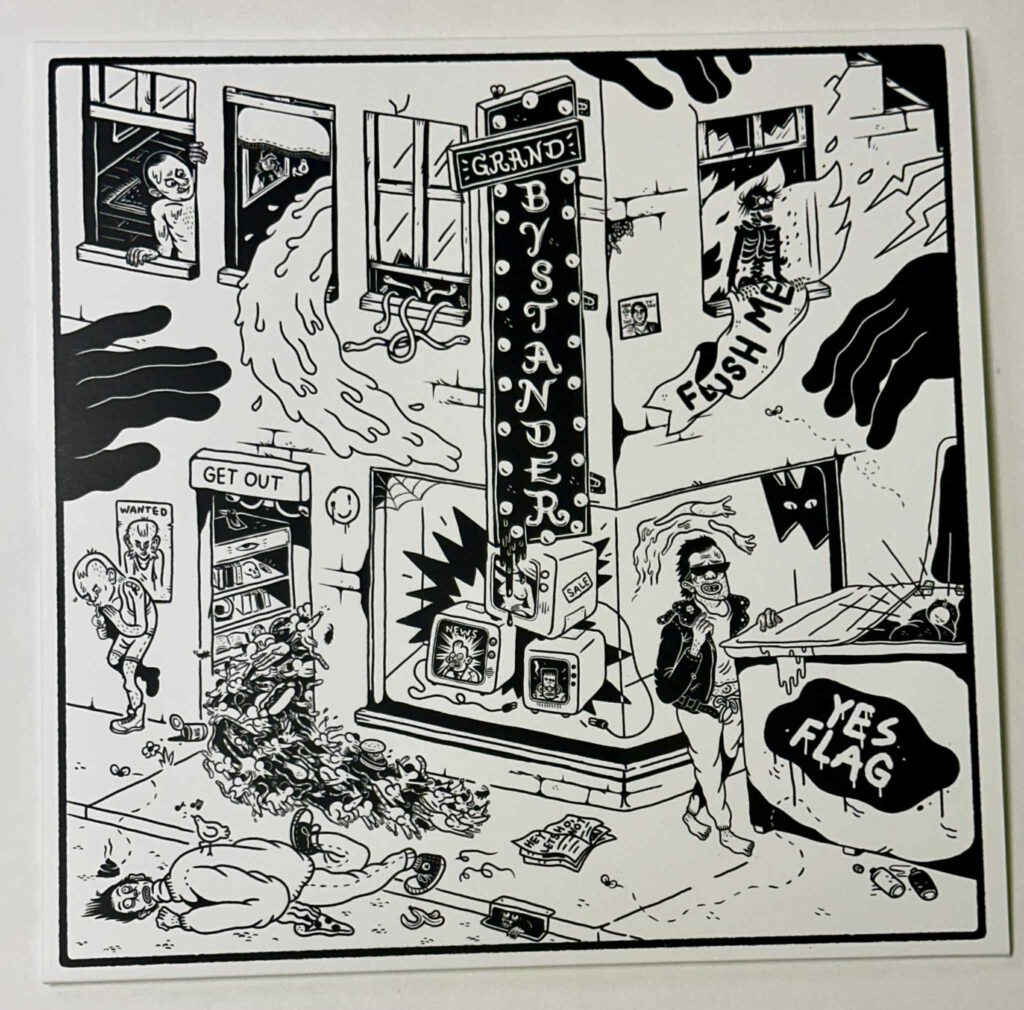
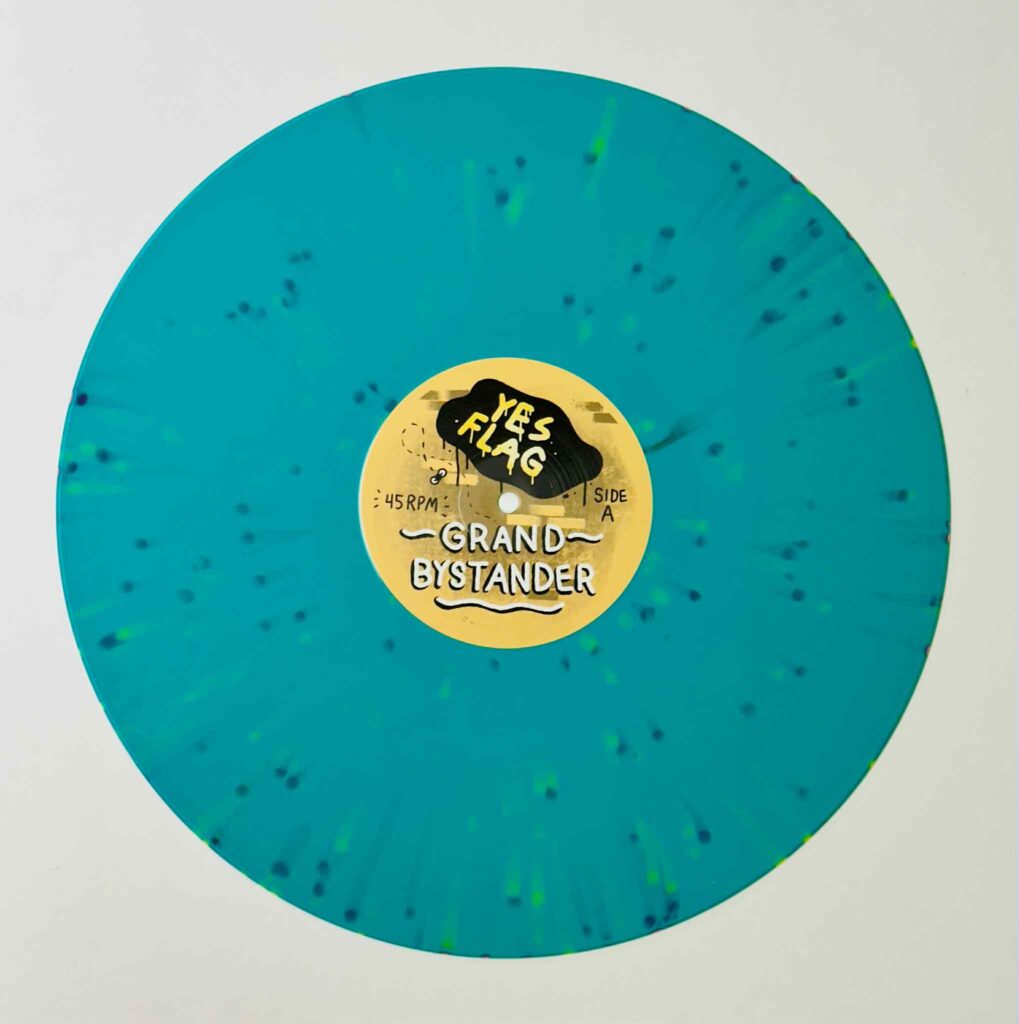
Up first is Charleston, South Carolina pop-punk outfit YES FLAG’s stellar new album Grand Bystander, released digitally and on CD in 2024, and now available on vinyl for the very first time! This is a co-release with Worst Idea Records and you can get it three bad ass variants, limited to 100 copies each. As an added bonus, the black & white splatter variant comes housed in a different sleeve w/ full color art. Fuck yeah!

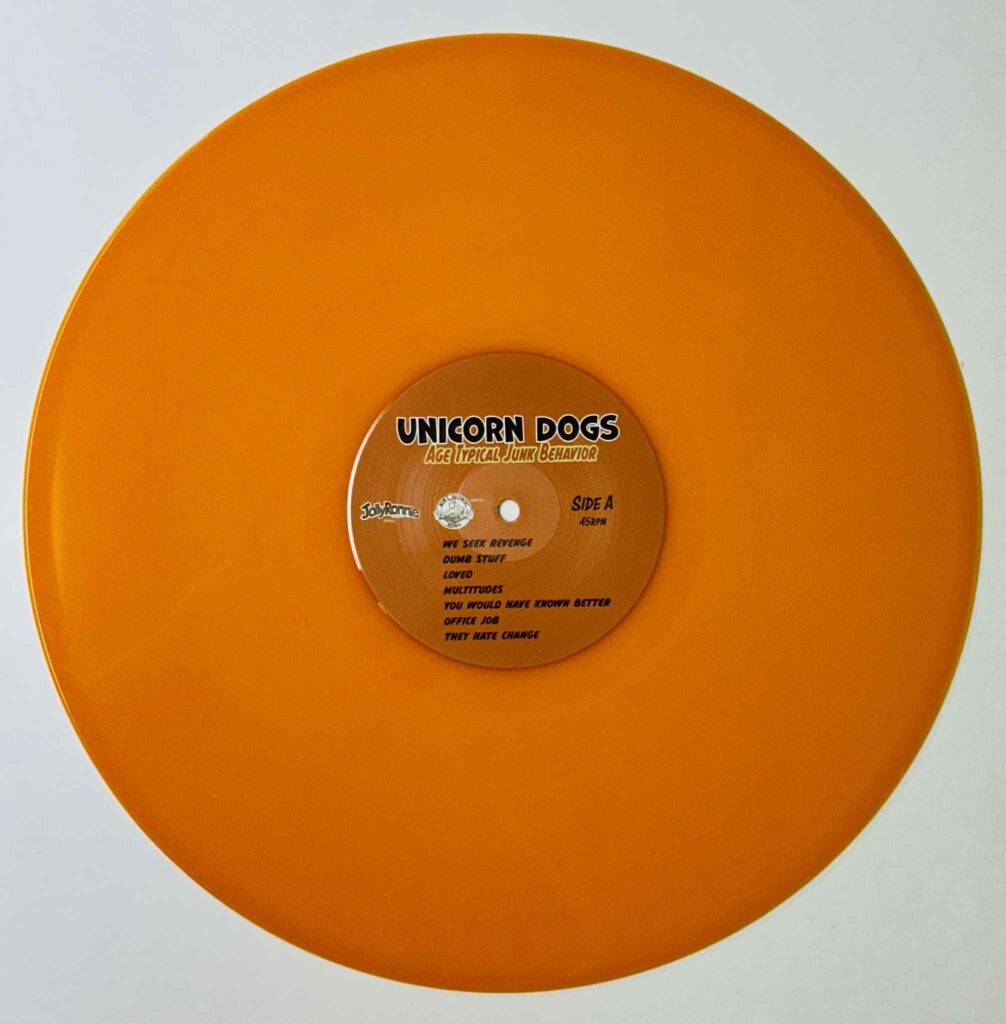
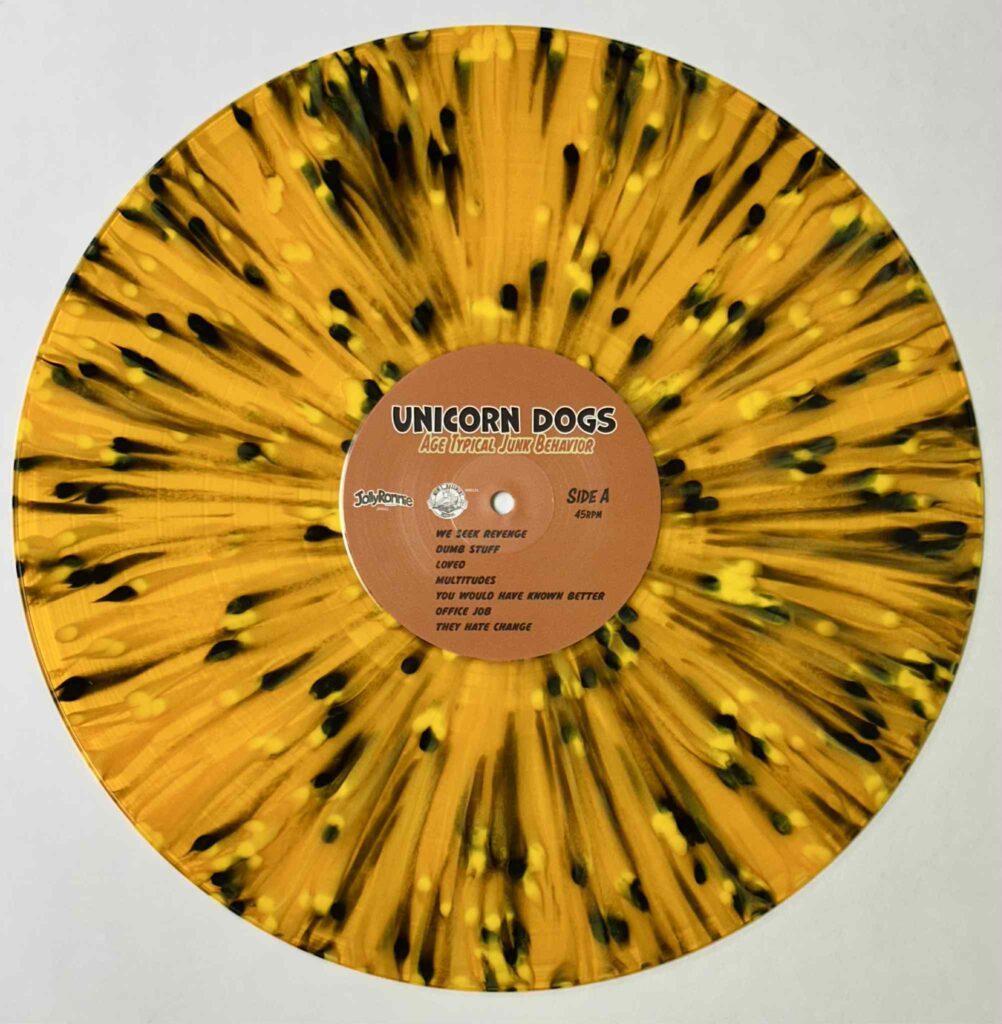
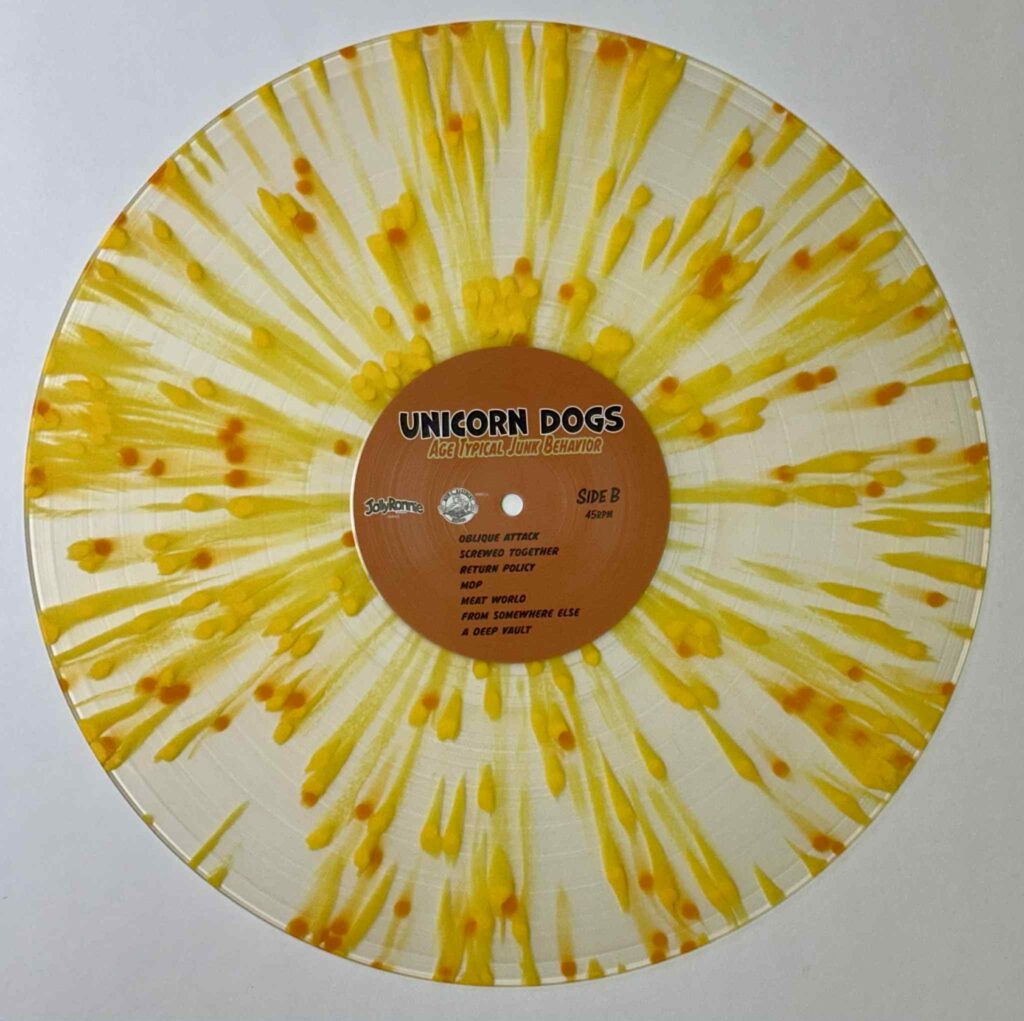
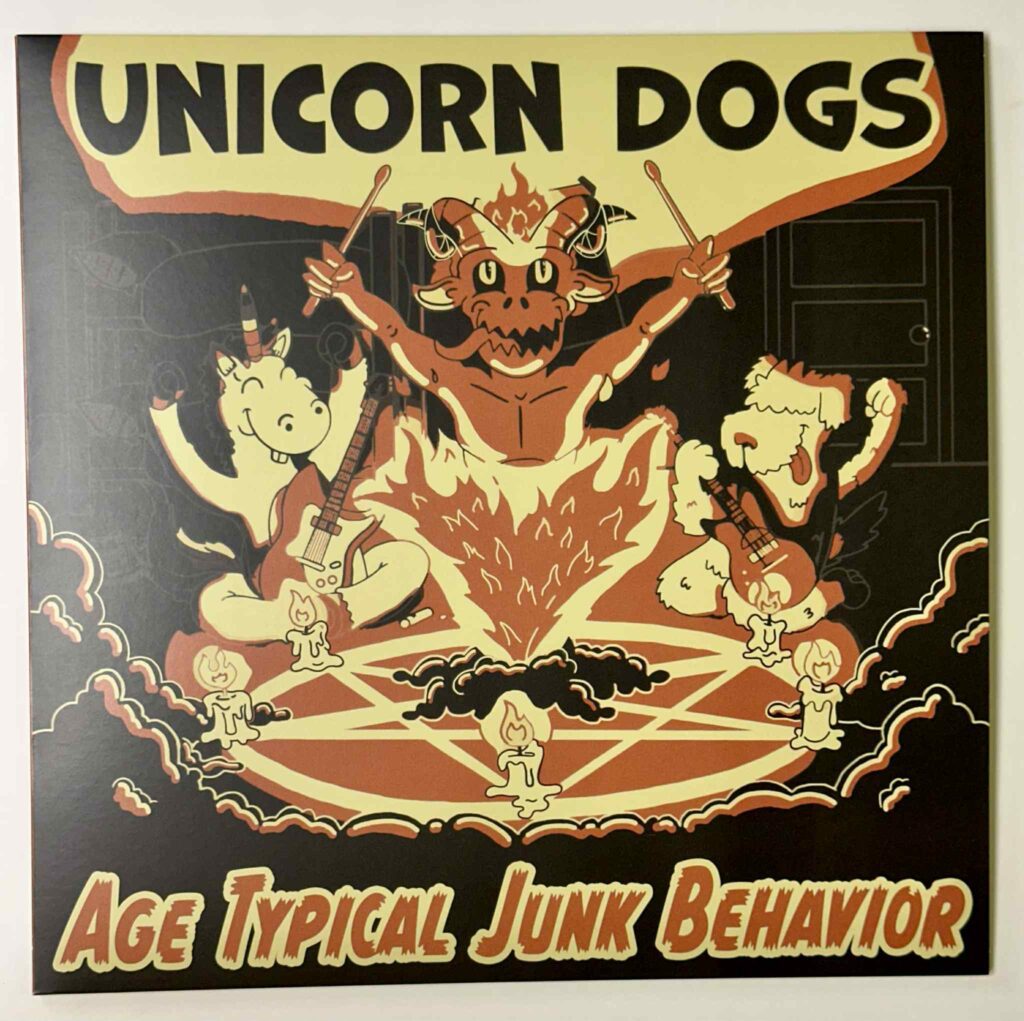
Also available next Friday from Mom’s Basement and Jolly Ronnie Records – Baltimore punks Unicorn Dogs’ new album Age Typical Junk Behavior! This is another one that was released last year and is just now making its way to vinyl, and it, too, will be available on some beautiful color variants – limited to 100 copies each. Speaking of variants, you can feast your eyes upon all of them right down there 👇

Post a Comment

Your email address will not be published. Required fields are marked *

DS Gallery: Pierce the Veil embarks on their largest headlining tour yet with support from Sleeping With Sirens (Chicago, 6/7/25)

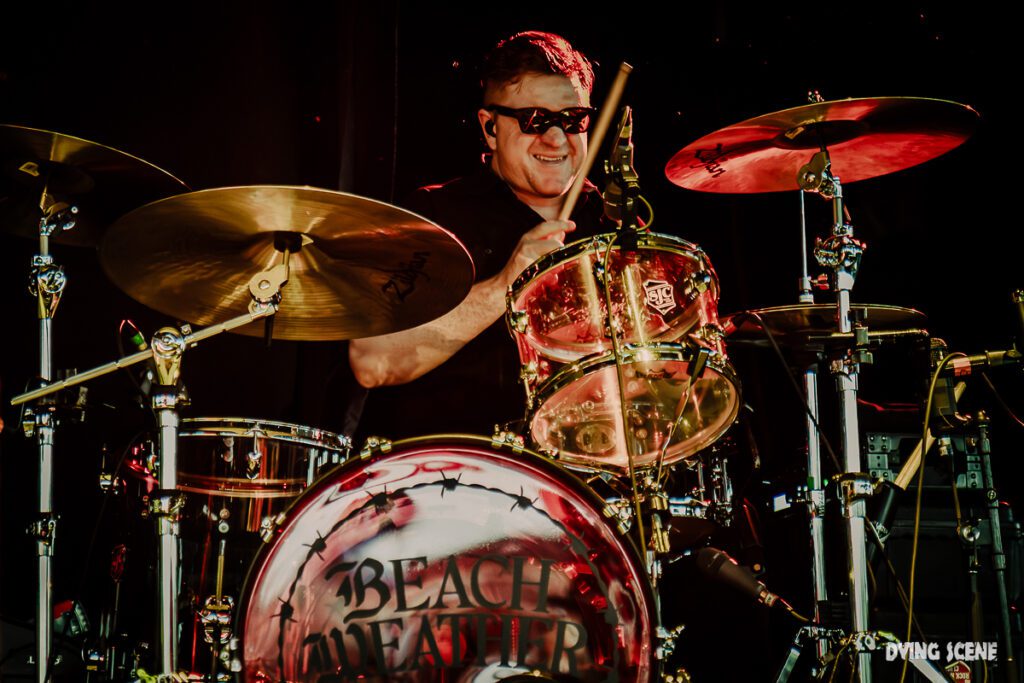
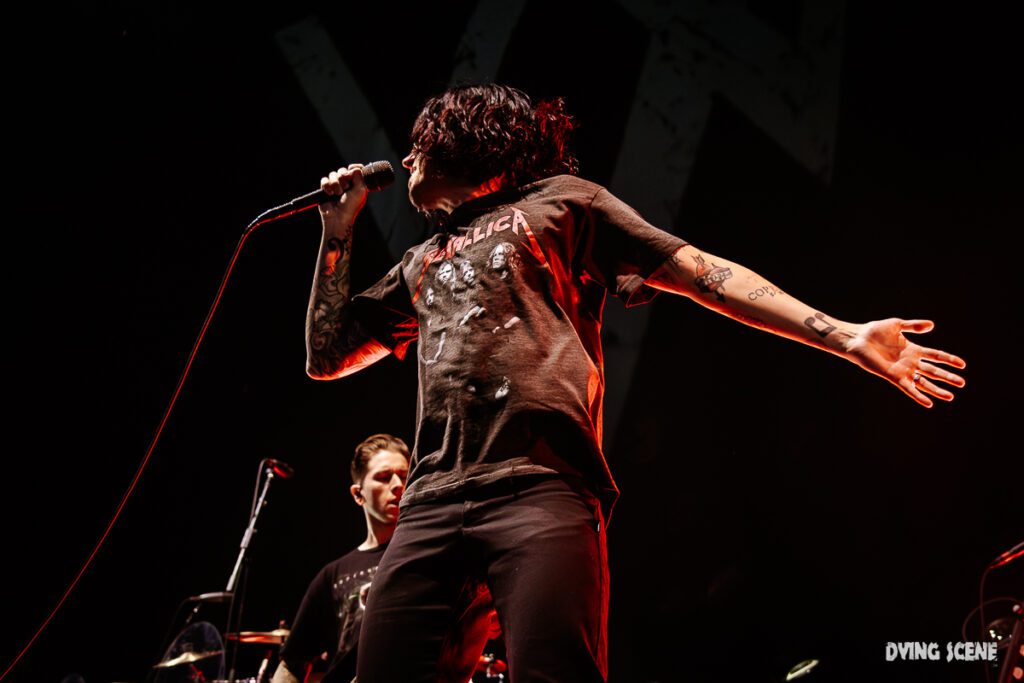
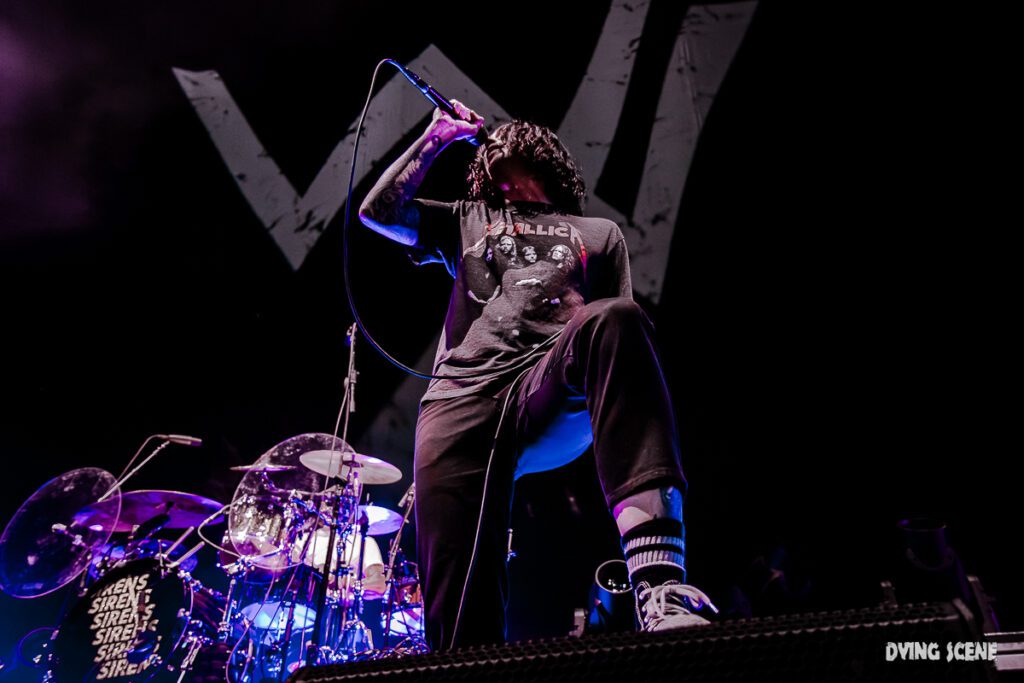
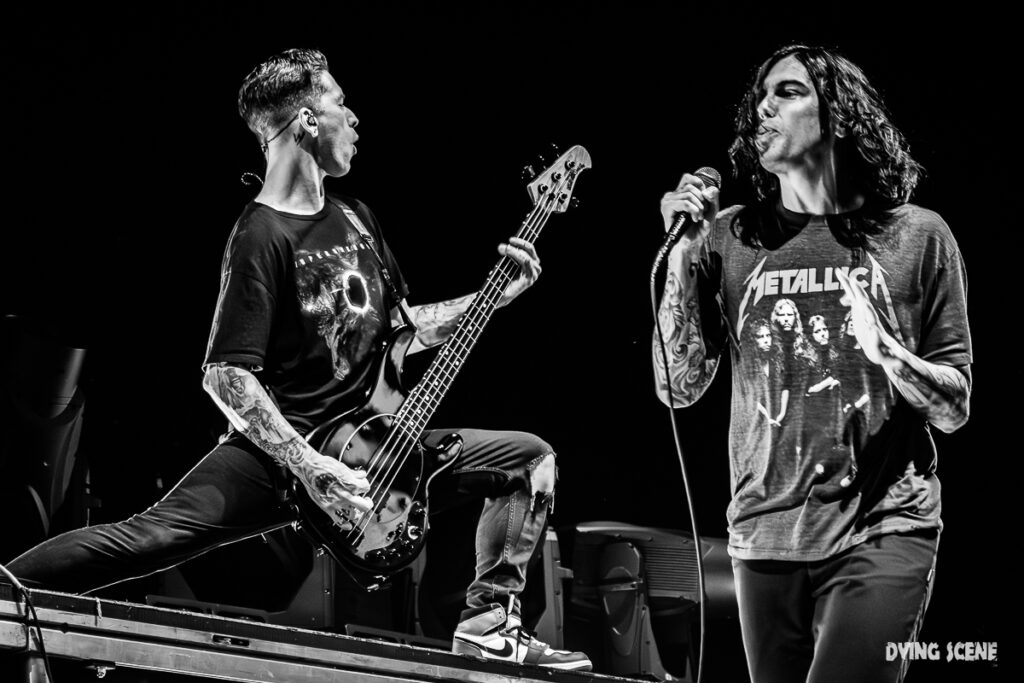
History was made for Pierce the Veil in Chicago as they played their largest headlining show ever – a sold-out amphitheater of 26,000 people. The post-hardcore band from San Diego, California was joined with Sleeping With Sirens and Beach Weather at the Credit Union 1 Amphitheatre on June 7th as part of their I Can’t […]

History was made for Pierce the Veil in Chicago as they played their largest headlining show ever – a sold-out amphitheater of 26,000 people.

The post-hardcore band from San Diego, California was joined with Sleeping With Sirens and Beach Weather at the Credit Union 1 Amphitheatre on June 7th as part of their I Can’t Hear You World Tour. Baby and elder emos alike flocked to the Tinley Park venue, keeping the resurgence of emo music alive and well.


Indie rockers Beach Weather opened the evening, best known for their hit song “Sex, Drugs, Etc.” Sleeping With Sirens hit the stage next to a now packed amphitheater with more fans still trickling in. 


Sleeping With Sirens has long cemented their place as a gold standard in the world of screamo and metalcore, making them the perfect fit to tour with Pierce the Veil (and it wouldn’t be their first time). Frontman Kellin Quinn’s vocals are unmatched, reaching high pitches that are powerfully emotional.  


Pierce the Veil truly has had a phenomenally dedicated fan base since the release of their breakthrough album, Collide with the Sky, in 2012. If you’ve ever been to Warped Tour, there’s a good chance you have seen Pierce the Veil play. Only this time they aren’t playing in the parking lot; they’re selling out the entire amphitheater.


After a long hiatus the band released their fifth studio album The Jaws of Life on February 10th, 2023. The I Can’t Hear You World Tour supports all of their studio albums, featuring songs from each one.

Whether you are an old fan from their Warped Tour days, or a new one just discovering their music, this tour is not one to miss; they are back and better than ever.


Check out the full galleries below!


Post a Comment

Your email address will not be published. Required fields are marked *