The Twin Cities are an underrated hotbed of live music, featuring several world-class venues that host both music stars and a thriving local scene. That said, there is one venue that stands above all others as the titan of Minnesota music culture: First Ave. 701 First Avenue has hosted Minnesota legends like The Replacements, Soul […]
The Twin Cities are an underrated hotbed of live music, featuring several world-class venues that host both music stars and a thriving local scene. That said, there is one venue that stands above all others as the titan of Minnesota music culture: First Ave.
701 First Avenue has hosted Minnesota legends like The Replacements, Soul Asylum, and Husker Du, and, most notably, was the recording place for Prince’s Purple Rain live music scene.
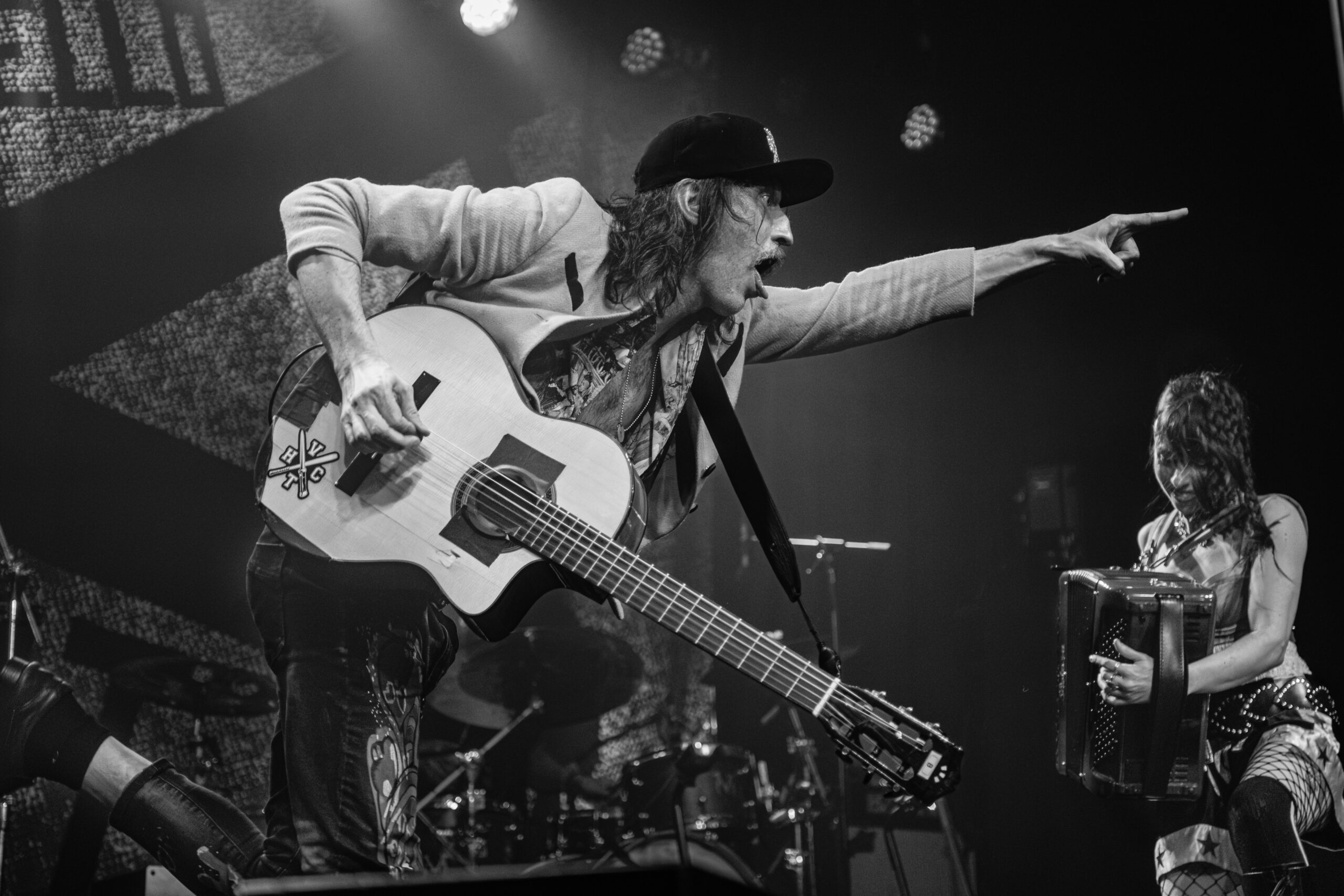
On Wednesday, February 25th, the hallowed First Ave played host to one of the premier live acts in punk rock, Gogol Bordello. The band is coming off the release of their new record, We Mean it Man! and is still bringing the raucous and chaotic live energy that put them on the map in the 2000s.
Boris and the Joy
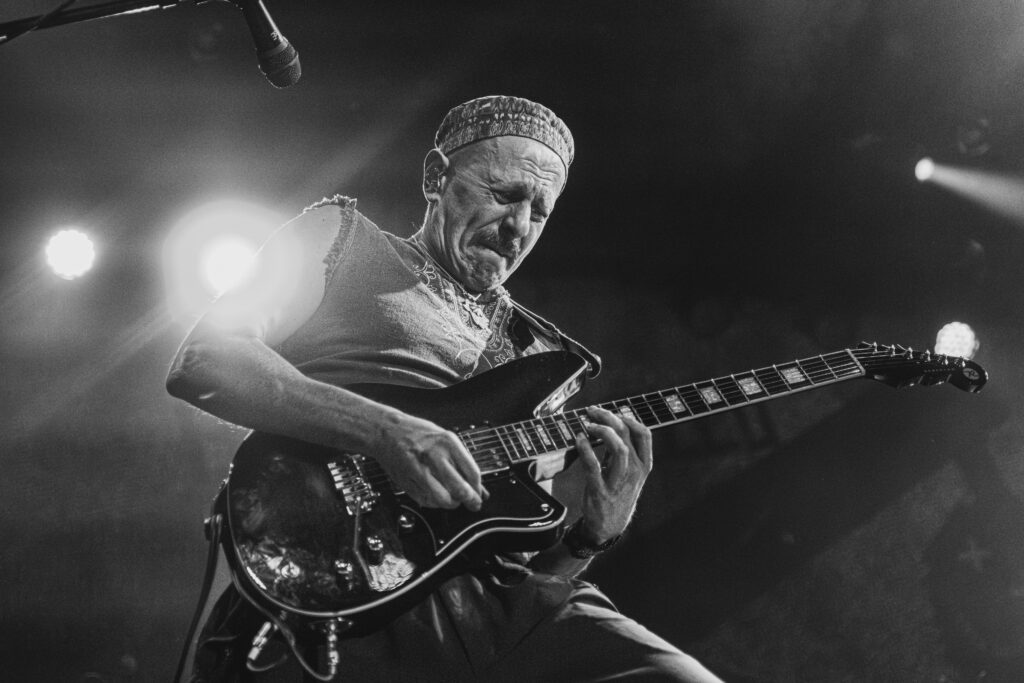
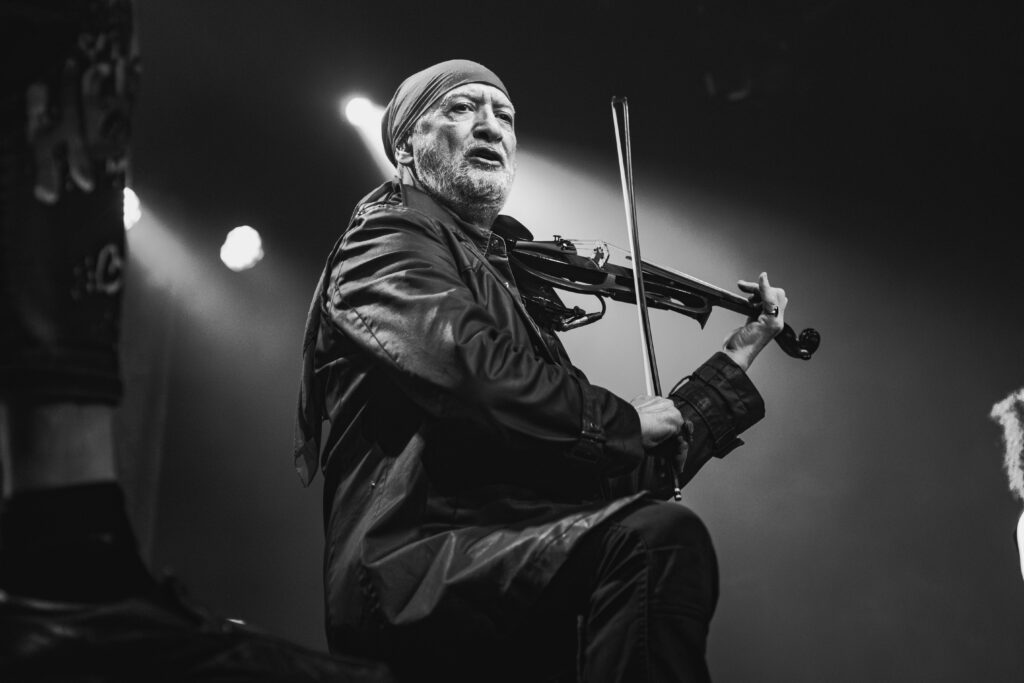
While Gogol Bordello was the main event, the bill was filled out by two stellar acts, starting with Boris and the Joy. The band is a solo project by former Gogol Bordello guitarist Boris Pelekh, a songwriter from Nashville with Russian and Ukrainian Roots.
Boris and the Joy carry over the world-culture influence that made Pelekh such a good fit with Gogol Bordello. The material is electro indie-rock/pop, tinged with folk elements, which was popular with the crowd. Pelekh also spent time during the set addressing recent events in Minneapolis, preaching unity and loving your community. The message, mixed with Pelekh’s positive, unifying music, was a perfect opener for a night of bands defined by their wide-reaching (sonic and geographic) influences.
Puzzled Panther
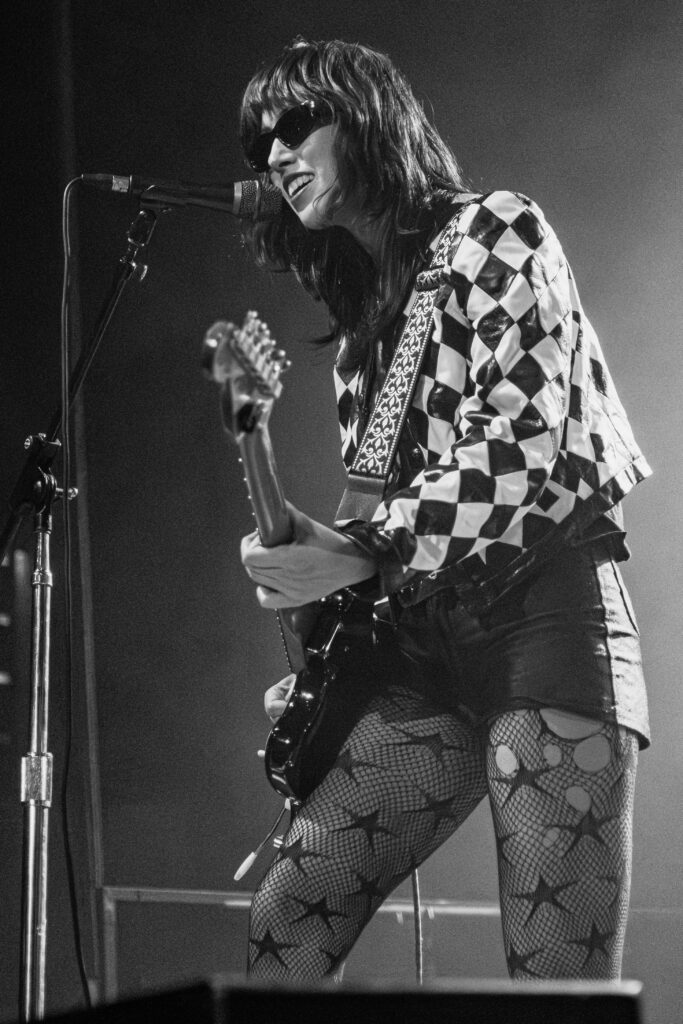
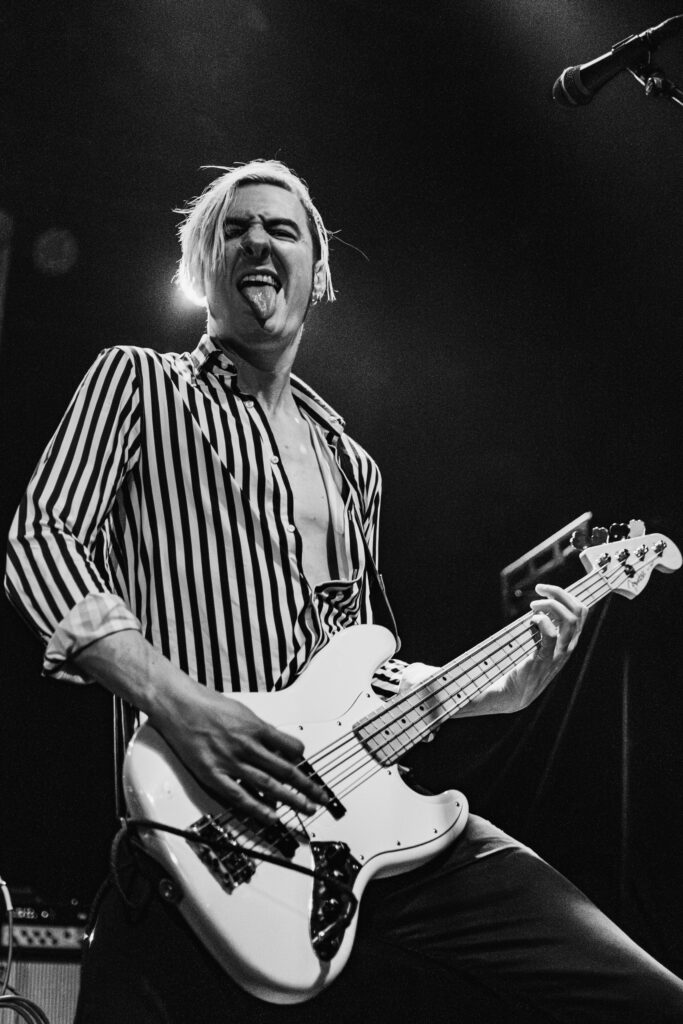
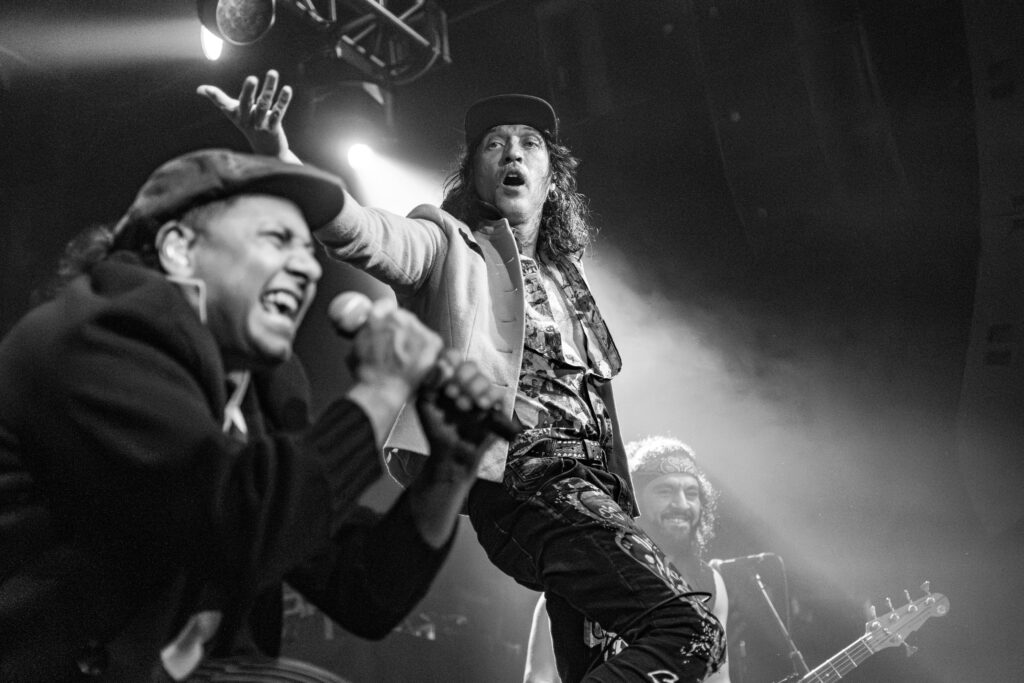
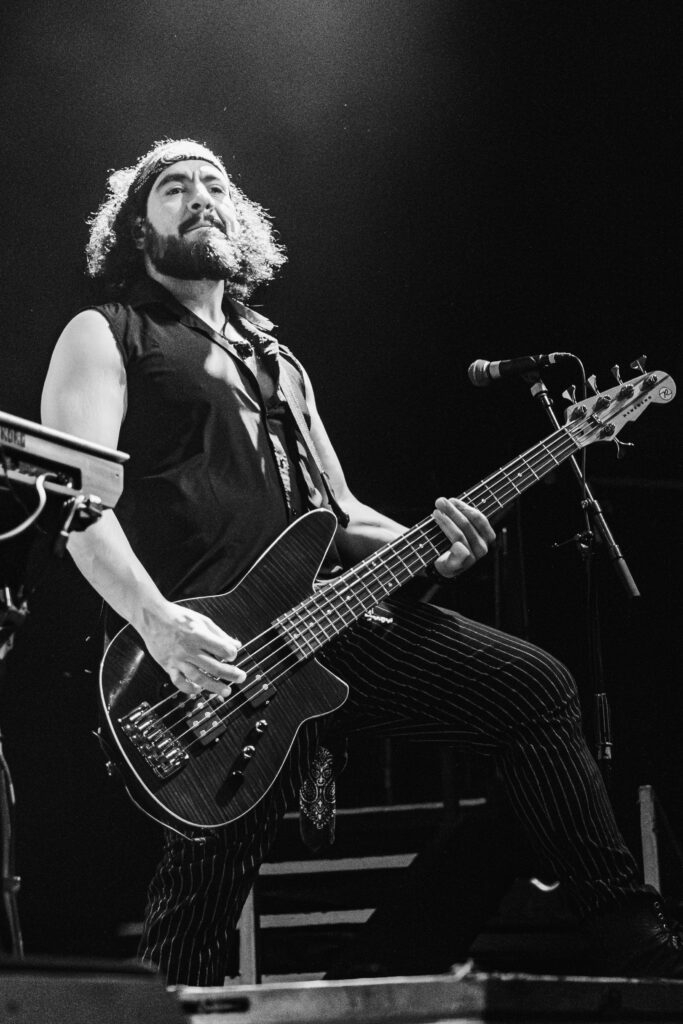
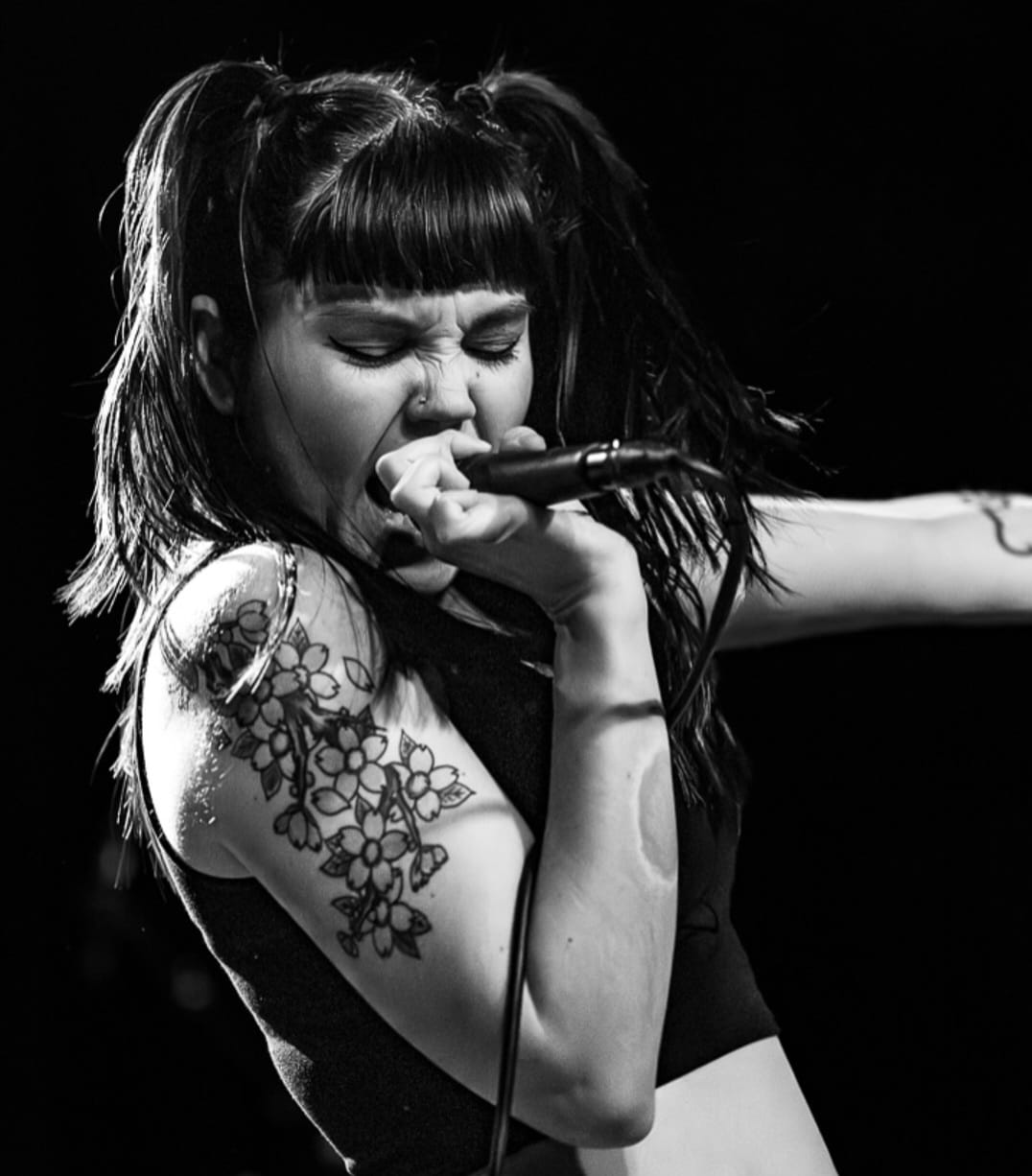
Puzzled Panther took the stage next, continuing the night with their own brand of versatile music. For anyone who has never heard of Puzzled Panther, it is difficult to pin down exactly how you’d describe their genre. They blend influences from dance, Eastern Europe, dub, and post-punk. The band features a blend of talented musicians, both new and well-known to fans of the genre. Puzzled Panther is led by Victoria Espinoza (vocals) and Kay Bontempo (guitar), along with music industry veterans Eugene Hütz of Gogol Bordello, Brian Chase, formerly of Yeah Yeah Yeahs, on drums, and bassist Alex Ryaboy.
The band has been touring consistently since emerging in 2023, with their self-titled debut EP released shortly after in 2024. They often open for Gogol Bordello, given their connection to Hütz, who has also served as the band’s producer thus far. While they’ve always been a high-energy electric live band, they are consistently improving. As someone who was seeing them for the third time at this show, I can say I’ve enjoyed them more with each gig. They’ve turned into a band I would pay for a ticket to see headline a venue on their own.
Puzzled Panther ripped through their 45-minute set, playing a mix of originals, with Eugene Hütz joining the band on stage for the latter half of the show.
One of the highlights of the show came with the band’s final number, a cover of Sonic Youth’s Dirty Boots. Puzzled Panther carries the cover well, given their clear influence from the noisy, artsy New York Post Punk scene. The set was entertaining from front to back and left me wanting more. The band is certainly one to watch going forward.
Gogol Bordello
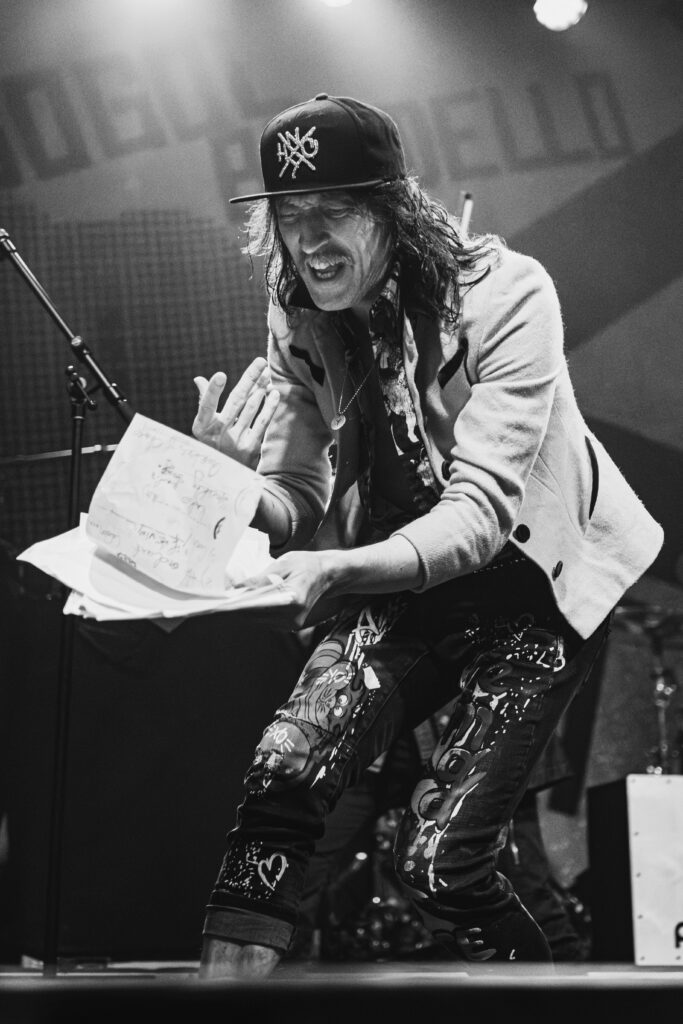
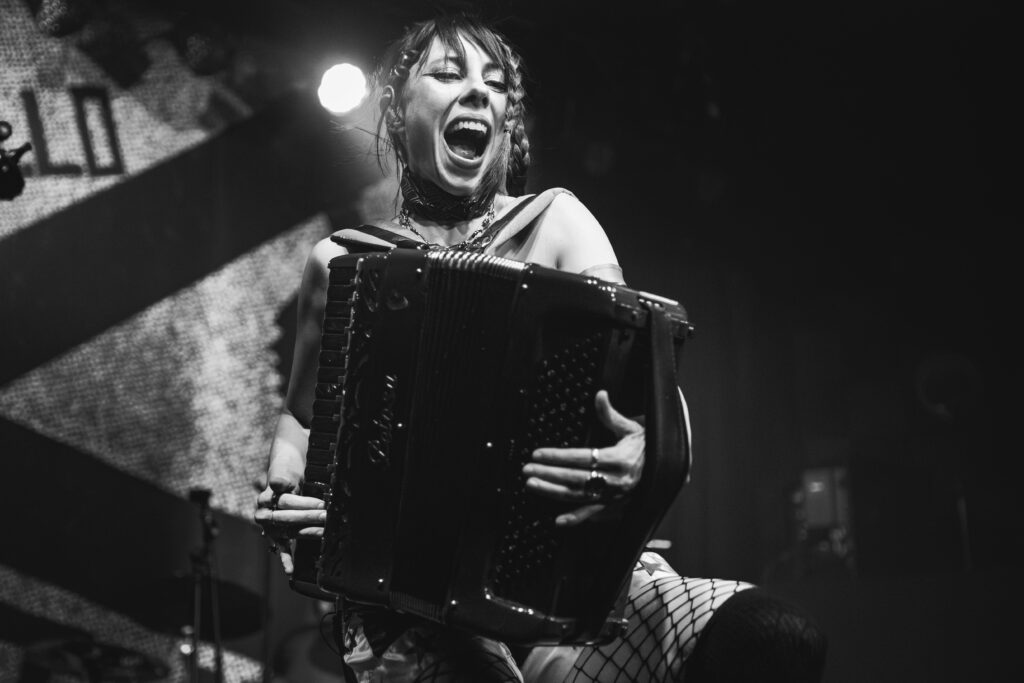
Gogol Bordello burst onto the scene in the early 2000s, playing their brand of punk, folk, Latin, dub, and Eastern European fusion music, informed by their members’ diverse backgrounds and heritage. The band called their almost entirely new sound which heavily featured the fiddle, accordion and traditional percussion mixed with hardcore structures “gypsy punk”. While the band has released several celebrated albums, it has always been incredibly notable for its live performances. The raucous, unifying energy of Gogol Bordello has taken frontman Eugene Hütz and co. all around the world and onto the stages of the biggest alternative music festivals. I’m happy to report that magic is still very much there.
Gogol Bordello began their set with a cut from their new album titled “Ignition” before erupting into a string of crowd-pleasing favorites. Floor-shaking renditions of Gogol Bordello classics like “Wonderlust King”, “Not A Crime,” and “My Companjera” reminded the audience of how deep the band’s catalog is, as they can rip through songs from their most-celebrated works while still having plenty left in the chamber. After running through the hits, Gogol Bordello invited Puzzled Panther back to the stage to perform two songs, one of which was Puzzled Panther’s song “From Boyarka to Boyaca”.
Members of the openers joining Gogol Bordello on stage provided a perfect opportunity to reflect on the band’s ethos. Gogol Bordello is a multicultural collective that celebrates the patchwork quilt of global traditions and cultures, and the community that forms from our commonalities and differences.
This was particularly powerful, given the timing of the concert, which came as Minneapolis is currently dealing with the occupation of federal agents. That moment wasn’t lost on the band, who spoke on the importance of supporting your neighbors and celebrating that Gogol Bordello is inherently a band of immigrants.
From there, Gogol Bordello continued a set that featured fan favorites and several cuts from their new record, We Mean It, Man! For a band with as much material as Gogol Bordello, it’s natural to worry that their new music will be overshadowed by older material that fans have had many years to fall in love with. One of the standout aspects of this show was how seamlessly We Mean It, Man! material fit into the set. The album features more electronic and dub influences than the band has shown in some time, but it’s dripping with high-octane energy that had the crowd just as into the band’s new material. If you haven’t heard any of the new record, check out the self-titled track.
Gogol Bordello’s set ended with three crowd favorites: “Mishto!”, their iconic “Start Wearing Purple,” and the rocking “Pala Tute.” That trio ended their regular set before the band returned to the stage for an encore.
The most notable moment of the encore was a rendition of the band’s triumphant closer, “Undestructable”. Gogol Bordello often ends their show with that cut, but this time was different, with a cover of The Stooges’ “TV Eye” mixed in. Shannon Selberg of the legendary noise punk band The Cows also joined the band on stage for the final song of the night.
If there was anything to take from the show, it’s that Gogol Bordello is still one of the best of the business at putting on an electric live act. It’s a wonder how the band is able to keep up the level of energy they do on stage. The songs are strong, the music is unique and the band’s ethos is infectious. Catch them on this tour while you still can.
Check out some additional photos from the show below.
Welcome to Four Records! Each episode, we feature one guest as they go over four records at four different times in their life. This week, Forrest and Karina speak with Tahlena Chikami, vocalist and guitarist of Bite Me Bambi. Bite Me Bambi has some shows coming up. Catch them on the road: 4/9 – August […]
Welcome to Four Records! Each episode, we feature one guest as they go over four records at four different times in their life. This week, Forrest and Karina speak with Tahlena Chikami, vocalist and guitarist of Bite Me Bambi. Bite Me Bambi has some shows coming up. Catch them on the road:
4/9 – August Hall – San Francisco, CA w/ Fishbone
4/11 – The Crocodile – Seattle, WA w/ Fishbone
4/12 – Mississippi Studios – Portland, OR w/ Fishbone
4/14 – The Urban Lounge – Salt Lake City, UT w/ Fishbone
4/15 – Bluebird Theater – Denver, CO w/ Fishbone
4/17 – The Observatory – Santa Ana, CA w/ Ballyhoo
Tahlena Chikami’s Four Records:
0-10: Manhattan Transfer – Extensions
Teenage: Amy Winehouse – Back to Black
Twenties: Various Artists – Dance Craze: The Best of British Ska… Live
If there’s one thing that I’ve discovered over my years as a music critic, it’s that every festival has its own personality. Some festivals are painfully cool, some feel like networking events with guitar riffs on either side, and some are so big and overwhelming that you spend half a day walking between stages, wondering […]
If there’s one thing that I’ve discovered over my years as a music critic, it’s that every festival has its own personality.
Some festivals are painfully cool, some feel like networking events with guitar riffs on either side, and some are so big and overwhelming that you spend half a day walking between stages, wondering why you aren’t being paid for this extreme amount of cardio.
But Slam Dunk isn’t any of those. Slam Dunk is one of the few where its personality shines through as clearly as the sun on a hot spring day. You feel it from the moment you walk onto the grounds: the smell of fried food drifting from food trucks, far-off shouts of reunion, and explosions of laughter floating over from groups sprawled on worn-out picnic blankets. The festival fields are dotted with old vans and foldout chairs, people circling maps and swapping sunscreen, sneakers already dusted white from trampled grass. Slam Dunk is a family gathering in Vans, and as we get older, we lean towards the more… comfortable Vans.
It’s the kind of festival where you see someone you haven’t seen since the last Slam Dunk chugging beer while crowd surfing at 12 pm, someone else you met three Slam Dunks ago crying to the anniversary of an album that meant everything to them in their teens and still has that hold over them, and a group of 30-somethings debating which band actually defined their teens and twenties as if it were a historical conversation at Cambridge.
Honestly, that’s why I love Slam Dunk. It feels like home, probably helps that the group I’m with has managed to become my home away from home.
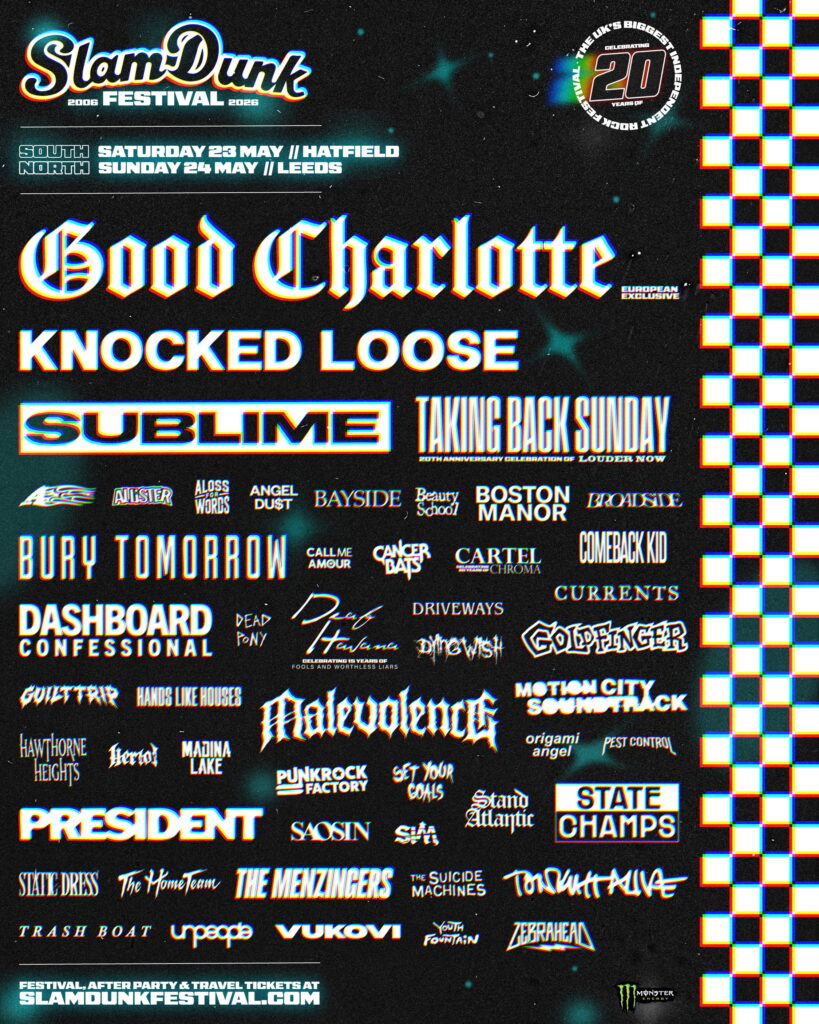
This year marks twenty years of Slam Dunk, which feels somewhat surreal for a festival that still runs on the same energy it did when it started in Leeds in 2006. The scale has grown (Hatfield is huge compared to the early days), but the spirit is still very much the same: guitars, nostalgia, and crowds who treat sing-alongs like a competitive sport. Slam Dunk’s twentieth anniversary feels especially significant at a time when the entire pop-punk scene is having a resurgence. Across the UK and the US, old-school emo and pop-punk festivals like When We Were Young and Emo Nite are selling out fast and drawing huge crowds back to bands from the 2000s. Among these now-legendary lineups, Slam Dunk is recognized as one of the few UK festivals that never lost its identity and has actually grown stronger with every burst of nostalgia. What started in a Leeds club two decades ago is now part of something much bigger, with Slam Dunk still right at the heart of it.
So, when Slam Dunk rolls around every year, there are a few things I know I’m always going to look forward to.
THE EARLY ARRIVALS AND THE COMMITTED FEW
Slam Dunk never really begins gently. The gates open, people are still orienting themselves, and before you’ve even figured out which direction the stages are in, guitars are already cutting through the early air.
Bands like Trash Boat, who are confirmed to be playing an anniversary show for Nothing I Write You Can Change What You’ve Been Through, are on my short list of possible openers for this year’s Slam Dunk, along with Youth Fountain. (As of now, set times haven’t been released, so this is my best guess based on past years and the announcements so far.) And as one of those that DGAF about sleep or time in general, if Trash Boat does happen to open the day, you can put money on me being there, coffee in hand, lyrics memorized, and singing loudly. Your girl’s got to keep her singing voice for the next 12 hours.
Sunblock on, beverage in hand, stretched out — I turn 34 this year, let’s be real. But I’m there.
LOST SIGNAL AND SCENE HISTORIANS
By the time the first bands finish their sets, the field shifts fast: the queue at the food stalls triples in minutes, the cluster at the main merch tent spills out towards the fence, and the queues for the signing tents are longer than the ones for the toilets. Suddenly, you find yourself spotting more band shirts in the crowd. You start bumping into people you only ever seem to see at Slam Dunk, either lingering at the toilet queues or gathering in the bar.
Cartel performing Chroma in full is one of those moments that I’m predicting now will unlock something in the audience. Chroma carries a beautiful kind of nostalgia, and I’m excited to see how they’ll fit into the release schedule when it’s released.
Origami Angel is also performing at Slam Dunk (fucking pinch me), and this might be one of the sets I am most excited about. Their 2024 album, Feeling Not Found, is all killer, and the same goes for their earlier releases, too. I’m really curious to see which songs they’ll choose for their set.
LET’S GO
Sometimes I wonder if, by trying to catch every moment and skip between every stage, I’m pushing myself too thin to actually feel anything deeply. Is there a point where you stop being present in the pleasure and just become a spectator in your own nostalgia? Maybe. But maybe that’s what makes it fun—the uncertainty, the constant chase to soak it all in.
At some point in the afternoon, the entire mood of Slam Dunk always changes. You can feel it coming before it even happens, the crowd shifts a little closer to the stage. Conversations fade out. Someone somewhere tests the pit’s boundaries to see if it will open.
Then the heavier guitars arrive.
And here’s where Dying Wish will fit in. Now, I have never witnessed them live, but I have people in my life who have, and they have said amazing things about their live performances. So I might try to check out a few songs to get a feel for them.
Perhaps not long after, Dashboard Confessional will almost certainly turn the entire field into a giant sing-along.
Chris Carrabba has that rare ability to make thousands of people feel like they’re sharing something personal. His songs don’t need massive spectacle. They need a crowd that remembers the words. And judging by how many people my age still has Dashboard lyrics permanently embedded in their brains, that part won’t be an issue.
After a quick lunch break, that’s when Slam Dunk really thrives. The crowd is thicker, the queues are longer, and the sun usually sits a little higher overhead while every stage seems to be running at full volume.
At some point, Boston Manor will be celebrating the tenth anniversary of their album Be Nothing. And the last time I saw Boston Manor at Slam Dunk, in ’23, they played late afternoon — around 4 pm. So, I’m sticking with a late-afternoon slot for them again.
Is Angel Du$t a late-afternoon band? Are they an evening band? I wouldn’t know — but I will after Slam Dunk and report back. The reason I’m fixated on their time slot is that timing really shapes the crowd vibe. Put them on just before sunset, and you might get a warm melodic sing-along; put them on later, and the energy could tip the crowd toward full pit chaos. Their music sits somewhere between hardcore energy and melody, which means the audience rarely agrees on one behavior. There’ll be people flying across the pit, and people at the back — likely me — just nodding along.
Now it’s time to fuck around and find out exactly what that band can do.
SOMEWHERE BETWEEN WANDERING AND DISCOVERING
While I do show up with a plan — because your girl needs things in her boxes or I feel completely lost — there are always a few hours where nothing is set in stone.
That’s when I wander. Sometimes friends are like, “let’s go see this band you’ve never heard of,” and I’m like… haha, okay. And it usually works out. Sometimes those accidental detours turn out to be the best part of the day.
If you want a tip from someone who’s learned to love being a little lost, try purposely blocking off an hour with nothing scheduled. Just drift. Follow the loudest cheer. Check out a band name you don’t recognize. Every year, those off-the-cuff moments give me my best memories — and usually introduce me to a new favorite band or a ridiculous story to tell later.
That’s where bands like Deaf Havana, Stand Atlantic, and Guilt Trip might sneak up on me.
Deaf Havana, I’ve never seen. But I like their music enough that I’ll probably wander over for a few songs and see how their set lands.
Stand Atlantic, on the other hand, I’ve seen once before — in Hamburg in 2024 with Honey Revenge and Slowly Slowly supporting — and that show was ridiculously fun. If they bring even half that restless pop-punk energy to Slam Dunk, the crowd will slowly creep closer to the stage without even realising it.
I’ve seen them twice already — first supporting LANDMVRKS at Pumpehuset in 2024, and then two weeks later when they made their Slam Dunk debut that same year. Both times, the feeling was intense in the best possible way. Their kind of hardcore wakes a crowd up instantly. One minute, people are watching politely; the next, the pit opens and the entire field shifts gears.
I fucking love that band, so that one is a must.
THE SETS I’M ALREADY EXPLORING
When the sun starts to dip, the energy in the crowd gets heavier — in a good way.
Saosin: post-hardcore pioneers turned cult heroes. Yes, I’m calling them a legacy act. I said what I said. Their influence runs deep, and seeing them on this lineup feels like one of those moments when the scene’s past and present collide.
If you’re into it, The Home Team could be the band that keeps people moving as the sun lowers. With their catchy songs, they feel like a perfect “keep the party going” act.
PUNK SONGS FOR PEOPLE WHO MADE IT OUT OF THEIR TWENTIES
My one wish — well, one of the three I normally have for Slam Dunk — is that The Menzingers get a late slot.
I love The Menzingers. They obviously love me too — it’s a very mutual relationship. But I need to see them live as the sun goes down.
I saw them in 2023, and something about that set rewired my brain slightly. Their songs land differently once you’ve made it out of your twenties and realized life is messier than you expected.
My next wish is that Motion City Soundtrack doesn’t clash with them.
Because that would stress me the fuck out.
I’ve loved Motion City Soundtrack for twenty years. A school friend once came over with a mixtape that included “Perfect Teeth,” and from that moment on, the band quietly stayed in my life.
Not dramatically. Just in that subtle way, certain songs refuse to leave.
So yes — please do not make me choose between those two sets. I am emotionally unequipped for that decision.
WHEN NOSTALGIA GETS LOUD
Once the evening settles in, Slam Dunk leans fully into its nostalgic heart.
I personally refuse to believe that album is twenty years old. That feels like a personal attack on my sense of time. But Taking Back Sunday have always understood something important about festivals like this: subtlety is unnecessary.
LET’S OPEN THE FUCKING PIT
Of course, Slam Dunk wouldn’t be Slam Dunk without the heavier side reminding everyone that this scene still knows how to throw down.
I saw Knocked Loose at Roskilde Festival in 2025 and remember thinking, very clearly, that maybe my dentist shouldn’t have removed my plastic braces after my infamous 2024 Slam Dunk fall. Because if Knocked Loose shows up the way they usually do, things are going to get wild.
THE POP-PUNK COUSINS RETURN
If Slam Dunk is a family gathering, then Good Charlotte are the cousins who show up every few years and immediately take over the party.
They famously headlined in 2018, and their return for the twentieth anniversary feels like the right kind of full circle.
The Young and the Hopeless was one of those records that followed people everywhere. Burned CDs, battered iPods, playlists guarded like personal manifestos.
Standing in a Slam Dunk crowd, I already know how this plays out.
The opening chords hit. Someone shouts the lyrics too early. Then suddenly, the entire field remembers every word.
For three minutes, nobody pretends they’ve outgrown the music that raised them.
Honestly, that’s the part of Slam Dunk that keeps pulling me back every year.
Not just the bands or the anniversaries. It’s the strange little ecosystem the festival has built over twenty years — where people grow up, get older, buy slightly better shoes… and still show up ready to scream along like they’re sixteen again.
By the time the last guitars fade out across Hatfield, my voice will be gone, my phone battery will be hanging on for dear life, and I’ll already be replaying half the sets in my head.
And knowing Slam Dunk, I’ll probably run into someone I haven’t seen since the last one.
We’ll hug, laugh, complain about our knees, and start arguing about which band actually stole the weekend.
In a time where cookie cutter pop and overproduced trash holds sway, filling car speakers and headphones with meaningless drivel and self important arrogance masquerading as art, truly unique voices have become a rarity. Thankfully, for those willing to scratch the surface and thrust their hands into the musical soil below, there are still […]
In a time where cookie cutter pop and overproduced trash holds sway, filling car speakers and headphones with meaningless drivel and self important arrogance masquerading as art, truly unique voices have become a rarity. Thankfully, for those willing to scratch the surface and thrust their hands into the musical soil below, there are still brilliant treasures to be discovered. A few years ago I was lucky enough to stumble on a bit of such musical gold in a double wide trailer turned honky tonk bar in Nashville. Under the dim lights in the back of the room, three unassuming young men from Brooklyn stumbled forward out of the darkness and transported the audience to a time when music was wild and art was dangerous. Shop Talk may be one of rock n roll’s best kept secrets, but with their debut eponymous full length finally surfacing, the secret is out and it’s glorious.
Shop Talk have spent years honing their craft on the road, the result of which is a carefully curated record that feels both fresh and lived in at the same time. With minimal overdubs, the record feels alive in a way that modern records rarely are. The lyrics are dark and mysterious, evoking the spirit of the west coast hardcore of the late 70’s and sung in a pleasantly sneering melodic manner that wouldn’t be out of place on an early Buzzcocks album. Musically, the band wields its tunes like a blunt instrument. They don’t ease you in or reassure you with saccharine platitudes. This music is bold and captivating, like a sonic midnight movie. It draws you in with beautifully vibrant darkness and leaves your head spinning, ready to dive back in to the chaos to discover the meaning in the madness.
Recorded in the throws of collective fever, the record kicks off with the distorted buzzsaw attack of live staple “ Ramona”. Singer Jon Garcia spits and snarls his lyrical violence through clenched jaws, wailing with a charismatic vibrato that carries throughout the record. Tristan Griffin’s deep punching bass and Alexander Pirelli’s manic drums rumble and give ample support to the reverb drenched guitars that swirl around the sonic space of brilliantly catchy tracks like previously released singles “Black Friar’ and “Mirage of Love”. The fuzzy hypnotic beat of “Saltillo” temporarily offers a brief reprieve, slowing the tempo but never letting up on the anxious and infectious energy that builds and writhes across the majority of the record, only to be thrust back into the manic chaos of tracks like “Camp Hero” and “Terra Damnata” . Each song stands strong while simultaneously blending seamlessly among the collection.
The production is lean and punchy, with little in the way of added frills which helps to give the album a raw and timeless feel, displaying the tracks in all their nakedly wild glory. It’s lean and muscular, with not a second of wasted space. If you crave the dark and seek something that will transport you to the violently artistic punk rock of days past, this record might just do the trick. I won’t do the album the disservice of trying to compare it directly to other classics. This music deserves to speak for itself, and you owe it to yourself to listen closely. Check it out and grab your copy over on Bandcamp.
As I was editing an interview a few weeks back, I was listening to Spotify. The subject of the interview had given me a playlist related to it: ten songs by some underheard bands in the Hawaii punk rock scene. When the ten songs were up, it pivoted to recommended music and started playing mostly […]
As I was editing an interview a few weeks back, I was listening to Spotify. The subject of the interview had given me a playlist related to it: ten songs by some underheard bands in the Hawaii punk rock scene. When the ten songs were up, it pivoted to recommended music and started playing mostly classic punk rock songs. I let it ride. As I got deeper into my editing and a playlist of songs I was very familiar with, I started to tune out until something didn’t sound right. The music was aggressive, as expected, but the lyrics carried a particular kind of hate. When I looked at my phone, I was shocked to see it was playing Skrewdriver.
For those who are unfamiliar, Skrewdriver is arguably the most recognized white power band from the late 1970s and 1980s, founded by Ian Stuart Donaldson. They were peers with other skinhead bands of the time, including Sham 69, but Jimmy Pursey and crew clearly went in a different direction than Donaldson. Skrewdriver went on to become a prominent White Power band and was instrumental in setting up a network of Neo-Nazi music promotion. Despite this, Skrewdriver is the only one of these bands that is remembered. Donaldson died in a car accident in 1993. The universe occasionally does the right thing.
I tried to report the account that had uploaded Skrewdriver to Spotify. Racist content is supposed to be against their policies on what’s acceptable or not, but the setup to report was confusing. Even when I did figure it out, there wasn’t a clear way to put in a specific dispute for the music that had been uploaded. Hearing Skrewdriver on a mainstream platform wasn’t an algorithmic mistake; it’s a reminder of how easily hate slips into spaces we thought were protected. It’s a reminder that the walls punk rock built aren’t as solid as we believed.
Punk rock is in a weird place. Well, it’s always been in a weird, strange place. That was part of what drew some of us to all of this in the first place. Whatever the reason was that you found and got into punk rock, you’d know there’s something rotten in the pit. With the current political climate, a lot of people are feeling emboldened now, conservatives, racists, and Nazis in particular. This trio of groups has done its best to co-opt punk rock in the past, and they don’t seem to be letting up. Growing up in punk rock, one thing that was an undeniable fact was that all of these people had no place in our scene. While that sentiment is true in spirit, lately it doesn’t feel that way in practice.
There are a decent number of people who are passively conservative or have had their morals influenced by conservative principles. While misclassified as a pivot, these ideals slowly creep in until they take root. It’s not something that gets talked about. I’ve lost more friends to conservatism than I have over the clichéd reasons sitcoms showed us growing up. This disconnect feels closer to that Friends meme of Phoebe trying to teach Joey something he can’t grasp more than I would care to admit.
While heavy metal’s right-wing slant has always made sense with its “Kill ’em all and let God sort ’em out,” attitude, punk’s descent into the conservative realm has nearly baffled me. What started as a counter-culture movement in response to the popular music of its time eventually morphed into a movement about the injustices of our government. This was the reason why punks were gatekeepers about this music, keeping it from jocks who were too soft for metal but could handle punk rock. Metal’s glorification of women, booze, and destruction got mixed with the message punk initially sought.
While I’m sure this isn’t the case for every fan of punk rock music who played sports or used a baseball bat for its intended purpose, it seems most likely to be the reason. Yet, there’s no doubt that even some of those art kids’ and rejects’ opinions evolved to conservatism, as well. While those are often due to other factors, if you were someone who put time into showing someone else punk rock only to have them completely miss the mark, it seems like time wasted.
What do you do when some of the people who seem to be missing the mark now, helped draw the line in the first place? There are plenty of members of bands who now support Republican ideals because it fits their narrative of what punk rock should be. It’s no secret that Johnny Ramone was one of the first, if not the first, openly public conservative punk. Just because you helped create the buzzsaw sound of barre guitar chords, doesn’t mean you honored punk’s best intentions over the years.
While there are a lot of smaller punk rock bands that actively speak out against what’s happening in the current administration, it seems like the more successful bands are keeping their heads down. In fact, the only bands with years of tenure under their belt who seem to be actively pushing back are Fishbone (whose latest record, Stockholm Syndrome, was one of the best protest albums in years), and Green Day, who we all know gets treated like shit because they are rich despite doing great things for the community and speaking out against the current administration. We’ve made Green Day the Guy Fieri of the punk rock scene.
Courtesy Fishbone YouTube
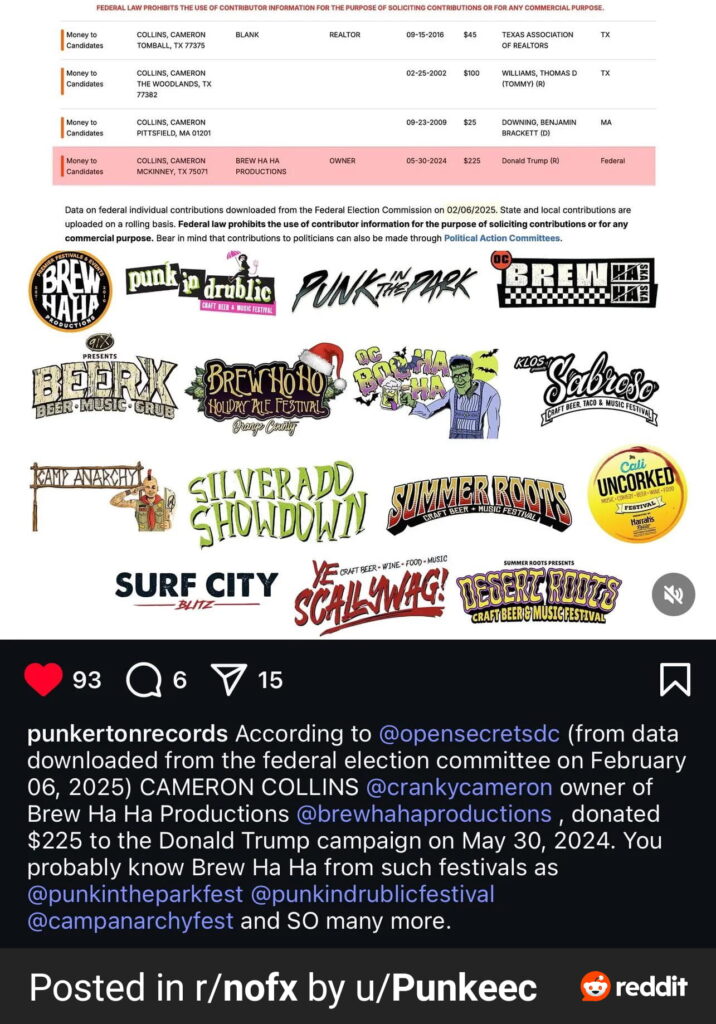
Now to the Brew HaHa of it all. A line has been drawn in the sand in the last couple of weeks in punk rock, but it goes back to a moment almost a year ago. Back in April of 2025, the Punkerton Records Facebook page had made a post calling out Brew HaHa owner Cameron Collins for donating $250 to Donald Trump during the 2024 election. Brew HaHa had been the company behind several punk rock festivals, first locally in California, but eventually expanding shows to twenty-four states, most notably for the Punk in Drublic shows with NOFX’s final run of shows. However, their bread and butter seemed to be their Punk in the Park Festivals.
Retrieved from Reddit
Collins’s $250 donation to Donald Trump is starting to cost him and the scene a lot more than its face value. The reveal of his donation ruffled plenty of feathers. Fans demanded refunds or stopped buying tickets altogether. When they started questioning their favorite bands about their continued participation, a good number shrugged or said the best way to take down the opposition is to say something to their face, opting to use their stage time as a form of protest. The most vocal about this was Ken Casey and the Dropkick Murphys, who vowed to honor their contract for the fans who had already purchased tickets but would not continue playing Brew HaHa’s shows.
Courtesy Dropkick Murphys YouTube
While there are atrocities on both sides of our two-party system, it’s hard to deny that one side is sliding further and further each day toward fascism. Spoiler alert: it’s the one that’s in power. This is what nearly fifty years of punk rock were preparing you for. Hell, this is what history class prepared you for, if you weren’t sleeping during it. If you are unable to see the parallels or heed the warnings, I don’t know what to tell you. It’s not to say Democrats don’t have their cracks, but it isn’t the open descent into fascism we’ve been dealing with for the past year.
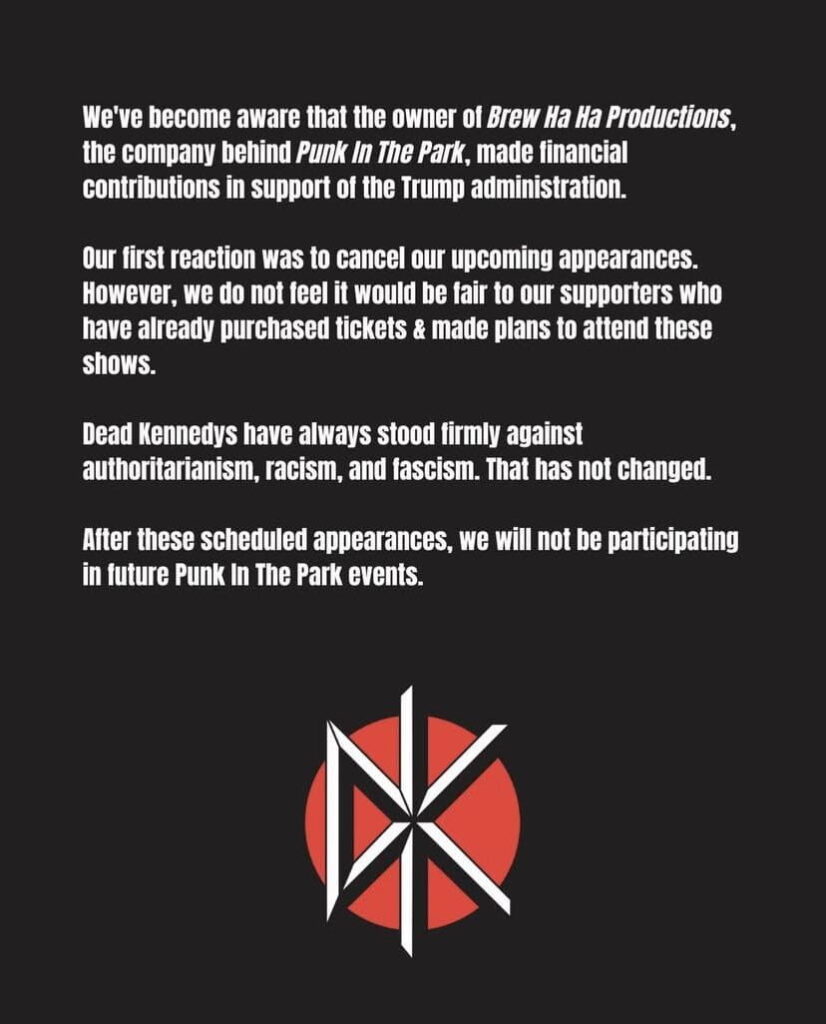
When Brew HaHa announced the Punk in the Park Roadshow, the lineup seemed scant and scaled down; not just the venues, but also the bands that had been announced for it. It seems most of the bands that had honored their contracts previously weren’t too keen on signing another. Three dates were announced in Vallejo, CA; Orlando, FL; and Pittsburgh, PA, featuring sets from the Dead Kennedys, The Adicts, Screeching Weasel, and others. The weird part about all of this is that Collins’s donation was very well known at this point, and some of these bands had even played other shows when the news came out last year.
As pressure mounted from fans, bands started dropping off. The first domino was Naked Aggression, then it was N8NOFACE, 8Kalacas, and Manic Hispanic, whose participation was confusing to begin with given everybody’s stances. Yet, when it came down to one band, the response was head-scratching to say the least. The Dead Kennedys, or at least the Frankensteined corpse that used to be them, said they would honor the shows they booked, but nothing more going forward. Something original singer Jello Biafra said wouldn’t be given a second thought if he were still in the mix with the band. It was clearly about the money, something that was easily sacrificed by the smaller bands that had already dropped out with much less stature or legacy. The Adicts took a little longer than expected to drop out, but at the end of the day, they did. Ben Weasel, without surprising anyone, announced he had not pulled out of the festival. However, with Punk in the Park’s lineup gutted, the festival dates were canceled.
retrieved from Reddit
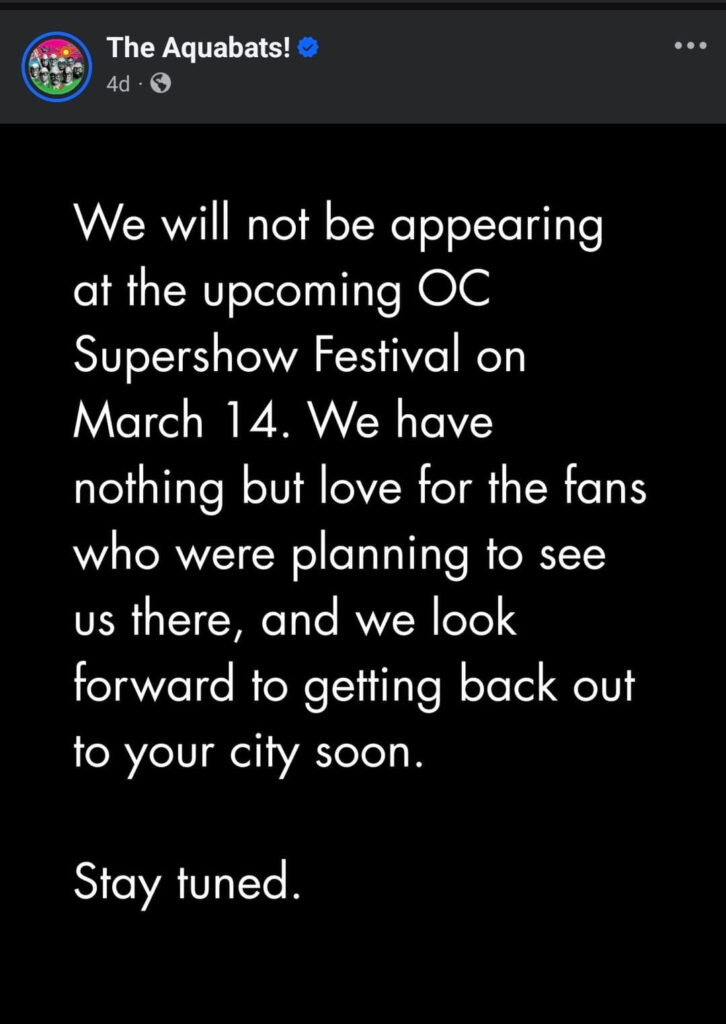
While it’s not the official end of Brew HaHa as a company, this has to leave a dent in its business. Locally, Brew HaHa has one show on the books: The OC Super Show in Irvine, but even that show is starting to run into the same issues. The show was to be headlined by Orange County hometown heroes, the Aquabats, but they recently announced they will not be playing the March 14th date. Remaining bands like Story of the Year, Fenix TX, and Lit, have opted to keep their spots. Lit guitarist Jeremy Popoff’s now-defunct Slidebar will be celebrating its twentieth anniversary with a pop-up set up at the venue. For those unfamiliar with the story behind its closing, do a Google search for Kelly Thomas’s beating and subsequent death outside of the shuttered club.
Courtest of The Aquabats Facebook page
One band that doubled down on their appearance at the OC Supershow was Save Ferris. The band released a now-deleted statement to their socials that was tone deaf to say the least. The post cites that the band has had no communication with Brew HaHa’s owner, Cameron Collins, and believes that he should have stepped down before the other shows were canceled. It feels like Save Ferris is opting for a wait-and-see approach; specifically waiting to see if their check will be cashed or not. Their statement goes on to say that everyone is welcome at Save Ferris shows despite a political stance they may not agree with, stressing that their shows create a space for unity. To quote Inigo Montoya, “You keep using that word. I do not think it means what you think it means.”
It’s been alluded to that Brew HaHa is also co-producing the Me Gusta Fest, celebrating the life and music of Brad Nowell and headlined by Sublime 3.0 and featuring bands like Pennywise and the Interrupters. With Sublime being a band that is ingrained in the punk and pop music lexicon, it will take a lot more work to cut the head off that beast. While Punk in the Park may have taken less work to topple, Me Gusta may take more than a village. If one thing is certain, the contracts here will be much more ironclad than Punk in the Park’s had been.
Still, it makes you think maybe that account that uploaded Skrewdriver was just ahead of the game. If punk rock is going to completely sell out its ideas and do a one-eighty on fascism, racism, and everything else it once stood for, maybe the infiltration of those types of records was inevitable.
The roadblocks with Spotify led me to DistroKid, the online music distributor that allowed the albums to be uploaded in the first place. When I finally got an email back from DistroKid, it asked for my account information and credit card information. I told them neither of those pieces of information was relevant to my complaint; they said it was necessary to continue. Maybe the algorithm wasn’t wrong and it was telling us something we didn’t want to hear: The progress in the fight against racism and fascism we assumed we were winning is further behind than we thought.
This Punk in the Park thing is going to have a bigger effect than we know at this point. While it was assumed a lot of these issues had been worked out previously, it seems we’re just getting started. Was punk meant to be gatekept so that these in-scene squabbles stay hidden and localized, or was this jump to corporatize the genre a good way to fish out the posers—the people who never took punk’s true intentions to heart to begin with? There’s going to be a rift, and pretending otherwise is what got us here in the first place. Pick a side.
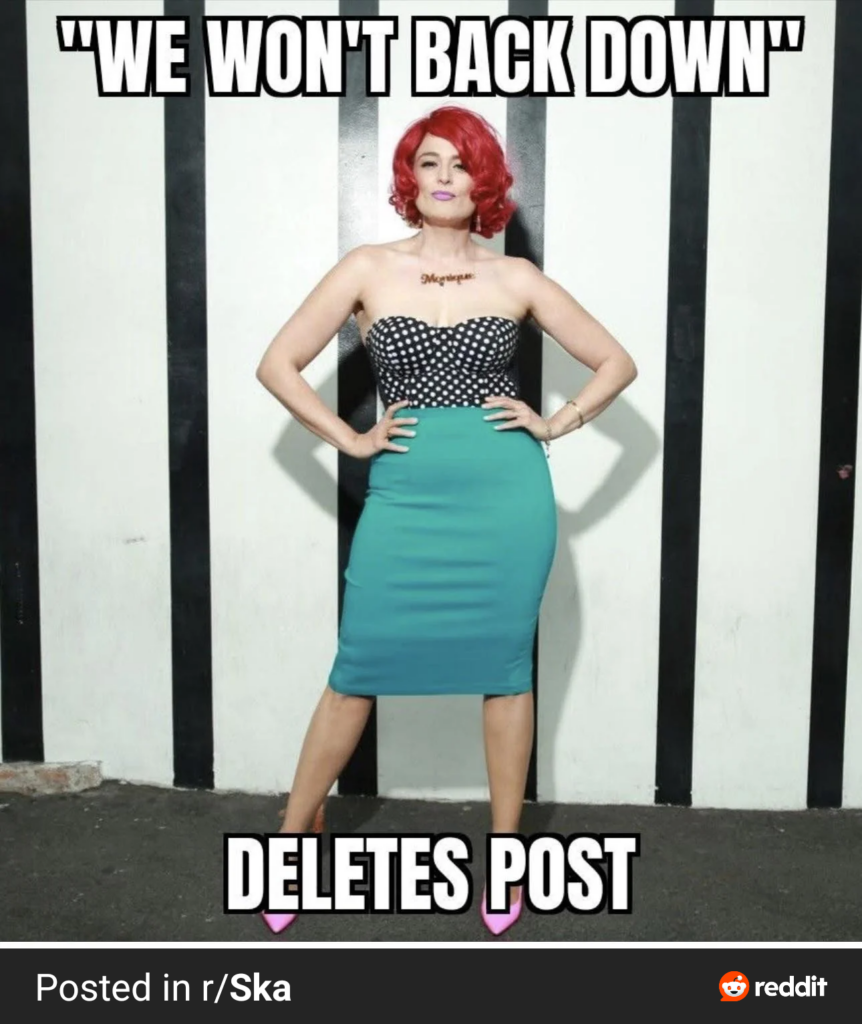
Update: I started this article a week or so back and things keep developing. Save Ferris’s response to not dropping out was not well-received and they have decided to dig their heels into the ground on the issue. Their initial post started with a big declaration that they would not back down, but later took down that same post and replaced it with the message that the original post had served its purpose.
As I was putting the finishing touches on this article, I wanted to include a screenshot of the account posting the Skrewdriver records. At the time of this writing, the tracks have been removed from Spotify, but the account and the album artwork still appear on the front end of the streaming service. I’m not sure where the complaint was received, but as someone who relates more to Hank Hill when it comes to technology in his old age, I feel somewhat seen. The universe occasionally does the right thing.
Descendents are outright my ALL time favorite punk band. Being literally the first punk band I listened to, their music has such a lasting impact on my life. As their North American tour, with co-headliner Frank Turner and his band The Sleeping Souls approaches its final dates, Descendents continue to prove why they stand as […]
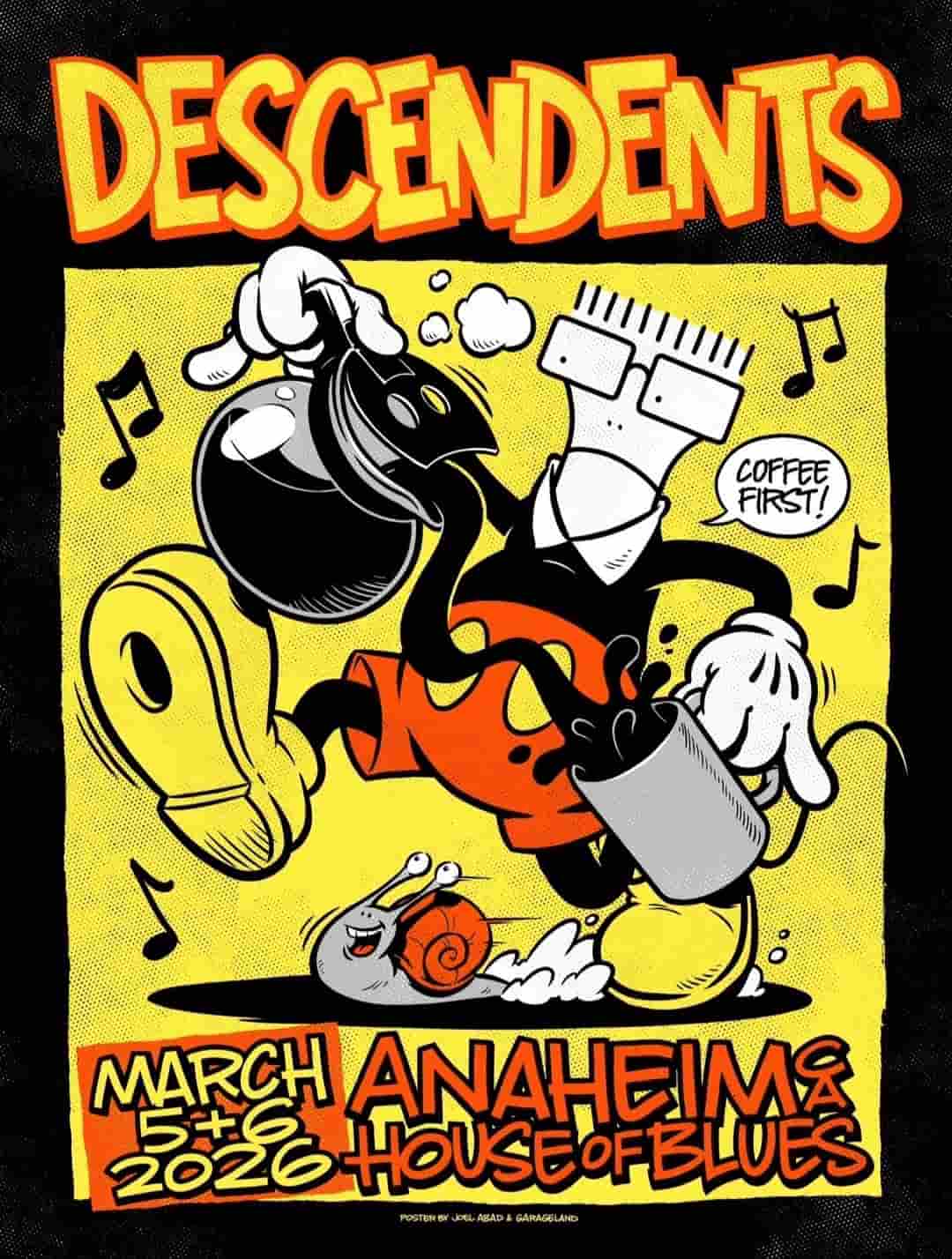
Descendents are outright my ALL time favorite punk band. Being literally the first punk band I listened to, their music has such a lasting impact on my life. As their North American tour, with co-headliner Frank Turner and his band The Sleeping Souls approaches its final dates, Descendents continue to prove why they stand as one of punk’s best timeless live acts. They recently came through Anaheim, California for two sold out nights at the House of Blues on March 5th and 6th. I was especially excited to catch them because I first saw them when I was a teenager at The Glass House in 2022, and it was one of the best I’ve been to. Needless to say, my expectations going into this show were pretty high, and they did not at all disapoint.
Starting the night was NOBRO. They are an all female band out of Montreal, Canada, and I didn’t know of them going into the show, but they gained a new fan. Immediately I was drawn to the drummer, she was playing the bongos! I loved them, they were a great choice as an opener. They really had a bold energy that hyped the crowd up and took control of the stage. It was already packed for them, and they had a good pit going! This is a band worth listening to, if you like high energy, gritty garage punk.
Frank Turner and The Sleeping Souls were next. They kicked off the set with a cover of The Meffs “Wasted on Women”. This choice for an opening song was a perfect choice in my opinion, the pit opened up immediately, matching the band’s high energy from the beginning. Their set moved between heavier, more aggressive punk songs, like “1933” and “Punches”, to acoustic folk-punky singalongs, like “Be More Kind” and “The Ballad of Me and My Friends”. Even with these acoustic songs, the pit was chaotic! The energy in the room was so spirited and unified, everyone was singing, dancing, or moshing the whole hour and 10 minute long set. Frank Turner has great stage presence, and amazing talents. The way he interacted with the crowd felt very personable, and he truly made the show feel intimate. He took the time to reflect on different moments in his career, the meanings behind tracks, share stories, and even touched on the chaos unfolding in today’s political climate. One of the more memorable moments was when he performed a solo acoustic version of “Be More Kind”, a song written in an effort to simply encourage people to be nicer to each other. He explained that when he was writing it in 2016, he thought things were “as bad as they could possibly be”. He joked around about how silly that was of him, and how the song has even more relevancy ten years later. He gave a powerful sentiment on how hard it is to stay decent and compassionate in times like these, but how utterly important it is. “Don’t sink to their level. Don’t become hateful, angry, and small. Stay loving, stay kind, stay gentle.” He said that he’s seen a great example of that recently from the people in Minneapolis, and dedicated the song to them. It’s moments like this that make you walk away a bigger fan than you already were. After seeing him live and admiring how well a performer and person he is, this will not be the last time I see him live.
Now it was time for Descendents to hit the stage.
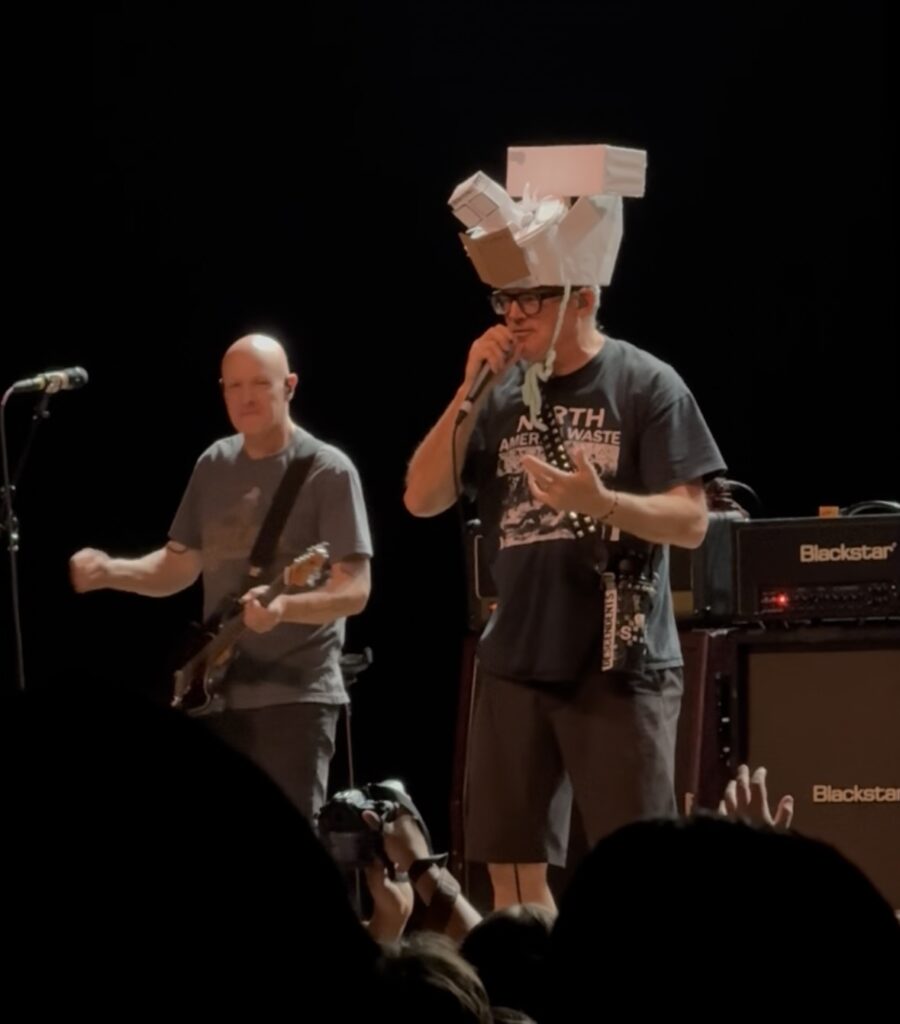
Bill, Karl, and Stephen came out, and then Milo… with something on this head.
He explained that a fan made it and gave it to him the night before. If anyone knows who said fan is, or if you’re reading this, let me know. I want to tell you personally how awesome that is! By this time, the venue was absolutely crammed. This was definitely a sold out show. Milo yelled “Everything sucks”, Stephen started the iconic first notes, and the crowd was going wild. I was in the back, but watching the energy of the pit made it impossible to stay there. I pushed my way through the crowd and next thing I know I’m shoving a bunch of dudes around singing our favorite songs together. I never left after that. They followed it with “Hope”, “I Don’t Want to Grow Up”, and “I Like Food”. You can imagine how energetic everyone was by this point. Then they played “‘Merican”, which felt amazing to hear live and sing my heart out to. Milo even switched the lyrics up to diss Trump and the current administration. “Rotting Out”, “Myage”, “Clean Sheets”, hearing these timeless, classic songs live again, there really is nothing like it. It was a night of nostalgia for me, and I’m apart of their younger generation of fans, so making friends with people who have been seeing them for decades never fails to make me happy. I don’t really have much to say, as Descendents never miss. They are always bringing their A-game, and honestly so was the pit. We never stopped, even until the encore, where we got “Jean is Dead”, “Feel This”, “Sour Grapes”, AND “Descendents”! Waking up sore, beat up, and with no voice is always worth it for these legends. This is the best show I’ve been to all year, and I’m already looking forward to seeing them with Social Distortion in October.
I made these pants for my first time seeing Descendents in 2022, and will be wearing them until I can’t anymore. I think it’s pretty obvious that they are my favorite introductory punk band. Scroll to watch the snippets of “Silly Girl”, “Bikeage”, “I’m The One”, “Good Good Things”, and “Sour Grapes”.
At one time, anarchy and punk rock went hand in hand, taking the side that we should be a society without rulers, government, or established authority. While a good number of punk rock bands still believe in these principles, somewhere along the line, the idea of no government got put to the wayside. Yet, the […]
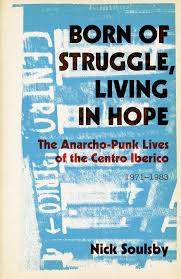
At one time, anarchy and punk rock went hand in hand, taking the side that we should be a society without rulers, government, or established authority. While a good number of punk rock bands still believe in these principles, somewhere along the line, the idea of no government got put to the wayside. Yet, the roots of these beliefs started in London in the early 1970s at the Centro Ibérico. This has been documented in Nick Soulsby’s new book, Born of Struggle, Living in Hope: The Anarcho-Punk Lives of the Centro Ibérico 1971-1983, reminding us that anarchy wasn’t just an aesthetic, but had a physical presence.
Started by anarchist Spanish writer Miguel García García, the Centro Ibérico began with his printing of the Anarchist Black Cross Federation’s newsletter, Black Flag. Soulsby documents some of García’s past which included fighting Nazis in World War II and later being exiled from Spain. These details give us the spirit and intention of García’s vision for the Centro Ibérico. The center he founded served as a place for anarchists to meet and discuss ideas, and morphed into a venue for bands to play for a portion of the center’s twelve-year history.
Nick Soulsby’s writing is very accessible. His retelling of the anarchy movement paints a different picture than previously reported. The text is broken up by pages of pictures and newspaper clippings from Black Flag or other publications. Sometimes he provides the full articles to give context rather than break up the narrative.
The book is very well researched and features interviews with a good number of people telling the history and personal histories of the Centro Ibérico, but it’s not overrun with interviews. They are actually more sparse than expected. There were sentiments that some of the true anarchists were upset at punks’ co-option of anarchy, mostly aimed at the Sex Pistols who seemed to be commercializing their ideas.
Soulsby’s book doesn’t just beguile us with politics. The anarcho-punk bands of the late 1970s and early 1980s have their roots intertwined with the center’s history. He also traces how the anarcho-punk scene emerged in regards to the center. For you Crass and Poison Girls fans, part of this book is a bit of an extended footnote on their histories, with both bands playing the Autonomy Centre, a meeting place and music venue put together by like-minded anarchists. Eagle-eyed fans would remember the mention of it in the liner notes of Crass’s Christ The Album. Even Wattie from The Exploited gets a mention in a somewhat funny exchange.
What is clear is that a scene was being built and funded by the bands and the people who wanted it to flourish. The Centro Ibérico may not have been as long-lasting as some of the venues, but it is still poignant in the ways communities grow. We’ve reached the point in punk rock history books where authors can fully flesh out aspects that were once footnotes in earlier pieces of work. I think it’s a good place to be, and Nick Soulsby’s book is a great read if you are into the scene’s history rather than just the music.
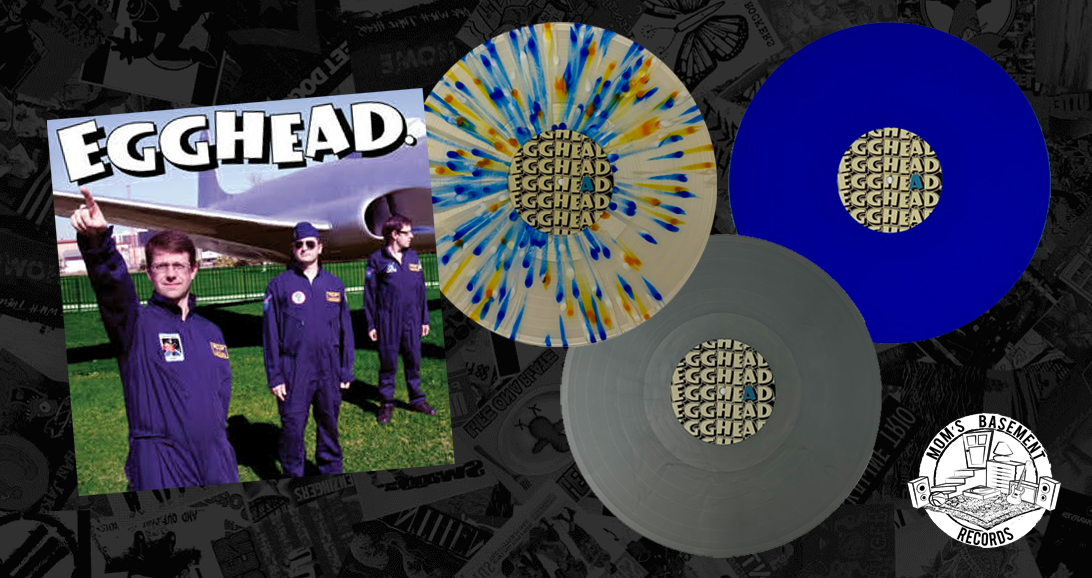
16 years after its original release, Egghead.’s pop-punk cult classic Would Like A Few Words With You is making its way to vinyl for the very first time! Our friends at Mom’s Basement Records are releasing the record on three glorious color variants, available to purchase from their webstore this coming Friday, March 13th at […]
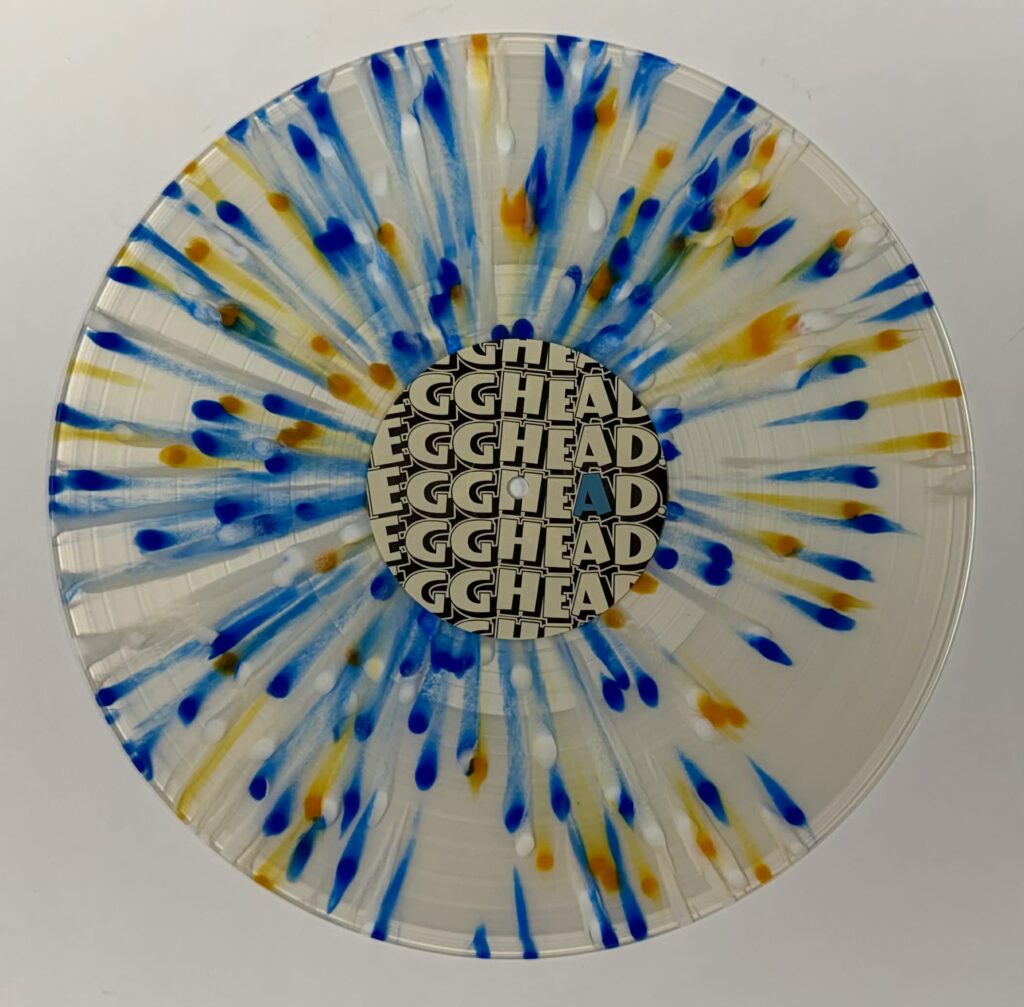
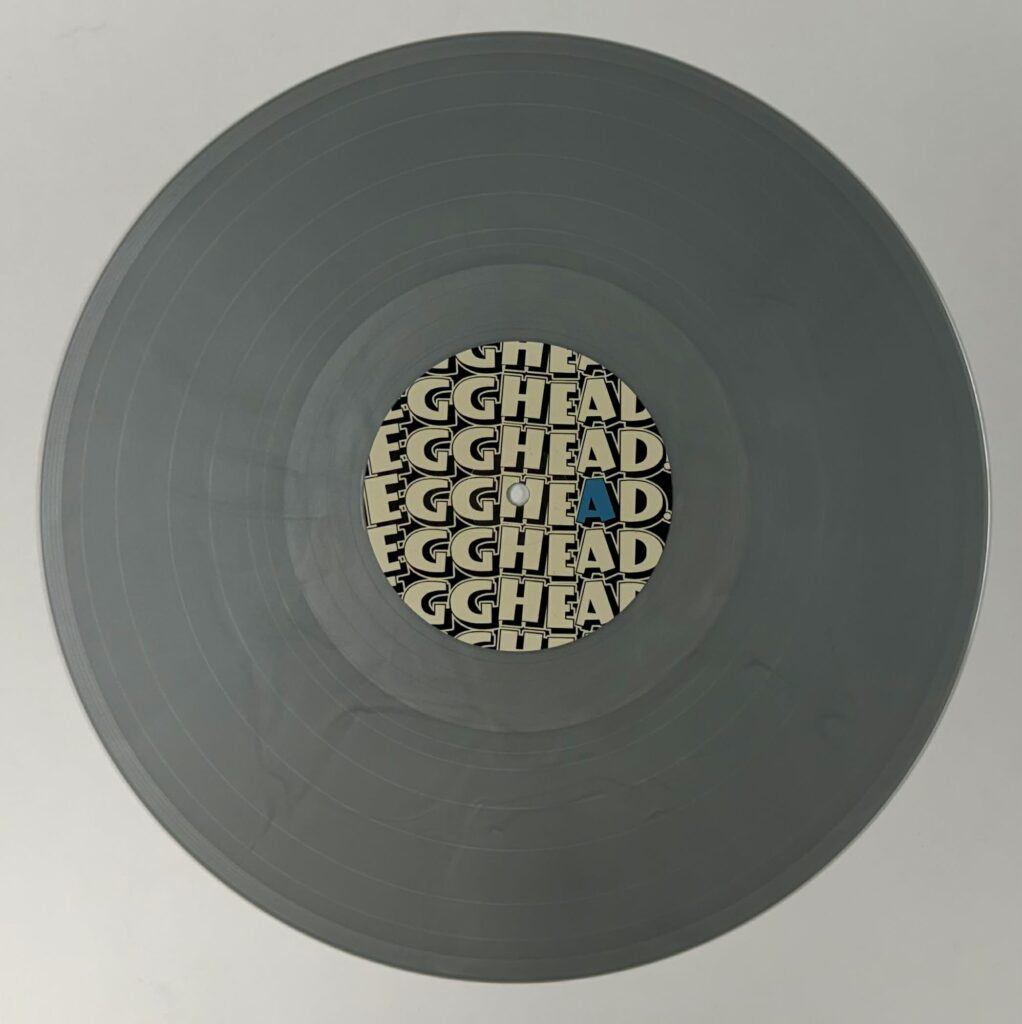
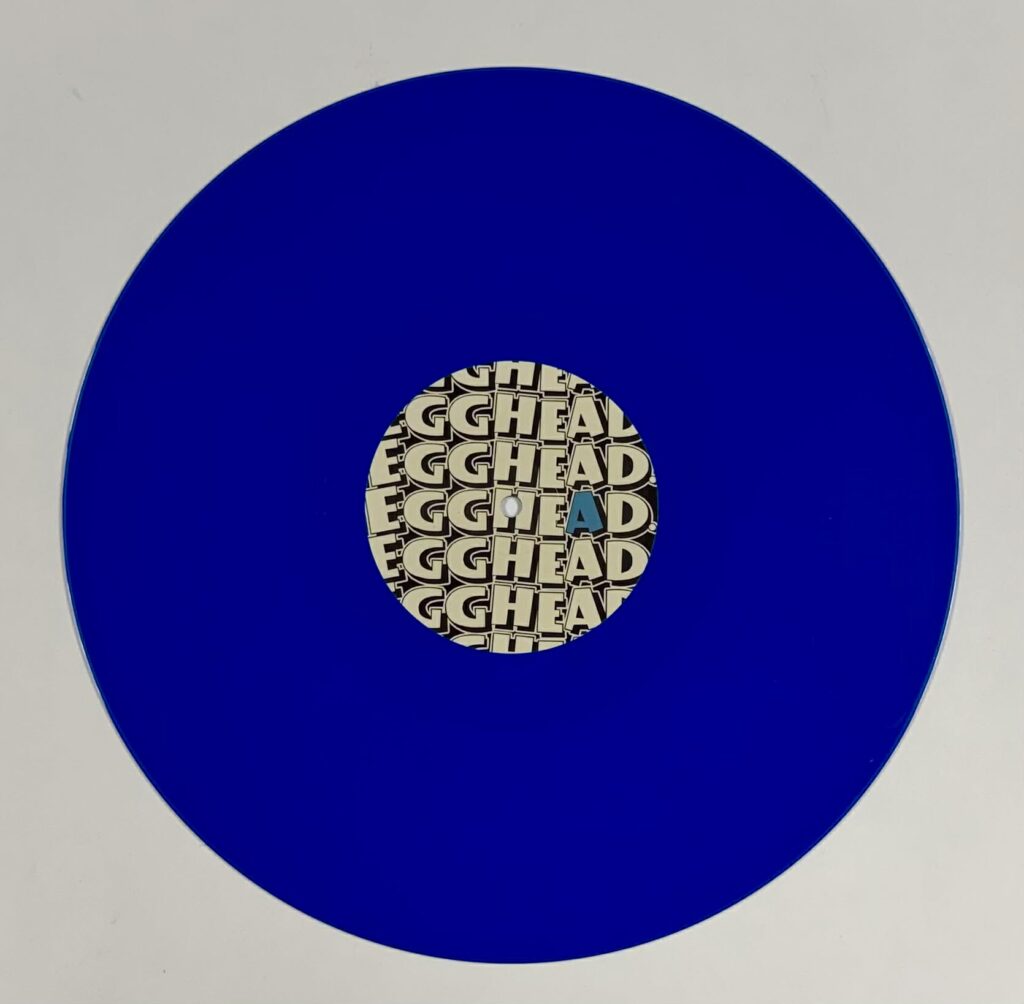
16 years after its original release, Egghead.’s pop-punk cult classic Would Like A Few Words With You is making its way to vinyl for the very first time! Our friends at Mom’s Basement Records are releasing the record on three glorious color variants, available to purchase from their webstore this coming Friday, March 13th at noon.
Speaking of those color variants, we’ve got an exclusive first look at them for you collector nerds to salivate over. Check ’em out below and set a reminder to grab your copies when they go up for sale!!
Originally recorded in 2009 and now newly remastered for vinyl by J Powell at Steinhaus, Would Like a Few Words with You is loud and fast enough to tick off the neighbors and catchy and endearing enough that the neighbors will want to come over once they cool down a bit. They can be a bit uptight, but they’re all right once you get to know them, ya know?
The landscape for 1990s punk rock in Southern California was vast and diverse. Coming up in a time with fast guitars and double bass pedals, Nerf Herder carved out a niche that teeters on a lot of different lines. Yet, Parry Gripp and crew have endured for over thirty years playing a brand of punk […]
The landscape for 1990s punk rock in Southern California was vast and diverse. Coming up in a time with fast guitars and double bass pedals, Nerf Herder carved out a niche that teeters on a lot of different lines. Yet, Parry Gripp and crew have endured for over thirty years playing a brand of punk rock that is musically and lyrically their own. With songs teeming with great hooks and more nerd references than you can shake a stick at, Nerf Herder was able to stand out in a sea of sometimes carbon-copied punk rock bands.
In between Nerf Herder’s active times, lead singer, Parry Gripp has made a career out of making the same types of silly songs for a younger audience, but also jingles for brands like Wawa Food Markets and Hallmark Cards. Gripp has written themes and songs for a number of TV shows including The Super Hero Squad Show, Ben 10: Omniverse, and StoryBots Super Songs. In 2017, he won a Daytime Emmy for the song “I’m not Very Nice” from the Disney TV show the 7D based on Snow White and the Seven Dwarfs.
This year Nerf Herder celebrates thirty years of their self-titled LP. We talked to Parry about the record that started it all, its legacy and how it is still finding new fans three decades later.
(Edited for clarity)
Parry Gripp: Sorry it took so long for us to finally talk, but here we are.
Dying Scene (Forrest Gaddis): No worries, man. Thank you for doing this. I’ve met you a couple of times at shows and you’re always so fun and cool to talk to.
That’s very flattering. Thank you. What town do you live in?
I’m in Orange County. I saw you at Chain Reaction years ago. You guys played with Peelander Z.
OK, that’s going way back. That was 2006, I think.
Then we saw you about ten years ago at Slide Bar.
Oh, right. OK, yeah. Yeah, right. I remember that.
I do have to say my daughter was really excited that we are talking because she liked the StoryBots when she was younger. I played a little bit of Nerf Herder. She’s a teenager now, and getting into punk rock, I told her you wrote “Walk Like A Camel.”
I think “Walk Like A Camel” is my favorite song I’ve ever written. So I’m glad you referenced that.
It was funny because she was watching the show, and I’m like, “Are they ripping Parry from Nerf Herder off?” And then I look, and I’m like, “Oh, it’s Parry from Nerf Herder.”
That’s so funny.
How did Nerf Herder initially come together?
We’re from Santa Barbara, which is a small town, and at the time, it was the mid to late 90s. Every person you knew was in a band. There was no Googling or anything like that. You just had to do something. And what do you do? Oh, you’re in a band. That’s kind of what everyone was doing. Steve and I went to the same high school; we had known each other for a while. Charlie was just a guy in other bands from around town. We just started playing together.
It’s a natural thing. Really, it’s unbelievable we’re still playing because at the time it was just a way to hang out with other people in bands. I don’t know if you’ve ever been in a band. It’s just a way to have a social life. We were just excited to be playing at the Mexican restaurant with all the other bands around town. We weren’t super serious about it. I was really hoping that my girlfriend would be impressed and not dump me. So, that was a big motivator, too.
Who were the bigger bands in Santa Barbara at the time?
Lagwagon was from Santa Barbara, and they had been somewhat bigger at that point. There were touring bands. Toad the Wet Sprocket earlier was a huge band from Santa Barbara. Other bands that came out of that scene, like Summer Camp, who we’re playing with at this 30th-anniversary show in Santa Barbara, they got signed. Dishwalla was a big band that came out of that scene. They were just guys we all knew. It was kind of a small town, and still kind of a small town. It just was something to do. Everyone was in a band.
Was there ever a weird bill or a strange lineup that you were on in those early days that didn’t make sense, or was it just those bands essentially rotating out?
Because it was a small town, you ended up playing with just whoever was standing around. So, there were all kinds. I mean, I think the 90s was just this weird experimenting time for bands. There were grunge bands, punk bands, there were still metal bands, and there were folk rock bands. I think that you would play with weirdos all the time, but you didn’t really think about it.
What do you remember about the early shows?
Yeah, I mean, they were chaotic, and we just wanted to play. I think we had like six songs when we played our first show. It wasn’t like a full set. We basically just wanted to have enough songs to be able to get on stage for a little bit.
One thing I remember, we had been playing for a few months, and after a while, we came up with a cassette tape that had “Sorry” on it, and the local radio station played it. I remember at that point we were playing at Alex’s Cantina, which is a Mexican restaurant downtown. There were high school kids who couldn’t get in because it was a bar, standing outside and watching us through the window. I remember thinking, “Oh, that’s kind of neat that these kids had heard it on the radio.” Here they were, going downtown to watch us through the window at the Mexican restaurant.
Was there a moment you realized the band was working better than you thought?
Yeah, I guess when Joey Cape from Lagwagon had us record our debut record, I mean, that seemed like a big step. We thought maybe it would be like playing L.A. and San Francisco and stuff like that. It happened really fast. We were signed to Arista, this big label, and we had a video on MTV. That was like, wow, this is it, it just seems insane. It’s still crazy to me. You sort of assume anything can happen at that point.
What was the time between you guys starting the band and you guys signing and getting on MTV?
I think it was a couple of years. It seemed fast. I mean, we were just having fun, playing different things, and then doing the record with Joey. That was really exciting. We didn’t know it would happen. Then “Van Halen,” our song, which is really dumb and goofy, was picked up by radio, and that just seems unbelievable. We just wrote that song to be funny for the people that were at the Mexican restaurant. We didn’t ever think that Sammy Hagar, Van Halen, or anyone like that would hear the song. That just seems crazy. It still seems crazy.
I know Sammy Hagar wasn’t initially enthused about the song. Has he ever said anything about it since then, or have you run into him?
I can imagine if someone sang that song about me, I would be really mad and bummed, too. So I totally understand that. The point of a lot of Nerf Herder songs is that the guy singing the song is kind of crazy. I call it a relatable idiot type person. I mean, I don’t really dislike Sammy Hagar, but the character singing the song does. He’s really mad about it. I don’t know, but I still don’t want to meet Sammy Hagar.
Although Sammy Hagar was on this PBS show, Finding Your Roots, I don’t know if you’ve ever seen the show, but he was on that show and my wife watched it. She’s like, “Oh, you’ve got to watch this show about Sammy Hagar. You will love him after you watch it. Your heart will go out to him.” He had kind of a crazy life and a hard upbringing. I might have written a different song if it came out before we wrote Van Halen. I still think it’s a funny song.
Do you feel any different about any of the songs that you wrote outside of “Van Halen” since that time?
Not really, no. I mean, they’re all kind of satirical. They were kind of ridiculous when we wrote them. I still feel that way about them. It’s weird looking back at something you wrote thirty years ago. It’s sort of like you’re thinking about a different person, but I still like them. I think they’re funny. I think they’re silly.
I know you write a lot more kid-friendly stuff now. Have any of those kids become Nerf Herder fans?
It’s funny. People bring their little kids to Nerf Herder shows. When I can, I explain, “Hey, Nerf Herder is different.” They’re always like, “We know.” The parents know they shouldn’t bring their kid to this thing. Recently, we’ve had a lot of younger people, like high school kids, coming to see Nerf Herder. I think it’s because they found How To Meet Girls. It’s weird to me. I’ve even asked them, “What are you doing here? You’re in high school.” They really like “Feeling Bad” and “Pervert.” They love the song “Pervert.” I can’t really advocate for that. It’s kind of strange, but I’m glad people are there.
I feel like everyone looks at things superficially and sometimes doesn’t get satirical references.
It’s really different the way people take things, but I feel like these people get it. I think people understand satire. Maybe they think it’s something new. The 90s were sort of an “anything goes” kind of era with what you could say. It was understood that it was satirical or you were kind of making fun of a certain culture or something like that, but now it hasn’t been like that. So, I don’t know. What can you do?
When you write a song, especially thirty years ago, you didn’t think about how things would change. It’s just out there. What can you do? You can’t change that.
Are there any tracks you don’t play anymore for any reason, whether content-wise or because it’s not your favorite song in general?
I try not to play any songs that are difficult. We came out with this album, Rockingham. The song, “The Girl Who Listened to Rush,” is just hard to play. I try to avoid playing that. Those other guys, Linus, Ben, and Steve, they’ll want to play it. I try to veto that, but sometimes we do anything that’s difficult to play or difficult to sing.
Is there anything you felt was a personal song off this album?
“Golfshirt” is kind of personal. I think a lot of the songs I would write from a personal perspective, and then I would change the lyrics. They were kind of more ridiculous. Like “Sorry,” it’s really over the top. If you toned it down, it would be like a guy really whining. So you bump it up and then it’s sort of funny. I think that they all have kind of personal elements to them.
Do you feel “Golfshirt” is an outlier on this record compared to some of the other songs?
It’s a little more serious, but it’s also ridiculous. The sound of it is a little different, right? I guess there isn’t a song quite like that on there.
Have you changed any of the lyrics over the years to keep the pop culture references up to date, or do you keep them as they are?
We use the same references. Until recently, it was kind of the same people coming to see us. They would all get the reference.
What song from the album has surprised you the most that people love the most off that album?
Probably, “Nosering Girl,” just because it was really like a toss-off thing, with kind of ad-libbed lyrics, but people love that song; we always play it.
Were there any songs from these sessions that didn’t make the album but found a home later?
We had a song called “Hospital,” but I don’t think we recorded it that session.
How do you think the album fits into the larger pop-punk or nerd rock landscape in general?
I don’t know. I think it was sort of an earlier pop-punk record, but it has Weezer-y influences. We were really listening to NOFX, but we couldn’t play that fast. I think it fits in with the Fat Mike, NOFX-type stuff, the Weezer-type stuff, but a lot of it just has a Ramones thing. I don’t know how it fits. I hope it fits in; I don’t really know.
What’s the most unexpectedly cool thing that happened because of this album?
Oh, well, of course, having Mark Hamill in the video for “Sorry” was huge, but our whole having a record deal and getting to tour. I don’t think that would have happened without this record kind of starting it all for us. It’s weird to be thirty years later and still playing it; you just never imagine that you’ll be doing that.
How was it having Mark Hamill for the video for “Sorry”?
Oh, it was amazing. Oh, my God. It was great. That’s still like a high point in all of our lives. We were all such Star Wars fans, and to have Mark Hamill and Miguel Ferrer, he was amazing. I wish that we could have just hung out with Mark Hamill for the rest of our lives. I still can’t believe it. I look at the video. I’m like, I can’t believe Mark Hamill’s there yelling at us.
Did you figure this record would lead to a music career in general?
I don’t know, with a career in music, a lot of luck is involved in that. I think the whole time I was thinking, “Oh, this is going to stop and I’ll end up doing something else.” It’s been really lucky and strange.
My friends and I love For Those About The Shop…
I’m glad you got that.
We listened to that a lot.
Oh, I’m glad someone did.
Was that just you trying to show that you could do a bunch of different types of music?
I was just goofing around. Nerf Herder had kind of stopped, and it was just something to do for fun, the way you might take up woodworking or something. I was just like, “Oh, I’m going to write these songs.” When I had 50 of them, I thought, “I’ll see if someone will put this out.” “Do You Like Waffles?” is still a popular kids’ song. I don’t know how that happened, but it’s still getting played.
Was “Buffy the Vampire Slayer” your first musical work for TV? Like your first TV theme?
It was just a random thing. Some of the actors on the show liked our band, and they had us come up with something. They asked a bunch of bands, actually, and they liked what we came up with. It was again, sort of a luck kind of thing.
How long into Nerf Herder did that come out?
It was right when our record was being made and we were getting signed. Our first tour was with Weezer. We have a song about that. People back home were like, “Hey, we’re watching this TV show. You guys did the theme song.” It wasn’t like now where you just bring up YouTube or watch it online. There was none of that. You kind of relied on someone calling you on their landline.
Are there any elements from old material that you find yourself returning to in music now?
All of it. I mean, we try to regain that. The first record was so organic, and there was no real thought put into it. You try to mine that stuff again because it seemed like magic at the time. I think a lot of that, if you listen to Nerf Herder records, you’re like, “Whoa, these all sound kind of similar.”
Especially when you added the keyboard, was it the second or third record?
Yes, that’s the second record we did. We couldn’t play the keyboard too well.
You’re doing an anniversary show in Santa Barbara, a European tour, and an acoustic version of the album.
There’s some debate about whether it’s acoustic or not. All the guitars are acoustic, but the drums… I guess drums are normally acoustic. It’s kind of the same energy as the first record, just done with acoustic guitars. There are a few surprises in there, but I don’t know. It’s interesting. The initial idea was just for it to be like one microphone and us playing around the microphone. It’s turned into a produced version of the first record with acoustic guitars. You wouldn’t mistake one for the other.
Is it, for lack of a better term, like a Violent Femmes version of the first album?
Yeah, it’s kind of like a Violent Femmes version. Maybe not as out of control as that, but that was sort of the idea. Ben Pringle is playing his acoustic bass. Linus and I both play acoustic guitars. It was really fun to do. It’s fun to work on a record where you already have these songs so you don’t have to worry about messing with them, though we did mess with them a little bit. I’m excited to hear it when it comes out.
It’s coming out on Fat Wreck Chords. When we first started, Fat distributed the record. They were kind of there from the beginning. We’ve always been friends with them. It’s very exciting. The guy who kind of masterminded that was our drummer, Steve Sherlock. It was really his idea. He took it to Fat and they were like, “We’ll put this out.” I didn’t really think that would happen, but now that it’s happening, it’s great.
Are you guys incorporating these versions into the set?
We don’t really know. We’re going to get together at some point and figure out what we’re doing for these shows. We’re definitely playing the whole first record. I can’t imagine we would do some of it acoustically; we’ll see.
Are you guys working on any new music, or just focusing on the first record right now?
We’re really focusing on the first record. We have a lot of half-written songs where the bands played all the backing tracks, and they just need words and stuff like that. There are definitely things being worked on, slowly though.
It wasn’t that long ago when Bad Time Records announced Denver ska band Sorry Sweetheart would be joining their label, and just this week they have released their first full length album, “Warm Room, Good Friends”. I hadn’t heard of this band until the release of their single “Beyond Burger in Paradise” and was immediately […]
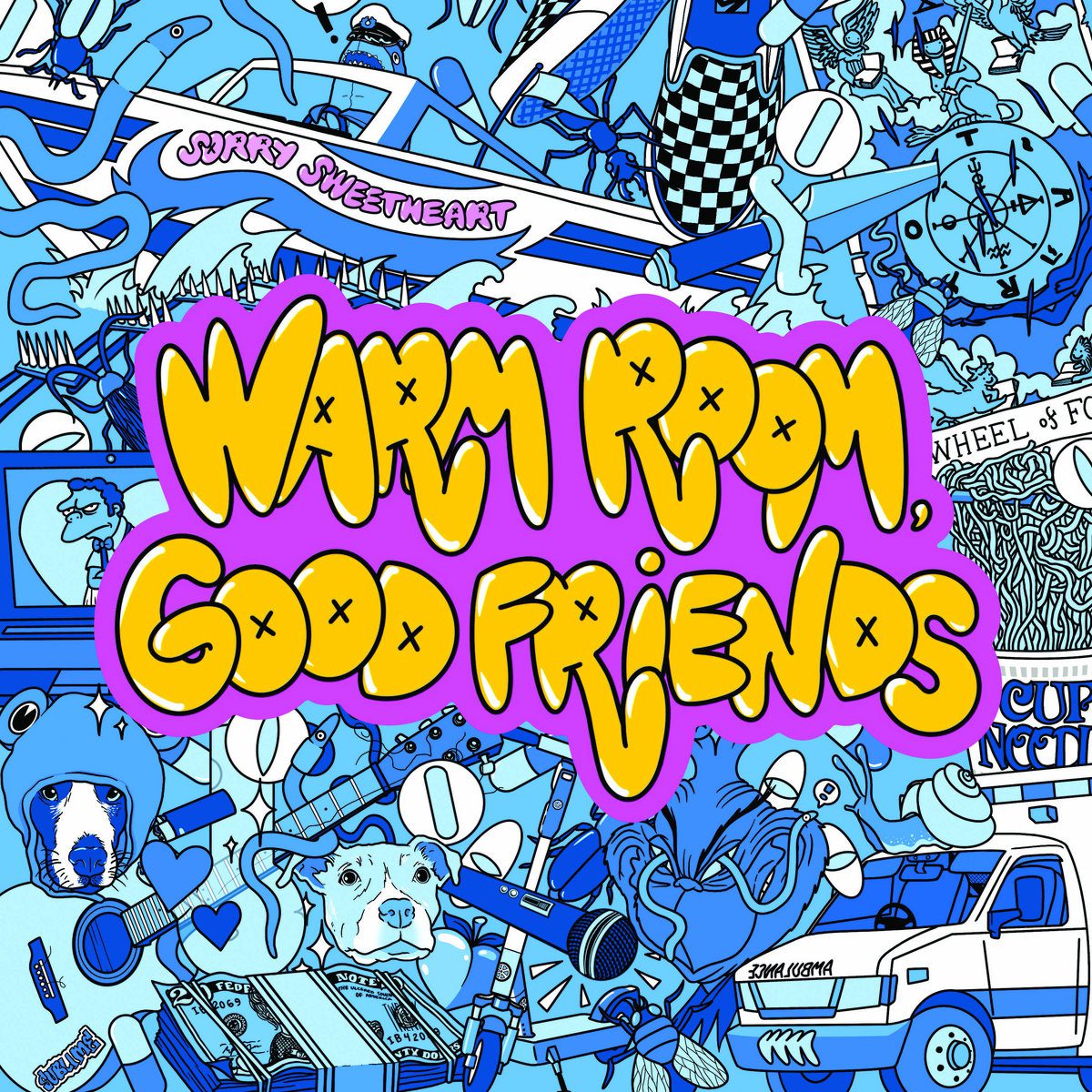
It wasn’t that long ago when Bad Time Records announced Denver ska band Sorry Sweetheart would be joining their label, and just this week they have released their first full length album, “Warm Room, Good Friends”. I hadn’t heard of this band until the release of their single “Beyond Burger in Paradise” and was immediately hooked. After hearing the entire album, I’ve become a fan.
“Warm Room, Good Friends” honors 3rd wave ska with pop punk riffs and catchy chorus parts, with lyrics that connect to the modern generation. Imagine if Less Than Jake or Spring Heeled Jack sang about social media and DMs. Musically, the horn section is great and the vocals have a wide range that makes it easy to go from ska to hardcore, which they take full advantage of in songs like ’20 Million in 20s’ and ‘IKN4d’ (this song features Adam Davis of the band Omnigone, who has arguably perfected this vocal range).
‘Beyond Burgers in Paradise’ has a super fun horn section that’s super easy to get stuck in your head. Nathan Dantzler goes back and forth from trumpet to trombone throughout the album, but this is the song that best exemplifies the simplicity of Sorry Sweetheart’s horns. They don’t exactly stand out on their own, but they do add a significant amount of emotion to each song.
The track ‘Touch Grass’ is another standout from this album. Its emotional lyrics about mental health and ‘warm room, good friends’, plus the powerful vocals of singer Henry Navarre make this one of the best songs on the album. ‘Touch Grass’ ditches the danceable upbeat of ska for an emo/pop punk ballad that should resonate to anybody going through a tough time.
“Thicc Grinch’ is another fun ska punk tune that’s short, but definitely one of the most fun songs on the album.
The closing song ‘Late Nights in the Bug Room’ can serve as a final takeaway to listeners that you can enjoy being part of the scene (“I still think hardcore and pop punk are cool”), while still having some morals (“It doesn’t take much to learn some better principles”). I’m glad this was the final song; it has the most meaning behind it. The chorus part is going to be super easy to sing to at their shows.
Sorry Sweetheart started from veterans of ska Leslie Hackworth (bass) and Zach Barker (drums), and for almost 10 years that have held down the Denver ska scene with positivity and not being told what to do. Their first full length can be seen as a tribute to the mainstream ska scene that was on Warped Tours and MTV, while also delivering some great originality. Put this album on at the skate park or if you’re feeling nostalgic, then you’re bound to have a good time.



Ryan
Great read, Thank you for this.