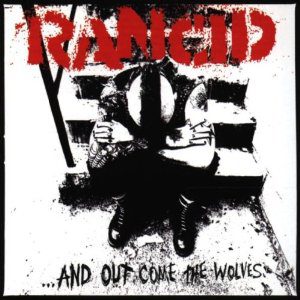
During the winter of 1995, I bought Rancid‘s …And Out Come the Wolves. It was one of the first punk rock albums I bought, but a funny thing happened at the record store. With Christmas money in hand, I went inside and immediately found it on an end cap. The rest of the world had […]
During the winter of 1995, I bought Rancid‘s …And Out Come the Wolves. It was one of the first punk rock albums I bought, but a funny thing happened at the record store. With Christmas money in hand, I went inside and immediately found it on an end cap. The rest of the world had also found Rancid, whose songs “Time Bomb” and “Ruby Soho” were getting radio play and airtime on MTV. When punk started trickling into MTV’s morning rotation, it piqued my interest. That’s not to say there weren’t other ways punk made its way through, but MTV was definitely one of the first.
I didn’t grow up in a necessarily religious household, but my mom was young enough to be sketchy about punk rock albums. Earlier, when I had bought Social Distortion’s Somewhere Between Heaven and Hell, I would write the lyrics to the second side track, “99 to Life,” in a notebook. They were concerned about the song’s content. To summarize the song: The narrator, in a fit of jealousy, had killed his wife with a knife, and the judge gave him 99 to life… in prison.
DId I want to kill anyone? No.
Had I already read worse things in Stephen King books? Yes.
Does this explain my love for noir films? Probably, but I digress.
I immediately recognized the homage to Minor Threat on the album’s cover, but I also read the track list of songs on the back of the album. I realized that there was no way my mom was going to let me keep this album. Even if there had been a Parental Advisory sticker on it, which there wasn’t. I had to find a decoy album that would take attention away from the album I actually wanted. I chose Alanis Morissette’s Jagged Little Pill, which did have a “Tipper Sticker” on it.
When I went to pay for my purchases, the clerk had to have been either confused at the spectrum of music I was buying or knew what was going on. The clerk was able to sell the Alanis Morissette album to me, as my mom had driven me to the record store. When I got home, I was told they would be keeping Jagged Little Pill, but I can keep …And Out Come The Wolves. I feigned protest, but eventually went and listened to the Rancid album in my room.
After Operation Ivy had called it quits in 1989, Tim and Matt started and then subsequently quit the Dance Hall Crashers for another ska punk band called Downfall with former OP IVY drummer Dave Mello, Pat Mello, and (fellow DHCer) Jason Hammon. Upon disbanding, Matt joined MDC with Tim as a roadie. As time went on and Tim was down and out with depression and alcohol problems, Matt suggested they start a band, and Rancid was formed in 1991. After releasing their self-titled record with Epitaph in 1993 to fantastic reviews, the band recruited Lars Frederiksen from the UK Subs to play guitar and released their next record, Let’s Go. The album contained the song “Salvation” and helped Rancid break through to radio airplay.
Released on August 22nd, 1995, …And Out Come the Wolves is Rancid’s third release in just as many years. If Let’s Go was able to benefit from the mid-1990s punk rock boom, …And Out Come The Wolves was able to capitalize on it. If “Salvation” was the primer for Rancid, the singles off of …And Out Come the Wolves are the band redlining the throttle. It’s with this album that the band caught its stride.
The first side of this album doesn’t miss a beat and opens with fan favorite, “Maxwell Murder.” Tim and Lars trade vocals back and forth, solidifying Rancid’s dynamic after testing the waters on their previous record. While there’s much debate about what the lyrics are about in this straightforward punk rock song, one thing that is clear on the track is Matt Freeman’s magnificent bass part. Matt Freeman’s bass lines stalk up and down the verses and choruses with ease throughout the whole album, but right out of the gate, this bass line is a one-man killing machine, slicing its way through an army. The term “peak” indicates a dip in quality, of which there has not been one throughout Rancid’s career. While the rest of the songs aren’t nearly as aggressive as “Maxwell Murder,” territory is clearly marked. This bass line throws down a gauntlet, setting a tone for the rest of the record.
This whole first side is just great song after great song. The album’s three singles, “Roots Radical,” “Time Bomb,” and “Ruby Soho” are great exercises in keeping your sound, but also making it more accessible for a mainstream audience. With the exception of “Maxwell Murder,” the rest of the album’s music sounds much more polished than the band’s previous outings, but lyrically keeps its edge. Whatever this world had presented Tim or Lars, it had taken them down some dark paths they had no qualms recounting. Yet, there was still room for a song with heart like “Ruby Soho.”
Whatever embargo Tim and Matt had on ska songs seems to have been lifted. Despite writing some of the greatest ska punk songs the genre had ever seen in Operation Ivy, Rancid’s first two albums leaned into punk rock and opted for a harder sound. Not that either Tim or Matt were slouches when it came to writing punk rock songs, either. The way their instruments melded together to create what they did continues to be this great thing. This is evident on the ska tracks from …And Out Come the Wolves: “Daly City Train,” “Old Friend,” and “Time Bomb.” “Time Bomb” brings everything we loved about Operation Ivy’s music with Tim Armstrong’s darker lyrics about the murder of a friend of the band (allegedly) by some members of the Hell’s Angels.
While “Time Bomb” would propel Rancid’s trajectory further, we’ve only scratched the surface of this album. One influence of this album is author, poet, and fellow punk rocker, Jim Carroll, and his book, The Basketball Diaries. I often feel that this book gets written off due to its association with the movie adaptation starring Leonardo DiCaprio, and myself being one of those people. Yet, after reading the book and its sequel, Forced Entries, you find the raw writings of someone adjacent to the New York punk rock scene. Carroll would go on to release albums under his own band, The Jim Carroll Band, which would have their own hit song, “People Who Died.” The first side of this album ends with “Daly City Train.” If that song isn’t about Jim Carroll, it’s very perpendicular to his struggles with addiction, which we can agree is definitely a theme on this album.
The back nine of this album isn’t chopped liver. We are again treated to another fantastic Matt Freeman bass line with the intro for “Journey to the End Of The East Bay,” Tim’s ode to Operation Ivy. It doesn’t seem like he had any doubt about the greatness of Operation Ivy, but it’s very clear there were some unresolved issues surrounding the band that really affected him. Whatever bitterness Tim held seems to be aired out in the song’s lyrics as he recounts the band’s rise and fall.
The last ska song on the album is “Old Friend,” a bouncier, poppier song that’s probably the lightest song on an album full of dark corners and shady characters, next to “Ruby Soho.” While this was a sound that Rancid would explore more on their next album, Life Won’t Wait, its inclusion here elevates an already great album. The song delves into Tim’s love of the road, but also the loneliness that sort of life brings. It’s wistful, but bittersweet chorus is one repeated line that recognizes how difficult it is to make a connection with someone.
The album title, …And Out Come The Wolves, is taken from a poem in Jim Carroll’s Basketball Diaries, which is recited during the breakdown in the song “Junkie Man.” To say the phrase has taken a life of its own would be an understatement. Parodies on its title have been used for everything from comics (Apollo City Comics’ …And Out Come The Comics) to Rancid tribute albums (…And Out Come The Lawsuits). It was recently announced that a movie taking place in the 1990s punk rock scene is using the title with Rancid’s blessing. Time will only tell if the movie will endure for as long as the album has.
…And Out Come The Wolves remains one of the best crossover punk rock albums of the 1990s. Rancid stayed true to their punk rock roots and it paid off for them. The album not only helped grow their fan base, but it also helped legitimize punk rock in the eyes and ears of many disbelievers. Despite its themes of murder, biker gangs, and junkies; its journey through addiction, recovery, and redemption hits much harder than a pop-rock album with a parental advisory sticker on it.
Next in PM Press’s reprints of the Cometbus zines is In China with Green Day. It documents Aaron Cometbus’s time with Green Day during their 21st Century Breakdown World Tour from January 12th through January 25th, 2010. While a little debauchery and exploration in a foreign land is definitely on the menu, it’s Aaron’s recounting […]
Next in PM Press’s reprints of the Cometbus zines is In China with Green Day. It documents Aaron Cometbus’s time with Green Day during their 21st Century Breakdown World Tour from January 12th through January 25th, 2010. While a little debauchery and exploration in a foreign land is definitely on the menu, it’s Aaron’s recounting of his experience with the early days of Green Day that shines through in these writings.
Aaron Cometbus does a great job setting the scene for his reason for being there. Mike Dirnt had invited him as long as he wrote about his time on tour with them. After agreeing, Cometbus reunites with Green Day after becoming distant from them since their breakthrough to the mainstream. At one point, Cometbus had been one of two roadies for Green Day twenty years prior to the writing of In China With Green Day. Recognizing that both himself and the band had changed in the last twenty years, he boards a plane for Thailand.
The title Green Day in China is a bit of a misnomer, as Cometbus follows the band throughout their first tour of Asia in at least a decade. Part travelogue, part memoir, Cometbus recounts his time with Green Day in those early years right before they broke into the mainstream. The tour allows Cometbus to catch up with each member of the band. This is an interesting cross-section of how success had changed his childhood friends before and after they hit it big. Cometbus is at times conflicted about the Green Day he knew and the Green Day they’ve become, but what is clear is Cometbus’s love for the band despite going against his aesthetic.
While Cometbus had been hired by the band’s original drummer, Al Sobrante (John Kiffmeyer), there is something of an early history of Green Day after his departure from the band. Cometbus recounts his time as their roadie and friend. It’s interesting to hear the history of the band told with those little details from someone who experienced it rather than some third-hand horseshit. As a seminal figure in punk zine culture, Cometbus brings a rare authenticity to his reflections on Green Day’s evolution from Gilman Street to stadiums.
There is also a sort of behind-the-scenes look at the inner workings of the well-oiled machine that is a Green Day tour. Cometbus recognizes that they are no longer the band that rolls out of bed in the afternoon before driving to the next venue anymore, and they run a somewhat tight ship when it comes to traveling. We also learn about the Big Three: Jason White, Jason Freese, and Jeff Matika, the touring members of Green Day, who back the band up in a multitude of ways when they’re on stage.
The portions of the book where Cometbus explores the countries the tour takes him through are equally fascinating. Whether it be a search for a book in a series he was looking for or to clear his head, the recalling of these details makes you feel like you’re there with him, but missing out just as much. A running bit was that Cometbus had bought a throwaway camera for the trip, and describes what the pictures would have been if they had developed properly. Of course, tour shenanigans are afoot, specifically involving an octopus and a sex club (separately). It’s not exactly A Hard Day’s Night, but it is interesting nonetheless.
Cometbus at one time described himself as a Green Day apologist, but mentions he had recently stopped being that about a year before going on this trek with the band. Yet, through his experiences with Green Day in the past and present time of the writing, he gives you an understanding of why Green Day became what they’ve become. There’s a really good story of reconnecting with your friends after growing apart, and even if time changes things on the surface, underneath a lot doesn’t change.
In China With Green Day is available from PM Press. You can purchase it and more of Aaron Cometbus’s writing here.
We’re far enough from the advent of punk rock that we have analyzed its relevance through books and documentaries, which have pointed out its influence on modern society. Yet, when your scene is built by kids and perceived degenerates, who gets to document the movement you are trying to create? When mainstream media is not […]
We’re far enough from the advent of punk rock that we have analyzed its relevance through books and documentaries, which have pointed out its influence on modern society. Yet, when your scene is built by kids and perceived degenerates, who gets to document the movement you are trying to create? When mainstream media is not interested in the art you create, but the chaos associated with it, you document it yourself.
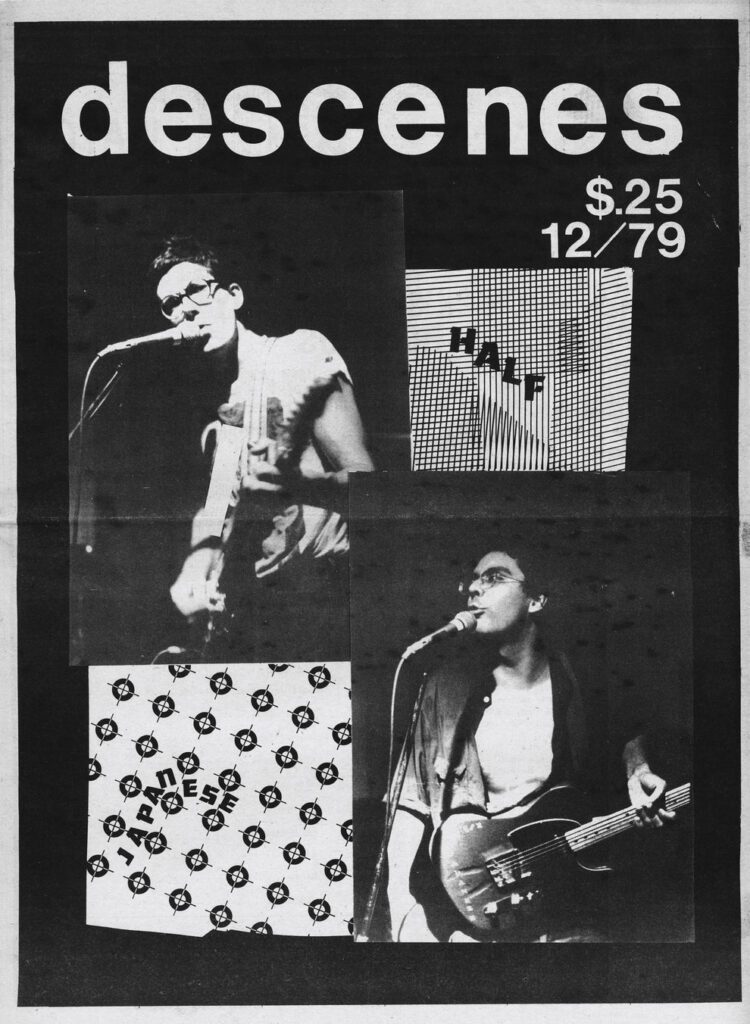
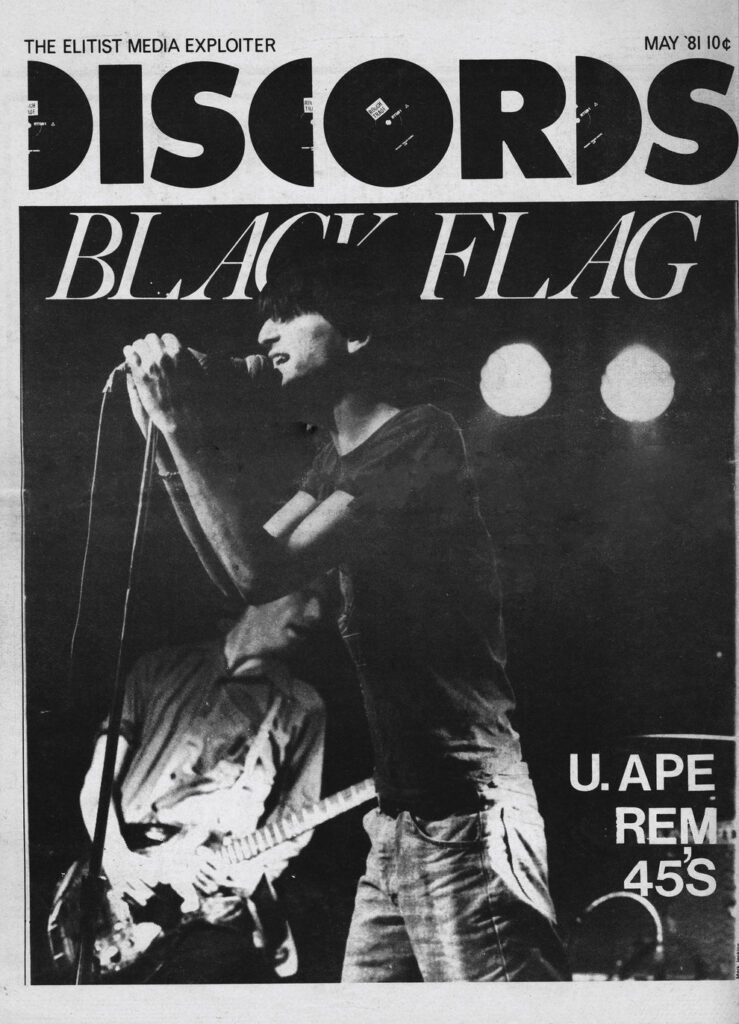
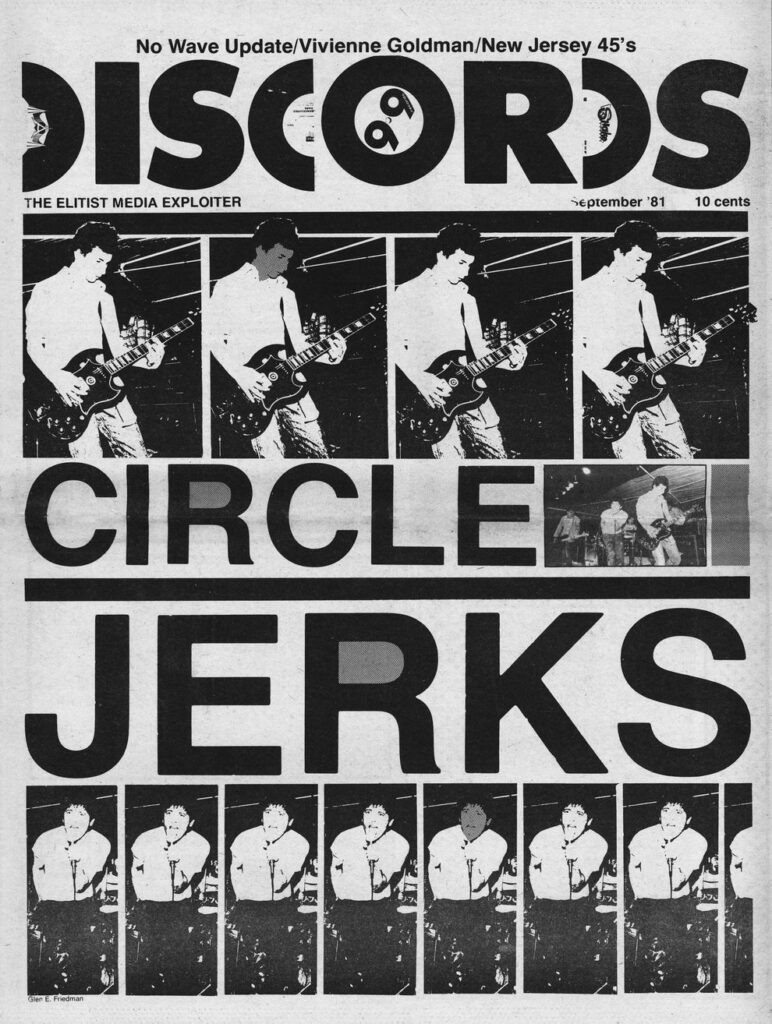
One of the most vital forms of documentation were zines. A zine is a noncommercial and often homemade publication usually devoted to specialized and often unconventional subject matter. In this case, it was the punk rock bands in a geographical location. Howard Wuelfing started documenting the Washington DC punk rock scene in his zines; first locally with Descenes and later nationally with Discords. Both of these publications were vital to punk rock in a time where there was no social media, let alone the internet to distribute it. Their importance endures as documents of a burgeoning scene and a reference for the history of the genre.
Howard Wuelfing, along with his wife Amy Yates Wuelfing, has reprinted Descenes and Discords and is releasing it in a limited pressing through DiWulf Publishing. Capping the run at eight hundred copies, this reprint maintains the zine’s original size and includes bonus features like commentaries on each issue written by Wuelfing himself, a fold-out poster documenting the DC punk rock family tree, along with an interview with Ian MacKaye. If you’re a collector of all things punk, Descenes and Discords: An Anthology is a chance to own a piece of DIY history. Howard gave us some time to talk about this new collection and the Washington DC scene.
(Edited for Clairty)
I enjoyed this collection. It was really cool to kind of get some context. I remember hearing some of these stories as a kid. It was always kind of word of mouth. It was really neat when I got to Discords to see some of that stuff. What got you into writing? Who were you reading in high school that got you into writing?
I was primarily reading Creem Magazine, especially the dear departed Lester Bangs, who was my hero when I was a kid and we had a high school newspaper. I think it was good how often it came out; it could have been monthly. It was fairly frequent, like high school. I was writing for that. When I got to college, there was a daily paper there, and I was writing for that, and at a certain point, I became the arts editor. I wrote a lot and aspired to be a writer. As a matter of fact, I skipped law school to try and be a rock writer.
Is that what Descenes was? Were you trying to do that essentially?
No, I was already a rock writer. I mean, by that point I’d had a couple of things published in The Village Voice, a couple of things published in Creem Magazine, mainly goofy things that I would write up for them. I was writing for the regional entertainment monthly in DC, the Unicorn Times, and writing for them on a regular basis. I was writing for a thing in Philadelphia called Concert Magazine, which really was only regional, but one of the other writers was a guy named John Kalodner who then became a really big deal; an A&R guy who did lots of very mainstream things. He signed John Lennon to Geffen and signed Aerosmith, whose career was down the dumper at that point, and folks like that.
How did you get into the punk rock scene in DC? What band got you into it, or were you playing music?
I am from a place called Jersey City, which is between Newark and Manhattan. When I say between, I mean, there’s Newark, a river, Jersey City, a river, Manhattan. It’s like right there. That’s just something that I grew up with. Even when I went to college it was just to Rutgers, which is in New Brunswick, the center of New Jersey. I was just taking the New Jersey Transit from Trenton into Manhattan. You just went down to the bus station to the train station for about forty-five minutes.
People lived in New York City and taught at Rutgers. In fact, at a certain point, I had a teaching assistant in film, and he lived… I don’t know if he actually lived on 14th Street, but he lived in that area. We would argue during class about rock and roll. He would say, “Rock and Roll is dead.” And I’m like, “You’re an idiot.” What about all these great people like Slade, the New York Dolls, and the MC5?
“No, no, it’s all dead. But my friend has a great band. You should check them out.” It turned out that it was Richard Hell and the Voidoids, or maybe it was Television when Richard Hell was still in that band. Patti Smith came and played New Brunswick because her guitar player, Lenny Kaye, is from North Brunswick. So they played a little experimental theater place before they had a drummer. That to me was an eye-opener. Seeing the New York Dolls live was an eye-opener because people hated them and said they couldn’t play and stunk, but God, they were a great live band.
I mean, seeing Patti Smith was an eye-opener because it was just a sense of, like, anything being possible. It was so palpable. It’s just like, you didn’t know what she was going to do. It’s like anything could happen at any moment. It was just super, super exciting. Then I moved to DC, which had nothing like that. I’d go back home to visit my parents and say, “Let’s go to New York. I want to see the CBGB’s place.” Everyone talks about it. The neighborhood was different then.
I’ve read a few books on CBGBs. What’s the one they just reprinted a few months back?
Yes. That was a fantastic book. I’m from California, and I moved to Rochester for a few months and ventured into New York City, only got over there after it was gone. It was really interesting to see what it was like from how you hear the Ramones and Blondie describe it.
No, it was something. I mean, the first time I went there, I went with a friend from college who was a big fan of this; it was like the first reality show, An American Family. He was friends with one of the family, Lance Loud. We showed up there and there was Lance Loud, sort of just prone on a car outside of CBGB in like booty shorts and a tied-up shirt, just looking amazingly fabulous. We’d walk in and look at who was on the bill. I didn’t recognize any of these people. These various bands went on, and suddenly, like these four guys came out, and I’m like, wow, they all look like Iggy Pop. That’s kind of weird. They just played this amazingly fast, loud, great music, and it was the Ramones.
I go back to DC. I moved at the wrong time. A friend of mine, Gordon Fletcher, was one of the very few Black rock critics that there were. I met him when he was working at a record store, and we became friends. I’m trying to be a writer. He was a writer, and, I knew who he was. We’d hang out, and he called up one day and said, “Hey, there’s a punk rock show in DC. You want to go?”
That was a place called The Keg. We saw a band called Overkill, and maybe The Slickee Boys were on that bill. They were kind of this really weird, quirky garage rock band, playing super obscure, weird covers of things like Brute Force and weird shit like that. Just having that feeling that we want to be involved in this. Let’s support this stuff. I wound up playing that place because the Slickee Boys were supposed to get a residency. It’s going to be punk night, like a Tuesday or Wednesday, some horrible night of the week. They broke up, and I was in a band. We got offered that residency in their place and took it. I couldn’t tell you how long we did it for; every week, three or four sets a night.
Most of the people in those audiences were all forming bands or would form bands or were early punk supporters. You started getting that feeling of, like, “I’ve seen these people all the time.” That this is kind of a scene. Around the same time, there was a kind of a folk singer/songwriter club in DC called the Childe Harold. People like Bruce Springsteen and Emmylou Harris played there when they were coming up. I was working for the Unicorn Times as a paste-up artist and got to know the booker there. I said, “You should get some of these New York bands in, like the Ramones.” They booked the Ramones for a week.
They played a week in this tiny, tiny place that made CBGBs look huge. They were definitely loud. Another situation where I knew all the people at those shows. Almost all of them wound up in bands and things like that, but it was inspirational. At the same time this is happening, no one’s writing about it, not in DC and nowhere else. No one else cared about DC music. I mean, it was never a scene that anyone cared about in those days. Everyone had to leave DC to make it. Even when I was writing this paper, they didn’t want to write about the local bands. You know, I could write about English or national punk-oriented groups, but they didn’t really want to write about the local bands.
In New York, we’re hanging around, we’re going to shows, going to record stores. We’re picking up the few fanzines that existed, and New York had one called New York Rocker in those days, which was founded by a guy named Alan Betrock, who’s sadly passed away. I picked this thing up, and I’m realizing that almost all the articles in it are about New York bands that I’d never heard of before. I start realizing that most of the people writing the articles are in other New York bands. So I’m like, wow. So these guys are writing about each other, and I thought, well, that’s a great idea. They just put out their own magazine of that. It’s about New York rock bands. It’s written by New York rock musicians. I thought, well, we should do that. We should have that. And that’s where the idea came from.
The co-conspirators are all people who had no publishing experience, but we knew how to put things together. My first wife was working as a typesetter for a thing called The Chronicle of Higher Education. She knew how to input articles. You know, I was doing paste up at the Unicorn Times. Another guy who was one of the major forces in Descenes and Discords, Mark Jenkins, also worked at the Unicorn Times. We physically knew how to do this stuff. Also, because we were kind of doing it, we managed to use other people’s resources to make this stuff. We had a light box, an X-Acto knife, and layout paper. We just did it and found a place that printed periodicals for cheap. We would do small runs, like a thousand. We just started doing it.
I was looking through the book today, and I think it’s like issue number two of Descenes is kind of scrawled and sort of like a preface that I wrote. Basically, I just went through each one and then wrote my evaluation of it, which usually was an evaluation of how stupid I was being at the time. You’ll note that the title on this one is written in whiteout because we forgot to print a logo. We just had to do it on the fly or other things where it’s clear things are just handwritten because we were that far along in the pay stuff, and we didn’t have a chance to print out more stuff.
How did you recruit writers for each of the issues? I know you’re getting a lot of the people in bands in DC; were you getting friends to help you, too?
I did a lot of the writing. Mark Jenkins did a lot. My friend Jim Testa, who’s been running Jersey Beat for decades, now. He was the New York chief, meaning he mainly would cover DC bands when they played in New York. Some of these people, I don’t even know how they came across us. We put it out there, and people started looking us up. It’s one of the things that looking over all these issues is fascinating to me. The connections that were being made in the course of these things where there was no internet, there were no cell phones.
Everything was like looking in phone books, calling directory assistants, or looking in the back of fanzines and at the back of records. People used to put their information out there so you could find them. I mean, they still do, but now it’s like their URL, their Instagram page, or something. So, it was more physical stuff, and people made a point of seeking that out. Some of these things were shocking to me.
I remember when I was living in South Arlington and one day I got a phone call, and this guy got on the phone and said, “Hi, I’m in a band called the Nerves. We’rle trying to tour, and where can we play, like, in Washington, D.C., or Arlington?” And I’ll send you a record in the mail. I’m like, okay. I’ll get the records. One day I get a call, it’s like, “Hi, we’re calling from the L.A. area. We have a band, we’re called Black Flag, and we’re looking for some gigs, and, you know, what can you tell us?” And I’m thinking, like, how did they find me?
The phone number wasn’t published in the magazine, but people were doing research. People were looking to make connections. At a certain point over a number of years, they built up something that at one point they used to call Fanzine Nation: this whole network of fanzines all over the place. You had local clubs that really specialized in booking indie bands that were created because people were looking to connect. It wound up being a very vital, very active, and very effective network of all these people working together. They looked for each other, they found each other, they collected that information, they shared it, and it was great. You know, it was great up through Nirvana becoming a hit, and then it kind of fell apart.
Was it because all the bands were getting bigger and all those stories were going to bigger magazines, just kind of grasping onto all of that?
I sense that it was more because suddenly it seemed like this culture could make money. The big investors came in and bought up a lot of indie labels, either bought them outright or fifty percent stakes in them because they were hoping to find the next Nirvana. And when they didn’t deliver that within a year or two, they just folded them, and it all collapsed. Those people and labels were advertising in the fanzines. It was all interconnected. It was all intra-supportive. If you took any one big block of it out, the whole thing started to collapse.
That makes sense. Was there a set schedule, or were the issues released when you could, when you were able to get them out?
Descenes was published every couple of months, not at all at regular intervals. There were gaps of three to six months. Discords was published monthly, but had a smaller page count, twelve per issue, whereas Descenes was much larger. The first Descenes was in January 1979, and the last Discords was in January 1981. Like this two-year, two-year period. There were fourteen altogether: six Descenes and eight Discords.
Discords covered more scenes nationally. You had reports from all the other scenes coming together. Do you know if they were sending the same information to other zines in different areas, or was that kind of exclusive to you?
I don’t know that I ever saw another magazine that had so many scene reports back in those days. I think that at a certain point, Maximum Rocknroll would have scene reports. I think we’re the ones that really sort of focused on that idea or had that as a large part of it. Almost all the fan zines that existed at that point in time were covering the national scene. There’d be some favorite spots for local bands, but everyone was trying at a certain point to be national. It was a pretty small scene. People you’d never heard of would wind up knowing your name. I remember seeing Steve Albini writing some snarky column saying weird things about me, but that’s what he did. He was pretty big on taking a piss on everyone, or Tesco Vee lampooning me in a cartoon strip. I’m just like, how does this guy even know me? This is pretty weird.
At the time it just pissed me off. Looking back, it’s fascinating again that people really were following each other all over the place. It wasn’t easy. There was no internet, no cell phones. It’s astounding to realize that people would track all this information, put it all together, and then refer to it.
What do you feel was the best letter to the editor you received during that whole run?
Hmm. You know, that’s something I really studied hard over time. There were cool ones. I mean, there was one from Henry Rollins when he first got out to LA, and it was this letter home. He kind of said what it was like, “I’m happy to be sending this letter to you guys. It’s kind of like writing a letter to everyone back home. I hope you’re going to print this.”
I remember there was a letter from Scream saying, “We’re a new band from Suburban Virginia. We hope you’ll check us out and write about it someday.” They were all interesting because it shows that people were paying attention and that the stuff was having an impact. Sometimes, it was incredibly negative because we were very passionate and we had an agenda. We were trying to help create and nurture a creative community of musicians and fans who kind of respected each other, and supported each other. People who were not on board, I was pretty critical of and very vocal. They would hit back as well. They should have, you know, I was basically writing that people shouldn’t advertise in other local papers that didn’t support this music. I mean, it didn’t say that no one should support them.
I just said, if you’re into punk and new wave, you shouldn’t support this magazine or that magazine because they don’t cover you. You know, this is how you get their attention. And they, you know, they came out after me, and it’s fair enough. Then other people came out after them, and it was an interesting dialogue.
What do you feel your best work was out of all of these issues?
I think it was the issue of Discords with the Circle Jerks on the cover because we just started having all these insanely amazing and now sort of iconic people who were contributing to the magazine and sharing information that was new and fresh. It’s kind of astounding. People writing about their new band Hüsker Dü or Suicide Commandos and seeing the Boston Comm was taken over by Gerard Cosloy, who later would be one of the founders of Matador Records. At that point, none of that had happened. None of those associations were there; it’s just interesting people and good writers started writing for us.
Has this reprint been in the works for a while?
It just kind of came about in the last few years. Mainly the genesis of this was when my wife, Amy, who’s one of the founders of Diwulf, put together and published the Hard Times anthology. Hard Times was a New Jersey-based fanzine that she was a part of, and that one had an extra kick to it. There was actually an issue that they never put out and that anthology is the first time they ever published it. At that point I said, “We should do mine someday.” Then years and years went by doing other publishing projects. It went through stages. I mean, she did most of the heavy lifting, scanning all the old issues, which are not falling apart, but they’re pretty fragile and discolored. Some things were more messed up than others. I know we had to source the cover with The Minneapolis band, The Suburbs, who were actually the first band to release a record on Twin Tone Records. It had somehow gotten mangled, and so we just had to source, you know, another copy of that image, stick it in there, and sort of recreate it. It took a while to get that part done, and I was just waiting.
Finally, she’s like, “Okay, this is all scanned. You need to write an intro.” I looked at that and thought I’d like to write an intro for each issue. The thought process was what the goals were, what the strong points were, what the failings were, and kind of own up to all that stuff. Really sort of explains, “This is what we were thinking, and these things were right on. These things were incredibly wrong.” I would do an issue a day until I got them until they were all done nice. Then, at that point, Amy turns around and says, “Give me some blurbs for the back of this.” She goes, “Call Henry Rollins and Ian MacKaye.” Ten minutes later a blurb comes from Henry. Well, that was nice. Ian responds, “I don’t want to do a blurb; instead, let’s get on the phone and have a conversation. Let’s edit that and run that instead of a blurb.” That’s what we did.
I really appreciated that. I’m a big Minor Threat fan. They were the band that got me into wanting to play punk music. I really liked the conversation where it’s Ian talking about being a little punk rock kid and not knowing who the Velvet Underground is.
Throughout most of their high school years because I used to work at a store up in Rockville, Maryland called Yesterday and Today. The kids would shop there. They’d come in with their haircuts and their band names written in duct tape on the back of trench coats. They’d bring their demo tapes and ask, “Can we play your demo tape?” It was fun.
Did you still have a copy of each of the issues, or did you have to seek any of them out?
Had them all. Multiples on a couple, but not many. We actually did print a thousand of them, but we blew through them all. The point wasn’t to make something and then sit on it. We basically gave them away, but we put a cover price on them. I worked in record stores and I could see that free things sat on the floor by the front door. People would wipe their feet on them and they’d get wet. People didn’t really look at them. If you take these and sell them, that goes on the counter. It was just a marketing trick, but it did pay for itself. I mean, our version of punk rock ethos is that this should pay for itself. If it doesn’t, we’re not good enough to deserve to exist. We purloined most of the materials for making them, and the advertising paid for the printing. That’s what it did; there’s no profit, it was a wash, but we got rid of a thousand of each issue.
Do you think either of the zines helped shape the DC scene at all?
You can only really ask the other people who read it and see what they felt, but I got a sense that people were excited seeing that when they saw themselves being validated and written about; that was a charge and that was encouragement. It was also information you could read about all these other bands, especially if you’re a teenager. DC is a kind of a weird, sprawling place; it covers effectively three states. It’s the Virginia suburbs, it’s the Maryland suburbs, and it’s the District of Columbia. The mass transit is okay, but it’s not that great. It’s kind of rough for people to actually get around and see everything.
It’s just like you. You hear a Minor Threat record and think, “I can do that.” For a lot of people it’s like, “Oh, well, here’s a band and they played this place. Oh, that place is down the street. I could play this place. I should form a band. They’re putting out records. I can do that.” It’s that encouragement. It’s letting people see each other and realizing, “These are all just people. They’re just like me. They’re doing these things. I have that potential as well.” I think it did help that, thinking about this sort of socio-political agenda. What I think is pretty clear in this magazine is that we really did want there to be a functional community of people who supported each other.
I saw a bit of an interview with one of the guys from Scream on New York Hardcore Chronicles about Drew Stone saying that in New York there was a lot of inter-generational punk hostility. The guy from Scream was saying it wasn’t like that in DC. The older punks, when the younger punks came along, were interested. The younger punks didn’t think, “These are old, creepy people or has-beens.”
So punks form their own record labels to put out their music. They find home studios, and they don’t wait until they get enough money to be in a big studio. They book gigs in weird places if they can’t get into the regular places. The younger punks were watching the older ones and learning lessons from them and acknowledging that they were learning from them. They were being mentored by them, and at the same time, the older punks, as they were seeing and hearing this new music, were thinking, “This is really exciting.” You could see a review in Descenes about the Slickee Boys, or about Bad Brains when they were playing a basement somewhere. We were proud of that stuff.
At that point, when I saw Bad Brains open for The Damned, I probably wrote that up for Descenes or Discords. When I saw Minor Threat opening for The Damned, when they played in DC, that wound up in the Washington Post. We were proud of them. They were like, “This is the scene, and look at what these guys are doing.” We should all be proud, and when you think about punk rock in various places, you think about the breakout band or a couple of breakout bands. DC punk is a community. I think it resonated with a lot of people, and it kind of went down that way. I’m not saying it’s because we said it. Everyone else said yes.
I think we voiced something that other people felt but hadn’t really crystallized yet. Which is kind of what pop music does. That’s why typically the music you hear when you’re a teenager always sticks with you and hits the hardest, yeah, because it helps you voice thoughts you can’t, you’re not really making clear, yeah, but you can’t crystallize. That’s why it always sticks with you, not to say you don’t like other stuff, but it always hits the hardest, and I think it’s possible that this served that sort of a purpose.
I’m a trivia person, so I liked picking up the little details here and there. It’s just things that you’ve heard about for years that sound like bullshit, but then you find something like this to confirm. I had a good time with these.
I agree. I’m glad to get this out there because every once in a while, people will tell me about seeing them for sale at outrageous prices and in bad shape. The idea of putting this back out there again and nicely produced, it’s limited to eight hundred right now because they’re huge. We printed these things at the original size of these things. So when you’re seeing them in here, it’s heavy too. It’s more than two pounds. The postage sucks, but there you go. A lot of information just goes missing over time, and people forget about it and just get lost because it didn’t make it into the mainstream. It didn’t get really recorded. This stuff is culture, partially because of the unique way the DC punk scene developed. People have taken it seriously and made a point of preserving it.
Pick up Descenes and Discords: An Anthology through DiWulf Publishing, here. It’s a limited edition, and once they sell out, they’re gone.
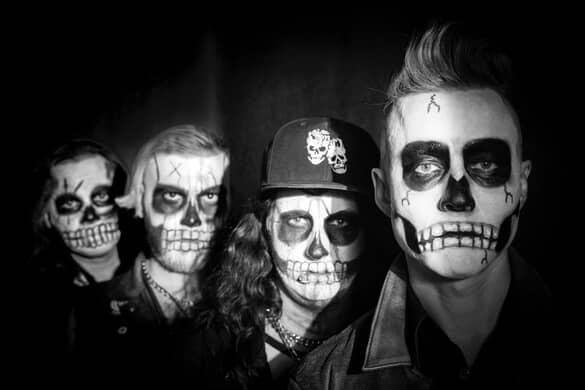
Fronted by Adam Rabuck of Dirt Bike Annie, The Bacarrudas are parlaying their 2024 debut album Pool Party and Christmas single into a brand new Halloween EP “…Bleed out, Get pushed off a cliff, Sink to the bottom of a lake, and play a Halloween monster House Party!”. We’re stoked to bring you the exclusive […]
Fronted by Adam Rabuck of Dirt Bike Annie, The Bacarrudas are parlaying their 2024 debut album Pool Party and Christmas single into a brand new Halloween EP “…Bleed out, Get pushed off a cliff, Sink to the bottom of a lake, and play a Halloween monster House Party!”. We’re stoked to bring you the exclusive premiere of the lead single “Halloween Party” – check out the music video below!
There’s a certain stigma that sometimes comes with playing in a cover band, let alone a tribute band to one particular band or artist. What some people consider homage, others consider a lack of skill or creativity. Which is why a band like the Mismiths is a breath of fresh air. Taking the gory horror […]
There’s a certain stigma that sometimes comes with playing in a cover band, let alone a tribute band to one particular band or artist. What some people consider homage, others consider a lack of skill or creativity. Which is why a band like the Mismiths is a breath of fresh air. Taking the gory horror punk of the Misfits and pairing it side by side with the emotional longing of the Smiths; creates a balance you didn’t know you needed or wanted.
While perfectly adept at playing covers of each band, the Mismiths released a record of original music inspired by both of them in 2021, Every Night’s Like Halloween. This week they released the Dead to ME.P. Five songs that keep with the original spirit of their band and the two they pay tribute to. Throughout band member changes and an ever-evolving set, The Mismiths continue to be one of the most entertaining acts you can see. We were able to catch up with lead singer Gorrisey to talk about forming the band, the new record, and mashing up two of music’s polarizing bands.
(edited for clarity)
Steven Gorrisey – Mismiths
Dying Scene (Forrest Gaddis): I’ve seen you guys a couple of times and it’s always so much fun. I’m trying to get a bunch of people to go out to the Fullerton show.
Steven Gorrisey – Oh, okay, Programme (Skate & Sound).
Yeah, it’s down the street.
Yeah, we used to play Slide Bar a lot. We used to pack it out. One of my favorite places to play. I was really sad when they stopped doing shows. We always played the inside room.
I saw TSOL and Nerf Herder (separately) in that room, they used to get good bands in that place.
It was the first time a fight broke out at one of our shows, and it was during a Smiths song. I literally stopped the whole show. I’m like, “Hey, hey, hey, guys, there’s better songs to fight to than this song.”
How did the Mismiths form?
I was going back and forth with my friend, just joking around with mashup band names. I can’t remember all the stupid names, but you know, like Creed Biscuit or something like that. Just trying to make each other laugh, and my friend Kevin said, “Mismiths.” I just looked at him like five seconds later, started laughing, like, “Wait, what? A Misfits Smiths cover band?”
We’re just cracking up. We thought it was so funny. I want to say, about a year later, that was always in the back of my head. I just started putting together this whole idea in my head. I’ll have a Danzig guy. I’ll be the Morrissey guy with skull makeup. I was kind of throwing ideas around. I brought it to a few of my friends and bandmates at the time, and they asked, “What are you talking about? That makes absolutely no sense”
I’m like, “Can we just try this once? Trust me, it’ll be fun. We’ll just do it. We’ll do it one time on Halloween.” It was like eight years ago. It was kind of a joke; we were just trying to have fun. We played a show on Halloween and it was packed. Everyone loved it. I thought that’d be it, but then so many people after a show asked, “When are you doing this again?”
I’m like, “Again? Maybe next Halloween?” The only reason I even thought of the idea is because I grabbed the mic. I was in a not very big punk band at all. I grabbed the mic and I started imitating Morrissey, and no one laughed. They’re like, “Where did you learn how to do that?” I didn’t even know I could do that. Like, I had no idea. So that’s what triggered the whole Mismiths thing. I definitely can’t sound like Glenn. I need someone to help me out with that part.
What band did you play in before?
I was actually a touring drummer most of my life. I just started singing maybe ten or fifteen years ago, and I was really bad for a while. Then I worked really hard to be mediocre, but I only sang in one band called the High On Lows. We only did local shows. I did Mismiths, and we would play like a couple shows a year for the first few years. It just started picking up steam. We’re playing shows in June and September. I’m like, what is going on? Are we a band now? That’s how it basically started.
I saw that you guys went to Alaska in April. Where else have you guys gotten to play? I mean, outside of Canada or Mexico or anything like that?
We haven’t gone to Canada. I don’t know if they’ll let us in right now. Yeah, border stuff’s a little weird right now. We’ve done Alaska. We’ve done two West Coast tours. We’re doing a third West Coast tour, and I’m booking a tour in February. We’re doing like the Panhandle Bible Belt area: New Orleans, Florida, Alabama, Carolina shows, Georgia. I think we’re playing the UK in April. We played Mexicali last month.
How many songs from each band can you play?
We know so many songs. Sometimes we get hired to do almost three hours of music. It’s exhausting because people sometimes book us, and we’re just a normal, high-energy punk band. We generally play one hour, maybe a little more. Some people are just like, “Oh, it’s a cover band. They can play all night.” We’re not playing Top 40. We’re not a wedding band. We’re balls to the wall the whole time. When they want us to play for three hours, sometimes the money’s too good to say no, so we do it. A lot more balance is in there.
If you’re playing a one-hour set, are there enough interchangeable parts that you can play a different set each time, or do you keep it the same?
A lot of places generally just want us to play for an hour, so we’ll plan an hour set and a few songs planned if an encore happens. If we have an opening spot, like forty minutes, then we’ll have to plan for that too. It all depends on how long they want us to play. Otherwise, we’ll just play the same set the whole tour. We don’t want to keep redoing the same bits at shows, but it’s kind of hard to remember, like, “Wait, did we do that bit there?”
How has the set evolved?
Oh, the comedy has gone way up now. When we parted ways with the other singer, the bass player kind of took on his duties, and he’s a silly dude. He’s more willing to work on some of the bits and comedy. When we had the two-singer thing, the other guy didn’t really want to share misfit songs too much. You know, he’s like, “Well, I’m not gonna sing in this Smith stuff.” I’m like, “Okay, well, what am I supposed to do?” A lot of the time, I just felt like a dancing monkey, but now I can sing the whole Smith song and my bass player can just play the bass, and it looks fine. I think the flow of the shows has gotten a lot better because of that.
I think people are surprised here that there’s humor throughout it.
Like, I always tell people, “You don’t even have to like the songs we cover, but you will be entertained for sure.”
Have you had any offers to open for anybody big?
You know, the band Berlin?
Yes, I saw Berlin with Madness, actually.
We opened for Berlin at the Boohaha like a couple of years ago at the OC Fairgrounds. That was probably the biggest show we ever played. Calabrese is kind of big.
That’s a name I’ve heard in a minute.
Green Jello; we played with them at The Whiskey, but almost always, people just want to book us to headline. I would love to open for bigger bands because it’d be so much more helpful for us to get bigger, playing in front of different crowds.
I’m surprised they haven’t gotten you in with something like Mac Sabbath or something. You guys would fit perfectly with Mac Sabbath.
My friend fills in for Grimace sometimes. He put our band name in their head, and they thought it was cool. I would love to play with them. They’re awesome.
Do either the Misfits, Danzig, the Smiths, or Morrissey know you exist?
Early on, it must have been like our third show, whatever. You know Bar Sinister? We’re playing there and I was walking around. Steve Zing, Danzig’s bass player, who also played in Samhain, was there. I ran up to him and go, “What the fuck are you guys doing here?” He just came to see the show. It sounded interesting. I ran up to my old singer. I was like, “Dude, look who’s here.”
Like it kind of bothered us. Obviously, we’re huge fans, and we’re like, that was super rad that they came. I was like, what the hell’s going on? I’m pretty good friends with Steve Zing now. Not from that, just being around. A lot of Danzig’s People come to our shows. I doubt Danzig reads Dying Scene, but they all say the same shit to me. We don’t tell Glenn we’re here. Like, Glenn hates cover bands. He will throw Cease and Desist out.
The guy who tours with Elvis songs?
Well, bands love cover bands because cover bands are playing their songs. That means people are going to go listen to their songs even more, and they keep those bands alive. I mean, if the Misfits were touring all the time, but they play, like, what, you know, two to four shows a year in stadiums and arenas. Like a lot of people that come see us say, “Dude, I’m so glad you’re doing this because we can’t afford those tickets.”
We also get a lot of people who hate Morrissey, but love his music. They say, “You know, I know you guys won’t cancel.” You know, they’re happy to come see this weird band that I started. I don’t think any of Morrissey’s people have come to see us, though.
No Morrissey or Johnny Marr or anything?
I wonder if we’ve ever been on their radar. I don’t know. Probably, right?
Marr seems like he’s cool. He seems like he’s into music still. Morrissey just doesn’t.
There are some mutual friends of Morrissey that have listened to us or come see us before, though. Not on the famous side of things.
Is it Dead To Me.P. or Dead To Me EP?
Oh man. Uh, it’s Dead To Me.P. I see people posting it as Dead To Me EP. I had to fight for this name. I know it sounds stupid, but I like combining things to mash it up to be annoying.
It’s five songs. I got a “Send Them To Hell” shirt when I saw you guys a couple of weeks back. I’m not big on Supernatural, but I like the shirt.
I always wanted the shirts to be so cool that it didn’t matter what was on it.
Your original songs are accurate songs from both of the bands. You’re doing songs about horror movies and shows. If the Misfits were still making music, they would have a Supernatural song.
I guess I’m going for horror more in my era or things I watch. Danzig’s going super old school, horror and sci-fi. And then I don’t know what that second lineup of Misfits was thinking.
Tell us about the single, “You’re Dead To Me And I Don’t Shag The Dead.”
The song is basically about an ex who is majorly toxic and terrible, but she’s so fun and a great hook up. Then you finally snap out of it and you’re done being a mentally and emotionally abused loser. Even though god damn it you’d love to sleep with her again but she’s such a bad person haha.
All our videos are always very camp or blood splatter or silly and it’s so awesome and we love doing that and we’ll do it again but for this video we wanted to go in a different direction. Something a little bit more weirder and more creepy and a little bit on that David Lynch tip. None of us were sure how to do this. We’re all kind of silly dudes so we got Danika Asbury as a creative director and Trevor Campbell doing the videography. We are so blessed that they both wanted to do this cause we are so happy with the outcome. And all the actors killed it as well.
Were people coming up and asking you to play “Saturday Night” so much that you had to write a song about it (“Stop Asking for Saturday Night”)?
I want to say if not every show, then every other show. Someone’s always yelling it. Some of us really like that song. I made a commitment a long time ago; we’re only doing Danzig Misfits. I went and saw those early Michael Graves era shows, and they’re actually pretty awesome. At the time, I was probably a hundred percent sure they would never get back together. I was like, “This is the best I can see,” and it’s got Doyle and Jerry. So, fuck it. I just wish they never called it Misfits. It should have just been a different band, and Graves has gotten a little strange over the years. Even more reason I don’t want to, personally.
When we’re demoing songs, my bass player said, “Hey dude, I got this song. I want it to be in the vein of ‘Saturday Night.’”
He had written some horror-type lyrics. He had a melody, and I just popped real quick. He thinks he came up with it, but I’m pretty sure I did. We just started going crazy on the lyrics, and now we have a super fun song.
Is that the only kind of post-Danzig era sound you guys dip into?
I think so. It’s just a swingy three, four kind of thing.
Are you a Danzig purist?
I saw a bunch of the Graves era. I even saw when Jerry was singing.
When Dez (Cadena) was in the band?
Yeah. Dez and Robo. Things were just getting so weird.
My brother called it the Jerry-only band at that point.
Yeah. Marky Ramone was in it for a second. I only listen to Danzig Misfits, personally. I used to listen to American Psycho a bunch. I don’t know; I’m over it. I don’t know about the other guys, but my friends absolutely love that shit.
Is it easier to make the Misfits horror punk songs or Smiths songs?
Oh, Smiths for sure. Mostly the guitar stuff. Like the first album we put out, those songs didn’t sound very Smiths. They sound more like Morrissey solo, I guess you could say. We’ve gone through a bunch of guitar players. Only in the past year and a half, maybe two, our guitar player, William H. Business, is definitely the best guitar player we ever played with. He grabbed those Johnny Marr skills so fast. When he started writing with us, I never heard it like this. This is what I always wanted. No one can play like Johnny Marr, but he got the vibe so fast. You’ll hear it on the songs on that EP. It was like, holy crap. The only thing that was kind of a Smiths vibe was my voice, I guess.
That’s not to take away from the horror punk stuff because Danzig is just one of the best songwriters ever in general. Everything he writes is just so perfect and catchy. It sounds easy, but to actually write something that amazing isn’t an easy task either. We don’t try to nail it exactly Smiths or exactly Misfits. We want it to be our thing, you know?
I like the deviations to other bands you threw in the set. I almost don’t want to put this part in the article because I think it’s a really good surprise when people see you guys play. It’s fun because you’re not expecting that, you know.
We love a good mashup. It’s hard, because you have to figure out what the tempo is, what the key is, how that’s going to work. You can’t keep doing the same bit over and over, but then you play the same places and it’s different people. Then I see videos popping up everywhere of us doing bits. I’m like, shit, now it’s out there.
It’s going to be like a comedy special. You’re going to have to come up with a whole new thing each time you go out.
People like hearing the same bit here and there; I guess it’s not a big deal.
You had Charlie Paulson from Goldfinger producing the album. How did he get involved?
Well, I became friends with him thirteen or fourteen years ago, but I didn’t really know anything about Goldfinger, just being around local LA. How did we meet? I forget the exact story, but his ex-girlfriend DM-ed me, and he found out about it. He called me. He’s like, “Look, I don’t want any problems or whatever, but you need to know about this.” We just kind of bonded over a shady chick.
He would come see Mismiths and be like, “You need to do this. You need to do that.” He produces stuff here and there too. I was never like a Goldfinger fan, but then I saw them probably a few years back now and Holy crap, man. Those guys go off. I always think of Charlie. He’s just Charlie’s dude. I hang out with and I can go to diners with or whatever, but seeing him play live with that band, I realized, “Oh, my friend’s a fucking rock star, kick ass guitar player.”I just couldn’t, I was just blown away by his talent.
We always wanted a producer, especially with bands. Everyone has an opinion, and then you start to get attached to things. You get different perspectives with someone looking in from the outside, and sometimes you’re just like, “How do we make this better?” You know, we’ve tried everything. He said he would love to have a crack at producing us, and that’s how it kind of happened.
He was pulling things out of Todd that I just had no idea about. He just made us all better. It was so easy to work with him, which I wasn’t sure about either. ‘Cause, you know, he’s kind of a grumpy old man at times, but dude, he was amazing. All the advice he gave and all the things he had us try. Yeah, it was mind-blowing. I’m very grateful to him. We never worked with a producer before either. The old singer wrote most of the stuff on that album, and some of it, I wrote too.
Are those ones that pretty much survived the set?
Yeah. Like we still play “Every Night is Like Halloween.” I only wrote a verse on that. What else? “The Show Has Been Canceled.” We play that.
The EP releases on September 14th?
Yeah, it’ll start trickling into whatever stores we can get them in, and it’ll be available. We’re going to release the single, “You’re Dead to Me And I Don’t Shag The Dead,” online as well, but we’re not going to release the whole record on streaming until September 18th. If you want to buy the vinyl, you can hear all the rest of the songs.
The Mismiths are coming to your town. Check out the dates below and pick up the Dead to ME.P. from them when you do!
Aug 16th – Kensington Club – San Diego, CA
Aug 23rd – The Barn and Grill Company – Yucaipa, CA
Sept 12th – The Mixx – Pasadena, CA
Sept 13th – Regal Inn – Lakewood, CA
Sept 25th – The Ugly Mug – Washington DC
Sept 26th – Norfolk Taphouse – Norfolk, VA
Sept 27th – Cafe Nola – Fredrick, MD
Sept 28th – The Ritz Theater – Scranton, PA
Sept 29th – Manny’s Performance Space – State College, PA
New York pop-punk veterans Goin’ Places are gearing up for the release of their new album Imperfect – coming this fall on Mom’s Basement Records – and today we’re bringing you the exclusive premiere of the record’s newest single “Let’s Go to the Beach”. This is a classic no-nonsense Ramonescore track with an earworm chorus […]
New York pop-punk veterans Goin’ Places are gearing up for the release of their new album Imperfect – coming this fall on Mom’s Basement Records – and today we’re bringing you the exclusive premiere of the record’s newest single “Let’s Go to the Beach”. This is a classic no-nonsense Ramonescore track with an earworm chorus and no more than four chords. Check that shit out below!
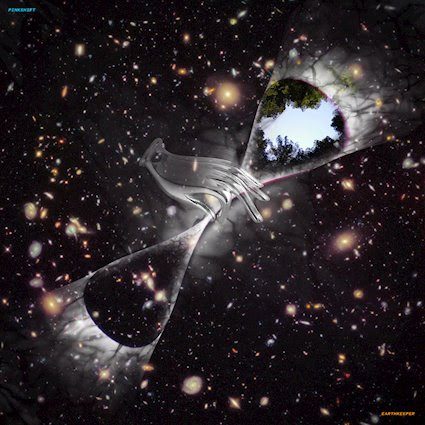
In the description of the album I received, Pinkshift stated they wanted this album to be an inspiration for you to give a shit. An album not to make you think, but to make you act. The opening song, “Love It Here,” contains about twenty seconds of prelude before Kumar begins screaming about the world, […]
In the description of the album I received, Pinkshift stated they wanted this album to be an inspiration for you to give a shit. An album not to make you think, but to make you act. The opening song, “Love It Here,” contains about twenty seconds of prelude before Kumar begins screaming about the world, its takers, and what you can do to fight against them. It’s a strong start to an album that, I believe, succeeds excellently in its mission to scream a statement out. It brings Pinkshift’s breakneck energy and political voice to a new genre, that of metalcore and hardcore punk.
The band that was partially responsible for the re-emergence of pop-punk as a genre has given a full-throated and delightful rebuttal to that categorization with this album. Their second full length piece, you might’ve caught the few singles released to preempt the full albums release, “Anita Ride,” “Vacant,” and “Reflection” and “Don’t Fight” on a split. Each has a little bit of spice, a little twist on the metalcore genre, with “Don’t Fight” letting the guitarist Paul Vallejo take the vocal lead. His mellow baritone is matched by Kumar’s screaming anger.
It’s supremely hard to pick out favorites on this release. It’s also wonderful that I have the opportunity to talk about breakdowns, because there are some killers here. You can tell the band is so excited to be able to work outside the genre of pop-punk here. I’m pointing at “Patience” and “Spiritseeker,” specifically the latter piece. There are moments where Kumar is allowed lyrically flex on us, their full vocal range stretching out as they sing about the ghosts haunting them. While the lyrics do feel a bit juvenile, perhaps a remnant of the band’s earlier goofy tone being shifted and changed, they manage to stick the landing in the end.
Something that shone out to me during my multiple listens was the precision and skill shown in the instrumentation. Reminiscent of early Cave In, they manage to create a sound that feels like the intersection of punk and metalcore, a sound that’s quite difficult to pin down. It shows growth from their first full-length and is a beautiful maturation of the band from their humble beginnings in Maryland, it shows a dedication to trying something new. The moments where the pulse slows, where the delightful guitar playing is allowed to run free in the center of our ears, when the beautiful vocals hit their full range, is when Pinkshift really gets started.
One of my highlights of the entire album is their first love song, “Reflection.” Pinkshift has always felt tongue-in-check, grinning at the absurdity of it all. Paul’s switch to a baritone guitar along with Ashrita letting us wallow in their melodramatic voice. It washes over you like a bath, a mirror showing how we see ourselves through the eyes of our lovers.
With this release the band has fully shed the pop-punk sheen that they gto popular with. They fully face serious topics, dissecting them with heavy basslines and searing vocals. “Anita Ride” deals with the desire to fully abandon a life that has become grayer and grayer. The political bent of this album is wonderfully crafted, blending it with the trademark highly personal internal dialogs of their earlier works. It’s a fuck you to everything they hate, and a fuck you to the places they were, and a thank you to the places they’re going.
Check it out on August 29th when it releases everywhere.
Michigan ska-punks The Boy Detective are officially back on the case with their highly anticipated sophomore album Disco Lunch, set for release November 7th via Punkerton Records. We’re stoked to bring you the exclusive premiere of the lead single “Beth Truss”. Check out the music video below! “This ancient song was taken off the shelf, […]
Michigan ska-punks The Boy Detective are officially back on the case with their highly anticipated sophomore album Disco Lunch, set for release November 7th via Punkerton Records. We’re stoked to bring you the exclusive premiere of the lead single “Beth Truss”. Check out the music video below!
“This ancient song was taken off the shelf, dusted off, and reformatted to sonically invoke singalongs and brain-eating choruses and gang vocals, in the only way The Boy Detective knows best,” says vocalist Benny Capaul. “You’ll find yourself screaming these gang vocals and wanting to rage. In Beth we Truss!”
Recorded by Roger Lima (Less Than Jake/Rehasher) and mixed/mastered by Eric Taft, Disco Lunch is the band’s second full-length, following 2024’s Art Theft, and finds the Michigan crew doubling down on their signature mix of humor, heart, and headbang-worthy ska-punk energy.
Pre-order Disco Lunch now(!) on limited edition colored vinyl from Punkerton Records.
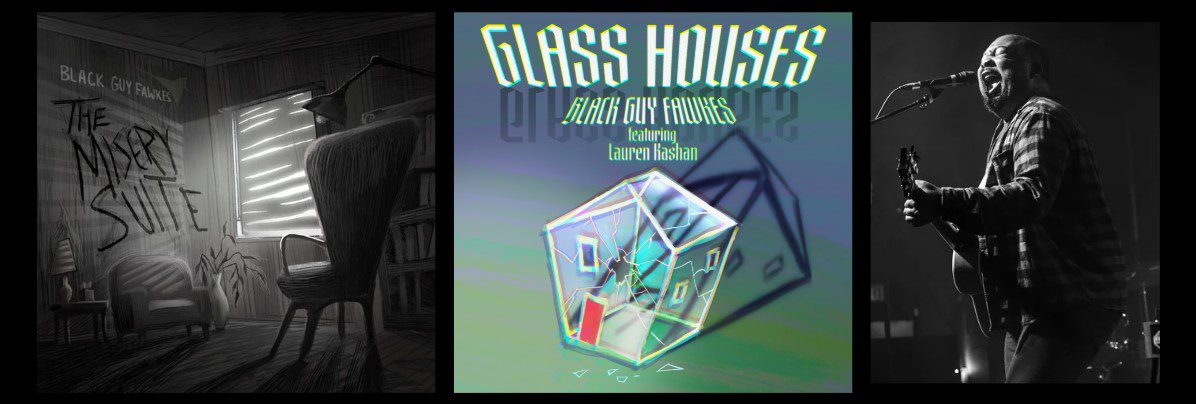
Fresh off of the interview we posted a couple of weeks back, we’re beyond stoked to debut Black Guy Fawkes‘ brand new single “Glass Houses”! Featuring Lauren Kashan, “Glass Houses” is the third single ahead of The Misery Suite, out September 19. I had a blast sitting down with Ian Robinson a few weeks ago […]
I had a blast sitting down with Ian Robinson a few weeks ago and discussing the new record. When asked if these songs were fresh ideas or if he’d been sitting on them awhile, the new single immediately came to mind. The whole thing will be linked below, but we specifically touched on the songwriting behind “Glass Houses”:
There’s one song on the record called Glass Houses, which I wrote back in, I think, 2023? I had the concept for it. But then I, so originally I wanted to write a record that was very, that was in the vein of, like Block Party / Radiohead, but it wasn’t. For some reason, I just put on In Utero, and I was really inspired. And it gave me the idea of writing what now is called “Misery Suite”. So it inspired me to kind of write that about the way that therapy for me was very, it was healing, but it was also kind of dirty. You had to get down and dirty with therapy so you could confront some demons. So I wanted the record to kind of have that dirty, like, grungy sound to it.
Due out September 19 via Asbestos Records, Black Guy Fawkes’ The Misery Suite hits streaming everywhere. “Glass Houses” is the third single behind “Cause for Alarm” and “Racial Battle Fatigue” ft. Angelo Moore of Fishbone. Ian has been busting his ass lately touring, and shows no signs of slowing, so be on the lookout for a BGF show coming to your city. Head below to check out the new single and a Spofity player with all of BGF’s music – new and old – included! Cheers!
For forty years, NOFX helped define punk rock. Love them or hate them, the indelible mark left by the band will be discussed for decades to come, in what light remains to be seen. While conversations had been made throughout the band’s career, these actions and thoughts are analyzed in a book of essays, NOFX: […]
For forty years, NOFX helped define punk rock. Love them or hate them, the indelible mark left by the band will be discussed for decades to come, in what light remains to be seen. While conversations had been made throughout the band’s career, these actions and thoughts are analyzed in a book of essays, NOFX: Forty Years of “Problematic” Punk Provocations, written by a slew of authors and edited by Ellen Bernhard, Stefano Morello, and David Pearson.
The introduction posits the question: Is NOFX provoking us to get us thinking, or are they just offensive? The arguments for this are broken up into four different parts: Punk Humor and Satire, Politics and Futurities, Identity and Representation, and Being and Sounding Punk. As with a lot of these academic books, there are arguments for both sides. Starting with the band’s use of wit, sarcasm, and jokes, essays like “They’ve Only Gotten Smarter” present a case for the band’s wit, comparing Fat Mike’s sense of humor to that of Fear’s Lee Ving and Tesco Vee of the Meatmen, but with the satirical absurdity of Jonathan Swift. While humor in punk rock isn’t always PC or appropriate, it is honest. Sometimes the truth hurts.
There are some great deep dives into some of the band’s most popular tracks. Jose M. Garza Jr.’s take in his essay, “Music Speaks Louder Than Words or Maybe About The Same,” boasts well-thought-out sections that explain the music theory behind their song structures, going as far as to show portions of the sheet music of songs like “Bath of Least Resistance,” but even Garza wonders if these were accidental experiments or done on purpose. There’s even a chapter on Fat Mike’s musical, “Home Sweet Home.” While the chapter does go into spoiler territory, it did pique my interest enough to see a performance if the opportunity arose.
My complaint is that most of the book is Fat Mike-based, which makes sense given that he is the mouthpiece of the band on and off the stage. Something brought up ad nauseam is Mike’s comments about the Route 91 Country Music Festival shooting a lot in these first couple of sections, but eventually they taper off to other issues. A chapter is dedicated to his time as a political activist with PunkVoter and his stint as Cokey the Clown. There is a good portion of the book that analyzes Fat Mike’s persona, which makes sense as he is the public face of the band. We don’t really get a lot of analysis of the rest of the members outside of their musical ability and contributions to the songs.
I’ve never been the biggest NOFX fan, but I find them interesting. They’re a cornerstone of punk rock whether you or they want them to be or not. In the past, I have read academic books like this about subjects I was deeply invested in, mostly books using pop culture to juxtapose the teachings of philosophy. They usually piss me off to no end. Earlier this year I read Ian Ellis’s analysis of punk rock, “Punk Beyond The Music: Tracing Mutation and Manifestation of the Punk Virus.” His broad assessment of the genre, attitude, and aesthetic felt incomplete despite how comprehensive his examples were. This book succeeds by contrasting and analyzing punk rock with a band who pushed the genre to the edge and often jumped off the cliff without a care. It was good to read about something I was only somewhat knowledgeable on. You can purchase NOFX: Forty Years of “Problematic” Punk Provocations, from Bloomsbury Press.







Ryan Hughes
Hell yes! Love TBD!