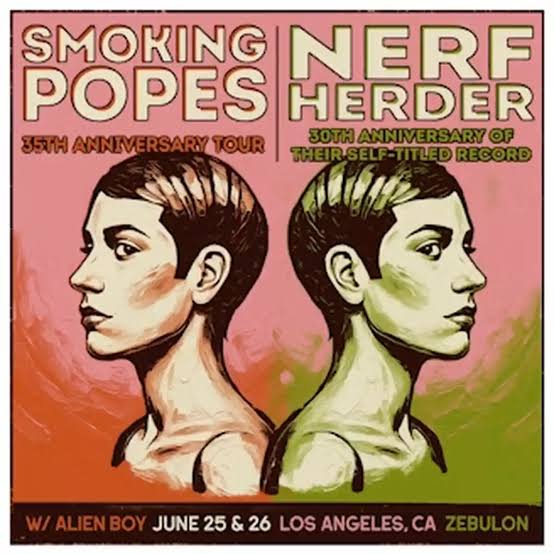
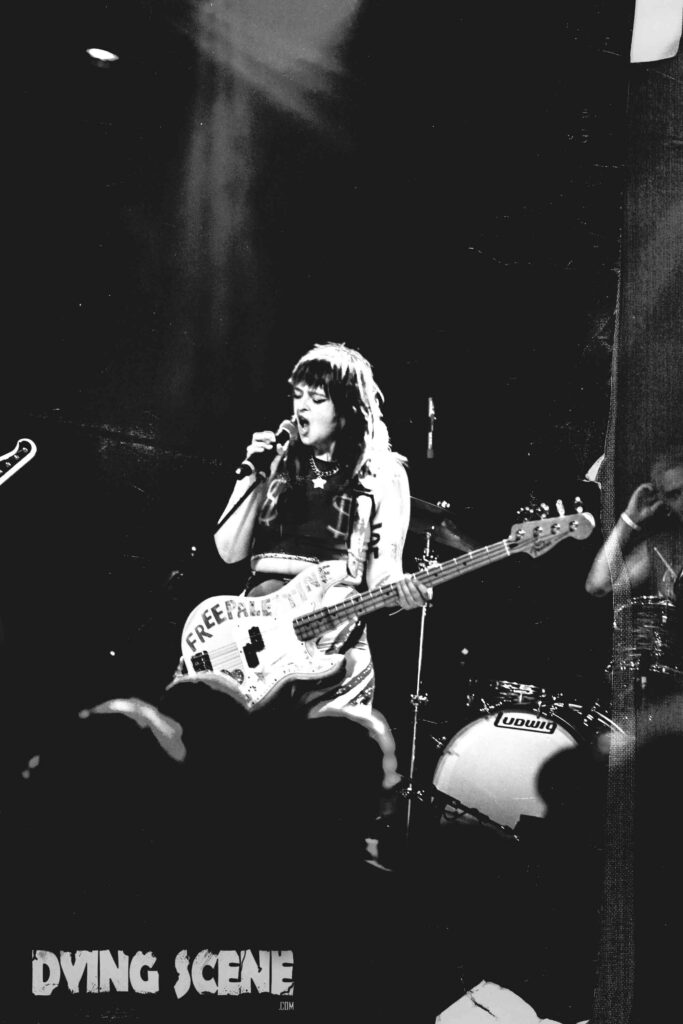
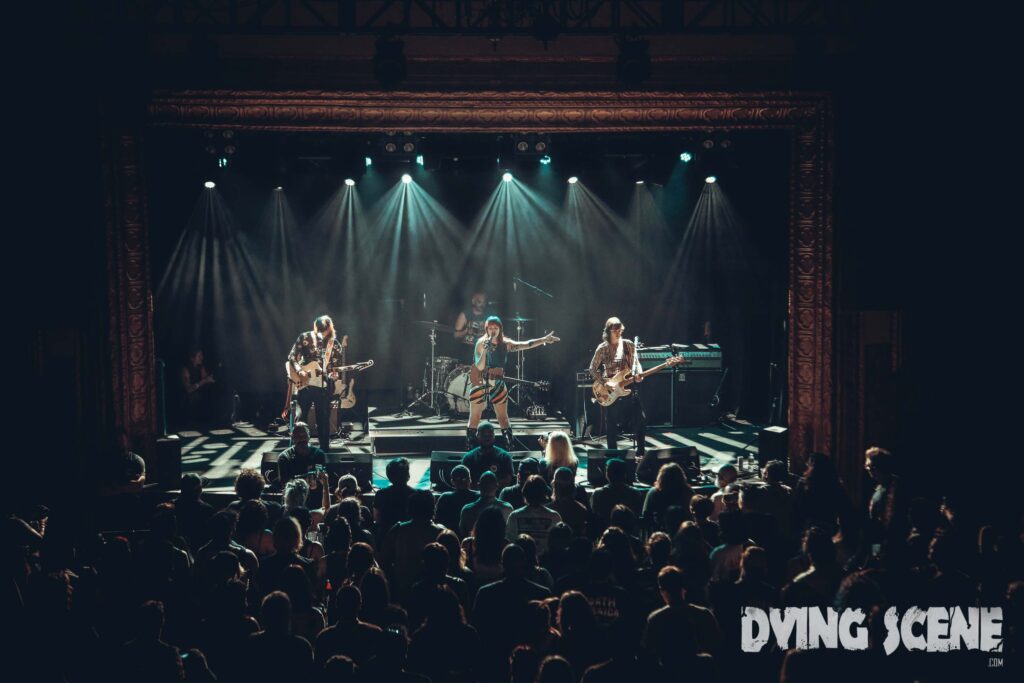
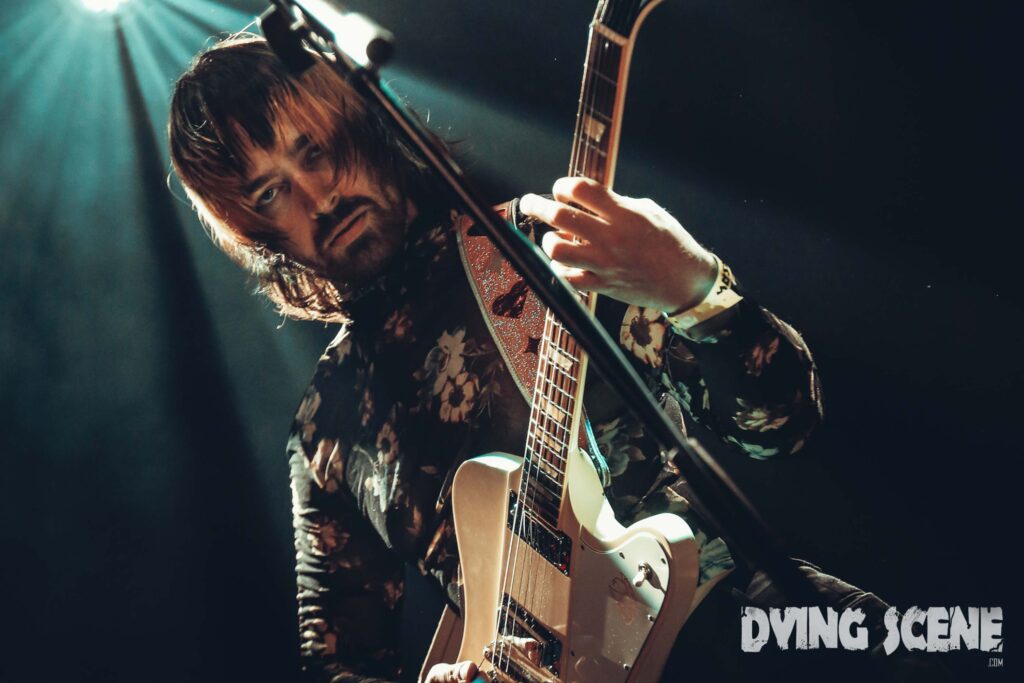
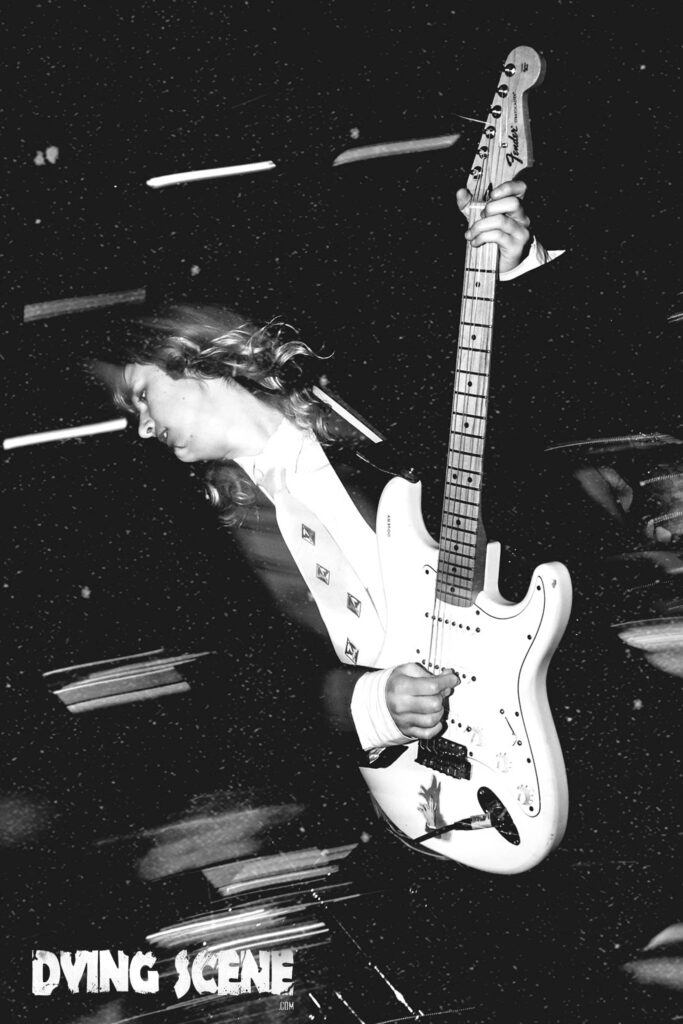
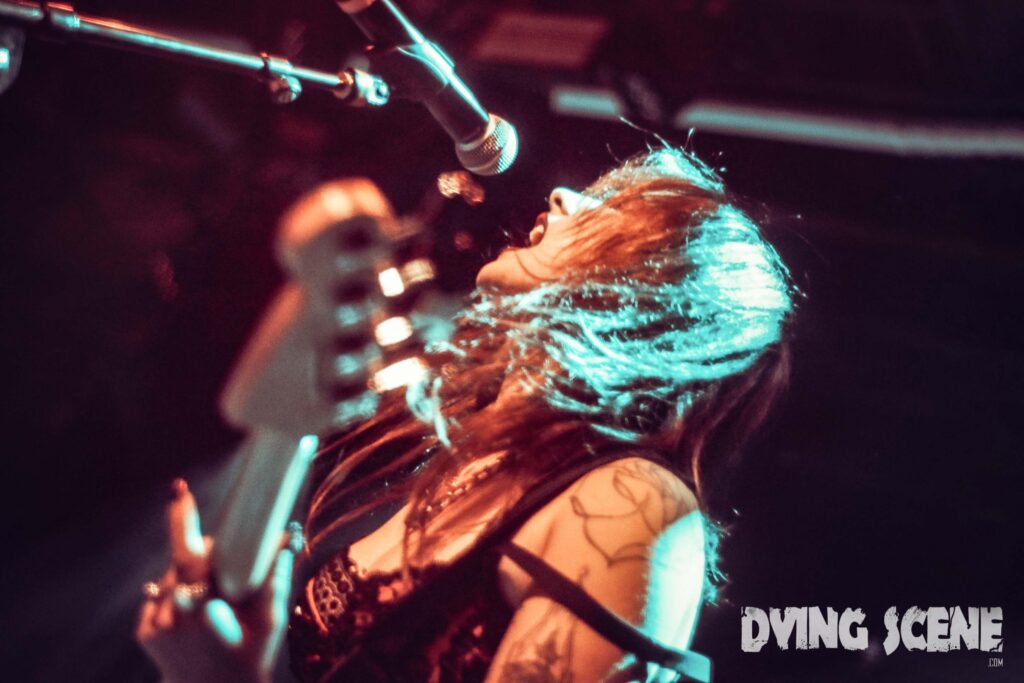
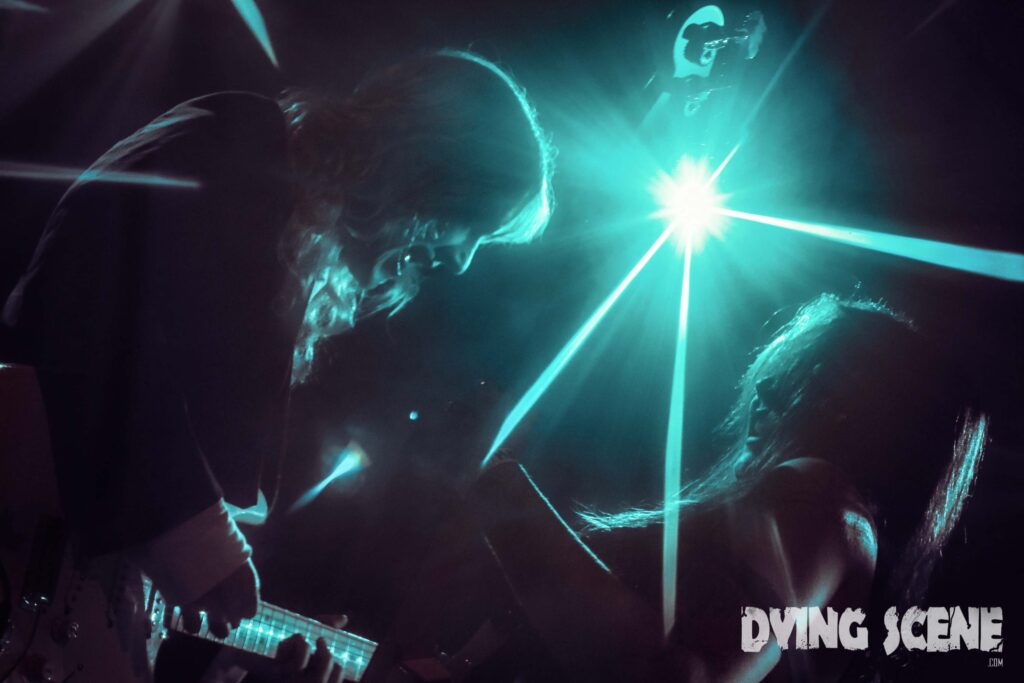
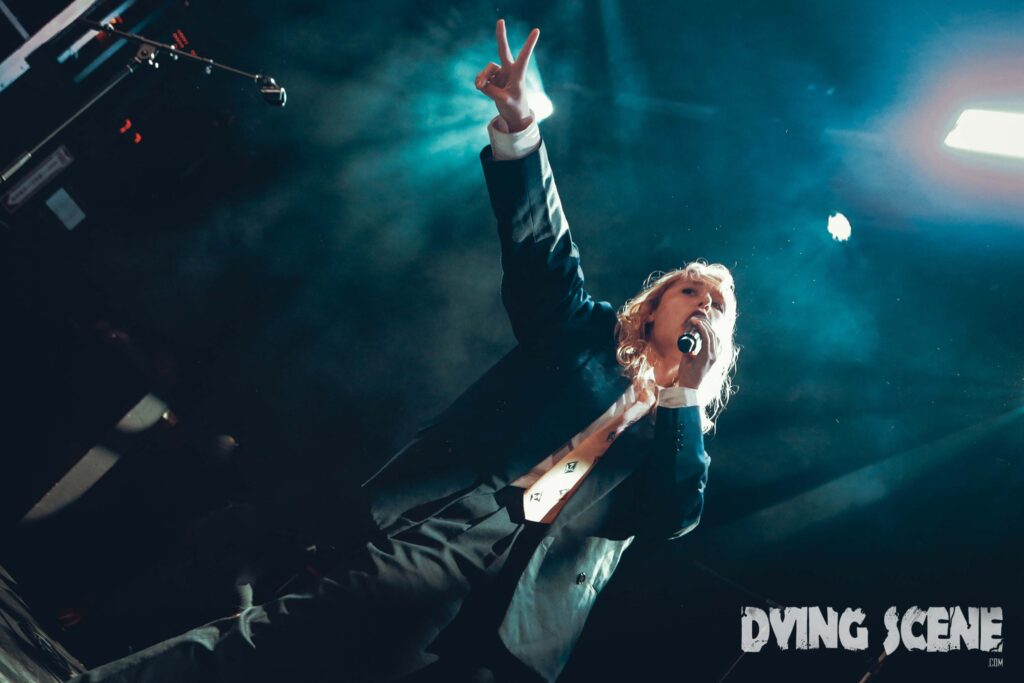
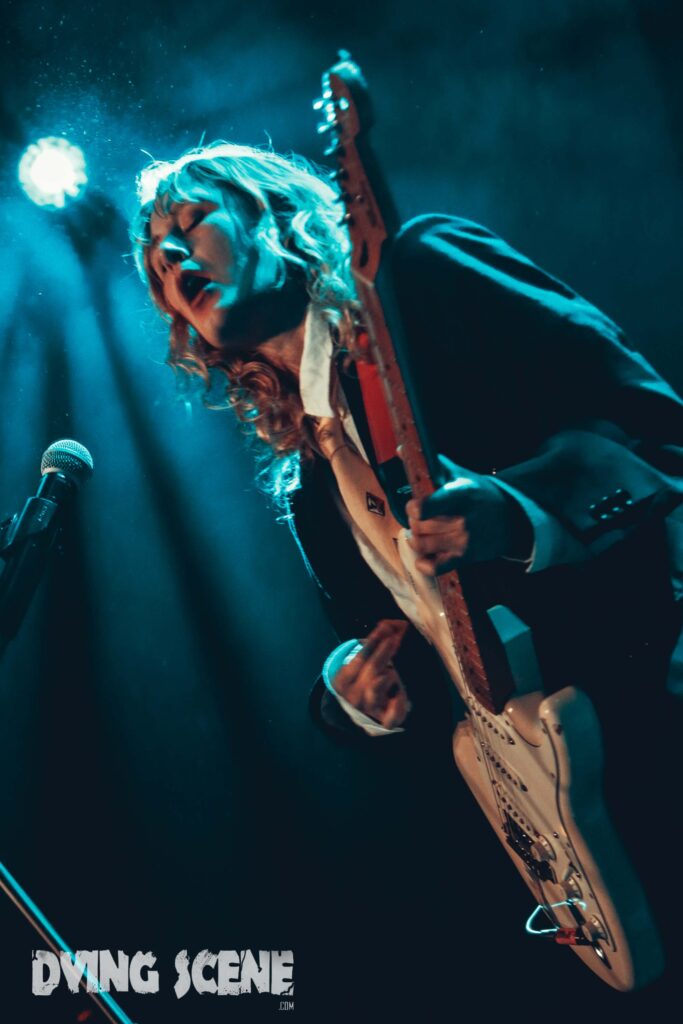
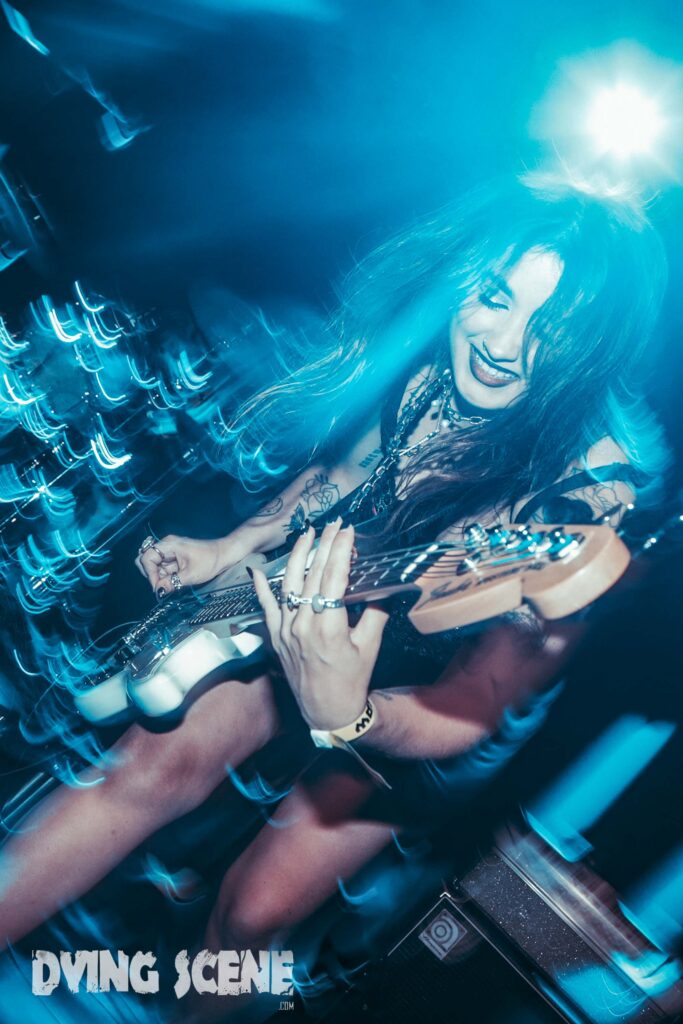
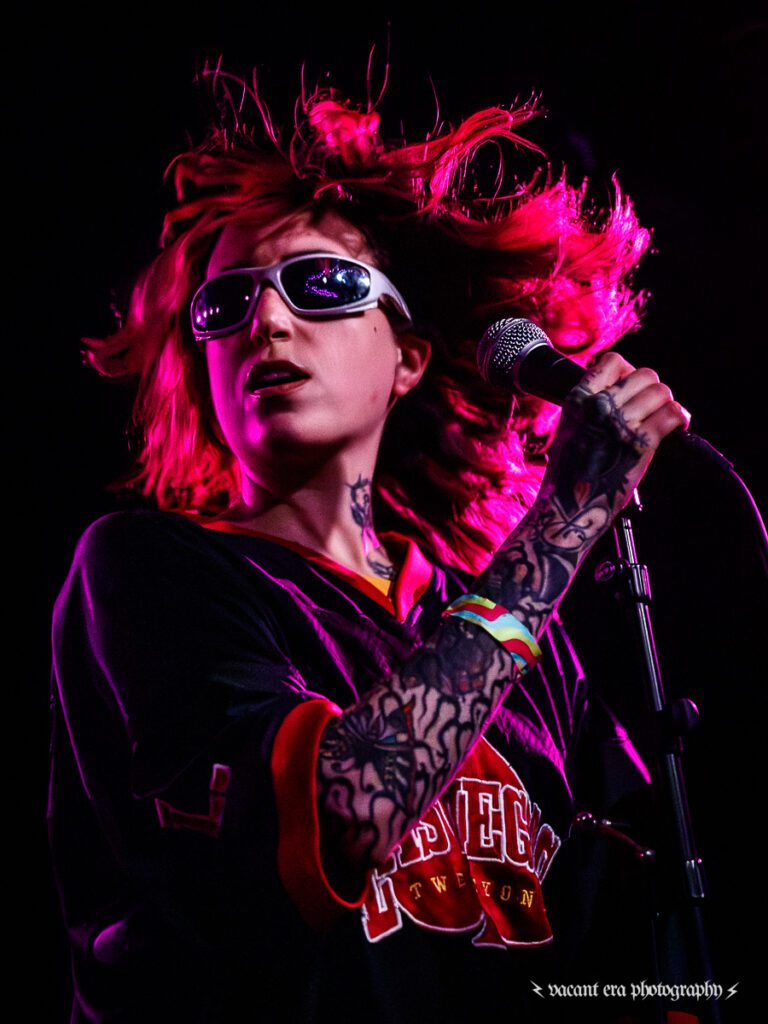
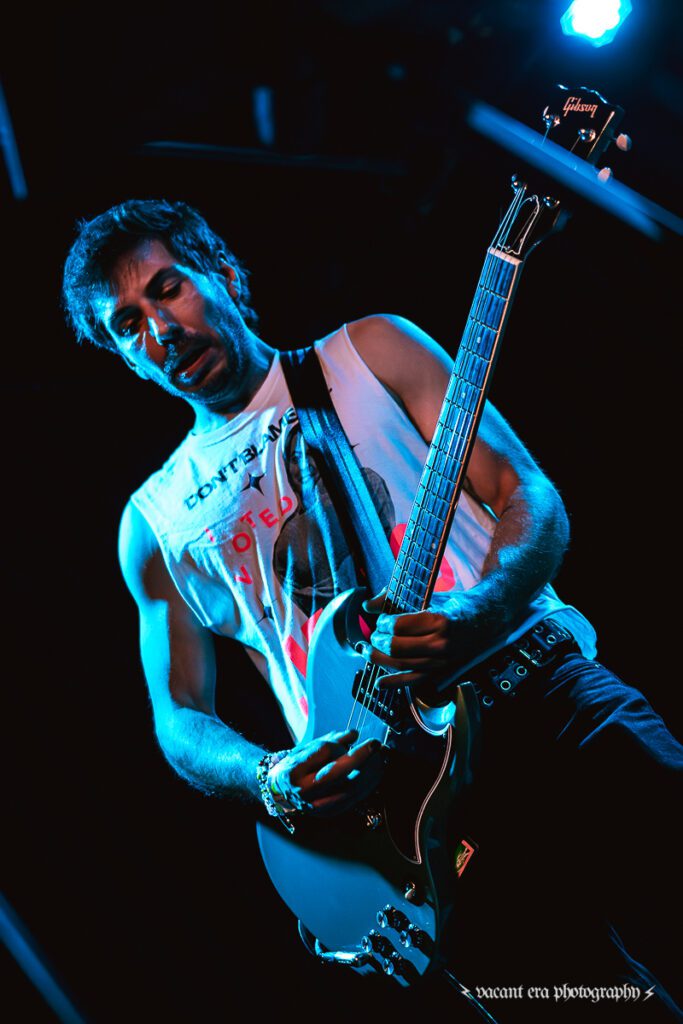
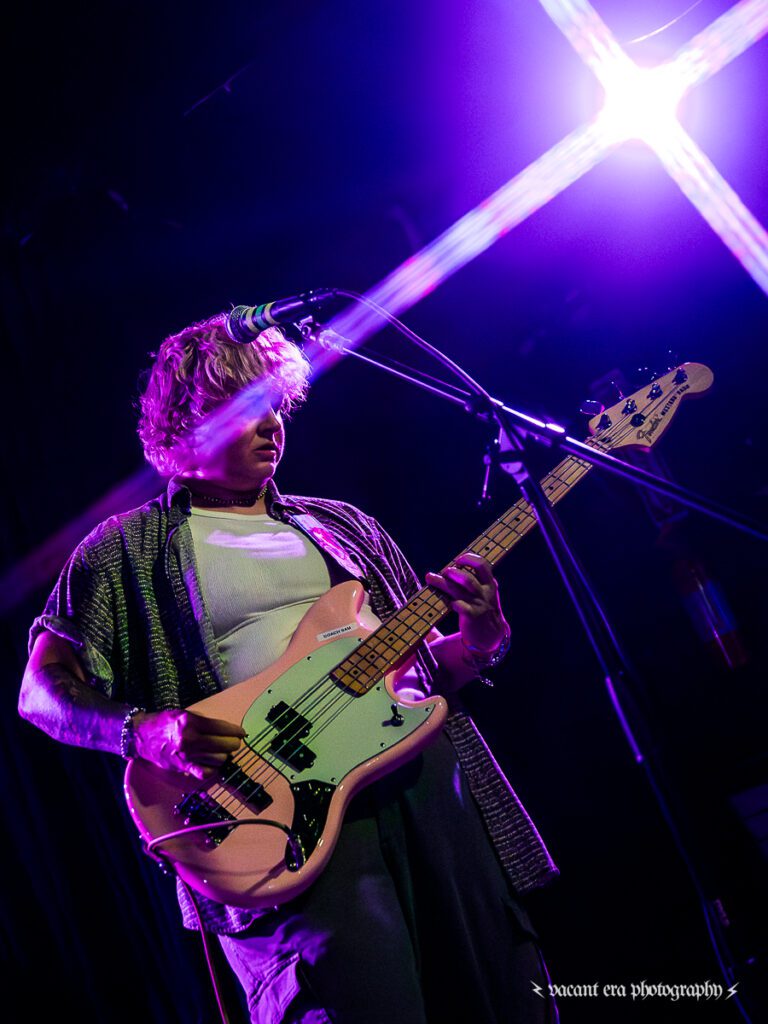
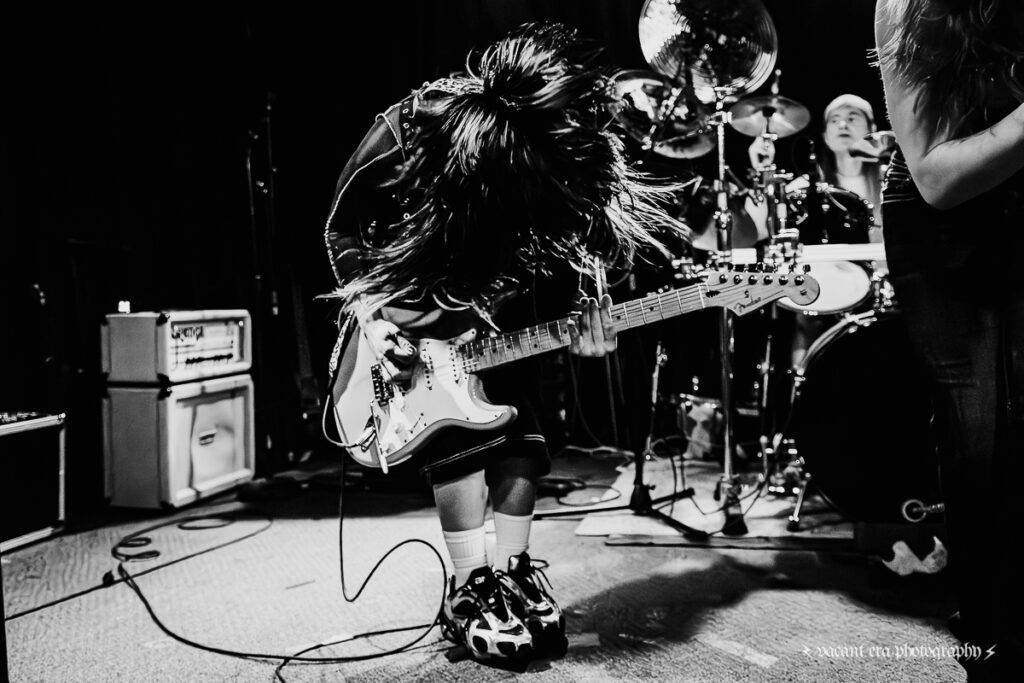
This year marks a couple of anniversaries for some long-lasting acts. The boom of 1990s punk rock bands was definitely felt, and it seems we never recovered from the effects. Three of those bands played a show at the Zebulon in Los Angeles to celebrate: The Smoking Popes, Nerf Herder, and Ridel High. While each […]
This year marks a couple of anniversaries for some long-lasting acts. The boom of 1990s punk rock bands was definitely felt, and it seems we never recovered from the effects. Three of those bands played a show at the Zebulon in Los Angeles to celebrate: The Smoking Popes, Nerf Herder, and Ridel High. While each band may have been celebrating decades of playing music, one thing is for sure: age has not slowed any of these bands down.
This was my first time at the Zebulon Cafe, and it may just be my new favorite venue in Los Angeles. Living in Orange County, I don’t get out to LA as often as I would like for a show, but I would for a venue like this. Small and intimate, with a pretty good sound system and a low-lit, very chill atmosphere despite the number of aggressive bands that seem to come through. I’ve added it to the list of pros if I ever decide to move out of Orange County.
Ridel High opened the night. I got there a little after their set had started, as they were not a band I had any recollection of hearing growing up, but I wish I had. Ridel High played a lively set that included some rare songs. The band played hits like “Wynona Ryder,” but also some rarer songs like “Blue” from the Japanese-only released Happy Meals comp. Their inclusion made sense as Ridel High was labelmates with Nerf Herder on My Records. Musically, they find a nice middle ground by playing pop punk, indie, and emo. If you were stupid enough to miss them their first time around like I was, give them a chance. Lead singer Kevin Ridel was very appreciative of the love they received. They’ve got a bigger lineup which includes Sugarcult’s Marko DeSantis and Ozma guitarist Jose Galvez, which I imagine gives them a bigger sound. Here’s hoping we get some new music with this fantastic group soon.
When I spoke with Nerf Herder lead singer and guitarist Parry Gripp, we talked about how the band would be celebrating their thirty-year milestone and the subsequent tour. Despite releasing an acoustic version of their self-titled record, the band did stay plugged in. Their set was very heavy with songs from the self-titled record, playing all of it except for “I Only Eat Candy.” Opening with “Vivian” and “High Five Anxiety,” they started the set with a lot of energy and got the crowd pumped pretty fast. While Gripp takes pleasure basking in his nerd persona on stage, he exudes charm and fun.
Nerf Herder sounded great, even stronger than when I had seen them in the past. Varying arrangements in songs had them implementing a synth on a couple of songs and sometimes without Parry playing guitar, which allowed him to go out to the crowd and sing “Nosering Girl” to a fan. Their set time was a lot longer than I expected for a middle band, and they were able to fit in a good number of fan favorites including “Mr. Spock,” “Pantera Fans in Love,” and the theme for “Buffy the Vampire Slayer.”
Celebrating thirty-five years of the Smoking Popes, Josh Caterer had set up two nights in California. Each night had mostly different sets spanning the entirety of the band’s career. It’s a career I wish I had followed a little better during their middle years. It’s blatantly clear that there hasn’t been a dull moment. Unfortunately, the rest of the original Popes were not able to join Josh, but the fill-in band still sounded on point.
I was not able to attend night one, but based on the set list I found online, night two looks to have had a much stronger set. The setlist between the two nights seemed pretty evenly distributed between the records. While it looks like some of my favorite Popes’ songs were played on the first night, songs like “Rubella,” “Gotta Know Right Now,” and Josh’s pushback against the current administration, “Allegiance,” felt stronger in my opinion. He even threw in a couple of songs from their covers-only album, The Party’s Over. Josh closed the set with the first song on the band’s first EP, “Sandra,” about actress Sandra Bernhard. While it doesn’t seem like Josh plans on stopping anytime soon, it was a nice full-circle moment for his songwriting. He seemed as proud of it as he does about the band’s bigger hits.
This was, hands down, one of the best concerts I’ve been to this year, if not in a while. I hate when people chalk shows like this up to nostalgia. Nostalgia is passive; longevity is active. It was three bands coming together, playing some great sets to celebrate the passion they have after all these years and the love we have back for them. Nostalgia always feels like a money grab; this was far from that.
And… The Girls are back in town! Lambrini Girls have returned after vocalist and guitarist Pheobe Lunny suffered a spinal/brain injury a few months back and we’re so glad they’re back on track! They have quickly become one of the most talked about bands in the punk/hardcore leaning culture, and if you’re not talking about […]
And… The Girls are back in town! Lambrini Girls have returned after vocalist and guitarist Pheobe Lunny suffered a spinal/brain injury a few months back and we’re so glad they’re back on track! They have quickly become one of the most talked about bands in the punk/hardcore leaning culture, and if you’re not talking about them; catch up! The duo made up of Phoebe Lunny and Selin Macieira-Boşgelmez are here to make noise, challenge complacency, provide activism and advocacy through their music, and they ain’t going anywhere.
First on and opening the night was Brooklyn’s own Big Girl. I was really stoked to see them on the bill, as they’ve been on my radar for a while now since their debut album “Big Girl vs. God” dropped back in 2023. Highly recommend if you’re into bands like: Pinkshift, Wetleg, WAAX.
Since forming in 2018 and their debut E.P. release in 2023 “You’re Welcome”, they have carved out a space as one of the loudest voices in the current punk resurgence. They tackle topics from misogyny and queer identity, to toxic workplace culture and political frustration.
As mentioned earlier, Lambrini Girls have built a reputation around their live performances, vocal advocacy, and they delivered exactly what we came for.. which included a huge cardboard cut-out of Elon Musk that was left in the pit for attendees to decide what to do with it (don’t worry, they didn’t let us down and completely obliterated it).
But this is exactly what makes Lambrini Girls stand out.. it isn’t just the music that they play and perform, but it’s also the sense of community and solidarity that they bring to the forefront.
In an era where so much feels exhausting and out of an episode of The Twilight Zone, Lambrini Girls offer something very necessary for us: a reminder that anger can be productive, humor can be weaponized, and a room full of strangers singing along suddenly become friends. Pheobe and Selin: ya’ll are welcome here in Brooklyn at any time.
*** Please Note: The author of this article is also a participant in this project.*** Last year when I spoke with Apollo City Comics head Brandon Bloxdorf about the first edition of their anthology series, This Comic Kills Fascists, he had teased that the second volume was already in the works. The book itself thrives […]
*** Please Note: The author of this article is also a participant in this project.***
Last year when I spoke with Apollo City Comics head Brandon Bloxdorf about the first edition of their anthology series, This Comic Kills Fascists, he had teased that the second volume was already in the works. The book itself thrives on that line where punk rock, comics, and politics meet. Many people think that the only thing punk rock and indie comics have in common is their DIY aesthetic. While that similarity is a big one, they share a lot of the same ideologies and beliefs in their art.
That being said, Apollo City Comics is back again with This Comic Kills Fascists: Dos. This time it’s bigger and better with essays, comics, and resources to push back against the fascism that seems to be showing more of itself as each day goes on. However, they need your help:
Courtesy of Apollo City Comics
INDIE COMIC CREATORS LAUNCH SEQUEL to PROTEST ANTHOLOGY
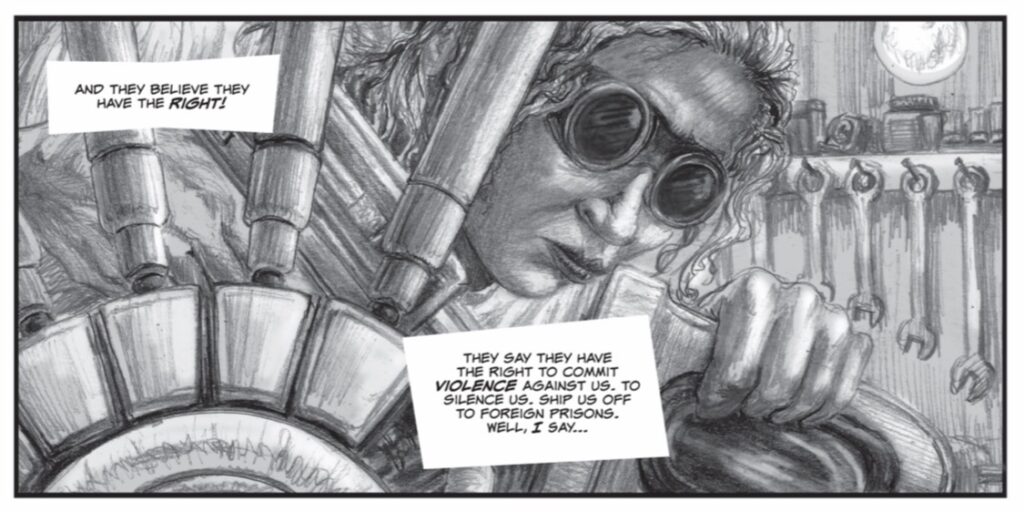
“WE the PEOPLE of APOLLO CITY COMICS in order to reform this union, have crafted essays, pinups, comix, and resources rejecting fascism, sexism, xenophobia, racism, and hate.
JULY 4th—Inspired by the protest songs and civil rights rally’s APOLLO CITY COMICS is dropping the sequel to last year’s HIT protest Anthology “This Comic Kills Fascists”. Released January 2025 as part of a response to the election. This year’s follow up is sure to make conservatives and centrists squirm in the name of humanity.
Courtesy Apollo City Comics
Apollo City Comics is headed by Brandon Bloxdorf a punk rock bass player turned podcaster to editor in chief. Brandon put out a call in late 2024 to collect submissions for what was planned as a print at home zine, but when the submissions started coming…Bloxdorf knew this was NO zine, it NEEDED to be SEEN.
The first volume scorched the Convention circuit across the US, and was ACC’s biggest seller both digitally and physically in 2025, so how do you follow up the biggest release? With an EVEN LARGER BOOK. “This Comic Kills Fascists dos” comes correct with resources, pinups, essays, poems, and yes COMICS too. Filled with biting satire and heartfelt declarations, this volume is the status quo’s worst nightmare. Rejecting the current state of affairs and speaking truth to power. These artists are mad as hell and they’re not gonna take it anymore.
Courtesy of Apollo City Comics
The Kickstarter for the Comic Kills Fascists launches today. Click here, or head on over to the Apollo City Comics website for more information. The fight is never easy, but the fight is what keeps us going.
Welcome to Four Records! Each episode, we feature one guest as they discuss the four records that helped shape them at four different times in their life. This week, we are doing something a little different. Forrest has gathered a round table of past guests to go over their favorite movie soundtrack. Jennie Cotterill (Reckoner, […]
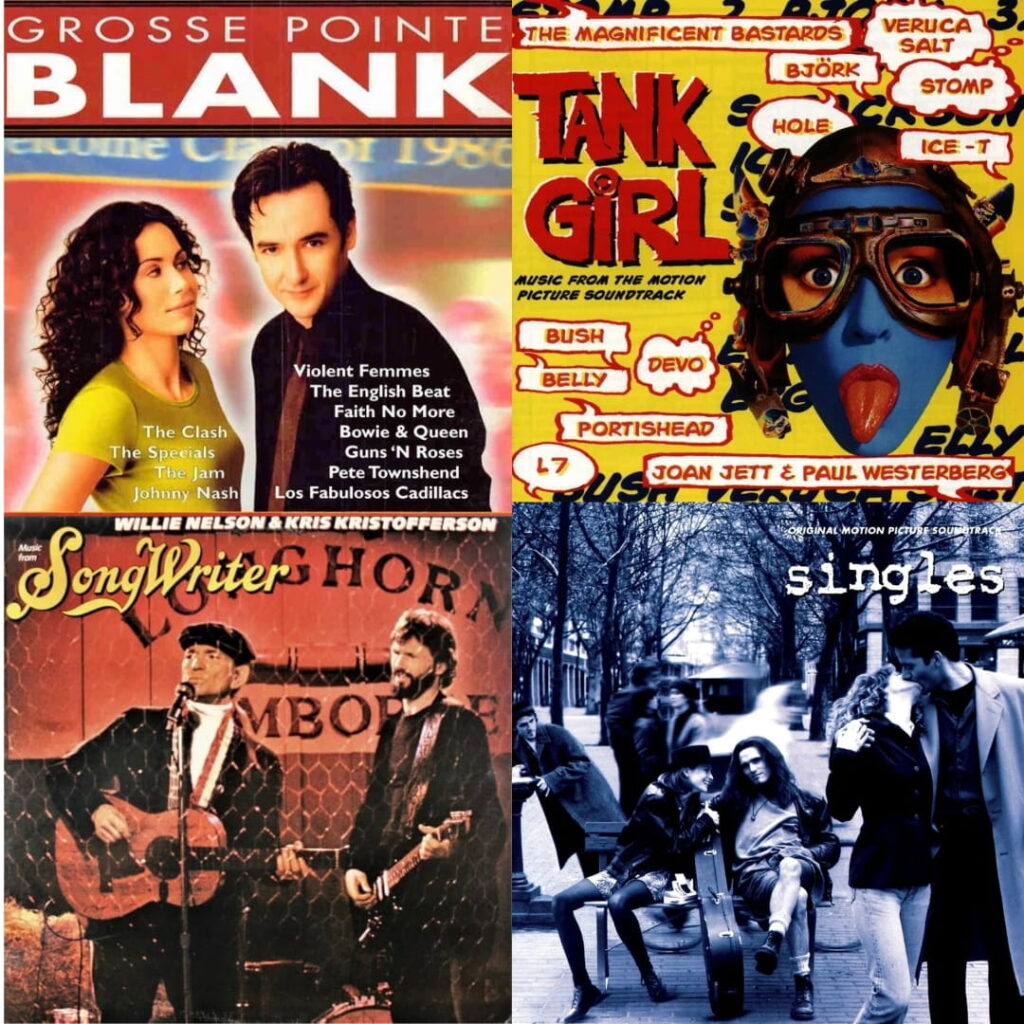
Welcome to Four Records! Each episode, we feature one guest as they discuss the four records that helped shape them at four different times in their life. This week, we are doing something a little different. Forrest has gathered a round table of past guests to go over their favorite movie soundtrack. Jennie Cotterill (Reckoner, Jennie Bakes), Andy Bechdolt (The Rad Skulls), Jason Stone (Dying Scene Editor) and Forrest talk about the movies themselves and how the music formed them.
J Card Press produces books about the smaller but impactful bands of the last two or three decades. Releasing a few titles each year, they have produced a pretty decent lineup of titles based on bands ranging from AFI to The Apples in Stereo to De La Soul. Their latest book, written by Tyler Sonnichsen, […]
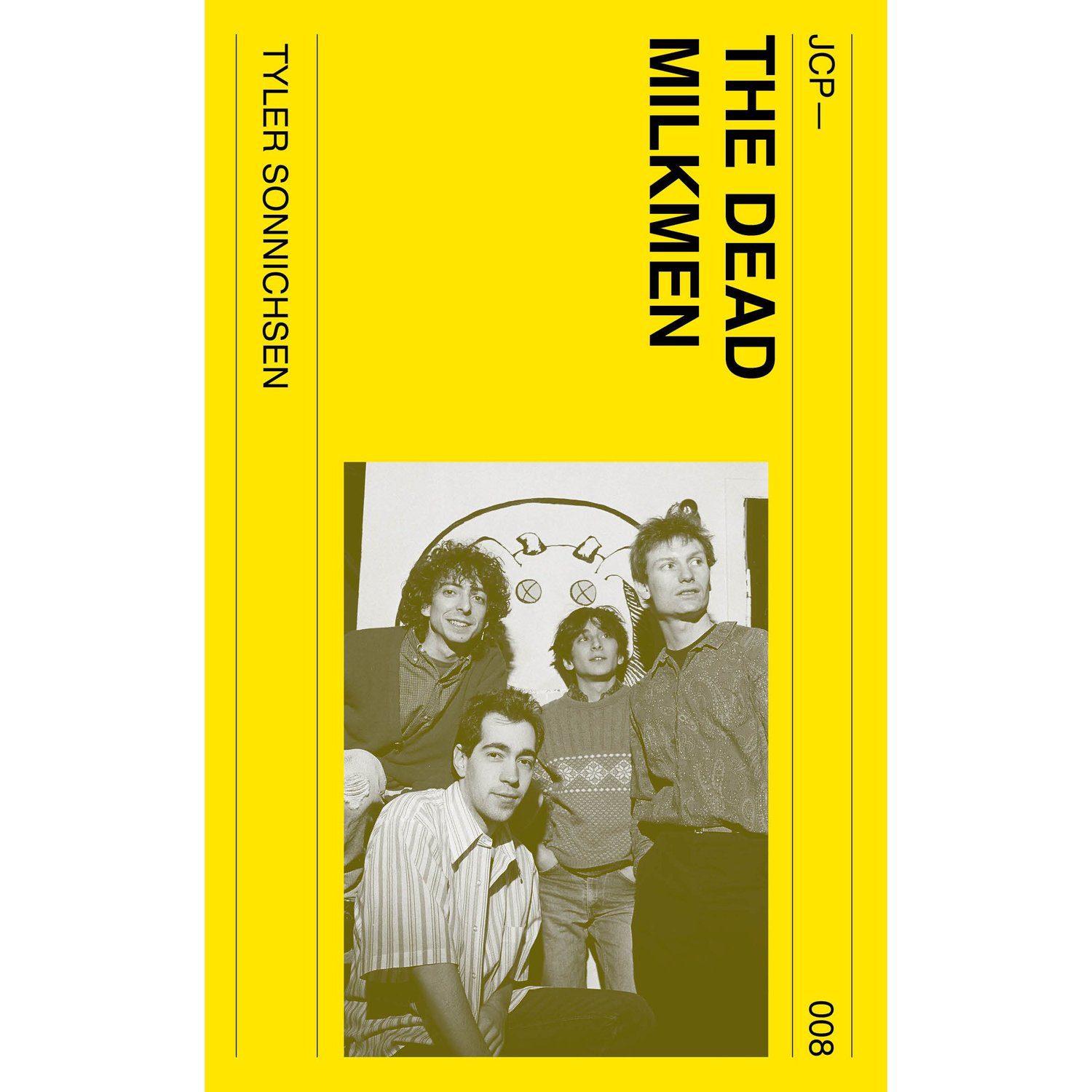
J Card Press produces books about the smaller but impactful bands of the last two or three decades. Releasing a few titles each year, they have produced a pretty decent lineup of titles based on bands ranging from AFI to The Apples in Stereo to De La Soul. Their latest book, written by Tyler Sonnichsen, is about a band whose mythological career finally gets the attention it deserves: Philadelphia, PA’s own The Dead Milkmen.
Sonnichsen’s telling of the band’s origin is just as crazy as the band’s own output and told as strangely as the songs that inhabit their records. His writing breaks new ground in the Milkmen’s story, finally getting the straight story rather than the fun but fabricated ways that only the Dead Milkmen would invent in past interviews or fan club correspondence. Sonnichsen dispels some of the myths the band had set up for themselves, giving an accurate origin story put down on paper. Some people may get upset when that magic and mystery are destroyed, but it also shows the band’s inventiveness on a different level.
Sonnichsen perfectly captures the Dead Milkmen in the way they could be presented achieving this amazing feat by making each chapter an essay that could stand on its own working individually and together to tell the Milkmen’s story. This structure affects the pace a bit, but it achieves the book’s goal in its own way. The book isn’t lengthy, but it is a curated buffet that gets to the core of the band. It tells the story in mostly chronological order, but uses the themes of each along with the title of a song as a chapter name. Whether these titles are metaphorical or analytical, as in the chapter that is a deconstruction of a song like “Bitchin’ Camaro” told in five crashes or moments that Sonnichsen feels make the song. It remains another interesting way to present the Dead Milkmen’s story.
Sometimes thought of as a punk comedy troupe, the band operates in the space of comedy, satire, and sometimes political humor. His comparison of the band to the Marx Brothers even goes so far as to assign one brother to each band member. He does point out that there are more punk rock bands that are humorous outside of the Dead Milkmen. Rodney’s obsession with TV puts him on the same level as Americans, while still being able to critique their laughable aspects. There aren’t a lot of bands that would get away with songs like “I Dream of Jesus” or “Beach Party Vietnam,” but the Dead Milkmen do. It’s not the use of humor, but rather the type and its surrealness that makes the Dead Milkmen’s brand stick out.
The range of musical influences spreads much farther than you would think. The Dead Milkmen cite musical influences like The Beatles and Wings, along with the punk rock bands they played shows with. However, Sonnichsen argues that The Dead Milkmen are a hardcore punk band that was influenced by a number of bands they were peers with from the 1980s hardcore era of American punk rock. While The Dead Milkmen concede their sound is much more complicated than that, Sonnichsen shows how The Dead Milkmen’s influences contradict what people assume about them.
J Card’s roster of books for small but seminal bands gives an opportunity to dive into these stories that no one else will tackle. Their inclusion of Tyler Sonnichsen’s Dead Milkmen biography fits perfectly. Their story is as interesting as any other band’s. While unfortunately tragic in spots, The Dead Milkmen’s story is told with the humor and care that only a well-informed fan can give. Sonnichsen’s biography is a must-have for fans of the band who have laughed at America and themselves, even if you didn’t get the joke.
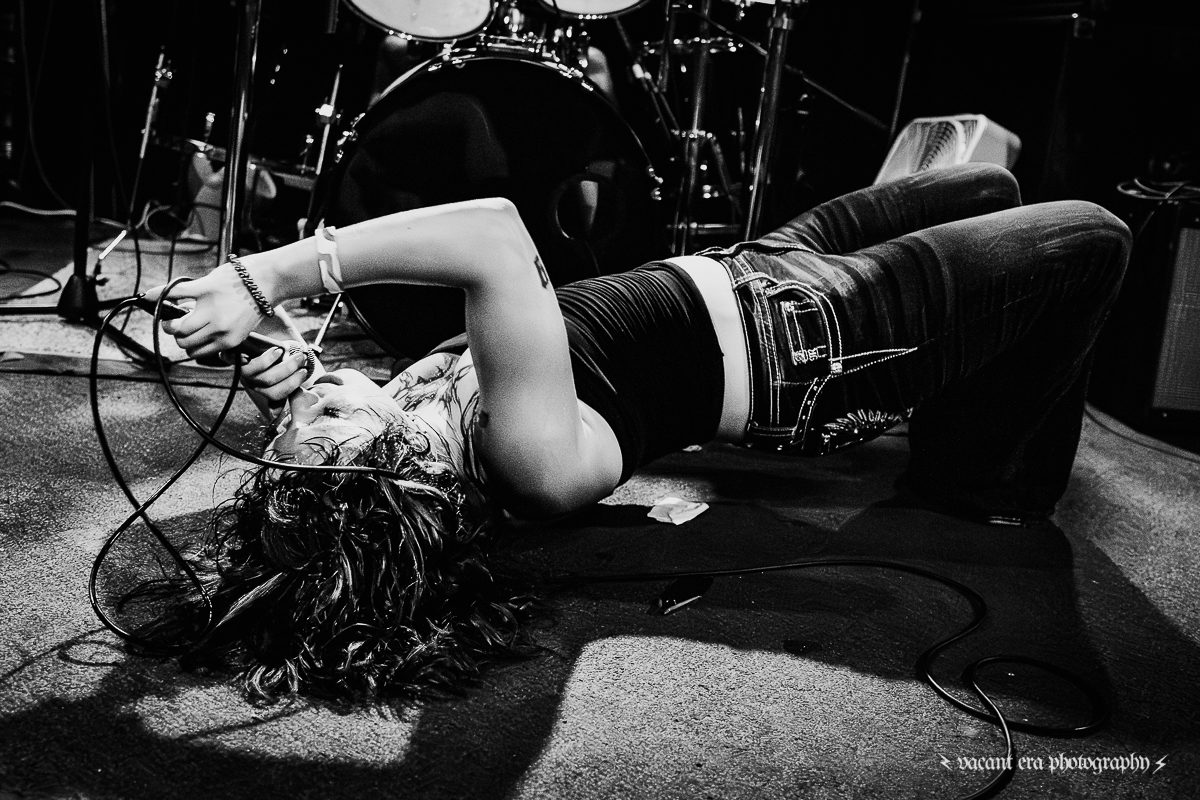
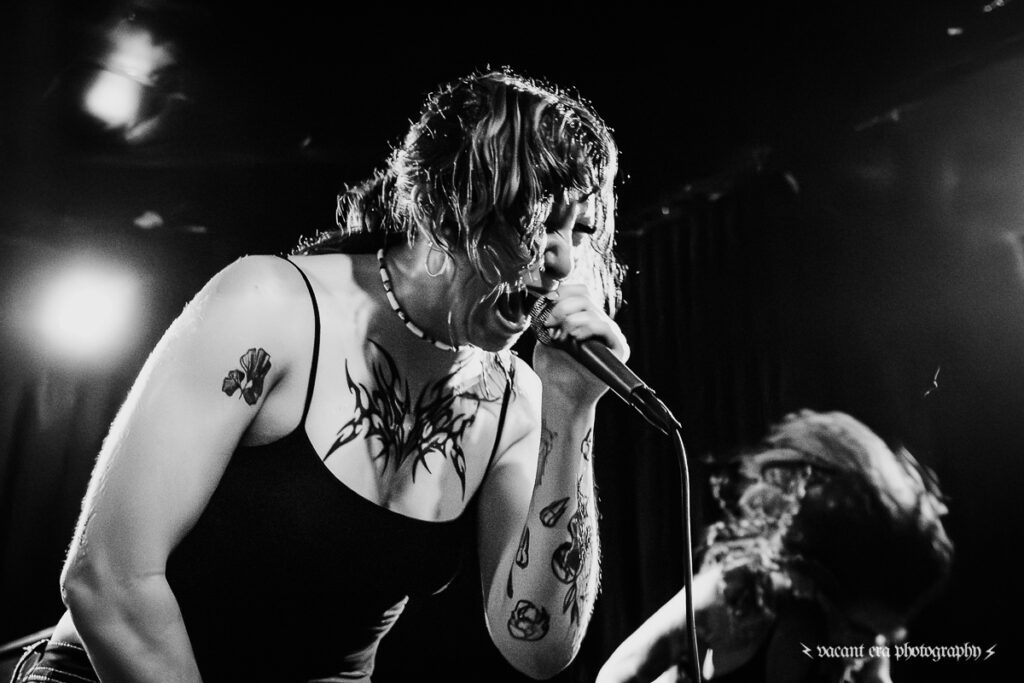
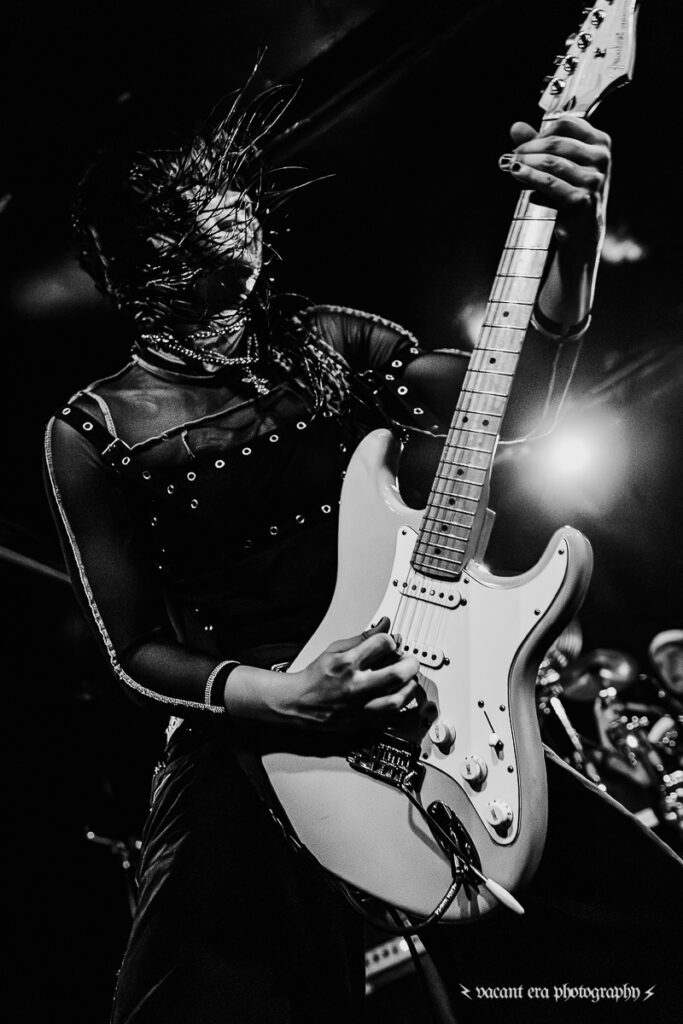
The Beat Kitchen had several powerful bands with fearless stage presence perform as Babe Haven headlined another unforgettable night of raw, chaotic energy along side Chicago’s Bev Rage & The Drinks and No Men. The doom-groove No Men sends shivers down your spine with deep vibrato and grinding riffs, transporting you into a trance. Or, as a friend put it, “I […]
The Beat Kitchen had several powerful bands with fearless stage presence perform as Babe Haven headlined another unforgettable night of raw, chaotic energy along side Chicago’s Bev Rage & The Drinks and No Men.
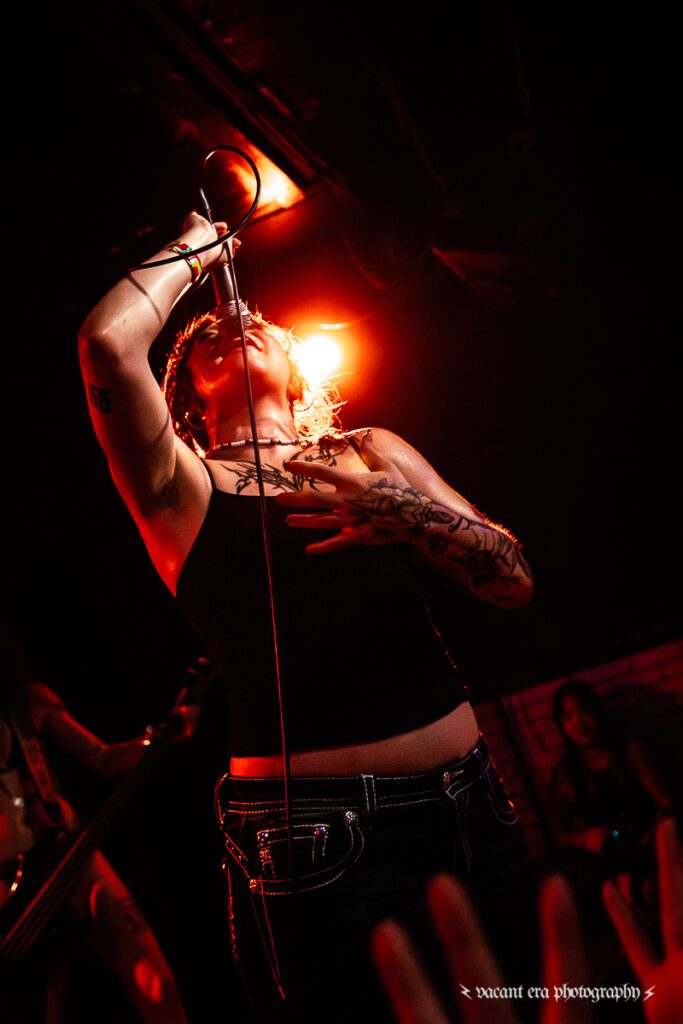
The doom-groove No Men sends shivers down your spine with deep vibrato and grinding riffs, transporting you into a trance. Or, as a friend put it, “I think this band just burped me.”
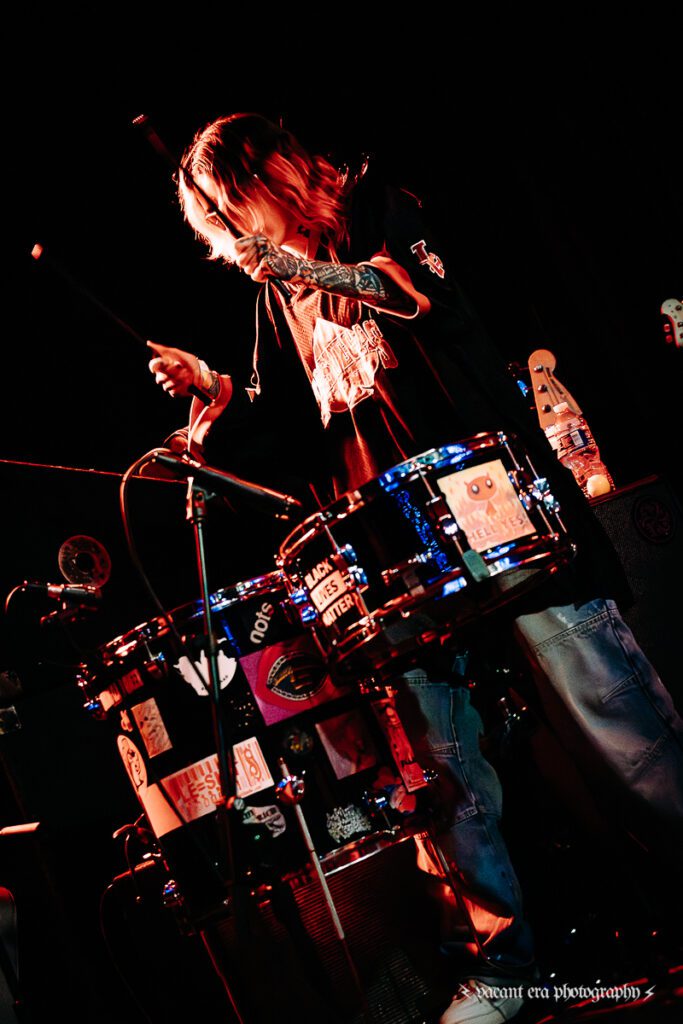
Pursley leads on vocals and occasionally jumps in on a floor tom and snare, adding to the already blistering drumming.
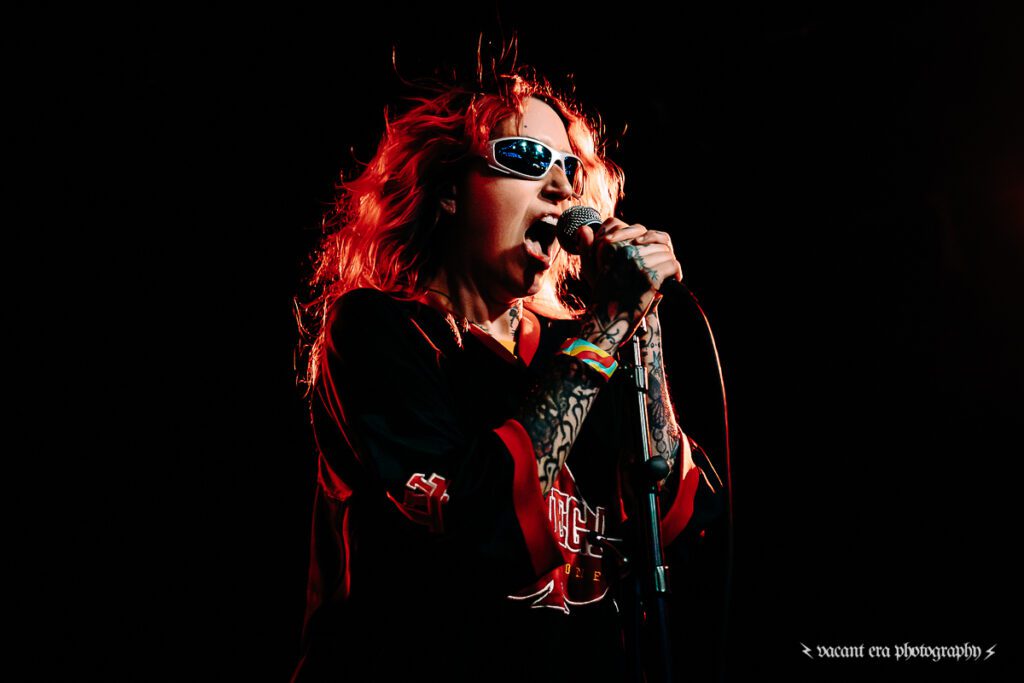
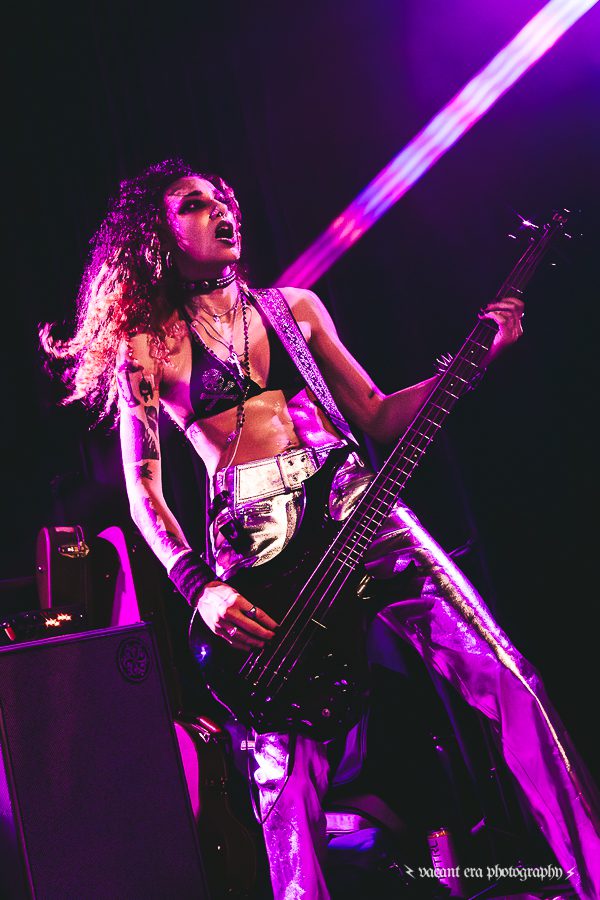
This was a particularly special show for the fun and fab drag-fronted Bev Rage & The Drinks as it marked their 10-year anniversary as a band. Starting with their 2016 debut self-released EP, Don’t Know Shit, Bev Rage & The Drinks have since released several full-length albums, numerous creative music videos and voted Chicago’s Best Punk Band by readers of the Chicago Reader for 2024 and 2025.
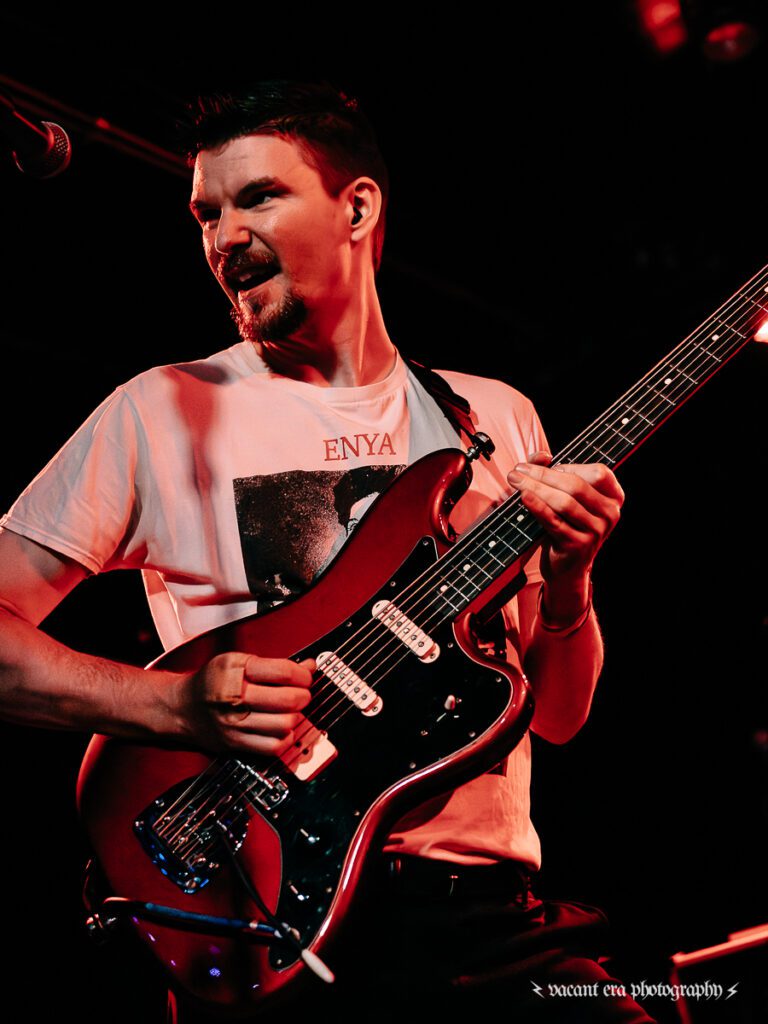
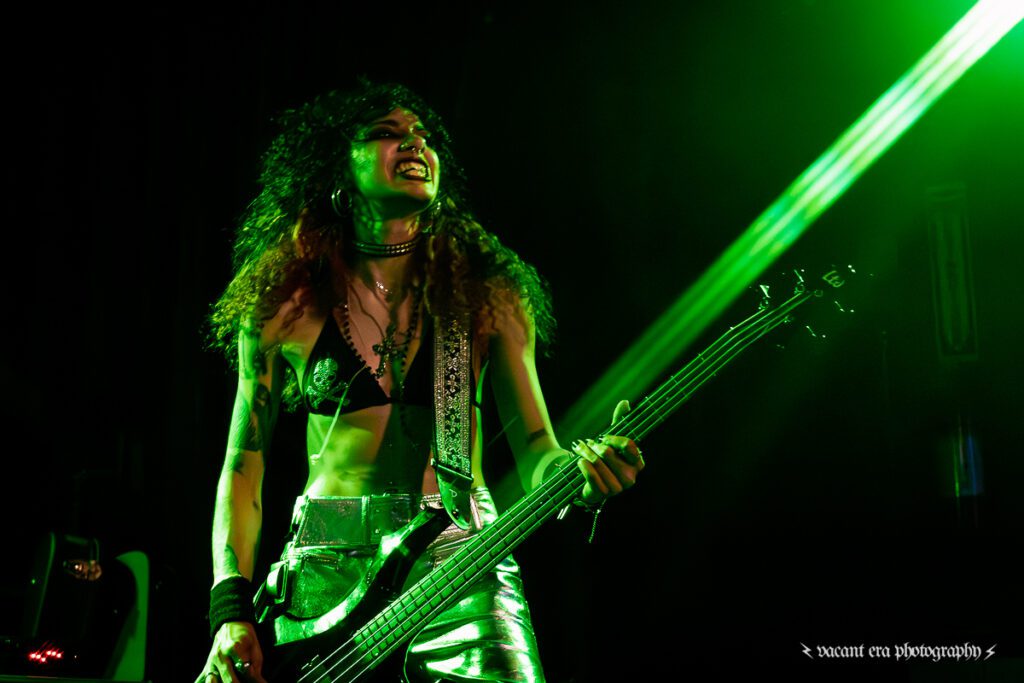
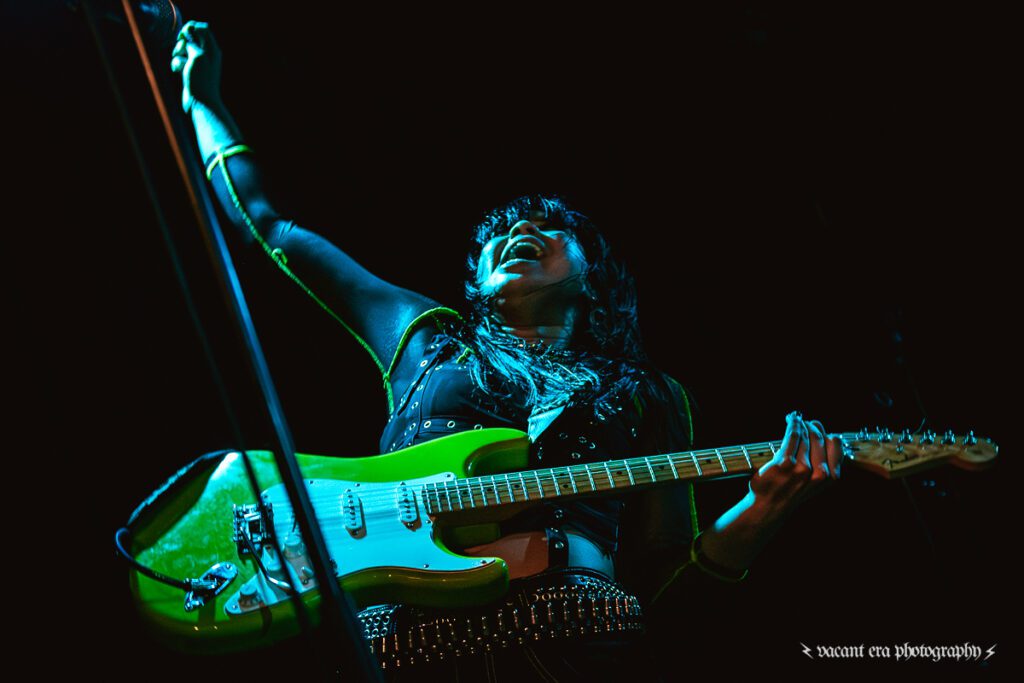
The high-energy queer punk band from North Carolina, Babe Haven immediately got the room moving into a sweating frenzy while blasting through aggressively fierce and powerful songs such as “Nuisance”, “Uppercut” and “Gas Pedal”.
Having just finished their appearance at Camp Punksylvania (along with Bev Rage & The Drinks), Babe Haven will be touring the EU/UK this fall with Latter followed by a US West Coast tour.
Toronto, Ontario based Cursed Blessings Records release provides an opportunity for smaller bands to get their records on wax for more ears to hear bands that may not have a far reach. Their latest release features two of Toronto’s best: Almighty Trigger Happy and Het Up! This four-song split features two songs from each band […]
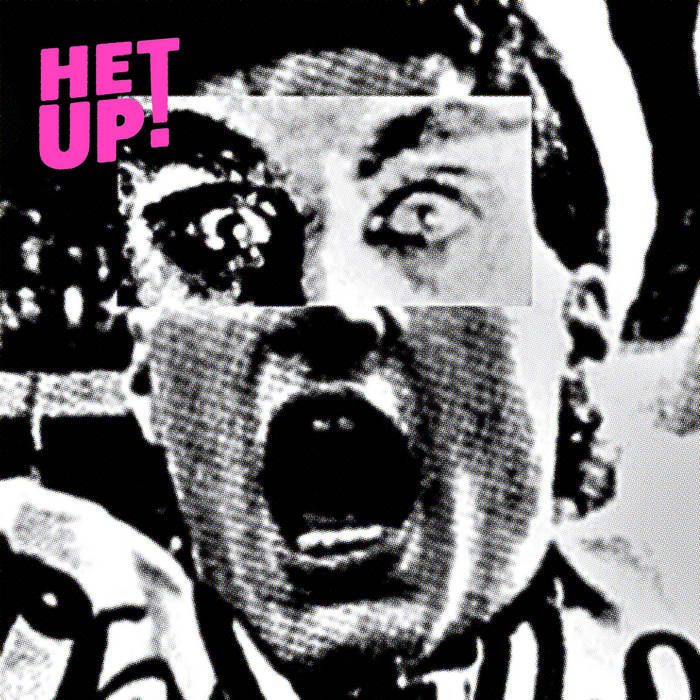
Toronto, Ontario based Cursed Blessings Records release provides an opportunity for smaller bands to get their records on wax for more ears to hear bands that may not have a far reach. Their latest release features two of Toronto’s best: Almighty Trigger Happy and Het Up! This four-song split features two songs from each band and is perfect for that 1990s punk rock fan in your life.
A lot of bands want to move on from the melodic skate punk sound that they started playing in their youth, but Almighty Trigger Happy leans into it with their two contributions to the record. Their first song, “The Ghost of Jim Cherry,” is about the fallen punk rock bass player of Strung Out, Pulley, and his own band Zero Down. Their two-minute ode is the strongest song on the split and a fantastic way to start this record. Working simultaneously as a memorial and a song in the vein of the era, Almighty Trigger Happy Tribute is a riffy remembrance for a fallen friend. Much faster in tempo, Almighty Trigger Happy’s half also includes a cover of “Cops Ain’t Tops” by Chronic Submission. The band is currently working on a full-length LP, but these two songs are a good sample of what’s ahead.
While HET UP! may have been formed during the pandemic, they sound like they’ve been around for much longer. After releasing an album in 2023, the band continues to release a couple of songs here and there to keep their fans satiated. Their first song, “Down with You,” is a pop-punk song with fingerprints of genres from a decades-long history. The best way to describe it would be melodic and fun. “Smile… (See You In Hell)” is a different beast, although from the same era. A double-bass-pedaled punk song that sounds straight from Fat Wreck Chords in the mid-1990s.
This is a solid EP. The musicianship, the sound, and, more importantly, the songs are all top-notch. These songs feel more like contributions to the era, rather than homage. Pick up the Almighty Trigger Happy/Het Up! split on Cursed Blessings Records.
Deanna Belos, or perhaps known as her elegant ‘nom de plume’ Sincere Engineer, releases her fourth feature album this Friday, entitled Probable Claws. This album is no doubt a masterclass in what it’s like to be a fiery, valiant Midwestern girl with an indestructible desire to write songs for those who seek refuge in feisty, […]
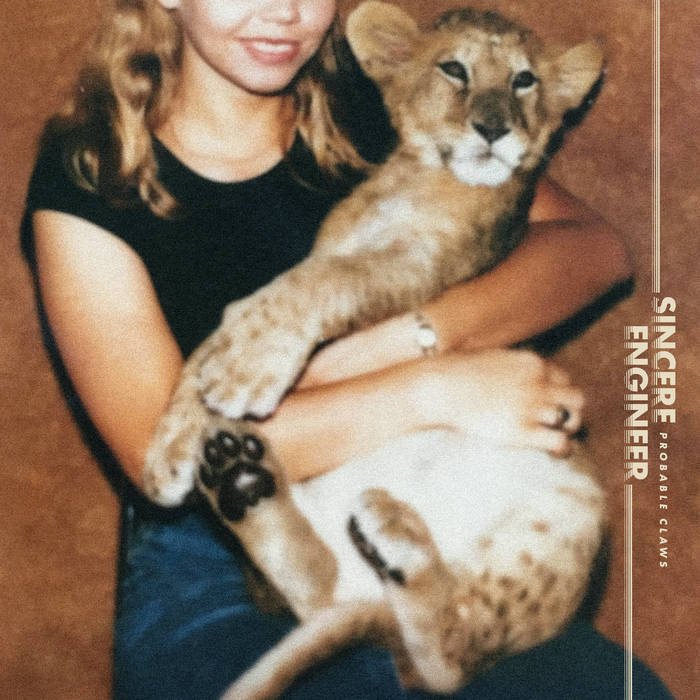
Deanna Belos, or perhaps known as her elegant ‘nom de plume’ Sincere Engineer, releases her fourth feature album this Friday, entitled Probable Claws. This album is no doubt a masterclass in what it’s like to be a fiery, valiant Midwestern girl with an indestructible desire to write songs for those who seek refuge in feisty, punk-shrouded records.
The Chicago punk-pop band has taken the scene by storm ever since her debut album Rhombitian – a 2017 punk album consisting of hits like “Shattering,” “Overbite,” “1K Rats,” and last but not least: “Corn Dog Sonnet No.7”: a song that would soon become woven into the quilt of Sincere Engineer forever. This song completely enveloped the fandom, leading to every Sincere Engineer show having at least 47 people dressed in corn dog suits – which, by the way, should DEFINITELY be how *every* punk show starts!
But Probable Claws is a testament to the extensively beautiful journey that has led Belos to this point in her career. To me, Probable Claws encapsulates everything I love about Sincere Engineer. There is angst, there is humor, but above all – it’s Deanna. It’s punk humanity at its core!
A lot of what I’ve loved so much about Sincere Engineer over the years is how much I relate to Belos and her music, how there are so many other emo punk girls who sought after an artist who captures their emotions as well as one who demonstrates how the scene is led by so many wicked female artists.
The first three released singles off the album, ‘Cooler,’ ‘Twist my Tongue,’ and ‘Fast Forward, Rewind,’ are quintessentially “Sincere Engineer.” ‘Cooler’ tackles anxiety, stress, and self-consciousness, but also touches on everyday inconveniences like getting a speeding ticket or picking up ice from the gas station. There’s a narrative here that Belos creates that is so ‘midwest emo’ in a way – it’s humorous, it’s relatable, and it weaves both of those things together to create something that will certainly remain on repeat for listeners.
Her second release, ‘Twist my Tongue,’ has a KILLER second chorus, along with background instrumentals that make me want to get up and dance immediately. It ends with sick overlapping vocals that make you feel like you’re surrounded by Sincere Engineer – and if you’ve ever been to a show, you’d know that feeling very well!
The last single released before the full album this Friday, entitled ‘Fast Forward, Rewind,’ is a quick-paced, electrifying song that satisfies punk enthusiasts’ need to go crazy and mosh wherever they can. This song is the epitome of young punk rockers! Swift, loud, and a spirit set ablaze to the melody of ‘Fast Forward, Rewind!”
The next three songs off the new album, ‘Pilot Light,’ ‘DNA,’ and ‘LOL,’ are absolutely saturated with the Sincere Engineer essence! ‘Pilot Light’ is one of the strongest off the albums for me, it starts off so quickly and with so much fury and gusto, followed by a small, lower-paced section after the 2-minute mark that creates a nice lull that builds up to the big finish at the end. ‘DNA’s’ opening line, “I didn’t know what I was thinking / pinched my nose and jumped in the deep end” reminds me a lot of ‘Shattering’s’ line “I’m gonna jump in Lake Michigan and swim out as far as I can” off of her first album, Rhombithian. After the first four songs, ‘LOL’ is so tranquil, so emotional, and very heartfelt in a way that works as a lovely break after its first few fast-paced tracks.
The next song, ‘Hallucinogenic,’ is SO quintessential emo. It’s screaming, it’s a loss of self, and the objects and people around you – it is ultimately an immaculate tribute to what it’s like to live in the real world with so many different mental obstacles. The song explains that Belos is seeing colors, people, and surroundings that aren’t real. It almost feels like a testament to how insane your mind can treat you and what it can make up. The song itself is upbeat, it’s hyped-up, it’s head-banging-inducing: you name it! ‘Hallucinogenic’ is a really lovely tribute to how the human brain can play tricks on you so many times, but you must persist!
The next 3, ‘Arbovitate Evergreen,’ ‘The Perfect Crime,’ and ‘Settle Up With Your Downfall,’ are slower paced, with the slowest being ‘Arbovitate Evergreen.’ In her last three albums, Belos combines those upbeat, high-paced songs with gutwrenchingly real lyrics – and the combination between those lyrics and those background instrumentals is the dictionary definition of what makes her type of Chicago punk so special. Over the course of these three songs, though different in their own ways, they all certainly have a commonality: rich, deep, and satisfyingly woven vocals with background music that supports the theme of each song. ‘Arbovitate Evergreen’ is slower paced, but the lyrics are unbearingly emotional. It’s the tearjerker of the album, hands down!
As for ‘The Perfect Crime,’ and ‘Settle Up With Your Downfall’, they both perform at a more medium pace, which gives you the chance to really appreciate the INSANE riffs and melodic choices made by Belos and her team. ‘Settle Up With Your Downfall’ is angry, it’s loud and it’s flooding with emotion. To me, it feels like it’s Belos reaching the point where she realizes that she cannot physically get through to this person, or people, that she refers to in this song. Allowing her the space to vent and make sure that she avoids the setups, like the metaphorical lyric, ‘The glass is half full, / but it’s poison.” The ending of this song will undoubtedly KILL when she debuts her live performance of Probable Claws in her upcoming tour named after the new record.
Lastly comes the song ‘Dynamite,’ which premieres a completely different type of style for Belos – one that is something truly special. Sincere Engineer has a very distinct sound, and has mastered how to write and perform those songs with the same gusto they were written with. This song is SO different from what we fans are used to, but the change in pace, the genre switch, and the loveliness of Belos’ vocals cannot be done justice in this review. This is an unequivocally, absolutely immaculate Sincere Engineer record – capturing new sounds, and no doubt new attention, and new support from all over the country for the band and all who contributed. This album is an absolute 5-star record and as of TODAY – Friday, June 26th – it is officially RELEASED ON ALL STREAMING PLATFORMS!
You can find Belos on Spotify as Sincere Engineer, on Bandcamp at this link, here on Apple Music, and last but not least, join their lovely Discord here. You can also find them on Instagram at @SincereEngineer! Support their newest record Probable Claws and find them on tour at this link: sincereengineer.com!
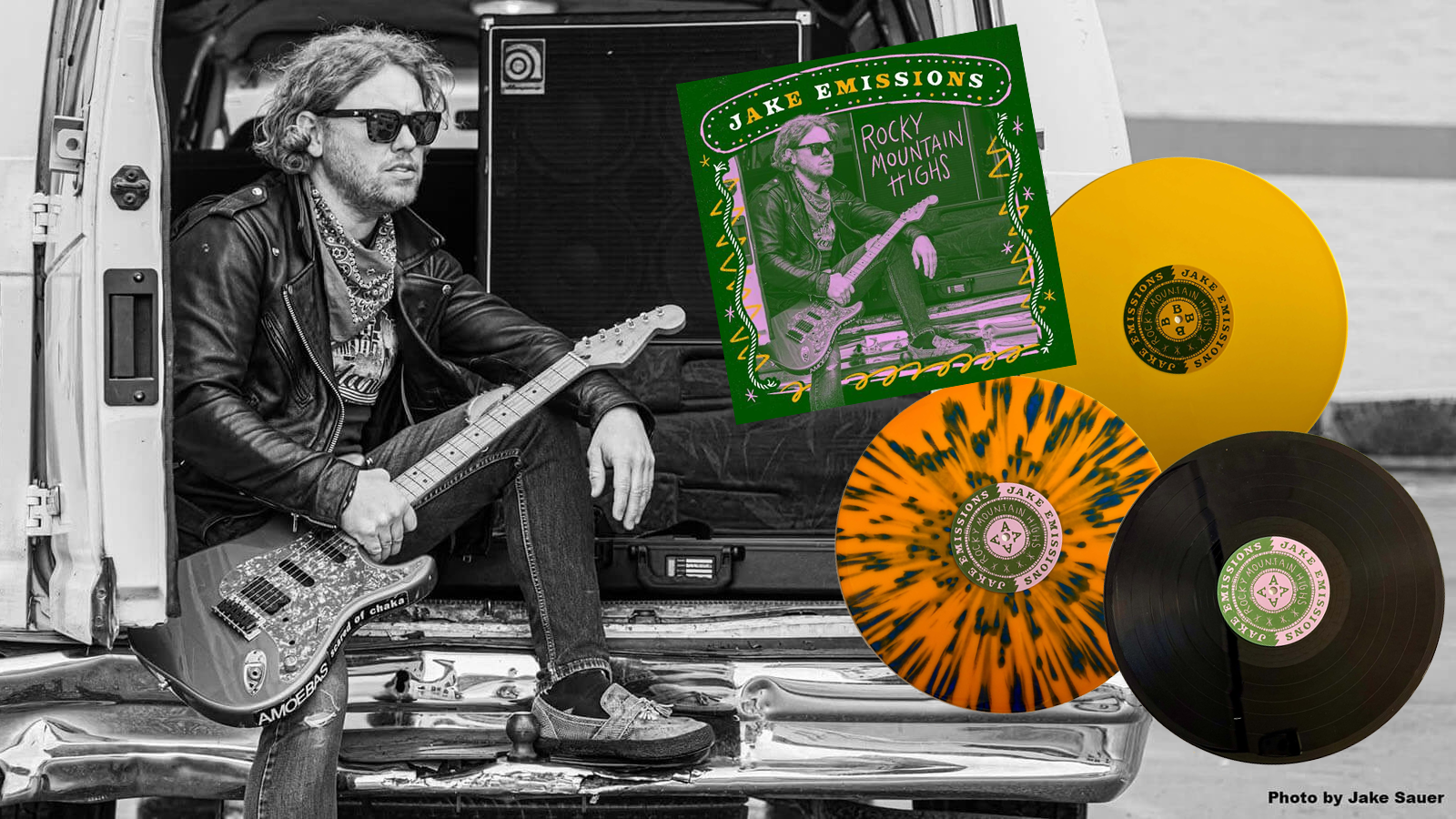
Flamingo Nosebleed frontman Jake Emissions will be releasing his brand new record Rocky Mountain Highs this Friday, June 26th on Mom’s Basement Records. The album sees the Fort Wayne, Indiana punk veteran backed by members of SACK, Shocktroopers, the Parasites and more. The Dying Scene Record Radar is stoked to bring you this exclusive first […]
Flamingo Nosebleed frontman Jake Emissions will be releasing his brand new record Rocky Mountain Highs this Friday, June 26th on Mom’s Basement Records. The album sees the Fort Wayne, Indiana punk veteran backed by members of SACK, Shocktroopers, the Parasites and more.
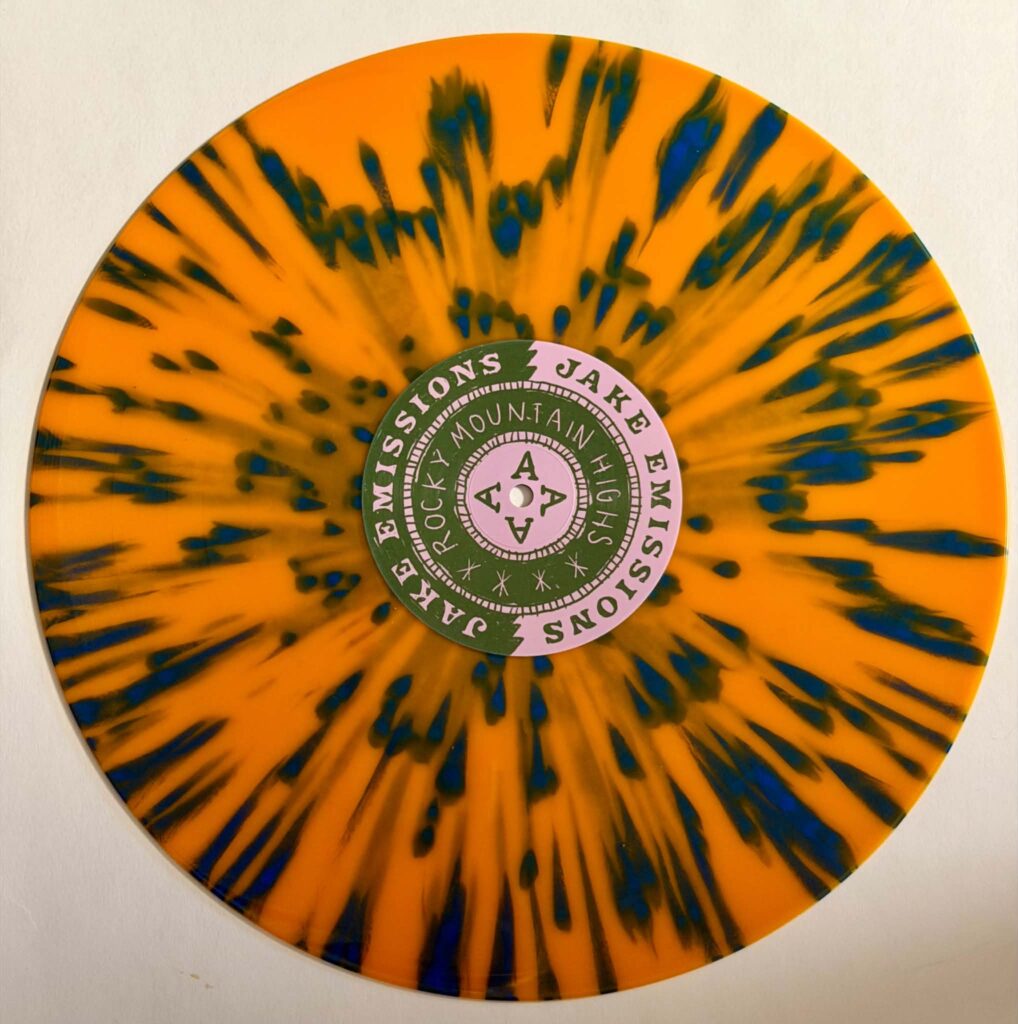
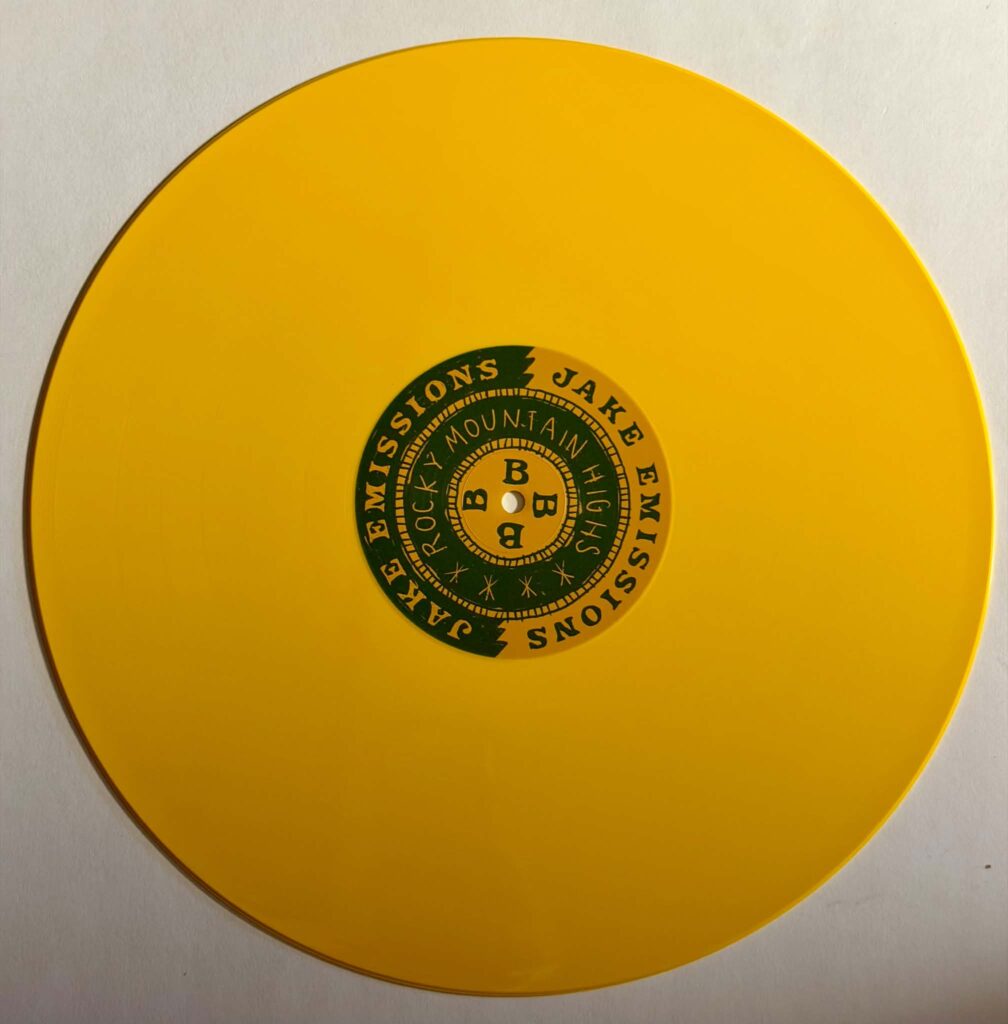
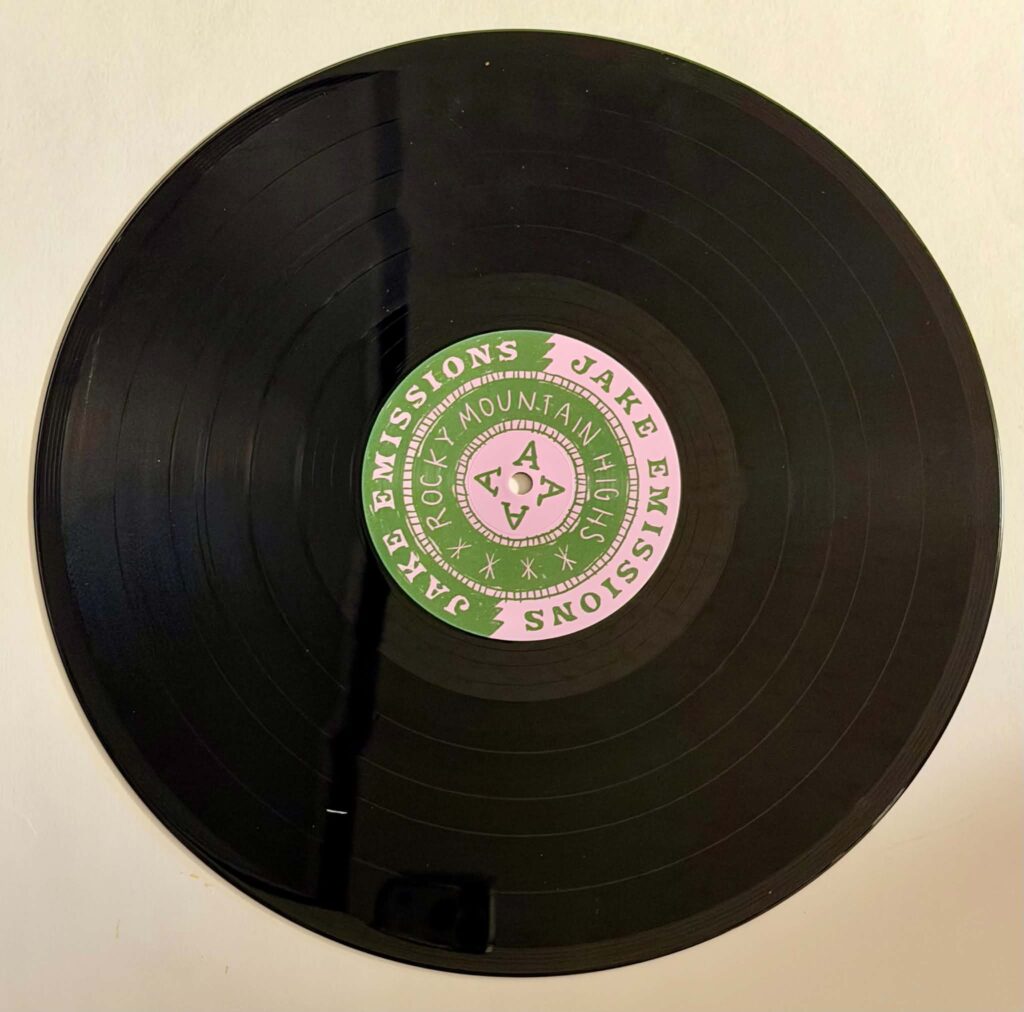
The Dying Scene Record Radar is stoked to bring you this exclusive first look at the color variants the LP will be available on. These are limited to 100 copies each and you can grab them from the Mom’s Basement webstore this Friday at noon eastern.
Feast your eyes on those beauties down below, and check out the music video for Jake Emissions’ bad ass new single “Lowdown, High Up!” while you’re down there.
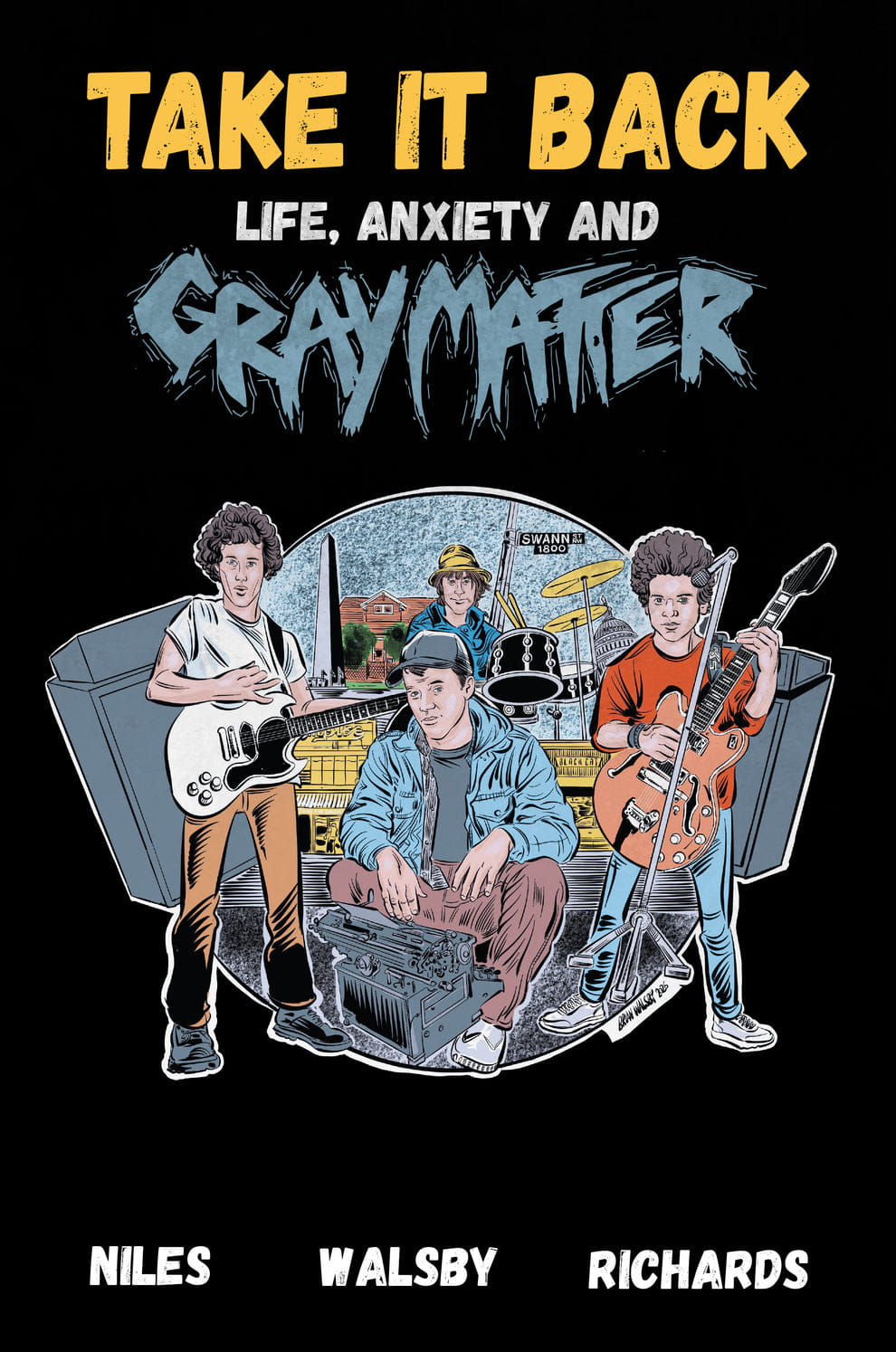
Horror writer Steve Niles has made a career for himself by writing about things that go bump in the night for over thirty-five years. However, very few know that before this, Niles played in a punk rock band, Gray Matter. The band was a part of the well established Washington D.C. punk scene and even […]
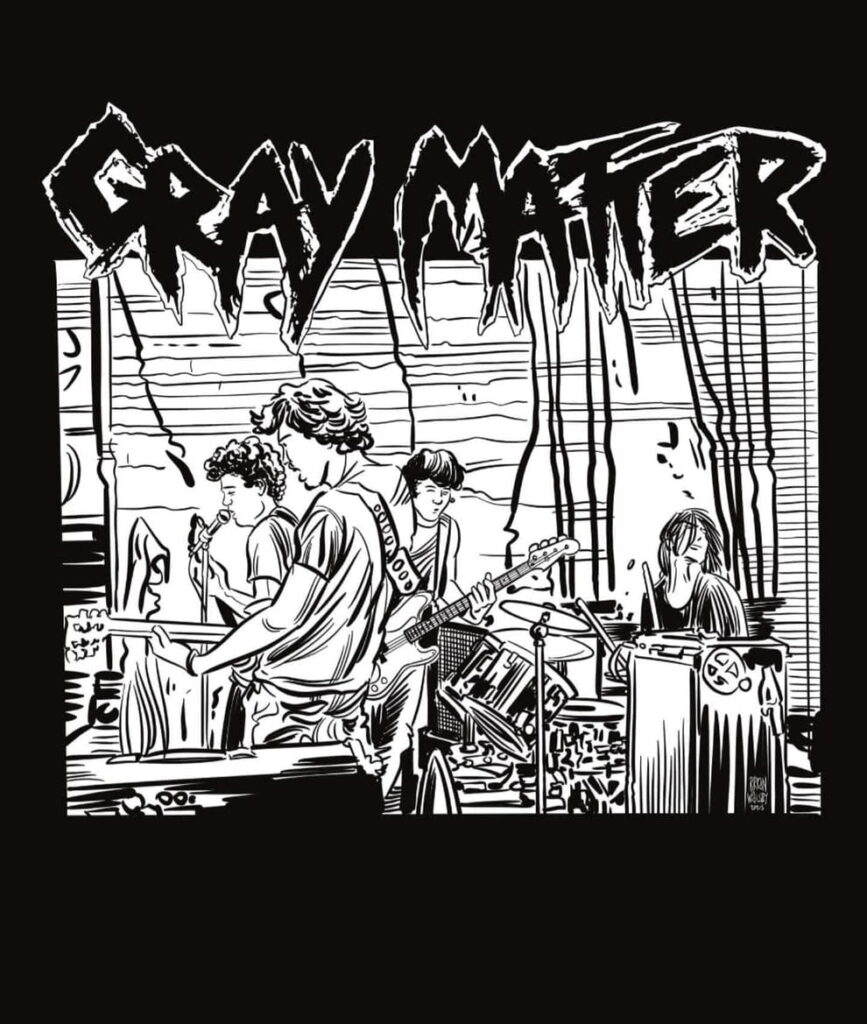
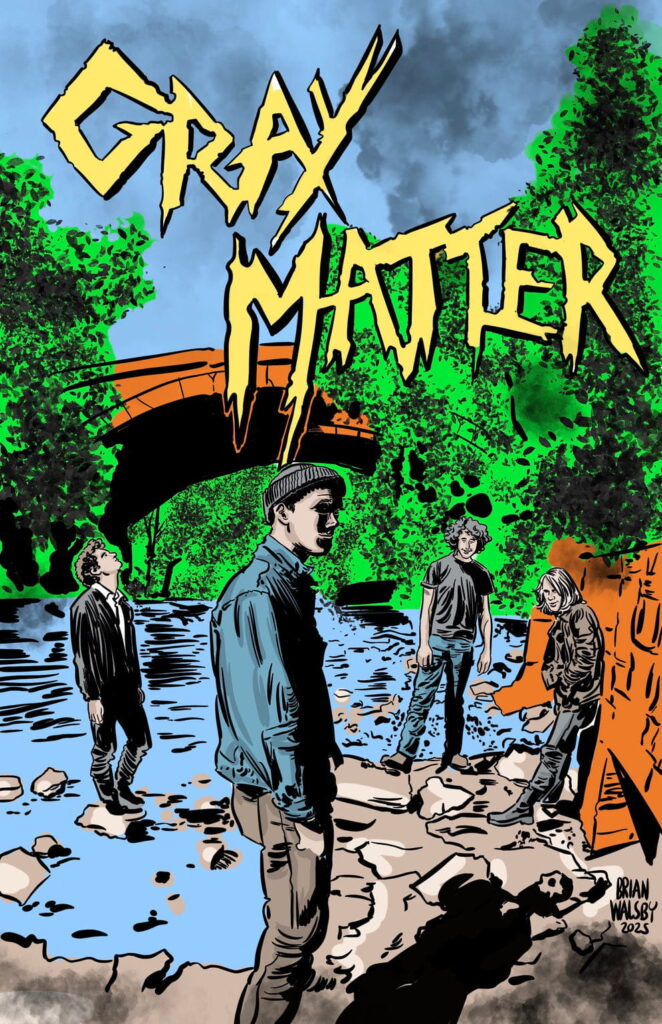
Horror writer Steve Niles has made a career for himself by writing about things that go bump in the night for over thirty-five years. However, very few know that before this, Niles played in a punk rock band, Gray Matter. The band was a part of the well established Washington D.C. punk scene and even released records on Ian MacKaye’s Dischord Records throughout the 1980s and early 1990s. Gray Matter has reunited several times since their disbandment, typically to celebrate the anniversary of the legendary rock club The Black Cat, owned by Gray Matter drummer Dante Ferrando.
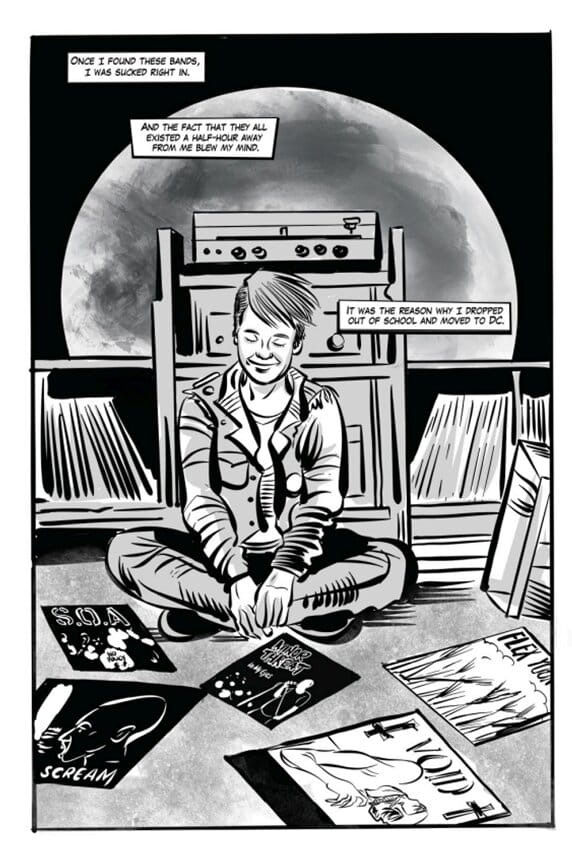
For a while now, Steve Niles has had the itch to tell the story about his time in Gray Matter and the D.C. punk scene, along with some of the struggles he faced growing up. With his latest comic, Take it Back: Life, Anxiety, and Gray Matter, Niles chronicles these occasionally tumultuous times in his life. Illustrated by Brian Walsby, Steve’s journey through punk rock, comics, and mental health is a must-read. Below, Steve and Brian talk about what it was like to reconstruct Steve’s punk rock past into a graphic novel.
When you think about the D.C. scene, what made it feel like it was your scene?
STEVE NILES: You know, it was a really welcoming scene. I actually lived in the suburbs and would come into the city to visit my dad. I would go to Georgetown where all the punks hung out, and I was accepted pretty quickly. That’s one of my prevalent memories of being in the D.C. scene: how welcoming it was, which is, I think, uncommon. There’s a lot of gatekeeping that goes on in various scenes. I thought it was really exceptional that everybody was so nice. Everybody in the scene, like Ian (MacKaye) and all these guys, really early on, were always really cool.
Brian, what scene did you come from?
BRIAN WALSBY: It came primarily from the early to mid-1980s, a sort of letter-writing underground. The reason why I wouldn’t say solely punk is because there was a heavy metal underground that pretty much used almost the same tactics that the punk underground did. They had their own fanzines, and they had their own bands and demo tapes and that kind of stuff. They operated pretty much the same way that the “punk rock hardcore” underground operated during that time period, where you had to write letters and you had to sort of get involved. Obviously, it’s a lot different than what’s going on now. That’s definitely the world that I came out of, basically.
I saw what was going on with a few fanzines. I was blown away. I felt like I was sort of not… I guess out of step with what was going on, basically, in my peer group. I really resonated with discovering all this really cool music from both worlds: the punk underground and the heavy metal underground. It was pretty exciting. I guess because it was kind of small and it was something that you had to stumble into. It’s like the difference between loving the Beatles as a 10-year-old but knowing that the Beatles were always around. They’re just omnipresent. They’re great, but it’s something that you discover. I think that’s the difference. It felt like when you were discovering punk rock, it seemed easier to access because all you had to do was pay attention to it and write letters and read stuff.
It just seemed very natural to gravitate toward it because it really felt like it was your little thing that you discovered, your special little secret. I’m not trying to sound like a gatekeeper, but it was such a small thing back then that when you did see people out in the street wearing a Black Flag pin, that marked you. It’s okay to talk to that guy. He has something in common with me. Of course, these days it’s for the young people doing that now, that’s the same thing, but now you’ll see a person in a Black Flag shirt and you’ll go, I wonder if I have anything in common with that guy. It doesn’t have the same meaning, I guess.
Was there a moment that made you feel like you were part of the scene rather than just watching it?
STEVE NILES: I think probably the first time that I played in the band when the people that I grew up admiring were in the audience. That was really cool, I just remember that being a big moment where I really felt that I was part of something.
BRIAN WALSBY: I guess just being able to participate in it more. Maybe the first letter I got back from somebody was probably from someone that actually wrote me back and didn’t know how uncool I was, and it was okay. It was this guy named Drew Bernstein. He’s dead now. He started out being a hardcore punk kid. He was in a band called America’s Hardcore. They were huge letter writers, and they were very into all people that supported each other and wrote to each other and spread the word of America’s Hardcore, apparently. So I was pretty excited to get a letter back from somebody. I was like, oh, this is easy.
You just write to people, and if they’re interested, that’s all it took. Somebody wants to know about what I’m doing, so let me send back a bunch of stickers and write a little letter.He did that and it was like, “oh, wow, that’s really cool.” Okay, great. I had to wait until the end of 1983 to be able to go to a show because I couldn’t drive. I refused to drive, which was unusual for someone growing up in Southern California. You might as well cut off both your legs. You can’t really get around Los Angeles without a car.
What part of California are you from?
BRIAN WALSBY: I was born in Encino, and then my parents moved us to Ventura County when I was seven or whatever. So I spent 10 years there, and that’s it.
What came first for you: punk rock or comics?
STEVE NILES: Comics came into my life when I was a very little kid. I started with Creepy and Eerie and basically moved on to Marvel. I was a big Marvel kid. My peak was 1974, 1975. I was really into the Silver Age Marvel stuff. Punk rock came along pretty young. I was probably thirteen or fourteen. I have a sister who’s eight years older than me and was very into the punk rock scene. She turned me on to stuff like Buzzcocks, Ramones, all of those bands. Then I discovered the D.C. punk scene on my own and was very impressed with it.
BRIAN WALSBY: The way it went was I liked rock music. There was FM radio. There was this show called Dr. Demento. They liked rock music. They’re small kids. They discover the Dr. Demento show and for whatever reason, it leads into punk rock. I was really into Mad Magazine and I liked Charles Schultz’s Peanuts a lot and things like that. I never actually read comics until I was probably eighteen years old because my little brother started collecting them on his own.
I started reading things like X-Men during that time period, Chris Claremont, early ’80s kind of stuff, and I liked some of it. From Mad Magazine and Dr. Demento to punk rock, like when you hear the Ramones for the first time back then, and you’re like, “This is really different. It seems like a joke. It’s really funny. That seemed to be the order of appearance for all that stuff. Punk rock came slightly later.
Do you feel your time in Gray Matter fed your creative identity as a storyteller?
STEVE NILES: Oh yeah, if you’re a storyteller, I feel like anything does, any life experience feeds it. My band members were my only audience when I first started writing. I had Cal McDonald stories and other things that I’ve done since, but I was writing them back then, and band members were my readers, especially Mark. He read so much of my stuff. That was a really cool thing.
Brian, what drew you to Grey Matter’s story?
BRIAN WALSBY: I didn’t know what the story would be, to tell you the truth. I think when DiWulf got in contact with me, I hadn’t read it yet. I just thought it would be a really good opportunity. I always liked Grey Matter and grew up really liking the Washington D.C. scene and all the stuff that Dischord Records was putting out. The whole D.C. scene was very inspiring. I live in Raleigh, North Carolina, so it was kind of like the next serious epicenter of the whole punk rock scene. I liked Grey Matter very much, and I liked a lot of their peers: Scream, Minor Threat, Marginal Man. Pretty much almost everything that came out of there was really good. Faith/Void album, and then later Shudder to Think, stuff like that. I really liked everything that came out of Washington D.C.
Have either of you done any non-fiction before this?
STEVE NILES: Not really. I’ve done some shorts here and there, one-pagers, and some stuff for anthologies. Nothing that really sticks in mind. This was the first autobiographical nonfiction thing that I’ve written. It had been brewing for years. I had friends like Rick Remender and Eric Stephenson, who were really urging me to do it. They knew I had this history. My whole thing was I could never figure out a way in.
I could never figure out how to tell this story. Do I just go in and tell the story of Gray Matter? Then I came up with this idea that I did with Take It Back. It’s my life and it’s Gray Matter. I keep going back and forth between the two as everything converges. I thought it just made it more interesting than just a straightforward, in-order biography.
BRIAN WALSBY: There was that band, Die Kreuzen. They reissued one of their first records called Cows and Beer, which is a legendary seven-inch record. They wanted me to draw a little miniature comic book. It was like this six-page mini comic book that went with this reissue, but going from four pages or six pages to what ended up being a 100-page project. I mean, it’s kind of daunting.
How did you land on Brian as the artist?
STEVE NILES: I knew Brian from his T-shirt work. He had actually done a Gray Matter shirt that he sent us. We have a deal with a company called Shirt Killer, so we weren’t able to do it, but Brian stuck in my head. I had looked at three or four other artists, and the biggest problem I kept coming up with was that they were kind of superhero artists. It just didn’t work for me, but it was also, “Did they know the scene?”
Did they know the subtleties of the scene? A lot of times if you bring up punk rock with people, all of a sudden everybody’s got mohawks. DC was very relaxed that way. Finding somebody that knew the scene, and that was a good artist was a really tough thing to find. When we stumbled on Brian, it happened so fast we hired him right away.
BRIAN WALSBY: When I got the opportunity, I just signed on immediately because I just thought this is exactly the kind of thing I should be doing for sure. Luckily, they thought of me. I guess I was on a pretty short list apparently, so that’s also very flattering. At first, I was like, “I don’t know if I’m going to be able to do this,” but they made an offer that allowed me to go, “Okay, well I can do this for sure.” I just thought whatever they had to say would be good. Plus, I had a little bit of experience.
Did you pitch to DiWulf first, or did you consider releasing it independently?
STEVE NILES: I tried to do it through Comix, and there really was no interest. They just didn’t seem to really get it. My wife, Monica, found DiWulf. I contacted Steven (DiLodovico). I didn’t even realize I had met him a year before and actually talked about doing a Gray Matter book and completely blanked on it. I just wrote to him and was like, “Are you interested in reading this script?” He read it and came back. It was an immediate, “Yes.”
They got it. They got the whole idea of it. For comics, they don’t really know the scene. They don’t know the music. It was a tough sell. I’m hoping now that DiWulf is doing it, I’ll be able to sneak some copies into the comic industry. We’ll see how that works out.
I love them. They definitely know the scene.
STEVE NILES: This is their first comic. They were really excited about it, and they’ve just been great to work with.
Were there people from the D.C. scene that you felt obligated to consult, or were you nervous to show this to?
STEVE NILES: I’m nervous to show it to everybody. You know, I’ve always hidden behind vampires and monsters and things like that. This is the first one… I was like, this is my life, and I’m putting it all out there. I checked in with all the guys in the band, made sure they’re all cool. I’ve been keeping them up to date on it. The only other person I checked in with was Ian McKaye. I checked in with him just because I’m like, “Look, I’m putting you in the book.” I think all the scenes he’s in show really how funny and charming he is. He was cool with it. Aside from that, I didn’t really have to ask anybody.
BRIAN WALSBY: It turned out that Steve had a pretty good story, for sure. His misadventures and issues, and putting it all out there along with the actual story of the band, that’s pretty brave. You’re kind of exposing yourself to people. It’s a good story, him going through what he went through, sorting out his head, going through therapy. I mean, that’s also something I’ve been doing recently, which has been really beneficial. There are a couple of panels of him talking to a psychiatrist or a therapist or whatever. I kind of like that angle of it. It’s something I can also relate to: trying to dig down and figure out what your deal is or your issues or that kind of thing.
Was there a way you handled the gap between how people remember the scene and how it actually was?
STEVE NILES: Well, that’s really tough because I only have how I remember it. My memory is pretty scattered at this point. I mean, this was thirty, forty years ago. Luckily, Dante, the drummer, who also owns the Black Cat, has a photographic memory. With his help, I put together a complete timeline. I was able to work my own life around that. He knew everything down to the month.
Wow. That’s insane.
STEVE NILES: Yeah. It really is because I’m like, “Really, did we do that?”
Did you find a way to balance nostalgia with honesty when depicting a scene that people feel protective of?
STEVE NILES: I think I did. If anything, I laid my own personal stuff on the line. I wasn’t too judgmental about the scene. I tried to just tell the story from my perspective of being there: the subtle changes in the scene and what was happening with the bands. I think I handled it well. I’m very curious to see how people respond to it.
Was there anything you chose not to include?
STEVE NILES: I tried to get everything I could in the scene. This is about the sixth draft that you’re reading right now. It used to have a lot more personal stuff in it, and then my life was sort of taking over the story, just talking about every relationship I’ve been in, this and that. I looked at it and I was like, “You know what? I’m squeezing the band out.” So I did a major cut in about the fourth or fifth version. I really pulled back on my own life and pushed the band stuff forward.
What was your workflow?
STEVE NILES: I have never worked with anybody who works as fast as Brian. It was literally like I was getting two or three pages a day. He works on a tablet, so he moves really fast on stuff. He was great and took notes really well. There were a few drastic changes to the artwork he was fine with. He would just redo it and send it right back. We were in almost constant, daily communication, but again, going back to what I was saying about somebody who knows the scene, Brian was a big fan and knows the scene.
The one thing I had to show him was architecture. He didn’t really know what DC looks like, and it has a very unique look to it. I’d supply him with some visuals, but other than that, he did great. He already knew everybody in the scene, so I would just write, “Rites of Spring was playing,” and then boom, I’d get a Rites of Spring live shot.
Brian, do you have any visual rules you set for yourself when you’re drawing a story rooted with real people in places?
BRIAN WALSBY: I don’t have a process. I just try to do a good job. It’s easier to do that these days. I’ve been drawing on a tablet with Procreate. That’s really different from what I would have done ten years ago, because I would have been on paper. I haven’t done that in a long time. I just tried to capture the vibe of the story. I tried to do what actual comic book illustrators do. I don’t have any training or anything like that. I just kind of visualize it like I’m sure a lot of those guys do. Then, I just looked at pictures for reference, because that’s a great tool. Not everybody can draw an old-fashioned telephone from the 80s. Stuff that nobody ever has to use anymore.
Which is weird, because when I hear “old-fashioned telephone,” I think of the one with the small earpiece you listen from and then talk into the receiver on the wall.
BRIAN WALSBY: It feels like a million fucking years ago.
Was there something Steve did creatively that surprised you?
BRIAN WALSBY: I don’t know Steve from his career after being a bass player. I’ve heard about the movie, 30 Days of Night. I don’t seem to see a lot of movies. I knew it came from a comic series that he wrote? I just know him from his young adult bass playing. I even saw Grey Matter once. They put out the double seven-inch when they got back together after they broke up the first time. I think that was like toward the end of the ’80s or early ’90s when that came out. That record surprised me. A lot of those bands that break up in D.C., they never really reform. It seemed like they were one of a pretty small amount of bands that did. I saw them in San Francisco and they just blew the socks off the place.
It was some bar somewhere. They played seven-inch records and songs from the first two albums. It was just fucking great. I don’t know if they surprised me, but I was just surprised that they were actually back together and pretty happy about how good they were, and they were just great live. I almost think that that double seven-inch is my favorite Grey Matter record, because I just wasn’t expecting them to get back together again.
What was the hardest part of shaping the real history into a narrative arc?
STEVE NILES: The hardest part, especially because I decided to tell the story out of order, was finding the right rhythm. The one thing I didn’t want it to be was confusing because it’s constantly shifting times and dates. I think the toughest part was just organizing, making sure that the story flowed. I wanted some kind of arc. The example I give is my relationship with my wife, Monica. I’ve known her since I was seventeen. The book ends with us married and living out in the country, but organizing it was the toughest part.
Named the comic after one of the albums from Grey Matter, Take It Back. Did the music shape the tone or the structure of the comic at all?
STEVE NILES: I really wanted to make sure the book had a lot of lyrics in it. I’m really trying to get across what the band was about by showing Geoff’s lyrics and the songs. I didn’t take too much from the music itself. The original title was going to be “Swann Street,” which is one of our songs, but it’s actually from when I was in another band called Three. It was Grey Matter with a different drummer. It was a Three song; Grey Matter ended up playing it, but it wasn’t really a Grey Matter song; that’s why I went with “Take It Back.” I thought that was a better title.
What do you think your scenes taught you that still shows up in your work?
STEVE NILES: It’s simple: do it yourself. Don’t sit around waiting for permission from people. If you want to put out music, or put on a show, or put out a comic book, there are ways to do it. You don’t have to solicit DC Comics or Marvel Comics to put out a comic. You can just do it yourself, and that was one of the biggest impressions of the D.C. scene that changed me so much. These were kids, and they were putting on their own shows, you know, putting out albums and singles, organizing tours, doing all this stuff completely on their own outside the system. I’m a big admirer of that, and I’ve tried to carry that with me into comics.
BRIAN WALSBY: Pretty much everything. I’ve always really liked the aspect of trying to be creative. I kind of feel like finding punk rock and hardcore and heavy metal and those underground scenes was the catalyst for my own creativity. So when I think of punk rock and “do it yourself,” I think of DIY a lot more these days. I think when you say DIY, that sort of references the attributes of punk rock without really calling it punk rock. I do associate punk rock with just doing stuff yourself because no one’s going to do it for you.
Trying to stay busy and build something. That’s what it was all about for people in the 80s: building up your own scene, trying to get people who want to be a part of it and believe in it, and becoming their friend. I knew people who used to drive around and pick up kids from other parts of town and bring them to the shows they were putting on, just so these kids could see them. There was this fervor of, “Have you heard this? Check this out.”
Then when you get love back from people, you’re surprised. I was always surprised that everybody didn’t just immediately love Black Flag or something like that. Like, “Oh, you don’t like this? I guess it’s weird.” It seemed like it was a huge affront to a lot of people back then. It scared them or whatever. It was always really exciting.
Has making this book pushed you towards any other non-fiction ideas?
STEVE NILES: Not yet. This one really took it out of me. Like I said, I want to see how people react. It’s very odd to put yourself out there personally. I kind of want to see what the reaction is, but I did have fun doing it. It was very fun and kind of liberating.
Do you think punk as a subculture still has the same power to form identity for young people today?
STEVE NILES: If they discover it, it sure does. I think it’s a great time for it. I’m sure stuff’s going on out there. We just don’t know about it. That’s the coolest thing about this stuff: I’m a sixty-year-old man now. I’m cut off. I don’t get the newsletter anymore.
BRIAN WALSBY: It’s hard to say because I’m not a young person today. I don’t know what their entry point would be. I think the basic motivation has to be the same. I guess it’s just surrounded by a different culture. It’s pretty obvious that discovering things in the world before social media and the internet happened is a little different than what’s going on now. It’s hard not to sound like you’re a million years old when you say that. I’m a million years old, what can I say? It’s going to be different.
It’s going to seem different to me, looking at how kids get into underground. I don’t know if you can even call it really “underground” because punk rock is so… I don’t want to say mainstream. It’s just been accepted and woven into the fabric of American society. It’s no longer this little cool treehouse that you get to climb where there’s nobody else in there, barely, except for a few people. All of a sudden now, it’s like everybody’s in the treehouse. You’ve got to make your own treehouse or whatever.
What would your younger punk self think of this book?
STEVE NILES: Oh, he’d be thrilled. I’ve been trying to put out comics since I was fourteen or fifteen. I’ve been, in one way or another, making little fanzines or short story collections or something like that. So I think I’d be pretty blown away that there was a comic out. I think I’d be pretty psyched.
Take It Back: Life, Anxiety, and Gray Matter written by Steve Niles and drawn by Brian Walsby is available for pre-order at DiWulf’s website. Check it out and the other punk rock books they publish.