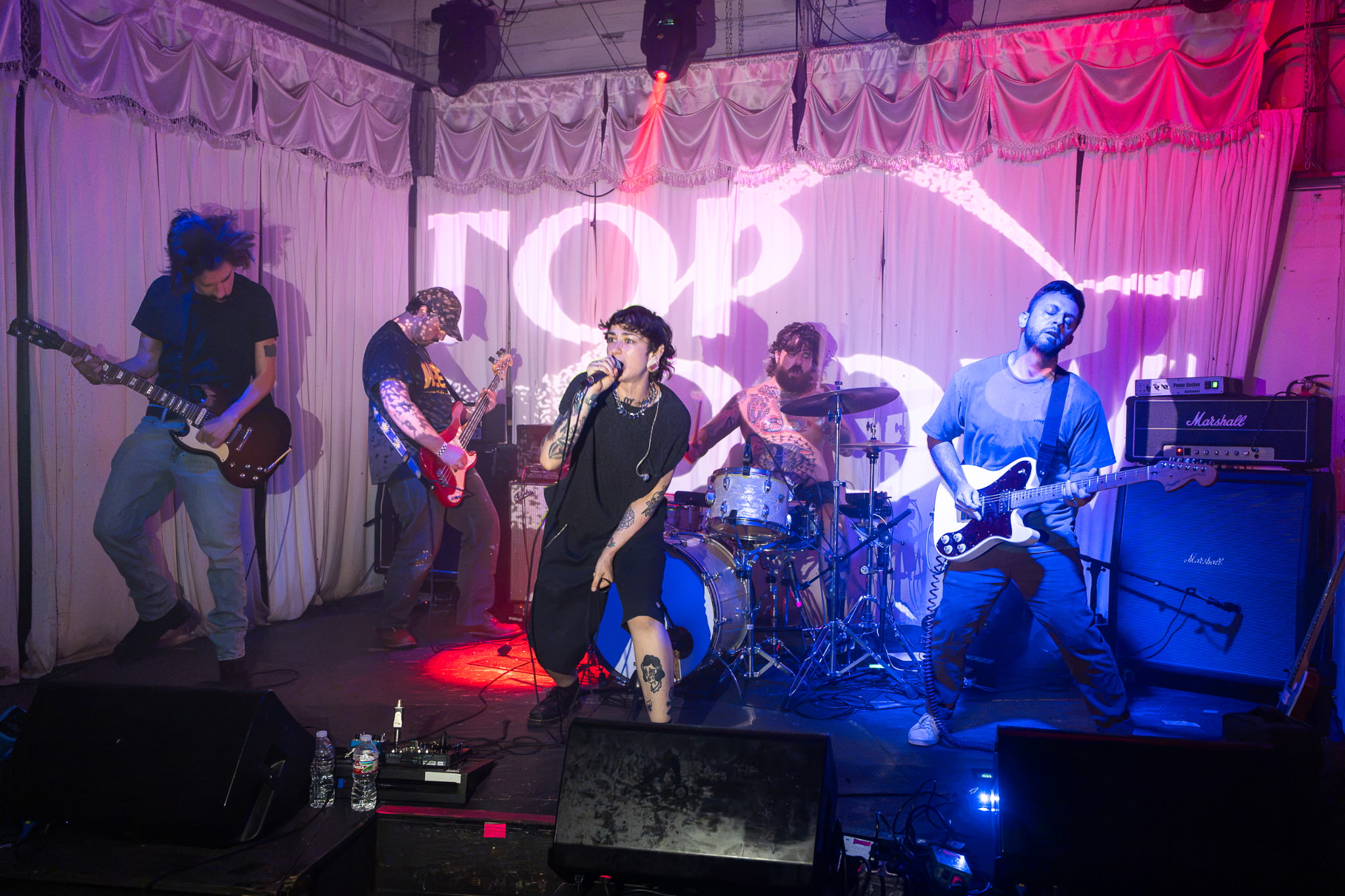
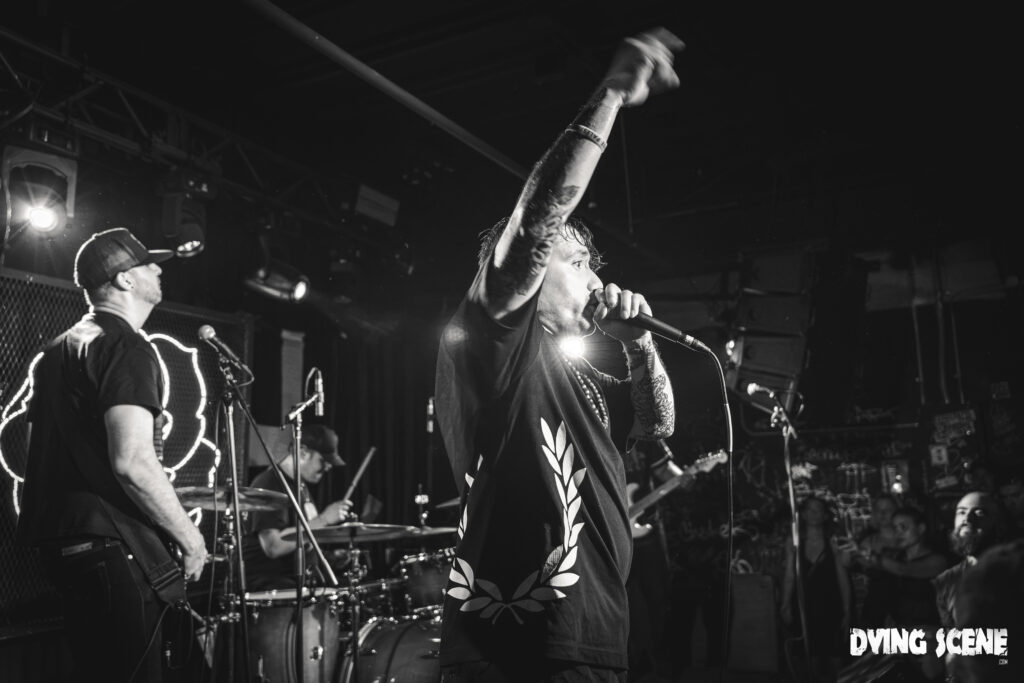
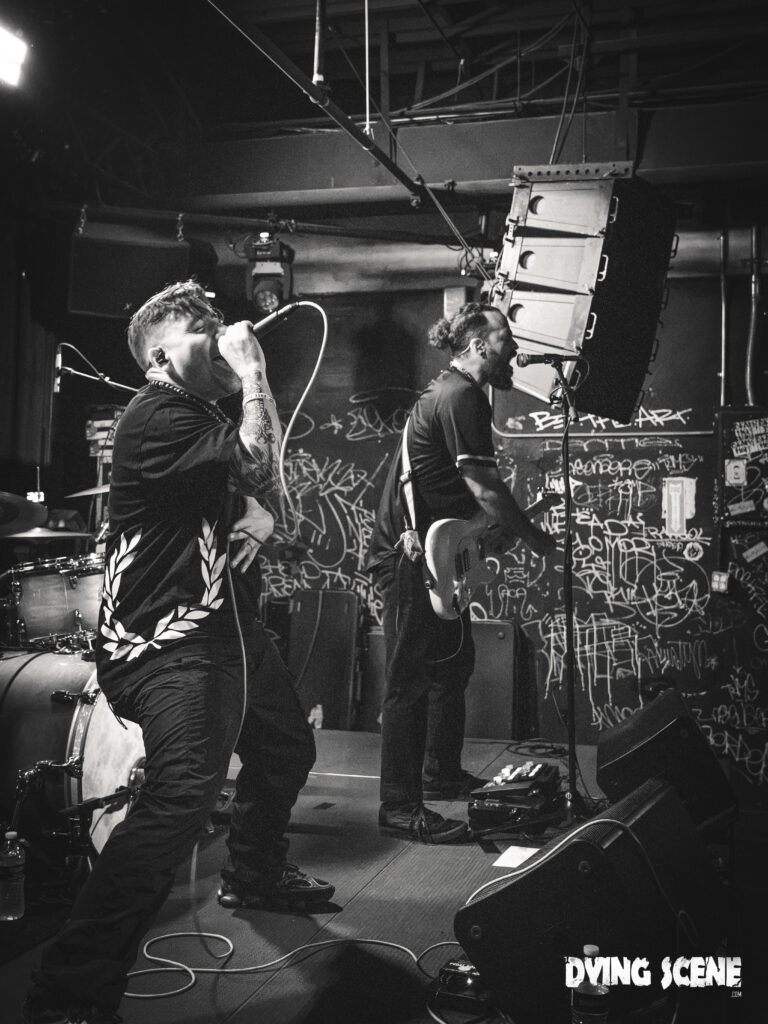
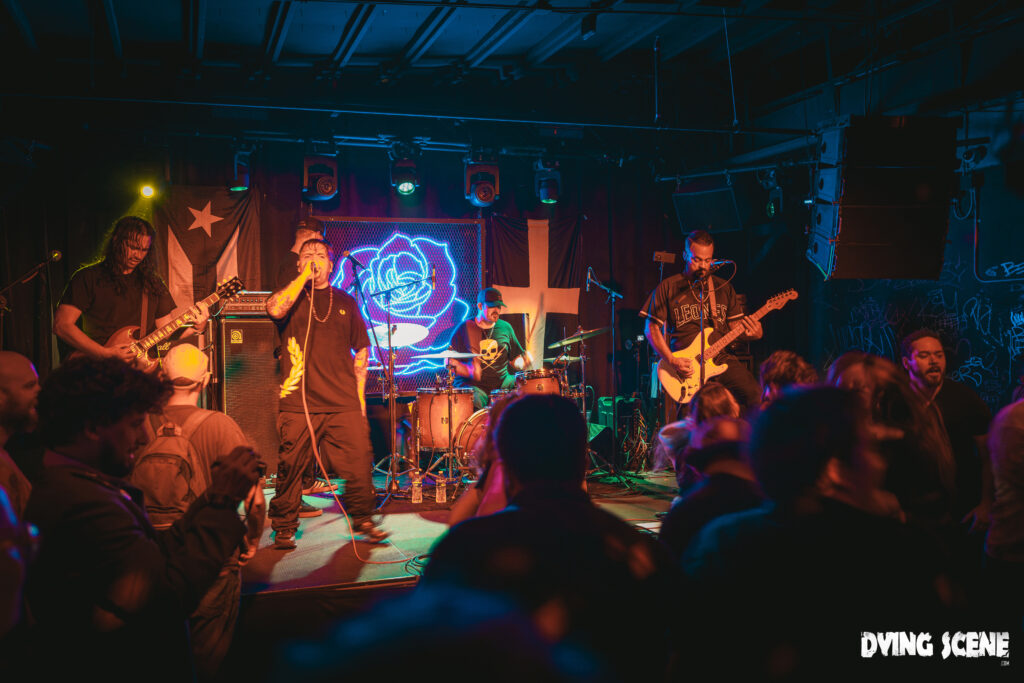
Melodic Post Hardcore band, Topdown, has a new record coming out later this year on October 16 via Diverse Chorus and Sweet Cheetah Records. The Earth and All Its Pavement, is the second album from this Austin, Texas five piece. Below you can hear a preview of their song “Dissonance.” Per lead singer Grace, The […]
Melodic Post Hardcore band, Topdown, has a new record coming out later this year on October 16 via Diverse Chorus and Sweet Cheetah Records. The Earth and All Its Pavement, is the second album from this Austin, Texas five piece. Below you can hear a preview of their song “Dissonance.” Per lead singer Grace, The ‘Dissonance’ is in not knowing how to love properly.“
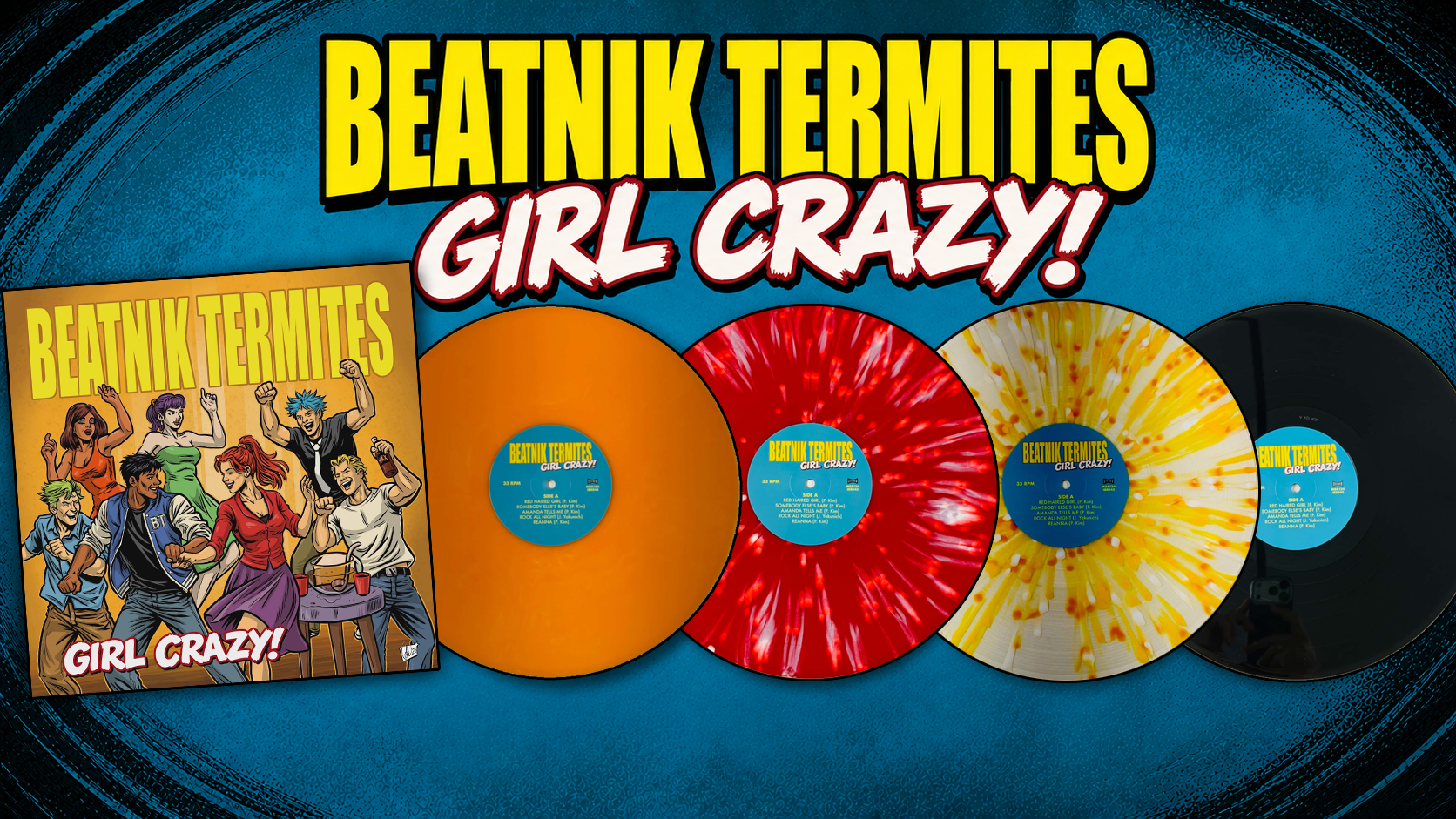
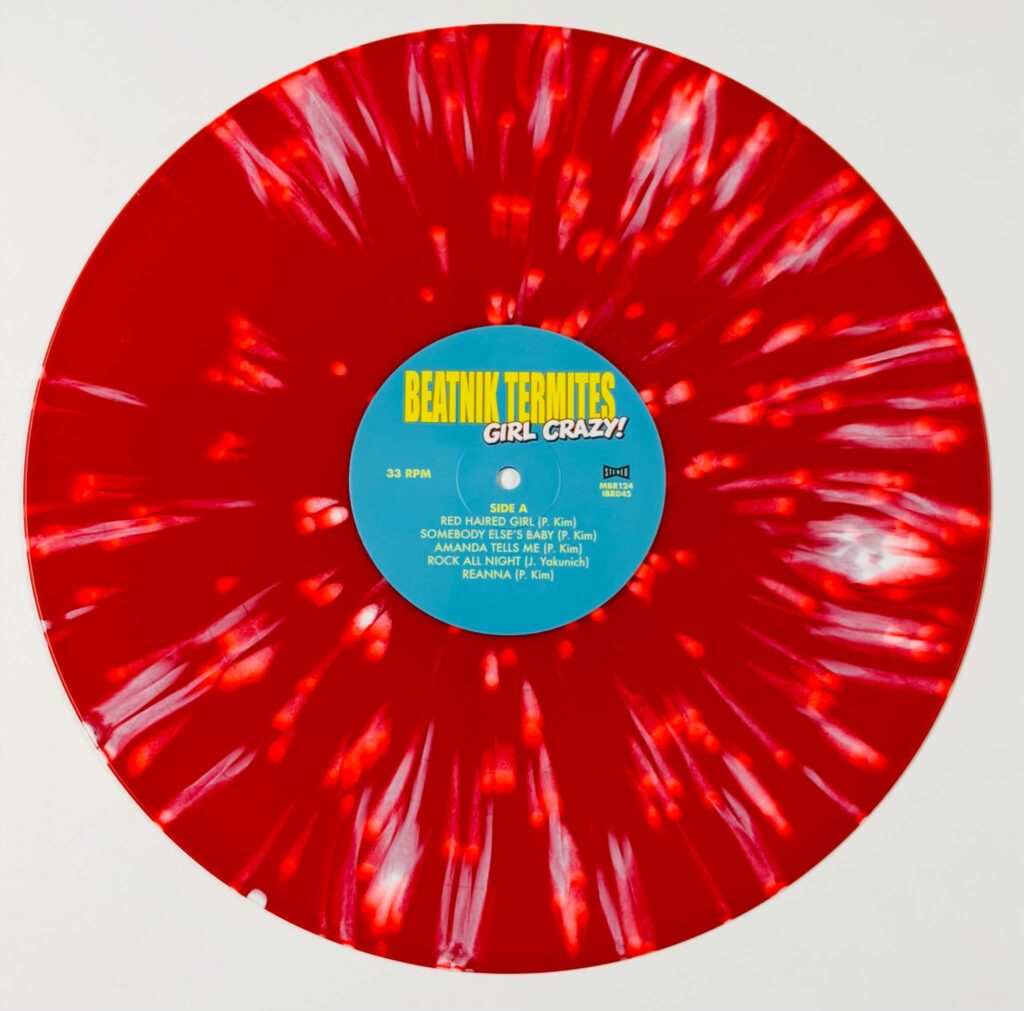
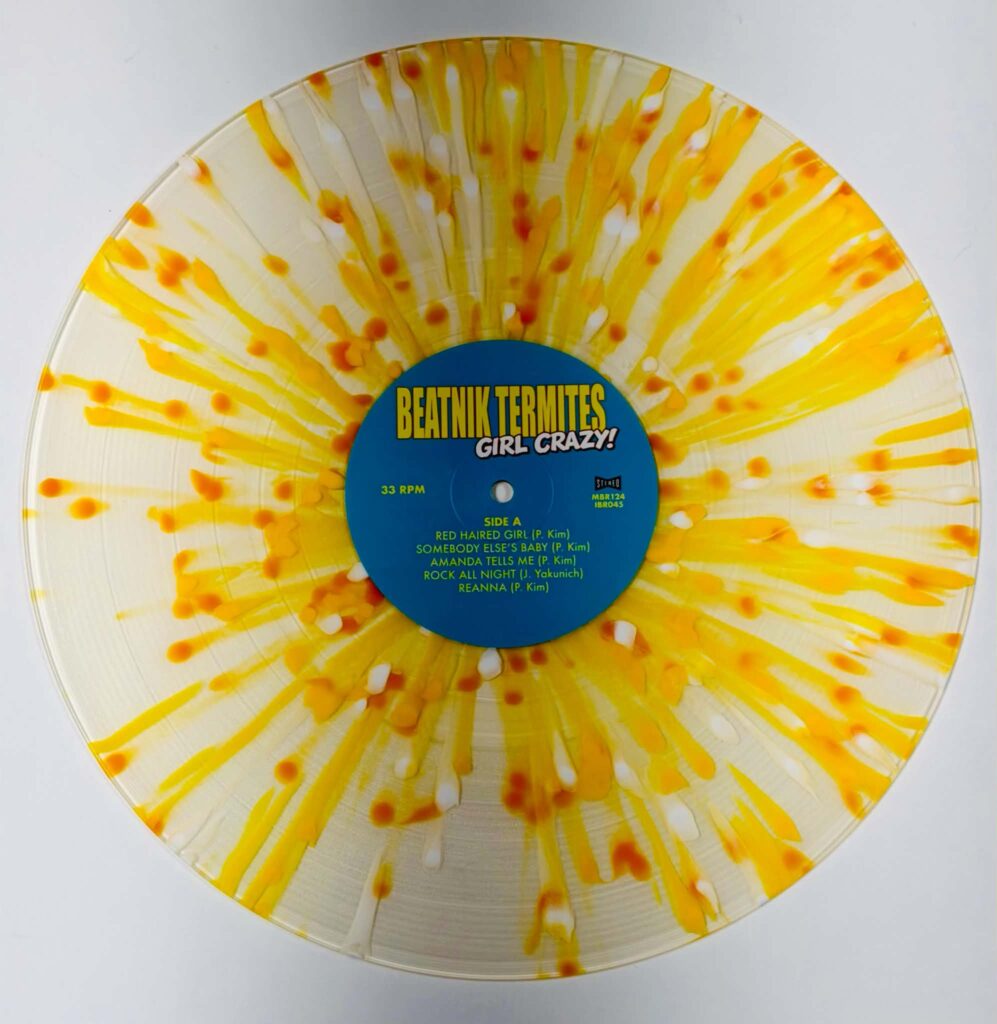
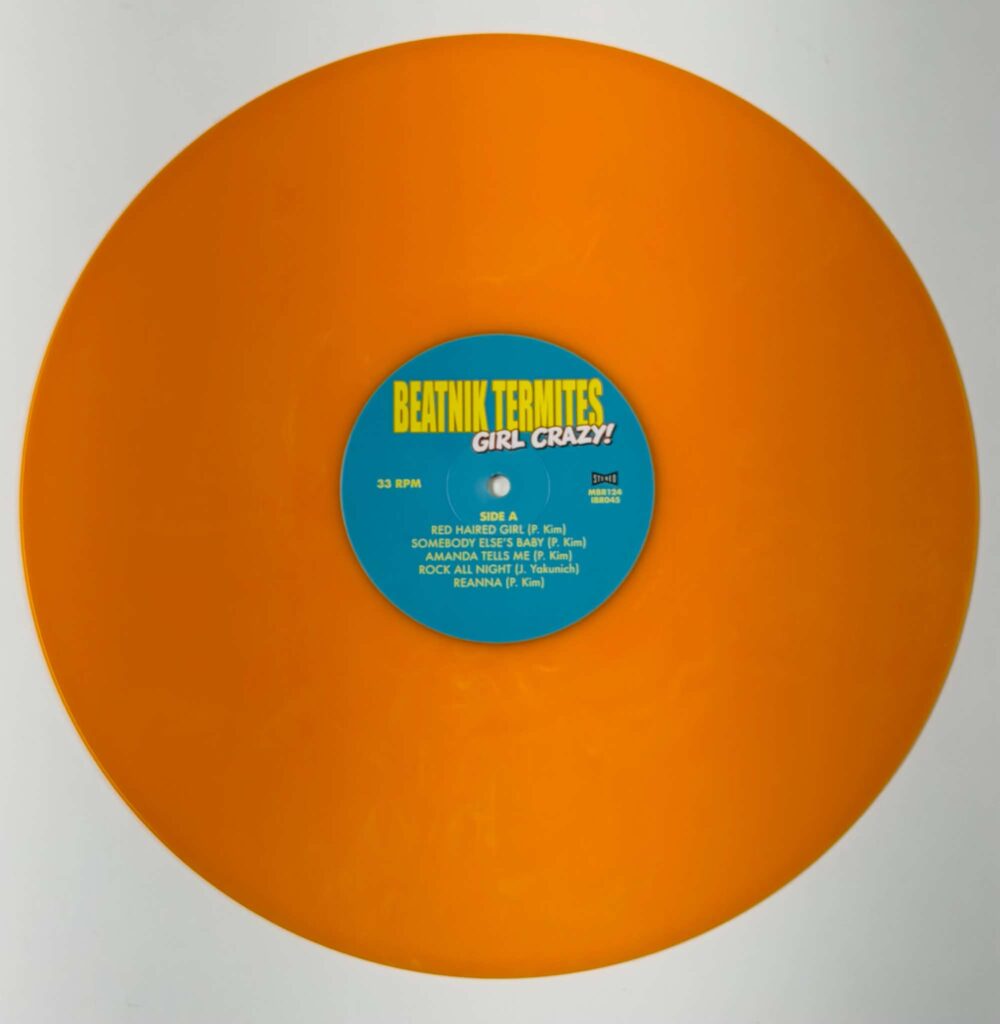
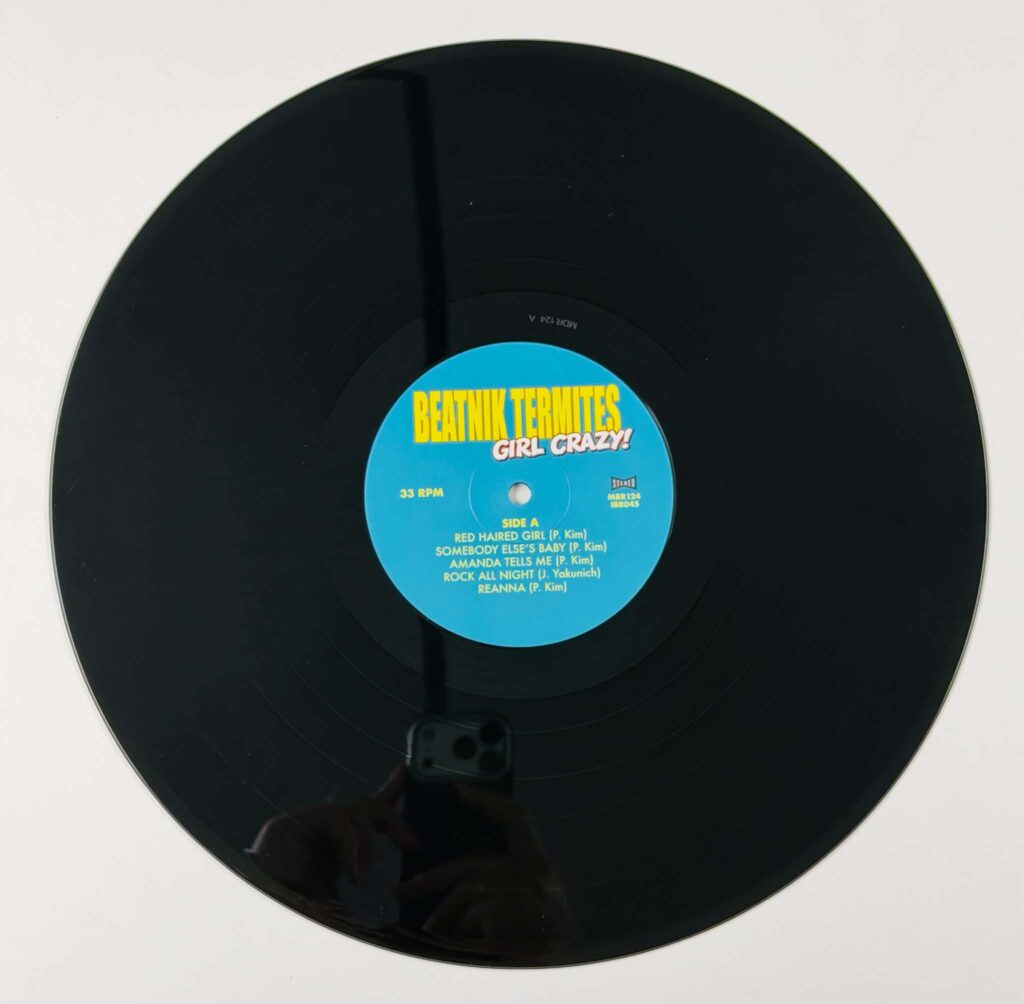
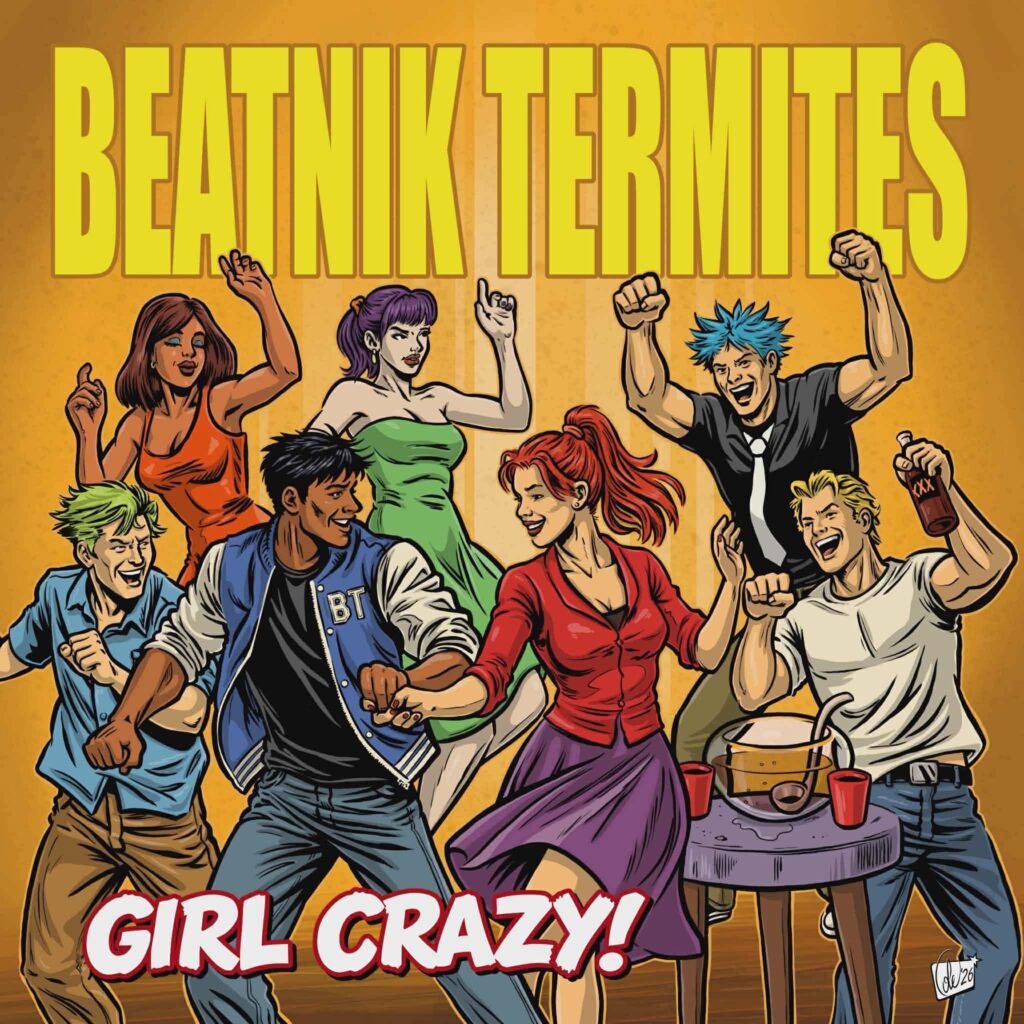
Our friends at Mom’s Basement Records are always up to something, and their latest escapade is bringing you, the discerning pop-punk listener, the first-time vinyl release of the Beatnik Termites’ 2003 album Girl Crazy!. This reissue will be available on four color variants, limited to 100 copies each, and it comes housed in a sleeve […]
Our friends at Mom’s Basement Records are always up to something, and their latest escapade is bringing you, the discerning pop-punk listener, the first-time vinyl release of the Beatnik Termites’ 2003 album Girl Crazy!. This reissue will be available on four color variants, limited to 100 copies each, and it comes housed in a sleeve with spiffed up new cover art. Feast your eyes upon the goods below!
Originally released in 2003 and – until now – only available on CD, Girl Crazy! rips through 9 tracks in a little under 20 minutes. And now, for the first time in record history, you’ll be able to get it on vinyl! Head over to the Mom’s Basement webstore in the US or I Buy Records‘ store in Europe this Friday, August 21st, and take part in history.
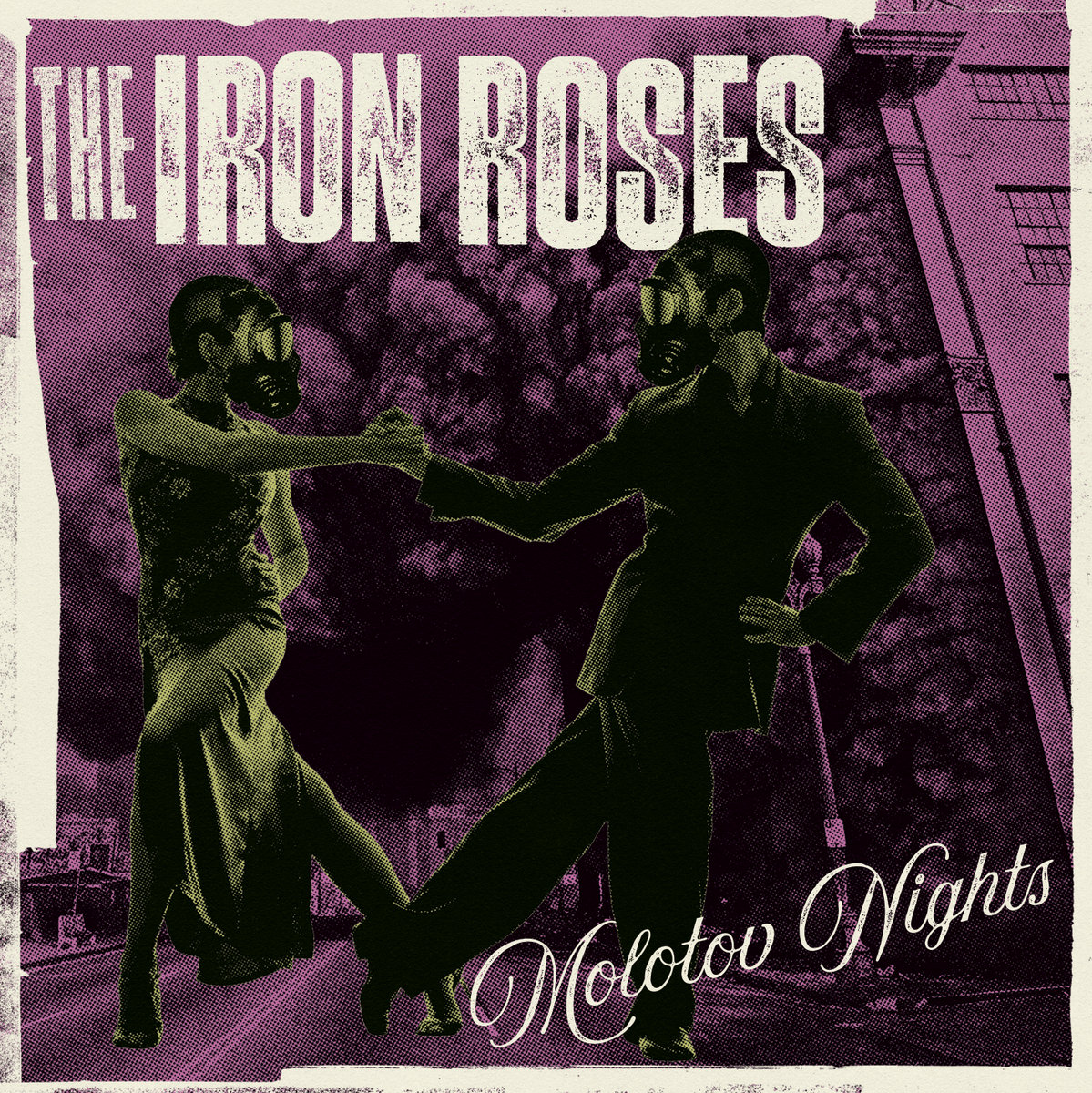
The Iron Roses are one of the most politically outspoken punk bands today. This is cemented with their newest album, Molotov Nights, where they leave no opinion suppressed and every opinion they do have is screamed from their gut. “Molotov Nights” is an album that shares the same beliefs that punk bands have but don’t […]
The Iron Roses are one of the most politically outspoken punk bands today. This is cemented with their newest album, Molotov Nights, where they leave no opinion suppressed and every opinion they do have is screamed from their gut.
“Molotov Nights” is an album that shares the same beliefs that punk bands have but don’t want to write, featuring multiple songs that address genocide (Dead Eyes), capitalism (All American), ICE (The Good News), the fetishizing of women (Body Count) and other topics that validate their anger. The powerful vocals of Natasha Grey (she/her) and Becky Fontaine (she/her) reaffirm the sincerity of the lyrics and convey a genuine cry of anger that makes you just as pissed as they are.
When discussing the album on their Bandcamp, they open up with the following: “Ever since November 2024 we’ve heard the same tired bullshit everywhere — ‘At least we’ll get some good music out of this.’ Fuck that. We’d much rather a world filled with equality, food, housing, health care, education, peace, and love”. What makes this an important quote when discussing this album specifically is that it reaffirms that this is not an album that’s really meant to be enjoyed.
While you can enjoy it, and you should, “Molotov Nights” serves primarily as a wake-up call. It is 25 minutes of telling the listener “Hey, this is what’s going on in the world right now”, in the hopes that others will get just as angry and call for a change.
As far as sound goes, while it generally remains a melodic punk rock album, “The Good News” starts off as a folk tune, and “All American” also turns into ska punk. Overall, they focus much more on the message of their lyrics rather than going into a lot of sound experimenting.
I was lucky to catch them live earlier this year and can confirm that their energy on this album matches with their energy on stage. As a trans femme-fronted band, they have a lot to be angry about. If you feel a part of a minority, or just as angry with the world and don’t know why, I would highly recommend that you give “Molotov Nights” a listen.
During the COVID-19 pandemic, different people had different ways to deal with the increased amount of time they had on their hands. Throw a rock and you could find someone in the arts figuring out what their new project would be. For author J. Hunter Bennett, it became a way to clean out some old […]
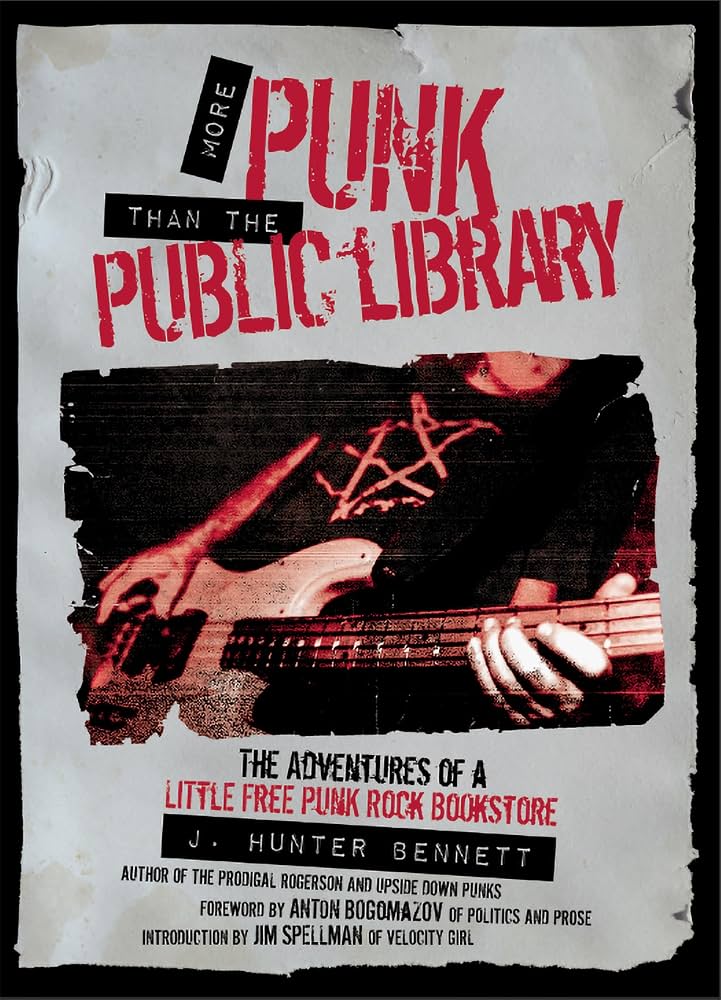
During the COVID-19 pandemic, different people had different ways to deal with the increased amount of time they had on their hands. Throw a rock and you could find someone in the arts figuring out what their new project would be. For author J. Hunter Bennett, it became a way to clean out some old books. I would be pressed to think that he knew this endeavor would lead to his latest book, More Punk than the Public Library: The Adventures of a Little Free Punk Rock Bookstore. Here, Bennett describes his accidental building of a punk‑literary micro‑community, and captures its evolution.
Setting up a little library outside his house on a busy corner in his Chevy Chase, DC neighborhood, Bennett started the Nevada Avenue Outdoor Free Bookshop (NAOFB). It was here Bennett decided to unload some of his punk rock and crime books to anyone who walked by. He accompanied this with a monthly newsletter he printed himself and left copies inside. What started as a way to cope with the horrors of the pandemic and the government’s handling of it turned into a staple of Bennett’s neighborhood. It eventually grew into an underground punk zine. This book is a reprinting of the issues, formatted and collected for your convenience. Each chapter goes over each issue or communique, as our editor proprietor gives us a little context before presenting each issue.
Sections like “Hardcore Reading With…” are interviews with various members of the Washington D.C. Hardcore scene as they talk about the books they like and make recommendations. “Fell in Love with a Book” is a column where a guest writer comes in and gives a review of a book that means a lot to them. As issues go on, more columns and sections are added. At one point, his page count gets to about twenty pages. Bennett ends up with a pretty stacked lineup of people to contribute, with interviews from members of bands like Embrace, Velocity Girl, and Dag Nasty. He also gets some cool essays about his personal life, recruiting his sister and mom each for a book review.
While More Punk Than the Public Library… does mostly follow a wash, rinse, repeat format, it’s extremely entertaining. Each chapter is uniform to the context and then a reprinting of the corresponding month’s issue, but the contents of each book will win you over. Despite starting as a personal project, the NAOFB sort of ballooned in the best way possible. What became a way to kill time during one of the darkest times in modern history is now this book. Each issue of Bennett’s zine may tell small stories and anecdotes about the contributors, but this book is a fantastic way to show how a community can come together and be built over something as small as a little library with secondhand books on a street corner.
More Punk than the Public Library: The Adventures of a Little Free Punk Rock Bookstore was published and is available through Microcosm Publishing.
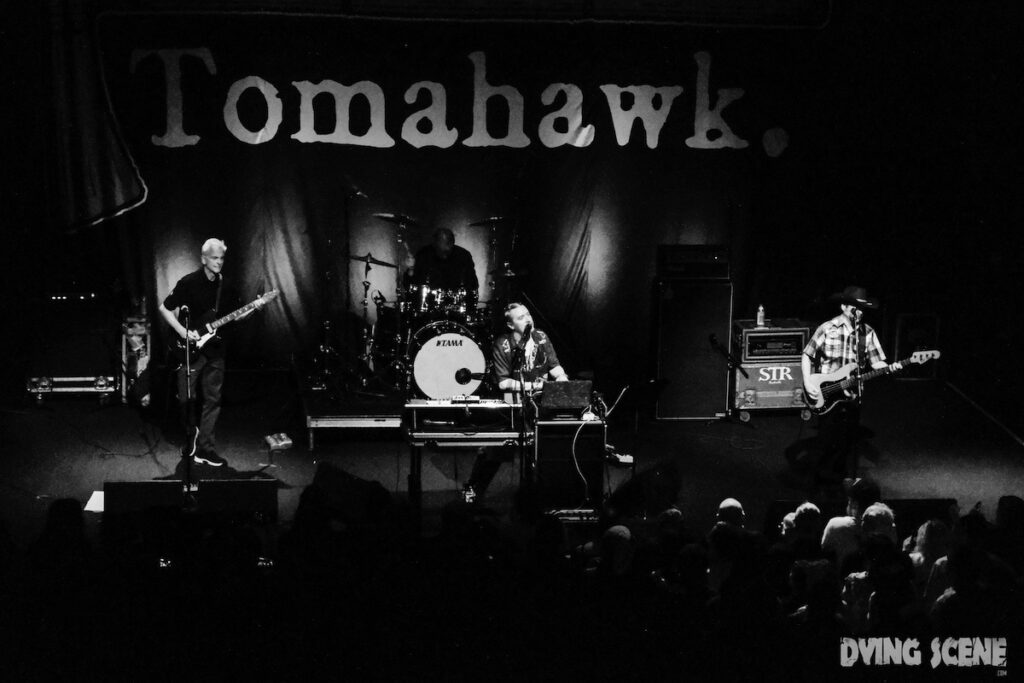
On 26 July 2026, DC’s legendary 9:30 Club was packed as Tomahawk took the stage for a sold-out stop on their “A Huge Waste of Your Time and Money” tour, celebrating their 25th anniversary as a band, with support from Melvins and Ni Maîtres, Anticipation was high as fans lined up hours before doors opened, eager to witness the Tomahawk’s long-awaited return and an unforgettable night […]
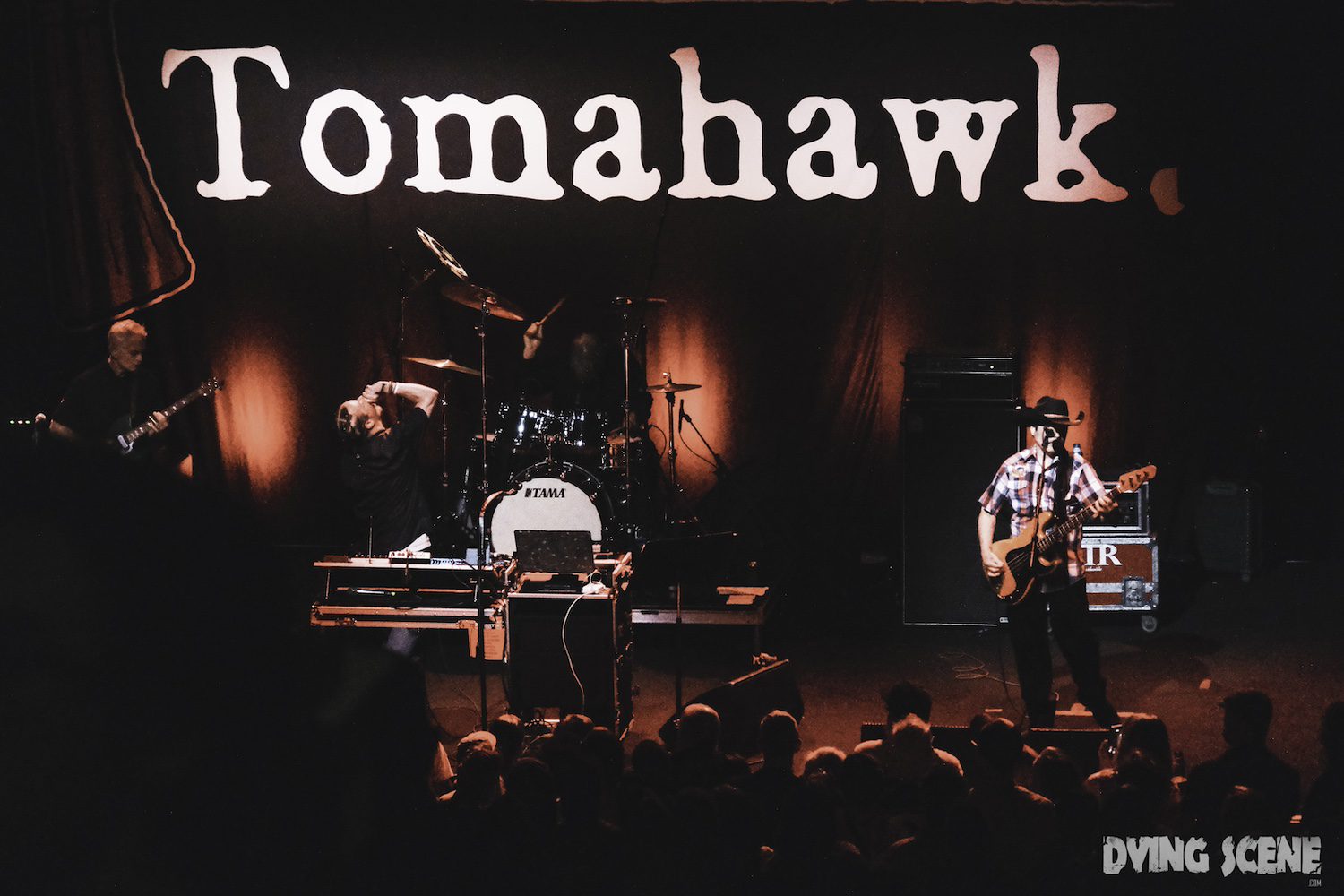
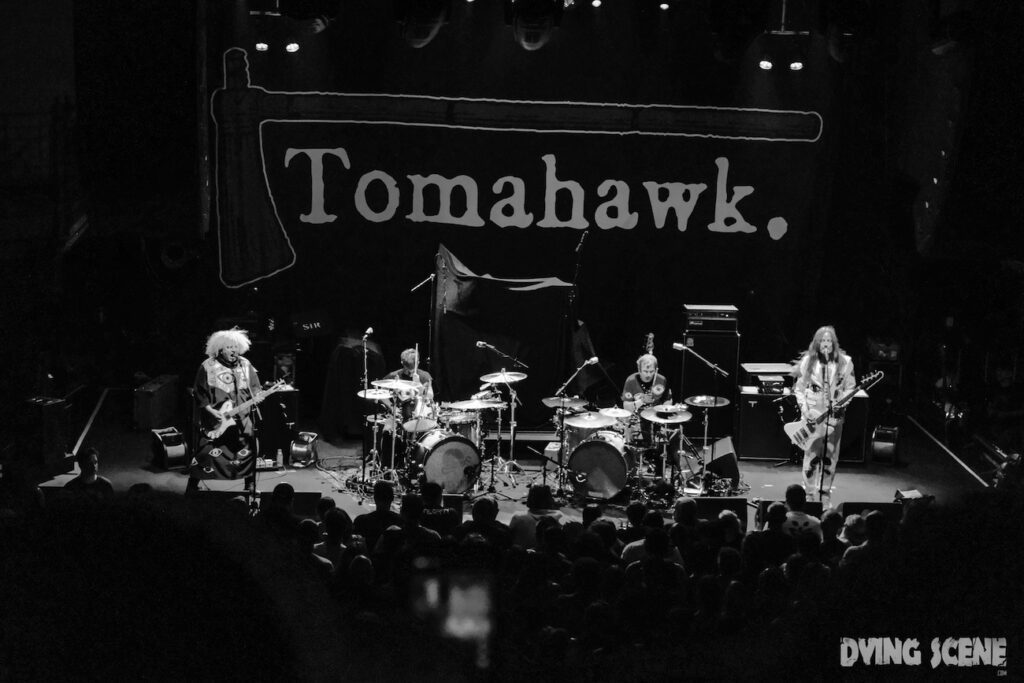
On 26 July 2026, DC’s legendary 9:30 Club was packed as Tomahawk took the stage for a sold-out stop on their “A Huge Waste of Your Time and Money” tour, celebrating their 25th anniversary as a band, with support from Melvins and Ni Maîtres, Anticipation was high as fans lined up hours before doors opened, eager to witness the Tomahawk’s long-awaited return and an unforgettable night of explosive performances. This was Tomahawk’s sixth show of their 22-date tour and amongst their first live performances in 13 years.
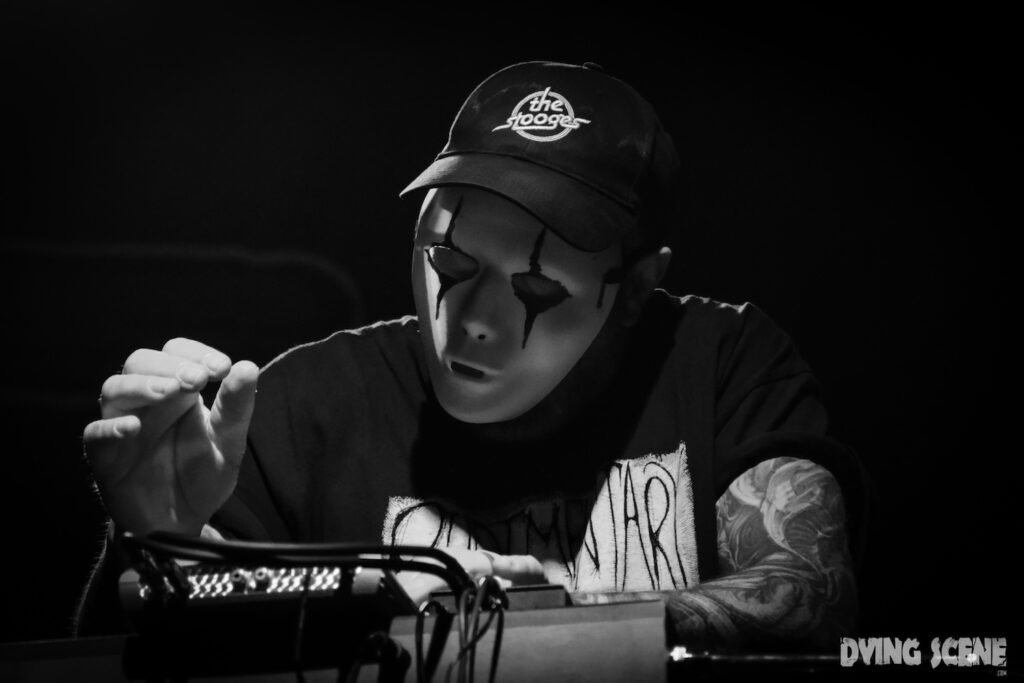
At approximately 7:10 PM, Melvins tour manager, Gareth Turner, took the stage as Ni Maîtres and opened the show with a roughly 15-minute set of dark, experimental, electronic noise with his programmed drums, synth, and theremin. Many in the crowd saw Turner wearing his black Rudimentary Peni t-shirt and Stooges ballcap as he was moving around the venue and setting up the stage. To obscure his identity, Turner donned a white mask, but it wasn’t enough to fool the crowd as they quickly figured out who he was. He wrapped up his set around 7:25 PM and set the tone for a wild night of sonically eclectic rock and roll.
Melvins took the stage around 8:00 PM wearing their signature psychedelic eyeball motif uniforms – King Buzzo (vocals/guitar) with this wizard-like, eyeball tunic, Dale Crover and Coady Willis (drums) with their eyeball t-shirts, and Steven McDonald (bass) with his white eyeball suit. The band plowed through an hour of their signature blend of sludge and high-octane rock and roll. As their conductor, Buzzo set the tone and leaned into the heavy, rocking out near his amp and lunging forward to the audience. The powerhouse drum duo of Crover and Willis delivered an earthmoving percussive assault with well-choreographed playing. McDonald owned the stage rocking, running, and rampaging from one end to the other. Longtime friend, band member, and collaborator Trevor Dunn (bassist for Tomahawk) joined Melvins playing second bass on Night Goat to close out their set around 09:00 PM.
Melvins Setlist
Working The Ditch
Never Say You’re Sorry
Sway (The Rolling Stones cover)
Evil New War God
Civilized Worm
It’s Shoved
A History of Bad Men
The Bit
Blood Witch
Hag Me
Honey Bucket
Night Goat (with Trevor Dunn)
At around 09:30 PM, Tomahawk took the stage and began their nearly 90-minute set. Mike Patton (Faith No More, Mr. Bungle) on vocals, keys, programming, Duane Denison (The Jesus Lizard) on guitar, John Stanier (Helmet, Battles) on drums, and Trevor Dunn (Mr. Bungle, Fantômas, John Zorn) on bass delivered their blend of rock, punk, metal, country, and noise to a crowd eager to hear this band perform for the first time in DC since 2013. From the first note, the crowd was hooked, with Patton screaming, singing, and tearing around the stage. Denison, Stanier, and Dunn kept it funky, loud, and unpredictable, jumping from crushing riffs to weird noise. The band ended their set around 11:00 PM, giving their fans a healthy dose of their unique brand of rock. After 13 years away, Tomahawk’s return to DC was loud and long overdue.
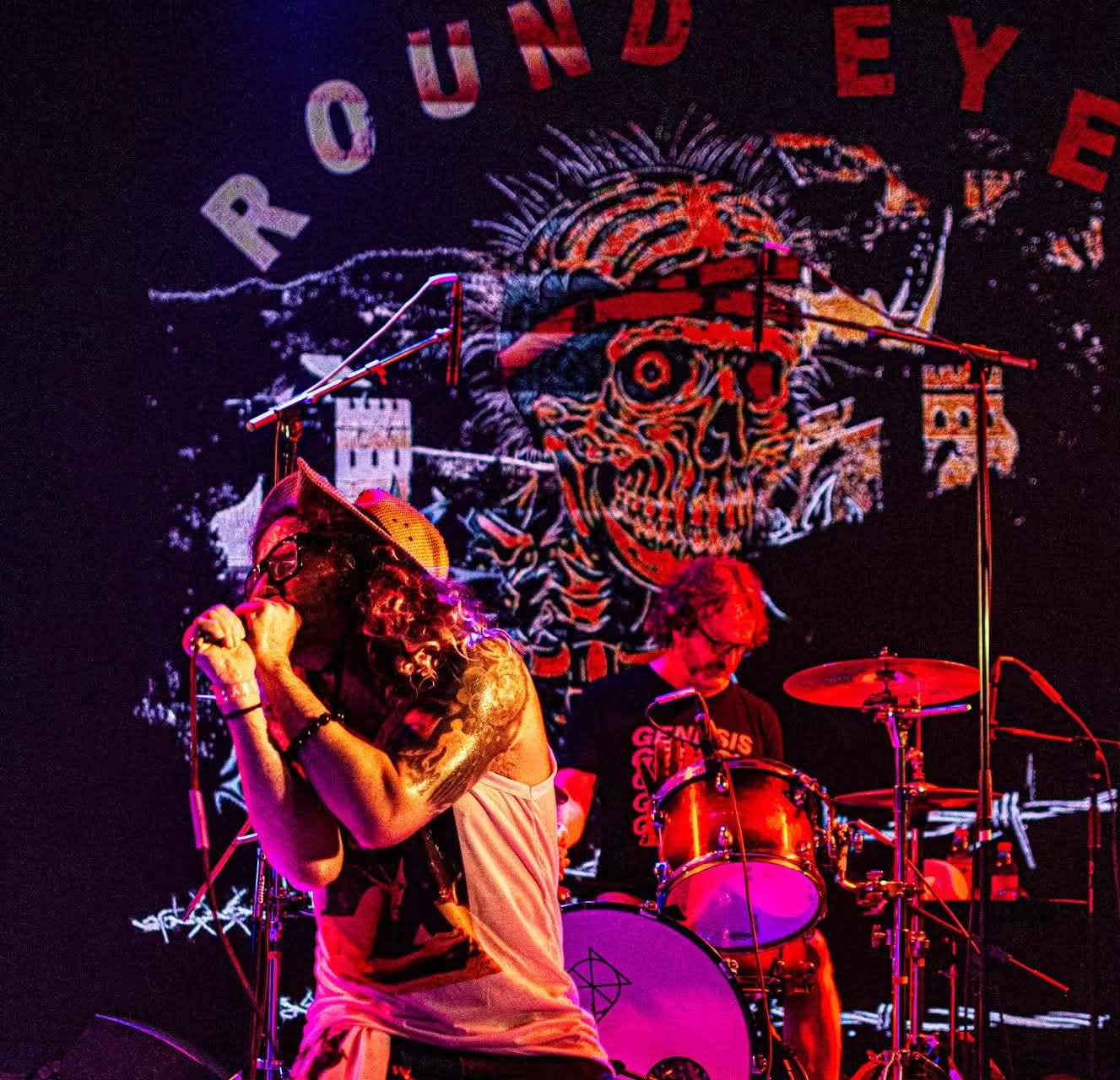
Welcome to Four Records! Each episode, we feature one guest as they discuss the four records that helped shape them at four different times in their life. This week, our guest is Chachy Englund from the band, Round Eye. Round Eye recently released a single with a super cool video made in using Taishan shadow […]
Welcome to Four Records! Each episode, we feature one guest as they discuss the four records that helped shape them at four different times in their life. This week, our guest is Chachy Englund from the band, Round Eye. Round Eye recently released a single with a super cool video made in using Taishan shadow puppets.
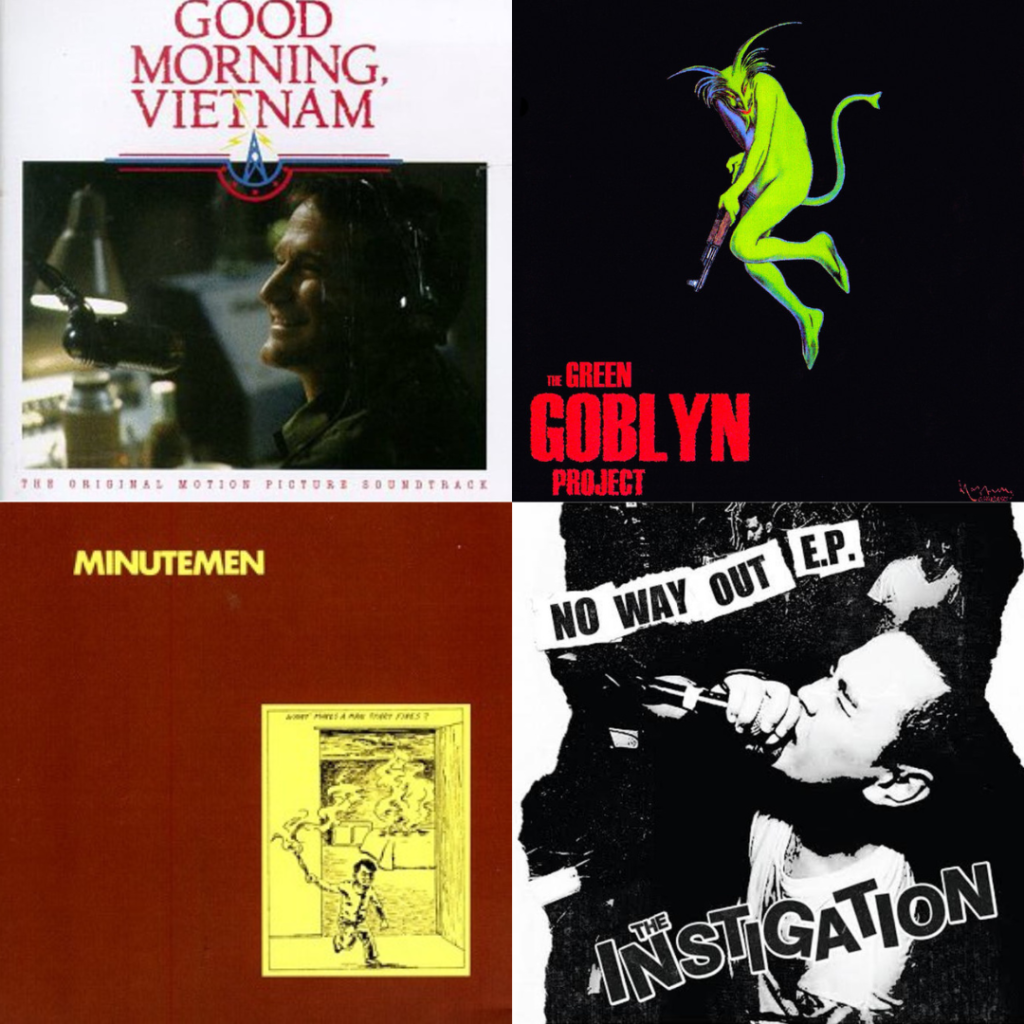
Chachy Englund’s Four Records:
0-10: Good Morning Vietnam Soundtrack
Teenage: Green Goblin Project – Earth Must Be Destroyed
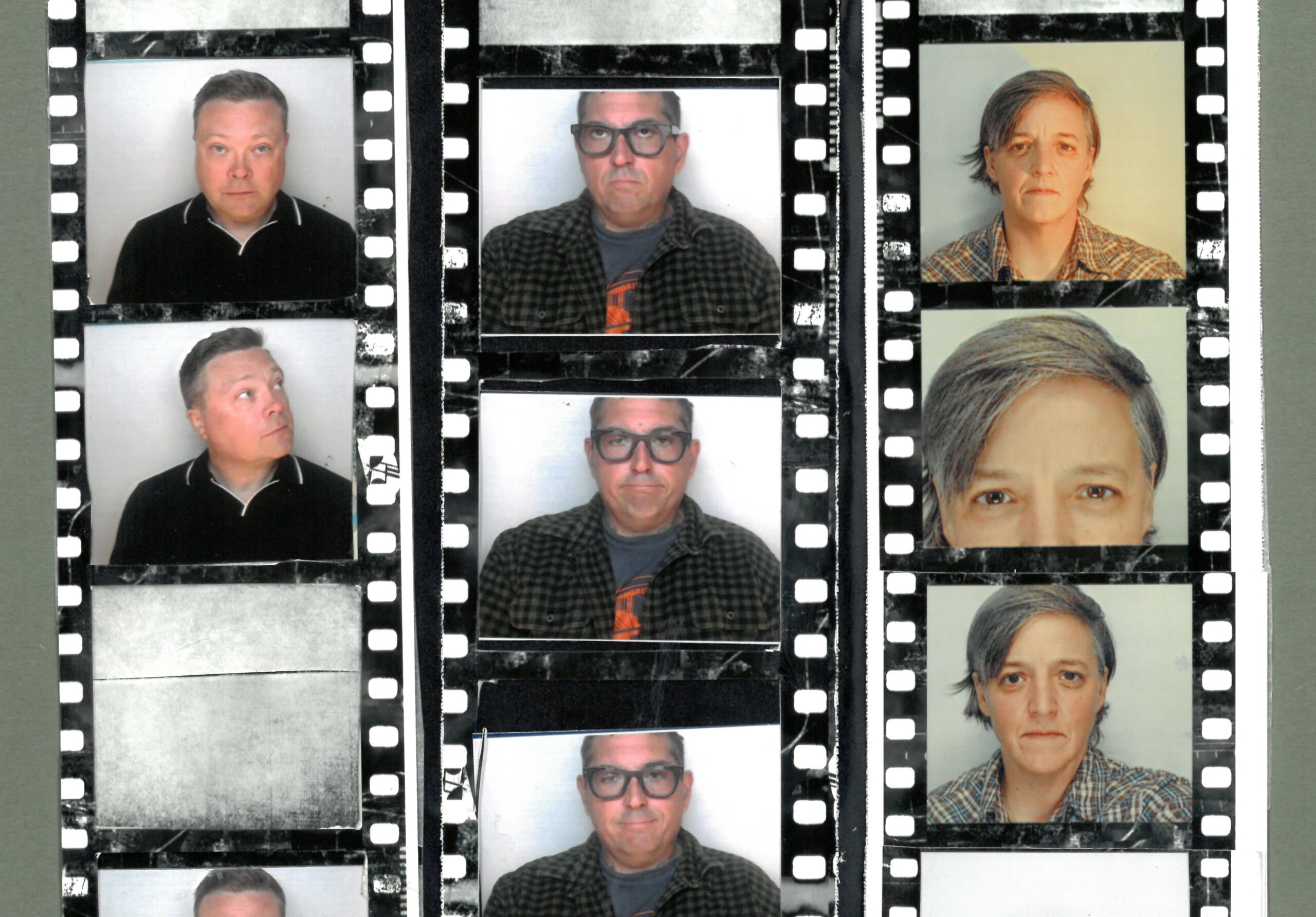
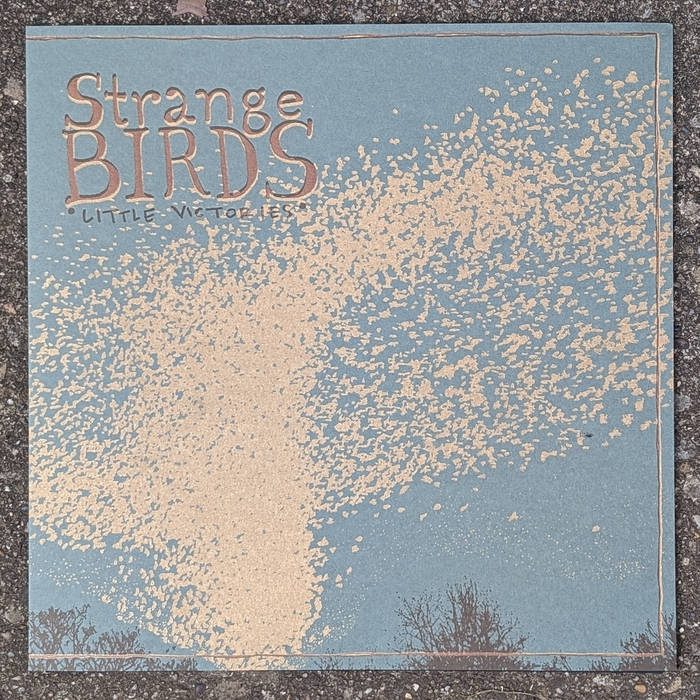
This week we have the premiere from Louisville, KY’s Strange Birds. The band is comprised of Brandon Butler (Boys Life, Canyon, The Farewell Bend) on guitar and vocals, Ella Jean Lumpkins (Blue Collar Revenge Theory, Three Nails for a False Prophet) on drums, and Brian Meurer (The Muckrakers) on bass. While the music of Strange […]
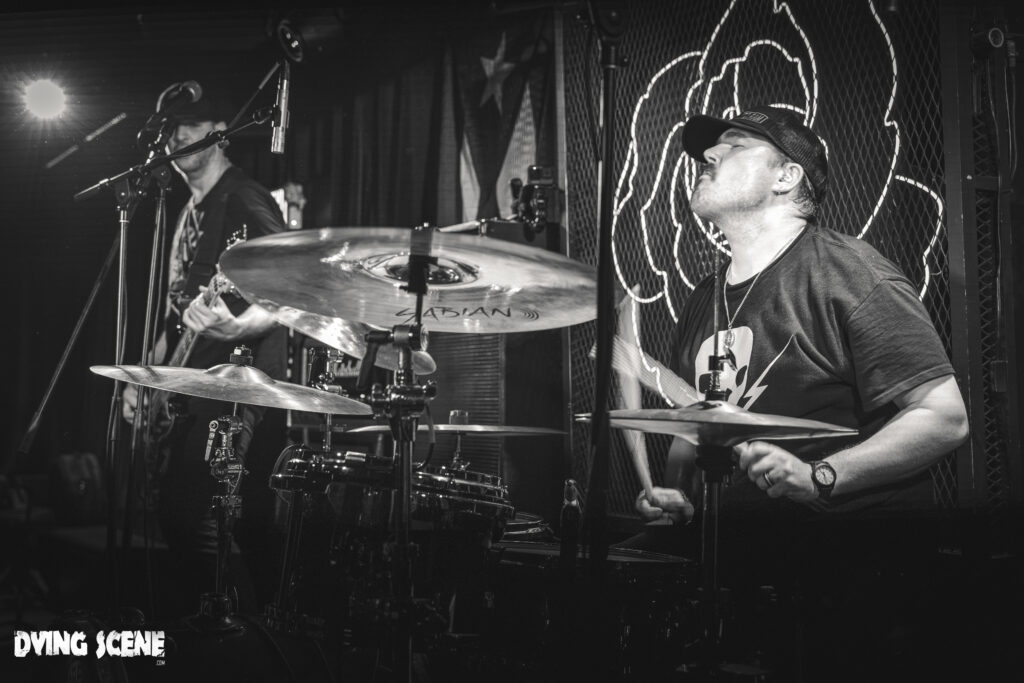
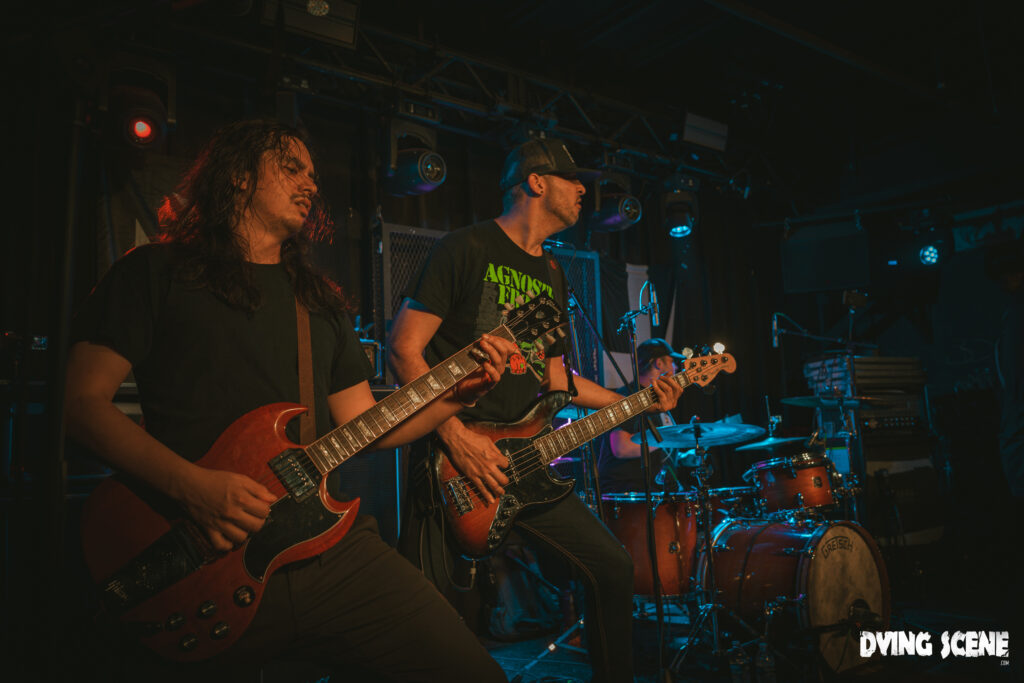
This week we have the premiere from Louisville, KY’s Strange Birds. The band is comprised of Brandon Butler (Boys Life, Canyon, The Farewell Bend) on guitar and vocals, Ella Jean Lumpkins (Blue Collar Revenge Theory, Three Nails for a False Prophet) on drums, and Brian Meurer (The Muckrakers) on bass. While the music of Strange Birds may sound different than their previous bands, what is clear is solid songwriting and a top-notch performance. Today, Dying Scene has the premiere of their latest single, “BMX Summer.” You can listen below:
Their LP, Little Victories, will be released on September 4th, 2026, through Sweet Cheetah Records. If you like what you heard, you can pre-order the record on CD or a limited edition Coke bottle clear vinyl.
Catch Strange Birds on the road:
September 17, 2026: Mag Bar (Louisville, KY) with Unwed Sailor
October 29, 2026: Green Lantern (Lexington, KY) with Molly McGuire
October 30, 2026: The Loose Cobra (Tolono, IL) with Molly McGuire
October 31, 2026: Record Bar (Kansas City, MO) with Molly McGuire
La Armada, the Chicago-based band with deep Dominican and Caribbean roots, dropped anchor in Miami for a stop on their Southeast USA Tour, which also included dates across Florida and Atlanta, Georgia. Known for what they describe as “heavy music from the Caribbean,” La Armada delivered an explosive set that seamlessly blends punk, hardcore, metal, and Afro-Caribbean influences rooted in their native Dominican Republic. Their […]
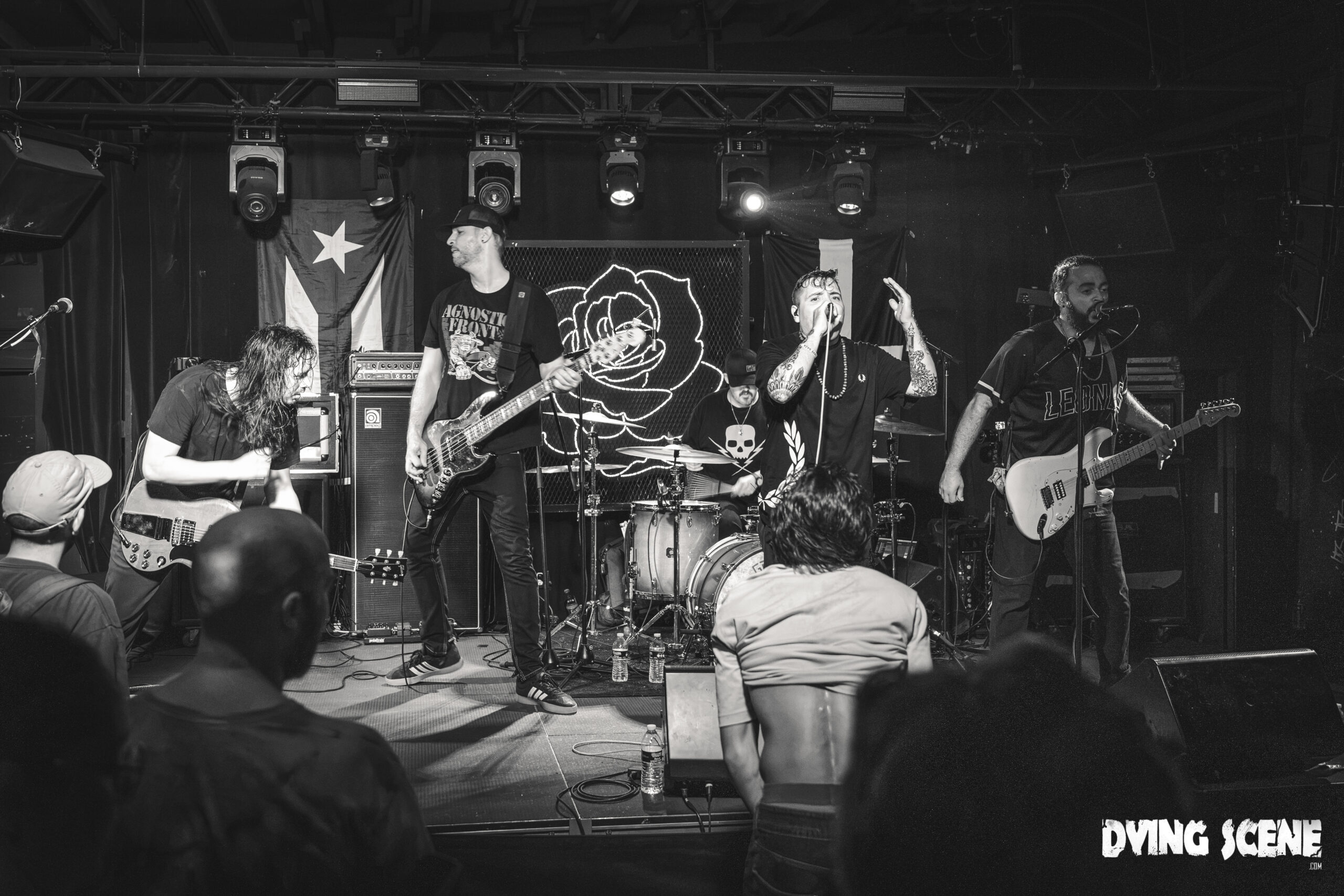
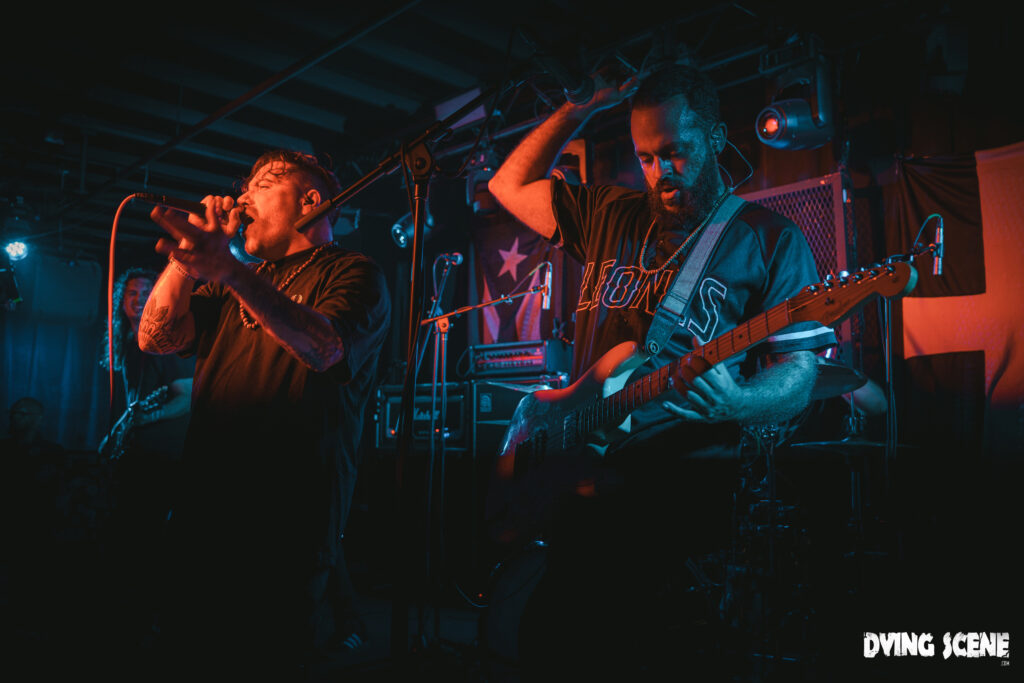
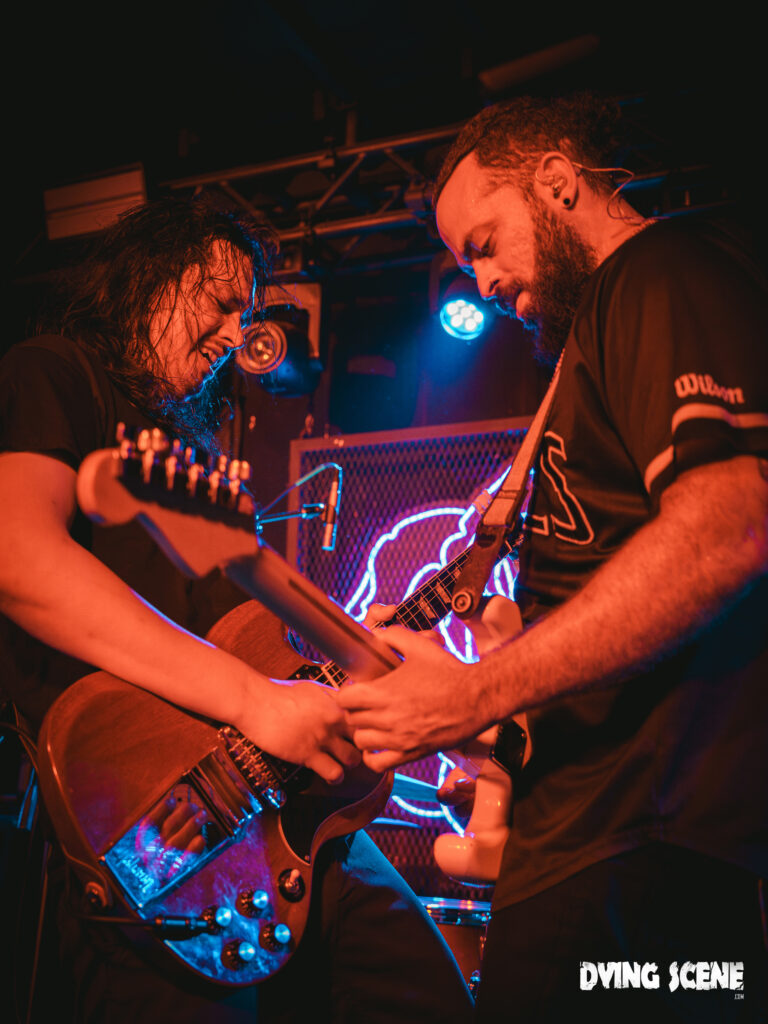
La Armada, the Chicago-based band with deep Dominican and Caribbean roots, dropped anchor in Miami for a stop on their Southeast USA Tour, which also included dates across Florida and Atlanta, Georgia.
Known for what they describe as “heavy music from the Caribbean,”La Armada delivered an explosive set that seamlessly blends punk, hardcore, metal, and Afro-Caribbean influences rooted in their native Dominican Republic. Their distinctive sound continues to set them apart within the hardcore scene, combining relentless aggression with rich rhythmic traditions.
The show took place at Las Rosas and was free to attend, drawing a strong crowd of longtime fans and curious newcomers alike. Throughout the night, the band showcased the intensity of their live performance, treating the Miami audience to a powerful set featuring some of the standout songs from their catalog.
I’ve always been attracted to biographies, whether it’s someone I’m familiar with or not. A few years back, I read James Spooner’s High Desert and fell in love with a story about finding punk rock that felt similar to mine yet completely different. Disappointed that it was cut short before his move to New York […]
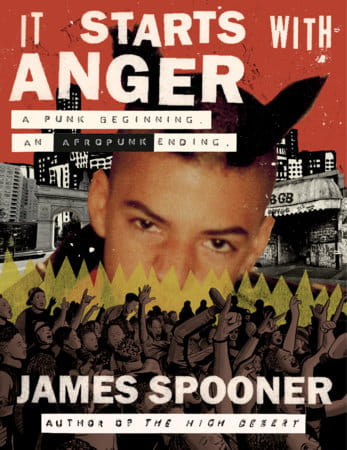
I’ve always been attracted to biographies, whether it’s someone I’m familiar with or not. A few years back, I read James Spooner’s High Desert and fell in love with a story about finding punk rock that felt similar to mine yet completely different. Disappointed that it was cut short before his move to New York City, I hoped that it wasn’t the end of Spooner sharing his punk rock past. Thankfully, it’s not, with the release of his comic and prose hybrid, It Starts With Anger: A Punk Beginning and Afropunk Ending. Here, Spooner takes us on the journey of what punk means to him and how this definition evolved his ethos in regard to his identity, politics, and DIY approach to art and community-building.
It Starts With Anger… is broken up into two parts. Spooner starts by jumping straight into his punk rock past by giving a quick summary of his slice-of-life punk rock comic, The High Desert. It’s been a minute since I’ve read it, so I don’t remember if it’s a summary or a story that may have been left out, but it links these pieces of work together well. Eventually Spooner makes it to a pre-Giuliani New York City. It’s here that he is accepted into the LaGuardia School of the Arts and starts to navigate the punk rock shows he had gotten a taste of during summer visits to his dad’s place.
What I like most about this story is that Spooner’s experiences in punk rock are easily relatable. He presents the punk rock he experienced in his youth for all to see, legitimizing the attempts a punk rock kid made. While there are moments that feel like crash courses on punk rock that he weaves seamlessly to enhance the story. Along with moments of honesty about the shitty behavior and hypocritical stances that came with punk, even when the bad behavior is his own. It’s not necessarily a baptism by fire, but looking back, it’s not hard to figure out how to do the right thing even if you have a mohawk, especially when it comes to racism, sexism, and homophobia.
Spooner reconciles some of the problematic issues of early punk bands, such as lyrics written by favorite bands he was a fan of when he first got into punk rock. His contextualizing of lyrics for songs like the Ramones “Loud Mouth”, The Descendents “Sour Grapes”, and Minor Threat’s “Guilty of Being White” doesn’t excuse the bands, but highlights that these exist. It’s one of the many cracks that Spooner points out in punk rock. The crux of It Starts With Anger: A Punk Beginning and Afropunk Ending is Spooner processing what it means to be a POC in the local punk rock scene. Sadly, many people believe that punk rock is solely white music, which is definitely far from true. Most of these beliefs are shaped by Spooner’s experience in the NY hardcore scene and love for bands who should have been able to play with more of the prominent bands of the era, but didn’t due to the color of their skin.
Part two pivots to Spooner’s sort of post-punk era after being disillusioned with the genre. He travels the country in some sort of punk rock odyssey for a few years until he settles into the NYC club and art scene doing DJ sets at dance parties. Yet, he becomes disillusioned when he is portrayed based on his race and how people would exploit him as being a “safe black.” A black individual who is perceived as non-threatening by non-Black peers. A term he uses critically and not self-descriptively. This continued disappointment sends Spooner on a quest to start documenting other black punks around the country who may feel like him. The baby steps to making the Afro-Punk documentary and then using the lessons of punk rock to get it shown to people, but even that comes with a headache when he accepts an offer to grow Afropunk as a brand.
James Spooner’s It Starts With Anger: A Punk Beginning and An Afropunk Ending is one of my favorite books in a year where I’ve read a ton of really good books about punk rock and dissecting the scene itself. Spooner’s not the first person to hybridize comics and prose, but his panels-and-paragraphs approach to an autobiography is well done, but does lean heavier in prose. I like hearing a good story about a person finding their thing, and it gets double points for crossing over with my interests (punk). While parts of his story didn’t turn out the way he wanted, it seems that Spooner has made the best of his situation and came out a better person for it. It’s relatable, gives perspective, and overall tells a compelling story that is still being written.
Creativity rarely follows a straight line. Whether you’re writing music, a book, or a comic, inspiration and frustration can hit at different times. Take comic book writer Justin Heggs. After writing the first issue of Death Metal Duck in 2007, he decided to quit writing and step away from comics completely. While his artist on […]
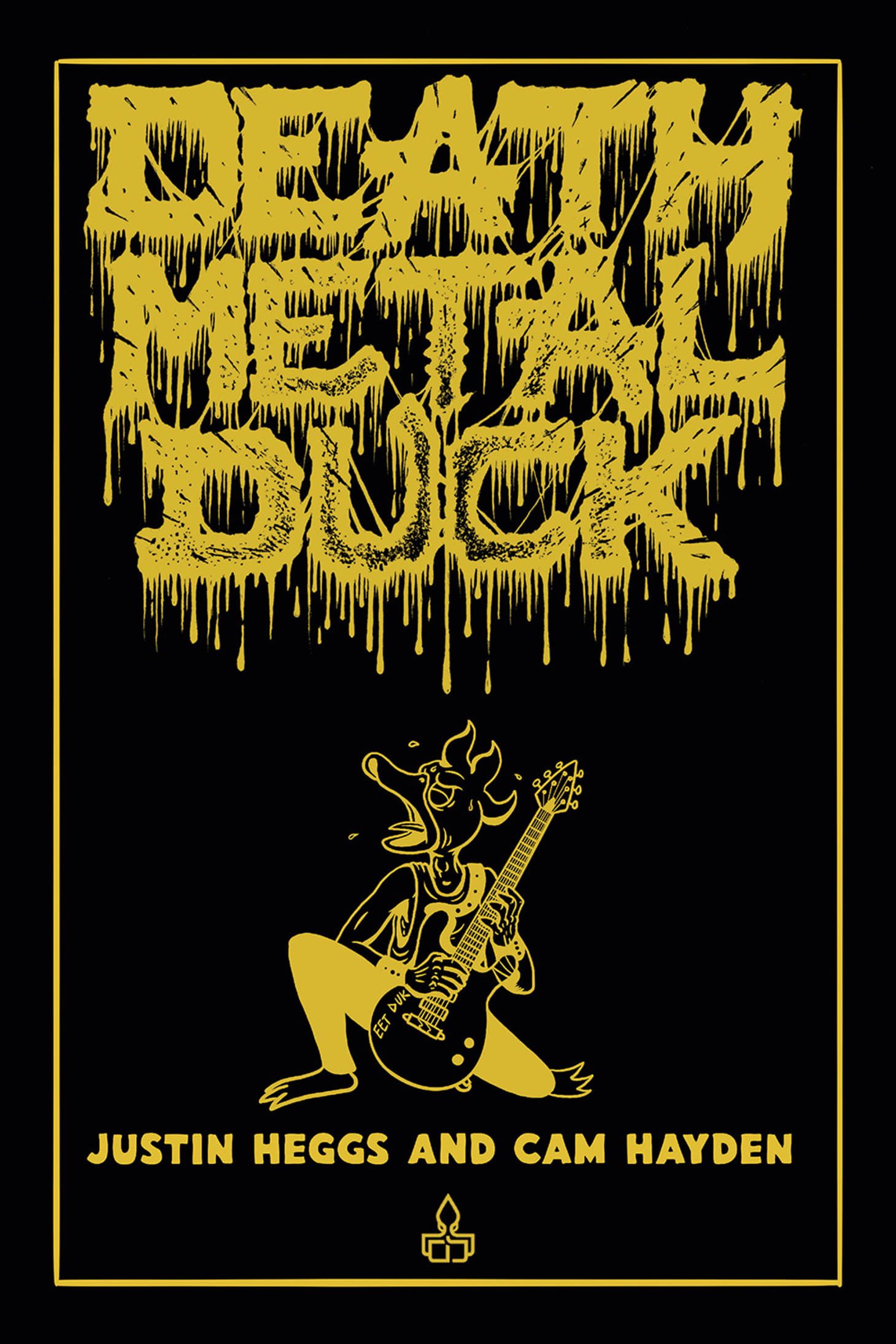
Creativity rarely follows a straight line. Whether you’re writing music, a book, or a comic, inspiration and frustration can hit at different times. Take comic book writer Justin Heggs. After writing the first issue of Death Metal Duck in 2007, he decided to quit writing and step away from comics completely. While his artist on the book, Cam Hayden, continued to level up his skill, it took Heggs about seven or eight years to jump back on the wagon and finish the book he had started.
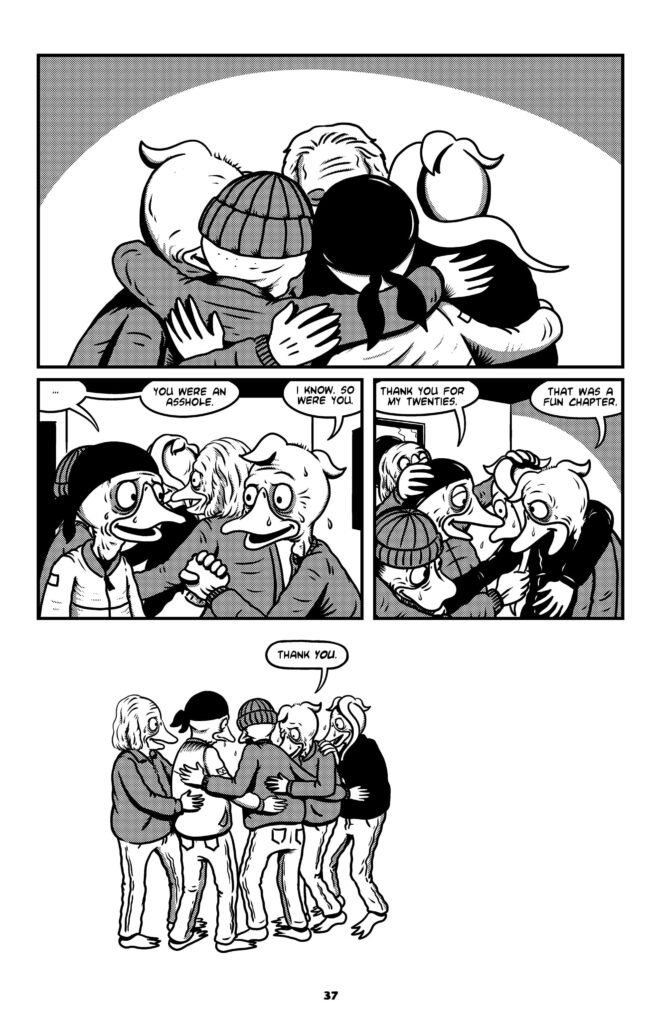
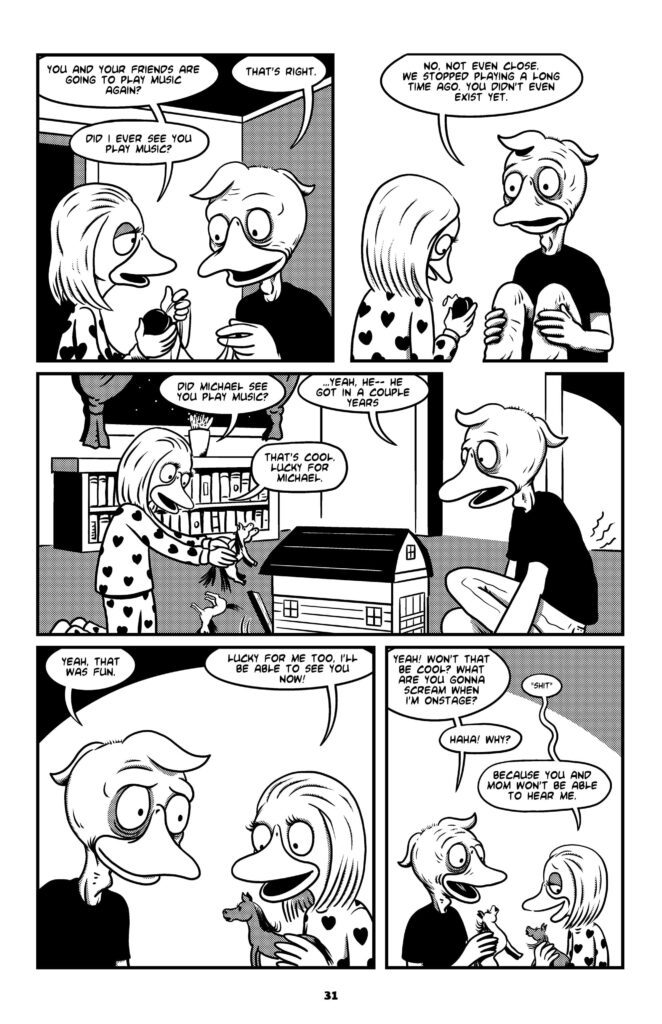
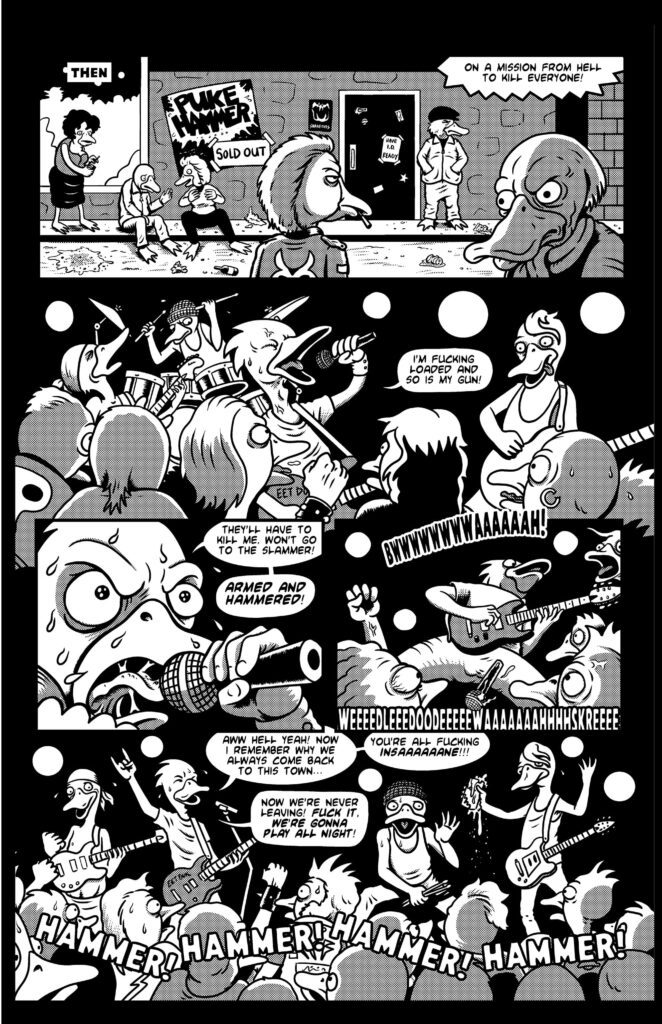
Together, they tell the story of Curtis, who was once the frontman of thrash metal band Puke Hammer. After the band fizzled out, Curtis settled into being a dad and husband. Time hopping back and forth, we learn about Curtis’s metal past, the contrast of the present, and the potential future where both of those things merge. Curtis’s second chance plays out in a story that has as much heart as it does angst. Justin and Cam talk to us about the journey to getting Death Metal Duck published and the surprising reactions they’ve received from it.
How did this idea come about?
Justin Heggs: Do you know the book, The History of Marvel Comics by Sean Howe? I got to the chunk in the 1970s, and they were talking about everyone who was working there. They hit on Steve Gerber and stuff like that. I really got interested in his story. Because of Steve Gerber and Howard the Duck, I think the name Death Metal Duck came from that. That was the initial thing for it, but once I had the name, I think it just sort of came out. That first 20 pages, like the first chapter of it, was written pretty quickly. The ducks were just sort of a tribute to Steve Gerber.I think ducks in general have a pretty big place in comics, in the history as far as the different characters that have been in it. So yeah, it definitely fit.
Dying Scene: Did you have any bands, eras of music, or subgenres that kind of shaped the tone of the book for you?
Justin Heggs: When I was writing the first issue, that was right when The Grinding Wheel by Overkill came out. That whole album is basically the soundtrack of me writing the first chapter of the book; that was a huge thing. I don’t know if it made its way in there or anything recognizable, but if I listen to that now, that’s what’s in my memory for sure. Then, as far as music, Children of Bodom was the one that’s mentioned in the book. Alexi Laiho and his playing were kind of supposed to be what he would be styled after, what I had in my mind for sure.
Dying Scene: Cam, how different were the earliest versions of the ducks in this world? Did they all kind of stay the same, or did you change anything up a bit?
Cam Hayden: A lot of it was locked in when we did the initial first issue. We kind of took a first crack at it about ten years prior. When we went to finish it off, I wanted to go back and redraw the first issue because I’d gotten ten years more experience. As far as the character designs and things like that, we had to lock those in early. They stayed pretty consistent as it progressed to the version that we have now.
Dying Scene: Did the story change at all in those ten years from the initial idea to the finished product?
Justin Heggs: Yes, I think so. I stopped writing after Death Metal Duck after the first issue came out in 2017, so I didn’t have the rest of the story finished yet. I just had some notes and such. When I came back to finish it in 2024, some of my notes were there, but I think it changed from what it would have been back then because it’s a lot more. I’ve been saying it’s a little autobiographical of myself. I think it took a more real turn. I was thinking maybe Spinal Tappy or something like that. I don’t think the story ever really ended up leaning that way. It always just sort of came out a little more… I don’t know about serious, but sincere or something like that.
Dying Scene : I don’t think that would have been a bad comic, but I think this is the better version of that story.
Cam Hayden: I do think it sort of sets that up a little bit. I think when people see it on the table, their first thought is probably, “This is going to be this crazy gonzo rock story with just excess and mayhem.” Then we pull a bit of a switcheroo on them when they read it. They find that it kind of hits them differently than they’re expecting, which is good so far. There’s just that sincerity that sort of hits them in the feels a bit.
Dying Scene: Trying to juggle art and grown-up shit hit me really hard. Were there any world rules or logic rules for Death Metal Duck, or just ducks as humans?
Justin Heggs: I really like the collaborative nature of comics, working with somebody else like this. So I try to, if I don’t have a specific thing that I’m picturing for whatever reason, like maybe later down the road that has to come back so it has to look a certain way, I really like just handing it out there and seeing what comes back. There were no rules other than when he’s older, he has a bald spot. Like he’s got three pieces of hair when he’s younger, two pieces later, so you know when the flashbacks are. Other than that, it was anything goes. Cam came back with things like, they don’t wear shoes or any of that sort of stuff. That was all him, which is awesome.
Cam Hayden: Which sort of cuts off the ability to give them like Gene Simmons KISS boots and stuff like that.
Justin Heggs: No need for platforms.
Cam Hayden: So they’re fully decked out in every other way, except they just got their bare feet hanging out. I guess they’re gnarly enough.
Dying Scene: Were there any tiny details that you added that readers may miss? Any kind of heavy metal Easter eggs or anything like that?
Justin Heggs: There’s a couple. I think there’s a few connections that maybe people miss or don’t pick up on maybe the first time through. I wrote it sort of dishing out the information a little bit at a time and sometimes out of order.
I still sometimes have people surprised, like, “Who’s Michael?” And he shows up four pages later. So, you know, you’ll piece it all together. I didn’t want to have a scene where they just sort of explained that. It just sort of comes in. So I think there’s some of that that gets missed, little details. There are definitely a couple of rock legend cameos in there that Cam put in.
Cam Hayden: Yes, I grew up reading Mad Magazine, so I was a big fan of the Will Elder Chicken Fat. I like to put little things in the background just for some visual spice, I guess. They’re definitely sprinkled throughout. Little callbacks to metal things and comic things.
Justin Heggs: There’s definitely a duck Lemmy. I’ll say that.
Dying Scene: Cam, were there any key decisions outside of the “no shoes” you had for the character designs?
Cam Hayden: Not really. When I got the script, I just started drawing it and sort of feeling it out. I didn’t do a lot of planning ahead. I just wanted to see how it would come out when I just started drawing it. If there were any changes along the way, then I would go back and make adjustments. I kind of just wanted to follow my intuition on it.
I didn’t want to make them look like Disney ducks. I wanted them to be fairly human-looking because it lends itself more to realistic band equipment and things like that. I didn’t want it to look like a Disney rip-off. I wanted it to look more underground, which I tend to lean towards anyway. Not a ton of pre-planning. I just kind of did what I do, for better or worse.
Dying Scene: How did you guys come up with the band name?
Justin Heggs: I think that’s something I had. I don’t know where Puke Hammer came from. I think the idea was that the logo could definitely be very splatter-heavy and unreadable. That was supposed to be one of the ideas as well: having Puke in there and then Hammer.
Dying Scene: And it’s like the most metal name anyway. How has Puke Hammer not been taken all this time?
Cam Hayden: Puke Hammer and the title Death Metal Duck, both of those just knocked it out of the park. Coming up with those, they’re very direct and attention-grabbing. It’s all good. My hat’s off to you.
Dying Scene: How did you incorporate metal aesthetics without parodying them too much?
Cam Hayden: I think because I’ve played in bands, I sort of understand the seriousness of it. I know some people look at stuff like that, and it’s done in a jokey way, and it’s sort of ridiculous. I think it is, in a lot of ways, sort of like a uniform, like a musical tribe. I know it can be kind of goofy and zany, but the script didn’t call for it to really be like that.
In most cases, there are a couple of instances where we kind of lean into the funny aspects of it. Anyone who likes metal is aware of that. I’m a big fan of KISS. Part of the attraction of KISS is how goofy they are and the way they fall on their face all the time. They’ve got some great albums and then they’ve got some just absolute stinkers. Their costumes, their get-ups, on one hand, they’re kind of goofy.
On the other hand, that’s what drew me to them in the first place, and it’s awesome about them. I still love bands like Ghost and GWAR, all that stuff. It’s visually awesome. It’s entertaining. I think I wanted to approach it in a respectful way because I’ve played in bands similar to that. I love bands that are like that, so I respect it.
Dying Scene: Do you have a page or panel that you feel captures the book, what the book is about?
Cam Hayden: I don’t know. The splash page turned out pretty good.
Justin Heggs: I definitely have panels that are like… There’s one where Murphy’s exhaling and he’s like, “Have you been crying?” I was like, “Holy shit, that’s all I do now.” I really like that. That was mostly just for the detail of a duck exhaling smoke. There are a lot of pages that have a lot of meaning for me, but I don’t know. It might be them on stage.
Cam Hayden: Yeah, there are a lot of different layers going on. Maybe I’m too close to it as well.
Dying Scene: Did you have a way to figure out the dialogue? Did it start feeling more autobiographical than you were expecting it to be as you were going through?
Justin Heggs: When I came back to start writing again, that was literally the day that I told Cam that I was going to finish Death Metal Duck. So that was me coming back after a long time off from writing anything at all. A lot of that coming back into the music stuff that Curtis is doing, there were a lot of feelings of that coming back into the writing part of it for me. There are definitely some parts in there that are text messages that I have with friends and stuff like that on Instagram or just whatever, talking about what I was going through at the time. Reading it back now, I put a lot of that in there. It was definitely affected for sure.
Dying Scene: Outside of Howard the Duck and Metal, were there any non-metal inspirations that shaped the comic?
Cam Hayden: I would say that even though Puke Hammer is a metal band, as a guy who plays in bands, I can say that it is very representative of my experience as well in bands that are not necessarily metal bands. I think that’s true for a lot of my friends who are in bands, who are our age, and who have had a family kind of land in the middle of what they thought was being on the verge of taking off in their band situation and just having everything kind of reprioritized and the card deck reshuffled. If you’re looking just at music, I think any sort of genre of music, I think it’s applicable too. I find a lot of the band dynamics transfer pretty readily across every band that I’ve ever been in, at least.
Justin Heggs: I think for me it just ended up being the importance of creating. If that’s something that you’re drawn to, we would have printed this and sold it ourselves at the shows that we happened to go to. It would have been similar to the other 2017 version where if you bought it or if you read it, you got it directly from us because that was the only way to get it. We were totally going to do that, you know, no big deal, and then it got picked up; it blew up into something different.
The importance of creating it as part of the story. Like, if that’s in you, then bottling that up doesn’t work. That’s what Curtis is doing. That’s why it’s not so much that there are obstacles he has to overcome, whatever it is. And like, that’s what the story is that kind of goes pretty smoothly for everybody once they decide what they want to do. But that’s the story, you know, like these things happening for all these characters and based on just going back and tackling that dream again, right?
Dying Scene: What was your collaborative process like? How did you guys divy up the work, if you will?
Justin Heggs: I think once I had sent Cam the script, I just sort of stepped back. I didn’t know if he was going to send character sketches or anything like that. I think the first thing that he sent me was the first three pages done. As far as what he’s doing and what I’m doing, I wrote it. There were very little changes or anything like that. Anything that has to do with that was all his department.
Cam Hayden: There may have been a couple of instances where I would send a page and you would have a couple of notes on it, but it was nothing, no crazy redraws or anything. It’s kind of just you fire me a script, and I would turn it around and shoot it back at him. And then usually it was, it was okay.
Dying Scene: Were you guys mostly on the same page?
Justin Heggs: There were a couple of things I noticed. There’s maybe two word balloons that I think Cam added in that sort of move the story forward a little bit between panel progressions. And it was like, “Oh, yeah, you know, that works or whatever,” just sort of like, I think he put it like a “so” just to sort of move the scene on. I was like, “Yeah, that works perfectly.” I think those were the only things that I noticed. Other than that, I think it was pretty accurate to what I had written.
Like, the old version of the book was like, one of the best things I had done up to that point. I was super proud of it. Getting the art back for the redraw of what turned into all of this blew my mind. Cam definitely leveled up a few stages for all of that. So I was very grateful for all that. I think the detail that blew my mind was in the word balloons for when Curtis is talking to his daughter, Macy, and he says, “What are you going to scream when I’m on stage?” And she says, “shit.” The word balloon’s tail is all squiggly, and it just sort of comes up. It was just perfect and not a detail that I had added in at all. He did the lettering and the art as well. The lettering is a huge part of it. Stuff like that was genius. It communicates just with a squiggle in the balloon line.
Cam Hayden: Yeah, for me, I think it was kind of when the scripts for Part Two and Three came in, because where we left off in Part One, it definitely could have gone into kind of this gonzo, crazy rock story. I was pretty blown away just by how deep the script was. For anyone who’s seen any of my other work that I do, it’s pretty lowbrow, just goofy comedy, horror stuff. It put me in a bit of a different ballpark than what I’m normally functioning in. The depth of the story kind of blew me away and knocked me into another lane, which I think is good. I think a lot of people who buy it, who are familiar with my previous work, are impressed with the script that Justin has done for this, as I was as well.
Dying Scene: Are you guys going to do any more?
Justin Heggs: It’s hard to say. I definitely have a story for it now, but I don’t know if it’ll be like the next thing we do or anything like that, trying to get this one sold as much as possible. Get that out there, but there is definitely a Side B for this. I mean, it took us ten years to make this one. Maybe we have to wait ten more years for the sequel. That just might be how it works.
Cam Hayden: We are getting a really good response from it, though. If there are people who want more, and there’s a script ready.
Dying Scene: Did you pitch it to Black Panel Press, or did they have a copy of the old one and pick it up?
Justin Heggs: When Cam was probably halfway through redrawing the first issue, I was like, “Holy shit, we should pitch this instead of just trying to do it ourselves.” I think by that time, we had the first issue done, the first twenty pages, which is a great amount to be able to send to people because it breaks off the story in a nice little cliffhanger or whatever. We were able to send twenty pages to all the places you can think of that you would want to publish your stuff. Black Panel got back to us probably a month later, and just based off of those twenty pages, was interested in it.
Dying Scene: I like their lineup of books because they’re very unique in what they choose. What feedback have you received from comic readers that surprised you?
Justin Heggs: I guess I’ve been surprised that everyone’s been pretty positive about it. That’s been a pleasant surprise, just because I’ve never put anything out there beyond personally selling it to someone at a convention. People in stores that I don’t go to and don’t know have bought and read the book. It seems like it’s been received pretty well. I think it’s personal, but it also sort of makes it more general because everybody is kind of feeling some piece of something that I’m mentioning in the book. That’s why I’m happy when anybody says that they connected with it, or what they took out of it, maybe not music. Just the parenting stuff or getting older. I guess 100% of us are doing that.
Dying Scene: Have metal fans read it? Do you know if they like it?
Justin Heggs: I think so. I don’t know if they’ve specifically said, “We represented the music well,” or something like that. When we were at TCAF (Toronto Comics Art Festival) selling it, there were people who came the second day because someone told them on the first day that there’s a book called Death Metal Duck.” All walks of life, right? So, I mean, I hope they liked what we did afterwards. That definitely brought them in.